


Choosing between single solenoid repair and full valve body repair depends on one core question: is the fault isolated, or is the transmission control system wearing out as a larger assembly? In many vehicles, a single failed solenoid can cause one narrow shift problem, but repeated codes, pressure instability, contaminated fluid, or multi-gear complaints often point to a broader valve body issue instead. (autozone.com)
That is why the most useful repair decision is not the cheapest part you can replace first, but the repair that matches the failure pattern. A car with isolated electrical or actuation failure may respond well to targeted transmission solenoid replacement, while a car with hydraulic cross-leaks, worn bores, or persistent shift complaints usually needs more than one component. (sonnax.com)
The next layer of the decision is diagnosis. Solenoid failure symptoms can overlap with clutch slip, wiring faults, valve body wear, and software adaptation problems, so a code alone does not always prove that one solenoid is the only bad part. That is especially important for car owners who want to avoid paying twice for a repair that seemed cheaper at first. (sonnax.com)
A smart decision also considers drivability, repair durability, fluid condition, and what happens after the parts are installed. Introduce a new idea: the main content below breaks the choice into symptoms, testing, cost, reliability, and real-world decision points so you can tell whether to fix one solenoid, repair the valve body, or move toward a larger transmission repair. (autozone.com)
Should You Replace a Single Solenoid or the Entire Valve Body?
Yes, you should replace a single solenoid when diagnosis isolates one failed control component; you should repair or replace the valve body when symptoms affect multiple functions, pressure control, or repeated shift behavior. (sonnax.com)
To better understand that repair choice, it helps to separate a narrow component failure from an assembly-level control failure.
Is a Single Solenoid Repair Enough in Some Cases?
Yes, a single solenoid repair is enough in some cases because the fault can be isolated, the rest of the valve body may still work correctly, and the fluid may show no signs of widespread internal damage. (autozone.com)
Specifically, this is the best-case scenario for a car owner. The transmission may have one repeatable complaint, such as a harsh 2-3 shift, a torque-converter lockup issue, or a single gear command problem. The scan tool may also show one relevant code and one matching symptom instead of a cluster of unrelated faults. In that situation, targeted transmission solenoid replacement can be a rational repair because the fault pattern stays narrow.
A good shop will not stop at the code. It will confirm power, ground, resistance, harness integrity, and actuator behavior. That matters because a failed circuit, a damaged internal harness, or debris in the hydraulic path can imitate a bad solenoid. When the evidence still points to one failed unit, replacing just that part can reduce cost and avoid unnecessary assembly replacement. (sonnax.com)
This is also where Car Symp readers often benefit from a simple rule: one complaint, one code family, clean fluid, and stable line pressure make a focused repair more defensible than a broad parts swap. That does not guarantee success, but it greatly improves the odds that the first repair is the right one.
When Does the Whole Valve Body Need Repair or Replacement Instead?
The whole valve body usually needs repair or replacement when the transmission shows multiple shift complaints, pressure-related behavior, recurring fault codes, or signs that the hydraulic control system is worn as a unit. (sonnax.com)
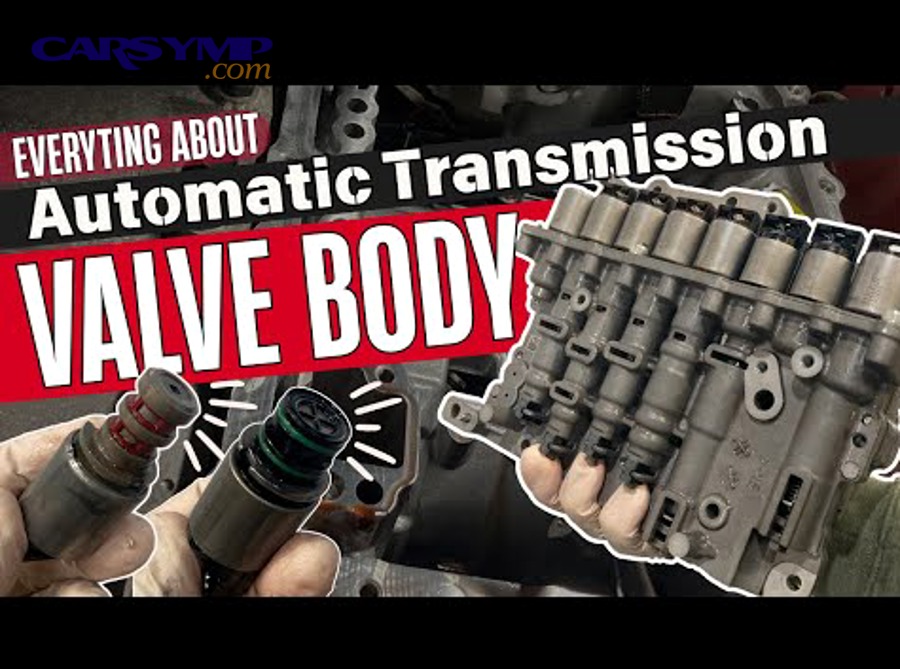
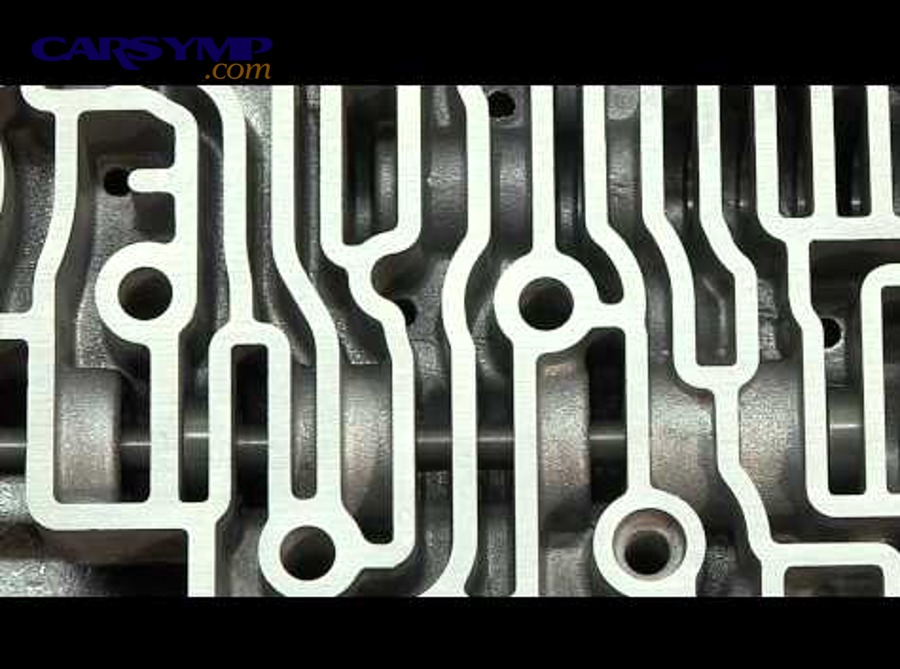
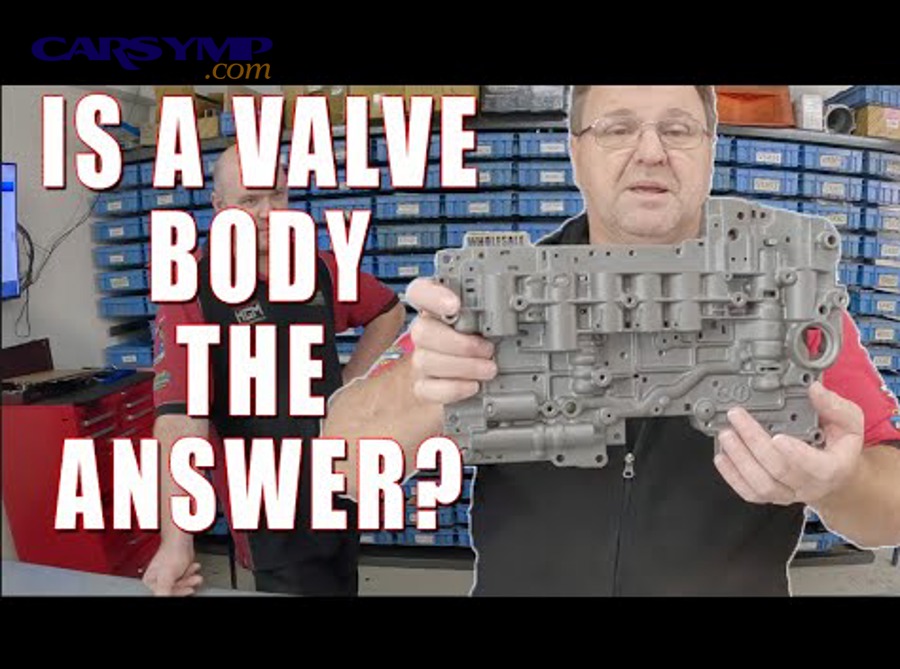
More specifically, the valve body is not just a bracket that holds solenoids. It contains valves, bores, channels, separator plates, and hydraulic logic that route transmission fluid under precise pressure. Wear in those passages can create delayed engagement, flare, neutral-like conditions, harsh shifts, or inconsistent behavior that no single solenoid can fully correct. In those cases, replacing one part may only mask the symptom briefly.
A broader repair also makes sense when the complaint changes with temperature. Some worn valve body assemblies behave worse hot than cold because internal leakage increases as fluid thins and wear points expand in effect. If the vehicle shifts acceptably for a few minutes and then starts slipping, delaying, or changing gears erratically, that pattern often pushes diagnosis beyond one bad solenoid and toward wear inside the main control assembly. (sonnax.com)
According to GM service information published through NHTSA, some DTC groupings and fluid-condition findings require replacing both the solenoid body and valve body, and dark or burnt fluid can further require clutch inspection for internal damage. (static.nhtsa.gov)
What Is the Difference Between a Transmission Solenoid Problem and a Valve Body Problem?
A transmission solenoid problem is a control-component fault, while a valve body problem is a hydraulic-control assembly fault that can involve valves, passages, pressure regulation, and the solenoids mounted within it. (autozone.com)
Next, that distinction matters because many drivers hear “solenoid code” and assume the whole transmission only needs one small electrical part.
What Does a Transmission Solenoid Do?
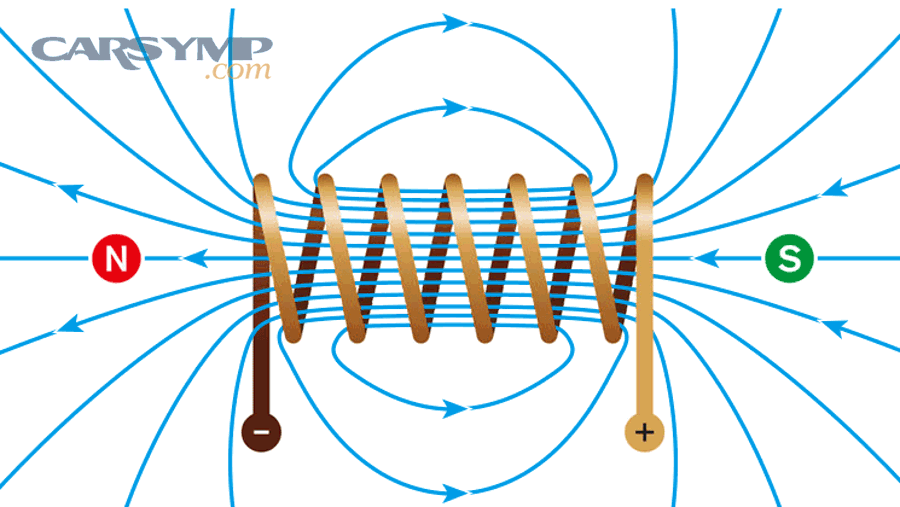
A transmission solenoid is an electronically controlled actuator that opens or closes fluid paths, regulates pressure, or controls clutch and converter functions during gear changes. (autozone.com)
For example, the transmission control module reads throttle position, speed, load, and other inputs, then commands solenoids to direct hydraulic pressure where it needs to go. Some solenoids handle on-off shift functions. Others act as variable-force units that fine-tune line pressure or clutch apply rate. That is why one failed solenoid can cause very specific behavior, such as a missed shift or a converter clutch problem, instead of total transmission failure.
However, solenoids do not work in isolation. They depend on clean fluid, intact wiring, proper mechanical movement, and valve body integrity. If the commanded solenoid operates but the hydraulic circuit leaks internally, the symptom can look like a bad solenoid even though the root fault sits elsewhere.
What Does the Valve Body Do in an Automatic Transmission?
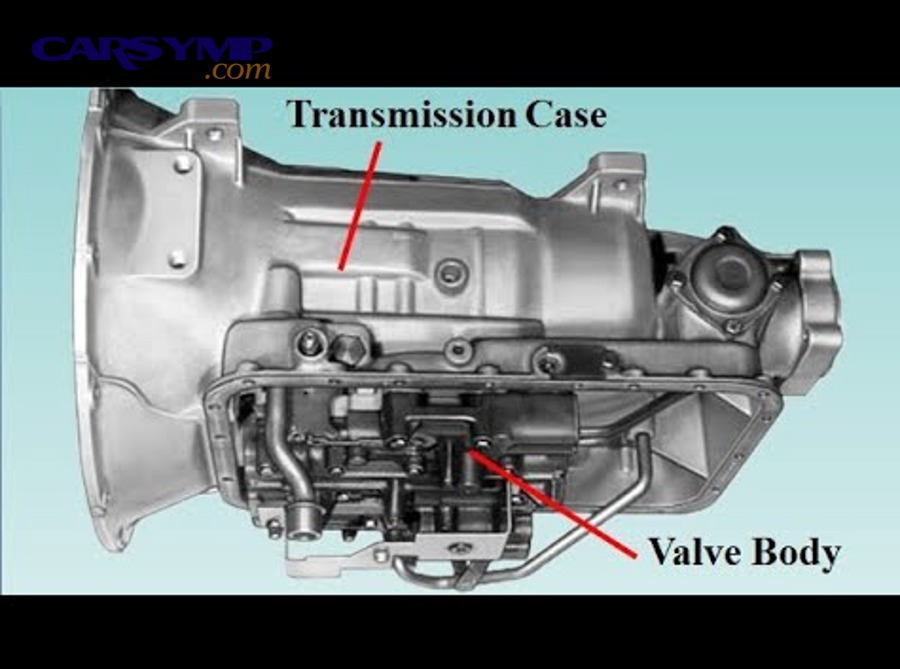
The valve body is the transmission’s hydraulic control center; it routes fluid, manages pressure, houses multiple valves and passages, and coordinates the work that solenoids command. (sonnax.com)
To illustrate, think of the solenoid as the messenger and the valve body as the entire control network. The valve body contains the physical channels and moving valves that make the command happen. If those valves stick, the bores wear, or fluid leaks across circuits, the transmission may behave badly even when the electrical side appears normal.
That is why a valve body problem often feels broader than a pure solenoid problem. The driver may notice several shift complaints, hot-only symptoms, delayed engagement into Drive or Reverse, or repeated returns after earlier repairs. In short, the valve body turns electronic commands into hydraulic action, and when that conversion system wears out, the repair scope usually grows.
What Symptoms Suggest a Bad Solenoid Versus a Bad Valve Body?
There are two main symptom groups: isolated, repeatable complaints usually suggest a bad solenoid, while broad, inconsistent, or pressure-related complaints usually suggest a bad valve body. (autozone.com)
More importantly, reading the pattern matters more than reacting to one symptom in isolation.

Which Symptoms Usually Point to a Single Bad Solenoid?
There are five common symptoms that usually point to a single bad solenoid: one harsh shift, one delayed shift, one missing gear event, converter lockup trouble, and limp mode tied to a narrow fault pattern. (autozone.com)
Specifically, the most common solenoid failure symptoms include delayed or rough shifting, being stuck in a single gear, sudden downshifts, and a check engine light with transmission-related codes. What makes these symptoms more “solenoid-like” is repeatability. The same gear event misbehaves in the same way under similar conditions. The transmission may otherwise feel normal.
For example, a vehicle may shift cleanly in most gears but consistently flare or bang on one upshift. Another may drive normally until torque-converter lockup is requested, then shudder or unlock unexpectedly. These narrow patterns fit a component-level problem better than a hydraulic system-wide problem.
AutoZone notes that common signs of a bad transmission shift solenoid include rough or delayed shifting, getting stuck in a gear, unexpected gear changes, and check-engine-light activation. (autozone.com)
Which Symptoms Usually Point to a Valve Body Problem?
There are five common symptoms that usually point to a valve body problem: multiple erratic shifts, delayed engagement, pressure instability, hot-only complaints, and repeated failures after earlier targeted repair. (sonnax.com)
More specifically, valve body faults often look messy. The transmission may hesitate into Drive in the morning, flare on one shift when warm, slam into another gear later, and then store pressure-related or ratio-related codes. Because the problem affects hydraulic distribution and regulation, it can create inconsistent complaints that move around.
Another warning sign is fluid behavior. Very dark fluid, burnt odor, or debris raises the chance that the valve body is not the only problem, but it also weakens the case for replacing one solenoid and hoping for a lasting fix. If contamination has been circulating through the control system, valves can stick and solenoid screens can clog. (static.nhtsa.gov)
AAMCO lists delayed shifts, failure to engage or stay in gear, and slipping or high revving among common transmission-problem signs, while GM service information links some code groups and fluid-condition findings to valve body or broader internal inspection decisions. (aamco.com)
How Do You Diagnose Whether the Problem Is One Solenoid or the Whole Valve Body?
Diagnosis works best in four steps: confirm the complaint, scan for codes and data, test the electrical and hydraulic side, and check fluid condition before choosing parts. (sonnax.com)
Then, once those four steps line up, the repair decision becomes much safer and much cheaper over time.
What Tests Confirm a Single Solenoid Failure?
A single solenoid failure is best confirmed by matching a narrow symptom pattern with relevant DTCs, actuator or functional testing, circuit checks, and evidence that the rest of the transmission is behaving normally. (sonnax.com)
To better understand, start with live scan data. The technician should look at commanded gear, actual gear ratio, pressure commands, solenoid states, and speed sensor relationships. A specific fault that appears only during one command event is more consistent with an isolated component problem.
Next comes electrical testing. That may include resistance checks, voltage supply confirmation, ground-path verification, and inspection of the internal harness connector. Some shops also use actuator tests or specialized methods such as vacuum testing of variable-force solenoids. Sonnax notes that checking VFS solenoid circuits can prevent expensive misdiagnosis in certain GM units. (sonnax.com)
Finally, the fluid and the rest of the transmission must support the same conclusion. Clean, red, translucent fluid without a burnt smell makes a targeted repair easier to justify than blackened, overheated fluid full of debris. A single test result never decides the job; the evidence has to align.
What Findings Indicate Valve Body Wear or Internal Hydraulic Problems?
Valve body wear or internal hydraulic problems are indicated by multi-function shift complaints, pressure inconsistency, hot-worse behavior, repeated return failures, contaminated fluid, and tests that do not isolate one electrical fault. (sonnax.com)
More specifically, a shop starts suspecting valve body wear when the transmission obeys commands poorly even though the electrical side checks out. The solenoids may switch correctly, but the clutch apply timing still looks wrong. The ratio may drift. Pressure may not build or release consistently. Those are classic signs that the hydraulic side is losing control accuracy.
Another clue appears when a vehicle has already had a single-solenoid repair and the complaint returns quickly. That pattern suggests the original repair treated the symptom, not the source. Worn bores, sticky valves, separator-plate leakage, or debris circulation can all keep reproducing the same family of complaints.
According to a Sonnax technical article on several AW units, inspection frequently points to the valve body because it accounts for the majority of the transmission’s issues in those applications. (sonnax.com)
Which Repair Option Costs Less and Lasts Longer?
Single-solenoid repair usually wins on upfront cost, valve body repair often wins on broad-system correction, and a larger transmission repair is optimal when fluid condition or clutch damage shows the control issue is no longer the only problem. (static.nhtsa.gov)
However, the cheapest invoice is not always the lowest total cost.
Is Replacing One Solenoid the Cheapest Good Fix?
Yes, replacing one solenoid is often the cheapest good fix when the diagnosis is narrow, the part is serviceable separately, and the valve body shows no evidence of widespread wear or contamination.
Specifically, parts cost is lower, labor may be lower, and the repair can be highly efficient when the shop knows exactly which component failed. For a car owner trying to control costs, that makes sense. A focused repair also limits the number of new variables introduced into the transmission.
Still, this strategy fails when the transmission has broader issues. If the shop replaces one solenoid because the code mentioned it, but the real problem is a worn bore or contaminated control system, the car may shift better briefly and then return with the same or a related complaint. In that case, the “cheap” fix becomes the expensive first round.
This is where Preventing solenoid failures also enters the conversation. Regular fluid service, correct fluid type, cooler health, and prompt diagnosis of early shift complaints reduce the risk that a small control issue spreads into a larger hydraulic problem.
Is Valve Body Repair or Replacement More Expensive but More Reliable?
Yes, valve body repair or replacement is more expensive upfront but often more reliable when the failure pattern is broad, hydraulic wear is present, or the unit is known for valve-body-related problems. (sonnax.com)
More specifically, this option treats the control system at the assembly level. A rebuilt or remanufactured valve body may address multiple worn valves, sleeves, regulator issues, solenoid mounting conditions, and separator-plate problems in one job. That broader correction can reduce comebacks in vehicles that already show system-level symptoms.
The tradeoff is cost and complexity. Some units also require programming support or adaptive learning afterward. Ford service information for some 10R80 complaints, for example, pairs valve body work with adaptive learning drive cycles and, in some cases, transmission strategy download. (static.nhtsa.gov)
According to Ford service information published through NHTSA, certain valve body repairs on 10R80 applications include adaptive learning drive cycles, showing that post-repair calibration is part of the fix rather than an optional extra. (static.nhtsa.gov)
When Should Car Owners Choose Solenoid Repair, Valve Body Repair, or a Bigger Transmission Repair?
There are three repair paths: choose solenoid repair for isolated faults, choose valve body repair for broader control-system wear, and choose bigger transmission repair when clutch or hard-part damage is likely. (static.nhtsa.gov)
Below, the easiest way to make that decision is to match the repair scope to the evidence, not to the hope that the smallest part will solve everything.
When Should You Choose Single Solenoid Replacement?
There are four good reasons to choose single solenoid replacement: the symptom is isolated, the diagnosis is confirmed, the fluid looks healthy, and the design allows that solenoid to be serviced separately.
Use that option when the car has one narrow complaint and the tests consistently support one failed control unit. This is especially appropriate when the transmission otherwise shifts well, the line-pressure behavior looks stable, and there is no sign of widespread contamination.
It is also a better choice when the vehicle has a known history of individual solenoid failures rather than major valve body wear. Even then, the shop should inspect connectors, internal harnesses, and any debris caught in screens or passages. A solenoid may fail for its own reasons, but it can also fail because the environment around it is unhealthy.
A practical decision checklist looks like this:
| Decision factor | Single solenoid replacement fits best when… |
|---|---|
| Symptom pattern | One repeatable shift or lockup complaint |
| Codes | One relevant code family, not many unrelated faults |
| Fluid condition | Clean, red, non-burnt fluid |
| Electrical tests | Fault isolates to one circuit or actuator |
| Drivability | Transmission works normally outside the narrow complaint |
The table above shows the conditions that make a focused repair more reasonable and more likely to last.
When Should You Skip Both and Suspect Internal Transmission Damage?
Yes, you should skip both narrow solenoid repair and valve-body-only repair when the transmission shows burnt fluid, metal debris, clear clutch slip, no-move conditions, or evidence that internal friction parts are already damaged. (aamco.com)
More importantly, this is the moment when honesty saves money. A slipping clutch pack can trigger ratio errors that resemble solenoid or valve body issues. The transmission control module only sees that the commanded ratio did not happen; it does not always know whether the failure came from electronics, hydraulics, or worn friction material. Sonnax specifically notes that some performance codes can also set when the clutch responsible for that gear ratio is slipping or neutraling out. (sonnax.com)
If the fluid is black, smells burnt, or contains visible debris, the repair conversation changes immediately. In that case, even a correct valve body replacement may not restore a healthy transmission for long because the clutches or other internal parts may already be damaged. GM service information repeatedly ties burnt fluid and certain current DTCs to clutch inspection in addition to control-system repairs. (static.nhtsa.gov)
In short, a broader overhaul becomes the right move when the transmission is no longer just miscontrolling gear changes but physically failing to hold them.
What Other Factors Can Affect the Solenoid vs Valve Body Repair Decision?
Four extra factors affect the decision: vehicle design, part quality choice, adaptation requirements, and fluid contamination risk after repair. (static.nhtsa.gov)
In addition, these are the details that often separate a successful repair from a frustrating comeback.
Does the Vehicle Brand or Transmission Model Change Whether a Solenoid Can Be Replaced Separately?
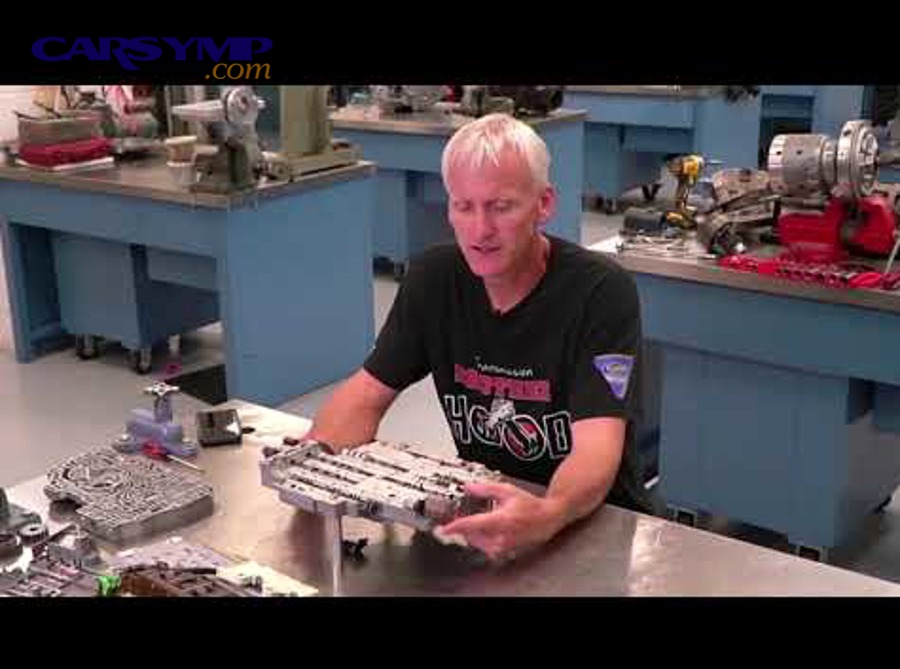
Yes, the transmission model changes that decision because some units allow separate solenoid service while others package solenoids into a solenoid body or broader control assembly. (static.nhtsa.gov)
That matters because the repair path is not universal. A shop may want to replace one failed unit, but the manufacturer may only sell a grouped assembly, or the unit may have known wear points that make piecemeal repair a poor choice. This is why two cars with similar symptoms can end up with very different estimates.
For car owners, the lesson is simple: ask not only “what failed?” but also “how is this transmission designed to be serviced?” That question often explains why one vehicle gets a modest solenoid quote and another gets a full valve body recommendation.
Should You Buy a New, Remanufactured, or Used Valve Body?
A new valve body offers the least uncertainty, a remanufactured unit often balances cost and corrected wear points, and a used valve body is usually the riskiest option for long-term reliability. (sonnax.com)
More specifically, a remanufactured valve body can be a strong value when it comes from a reputable builder that addresses known wear areas, not just cleans and resells the part. A used valve body may look attractive on price, but it can carry the same hidden bore wear or sticking-valve issues as the failed unit you removed.
This is one of the few places where saving money too aggressively can backfire fast. Labor is often significant, so repeating the job erases the initial bargain.
Do You Need Relearn, Adaptation, or Software Updates After the Repair?
Yes, many modern transmissions need adaptation or relearn after repair because the control module must recalibrate shift timing, pressure response, or clutch behavior to the repaired hardware. (static.nhtsa.gov)
That is why the Post-repair adaptation and road test checklist matters. A proper post-repair process usually includes clearing codes, resetting or initiating adaptive values where appropriate, confirming fluid level and temperature conditions, and completing a structured road test through the affected shift events.
A useful checklist includes:
- verify no active electrical faults remain
- confirm fluid level with the manufacturer’s procedure
- complete any fast learn or adaptive learn process
- road test cold and fully warm
- monitor commanded gear, actual ratio, and shift feel
- recheck for pending codes after the drive
Without this step, a good repair can feel incomplete, harsh, or inconsistent.
Can Dirty Fluid or Debris Make a Solenoid Repair Fail Again?
Yes, dirty fluid or debris can make a solenoid repair fail again because contamination can clog screens, stick valves, damage passages, and keep feeding the same hydraulic problem back into the control system. (autozone.com)
Especially in higher-mileage units, the fluid tells a story. If debris is circulating, the shop may need to clean the pan, replace the filter where applicable, and sometimes flush the cooler and lines. Otherwise, the new component enters the same hostile environment that damaged the old one.
That is also the most practical place to talk about Preventing solenoid failures. Correct fluid, proper service intervals, good cooling, early attention to Solenoid failure symptoms, and avoiding extended driving with delayed or harsh shifting all reduce the chance that one minor control issue turns into a valve body or clutch problem.
According to GM and Ford service information published through NHTSA, fluid condition, adaptation procedures, and the presence of specific DTC groups materially affect whether the repair should stay narrow or expand to valve body or internal transmission work. (static.nhtsa.gov)