


A tune-up can help you pass an emissions (smog) test when the failure is driven by “maintenance-level” problems—weak ignition, dirty airflow sensing, minor vacuum leaks, aging filters, or overdue basic service that pushes fuel control out of range. In those cases, restoring clean combustion and stable air/fuel control often lowers pollutants and prevents the check-engine light from returning long enough for a legitimate retest.
Next, it’s important to separate what a tune-up can realistically fix from what it cannot. A tune-up is not a magic reset button for a failing catalytic converter, a large EVAP leak, or a broken sensor circuit. Knowing that line saves money because it tells you when a tune-up is a smart first move—and when you should diagnose the exact system that triggered the failure.
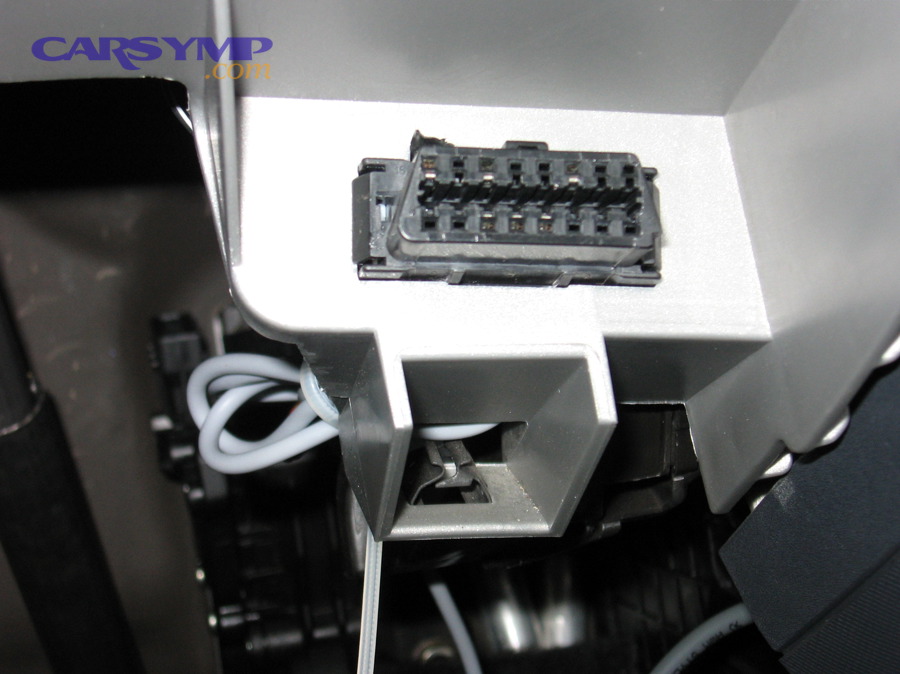
Then, you also need to think about the test method your state uses. Some programs measure tailpipe emissions; many modern programs rely on OBD readiness and trouble codes. Even after a successful tune-up, you can still fail if the car’s monitors are not set, if codes were recently cleared, or if a “not ready” status blocks the inspection.
Introduce a new idea: once you understand when a tune-up helps, you can use it as a planned emissions test failure fix—a sequence that starts with the highest-likelihood maintenance items, confirms results with scan data, and only then escalates to targeted repairs.
Does a tune-up help you pass an emissions test?
Yes—when the emissions failure comes from incomplete combustion or fuel-control drift, a tune-up helps you pass an emissions test for at least three reasons: it restores ignition energy, stabilizes air/fuel mixing, and reduces misfire-related pollutant spikes. To better understand where the “yes” ends and the “no” begins, you need to tie the test result to the system that actually failed.
What types of emissions failures are most likely to improve after a tune-up?
A tune-up tends to move the needle when the failure is rooted in combustion quality and fuel trim control, not in hard component failure. The most common “tune-up friendly” patterns look like this:
- Tailpipe readings high for HC (hydrocarbons) with no obvious catalyst code
HC rises when fuel doesn’t fully burn—often from weak spark, worn plugs, coil degradation, vacuum leaks, or a dirty MAF causing unstable fueling. - Misfire codes (P0300–P030x) or rough running
Even intermittent misfire can spike HC and CO, and can cause the ECU to chase fuel trim limits. - Fuel trim codes (P0171/P0174 lean, P0172/P0175 rich) that correlate with maintenance neglect
Lean from unmetered air (vacuum leaks), restricted fuel delivery, dirty MAF; rich from dirty air filter, leaking injectors, stuck purge valve, incorrect sensor inputs. - Borderline oxygen sensor switching caused by upstream exhaust leaks or poor combustion
Sometimes the sensor is fine, but it’s reporting instability created upstream.
In practical terms, the biggest “pass after tune-up” wins come from fixing the reasons the ECU can’t hold stoichiometry (the ideal air/fuel target) and from eliminating misfire conditions before they poison the catalyst.
When will a tune-up NOT help you pass emissions?
A tune-up is the wrong tool when the test failure points to a specific emissions-control system that’s failing on its own. These are the common “no” scenarios:
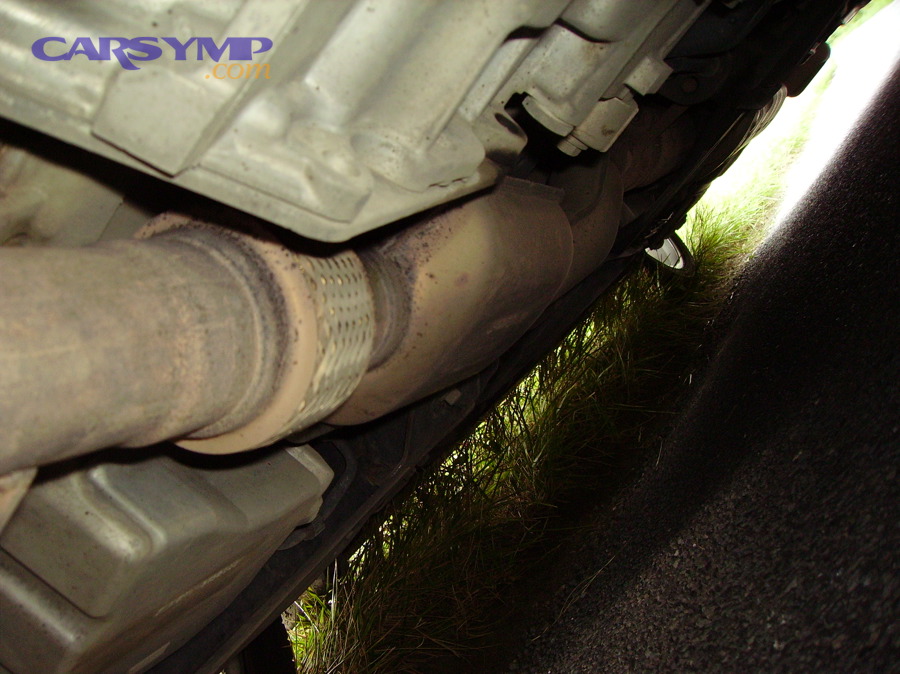
- Catalyst efficiency codes (like P0420/P0430) that return quickly after clearing
A tune-up may reduce raw pollutants entering the converter, but it won’t rebuild a worn catalyst substrate. - EVAP leak codes (small/large leak) or purge/vent control faults
The EVAP system is a sealed fuel-vapor system; it usually needs leak detection and targeted parts, not “general service.” - Hard electrical faults (heater circuit, sensor reference voltage, open/short wiring)
You don’t “tune up” a broken circuit. - Mechanical compression problems (burned valve, worn rings)
Maintenance can’t restore lost sealing.
If you’re staring at these, a tune-up can still be a supporting step—but it should not be the main plan.
How can you decide before spending money?
Use a simple decision check based on your test result:
- Do you have a check-engine light or stored/pending codes?
If yes, start with scan data. A tune-up is best when codes point to misfire/fuel trim/airflow issues, not catalyst/EVAP hardware. - Are fuel trims abnormal at idle vs cruise?
High positive trims at idle often hint vacuum leaks; a tune-up that includes leak repair helps. - Does the car run poorly (rough idle, hesitation, poor MPG)?
Driveability symptoms make a tune-up more likely to improve emissions.
Here’s a quick table to make that decision easier (it shows common failure patterns and whether a tune-up is usually a first-line move):
| Test/Scan Finding | What it often means | Tune-up first? |
|---|---|---|
| P0300–P030x misfire + rough running | Weak ignition, plugs/coils, air leaks | Yes |
| P0171/P0174 lean, trims high at idle | Vacuum leak, dirty MAF, PCV issues | Yes |
| P0420/P0430 recurring | Catalyst aging or upstream issues | Usually no (diagnose first) |
| EVAP leak code | Leak/purge/vent fault | No (targeted EVAP diagnosis) |
| “Not Ready” monitors | Drive cycle not completed | No (set monitors) |
What is a “tune-up” for modern cars?
A modern tune-up is a maintenance package that restores baseline combustion and sensor accuracy—typically spark plugs (and sometimes coils), air filtration, fuel/air metering cleanup, and inspection of vacuum/PCV systems—rather than the old-style “carb and timing” adjustments. Next, the key is to align your tune-up scope with how emissions systems actually decide pass/fail.
What “tune-up” meant on older cars vs. what it means today
Older vehicles often needed manual adjustments (timing, distributor cap/rotor, carb mixture). Modern cars do not. Instead:
- The ECU adjusts fueling continuously using sensor feedback.
- Emissions compliance depends on stable closed-loop operation, correct fuel trims, and completed OBD monitors.
- The most effective “tune-up” work is whatever restores consistent combustion and accurate measurement.
So, for emissions, “tune-up” is really shorthand for: remove the small inefficiencies that cause big pollutant spikes.
What a tune-up usually includes (and why it matters for emissions)
A realistic modern tune-up list includes:
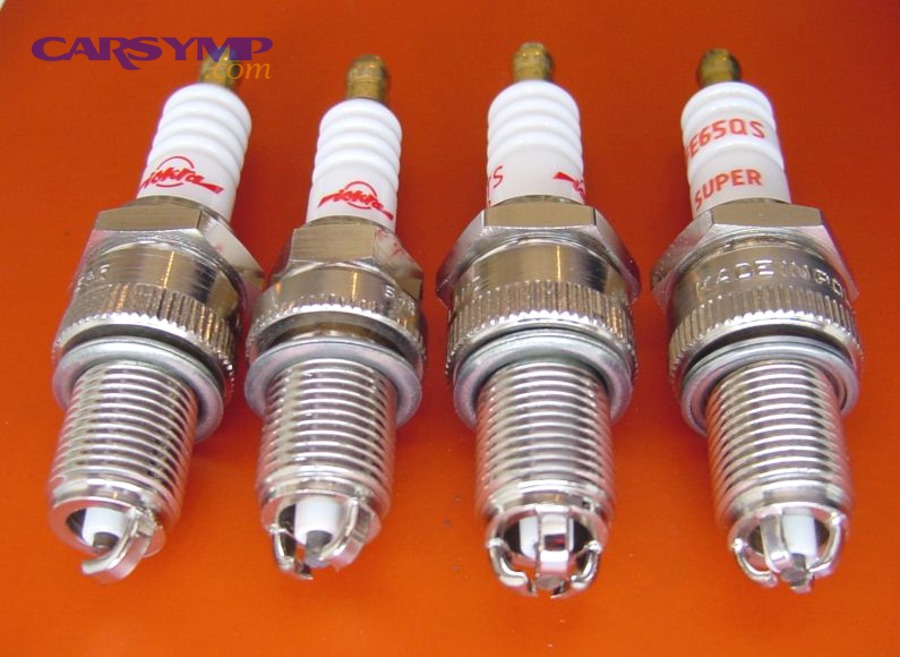
- Spark plugs (correct type and gap)
Worn plugs increase misfire risk and reduce flame stability, raising HC/CO. - Ignition coils/wires (as needed)
Weak coils cause intermittent misfire under load, which can wreck emissions even if it “feels fine” on a short drive. - Air filter
A clogged filter can alter load calculation and worsen fueling, especially on older MAF-based systems. - MAF cleaning / intake inspection (if appropriate)
A contaminated MAF can misreport airflow and skew trims. - PCV and vacuum hose inspection
Unmetered air is a major reason fuel trims go out of range. - Throttle body cleaning (where relevant)
Helps idle stability; idle instability can complicate monitor completion.
What a tune-up does NOT include (so you don’t expect miracles)
A tune-up usually does not include:
- Replacing catalytic converters “just in case”
- EVAP smoke testing and leak isolation
- Fixing wiring faults or sensor heater circuits
- Correcting low compression or internal engine wear
That’s the difference between maintenance and diagnosis—and emissions failures often demand both, but in the right order.
What tune-up services most improve tailpipe emissions and OBD results?
There are 4 main groups of tune-up services that most improve emissions results—Ignition, Airflow & Fuel Metering, Vacuum/PCV Integrity, and Engine Temperature Control—because each group directly affects combustion completeness and the ECU’s ability to hold correct fuel trim. Then, you can prioritize the group that matches your failure pattern and avoid replacing parts that don’t move the test outcome.
Ignition system: what to service first
Ignition-related work is the #1 emissions tune-up lever when HC/CO are high or misfire codes appear.
Focus on:
- Spark plugs (correct heat range, torque, and gap)
- Coils (replace failed units; consider sets if a known weak design)
- Plug boots and coil connectors (corrosion and oil intrusion matter)
Why this works: incomplete combustion creates the very pollutants smog tests catch first—HC and CO.
According to a study by University of Alberta from the Department of Mechanical Engineering, in 2004, emissions near a misfire boundary showed carbon monoxide rising to about 20 g/kWhr versus a minimum around 8 g/kWhr under more stable combustion conditions.
Airflow & fuel metering: cleaning and calibration that actually helps
This group matters most when you see fuel-trim codes or unstable trims.
Key actions:
- Replace a dirty air filter
- Inspect/clean MAF (only with proper MAF-safe cleaner)
- Check intake ducting for cracks after the MAF (unmetered air)
- Address obvious fuel delivery issues (clogged filter where serviceable, weak pump signs)
Practical scan check:
- If trims are high at idle and improve at cruise, suspect vacuum/unmetered air.
- If trims are high across the range, suspect MAF calibration, fuel delivery, or exhaust leaks upstream of the O2 sensor.
Vacuum leaks & PCV: the hidden reason “simple” tune-ups fail
Vacuum integrity is a huge part of “passes after tune-up” stories because small leaks can push trims to the edge.
Tune-up-level inspections include:
- PCV valve function (stuck open can mimic a vacuum leak)
- Cracked hoses and brittle elbows
- Brake booster hose leaks
- Intake manifold gasket seepage (model-dependent)
This is also where a lot of people confuse EVAP and vacuum leaks—EVAP is sealed vapor plumbing; vacuum leaks are engine air leaks. Fixing the correct one is how you avoid wasted money.
Engine temperature control: the overlooked emissions multiplier
If the engine never reaches proper operating temperature, fuel control stays richer longer and monitors may not complete.
“Emissions-aware tune-up” checks:
- Thermostat not stuck open
- Coolant temp sensor plausibility
- Fan operation anomalies
A thermostat issue can look like “I did everything and still can’t get ready,” because some monitors require stable temperature windows to run.
Tune-up vs targeted repair: which one should you do first?
A tune-up wins as the first step when symptoms and scan data point to maintenance-driven combustion problems; targeted repair is best when codes isolate a specific emissions subsystem like catalyst efficiency, EVAP leaks, or electrical heater circuits. However, the smartest approach is often a hybrid: tune-up the known-worn basics, then diagnose what remains with real data instead of guessing.
When a tune-up is the smartest first move
Start with a tune-up when:
- You have misfire or clear ignition wear items overdue
- Fuel trims are abnormal but not tied to a single hard electrical fault
- The car has obvious maintenance neglect (old plugs, dirty filter, vacuum hose cracking)
- Tailpipe HC/CO is high without a clear catalyst failure pattern
Why: you’re removing the most common upstream causes first, and you’re protecting the catalytic converter from ongoing raw-fuel events.
When targeted diagnosis saves money
Go straight to targeted diagnosis when:
- P0420/P0430 returns quickly (and the vehicle runs normally)
- EVAP leak codes repeat
- O2 sensor heater circuit codes exist
- The vehicle is “Not Ready” after plenty of driving and you suspect a specific monitor won’t run
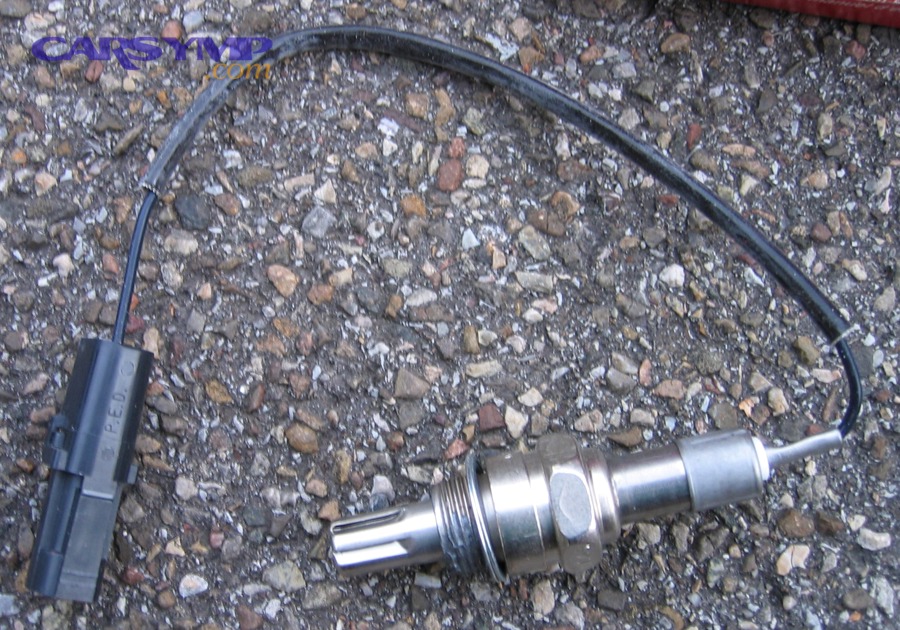
This is exactly where O2 sensor issues vs converter diagnosis becomes a real decision: if the upstream sensor is slow or biased, it can distort fuel control; if the downstream signal mirrors the upstream too closely, it can point to reduced catalyst oxygen storage. The right call depends on scan patterns, not on guessing.
How to avoid the “parts cannon” using basic scan data
You don’t need to be a tech to avoid wasted parts—you just need a few checks:
- Check for pending codes (they can fail a test even if the light is off in some cases)
- Look at fuel trims (STFT/LTFT) at idle and steady cruise
- Confirm O2 sensor activity (upstream should switch; downstream should be steadier on a healthy catalyst)
- Check misfire counters (many scan tools show cylinder counts)
If the data points to combustion instability, tune-up first. If it points to a single subsystem, repair that subsystem.
How do you set readiness monitors and prepare for a retest legally after a tune-up?
To set readiness monitors after a tune-up, drive a complete mixed-conditions drive cycle in 3 phases—cold start and warm-up, steady cruise, and varied speeds with idle time—so the ECU can rerun its self-tests and mark monitors “Ready” before your retest. More specifically, this is the core of Readiness monitors not set troubleshooting: you can fix the car and still fail if the monitors never complete.
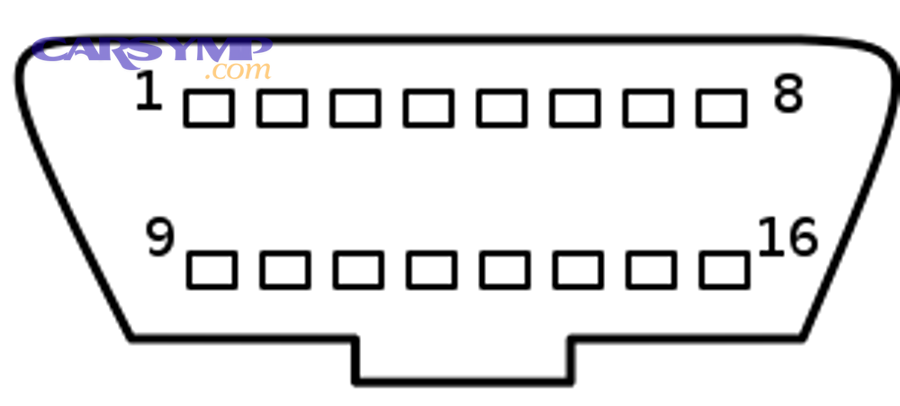
Why readiness monitors reset after repairs or battery disconnects
Readiness often resets after:
- Clearing trouble codes
- Disconnecting the battery
- Some ECU resets during certain repairs
That’s why a car can show no check-engine light and still fail due to “not ready.” State testing programs explicitly describe readiness status and why vehicles won’t pass until the required monitors are complete.
A practical generic drive cycle to set the most common monitors
Exact cycles vary by vehicle, but this general approach helps many cars:
- Cold start (engine fully cooled) and idle 1–2 minutes
- City driving: moderate acceleration, stop-and-go for 10–15 minutes
- Steady highway cruise: 55–65 mph for 10–20 minutes
- Decel events: coast down without braking aggressively (when safe)
- Idle time: a few minutes after highway run
- Repeat over a few trips if needed.
Some programs warn that it can take multiple drive cycles after a reset before monitors become ready again after codes are cleared or a reset occurs.
Common reasons monitors won’t set (and what to check)
If you’ve driven “a lot” and you’re still not ready, check these common blockers:
- Fuel level (EVAP monitors often need a mid-range fuel level; many won’t run full/near empty)
- Thermostat/coolant temp not reaching stable operating range
- Active or pending codes preventing monitor completion
- Recent code clearing (you reset the clock every time)
- Aftermarket modifications (some can disable readiness or trigger permanent faults)
If your monitor status keeps stalling on EVAP or catalyst, you may need focused diagnosis rather than more driving.
Pre-retest checklist so you don’t waste a trip
Before you go back:
- Verify no stored or pending codes
- Verify required monitors show Ready
- Confirm the car is fully warmed up before you arrive
- Avoid disconnecting the battery or clearing codes right before testing
Contextual Border: At this point, you know when a tune-up helps and how to get the car legitimately ready for inspection. Next, the focus shifts from “tune-up wins” to the failures a tune-up usually cannot solve—so you can expand your plan without guessing.
What are common reasons emissions tests fail that a tune-up won’t fix?
There are 4 common categories of emissions failures a tune-up won’t fix on its own: catalyst efficiency failure, EVAP leaks and control faults, hard sensor/electrical faults, and exhaust system leaks or compliance issues—because these require targeted diagnosis and specific repairs. Besides, recognizing these categories early prevents you from repeating the same maintenance steps while the real failure stays untouched.
O2 sensor issues vs converter diagnosis: how to separate the two patterns
This is one of the most expensive “guessing traps,” so treat it like a pattern check:
- When it’s more likely an O2 sensor issue
- Upstream sensor switches sluggishly or sticks
- Heater circuit codes exist
- Fuel trims are unstable in a way that matches sensor behavior
- When it’s more likely a converter efficiency problem
- Downstream O2 mimics upstream too closely
- Catalyst monitor fails repeatedly after full drive cycles
- No other upstream issues remain and combustion is stable
A tune-up may reduce upstream pollution enough to delay a catalyst code, but it won’t restore catalyst oxygen storage if the substrate is degraded.
EVAP leak codes and quick fixes: what’s real and what’s wishful
EVAP failures are extremely common and often unrelated to a traditional tune-up.
Real quick checks (low cost, high value):
- Tighten/inspect the gas cap seal
- Look for cracked vapor lines near the canister area (if visible)
- Check for purge valve symptoms (hard starting after refuel can be a clue)
But many EVAP faults still require smoke testing or leak isolation. If the code repeats, treat it as targeted diagnosis, not general maintenance—especially because EVAP is a frequent reason people search for an emissions test failure fix and end up replacing the wrong parts first.
Exhaust leaks and secondary air issues that mimic “tune-up problems”
Exhaust leaks upstream of the upstream O2 sensor can pull in oxygen and distort readings, creating false lean signals and unstable trims. Secondary air injection faults (where equipped) can also trigger readiness or fault codes that a tune-up doesn’t address.
Targeted checks include:
- Listening/feeling for exhaust leaks when cold
- Inspecting flex joints and manifold areas
- Checking for specific secondary air codes and pump/valve operation
Compliance and inspection issues that aren’t mechanical
Some failures are not “fixable” with parts:
- Improper aftermarket catalysts or missing components (visual inspection rules vary)
- Wrong fuel type or contamination
- Administrative issues (VIN mismatch, rejected test due to communication)
If you’re stuck in this category, you need program-specific guidance and documentation—not a bigger tune-up.
If you want, share the exact codes and whether your state test is OBD-only or includes a tailpipe test, and I’ll map them to the best “tune-up first vs diagnose first” path without adding unnecessary steps.