


Replacing a bad transmission solenoid usually costs less than major transmission work, but the final bill still varies enough that car owners need a clear estimate before approving the repair. In most cases, the total price depends on three core variables: the price of the solenoid itself, the labor required to access it, and the extra service items added during the job, such as fluid, gasket, filter, and diagnostic time.
That estimate becomes easier to understand when you separate a single-solenoid job from a solenoid-pack repair. A single failed unit may keep costs closer to the lower end, while a pack replacement often raises parts cost even when labor overlap remains similar. This is why transmission solenoid replacement is not a one-price-fits-all service, even when two vehicles show similar symptoms.
Cost also changes when the repair crosses into comparison territory. A car owner often has to choose between replacing one solenoid, replacing a full pack, or moving toward valve body work if the fault pattern suggests a larger hydraulic or electrical issue. The Valve body vs single solenoid repair decision matters because the wrong scope can either waste money or leave the original problem unsolved.
A fair estimate also depends on repair strategy, diagnosis quality, and risk management. Some owners look at the price and immediately consider doing the work themselves, but DIY solenoid replacement risks include fluid contamination, misdiagnosis, torque-sequence errors, and damage to internal connectors or the valve body. Next, the main content breaks down real-world price ranges, cost factors, comparison logic, and quote evaluation so the estimate makes sense before money changes hands.
What Is the Average Transmission Solenoid Replacement Cost for Car Owners?
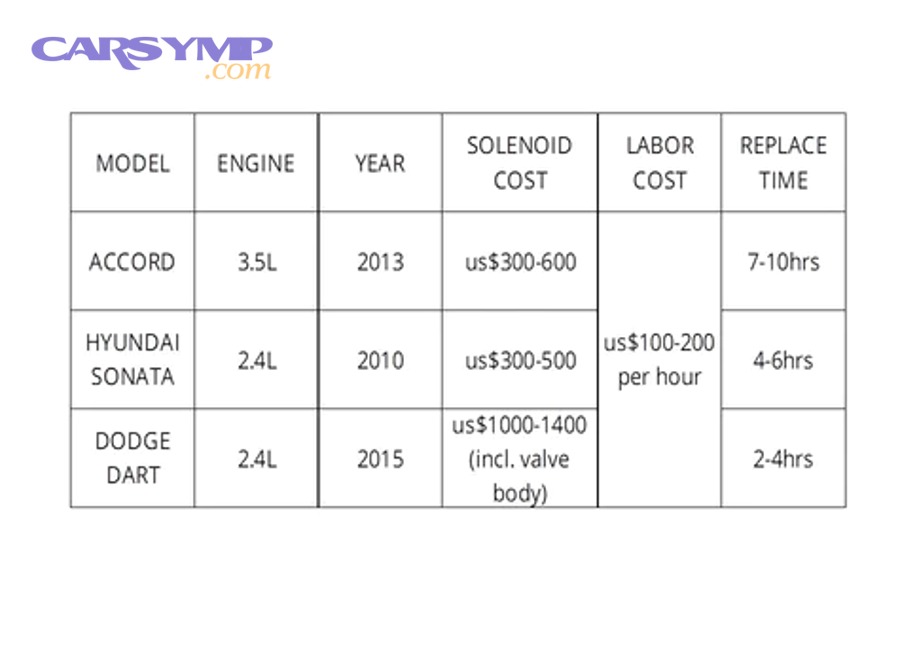
A transmission solenoid replacement usually costs from the low hundreds to well over one thousand dollars, depending on whether the job involves one solenoid, a solenoid pack, or added transmission service. To better understand that price, it helps to separate the most common repair scenarios and then look at what the shop is actually billing.
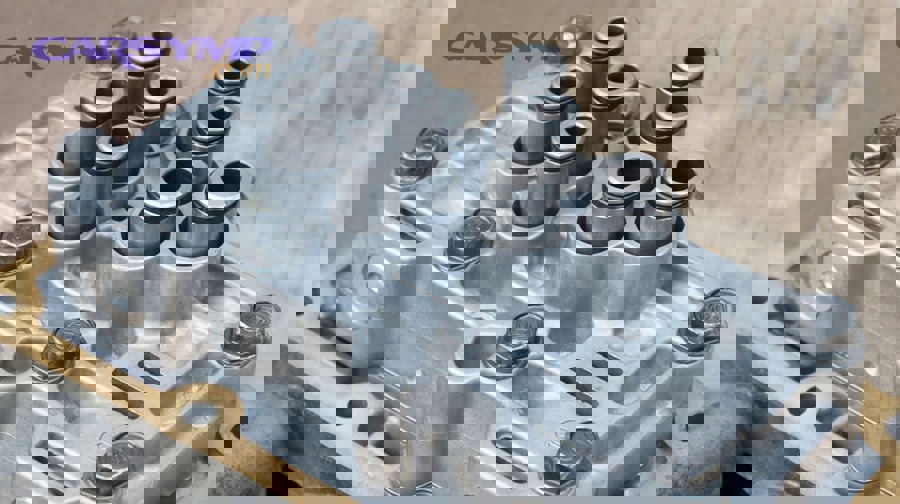
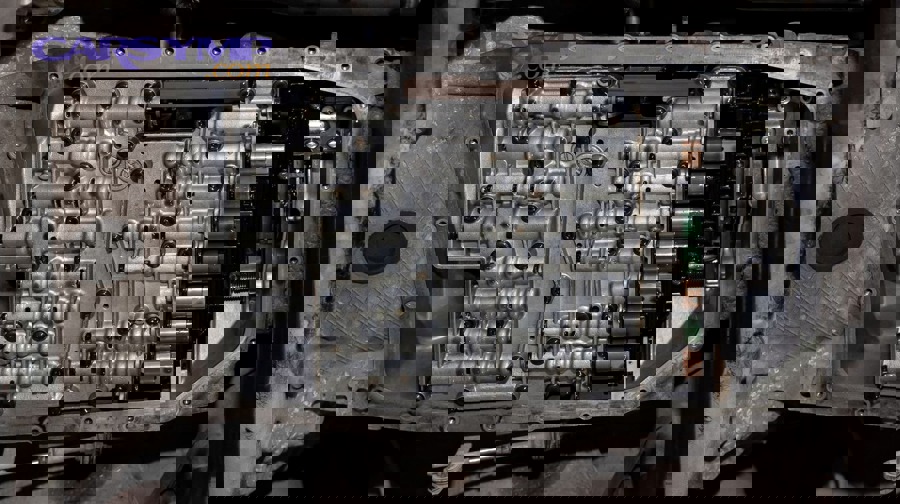
Most shops build the estimate from two big buckets: parts and labor. Parts may be modest on some older vehicles with accessible individual solenoids, but labor can quickly grow when the technician must remove the pan, drain fluid, clean the mating surface, inspect debris, and access a crowded valve body assembly. On vehicles that use a solenoid pack or integrated electro-hydraulic module, parts cost often becomes the dominant line item.
In practical terms, many car owners see a single-solenoid job quoted in a middle range that reflects more labor than the small size of the part suggests. A solenoid is not expensive simply because it is complex; it becomes expensive because of where it lives. The part may be compact, but it sits in a high-consequence area of the transmission where access, cleanliness, and precision matter.
When a shop provides an estimate, the number itself should never be read in isolation. The useful question is not only “What is the cost?” but also “What exactly is included?” A lower quote that excludes fluid, diagnosis, or seals may not actually be cheaper once the full repair is complete.
How Much Does a Single Transmission Solenoid Usually Cost to Replace?
A single transmission solenoid usually costs less than a full solenoid pack because the part is smaller and the repair scope is narrower, although labor can still make the total feel substantial. More specifically, the installed cost often reflects a modest parts price paired with meaningful labor time.
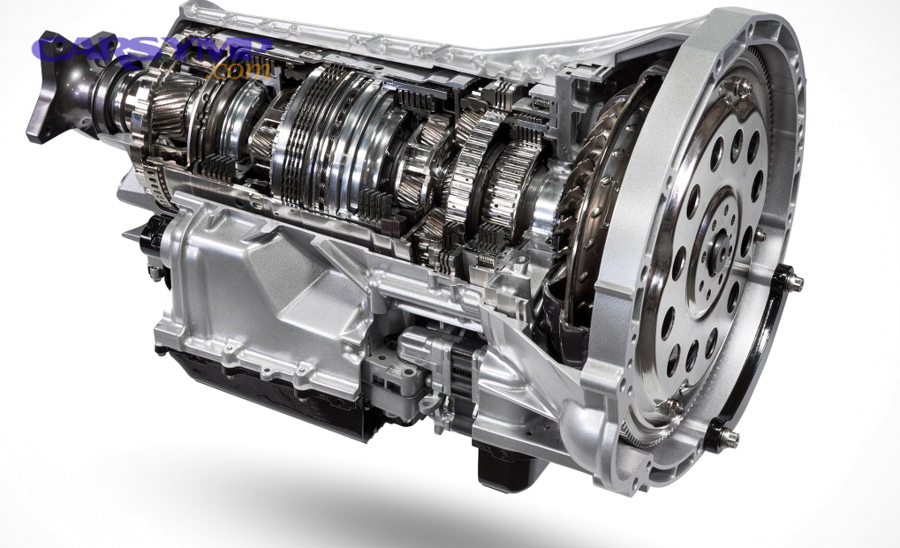
A single failed solenoid may be an individual shift solenoid, pressure control solenoid, or torque converter clutch-related unit, depending on the transmission design. The actual part can be relatively affordable compared with major transmission components, but replacing it still requires controlled work inside a sensitive hydraulic environment. A technician must often remove the pan, drain or contain fluid, inspect for material in the pan, disconnect harnesses, and sometimes remove part of the valve body assembly before reaching the failed unit.
That is why a single-solenoid estimate can surprise owners. The repair does not involve rebuilding the transmission, yet it still requires careful access. In many shops, labor time rather than parts price becomes the main reason the bill rises beyond what drivers expect from such a small component.
Another factor is diagnosis. A shift complaint or transmission trouble code may point toward one solenoid, but a professional estimate often includes confirming that the issue is truly electrical or hydraulic at that specific solenoid. If the shop performs scan-tool checks, wiring inspection, resistance testing, and fluid inspection before replacing the part, the total price becomes more defensible because the repair is more likely to fix the actual fault.
How Much Does a Solenoid Pack Replacement Usually Cost?
A solenoid pack replacement usually costs more than replacing one solenoid because the assembly includes multiple control elements and is priced as a larger module. However, the labor difference is not always dramatic once the technician is already inside the transmission.
Some automatic transmissions use a grouped solenoid assembly rather than individually serviced units. In that setup, the repair path changes immediately. Instead of replacing one discrete part, the shop installs a pack or block that may contain several solenoids, channels, and electrical elements in one housing. This raises the parts bill but can reduce uncertainty because the technician replaces the whole control cluster rather than gambling on a single failing element.
This repair approach often makes sense when the transmission family is known for pack failures, multiple solenoid codes appear together, or the manufacturer’s service strategy favors pack replacement. From the customer’s perspective, the higher quote may initially look excessive. In reality, the logic may be stronger than replacing one unit and reopening the transmission later.
The solenoid pack route can also create a cleaner warranty story. A shop may be more comfortable backing a repair when the assembly is replaced as a whole rather than mixing old and new control components inside the same valve body environment.
| Repair Scope | Typical Cost Driver | Why the Price Changes |
|---|---|---|
| Single solenoid replacement | Labor access | Small part, but internal access and fluid service raise the total |
| Solenoid pack replacement | Parts price | Module-style assemblies cost more even when labor overlap is similar |
| Expanded valve body-related service | Complexity | More disassembly, diagnosis, and reassembly checks increase time and risk |
The table above shows why the estimate changes even when the symptom sounds the same. The failure may live in one part of the same system, but the service path and billing logic can differ substantially.
What Factors Change a Transmission Solenoid Replacement Estimate?
The estimate changes because transmission solenoid replacement cost depends on vehicle type, transmission design, labor access, diagnostic time, and related service items such as fluid, gasket, and filter replacement. To better understand the quote, car owners need to see how each variable changes either the labor side or the parts side of the bill.
The first pricing factor is mechanical access. A technician may reach the solenoid after removing the pan on one vehicle, while another model may require additional steps around brackets, shields, harness routing, or valve body removal. The second factor is component strategy. Some transmissions allow one failed unit to be replaced individually, while others effectively push the shop toward a pack or block replacement.
The third factor is shop policy and labor rate. Dealerships, independent specialists, and general repair facilities often estimate the same job differently because their technician experience, parts sourcing, warranty exposure, and labor guide interpretation differ. The fourth factor is repair completeness. A stripped-down estimate that only covers the part and labor is not equal to an estimate that includes fluid, pan gasket, filter, connector seals, scan verification, and post-repair testing.
These factors matter because an estimate is not just a number. It is a repair plan expressed in dollars. A smarter consumer reads the plan before judging the price.
Does Vehicle Type and Transmission Design Affect the Repair Cost?
Yes, vehicle type and transmission design affect the repair cost because they change access difficulty, parts availability, and the number of components tied to the failed solenoid. Specifically, trucks, luxury models, and transmissions with integrated assemblies often cost more to service.
A front-wheel-drive compact car with a relatively familiar automatic transmission may allow a straightforward pan-off repair. A larger SUV or truck may introduce tighter packaging, more heat shielding, heavier components, and different fluid capacity. Import luxury vehicles may raise price again through OEM parts cost, specialized fluid requirements, and labor rates associated with brand-specific service.
Transmission design matters just as much as vehicle category. Some designs isolate serviceable solenoids in a way that supports targeted replacement. Others bury the fault inside a more integrated control module or a valve body configuration that makes selective repair less attractive. In those cases, the shop may recommend replacing a larger assembly not because it wants to upsell the job, but because the design itself makes piecemeal repair a weaker choice.
Parts availability also affects the estimate. Common domestic applications may have multiple aftermarket options and abundant rebuild knowledge. Less common platforms may depend on OEM-only parts, long lead times, or limited supplier choice. Each of those conditions can push the estimate upward.
Do Fluid, Filter, Gasket, and Diagnostic Charges Increase the Total Price?
Yes, fluid, filter, gasket, and diagnostic charges increase the total price because they are commonly necessary to complete the repair correctly and verify the fault before or after replacement. In addition, these charges often protect the repair from repeat failure.
Transmission work rarely stops at “swap the part and close it up.” Once the pan comes off, the fluid must be managed correctly. If the service procedure requires fresh fluid, the bill rises not because of waste but because the fluid is part of restoring the system after disassembly. A pan gasket may need replacement, especially when the original seal cannot be reused confidently. Some transmissions also pair pan access with filter service because the filter sits in the same service zone.
Diagnosis adds another layer. A good shop usually does not replace a solenoid based only on a symptom description like delayed shifting, harsh shifts, or a dashboard warning. It confirms the fault with scan data, codes, circuit checks, and fluid inspection. That process costs time, but it reduces the odds of paying for the wrong repair.
Post-repair road testing and scan confirmation can also appear on the estimate or be absorbed into labor time. Either way, those steps have value. A transmission is not a system where guesswork saves money for long.
Is a Single Solenoid Replacement Cheaper Than a Solenoid Pack Replacement?
Yes, a single solenoid replacement is usually cheaper than a solenoid pack replacement, but the cheaper option is not always the better repair if the transmission design or failure pattern points to broader control problems. To better understand the difference, car owners need to compare price, scope, and long-term repair value.
This comparison matters because owners often assume “replace the bad one” is automatically the smart move. That logic works in many repairs, but transmissions are different. The system is sensitive to fluid pressure, electrical control, contamination, and internal wear. If multiple solenoids share an aging assembly or a known weak point, replacing only one unit can leave the vehicle exposed to another failure shortly after the first repair.
On the other hand, replacing a complete pack when one clearly failed in an otherwise healthy system can increase cost without always delivering proportional value. The right answer depends on design, symptoms, codes, and technician judgment.
What Is the Difference Between Replacing One Solenoid and Replacing the Whole Pack?
Replacing one solenoid targets a single failed component, while replacing the whole pack renews a grouped control assembly that may contain several related solenoids and shared electrical elements. However, the cost difference must be weighed against failure pattern, labor overlap, and warranty confidence.
A single-solenoid repair works best when diagnosis is clean and isolated. The transmission shows one clear fault, the electrical path checks out, fluid condition does not suggest broader damage, and the service design supports individual replacement. In that case, targeted repair can preserve value and avoid buying more parts than necessary.
A full pack replacement makes more sense when multiple codes appear together, when the transmission family commonly fails at the pack level, or when the labor required to reopen the unit later would wipe out the savings from replacing only one component now. This is where the Valve body vs single solenoid repair decision often becomes more nuanced than a simple price comparison.
The technician may also consider how the pack interacts with the valve body. If the control system is integrated in a way that makes selective replacement awkward or less reliable, a broader part replacement can actually be the more conservative repair path. The initial bill rises, but the chance of a more stable result may rise too.
Is Solenoid Replacement Cheaper Than Valve Body Repair or Transmission Rebuild?
Yes, solenoid replacement is almost always cheaper than valve body repair or a full transmission rebuild, although it only makes financial sense when the fault truly sits at the solenoid level. More importantly, choosing the wrong repair scope can turn a lower first bill into a higher total cost.
A solenoid issue lives in the control layer of the automatic transmission. A valve body problem can involve worn bores, sticking valves, hydraulic leakage, separator plate issues, or contamination that affects multiple shift events. A rebuild goes even further by addressing worn clutch packs, seals, hard parts, and internal friction elements. These are not the same jobs, and they should not share the same pricing expectations.
That is why a cheap estimate should not automatically win. If the transmission is slipping badly, showing contaminated fluid, producing repeat pressure-related codes, or exhibiting broad shift irregularities, a single-solenoid repair may not solve the real failure. In that case, the low entry price becomes misleading because it delays the correct repair.
By contrast, when diagnosis strongly supports a solenoid fault, transmission solenoid replacement can deliver one of the most cost-effective solutions in the transmission repair spectrum. It addresses a specific control issue without paying for unnecessary internal overhaul.
Can You Tell If a Transmission Solenoid Repair Quote Is Fair?
Yes, you can tell if a transmission solenoid repair quote is fair by checking whether it explains the diagnosis, matches the repair scope, includes needed service items, and fits the complexity of your transmission design. To better judge the estimate, look beyond the total and inspect the billing logic.
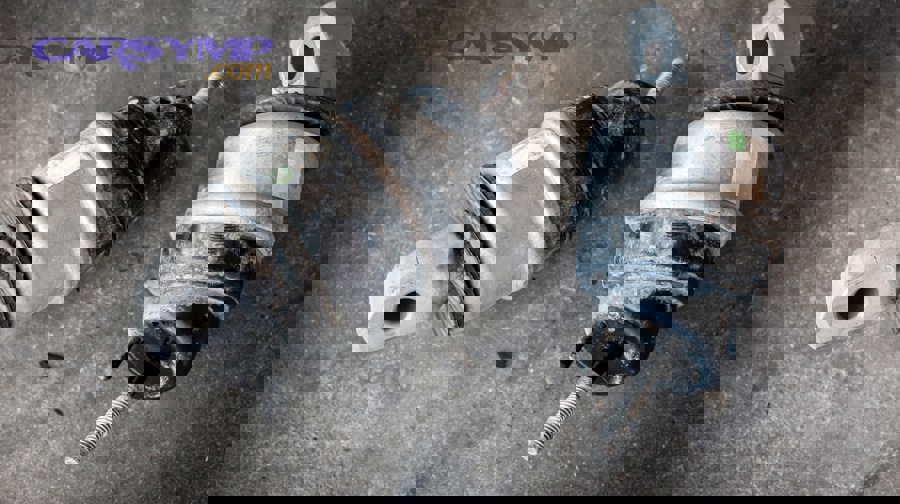
A fair quote is transparent. It tells you what failed, how the shop confirmed it, what part it plans to replace, and what related items are required to complete the job properly. It also gives clues about whether the repair is targeted, preventive, or partially exploratory.
An unfair quote usually fails in one of two ways. It is either too vague to trust or artificially low because important items are excluded until later. Both problems create the same result: uncertainty.
What Should a Good Transmission Solenoid Estimate Include?
A good transmission solenoid estimate should include diagnosis, part description, labor hours, transmission fluid, sealing materials, and post-repair verification at minimum. Specifically, each line item should explain what the shop is doing and why it belongs to the repair.
The estimate should identify whether the repair covers one solenoid or a full pack. That distinction matters because the parts price and labor logic are not interchangeable. It should also note whether fresh fluid is included, whether the pan gasket or reusable seal is being serviced, and whether filter replacement is part of the job.
Diagnosis should be visible somewhere in the estimate or supporting notes. A competent shop does not simply say “replace solenoid” without linking that decision to symptoms, trouble codes, or circuit checks. If the estimate includes scan time, that is not automatically a red flag. It may be evidence that the shop is verifying the issue rather than guessing.
Road test and post-repair confirmation also add value. The transmission must be checked under actual operating conditions whenever possible. Some shops include this in labor, while others separate it. Either approach can be fair if the overall explanation remains clear.
When Is a Higher Quote Reasonable and When Is It a Warning Sign?
A higher quote is reasonable when the transmission design is difficult to access, the part is OEM-priced, the repair includes complete fluid service and diagnosis, or the shop is replacing a broader assembly for a justified reason. However, it becomes a warning sign when the scope is vague, diagnosis is weak, or the estimate jumps without explanation.
Dealership estimates often land higher because labor rates, OEM parts sourcing, and warranty overhead are higher. Specialist transmission shops may also quote more than general repair garages when the job involves known model-specific complications. Those situations can still represent fair pricing if the explanation is strong.
A warning sign appears when the estimate gives you no logic. If the shop cannot say whether the transmission uses an individual solenoid or a pack, cannot explain why fluid service is or is not included, or cannot tie the repair to actual diagnostic findings, the quote loses credibility.
Another warning sign is repeated upselling without evidence. If a shop begins with one solenoid, then quickly pivots to a valve body or rebuild without showing codes, pressure issues, contamination, or broader failure signs, the owner should pause and ask for clearer justification.
According to a study by AAA from its automotive engineering and repair-cost research work, diagnostic accuracy and complete line-item estimates help consumers avoid unnecessary repair spending and improve comparison shopping across repair facilities.
Should You Replace a Transmission Solenoid Right Away?
Yes, you should usually replace a failed transmission solenoid promptly because delayed repair can worsen shifting problems, increase drivability risk, and make diagnosis harder if new symptoms develop. More importantly, quick action can keep a control problem from leading to heat, slip, or further stress.
A bad solenoid can cause delayed engagement, harsh upshifts, downshift problems, limp mode, or erratic shift timing. Even if the car still moves, that does not mean the system is happy. Automatic transmissions depend on accurate hydraulic timing. When that timing is off, clutch application and pressure control may suffer.
Prompt repair does not mean panic approval. It means confirming the problem quickly and making a reasoned decision before the vehicle accumulates more stress. If the fault is isolated and the transmission is otherwise healthy, a timely repair often protects both cost and reliability.
Can You Keep Driving with a Bad Transmission Solenoid?
Yes, some vehicles can still be driven with a bad transmission solenoid for a short period, but doing so is risky because shift quality, fluid temperature, and drivability can deteriorate quickly. Therefore, “it still drives” should never be mistaken for “it is safe to ignore.”
A failing solenoid may leave the transmission stuck in one gear, create harsh shifts, or trigger limp mode. On some vehicles, the car remains mobile enough to reach a repair shop. On others, continued driving increases heat and clutch stress. The driver may not feel all the damage immediately because the transmission can hide internal strain until the symptoms become more obvious.
Short, cautious driving to a repair appointment is different from continuing normal daily use for weeks. The second choice raises the odds of turning a manageable control repair into a larger transmission issue. That is why the best practice is not endless avoidance but controlled, limited use until diagnosis is completed.
When Does a Solenoid Problem Point to a Bigger Transmission Issue?
A solenoid problem points to a bigger transmission issue when the vehicle shows repeated codes, contaminated fluid, slipping, multiple shift complaints, or evidence that hydraulic wear extends beyond one electrical component. In addition, a poor repair history can deepen suspicion.
For example, if the pan contains significant friction material or metal debris, the technician has reason to look beyond the solenoid. If line pressure behavior is inconsistent across multiple events, or if several related codes appear together, the fault may involve the valve body, wiring, pressure regulation, or internal wear rather than one isolated unit.
This is also where DIY solenoid replacement risks become more relevant. A do-it-yourself approach might replace the flagged part but miss the broader pattern. Without scan data interpretation, fluid inspection, and repair context, the owner may pay for a part and still face the original symptom.
According to a study by the U.S. Department of Energy’s Vehicle Technologies Office on drivetrain efficiency and operating conditions, heat and control inefficiency increase stress within powertrain systems, which helps explain why unresolved transmission control faults should not be ignored for long-term operation.

What Related Repair Details Can Affect Transmission Solenoid Replacement Value?
Transmission solenoid replacement value depends not only on the sticker price but also on parts quality, diagnostic accuracy, post-repair setup, and whether the work overlaps logically with other service already being performed. To better understand value, car owners should look beyond cost alone and judge repair efficiency.
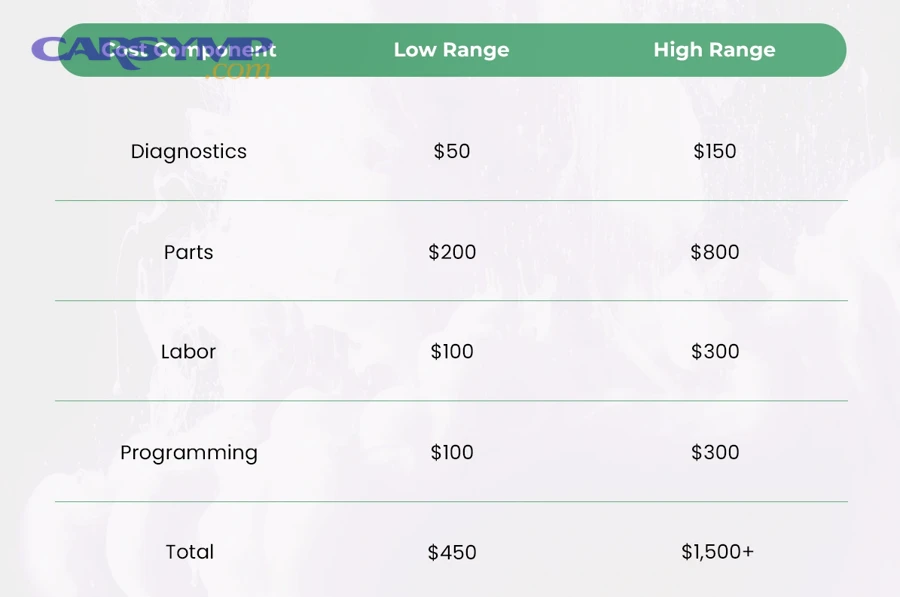
A low initial price can still produce poor value if the wrong part is used, the diagnosis is weak, or the transmission needs to be reopened soon after the first repair. Likewise, a somewhat higher estimate can represent better value if it prevents duplicate labor, uses a more durable part, and fits the actual condition of the transmission.
This section expands the topic beyond basic price. The question is no longer only “How much does it cost?” but also “Will this repair hold up, and is this the smartest time to do it?”
Does OEM vs Aftermarket Solenoid Pricing Change Long-Term Repair Value?
Yes, OEM vs aftermarket solenoid pricing can change long-term repair value because the cheaper part is not always the best match for durability, calibration consistency, or warranty support. However, a quality aftermarket component can still deliver strong value in the right application.
OEM parts often cost more because they follow manufacturer specifications and are supported by brand-based distribution and warranty policies. That higher price can be justified on vehicles with sensitive shift behavior, limited aftermarket quality control, or integrated control systems where compatibility matters more than raw savings.
Aftermarket parts vary widely. Some are excellent and sourced from reputable suppliers with strong fitment data. Others create problems through inconsistent calibration, connector tolerance issues, or short service life. The estimate should therefore reflect not just price but part quality.
If a shop recommends OEM, ask why. A good answer may involve known fitment success, warranty coverage, or model-specific reliability. If it recommends aftermarket, ask which brand and what experience the shop has with it. Value grows when the answer is grounded.
Is Scan Diagnosis Necessary Before Replacing a Transmission Solenoid?
Yes, scan diagnosis is necessary before replacing a transmission solenoid because symptoms alone cannot confirm whether the fault is electrical, hydraulic, mechanical, or even outside the transmission itself. More specifically, accurate diagnosis protects the customer from paying for the wrong repair.
A trouble code may indicate a shift-solenoid circuit or pressure-control issue, but that code still needs interpretation. The technician must decide whether the solenoid itself failed, the wiring is compromised, a connector is loose, or hydraulic behavior caused the code indirectly. Live data, freeze-frame information, and road-test behavior help narrow the answer.
Diagnosis also helps separate one bad solenoid from a broader transmission pattern. If several codes appear, if the transmission overheats, or if the commanded gear and actual ratio do not align, the repair decision changes. Without that context, the owner may approve a part that does not address the actual cause.
The money spent on diagnosis is often the money that prevents a second repair bill. In transmission work, that is usually a good trade.
Do Some Vehicles Need Adaptive Relearn or Calibration After Solenoid Replacement?
Yes, some vehicles need adaptive relearn or calibration after solenoid replacement because the transmission control system may need time or procedure-based adjustment to restore smooth shift behavior. In some cases, this is minor; in others, it is part of doing the repair correctly.
Modern automatic transmissions often use adaptive logic that learns pressure behavior and shift timing over time. When a control component changes, the old learned values may no longer fit the new hardware perfectly. The result can be temporary harshness, delayed adaptation, or inconsistent shift feel until the system recalibrates.
On some vehicles, a scan tool can trigger reset or relearn procedures. On others, the vehicle completes the process through a drive cycle under defined operating conditions. A good shop should know whether your platform needs this step and whether it is included in the estimate or expected during normal use after repair.
This issue rarely dominates consumer search intent, but it strongly affects repair satisfaction. A customer can receive the correct part installation and still think the repair failed if no one explains adaptation behavior.
Is Replacing a Solenoid During Valve Body Service More Cost-Effective?
Yes, replacing a solenoid during valve body service is often more cost-effective because labor overlap reduces duplicate disassembly and gives the technician access to related control components at the right time. More importantly, it can prevent paying twice for the same internal access.
If the transmission is already open for valve body inspection, cleaning, repair, or replacement, the cost of reaching the solenoid has effectively been paid. In that moment, replacing a marginal or known-weak solenoid may make financial sense even if it has not failed completely. This is not always necessary, but it can be smart when the transmission family has a pattern of solenoid issues.
This is where the broader Valve body vs single solenoid repair decision becomes strategic rather than reactive. The owner is no longer choosing only by the cheapest line item. The owner is choosing by total repair efficiency and future risk reduction.
In short, the best transmission solenoid replacement estimate is not always the lowest quote. It is the quote that matches the real fault, explains the service path clearly, uses sensible parts, and avoids duplicated labor. That is how car owners turn a confusing transmission repair into a controlled cost decision instead of an expensive guess.