


Most car owners asking about solenoid replacement labor time want a practical answer: the job can be very short when the solenoid is external and easy to reach, but it becomes much longer when the part sits inside the transmission, requires pan or valve-body access, or needs extra diagnosis before replacement. For many variable valve timing jobs, labor can be as little as 30 minutes to an hour, while harder-access vehicles and internal transmission work usually take materially longer. ([autozone.com](https://www.autozone.com/diy/engine/variable-valve-timing-solenoid-replacement-cost?))
That time difference exists because “solenoid replacement” is not one repair in one location. Some solenoids sit on the engine and come out after basic trim removal, while others live in a mechatronic unit or beneath a transmission pan, where fluid handling, gasket replacement, filter service, scan-tool checks, and a careful road test all add labor. ([static.nhtsa.gov](https://static.nhtsa.gov/odi/tsbs/2012/MC-10156073-9999.pdf?))
Car owners also want to compare the two repairs most commonly mixed together under this keyword: VVT solenoid service and transmission solenoid service. The first is often faster and cheaper because it is external; the second is often slower because access is harder and the technician may need to inspect fluid condition, remove the pan, or verify line-pressure and shift behavior after the repair. ([autozone.com](https://www.autozone.com/diy/engine/variable-valve-timing-solenoid-replacement-cost?))
A good labor quote, then, is not just a number of hours. It is a description of access, diagnosis, included materials, and post-repair verification. Introduce a new idea: the sections below break down what labor time means, what changes it, what ranges are realistic, and how to judge whether a quote is fair for your vehicle.
What is solenoid replacement labor time?
Solenoid replacement labor time is the billed repair time a shop assigns to diagnose, access, remove, install, verify, and sometimes adapt a solenoid-related repair on a specific vehicle.
To better understand this issue, think of labor time as the difference between the part itself and the work needed to reach it. A solenoid can be inexpensive compared with the hours required to remove covers, move other components, drain fluid, clean gasket surfaces, reconnect wiring, clear codes, and confirm that the problem is actually gone. That is why two cars with the same symptom can have very different quotes even when both need a solenoid.
For car owners, this matters because labor time shapes the final bill more than the word “solenoid” does. A VVT solenoid mounted near the front of the cylinder head usually carries a smaller labor component than an internal transmission pressure-control solenoid buried under a pan or inside a valve-body assembly. In real service writing, the phrase “solenoid replacement” is shorthand for a chain of operations, not just for swapping one electrical part.
Is solenoid replacement labor time the same as total shop time?
No, solenoid replacement labor time is not the same as total shop time because shops also manage scheduling, parts availability, diagnosis flow, technician availability, and final verification.
More specifically, a repair may be billed at one hour but still keep the vehicle for half a day. Shops batch inspections, wait for parts, cool or warm driveline fluids to the correct temperature range, and sometimes repeat tests after a road drive. Transmission work especially can take longer in calendar time because fluid level checks and adaptation procedures may depend on temperature and scan-tool steps rather than on wrench time alone. NHTSA-published service information for some automatic transmissions notes that fluid level must be checked within a specified transmission fluid temperature window, which directly affects final shop time even after the part is installed. ([static.nhtsa.gov](https://static.nhtsa.gov/odi/tsbs/2022/MC-10217052-0001.pdf?))
The practical lesson is simple: labor hours tell you what the shop expects to bill, while total shop time tells you how long the car may stay on site. Those are related, but they are not interchangeable.
How do mechanics calculate solenoid replacement labor time?
Mechanics calculate solenoid replacement labor time by combining flat-rate expectations, access steps, diagnosis steps, installation work, and verification work for the exact vehicle and repair path.
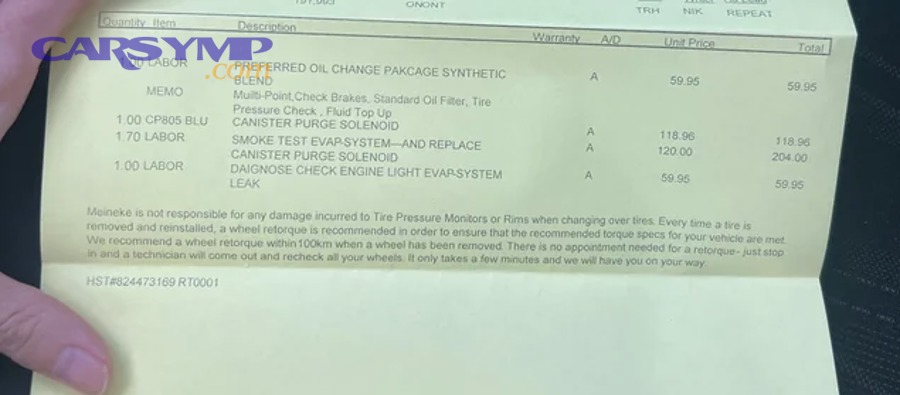
Specifically, a technician or service advisor starts with the vehicle and the fault pattern, then asks what must happen before the solenoid can be replaced. On an easy VVT job, the answer might be scan, unplug, remove one fastener, replace the seal, clear codes, and road test. On a transmission solenoid replacement job, the sequence can include scan data review, fluid inspection, pan removal, filter removal, valve-body access, gasket replacement, fluid refill, level setting, and a drive cycle to verify shift quality.
That is why honest quotes often break into three categories: diagnosis, replacement labor, and added operations. Added operations may include Fluid and filter service during solenoid replacement, replacing a pan gasket, resetting learned values, or performing a post-repair adaptation drive. Those items are not padding when the procedure genuinely requires them; they are part of returning the system to proper operation.
As evidence of how much labor calculations vary by platform, RepairPal’s current estimator shows average VVT solenoid replacement labor at roughly $185 to $271 overall, but model-specific pages show much lower or much higher labor ranges depending on the vehicle, including a Nissan Cube estimate of $37 to $54 in labor and a Nissan Altima estimate of $274 to $402 in labor. ([repairpal.com](https://repairpal.com/estimator/variable-valve-timing-control-solenoid-replacement-cost?))
What factors affect solenoid replacement labor time?
The main factors that affect solenoid replacement labor time are solenoid location, vehicle packaging, diagnostic certainty, related service steps, and whether the repair involves an internal transmission assembly.
Next, connect the time estimate to access. Labor rises when the technician must move intake plumbing, splash shields, battery trays, or transmission pans before the failed part even becomes visible. Labor also rises when the root cause is not obvious and the technician must prove that the solenoid failed electrically or hydraulically instead of simply reacting to wiring issues, contaminated fluid, or internal wear.
The condition of the vehicle changes the time too. Corroded fasteners, damaged connectors, previous repairs, or RTV-covered pans can slow even an otherwise routine job. On transmission repairs, a shop may spend additional time cleaning the pan and magnet, replacing a filter, and resealing the pan correctly. On some platforms, a relearn procedure or adaptation drive becomes part of the finish work. On others, the repair ends with code clearing and a short functional test.
Which factors make solenoid replacement take longer?
There are five main factors that make solenoid replacement take longer: harder access, internal component location, added fluid service, deeper diagnosis, and post-repair verification requirements.
For example, harder access means the part is not the first component the technician sees after opening the hood or lifting the vehicle. Internal component location means the solenoid sits under a transmission pan or in a mechatronic or valve-body section, where multiple sealing surfaces and fluid-handling steps appear. Added fluid service matters because draining, refilling, and setting transmission fluid correctly take time and care. Deeper diagnosis adds time when the shop must separate a bad solenoid from bad wiring, contaminated fluid, valve-body wear, or clutch damage. Post-repair verification matters because the vehicle must prove the fix with scan data, code checks, and a road test.
These factors matter more on automatic transmissions than on many engine-mounted VVT systems. AutoZone notes that variable timing solenoid replacement commonly takes 30 minutes to an hour, while transmission shift-solenoid repairs can cost far more overall and may require additional gaskets and fluid, especially when the solenoid is part of a larger pack. ([autozone.com](https://www.autozone.com/diy/engine/variable-valve-timing-solenoid-replacement-cost?))
Does solenoid location affect labor time?
Yes, solenoid location affects labor time because access determines how much must be removed, drained, disconnected, and reassembled before the technician can replace and verify the part.
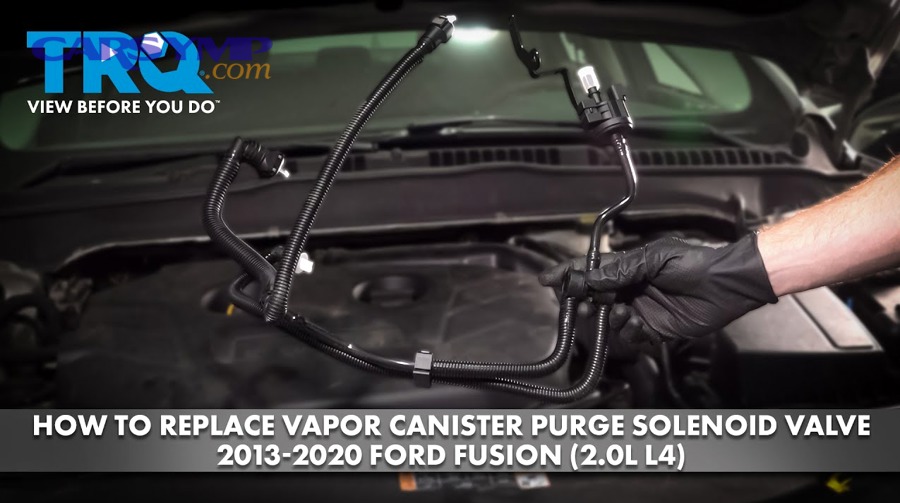
Specifically, an external engine solenoid usually requires less disassembly than an internal transmission solenoid. A VVT unit may sit near the front or top of the engine, where the job is mostly mechanical access plus an electrical connector. By contrast, some transmission solenoids sit in a hydraulic control area, under the pan, or within a mechatronic unit, which can turn the repair into a fluid-and-sealing job as much as an electrical one.
NHTSA-hosted service material for certain dual-clutch and automatic transmission systems explicitly describes solenoid valves as being located in the mechatronic unit hydraulic module, which helps explain why location changes labor so dramatically. The farther the part sits from easy external access, the more labor operations the shop must charge for. ([static.nhtsa.gov](https://static.nhtsa.gov/odi/tsbs/2012/MC-10156073-9999.pdf?))
How many labor hours does solenoid replacement usually take?
A practical range for solenoid replacement usually runs from about 0.5 to 1.0 hour for easy-access external VVT work, around 1 to 2 hours for moderate external-access jobs, roughly 2 to 4 hours for many pan-off transmission solenoid jobs, and 4 to 7 or more hours for deeper internal solenoid-pack or valve-body work.
However, that range should be read as a real-world planning guide, not as a universal flat-rate promise. It reflects the fact that VVT solenoids are often external and quick, while transmission solenoid replacement can escalate when pan removal, filter service, fluid level setting, and adaptation become part of the operation. AutoZone’s current guidance says replacing a variable timing solenoid usually takes 30 minutes to an hour, while RepairPal’s labor estimates also show broad model-by-model variation. Those source points support the low end of the range, while the higher transmission estimates are practical shop-planning inferences based on the extra internal access and procedure steps documented in service information. ([autozone.com](https://www.autozone.com/diy/engine/variable-valve-timing-solenoid-replacement-cost?))
The table below summarizes what the typical labor-time buckets usually represent.
| Repair scenario | Practical labor-time range | Why time changes |
|---|---|---|
| Easy-access VVT solenoid | 0.5–1.0 hr | External location, limited disassembly |
| Moderate external solenoid access | 1.0–2.0 hr | Covers, intake pieces, diagnosis, code clearing |
| Pan-off transmission solenoid job | 2.0–4.0 hr | Pan removal, fluid handling, filter/gasket work |
| Internal solenoid pack or valve-body work | 4.0–7.0+ hr | Internal access, multiple seals, adaptation, deeper testing |
These ranges help owners budget realistically. They also keep the conversation focused on access and included operations instead of on the part name alone.

What are the typical labor-time ranges for common solenoid replacements?
There are four common labor-time groups for solenoid replacement: easy external engine solenoids, moderate-access external solenoids, internal transmission solenoids requiring pan access, and internal solenoid-pack or valve-body repairs.
To illustrate, easy external engine solenoids often include many VVT units. Moderate-access external jobs may require moving brackets, air ducts, or battery components. Internal transmission solenoid jobs usually begin once the vehicle is raised and the pan is removed. Internal pack or valve-body repairs take longer because the shop must handle more fasteners, more seals, more fluid, and more verification work before the vehicle can leave.
This grouping matters because owners often compare quotes across different repair families as if they were equivalent. They are not. A short VVT job and a valve-body-access job live under the same “solenoid” umbrella, but they belong to different labor categories.
As evidence, AutoZone states that variable timing solenoid replacement usually takes 30 minutes to an hour, while its transmission shift-solenoid guidance notes that costs can rise substantially when the solenoids are part of a pack and when extra gaskets and fluid are required. ([autozone.com](https://www.autozone.com/diy/engine/variable-valve-timing-solenoid-replacement-cost?))
Can solenoid replacement take less than one hour?
Yes, solenoid replacement can take less than one hour when the failed solenoid is external, easy to reach, and does not trigger major diagnostic or reassembly steps.
More specifically, that short timeline is most realistic for straightforward VVT repairs on engines with clear access and no seized hardware. It becomes less realistic when the vehicle needs code tracing, connector repair, oil-control inspection, or a longer confirmation drive. It is usually unrealistic for internal transmission jobs because those repairs involve fluid-handling, sealing, and post-repair checks.
AutoZone’s current VVT replacement guidance directly supports the under-one-hour scenario by stating that replacing a variable timing solenoid usually takes 30 minutes to an hour. That is a useful benchmark, but it should not be generalized to every kind of solenoid on every vehicle. ([autozone.com](https://www.autozone.com/diy/engine/variable-valve-timing-solenoid-replacement-cost?))
How does labor time compare between VVT and transmission solenoid replacement?
VVT solenoid replacement usually wins on speed, transmission solenoid replacement is usually slower because access is harder, and internal solenoid-pack or valve-body work is the most time-intensive category.
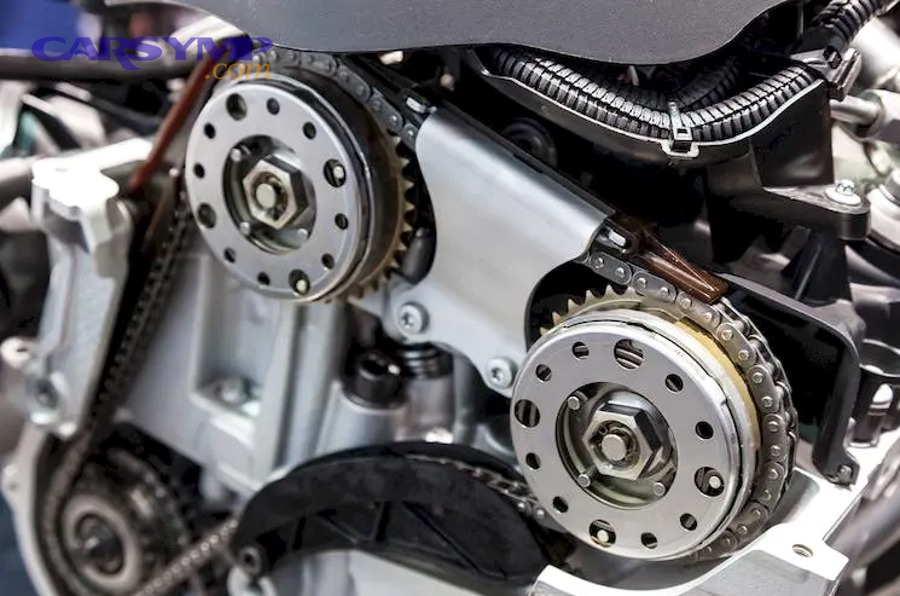
Meanwhile, the comparison becomes clearer when you focus on physical location and finish procedures. VVT solenoids are often mounted externally on the engine and generally do not require pan resealing or transmission fluid level setting. Transmission solenoids often sit behind a pan or inside a hydraulic control assembly, which adds cleanup, sealing, refill, level checks, and a more careful road test.
That difference also affects the symptoms owners notice. Solenoid failure symptoms on the engine side may include rough idle, poor acceleration, higher fuel consumption, stalling, or timing-related trouble codes. On the transmission side, owners are more likely to report harsh shifting, delayed engagement, wrong-gear behavior, or slipping-like symptoms caused by pressure-control problems. AutoZone’s current symptom guides specifically tie bad VVT solenoids to rough idle, stalling, loss of power, and increased fuel use, while transmission articles discuss shift-solenoid and pressure-related drivability issues. ([autozone.com](https://www.autozone.com/diy/engine/bad-variable-timing-solenoid-symptoms?))
Is VVT solenoid replacement usually faster than transmission solenoid replacement?
Yes, VVT solenoid replacement is usually faster than transmission solenoid replacement because it is often external, needs less disassembly, and rarely requires the fluid-service and sealing steps common in transmission work.
However, “usually” matters here. Some engines hide VVT solenoids under tight intake or cover arrangements, and some transmission solenoids are relatively accessible. Still, when you compare the typical job paths, the external engine repair is usually the shorter one. The difference is not only about wrench access; it is also about what happens after installation. Transmission jobs more often require fluid level setting at a target temperature, inspection for leaks, and confirmation that shifting improved under load.
The best way to use this comparison is to classify your repair correctly before judging a quote. If the shop says the transmission pan must come down and the filter or gasket must be replaced, you are no longer comparing your job with a quick VVT repair.
What is the difference between external solenoids and internal transmission solenoids?
External solenoids are easier to reach and usually simpler to replace, while internal transmission solenoids are deeper in the assembly and typically require more labor, more fluid handling, and more verification.
Specifically, external solenoids tend to involve localized disassembly, a connector, one or two fasteners, and code clearing. Internal transmission solenoids often involve pan removal, filter removal, valve-body or mechatronic access, gasket replacement, fluid refill, temperature-based level checks, and a road test. Internal jobs also raise the stakes of diagnosis because the labor cost of getting back inside is higher if the first diagnosis is incomplete.
NHTSA-hosted service documents support this distinction by describing transmission solenoids inside mechatronic hydraulic modules and by noting that adaptation or learned values may need to be relearned after major internal transmission service or control-related repairs. ([static.nhtsa.gov](https://static.nhtsa.gov/odi/tsbs/2012/MC-10156073-9999.pdf?))
What should car owners expect in a labor quote for solenoid replacement?
Car owners should expect a labor quote for solenoid replacement to include diagnosis, access and installation work, related fluid or gasket operations when required, and a final verification process.
In addition, the quote should tell you whether the shop is replacing a single solenoid, a pack, or a larger assembly. It should also show whether consumables are part of the price. On transmission jobs, the labor quote often makes more sense once you see the hidden but necessary operations: drain fluid, remove pan, inspect debris, remove filter if required, replace seals, reinstall, refill, set level correctly, clear codes, and confirm the shift pattern.
This is also where owners see the value of specificity. A vague quote that says only “replace solenoid” hides too much. A useful quote tells you whether the shop plans Fluid and filter service during solenoid replacement, whether it expects a pan gasket or valve-body gasket, and whether the price includes a road test or scan-tool resets.
The table below shows the line items that commonly explain why one shop’s labor quote looks higher than another’s.
| Common line item | Why it appears on the estimate |
|---|---|
| Diagnostic time | Confirms the solenoid is the cause, not wiring or internal wear |
| Access and removal labor | Covers disassembly needed to reach the part |
| Solenoid installation labor | Covers replacement, electrical reconnection, torque and sealing |
| Fluid service | Necessary when pan-off or internal access drains fluid |
| Filter and pan gasket | Common on transmission jobs when the pan is removed |
| Scan, reset, and road test | Verifies codes are gone and operation has improved |
| Adaptation or relearn | May be needed after internal transmission service |
What items are commonly included in a solenoid replacement labor quote?
There are six items commonly included in a solenoid replacement labor quote: diagnosis, access labor, installation labor, fluid-related service, sealing parts work, and post-repair verification.
For example, diagnosis can include code retrieval, live-data review, and circuit checks. Access labor covers whatever must come off to expose the part. Installation labor covers the actual replacement and reconnection. Fluid-related service becomes important on transmission work because fluid drains when the pan comes down. Sealing parts work includes new gaskets or sealant where the procedure requires them. Post-repair verification includes code clearing, road testing, and, on some vehicles, adaptation.
AutoZone’s transmission-solenoid procedure guidance specifically mentions reinstalling the transmission filter if removed and securing the pan with a new gasket or sealant, which supports why these items often appear on the estimate rather than being billed as surprises later. )
Is a higher labor quote always a sign of overcharging?
No, a higher labor quote is not always a sign of overcharging because the quote may include legitimate diagnosis, harder access, added fluid service, or required verification steps that a lower quote leaves out.
More importantly, owners should compare scope before comparing price. A lower quote may exclude diagnostics, the pan gasket, the filter, fluid, scan-tool work, or the final road test. A higher quote may also reflect vehicle-specific access difficulty. RepairPal notes that its estimator does not include taxes, disposal fees, diagnostic charges, or other related repairs that may be necessary, which is exactly why real shop quotes often come in above a generic estimate. ([repairpal.com](https://repairpal.com/estimator?))
That said, a higher quote deserves a clear explanation. Ask whether the estimate includes diagnosis, whether the solenoid is external or internal, and whether the job includes fluid level correction, adaptation, and warranty-backed confirmation testing.
How can you tell whether your solenoid labor estimate is reasonable?
You can tell whether your solenoid labor estimate is reasonable by matching the quote to the solenoid location, the included procedures, the symptom pattern, and the vehicle-specific complexity.
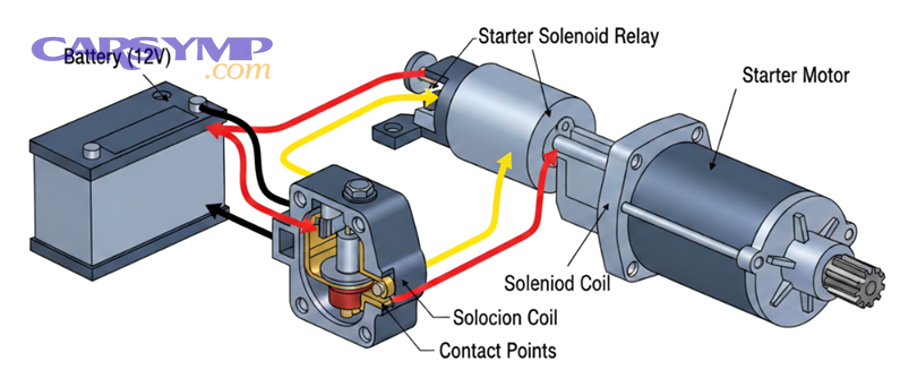
Thus, start by identifying what the shop is actually replacing. Is it an external VVT solenoid, a single internal shift solenoid, or a larger transmission solenoid pack or valve-body-related component? Then compare the quoted operations with the physical reality of the repair. If the pan must come down, fluid and sealing work belong on the estimate. If the solenoid is external and fully visible from above, a very high labor number should come with a convincing access explanation.
The symptom pattern helps too. If the vehicle shows classic VVT-style problems such as rough idle, stalling, loss of power, or timing codes, a short external repair may be plausible. If the complaint is harsh shifting, delayed engagement, slipping-like behavior, or transmission-pressure codes, the shop may need more labor to inspect the hydraulic side and confirm the diagnosis before replacing anything. Current AutoZone guidance connects bad VVT solenoids with rough idle, stalling, poor acceleration, and higher fuel use, which helps owners align the repair category with the quote they received. ([autozone.com](https://www.autozone.com/diy/engine/bad-variable-timing-solenoid-symptoms?))
What should you compare before approving a solenoid repair?
You should compare five things before approving a solenoid repair: repair type, included operations, related materials, proof of diagnosis, and the shop’s verification plan.
To better understand what that means, use this checklist:
- Compare whether the job is engine-side VVT work or transmission solenoid replacement.
- Compare whether the estimate includes fluid, filter, gasket, or sealant.
- Compare whether the shop identified codes, live data, or test results that support the diagnosis.
- Compare whether the quote includes road testing and leak checks.
- Compare whether the shop mentions relearn, adaptive reset, or other finishing steps after internal transmission work.
This checklist helps owners avoid both overpaying and underbuying. A very cheap quote that skips the right finishing steps can become the more expensive repair if the vehicle returns with the same complaint.
Should you ask for a breakdown of labor operations?
Yes, you should ask for a breakdown of labor operations because it reveals what the shop is actually doing, helps you compare quotes fairly, and exposes whether essential steps are included or missing.
Specifically, ask for separate lines for diagnosis, replacement labor, fluid service, gasket or filter work, and final verification. On transmission jobs, also ask whether the estimate includes a Post-repair adaptation and road test checklist. That phrase matters because some repairs are mechanically complete before the transmission has fully relearned or before the technician has verified temperature-correct fluid level, leak-free sealing, and acceptable shift quality.
NHTSA-hosted service information for some transmissions explains that adaptive memory and basic settings can affect customer-perceived shift quality after service, which is why a thorough shop may include relearn or adaptation-related work in the quote instead of treating the repair as finished the moment the solenoid is bolted in. ([static.nhtsa.gov](https://static.nhtsa.gov/odi/tsbs/2015/MC-10148614-9999.pdf?))
What related repairs and hidden variables can change solenoid replacement labor time?
Related repairs and hidden variables can change solenoid replacement labor time by adding overlap work, fluid-service steps, adaptation procedures, corrosion delays, or deeper internal inspection beyond the solenoid itself.
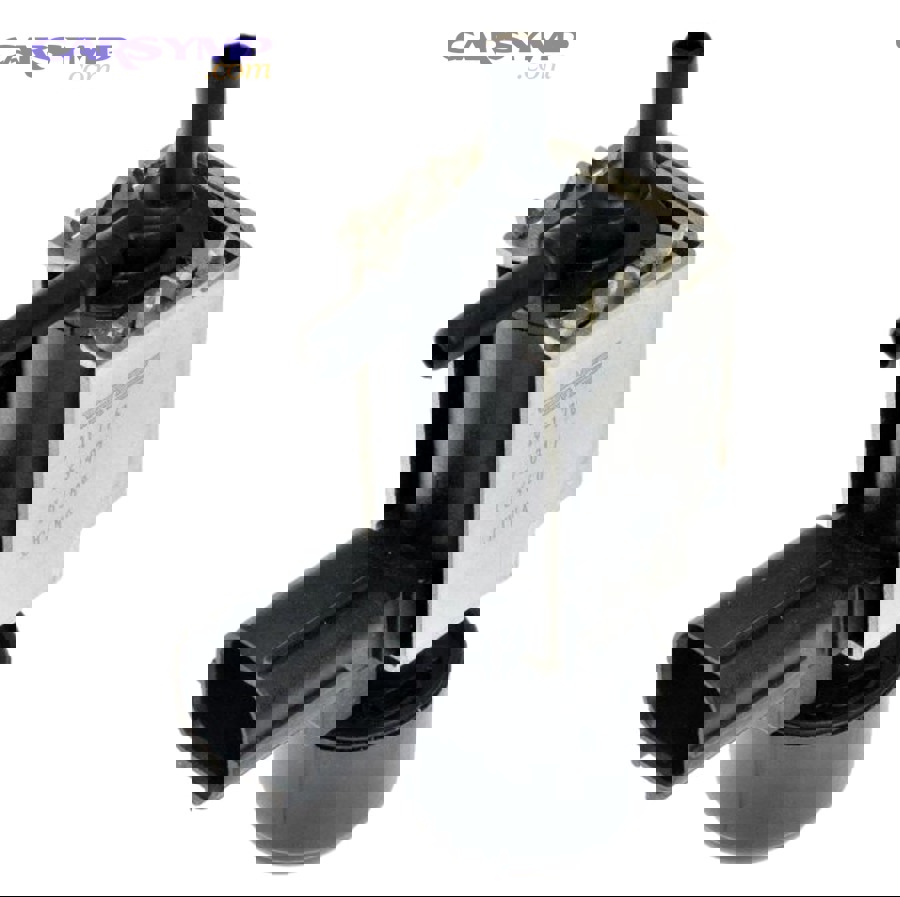
Besides the main repair, the vehicle may need a filter, pan gasket, fluid top-up or full refill, connector repair, or even evidence-based escalation if the technician finds internal wear rather than a simple solenoid fault. This is where owners often misread the estimate. The solenoid may be the named part, but the labor reflects the whole repair environment around it.
On some vehicles, the smartest repair path is to combine related work while access is already open. That can save labor compared with reopening the same assembly later. On others, a careful technician may stop and recommend further diagnosis if debris, burnt fluid, or clutch-related evidence appears during disassembly.
Can bundled repairs reduce total labor hours?
Yes, bundled repairs can reduce total labor hours because one access procedure can cover multiple needed operations during the same teardown.
For example, once a transmission pan is already off, the marginal labor to install a new filter or pan gasket is far smaller than doing those jobs separately on another day. The same logic applies when a technician replaces more than one accessible solenoid while the same covers and connectors are already removed. Bundling does not make the repair free, but it often improves labor efficiency by preventing duplicated access work.
This is one reason quotes can differ between shops. One shop may price only the named part, while another may recommend finishing the related service while the assembly is open.
Does post-repair relearn or adaptation add labor time?
Yes, post-repair relearn or adaptation can add labor time because some vehicles need scan-tool resets, adaptive relearning, or specific drive verification before the transmission behaves normally again.
More specifically, adaptation time may include clearing adaptive values, performing a guided procedure, warming the transmission to operating conditions, and completing a drive cycle to evaluate shift quality. NHTSA-hosted service bulletins for certain transmissions state that adaptive values or memory cells may be reset during service and that shift quality may not meet expectations until adaptation is learned or relearned. That is why the Post-repair adaptation and road test checklist is not fluff on some jobs; it is part of restoring normal behavior. ([static.nhtsa.gov](https://static.nhtsa.gov/odi/tsbs/2015/MC-10148614-9999.pdf?))
A sensible checklist after internal transmission solenoid work often includes confirming no active codes, checking for leaks, verifying fluid level at the correct temperature, evaluating shift timing, checking engagement quality in drive and reverse, and confirming that the original complaint is gone.
How do rust, seized bolts, or poor access increase repair hours?
Rust, seized bolts, or poor access increase repair hours because they slow removal, raise the risk of broken hardware, and force the technician to spend more time protecting parts and sealing surfaces.
Especially on older vehicles, a simple estimate can change once the shop discovers corroded pan bolts, stubborn connectors, or damaged previous repairs. The same happens when aftermarket skid plates, nonstandard sealants, or stripped fasteners turn a straightforward procedure into a careful recovery process. These variables are hard to price perfectly before teardown, which is why many estimates include a labor range or a note that additional time may be required if access problems appear.
This is not unique to solenoid work, but it affects solenoid labor more than owners expect because many of these repairs happen low in the vehicle, near fluid, heat cycles, and road debris.
What makes internal solenoid pack replacement different from a single solenoid replacement?
Internal solenoid pack replacement is different from a single solenoid replacement because it usually involves deeper assembly access, more seals and connectors, more fluid handling, and more extensive verification after installation.
In short, a single external solenoid often behaves like a localized parts swap. An internal pack or valve-body-related repair behaves more like a subsystem service. The technician may need to manage multiple fasteners and harness points, protect valve-body cleanliness, inspect fluid contamination, replace gaskets, and confirm that line pressure and shift behavior have improved. AutoZone’s guidance that transmission shift-solenoid costs can rise significantly when the solenoids are part of a pack, plus NHTSA documents showing internal hydraulic-module locations, supports why pack-level work belongs in a higher labor category than a single easy-access solenoid. ([autozone.com](https://www.autozone.com/diy/drivetrain/symptoms-of-a-bad-transmission-shift-solenoid?))
For car owners, that final distinction is the most useful one in the whole article: the fair labor time for a solenoid repair depends less on the word “solenoid” than on where the part lives, what the procedure touches, and how much testing the vehicle needs before the repair can be considered complete.