


The right battery group size is the one that physically fits your battery tray, matches your terminal layout, and meets your vehicle’s starting and accessory demands—without forcing cables, hold-downs, or covers.
Beyond fitment, you also want enough cold cranking power and reserve capacity for your climate and driving habits, because “almost fits” can turn into hard-start mornings and repeated no-starts.
And if you’re comparing options at the parts counter, you’ll need a simple method to verify dimensions, polarity, and mounting details so you don’t buy a battery that looks correct but installs poorly.
Giới thiệu ý mới: Below is a practical, step-by-step way to confirm the correct group size and avoid costly mistakes—especially when your vehicle has tight clearances or sensitive electronics.
What does a battery group size mean for vehicle fitment?
A battery group size is a standardized fitment code that describes the battery’s physical case dimensions, terminal arrangement, and features that affect whether it fits your vehicle’s battery tray and cables.
To connect the idea, once you understand what the code represents, you can verify it on your car instead of relying on guesswork.
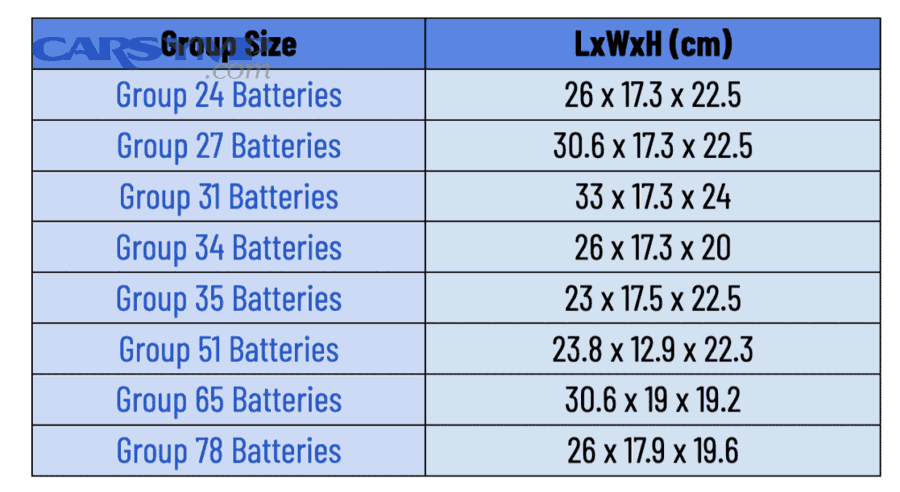
What a group size does (and doesn’t) guarantee
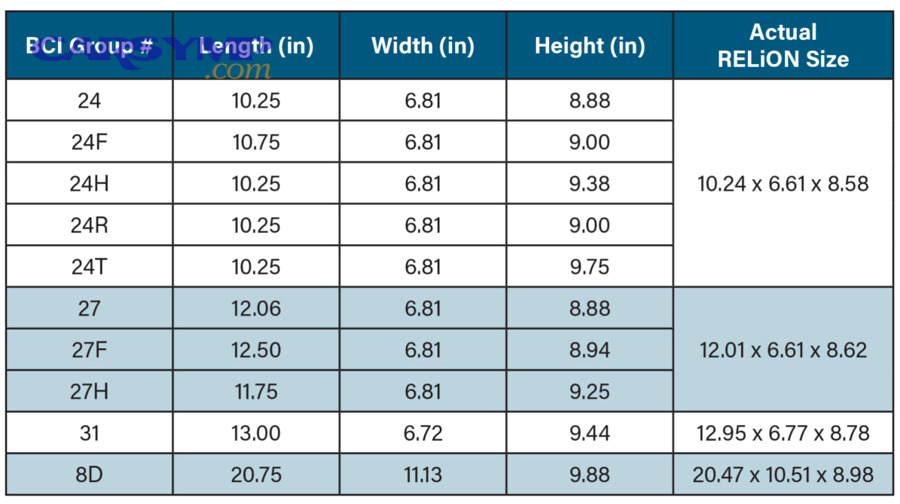
A group size primarily “promises” that the battery case will be within a defined footprint and height range, and that the terminals will be arranged in a way that commonly fits a specific set of vehicles. Specifically, Battery Council International (BCI) describes group size classification by voltage, maximum overall dimensions, terminal arrangement, and special features that may affect fit.
However, a group size does not guarantee that every battery with that label will be identical in every detail. For example, small variations in handle design, terminal height, heat shield shape, or vent port style can still interfere with covers or brackets. So the group size is your starting point—not the final proof.
Why “close enough” fitment causes real problems
If the battery is slightly too tall, the hood insulation or a plastic cover can press on terminals and increase the risk of shorting or loosening connections over time. If it’s slightly too short, the hold-down may not clamp correctly, allowing vibration to damage plates and shorten life. If it’s slightly too long or wide, it can pinch wiring looms or rub against metal edges.
For that reason, the safest mindset is: the correct group size is the one that installs cleanly with factory hold-downs, factory cable routing, and factory covers—without bending anything.
The “meronymy” view: the parts that make fitment succeed
Fitment isn’t one dimension; it’s the sum of parts that must align: the tray (base), the hold-down (clamp), the cables (reach), the terminals (orientation), the cover/heat shield (clearance), and sometimes a vent tube (connection). When any one part doesn’t align, the battery may still sit in the tray—but the installation becomes fragile.
How do you find the correct group size without guessing?
You can find the correct group size by confirming the factory recommendation and then verifying tray dimensions, hold-down style, and terminal orientation on your actual vehicle in minutes.
Next, use a repeatable checklist so the same method works whether you’re buying locally or ordering online.
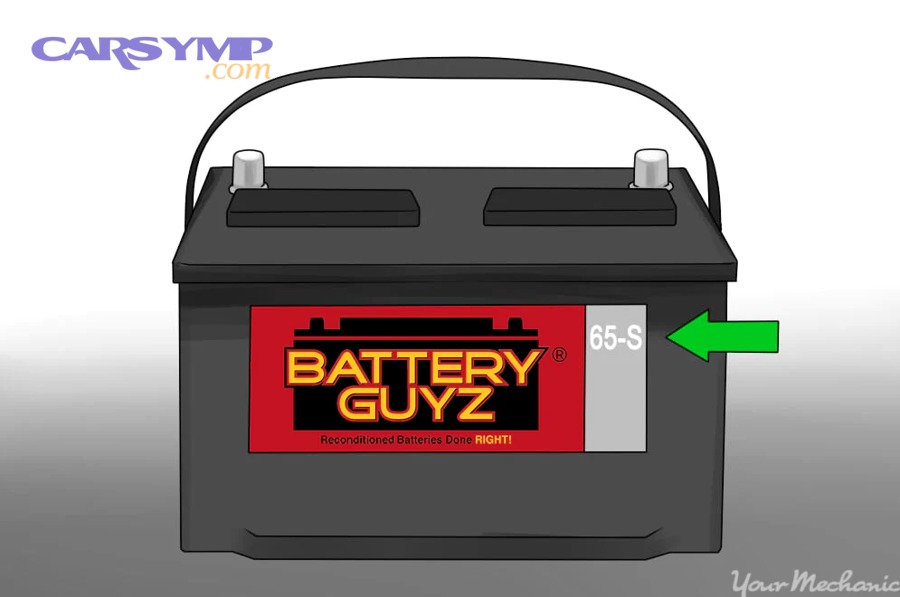
Start with the vehicle’s specified fitment, then validate physically
Most vehicles have a recommended group size in the owner’s manual, under-hood label, or reputable fitment database. That recommendation is valuable because it’s built around the battery box, cable lengths, and hold-down hardware that your vehicle was designed with.
But validation is still essential. Different trims, engines, and option packages can change cable routing or battery location, and some vehicles accept multiple group sizes with different performance ratings. So treat the specified group size as your “default,” then confirm the details below.
A practical 7-point fitment checklist
This table contains a fast fitment checklist that helps you confirm the correct group size by checking the tray, terminals, and mounting features before you pay.
| Check | What to look for | Why it matters |
|---|---|---|
| Case length | Measure the tray’s usable length | Prevents interference with brackets and wiring |
| Case width | Measure the tray’s usable width | Ensures the battery sits flat without rocking |
| Case height | Check clearance to hood/cover/strut bar | Avoids terminal contact and cover fit issues |
| Hold-down type | Top clamp vs bottom ledge clamp | Wrong ledge style can’t be secured safely |
| Terminal type | Top post vs side post vs specialty | Ensures cable ends physically connect |
| Polarity/terminal location | Positive and negative positions | Prevents reversed cable reach or stretching |
| Vent/heat shield needs | Vent port location and shield clearance | Matters in sealed battery boxes and tight bays |
Use “proof by placement” before removal if possible
If your existing battery is still installed, take a photo straight down that clearly shows which side the positive terminal sits on, how cables route, and where the hold-down grabs the case. Also note whether there’s a battery blanket, a plastic cover, or a vent tube. These details prevent the most common mistake: buying a battery that has the right footprint but the wrong terminal layout or ledge configuration.
Which dimensions matter most: length, width, or height?
All three dimensions matter, but height is often the hidden deal-breaker because it affects hood clearance, cover fit, and terminal safety—even when length and width look correct.
To move from concept to action, measure the tray space and compare it to the battery’s published dimensions before choosing.

Length and width: the tray footprint you can’t negotiate
Length and width determine whether the battery can physically sit down into the tray without contacting adjacent metal or pinching harnesses. Even small overages can prevent the hold-down from aligning or can push the battery against sharp edges. If you’re forcing the case into place, you’re creating long-term vibration and abrasion risks.
A smart habit is to measure the tray’s usable area, not just the opening. Some trays have raised stops or molded shapes that reduce real space.
Height: clearance, covers, and terminal risk
Height matters because the hood, insulation pad, or a battery cover may sit closer than you expect. If the hood presses on the battery, the pressure can loosen terminals and stress the case. More critically, if a cover no longer seats properly, it can leave terminals exposed or allow moisture and debris to accumulate.
Cold climates make the stakes higher because hard starts often tempt people to “upgrade” to a taller, higher-rated battery. The safer approach is to upgrade within the correct height range, or to choose a premium design in the correct group size.
When published dimensions still mislead
Published dimensions usually describe the case, but “total height” can include terminal posts. If your vehicle has a low-profile cover or a metal brace above the battery, those extra millimeters can matter. That’s why the best verification is physical: check the highest point above the battery and compare it to the new battery’s total height spec.
The transition is simple: once the case fits, the next big factor is whether the cables and terminal positions line up without strain.
How do terminal positions and cable reach affect your choice?
Terminal positions determine whether your cables reach naturally and connect with correct polarity; if the positive terminal is on the opposite side, you may not have enough slack to connect safely.
Next, you’ll want to confirm not just “post type,” but also the exact orientation that your vehicle’s wiring was built around.
Polarity: the fastest way to buy the wrong battery
Many batteries share a similar footprint but place the positive terminal on a different side. If you install the wrong orientation, the positive cable may not reach, or worse, it may reach only by stretching across moving parts or sharp edges. That creates a risk of insulation wear and intermittent electrical problems.
A safer rule: cables should route the same way as factory, with gentle curves, not tight bends. If you see tension in a cable, that’s not “fine”—it’s a future failure point.
Terminal type and accessory connections
Some vehicles use top posts, others use side posts, and some use specialty terminals. Even within top-post designs, the shape of the terminal and clamp style can vary. If your vehicle has accessory leads (like a fused distribution block), you need enough terminal surface to stack and tighten connections without compromising clamp contact.
Also check whether your vehicle uses a current sensor on the negative cable (common on newer cars). That sensor may require the cable to sit in a specific position relative to the battery. If the terminal height or layout changes, the sensor cable may twist or bind.
Hold-down ledges and “case features” that matter
Some trays clamp the battery by a bottom ledge (a case “foot”), while others clamp from the top. Two batteries can share a similar footprint but have different ledge shapes. If your tray expects a bottom ledge and your battery doesn’t have the correct one, the battery can’t be secured correctly—regardless of how well it “fits” at a glance.
What about cold cranking amps and reserve capacity within the same group?
Within the same group size, you can often choose higher cold cranking amps (CCA) or more reserve capacity (RC), but you should prioritize what your climate and driving pattern demand—without changing the physical fitment code.
To connect the dots, performance ratings matter most after fitment is confirmed, because the best-rated battery is useless if it installs poorly.
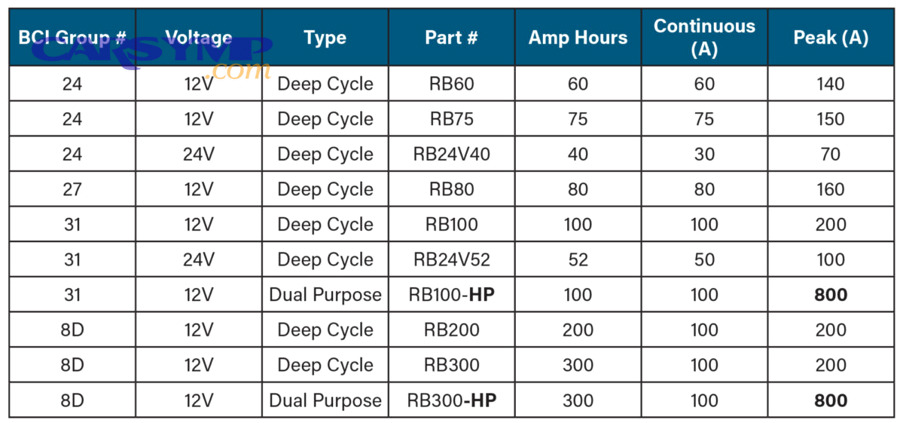
CCA: starting power for cold mornings
CCA indicates how much current a battery can deliver at low temperature for a short time. If you live in a cold region, higher CCA can improve starting reliability—especially as the battery ages. The key is to choose a battery that meets or exceeds your vehicle’s recommended CCA while staying in the correct group size.
The cold-weather effect is real: Theo nghiên cứu của AAA từ AAA Northeast, vào January 2026, một ắc quy có thể mất tới 50% dung lượng khi nhiệt độ gần 0°F.
Reserve capacity: how long accessories can run
Reserve capacity matters when you do lots of short trips, sit with accessories on, or have added electrical loads. A higher RC can reduce the chance of a weak start after idling with lights, heated seats, or infotainment running. However, RC isn’t a license to pick the wrong group size; it’s a tie-breaker among correctly fitting batteries.
Why “more is better” has limits
Higher CCA or RC often comes from more plate area, different grid design, or a premium chemistry and construction. That can increase weight and sometimes alter total height or terminal height. So even when the group size label matches, check total height and cover clearance again. If the battery is heavier, ensure your hold-down is tight and the tray is intact.
Can you safely upsize or downsize a group size?
Sometimes yes, but only if the alternate size fits the tray and hold-down, matches terminal orientation, and meets the vehicle’s electrical requirements—otherwise it’s a risky shortcut that can cause mounting and cable problems.
Next, use clear “yes/no” criteria so you know when an alternate size is reasonable and when it’s a mistake.
When upsizing can be acceptable
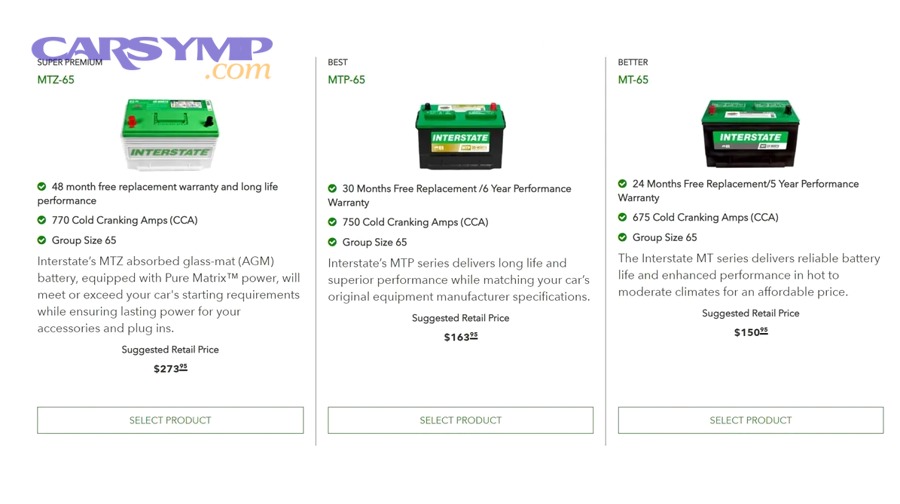
Upsizing can be acceptable when the manufacturer lists multiple compatible group sizes for your specific model/engine, and when the larger battery fits without forcing anything. The best case is when the tray is physically designed for the larger size but the vehicle shipped with a smaller one in certain trims or climates.
In that scenario, you gain extra reserve capacity or higher CCA with minimal downside. But “acceptable” still requires verification: cables must reach naturally, the hold-down must clamp correctly, and the cover must reinstall properly.
When downsizing is a bad idea
Downsizing is usually a bad idea if it reduces CCA below specification, reduces reserve capacity for your driving pattern, or leaves the battery insecure. A smaller battery that “floats” in the tray can be damaged by vibration, and that vibration can also stress the cables and clamps.
Downsizing is sometimes chosen to save money, but the hidden cost is repeated early failure and intermittent electrical behavior.
Three non-negotiables before you choose an alternate
First, the battery must be secured by the factory hold-down without improvisation. Second, the terminals must match polarity and type, and cables must route without tension. Third, the ratings must meet or exceed the vehicle’s requirements. If any one fails, treat it as a “no.”
How do hold-downs, venting, and battery type change the decision?
Hold-down style, vent requirements, and battery type (flooded vs AGM) can change which specific battery within a group size fits correctly and performs well, especially in tight battery boxes or high-heat engine bays.
To continue, think of group size as the frame, and these features as the “compatibility details” that make the installation stable and safe.
Hold-down styles: top clamp vs bottom ledge clamp
Top clamps push down on the case and are forgiving as long as height is correct. Bottom ledge clamps require the correct case “foot” geometry. If you pick a battery without the correct ledge, you may be tempted to wedge it or overtighten a top bracket—both are poor solutions. The battery must be immobile with the intended clamp style.
Venting and battery boxes
Some vehicles route a vent tube from the battery to the exterior—common when the battery is in the trunk or under a seat. If your vehicle uses a vent tube, you need a battery with a compatible vent port location and the correct plug/adapter. In a sealed battery box, venting isn’t optional; it’s part of safe operation.
Flooded vs AGM: the “synonym trap” to avoid
AGM is sometimes treated as a synonym for “premium,” but what matters is whether your vehicle was designed for AGM and whether your charging strategy supports it. AGM batteries can offer strong performance and vibration resistance, but they may have different charging voltage preferences and cost more. If your car’s specification calls for AGM, treat that as part of “the right choice,” not an upsell.
Heat shields, blankets, and under-hood temperatures
If your old battery had a heat shield or insulating blanket, reuse it when possible or replace it with the correct design. Heat accelerates battery aging, and missing shields can shorten life in hot engine bays. One research-oriented way to think about it is that temperature affects battery aging and lifespan significantly, so maintaining factory heat management is part of choosing wisely.
Contextual Border: Up to this point, you’ve focused on physical fit and immediate performance. Next, we’ll widen the context to long-term electrical health—because the right group size is also the one that helps your car’s charging system and electronics stay stable over time.
How group size ties into long-term electrical health
The right group size supports long-term electrical health by ensuring solid connections, correct charging behavior, and stable voltage under load, which reduces the chance of intermittent no-starts and confusing electrical glitches.
Next, consider the most common long-term problems and how to prevent them once the correct battery is installed.

Electrical load, short trips, and why “new battery” isn’t always the fix
Even with the correct group size, a battery can struggle if the vehicle doesn’t recharge it fully—especially if you drive short trips, idle often, or have high accessory use. A battery may test “okay” but still live in a partial state of charge, which accelerates sulfation and reduces available cranking power over time.
This is where smart ownership matters: after installation, confirm the charging system is healthy and that the battery reaches full charge during normal driving. If you suspect a charging issue, testing voltage at rest and while running is a simple first step, and many shops can confirm alternator output quickly.
Modern vehicle electronics and the need for battery registration
Some modern vehicles require the car to be informed that a new battery has been installed, so charging strategy and battery monitoring can reset correctly. This is often referred to in service procedures as Registering a new battery on modern cars, and it can affect charging voltage behavior, battery life, and stop-start function. If your vehicle supports battery management, follow the manufacturer process or have a qualified shop perform the registration step after installation.
In practical terms, if your car has a battery sensor on the negative terminal and advanced charging control, treat registration as part of doing the job correctly—not as an optional extra.
Connection quality: cleaning, protection, and what to watch for
Most “mystery battery problems” come from poor connections rather than the battery case size itself. After installing the correct group size, clean and secure the terminals so resistance stays low. This includes Battery terminal cleaning and anti-corrosion tips such as removing oxidation, tightening clamps to specification, and applying a light protective coating designed for terminals.
To make the point concrete, a corroded terminal can mimic a weak battery by restricting current flow, causing slow cranking, flickering lights, or intermittent resets—especially under high load. If you see powdery buildup, loose clamps, or hot cable ends after starting attempts, fix the connection before blaming the battery.
Safe installation habits that protect you and the vehicle
Even when you’ve chosen the correct group size, installation mistakes can damage electronics or injure you. Follow Battery replacement steps and safety principles: wear eye protection, keep sparks away, remove the negative cable first, and install the negative cable last. Secure the hold-down firmly so the battery can’t move, and double-check that no tools bridge the terminals.
If your vehicle has sensitive electronics, avoid disconnecting and reconnecting rapidly, and consider maintaining voltage with a memory saver if recommended by your service manual.
FAQ: Choosing the right battery group size
These are common questions people ask when they’re trying to confirm fitment, avoid cable issues, and pick a battery that lasts.
Is the group size the same thing as battery capacity?
No. Group size describes fitment characteristics like dimensions and terminal layout, while capacity and performance are expressed through ratings such as reserve capacity and cold cranking amps. Use group size to ensure fit, then choose the best ratings within that fit.
Can two batteries with the same group size have different CCA?
Yes. Batteries in the same group size can have different internal designs and materials, leading to different CCA and reserve capacity. Choose a battery that meets or exceeds the vehicle’s recommended ratings, especially in cold climates.
What are the warning signs that I chose the wrong fitment?
Common warning signs include cables that barely reach or feel tight, a hold-down that won’t clamp securely, a cover that no longer fits, terminals that sit too high, or any need to “force” the battery into place. These are strong indicators that the fitment is wrong even if the battery powers the car temporarily.
Should I prioritize a premium battery type over the exact group size?
No. Always prioritize correct fitment first. If the battery doesn’t mount correctly or the terminals don’t align, a premium design won’t compensate. Once fitment is confirmed, you can decide between standard flooded, enhanced flooded, or AGM based on your vehicle requirements and usage.
Video: A practical guide to testing and replacing a car battery
If you want to see real-world handling, testing, and installation technique, this video demonstrates a full diagnostic and replacement workflow that complements the fitment process described above.
Summary takeaway: Choose the right battery group size by confirming the specified fitment, measuring the tray and clearance, matching terminal orientation and hold-down style, and then selecting the best CCA/RC within that exact fit. This “fit-first, ratings-second” approach is the most reliable path to a stable, long-lasting installation.