


Coolant contamination is not just “dirty coolant”—it’s a system-level warning that the cooling circuit may be exchanging fluids, gases, or debris with places it should never communicate with, such as the combustion chamber or the lubrication circuit. The combustion gas test (often called a block test) is one of the fastest ways to confirm whether exhaust gases are entering the coolant and pushing the system beyond normal pressure behavior.
Beyond confirming a suspected head-gasket pathway, you also need to separate true contamination from look-alikes: leftover sealant, mixed coolant chemistries, rust scale, or simple overheating that causes boiling and aeration. That separation matters, because the repair strategy—and the “can I drive it?” decision—changes drastically depending on the root cause.
Drivers usually notice the problem through indirect symptoms: an unexplained coolant drop, repeated overheating, or strange behavior at the expansion tank. These symptoms can be caused by combustion gases, but they can also be caused by airflow restrictions, a weak pressure cap, circulation faults, or a cooling system that cannot hold pressure long enough to control boiling.
To connect the clues into a clear diagnosis, Giới thiệu ý mới: this guide walks you from “what contamination really is” to “how to run the combustion gas test correctly,” then into the follow-up checks that prevent wrong conclusions and unnecessary teardown.
What does coolant contamination really mean in a modern cooling system?
Coolant contamination means the coolant has been altered by an external intruder—oil, fuel residue, exhaust gases, corrosion products, sealant, or incompatible chemicals—enough to change how it transfers heat, resists corrosion, and holds pressure. Tiếp theo, you’ll learn how each contamination type maps to a specific failure pathway.
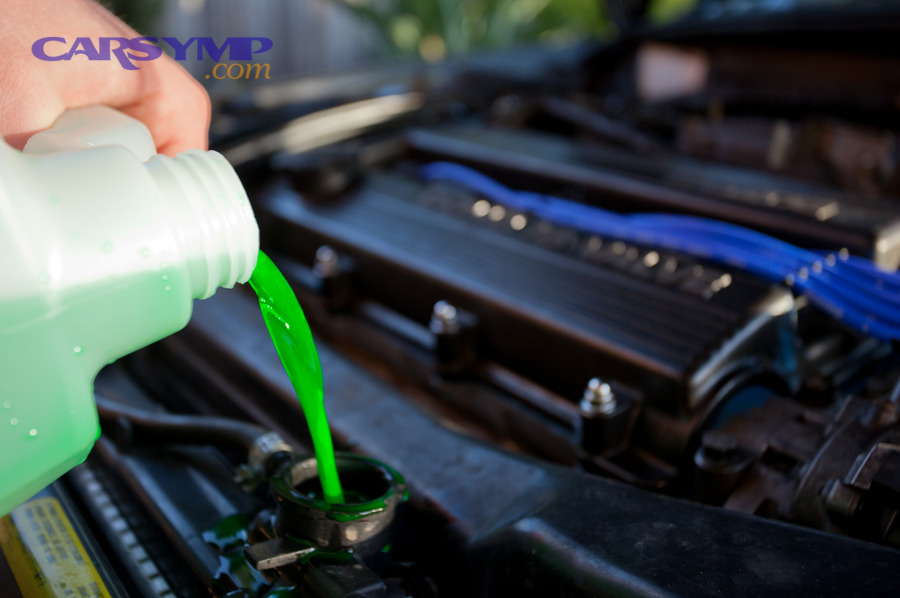
Which contamination types matter most: oil, exhaust gas, or debris?
The three most actionable contamination classes are oil-in-coolant, combustion-gas-in-coolant, and solids/chemical fallout, because each points to a different leak boundary. Sau đây, we’ll tie each class to the likely “border breach” inside the engine.
Oil-in-coolant often looks like brown film, sludge rings, or floating slicks in the expansion tank, and it typically implies a path between lubrication and coolant circuits (oil cooler failure on some vehicles, head gasket, or crack near oil galleries). Combustion-gas-in-coolant tends to show as repeated over-pressurization, rapid hose hardening after cold start, and persistent gas release even when the engine is not overheated. Solids/chemical fallout can appear as gritty sediment, rusty flakes, gel-like clumps, or “stringy” deposits, often linked to corrosion, neglected coolant intervals, or mixing incompatible coolant types.
In entity terms, your central risk is not the color of the liquid—it’s the loss of function in the
How does contamination change pressure and boiling behavior?
Contamination reduces stability by either lowering the effective boiling margin or creating nucleation sites where vapor forms more easily, especially near hot surfaces. Để hiểu rõ hơn, think of pressure control and boiling control as two halves of the same protection system.
A sealed system uses a pressure cap to raise the boiling point; if pressure drops (weak cap, small leak, or venting), boiling can begin at lower temperatures, creating vapor pockets that reduce circulation and spike local metal temperatures. Mobile Air Climate Systems Association notes that cooling system pressure increases the coolant boiling point by roughly ~3°F per psi, which is why losing pressure quickly can turn “manageable heat” into “rapid boilover.”
The hook (móc xích): because combustion gas intrusion can also spike pressure, a pressure symptom alone is not enough—your next step is to test the gas source directly instead of guessing from pressure behavior.
What early clues are reliable before you test anything?
The most reliable early clues are those that repeat across drives: unexplained coolant loss, persistent overheating under similar load, and a cooling system that hardens quickly from cold start. Bên cạnh đó, you should separate “one-time events” (a single overheat after a belt slip) from “patterned behavior” (a weekly top-off with no external leak).
Look for:
- Cold-start pressure rise: upper hose becomes firm within a minute or two from cold, suggesting gas input rather than heat expansion.
- Coolant smell at tailpipe: sweet odor plus lingering white steam after warm-up can imply coolant entering combustion, but it is not exclusive.
- Repeated venting: pressure cap “pukes” coolant after short drives.
- Heater performance swings: intermittent heat can indicate vapor pockets or low coolant level.
The combustion gas test exists because these clues overlap; it is the shortest bridge from symptoms to confirmation.
Theo nghiên cứu của National Bureau of Standards từ Industrial Research Division, vào 11/1948, hệ thống làm mát kín dựa vào bơm nước và van hằng nhiệt để giữ nhiệt độ ổn định, và bơm có thể tuần hoàn lưu lượng rất lớn (hàng nghìn gallon/giờ) khi mọi thứ hoạt động đúng.
Can a combustion gas test confirm a head-gasket or crack?
Yes—when performed correctly, a combustion gas test can strongly indicate exhaust gases in the coolant, which commonly comes from a head gasket leak, cracked head, or cylinder/liner defect. Tuy nhiên, it does not tell you the exact location, so you must pair it with follow-up checks to avoid misdiagnosis.
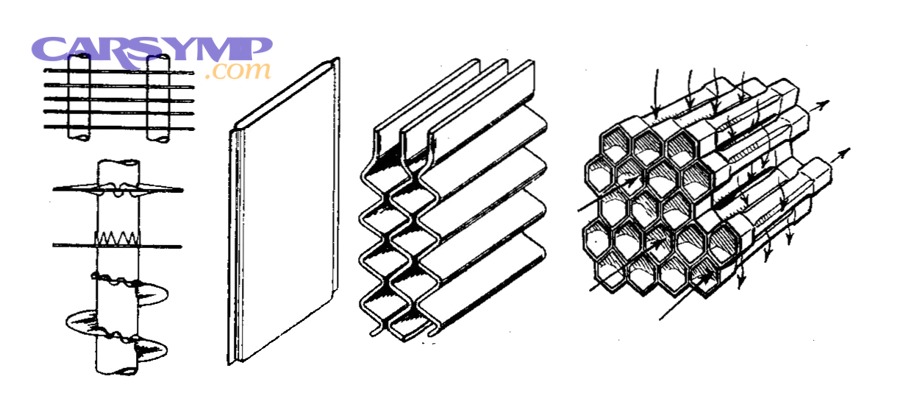
What the test actually detects (and what it cannot)
The test detects combustion byproducts—primarily CO₂—present in the vapor space of the radiator or expansion tank, using a chemical indicator fluid that changes color. Tiếp theo, you’ll see why a positive result is powerful evidence, while a negative result is sometimes inconclusive.
Block Tester’s operating instructions describe the method as drawing vapors from the radiator through a special test fluid; a color change indicates CO₂ from combustion gases in the cooling system.
What it cannot do is identify whether the leak is a head gasket fire ring, a crack between a combustion chamber and a coolant jacket, a warped deck, or a localized cylinder head porosity. It also cannot tell you if coolant is leaking into a cylinder (that is the reverse direction); it only confirms that combustion products are present where they should not be.
When a positive result is most trustworthy
A positive result is most trustworthy when the engine is at normal operating temperature, the thermostat is open, and you are sampling vapor—not splashing liquid coolant into the tester. Sau đây, we’ll map “best conditions” so the result means what you think it means.
- Stable idle at operating temp: ensures circulation and a representative vapor sample.
- Coolant level slightly below the neck: prevents liquid ingestion that can contaminate test fluid.
- Repeatable color change: the fluid shifts consistently on multiple pulls, not a one-time tint shift from residue.
When those conditions are met, the test is a practical “gate” for next decisions: do you proceed to leak-down localization, or do you focus on external leaks and circulation faults?
When a negative result can still be “not proven”
A negative result can still be inconclusive if the leak is intermittent, load-dependent, or if the engine never truly reaches a thermostat-open state during your test. Ngoài ra, some small leaks only appear under boost, high cylinder pressure, or sustained highway load.
In those cases, you may need to repeat the test after a longer warm-up, repeat after a drive cycle, or pair it with a pressure-hold test and cylinder leak-down to catch a borderline breach that a quick idle sample misses.
Theo nghiên cứu của Yale University từ School of the Environment (Gentner Lab), vào 02/2015, rò rỉ chất làm mát/ethylene glycol có thể xuất phát từ nhiều điểm liên quan đến động cơ (bao gồm cả vùng gioăng quy-lát và phớt bơm nước), nhấn mạnh rằng “dấu hiệu” không đủ để suy ra đúng vị trí hỏng mà cần kiểm tra xác nhận.
How do you perform a combustion gas test safely and accurately?
Use a combustion leak tester by sampling vapor from the radiator/expansion opening while the engine is warm, and watch for a stable indicator-fluid color change that signals CO₂ presence. Để bắt đầu, treat safety and sample purity as the two non-negotiables.
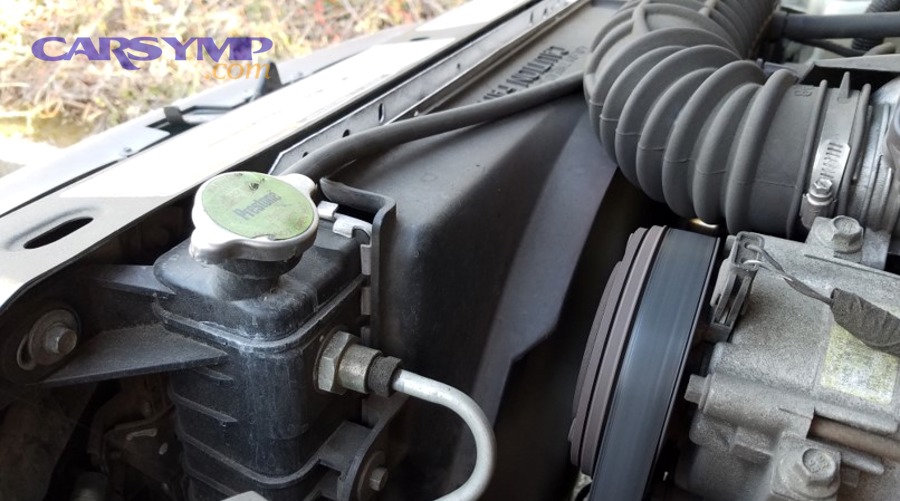
Step 1: Set up for a clean vapor sample
Prepare the tester with fresh indicator fluid and ensure the coolant level is low enough that you’re sampling vapor, not liquid splash. Cụ thể, contamination of the test fluid is the #1 cause of bad results.
- Work on a cold engine first: remove the cap only when pressure is fully relieved.
- Verify the tester’s check valve orientation (if applicable) and fill to the marked level.
- Inspect coolant condition: if it is extremely oily or full of stop-leak, plan to repeat with extra care and possibly multiple fluid changes.
Harbor Freight’s combustion leak detector manual emphasizes using the tool as directed and maintaining proper setup to avoid inaccurate outcomes.
Step 2: Warm the engine correctly (thermostat-open matters)
Warm the engine to normal operating temperature so circulation carries any combustion gases into the sampling point. Tiếp theo, confirm heater output is hot and stable, which is a practical sign that coolant is moving through the system.
- Start the engine and let it idle until the cooling fan cycles or temperature stabilizes.
- Keep cabin heat on briefly; stable heat suggests the heater core is flowing.
- Avoid rapid revving; you want representative vapor, not splash and turbulence.
If the engine never reaches a thermostat-open state, you may sample “too early,” and the vapor space may not reflect what happens during real driving load.
Step 3: Draw vapor through the fluid and interpret the color change
Seal the tester at the fill neck and squeeze/release the bulb to pull vapor through the indicator fluid for a consistent interval. Sau đây, you’ll interpret color change as “repeatable chemistry,” not “one glance.”
- Perform steady pumping for 30–60 seconds (or per your kit’s guidance).
- Watch for a clear, stable shift (often blue → green/yellow, depending on fluid type).
- If you suspect a false result, dump the fluid, rinse the chamber, refill with fresh fluid, and repeat.
Block Tester’s instructions describe that a color change in the test fluid indicates CO₂ from combustion gases entering the cooling system.
Móc xích: once you’ve got a reliable result, your next job is to connect it to real-world symptoms—especially the kind drivers notice first, like gas activity at the expansion tank.
Theo nghiên cứu của Mobile Air Climate Systems Association từ Technical Resources, vào 04/2021, áp suất hệ thống làm mát làm tăng điểm sôi của dung dịch làm mát theo quy tắc xấp xỉ ~3°F mỗi psi, nên sai lệch áp suất khi thử nghiệm có thể làm thay đổi hành vi sủi/thoát hơi và dễ dẫn đến diễn giải sai nếu không kiểm soát điều kiện thử.
Why does the coolant reservoir bubble, and when is it normal?
Reservoir bubbling can be normal during purge/bleeding after service, but persistent bubbling under steady idle or repeated bubbling after full warm-up often indicates gas entering the cooling circuit from combustion or localized boiling. Hơn nữa, the pattern—when it bubbles and how it smells—matters more than the bubbles themselves.
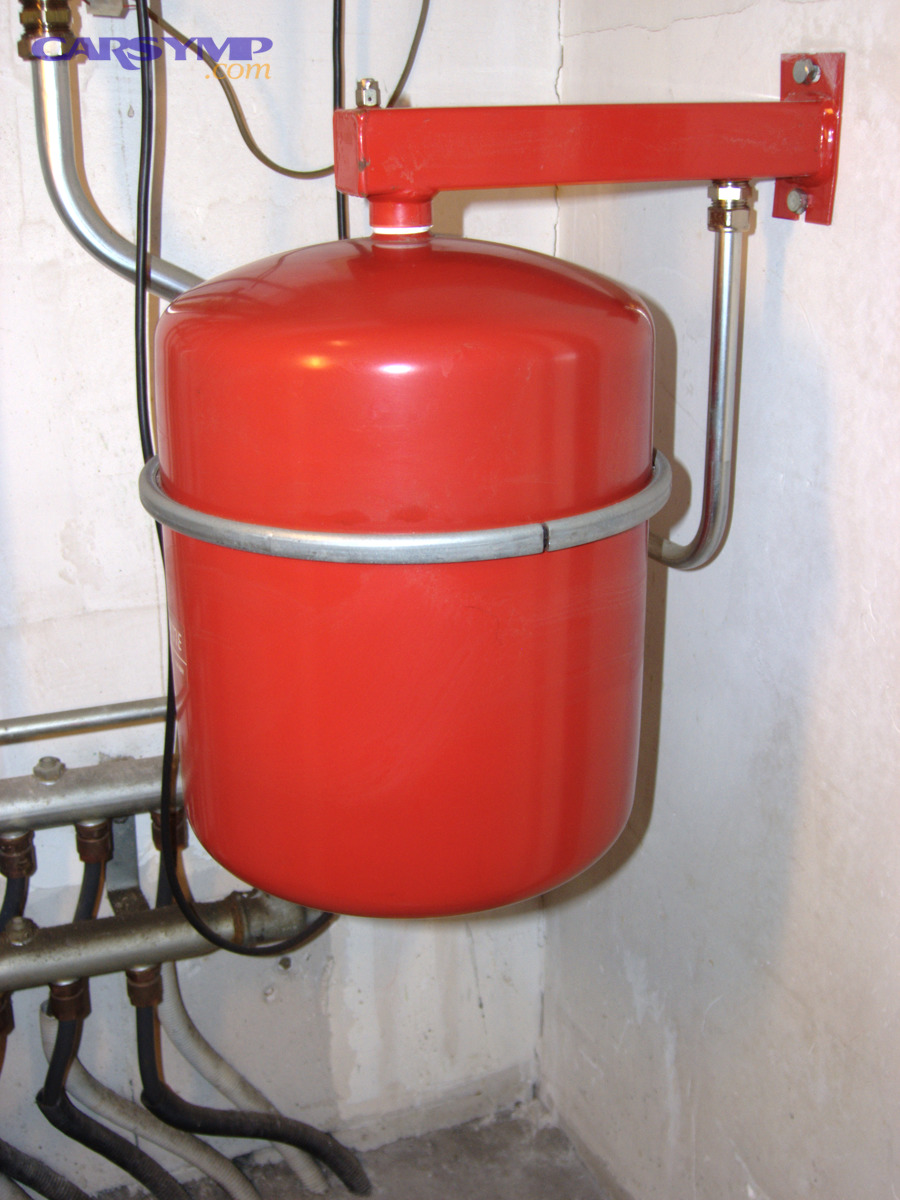
Normal causes: purge, trapped air, and recent service
Bubbles can be normal right after coolant service because trapped air migrates to the highest points and vents through the expansion tank. Tiếp theo, you’ll use timing to separate “bleeding behavior” from “intrusion behavior.”
Normal patterns usually:
- Fade within a short drive cycle as air pockets purge.
- Do not rapidly harden hoses from cold start.
- Do not create a sharp exhaust smell in the tank vapor space.
If bubbling appears only when you first top off after a drain/refill, it may simply be an air management issue—especially on vehicles with complex bleed screws or high-mounted heater cores.
Abnormal causes: combustion intrusion versus local boiling
Persistent bubbling that restarts every drive can come from combustion gases leaking into coolant, or from local boiling at hot spots when pressure margin is lost. Ngược lại, one-time bubbling that disappears forever after a proper bleed is usually not combustion intrusion.
Here is where the exact phrase bubbling coolant reservoir becomes meaningful: if the bubbling increases when you blip the throttle (higher cylinder pressure) and the upper hose is already firm, combustion intrusion becomes more likely. If bubbling spikes only after the gauge climbs and the fan is struggling, loss of pressure/flow and boiling become more likely.
Practical “sniff-and-feel” checks that reduce guessing
Two simple checks—hose firmness and vapor smell—can guide what test you run next without replacing parts blindly. Để minh họa, think “pressure source” and “gas identity.”
- Cold-start hose firmness: fast firmness suggests gas injection, not heat expansion.
- Vapor identity: exhaust-like smell suggests combustion products; sweet smell suggests coolant vaporization/venting.
Móc xích: if these checks point toward pressure/boiling confusion, the next section shows how to separate “gas intrusion” from “coolant boiling” using a comparison framework.
Theo nghiên cứu của National Bureau of Standards từ Industrial Research Division, vào 11/1948, việc duy trì nhiệt độ ổn định phụ thuộc vào tuần hoàn cưỡng bức (bơm nước) và điều tiết dòng (van hằng nhiệt), nên khi lưu lượng/điều tiết sai, hiện tượng sôi cục bộ và thoát khí có thể xuất hiện ngay cả khi không có rò khí cháy.
How do you tell combustion-gas intrusion from boiling due to overheating?
Combustion intrusion typically creates pressure and gas activity early and repeatedly, while overheating-driven boiling usually appears after temperature climbs and pressure margin is lost from cap weakness, leaks, or poor heat rejection. Trong khi đó, both can coexist, so you need a decision tree that checks pressure, temperature, and circulation in order.
Comparison: “early pressure” versus “late temperature”
Combustion intrusion is often “early pressure,” while boiling is often “late temperature,” meaning the timing relative to warm-up is your first discriminator. Sau đây, apply this timing test before buying parts.
- Early pressure pattern: from cold start, hoses firm quickly; tank vents early; bubbling starts before the gauge rises.
- Late boil pattern: gauge rises, fans run hard, then bubbling/venting begins; pressure loss may show as overflow after extended idle.
Because boiling point rises with pressure, a weak cap can produce boil-like bubbling earlier than expected; MACS’ rule-of-thumb (~3°F per psi) explains why a small pressure loss can meaningfully reduce boiling margin under load.
Use the combustion gas test as the tie-breaker
If timing alone is ambiguous, the combustion gas test acts as a tie-breaker by asking a direct question: are combustion byproducts present in the coolant vapor space? Tiếp theo, interpret the result in context rather than in isolation.
A positive test supports intrusion, but you still need to verify whether the overheating is the cause (overheat first, gasket later) or the effect (gasket leak causing overpressure, air pockets, and overheating). A negative test shifts your attention to cap integrity, airflow through the radiator, coolant concentration, and circulation performance.
A quick table to map symptoms to next checks
This table contains common symptom patterns and the next best diagnostic check to run, so you can avoid “parts roulette” and confirm the failure boundary before repairs.
Use it as a routing tool: symptom → most likely pathway → next test.
| Symptom pattern | Most likely pathway | Next check | Risk if ignored |
|---|---|---|---|
| Hose firms quickly from cold start | Combustion gas intrusion | Combustion gas test + leak-down | Rapid overpressure, coolant loss, overheat |
| Overheats at idle, better at speed | Airflow/fan/radiator restriction | Fan operation + radiator temp delta scan | Boiling, warped head |
| Overheats at speed, worse under load | Flow/heat rejection margin low | Pressure test + radiator cap test | Detonation risk, head gasket stress |
| Coolant disappears with no external leak | Internal consumption or venting | Tailpipe steam check + combustion gas test | Hydrolock, catalyst damage |
| Brown film/sludge in tank | Oil contamination or chemical fallout | Oil cooler isolation + coolant flush assessment | Radiator clogging, heater core loss |
Theo nghiên cứu của Mobile Air Climate Systems Association từ Technical Resources, vào 04/2021, việc mất áp suất hệ thống làm mát làm giảm điểm sôi theo quy tắc xấp xỉ tuyến tính, nên “bọt khí” có thể là dấu hiệu sôi do mất áp thay vì khí cháy—và cần đối chiếu bằng phép thử khí cháy để phân biệt.
Which checks should you do before condemning the head gasket?
Before you condemn the head gasket, run a small set of checks that confirm the system can hold pressure, circulate coolant, and reject heat—because many “head gasket symptoms” are produced by cap failure, leaks, or flow loss. Đặc biệt, these checks prevent expensive teardown triggered by a cheap fault.
Cooling system pressure test (holds pressure or it doesn’t)
A pressure test asks one direct question: can the system hold its rated pressure without dropping, which is essential for boiling control. Tiếp theo, pressure-hold results guide whether you hunt external leaks or internal paths.
- If pressure drops and you find external leaks: repair those first and retest.
- If pressure drops with no external leak: suspect internal seepage (heater core, intake gasket on some engines, or cylinder leak).
- If pressure holds but you still overheat: move to airflow/flow diagnostics.
This check pairs naturally with a combustion gas test: one tests pressure integrity, the other tests gas identity.
Cap integrity and overflow behavior
A weak pressure cap can mimic internal engine faults by letting coolant boil or vent earlier than designed. Ngoài ra, cap failure is common enough that it’s worth validating before deeper work.
Use a cap tester (or swap with a known-good cap of the correct rating) and watch for repeatable changes: reduced venting, reduced temperature spikes, and fewer bubble events after heat soak.
Flow validation: circulation, radiator temperature delta, and “Thermostat and water pump checks”
Flow validation confirms that the coolant is actually moving and shedding heat as intended, not stagnating and boiling at hot surfaces. Sau đây, apply “Thermostat and water pump checks” as a structured process rather than a guess.
- Thermostat behavior: upper hose warms gradually then quickly once thermostat opens; if it stays cold while the gauge climbs, suspect stuck-closed or circulation blockage.
- Water pump signs: abnormal bearing noise, wobble, or weep hole leakage; flow issues may appear as overheating at speed or poor heater output consistency.
- Radiator delta: with an infrared thermometer, compare inlet/outlet; an unusually small delta can indicate poor heat rejection, while a huge localized delta can suggest blockage.
National Bureau of Standards describes the thermostat’s role in controlling coolant flow and the water pump’s role in forced circulation, reinforcing why a circulation fault can create boil-like symptoms without combustion intrusion.
Theo nghiên cứu của National Bureau of Standards từ Industrial Research Division, vào 11/1948, van hằng nhiệt điều tiết dòng qua két nước và bơm nước tạo tuần hoàn cưỡng bức với lưu lượng rất lớn, nên khi hai bộ phận này trục trặc, sôi cục bộ/thoát khí có thể giả dạng “hỏng gioăng” dù khí cháy không hề xâm nhập.
What are the risks of driving with suspected coolant contamination?
No—if you suspect coolant contamination linked to combustion gases or internal leaks, driving is usually unsafe because overheating and pressure spikes can escalate damage rapidly and unpredictably. Quan trọng hơn, even short trips can turn a small leak into a warped head, damaged bearings, or a hydrolock event.
Immediate risks: overheat, pressure venting, and loss of coolant
The immediate risks are overheating and sudden coolant loss, which can happen when pressure forces coolant out of the overflow or when boiling creates vapor pockets that stop circulation. Tiếp theo, understand that overheating is not linear—once vapor forms, heat transfer collapses locally.
- Overheat spiral: vapor pocket → hot metal spike → more boiling → more vapor.
- Pressure venting: repeated venting lowers coolant level and pressure margin simultaneously.
- Heater loss: if cabin heat turns cold suddenly, you may have low coolant/air pockets—stop and shut down safely.
Engine damage risks: gasket burn-through, warped head, bearing wear
Continued driving can turn a borderline gasket leak into a full breach by repeatedly thermal-cycling the head and block. Hơn nữa, if coolant enters oil, bearing protection collapses quickly and the damage can outlast the cooling repair.
This is where the phrase Safe driving guidance with bubbling coolant belongs: if the temperature rises above normal, if you smell coolant strongly, if you see repeated bubbling/venting after warm-up, or if the heater output goes cold, you should treat it as a stop-now event—pull over, shut down, and diagnose rather than “limp it home.”
When a very short move might be acceptable (rare)
A very short move may be acceptable only if temperature is stable, coolant level is verified, there is no repeated venting, and you are relocating for safe repair—not commuting. Tuy nhiên, this is the exception, not the rule.
If you must move the vehicle, minimize load: no highway pulls, no long idles, and monitor temperature continuously. If any abnormal rise occurs, shut down immediately.
Theo nghiên cứu của Mobile Air Climate Systems Association từ Technical Resources, vào 04/2021, khi áp suất hệ thống giảm thì điểm sôi giảm theo quy tắc ~3°F/psi, khiến nguy cơ sôi và mất tuần hoàn tăng mạnh; vì vậy tiếp tục lái khi có dấu hiệu sủi/thoát khí lặp lại là rủi ro cao dù quãng đường ngắn.
What repairs and flush steps follow a positive combustion gas test?
If the combustion gas test is positive, the correct repair path is to confirm the leak boundary, fix the mechanical cause, and then restore the cooling system’s cleanliness and pressure control—because contaminated coolant can keep causing issues even after the gasket is replaced. Sau đây, follow a repair sequence that reduces repeat failures.
Repair sequence: confirm location → repair → re-validate
Start by confirming which cylinder/bank is involved (when possible), repair the gasket/head/crack pathway, then re-test to ensure gases are gone before you declare victory. Tiếp theo, treat the post-repair validation as part of the repair—not an optional step.
- Localization: cylinder leak-down, borescope for steam-cleaned cylinders, spark plug inspection for one “too clean” plug.
- Mechanical correction: gasket replacement, head inspection/flatness, crack check, proper torque procedure.
- Validation: repeat combustion gas test after proper warm-up, and confirm stable pressure behavior across multiple drive cycles.
Cooling system cleanup: flush strategy based on contamination type
Flush strategy depends on whether contamination is oily, particulate, or chemical gel, because each requires different cleaning behavior. Cụ thể, oily contamination often needs a detergent-style cleaner and multiple rinses.
- Light contamination: multiple distilled-water rinses, then correct coolant mix.
- Oily contamination: cleaning agent compatible with aluminum/rubber, thorough rinse, inspect hoses for softening.
- Gel/chemical fallout: repeated flushes and possible component replacement (radiator/heater core) if flow is restricted.
After refill, bleed air properly, verify fan operation, verify cap integrity, and confirm stable heater output—these are “móc xích” checks that prevent you from blaming the new gasket for an old circulation problem.
Parts worth replacing “while you’re in there” (but only with evidence)
Replace supporting parts only when inspection supports it—because unnecessary parts swaps hide the real cause. Đặc biệt, if overheating caused the gasket failure, you must fix the overheating root.
- Pressure cap (if weak or unknown age).
- Thermostat (if temperature behavior suggests sticking or slow response).
- Hoses (if oil exposure caused swelling/softening).
- Water pump (if bearing play, leaks, or poor circulation evidence exists).
Theo nghiên cứu của Yale University từ School of the Environment (Gentner Lab), vào 02/2015, các nguồn rò rỉ liên quan động cơ (bao gồm vùng gioăng và bơm) cho thấy sửa “một điểm” mà bỏ qua nguyên nhân quá nhiệt/rò rỉ khác sẽ làm tăng nguy cơ tái phát sau sửa chữa.
Contextual Border: Up to this point, you’ve used macro diagnostics to confirm whether combustion gases and contamination are present and what they imply. The next section expands into edge cases—situations where the test is easy to misread, and how to prevent false confidence.
Supplementary: edge cases that confuse combustion-gas testing
Edge cases can produce false positives, false negatives, or ambiguous color shifts, so the goal is to control sample purity and test conditions rather than “trust the kit blindly.” Tiếp theo, use these safeguards to turn the test into a repeatable diagnostic tool.
False positives from contaminated fluid or splash
Liquid coolant entering the tester can contaminate indicator fluid and create misleading color changes. Cụ thể, keep the coolant level below the fill neck and re-run with fresh fluid if you suspect contamination.
Block Tester instructions emphasize sampling vapor and observing the fluid’s color response as the indicator of CO₂ presence; the implication is that fluid integrity is essential for accurate interpretation.
Intermittent leaks that only appear under load
Some leaks occur only at high cylinder pressure, high load, or specific thermal expansion states, so an idle-only test can miss them. Ngoài ra, repeating the test after a drive cycle can reveal a leak that “wakes up” under real conditions.
Cooling additives and stop-leak products that muddy the signal
Stop-leak and some additives can change the chemistry of the vapor space and leave residues that make color interpretation harder. Tuy nhiên, you can often regain clarity by flushing the sampling area, using fresh fluid, and repeating the test with stricter vapor-only control.
Hybrid and pressurized expansion-tank designs
Some vehicles sample best at a specific service port or radiator neck because the expansion tank may not represent the hottest/most gas-active point. Để hiểu rõ hơn, follow the vehicle’s service architecture: test where the vapor space is most representative and where the system naturally vents micro-gas.