


A burnt-oil odor around a car usually means oil is reaching a surface hot enough to vaporize it—most often the exhaust manifold, turbo housing, downpipe, catalytic converter, or heat shields. The fastest path to the real cause is to match the smell to where it appears (engine bay, cabin vents, undercarriage) and when it happens (idle, acceleration, highway).
Beyond finding “an oil leak,” the practical goal is to map likely drip paths and wind patterns—because oil rarely burns exactly where it leaks. That’s why a small seep at the top of the engine can smell intense, while a larger leak under the car might not smell until it hits a hot pipe.
Another key intent is safety and prioritization: some sources are nuisance-level (oil spilled during a top-off), while others are urgent (oil dripping onto the exhaust with visible smoke). Identifying which category you’re in prevents both panic and dangerous delays.
To start, keep your focus on locations + triggers. Sau đây is a step-by-step map of the most common hot-contact zones and the leaks that feed them, followed by simple checks that confirm the source without guesswork.
Why does a burnt-oil odor show up near the car?
A burnt-oil odor happens when oil turns into vapor on high-heat metal, then gets carried by airflow into the engine bay, underbody, or HVAC intake. Tiếp theo, you’ll narrow it down by heat source, airflow direction, and the leak’s “upstream” origin.
What “burning” really means for motor oil
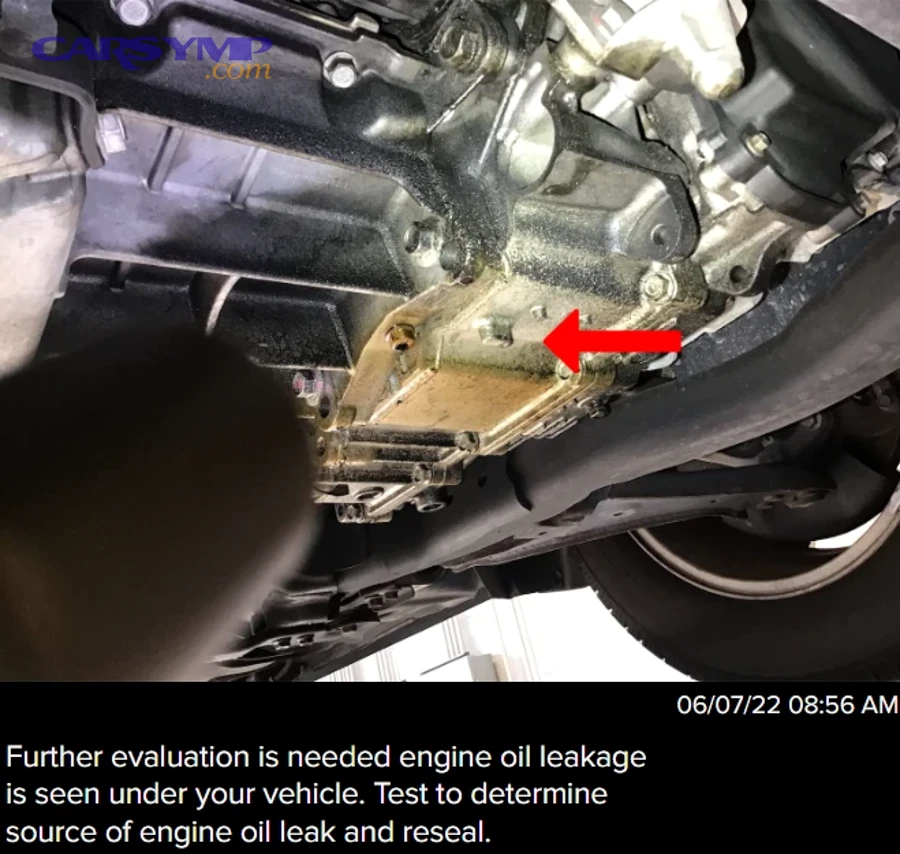
Motor oil doesn’t need an open flame to smell burnt. When it hits a manifold, turbo, or catalyst, it can smoke lightly, bake into a sticky varnish, and release a sharp odor—especially after the engine fully warms up. Cụ thể hơn, even a few drops spread into a thin film can smell stronger than a small puddle.
Why the smell may appear in the cabin
If the odor comes through the vents, the leak is often in the upper engine area. Many cars pull fresh air near the cowl at the base of the windshield; fumes rising from the engine bay can get sucked in when the fan runs. Hơn nữa, a missing undertray or damaged weather seals can change airflow and make faint leaks smell worse.
When the odor is strongest: idle vs highway
At idle, heat builds under the hood and fumes linger—so top-of-engine leaks often smell stronger in traffic. At highway speeds, airflow can blow oil rearward and onto hot pipes—so underbody leaks may smell worse after a drive. Tuy nhiên, the trigger you notice (like “only after hard acceleration”) can point to PCV issues, turbo seals, or oil slosh exposing weak seals.
Where does oil most often land to create the smell?
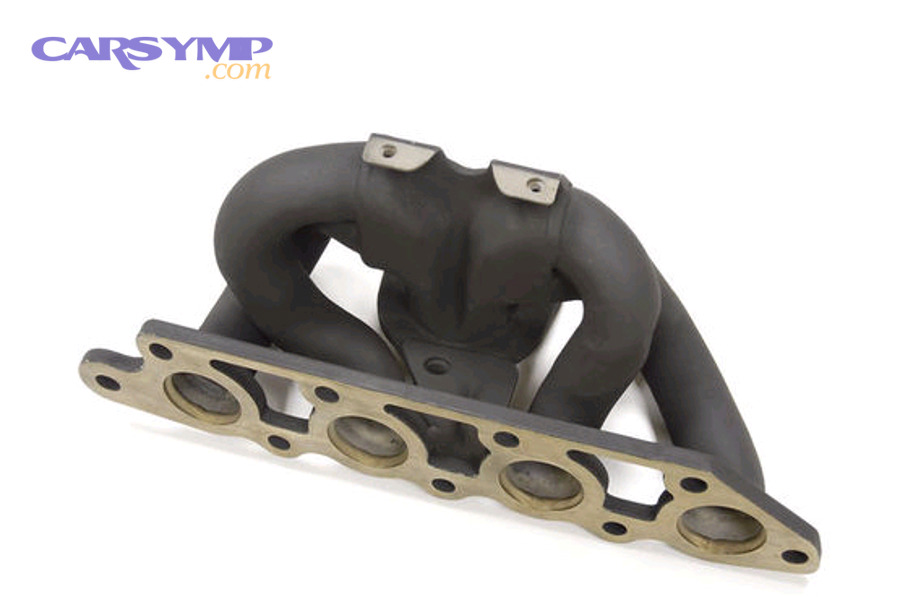
The most common hot-contact zones are the exhaust manifold area, the downpipe/catalyst region, and nearby heat shields that “catch” oil mist. Bên cạnh đó, once you know the hot landing zones, you can trace upward to the leak source.
Exhaust manifold and heat shield “catch points”
The manifold sits high, runs extremely hot, and is often directly under valve covers on many inline and V engines. A slow valve cover seep can drip onto the manifold heat shield, where it bakes and smells for days. Để minh họa, you might see dark, crusty residue on the shield even if you never see liquid oil.
Downpipe and catalytic converter hotspots
Underbody exhaust parts run hot enough to smoke oil, especially near the catalyst. Oil can reach this area from above (rear valve cover leaks on some layouts), from below (filter housing or cooler lines), or from airflow carrying mist rearward. Quan trọng hơn, because the catalyst sits in the airflow stream, smells from this region tend to appear after driving, not just at idle.
Turbocharger housing and oil feed/return lines
On turbocharged engines, oil feed and return lines sit close to the turbine housing. A seep here can smoke quickly and can be mistaken for a major engine leak because the odor is intense. Ngược lại, sometimes the turbo itself is fine—the line’s seals or banjo washers are the real culprit.
HVAC fresh-air intake pathway
If fumes consistently enter the cabin with the fan on, consider where the HVAC intake sits relative to the engine. Oil vapor rising from the back of the engine (common on transverse setups) can roll up toward the cowl. Tóm lại, the “smell location” (cabin vents) often points to an “engine location” (upper rear of engine) rather than the exhaust itself.
Which top-of-engine leaks commonly drip onto hot exhaust parts?
Top-of-engine leaks are the #1 cause of burnt-oil odor because gravity and heat place oil directly above the manifold or turbo area. Sau đây, you’ll match each leak type to a typical drip path and visual clue.
Valve cover gasket seepage
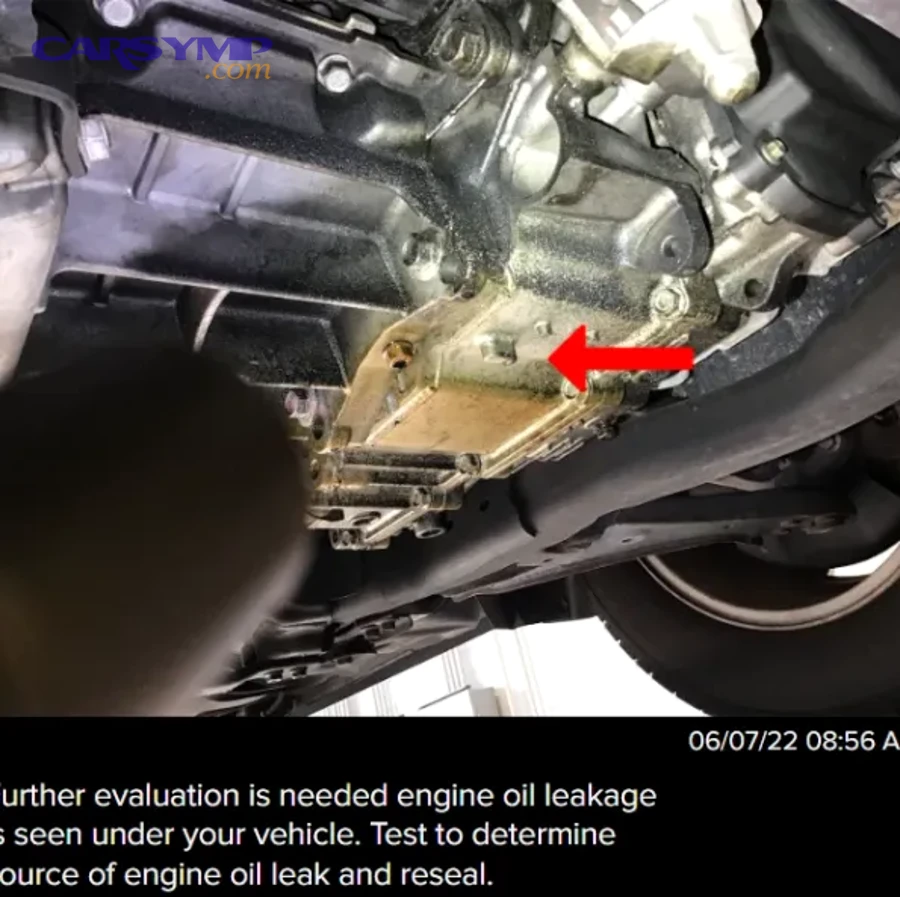
A valve cover gasket that has hardened can seep along the perimeter and run down the cylinder head. On many engines, the lowest edge of the cover is directly above the exhaust manifold—so the oil lands on the shield and smokes. Cụ thể, look for wetness at the back corners (hardest to see) and for oily spark plug wells (common on some designs).
Camshaft seals and front timing area leaks
Cam seals and timing cover edges can leak and throw oil outward as the engine spins. That oil can land on nearby hot components or get spread by the belt and pulleys. Hơn nữa, the pattern may look like a “mist” rather than a drip, so the smell can be strong even with minimal dripping.
Oil filler cap and spilled oil from top-offs
A loose or cracked oil cap gasket can let vapor and small splashes escape, especially under load. Also, oil spilled while topping off can pool in crevices, then burn off for several heat cycles. Để hiểu rõ hơn, this is one of the few cases where the odor appears suddenly after maintenance and fades as residue burns away.
PCV system issues increasing oil vapor
A restricted PCV valve or clogged breather can increase crankcase pressure and push oil mist out through seals and gaskets. This can turn a minor seep into a smell problem without a dramatic puddle. Tuy nhiên, the leak you see may be a “symptom leak”—the real cause is pressure management.
Which underside leaks can create odor while driving?
Underside leaks often become “smell leaks” when wind carries oil onto the exhaust stream or when oil hits the catalyst area after a drive. Tiếp theo, you’ll identify leaks by their position relative to the oil stream’s airflow path.
Oil filter and drain plug seepage
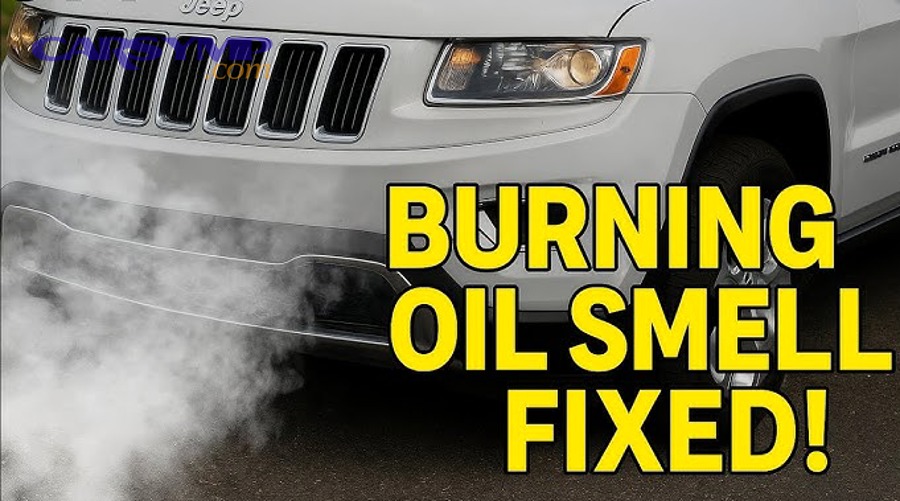
After an oil change, a double-gasketed filter, a loose filter, or a damaged O-ring can weep oil that spreads rearward. A drain plug washer that wasn’t replaced (or a pan thread issue) can also seep. Cụ thể, these leaks often mark the underside with a fresh wet trail that points backward from the leak source.
Oil cooler lines, filter housings, and adapter seals
Many engines use a filter housing or cooler adapter with seals that harden over time. When these leak, oil can run down toward exhaust components, especially on layouts where the housing sits above the downpipe. Quan trọng hơn, these leaks can be steady under pressure, so the smell might intensify right after driving rather than during warm-up.
Front and rear main seal seepage
Main seals can seep and coat the bellhousing area. Oil from this region may not hit the exhaust directly, but airflow can carry mist and deposit it where the exhaust runs nearby. Ngược lại, if the smell is present but you rarely see drips, check for a film of oil on the undertray and heat shields rather than the ground.
Oil pan gasket and pan rail leaks
An oil pan leak usually drips low, but it can still create odor if oil reaches the exhaust crossover, Y-pipe, or catalyst region. Also, oil can spread along chassis bracing and “find” hot spots you wouldn’t expect. Tổng kết lại, don’t assume “low leak = no smell”—the exhaust routing matters.
Could the odor be something else besides engine oil?
Yes—several fluids can mimic an oil odor, but each has a slightly different smell signature and typical location. Để bắt đầu, compare color, feel, and where the residue appears to avoid chasing the wrong system.

Power steering fluid and ATF near hot components
On some cars, power steering fluid is essentially ATF and can smell “oily” when it leaks onto hot parts. A leak at the pump, pressure line, or rack can drip onto exhaust pieces depending on routing. Tuy nhiên, ATF often has a sharper, slightly sweet chemical note and may appear red/brown rather than dark amber.
Gear oil from manual transmission or differential
Gear oil has a strong sulfur odor that many people describe as “burnt” even when it’s not burning. If the smell is especially pungent and the residue is thick, check axle seals, input seals, or differential covers. Cụ thể hơn, gear oil smell can linger longer than engine oil smell and is often noticeable around the rear of the vehicle if a diff leak is involved.
Coolant or plastic/rubber heating on exhaust
Coolant spilled on hot parts can steam and leave a sweet smell, while melting wire loom, underhood insulation, or plastic can produce a harsh burnt odor. Hơn nữa, these cases often show visible damage (brittle loom, melted clips) rather than oily wetness.
Brake or clutch fluid near high heat
Brake fluid has a distinct chemical odor and is very damaging to paint. If a clutch hydraulic line or brake component leaks near an exhaust route, the smell can be alarming. Tóm lại, if you’re unsure, prioritize checking fluid levels—low oil, low brake fluid, or low coolant changes the urgency immediately.
How can you pinpoint the exact source safely at home?
You can narrow the source with a short, structured inspection: confirm oil level, locate fresh wetness, and identify the first “upstream” point where oil appears. Sau đây, follow a safe sequence that avoids burns and false conclusions.
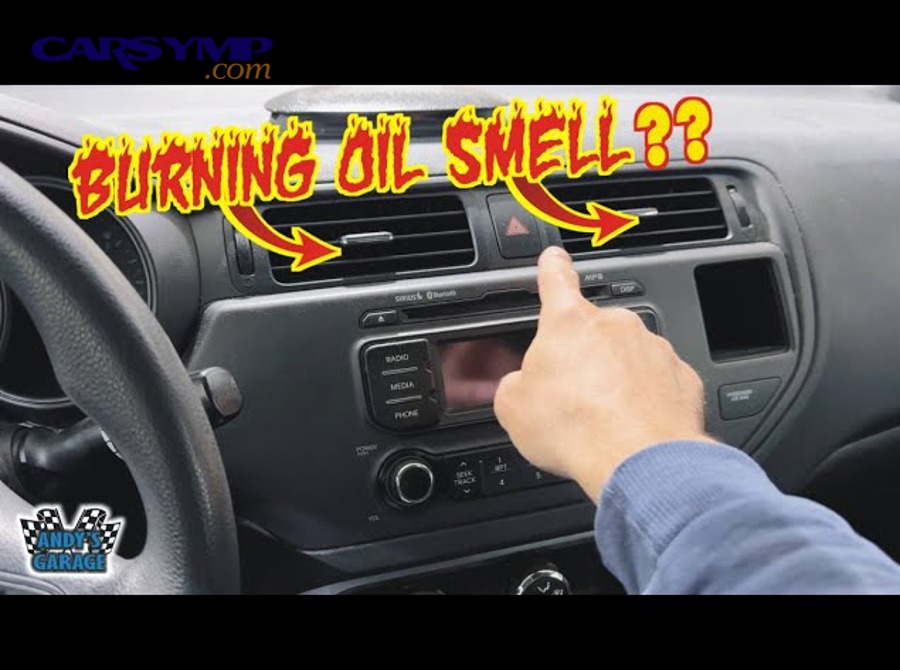
Step 1: Confirm the basics before chasing drips
Check the oil level on a level surface and note whether it’s dropping. Then open the hood and look for smoke wisps after a warm idle—without leaning over hot parts. Bên cạnh đó, note exactly where the odor is strongest: front grille, wheel well, under the hood, or cabin vents.
Step 2: Look for the “first wet point,” not the lowest drip
Oil runs downward and rearward, so the lowest drip may be far from the leak origin. Use a flashlight to scan valve cover edges, the back of the engine, and the filter housing area. Cụ thể, wipe suspicious spots with a clean paper towel; fresh oil will show a clear wet mark even if it’s thin.
Step 3: Use safe cleaning to make the next leak obvious
If everything is coated, you may need to remove old residue so the new leak stands out. With the engine cool, use a suitable degreaser on exterior surfaces (avoid soaking electrical connectors) and rinse carefully. Quan trọng hơn, after cleaning, a short drive often reveals the true path within minutes.
Step 4: Verify hot-contact evidence on shields and pipes
Instead of touching anything, look for baked-on stains on heat shields and exhaust parts near suspected drips. Dark, glossy patches or crusty black deposits are strong clues. Để minh họa, a leak above the manifold often leaves a “burn line” where oil repeatedly hits the same spot.
Practical note: In your checklist, include the phrase How to inspect for oil dripping on exhaust as a reminder to visually trace from the leak source down to the nearest hot component, then confirm by checking for fresh wetness above that hot zone after a brief drive.
When is this odor urgent, and when is it manageable?
It’s urgent if you see active smoke, dripping onto the exhaust, rapid oil loss, or warning lights—because the risk shifts from “annoying smell” to “fire and engine damage.” Tiếp theo, use clear thresholds to decide what to do now.
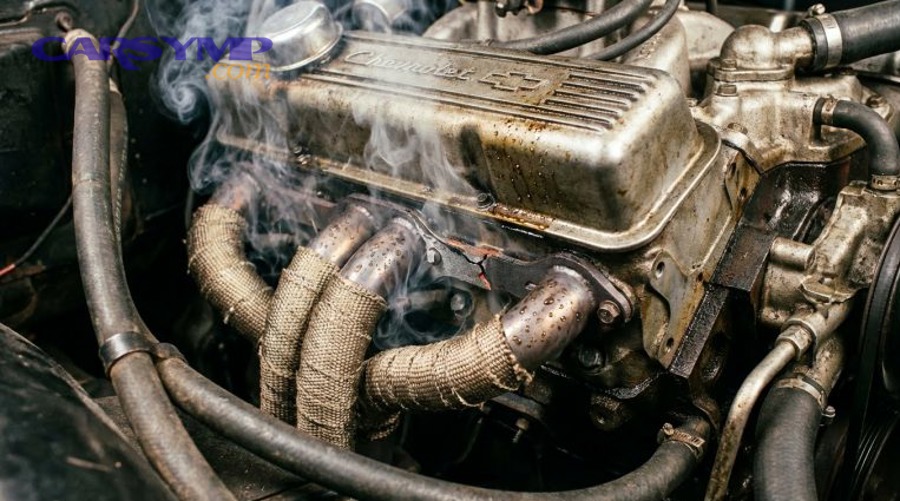
Urgent: visible smoke, dripping, or oil pressure warnings
If oil is actively dripping onto the exhaust and producing smoke, stop driving and let everything cool—then inspect. If the oil pressure light appears, shut the engine off immediately. Quan trọng hơn, a small leak can become a large leak suddenly if a gasket shifts or a line fails.
Higher risk: smell plus misfire, rough idle, or burning inside the cabin
A top-of-engine leak that fills the engine bay with fumes can enter the cabin, which is unpleasant and distracting. If oil reaches ignition components (like spark plug wells), it can cause misfires. Tuy nhiên, the fix might still be straightforward—often a gasket and cleanup—if caught early.
Often manageable: post-maintenance residue that fades
If the odor started right after an oil change or top-off and you see no fresh wetness, you may simply be burning off spilled oil. This usually fades after a few heat cycles. Tóm lại, the key is confirming there’s no ongoing drip onto hot parts.
What repairs are typical, and what cost ranges should you expect?
Most repairs fall into a few common buckets: sealing the top of the engine, resealing housings/lines, or correcting maintenance-related issues like filter sealing. Sau đây, a practical cost map helps you prioritize and avoid surprises.
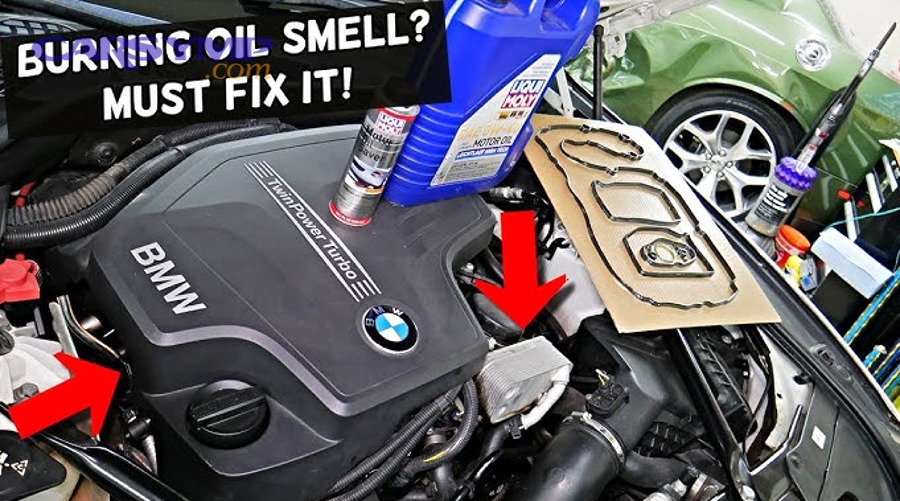
These ranges vary by vehicle layout, engine accessibility, and local labor rates, but the table helps you compare what’s typically involved and why some “small leaks” cost more than expected.
| Common source | Typical repair approach | Why it smells | Typical cost range (USD) |
|---|---|---|---|
| Valve cover gasket | Replace gasket; inspect cover; clean oil residue | Drips onto manifold/heat shield | $150–$600 |
| Oil filter / O-ring issue | Correct filter install; replace O-ring; clean and recheck | Oil spreads rearward onto hot exhaust | $20–$250 |
| Oil cooler lines / housing seals | Replace seals/lines; pressure-check | Leaks above downpipe/catalyst area | $250–$1,200 |
| Turbo oil feed/return line seals | Replace sealing washers/gaskets; inspect line routing | Oil hits turbo housing/downpipe | $250–$900 |
| Main seal seepage | Confirm source; reseal if severe; often higher labor | Mist and underbody deposition near exhaust | $600–$2,000+ |
| Spilled oil residue | Clean thoroughly; verify no active leak | Residue bakes on hot surfaces | $0–$150 |
How to use the cost map without misdiagnosing
A shop may quote a “gasket job” only after confirming the source, because multiple leaks can overlap and a fresh leak can be hidden under old oil. Bên cạnh đó, cleaning and rechecking is often the smartest first step—especially if the engine bay is heavily coated.
When a “cheap” part becomes a higher-labor repair
Some seals are inexpensive but buried under intake plumbing, turbo hardware, or brackets. That’s why an oil cooler seal or housing gasket can cost more than expected. Tuy nhiên, once repaired correctly and cleaned, the smell usually disappears quickly.
Planning tip: Keep the phrase Repair cost estimate for common oil leaks in your notes so you compare quotes by labor steps (access, cleaning, verification drive) instead of just parts pricing.
Contextual Border: From here, we move beyond “find the leak” into longer-term reliability—how to prevent recurrence, confirm the fix, and answer quick recurring questions that drivers ask when the odor comes back intermittently.
Long-term prevention, verification, and quick answers
Once you’ve fixed the source, the last 20% is preventing the odor from returning: remove baked residue, verify under load, and correct root causes like crankcase pressure. Sau đây are practical habits and a compact Q&A to close the loop.
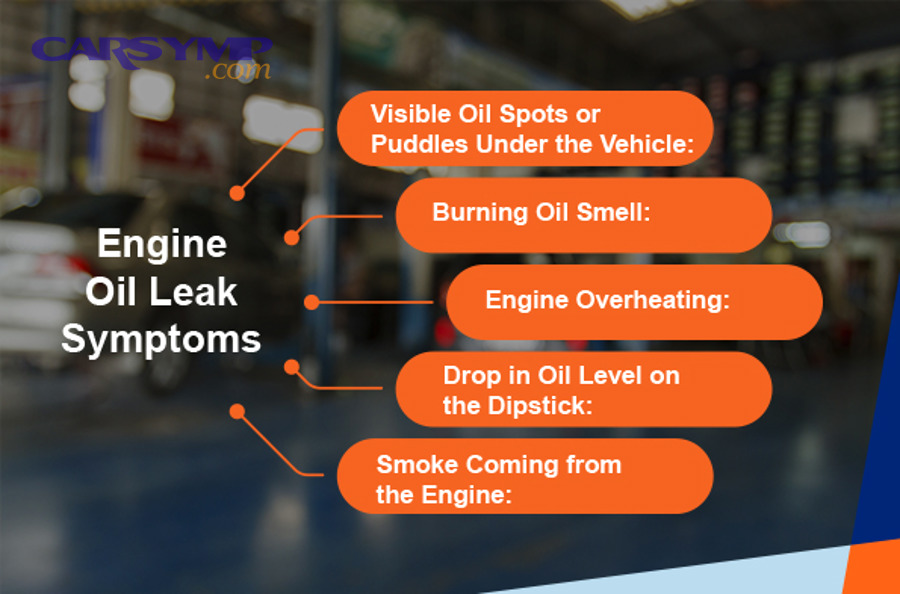
Clean-up strategy that prevents “phantom smells”
Old oil trapped on shields, subframes, or undertrays can keep smelling long after the leak is repaired. Clean the hot-contact zones and surrounding splash areas, then do a short drive and recheck. Cụ thể, if you skip cleanup, you may think the repair failed when it’s just residue baking off.
Reduce the chances of repeat leaks
Use the right gasket materials, follow torque specs, and replace sealing washers where required. Also address ventilation: a healthy PCV system reduces crankcase pressure and helps seals live longer. Hơn nữa, avoid overfilling oil—excess oil can increase misting and worsen odor under load.
To keep your plan actionable, note the phrase Preventing future oil smell issues as a reminder to treat both the leak and the conditions that made it worse (heat, pressure, poor sealing surfaces, or residue left behind).
Verification drive: the fastest way to confirm success
After repair and cleaning, do a controlled warm-up and a short loop that includes idle, gentle acceleration, and a few minutes at cruising speed. Then park, let it heat-soak for 5–10 minutes, and check again. Quan trọng hơn, this recreates the exact conditions that usually trigger odor complaints.
Quick Q&A for common situations
- Why does it smell only when I stop after a highway drive? Heat soak after shutdown can vaporize oil that has reached shields or the catalyst area; airflow while driving may hide it until you stop.
- Can a small leak really smell that strong? Yes—thin oil film on a very hot surface produces intense odor even with minimal volume.
- How long should smell last after fixing a leak? If everything was cleaned, it should fade quickly; if residue remains on shields or undertrays, it can linger for several heat cycles.
- What’s the most common “false alarm” cause? Spilled oil after topping off or an oil change that wasn’t fully cleaned from engine crevices.
- What phrase should I remember for the classic symptom? The exact term burning oil smell is often used by drivers; treat it as a clue to hot-contact zones rather than a diagnosis by itself.