


A burning oil smell from the engine often does point to a valve cover leak, especially when oil escapes past an aging gasket and lands on hot metal surfaces. That is why the first job is not to guess, but to connect the smell to visible leak patterns, heat sources, and timing so the problem can be identified correctly.
That diagnosis becomes easier when you understand the symptoms that usually travel with the smell. In many cases, drivers also notice faint smoke from the engine bay, fresh oil residue around the valve cover, or a stronger odor after idling, parking, or driving in traffic.
The next layer is cause and confirmation. A valve cover gasket can leak because rubber hardens with age, fasteners lose clamping consistency, or crankcase pressure rises when the PCV system is not working as it should. Once those causes are clear, the inspection process becomes much more precise.
Repair decisions also matter because some leaks stay minor for a while, while others spread oil onto ignition parts, exhaust components, or nearby wiring. Introduce a new idea: the sections below explain how to confirm the leak, compare it with other oil leak sources, and decide when valve cover gasket replacement is the right fix.
Is a Burning Oil Smell a Sign of a Valve Cover Leak?
Yes, a burning oil smell can be a sign of a valve cover leak because oil can seep past the gasket, contact hot engine parts, and create odor, smoke, and residue near the top of the engine.
To better understand that smell, it helps to connect the odor to where the oil starts, where it travels, and what parts of the engine generate enough heat to burn it.
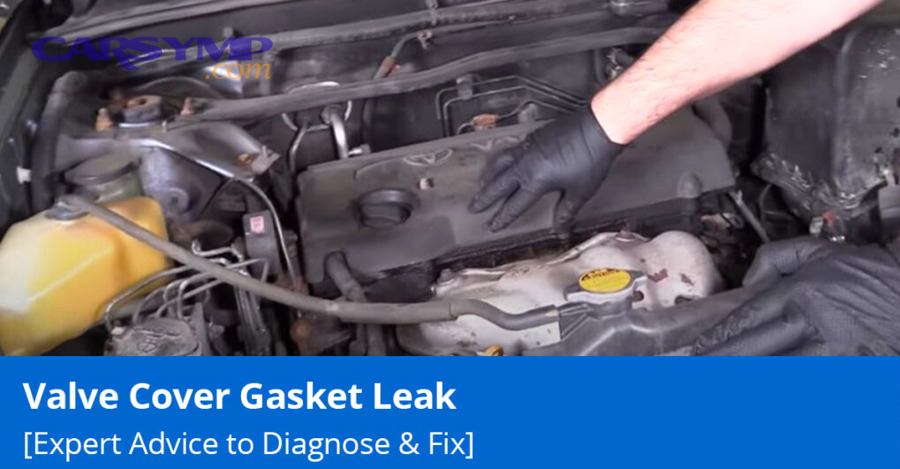
A valve cover sits on top of the cylinder head and seals the upper valvetrain area. The gasket between the cover and the head keeps engine oil inside while the engine runs, heats up, cools down, and vibrates. When that gasket hardens or loses its sealing ability, oil begins to seep outward. Because the valve cover is positioned high on the engine, the escaping oil often runs downward over nearby components.
That layout explains why the smell feels so distinctive. Oil that drips onto a hot exhaust manifold, catalytic converter shield, or other heated metal surface begins to burn off. The result is not the same as the smell of raw fuel or overheated coolant. A burning oil smell is heavier, sharper, and often more noticeable after a drive than during a cold start.
In many vehicles, the first clue appears before the leak looks dramatic. A small amount of oil can create a strong smell even when there is no puddle on the ground. That happens because the leak does not need to reach the pavement to cause trouble. It only needs to reach a hot surface. This is why many drivers say the car smells like oil, but they do not yet see drops under the engine.
The smell also tends to follow a pattern. It may get stronger:
- after the engine fully warms up
- after highway driving
- while idling in traffic
- right after parking in a garage
- when the HVAC system pulls air from the base of the windshield
That timing matters because it distinguishes heat-related oil burnoff from other odors. A valve cover leak tends to smell worse as engine temperature and underhood heat rise. In contrast, a spilled fluid or external contaminant may smell briefly and then disappear.
What Does a Burning Oil Smell From a Valve Cover Leak Usually Mean?
A burning oil smell from a valve cover leak usually means engine oil is escaping from the top of the engine and reaching a surface hot enough to vaporize or scorch it.
More specifically, the smell indicates a sealing failure rather than a separate combustion problem.
The key point is that the smell is a symptom, not the root defect. The actual fault is usually a compromised gasket, a damaged sealing grommet, a warped cover, or excess crankcase pressure forcing oil past the seal. Once oil escapes, gravity and airflow decide where it goes next.
On inline engines, oil may track down the side of the cylinder head and onto the exhaust side. On transverse V6 engines, the rear bank can be especially difficult to inspect, and the smell may seem stronger than the visible leak suggests because the leak sits close to the firewall and HVAC intake area. On some engines, oil also collects around spark plug tube areas, which changes both the smell pattern and the repair scope.
This is also where Spark plug tube seal replacement considerations become important. Some valve covers use integrated spark plug tube seals or separate tube seals that age alongside the main gasket. If those seals fail, oil can enter plug wells, soak ignition components, and turn a simple odor complaint into a drivability issue. That is why a thorough diagnosis looks beyond the outer gasket edge alone.
Is It Safe to Keep Driving if the Engine Smells Like Burning Oil?
No, it is not ideal to keep driving for long with a burning oil smell because the leak can worsen, oil can reach hotter parts, and the engine can eventually lose enough oil to create larger mechanical risks.
However, the urgency depends on leak severity, oil level, and whether smoke or misfires are already present.
A very light seep may not create an immediate breakdown risk, but it still deserves prompt inspection. The danger grows when one or more of these conditions appears:
- visible smoke from the engine bay
- oil level dropping between checks
- oil on spark plug wires or ignition coils
- active misfire symptoms
- fresh oil dripping onto the exhaust manifold
- an oil warning light or low-oil message
Driving with a persistent burning smell also creates uncertainty. You may assume the odor is mild while the leak is actively spreading to wiring looms, rubber hoses, or ignition wells. Because the valve cover area sits above many other components, even a small leak can contaminate parts beneath it over time.
In practical terms, short-distance driving to a repair facility may be reasonable if the oil level is correct and no smoke or warning lights appear. Continued daily use without diagnosis is the wrong strategy. The odor is telling you that oil is leaving the system and burning somewhere it should not.
What Are the Most Common Symptoms of a Valve Cover Leak Causing a Burning Oil Smell?
The most common symptoms are a burnt oil odor, visible oil around the valve cover, light smoke from the engine bay, and sometimes ignition-related issues if oil reaches spark plug wells or electrical components.
Next, those symptoms should be grouped by what you can smell, what you can see, and what you can feel while the engine runs.
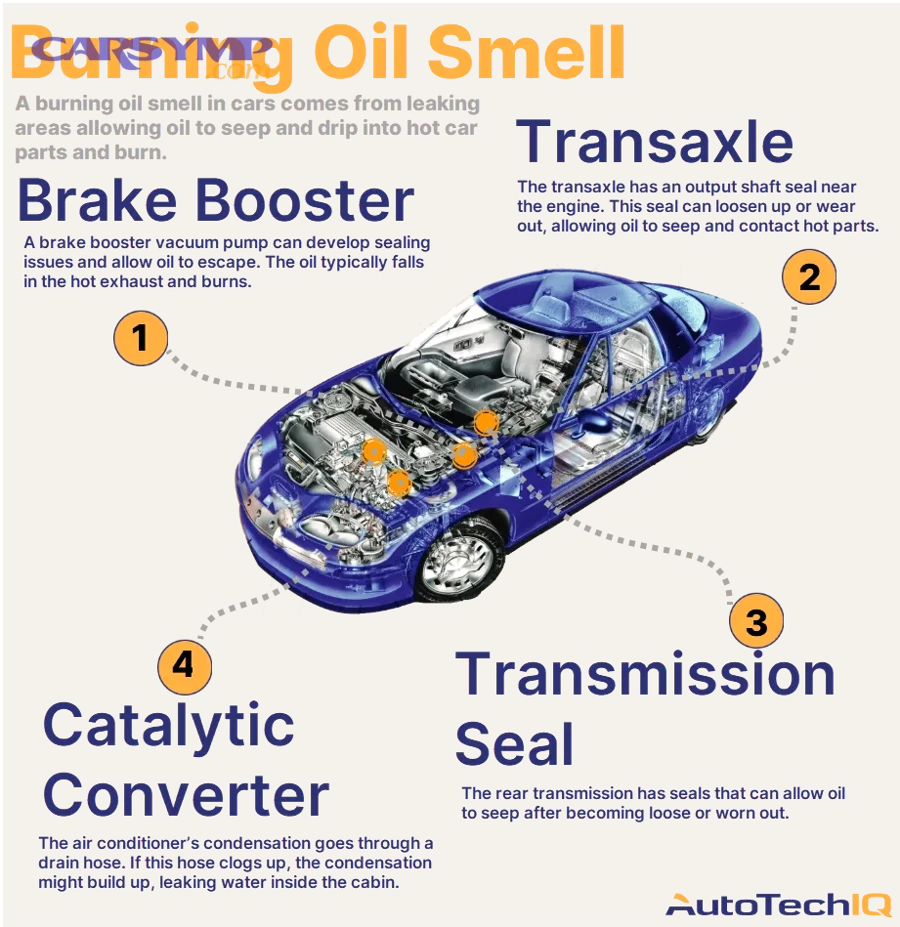
The smell usually appears first because odor travels faster than evidence you can easily see. Drivers often report that the smell is strongest after they park, open the hood, or stop at a traffic light. That happens because the heat remains trapped under the hood and the oil residue continues to burn off.
Visual evidence often comes next. A damp valve cover edge, dark baked-on residue, shiny wet spots, or streaks down the cylinder head all suggest that oil is escaping from above rather than from a lower gasket or seal. Over time, dust sticks to that oil film and creates a grimy band around the leak path.
Not every symptom appears at once. Early leaks may smell bad while still looking minor. Advanced leaks may begin affecting ignition components, oil level stability, or engine cleanliness. That progression is why symptom grouping matters more than waiting for one dramatic sign.
What Symptoms Usually Appear Along With the Burning Oil Smell?
The symptoms that usually appear along with the burning oil smell are light smoke, visible oil residue, a stronger odor after driving, and sometimes small drops or stains near the engine depending on leak direction.
For example, the smell often intensifies before the driver sees oil on the ground.
The most common symptom cluster includes:
- a burnt oil smell after warm-up
- faint wisps of smoke from the engine bay
- oil around the valve cover perimeter
- grime buildup on the side of the cylinder head
- stronger odor at idle or after parking
- occasional oil spots if the leak spreads downward
- a gradually falling oil level between service intervals
Each symptom tells a slightly different part of the story. The smell confirms that oil is heating. The smoke suggests the oil is contacting a hotter surface in larger quantity. The visible oil shows the path. Oil spots on the ground indicate that the leak has either grown or is traveling farther than before.
Another useful clue is location. If the upper engine looks dry but the lower engine looks wet, the leak may not begin at the valve cover. But if the leak line starts near the top edge and runs downward, the valve cover becomes a stronger suspect.
The symptom timeline also helps. A fresh odor that appears only after long drives often suggests early seepage. A smell present almost every trip, plus visible residue, usually indicates the leak is established. Smoke and misfire symptoms suggest the problem is no longer minor.
Can a Valve Cover Leak Cause Smoke, Misfires, or an Oil Warning Light?
Yes, a valve cover leak can cause smoke, misfires, or even contribute indirectly to an oil warning condition if the leak grows severe enough and oil reaches hot exhaust parts, spark plug wells, or the engine loses enough oil volume.
In addition, each of those symptoms points to a different level of severity.
Smoke typically appears when leaking oil lands on very hot metal. That does not always mean the leak is catastrophic, but it does mean the oil is reaching a surface that burns it off quickly. Smoke should always raise the repair priority because it increases odor, reduces confidence in safe operation, and can hide whether the leak is worsening.
Misfires are more engine-specific. On many modern engines, spark plugs sit in deep wells in the valve cover or cylinder head area. If the tube seals fail, oil can fill those wells and contaminate ignition coils or boots. When that happens, the engine may idle roughly, hesitate, or set a misfire code. This is another reason Spark plug tube seal replacement considerations belong in the diagnosis and repair plan rather than being treated as an afterthought.
An oil warning light is a later-stage concern. A normal valve cover seep does not instantly trigger low oil pressure. However, a neglected leak can lower oil level over time, especially if the owner keeps topping off late or not at all. If the warning light appears, the issue moves beyond odor and into engine protection.
What Causes a Valve Cover Gasket to Leak and Smell Like Burning Oil?
A valve cover gasket leaks and smells like burning oil mainly because age, heat cycles, poor sealing pressure, and crankcase pressure eventually allow oil to escape and reach hot engine surfaces.
To illustrate why that happens, it helps to separate material failure from pressure-related failure.
The gasket lives in a harsh environment. Every drive exposes it to heating, cooling, vibration, oil contact, and time. Rubber and composite materials lose flexibility with age. Once the gasket hardens, it can no longer conform tightly to the sealing surfaces. That is when seepage begins.
Mechanical factors also matter. Uneven bolt tension, previous poor installation, a cracked plastic cover, or residue left on the sealing surfaces during earlier work can all create leak paths. In some engines, the cover itself warps with age and heat, so a fresh gasket alone does not always solve the problem.
A third category involves crankcase ventilation. When the PCV system cannot relieve internal pressure correctly, pressure pushes oil vapor and liquid oil toward weak sealing points. The valve cover gasket is often one of the first places that pressure exposes.
Why Does a Valve Cover Gasket Start Leaking Over Time?
A valve cover gasket starts leaking over time because its sealing material ages, hardens, shrinks, and loses elasticity after repeated exposure to engine heat, oil, and vibration.
Specifically, the gasket stops adapting to small surface changes and no longer seals the cover evenly.
Rubber gaskets are designed to compress slightly and maintain a stable seal. That works well when the material remains flexible. Over thousands of heat cycles, however, the material dries out and becomes brittle. Tiny cracks, flattening, and permanent compression reduce its ability to seal.
The valve cover itself also influences leak development. Metal covers may resist warping better than some plastic covers, but either style can create trouble if the sealing surface becomes damaged. Previous over-tightening can distort the cover rail. Old gasket fragments or sealant residue can prevent a flat mating surface. When that happens, oil finds the path of least resistance.
Oil leaks also tend to begin at corners, curves, or sections near bolt holes where pressure distribution changes. That is why inspection should include the entire perimeter rather than only the most visible point.
In maintenance planning, this explains why valve cover gasket replacement is usually a wear-related repair rather than an unexpected mystery failure. It is often the predictable result of time, mileage, and thermal stress.
Can Excess Crankcase Pressure or a PCV Problem Make the Leak Worse?
Yes, excess crankcase pressure or a PCV problem can make the leak worse because trapped pressure pushes oil vapor and liquid oil toward weak seals, including the valve cover gasket and spark plug tube seals.
More importantly, pressure-related leaks can return quickly if the root ventilation issue is ignored.
The PCV system regulates crankcase pressure and routes blow-by gases back into the intake system. When the valve sticks, the hose clogs, or the system stops flowing correctly, pressure builds inside the engine. That extra pressure acts against every gasket and seal, but the valve cover area often shows symptoms early because it sits high and contains several sealing points.
A driver may replace the gasket only to notice another leak later if the ventilation issue remains. That is why a complete repair plan often includes checking hoses, the PCV valve or integrated separator, and related passages during service.
Pressure-related leak behavior also differs slightly from simple gasket aging. The leak may seem to expand quickly after a period of being minor. The gasket may not look completely destroyed, yet oil still appears around multiple sealing points. In such cases, pressure is part of the story.
How Can You Diagnose a Burning Oil Smell From a Valve Cover Leak?
You can diagnose a burning oil smell from a valve cover leak by using a simple inspection process: confirm the smell pattern, inspect the valve cover perimeter, trace fresh oil downward, compare nearby leak sources, and verify whether oil is reaching hot surfaces.
Let’s explore that process in a practical order so the diagnosis stays accurate and safe.
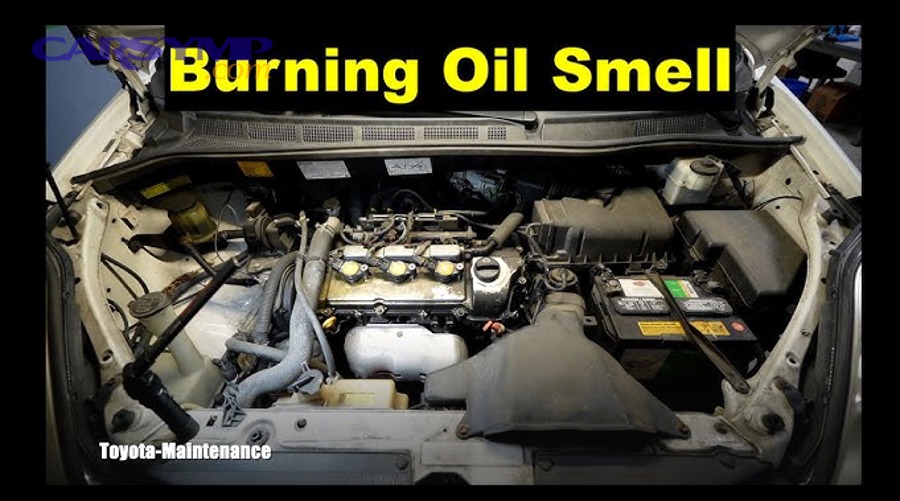
The first step is to identify when the smell happens. If the odor appears only after the engine warms up or after a long drive, heat-triggered oil burnoff becomes more likely. If the smell happens immediately after an oil change and fades quickly over a few days, spilled oil becomes more plausible.
The second step is visual inspection. Open the hood with the engine cool. Use a flashlight and inspect the full valve cover perimeter, especially corners, rear-bank edges, and areas above the exhaust side of the engine. Look for wetness, fresh amber oil, dark sticky buildup, and oil trails that begin at the top.
The third step is path tracing. If oil starts at the top and runs down, the valve cover remains a strong suspect. If the upper area is dry but the oil appears lower, another leak source may be responsible. That distinction prevents misdiagnosis.
The fourth step is contamination check. Inspect spark plug wells if the engine design allows it. Look for oily ignition coil boots, damp plug tubes, or pooled oil around plugs. This is where Spark plug tube seal replacement considerations become part of the diagnosis rather than a separate repair surprise.
The fifth step is post-clean verification. If the area is heavily dirty, a mechanic may clean the surface, drive the car, and recheck for fresh seepage. That approach is useful because old oil residue can hide the true source.
How Do You Inspect the Valve Cover Area for Oil Leaks Safely?
You inspect the valve cover area safely by letting the engine cool, using good lighting, checking the full gasket perimeter, and keeping hands clear of hot parts, rotating components, and energized ignition systems.
Then, once safety is under control, the inspection becomes much more reliable.
A safe inspection usually follows this order:
- Park on a level surface and switch the engine off.
- Let the engine cool enough to avoid burns.
- Open the hood and use a flashlight, not your fingers, to explore tight areas first.
- Check the valve cover seam where the cover meets the cylinder head.
- Look for wet oil, tacky dirt, streaks, and residue at corners and near bolt points.
- Inspect below the suspected leak path to see where the oil is traveling.
- Smell the air near the top of the engine only after heat has reduced to a safe level.
- Recheck the engine oil level if a significant leak is suspected.
If access is limited, a small inspection mirror helps. Rear-bank valve covers on transverse V6 engines often require careful viewing angles because the leak may sit near the firewall. In those layouts, the smell can be obvious while the visual evidence remains hidden.
An organized inspection also prepares you for the repair conversation. If you can point to fresh oil at the valve cover seam and a burn mark or residue near the exhaust side, you have much stronger evidence than simply reporting a smell.
How Do You Tell a Valve Cover Leak From Other Oil Leak Sources?
A valve cover leak is most likely when oil starts high on the engine and tracks downward, while other oil leaks usually begin lower, at a different gasket plane, or around a different component entirely.
However, comparison is essential because several leaks can produce a similar smell.
The table below compares common oil leak sources that can be confused with a valve cover leak.
| Leak source | Where oil usually starts | Typical clue | Likelihood of burning smell |
|---|---|---|---|
| Valve cover gasket | Top of engine, around cover perimeter | Wet seam, downward streaks, odor after warm-up | High if near exhaust |
| Spark plug tube seals | Inside plug wells under valve cover area | Oil on coil boots or plugs | Medium to high |
| Oil filter or housing | Side of engine near filter mount | Fresh oil around filter base or housing | Medium |
| Timing cover | Front of engine | Oil near front cover joints and pulleys | Medium |
| Spilled oil after oil change | Random upper area near fill cap or cover | Recent service, fading smell | Temporary |
| Rear main seal | Between engine and transmission | Oil lower in bellhousing area | Lower for odor, higher for drips |
This comparison matters because the fix depends on source accuracy. Replacing the valve cover gasket will not solve a leaking oil filter housing gasket. Likewise, assuming the smell comes from a spill can delay repair if the valve cover is actually wet.
A useful rule is this: if the highest visible oil point is the valve cover seam, start there. If the top stays dry, widen the diagnosis. If multiple areas are oily, the engine may have more than one leak.
What Fixes a Burning Oil Smell Caused by a Valve Cover Leak?
The usual fix is valve cover gasket replacement, plus cleaning the leaked oil, checking related seals and the PCV system, and confirming that fresh oil no longer appears after the repair.
More importantly, a complete fix addresses both the leak source and the oil residue that keeps producing odor.
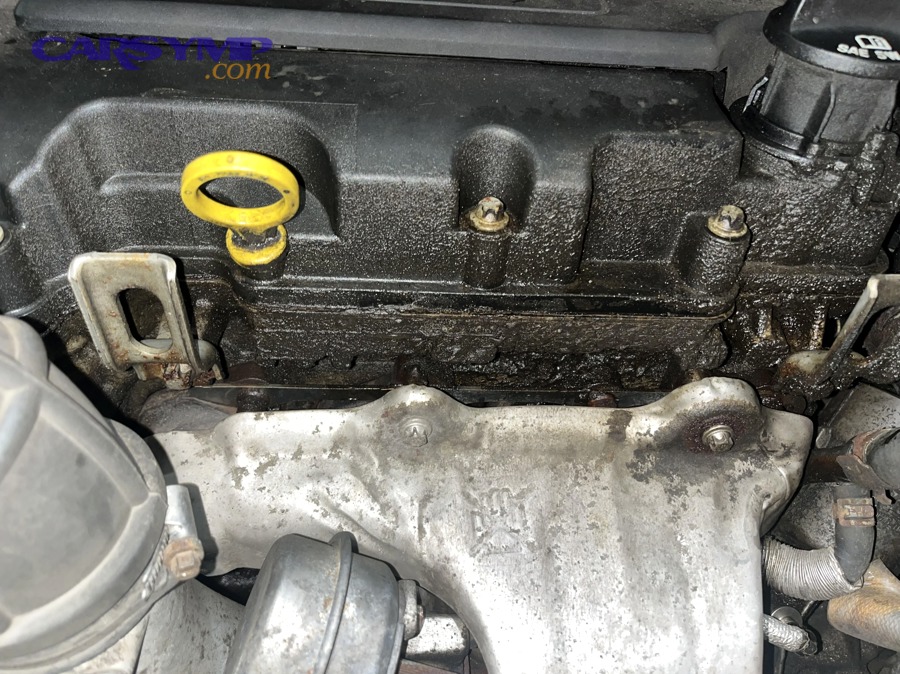
A successful repair begins with accurate parts planning. Some engines need only the perimeter gasket. Others also need bolt grommets, spark plug tube seals, or a complete valve cover assembly if the cover is cracked or warped. In some designs, the gasket comes as part of a kit that includes the tube seals and grommets because they age together.
The repair process generally includes:
- removing ignition components or hoses that block access
- removing the valve cover carefully
- cleaning the mating surfaces
- installing the new gasket or complete cover assembly
- replacing related seals as needed
- torquing fasteners in the proper pattern
- cleaning old oil from the engine exterior
- testing for new leaks after warm-up
This is where Post-repair leak check and torque sequence becomes critical. A new gasket can still leak if the cover sits crooked, debris remains on the sealing surface, or bolts are tightened unevenly. Over-tightening is just as harmful as under-tightening because it can distort the cover or crush the gasket unevenly.
Repair planning should also consider Valve cover gasket replacement labor time. Labor varies widely by engine layout. An easy inline-four may be straightforward, while a tight V6 or turbocharged engine can require much more disassembly. That difference affects both cost and whether DIY repair is realistic.
Is Valve Cover Gasket Replacement the Usual Fix?
Yes, valve cover gasket replacement is the usual fix because the gasket is the most common wear point, and replacing it restores the seal when the cover and surrounding components remain in good condition.
Specifically, the best repairs also inspect related seals, the cover condition, and crankcase ventilation.
On many vehicles, replacing the gasket solves the problem fully. The old gasket comes off, the sealing surfaces are cleaned, and a new gasket is installed with the correct fastener torque. If the smell came from a simple perimeter leak, the odor usually disappears after residual oil burns off and the area is cleaned.
However, not every engine should receive a gasket alone without inspection. A cracked plastic cover, hardened grommets, or oily spark plug wells suggest a broader parts list. That is why Spark plug tube seal replacement considerations should be addressed before reassembly. It is inefficient to open the same area twice because a secondary seal was skipped.
Some repairs also require a small amount of sealant at specific corners where the manufacturer calls for it. That detail varies by engine design, which is why service information matters. The job is simple in concept but sensitive in execution.
According to guidance from multiple manufacturer service procedures, uneven tightening or reusing damaged sealing components commonly causes repeat seepage after gasket service, which is why correct installation matters as much as the part itself.
When Should You Repair It Yourself and When Should a Mechanic Handle It?
DIY repair is best for accessible engines with clear space and basic sealing designs, while a mechanic is better for tight layouts, rear-bank access, integrated covers, or cases involving ignition contamination and multiple possible leak sources.
Meanwhile, the decision should balance access, tooling, time, and your comfort with precise reassembly.
A DIY approach makes sense when:
- the valve cover is easy to reach
- there is good visibility around the perimeter
- the ignition components are simple to remove
- you can follow torque specs carefully
- the leak appears isolated and clearly identified
Professional repair makes more sense when:
- the rear valve cover is buried near the firewall
- intake components or fuel system parts must be removed
- the engine uses a delicate plastic cover
- plug wells are full of oil
- the leak diagnosis is not yet certain
- you want a formal Post-repair leak check and torque sequence documented
Labor considerations matter too. Valve cover gasket replacement labor time can range from relatively short on simple engines to several hours on packed engine bays. A car owner should not judge the job only by the gasket price. Access drives the labor more than the rubber seal itself.
After the repair, always verify the result. Start the engine, allow it to warm up, and inspect for seepage. Then check again after a short drive. Cleaning old oil from the manifold area is essential because leftover residue can produce a temporary smell even after the leak is fixed. Without that cleanup, a successful repair may appear unsuccessful.
What Else Should Car Owners Know About Burning Oil Smells After a Valve Cover Leak Diagnosis?
Car owners should also know that smells can linger after repair, HVAC airflow can pull odors into the cabin, spilled oil can mimic a gasket leak, and some engine layouts make both diagnosis and repair more difficult.
Besides the main diagnosis and fix, these edge cases explain why the same symptom can behave differently from one vehicle to another.
Supplementary questions matter because many drivers still notice an odor after service and assume the repair failed. In reality, residual oil can remain on hot metal surfaces and burn off gradually over several drive cycles. The correct response is not immediate panic, but a controlled recheck.
This section also broadens the context around the original symptom. Once the main leak path is understood, smaller questions about repair confirmation, interior odor, and engine layout provide the micro-level detail that helps readers avoid confusion.
Is It Normal to Smell Burning Oil After Valve Cover Gasket Replacement?
Yes, it can be normal to smell burning oil briefly after valve cover gasket replacement because old oil residue may still be burning off nearby hot parts, but the smell should fade rather than intensify.
In short, the key difference is whether fresh oil is still appearing.
Residual odor usually comes from oil that had already reached the exhaust manifold, heat shield, or nearby surfaces before the repair. Even a careful technician may not remove every trace immediately. As the engine heats up over the next few trips, that residue burns away and the smell gradually weakens.
A post-repair evaluation should focus on three questions:
- Is there any fresh wet oil at the valve cover seam?
- Is the smell getting weaker with each drive?
- Is there any new smoke or drip pattern?
If the answer pattern is favorable, the repair may be working normally. If fresh oil appears or the smell stays strong, the system needs reinspection. That is when Post-repair leak check and torque sequence becomes more than a recommendation. It becomes the fastest way to confirm whether the cover seated correctly and whether the fasteners were tightened evenly.
Can a Burning Oil Smell Enter the Cabin Through the Vents?
Yes, a burning oil smell can enter the cabin through the vents because the HVAC intake often sits near the cowl area, where underhood odors can be pulled into the cabin when the car is stopped or moving slowly.
Especially at idle, airflow patterns make that odor more noticeable inside the vehicle.
This is common when the leak sits toward the rear of the engine near the firewall. Rear-bank valve cover leaks on transverse engines often create this exact complaint. The driver notices the smell most at red lights with the fan running, then notices less odor once road speed increases and airflow changes.
That cabin symptom can mislead drivers into thinking the problem comes from the heater or air conditioner. In reality, the HVAC system may simply be transporting an underhood smell into the interior. That is why underhood inspection still matters even when the complaint sounds like an interior ventilation issue.
How Is a Valve Cover Leak Different From Spilled Oil After an Oil Change?
A valve cover leak repeats and leaves a traceable leak path, while spilled oil after an oil change usually causes a temporary smell that fades as residue burns off without producing new wetness at the valve cover seam.
However, the first few days can look similar, which is why timing matters.
Spilled oil often happens near the fill cap or during sloppy pouring. The smell may appear right after service, and a small amount of smoke may rise from the manifold area. But if no fresh oil continues to appear, the odor typically fades within a short period.
A true valve cover leak behaves differently. The smell returns after more than one drive cycle, fresh residue reappears, and the seam or nearby edges remain oily. The pattern repeats because the oil source remains active.
This distinction is important for repair decisions. You do not want to schedule valve cover gasket replacement based only on a one-time spill. At the same time, you do not want to dismiss a recurring seam leak as leftover service residue.
Which Engine Layouts Make Valve Cover Leaks Harder to Spot or Repair?
Transverse V6 engines, turbocharged layouts, and tightly packaged rear-bank designs are usually harder to inspect or repair because access is limited and leak evidence may hide behind intake plumbing, firewall clearance, or heat shielding.
More specifically, packaging complexity changes both diagnostic confidence and labor time.
Inline engines often provide a simpler view of the valve cover perimeter. By contrast, a V6 mounted sideways may hide the rear valve cover under cowl structures or intake components. Turbo plumbing, sound insulation, and heat shields can further block visibility.
This affects both diagnosis and cost. Valve cover gasket replacement labor time rises sharply when parts must be removed only to gain access. It also increases the value of a careful inspection because guessing wrong becomes more expensive on harder-to-reach engines.
For car owners, the practical lesson is simple: the same odor does not equal the same repair difficulty. The leak mechanism may be familiar, but the path to fixing it depends heavily on the engine layout.
In sum, a burning oil smell from a valve cover leak is usually diagnosable when you connect smell timing, leak location, heat exposure, and repair follow-up in one logical chain. Once you confirm the source, a well-executed repair that includes valve cover gasket replacement, related seal checks, cleanup, and a proper reinspection usually restores both engine cleanliness and driver confidence.