


Most car owners can expect valve cover gasket replacement labor time to fall into a moderate repair range, but the exact hours depend on engine layout, how much access the technician has, and whether the engine has one valve cover or two. In practical terms, simple inline engines can be relatively quick, while tightly packaged V6, V8, turbocharged, or transverse layouts often take longer because more parts must be removed to reach the cover and reseal it properly.
That labor-time question matters because labor hours are the biggest part of the final bill on many vehicles. A quote that looks high on paper may still be reasonable when the rear bank is hard to reach, when the intake must come off, or when a technician must clean sealing surfaces carefully to prevent a repeat leak. This is why understanding the difference between billed labor hours and total shop turnaround time helps car owners read estimates more accurately.
The job also connects to broader concerns that often show up with a leaking gasket, including oil in spark plug wells, oil on coils, smoke from the engine bay, and the classic Burning oil smell from valve cover leak complaints after hot oil reaches an exhaust component. Those related symptoms do not change the definition of labor time, but they do explain why some jobs take longer and why some estimates include added cleanup or related seals.
Next, the article breaks the subject into the exact questions car owners usually ask: what labor time really means, how many hours are typical, what design factors change the estimate, how to compare vehicle layouts, how to judge a quote, and when the job becomes longer than expected.
What Is Valve Cover Gasket Replacement Labor Time?
Valve cover gasket replacement labor time is the number of billed repair hours a shop assigns to removing the valve cover, replacing the gasket, preparing the sealing surfaces, and reinstalling everything correctly.
To better understand that number, it helps to separate the technician’s billed time from the time your car physically stays at the shop.
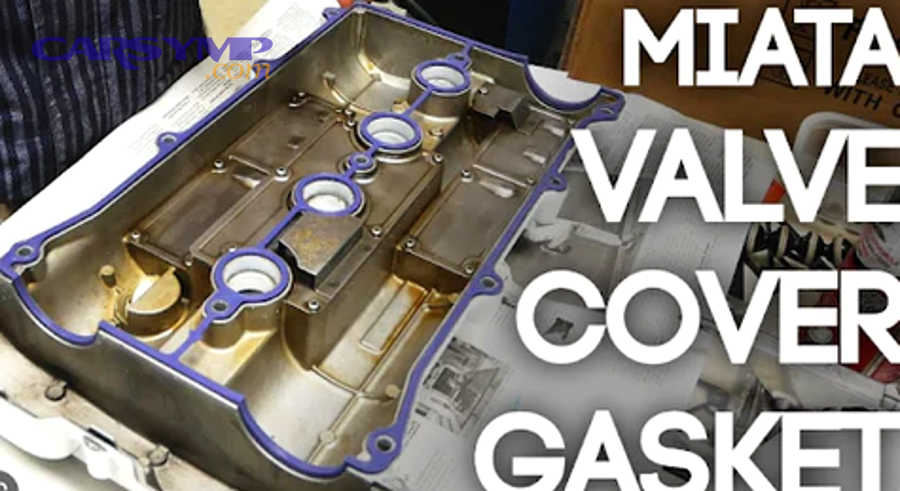
When a shop writes “labor time” on an estimate, it usually refers to the work required to access the valve cover, disconnect interfering parts, lift the cover, remove the old gasket material, inspect the sealing area, install the new gasket, and torque everything back to spec. That number is not just a guess. It is usually based on flat-rate labor guides, previous repair experience, and the known complexity of a specific engine family.
For car owners, this matters because labor time is not the same as total time in the parking lot or total time on the service advisor’s schedule. A vehicle may sit longer because the shop is waiting for parts, the engine must cool before work begins, the bay is busy, or the technician is finishing another job. In other words, a two-hour labor job can still become an all-day visit without the estimate being inaccurate.
A valve cover gasket job also includes careful surface preparation. This is why shops do not simply “swap a rubber ring.” The cover must seal evenly against the cylinder head, and any leftover oil, old RTV, or debris can compromise the repair. On many engines, small details such as grommets, half-moon seals, spark plug tube seals, or corners that need a dab of sealant become part of the real work behind the labor figure.
Is valve cover gasket replacement labor time the same as total time at the shop?
No, valve cover gasket replacement labor time is not the same as total time at the shop because scheduling delays, parts availability, engine cool-down, and post-repair checks can extend the visit beyond the billed hours.
More specifically, the heading matters because many owners assume a two- or three-hour estimate means they will get the car back in exactly that amount of time.
A labor estimate reflects active repair work, not the whole customer experience. A service department may need extra time to verify the leak source, move the car into a bay, wait for the engine to cool enough to work safely, and then road-test or reinspect after the repair. On some vehicles, the technician also needs extra non-billed workflow time to wash oil residue away so a new leak does not get confused with leftover oil.
The difference becomes even clearer on engines where oil has already spread around the top of the cylinder head. If the spark plug wells are wet, the technician may need to remove the ignition coils, inspect the boots, and perform Cleaning oil from ignition coils after leak conditions before reassembly. That cleanup may be bundled into the estimate or listed as an added line, depending on the shop’s process and the degree of contamination.
What does “book time” mean for a valve cover gasket replacement?
Book time means the standard labor guide time assigned to a valve cover gasket replacement for a specific vehicle, even though real-world conditions can make the actual wrench time shorter or longer.
Specifically, the heading points to the most common source of confusion in repair quotes: the difference between standardized pricing and actual elapsed effort.
Flat-rate or book time helps shops price work consistently. On a clean, familiar engine with easy access, a skilled technician may finish near or even under book time. On an older engine with hardened hoses, stripped fasteners, brittle connectors, or heavy oil contamination, the same job may take longer in real life. Yet the customer may still be charged book time, not stopwatch time.
This system is useful because it gives customers a reference point and gives shops a repeatable method for pricing. At the same time, book time cannot perfectly predict every real-world complication. That is why a quote should be read together with the engine layout, the leak severity, and the number of covers involved.
According to RepairPal, the average total cost for a valve cover gasket replacement is between $336 and $461, with labor estimated between $254 and $373, showing how heavily the final bill depends on labor rather than on the gasket itself.
How Many Hours Does Valve Cover Gasket Replacement Usually Take?
Valve cover gasket replacement usually takes about 1 to 5 labor hours, with simpler inline engines at the low end and harder-to-access V engines or tightly packaged layouts at the high end.
To better understand that range, it helps to group jobs by access level rather than assume every engine requires the same effort.
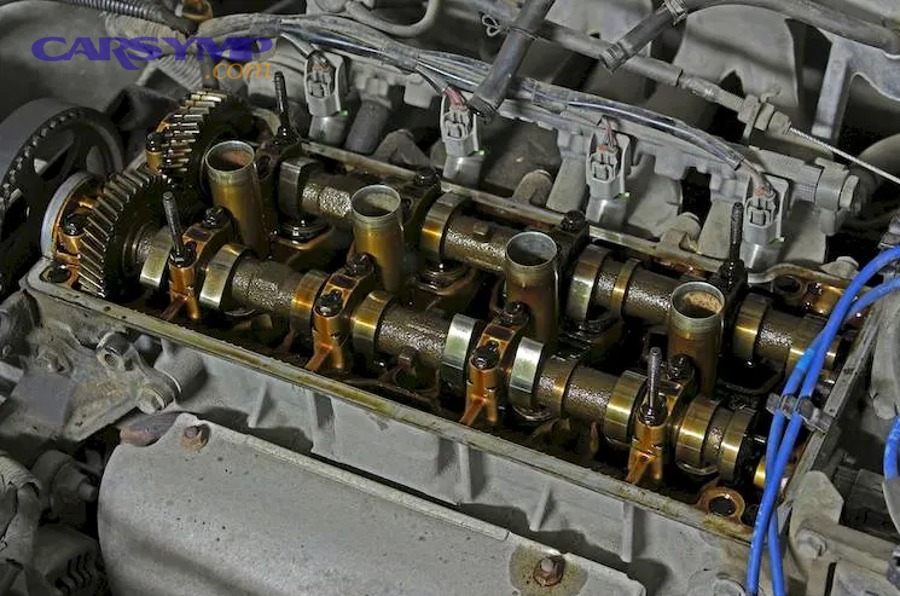
In broad terms, a compact four-cylinder engine with one exposed valve cover may be relatively straightforward. The technician removes a cosmetic cover, disconnects the ignition system or breather hose, unbolts the valve cover, cleans the mating surfaces, installs the new gasket, and reassembles the top end. These jobs often stay near the lower end of the labor range.
A V6 or V8 engine often changes the equation. It may have two valve covers, one of which sits near the firewall or under an intake manifold. That means the estimate is not simply “double the easy side.” The technician may need to remove air intake tubing, wiring brackets, cowl components, fuel or vacuum lines, and upper intake parts before even reaching the rear cover. Labor time rises because access, not the gasket itself, becomes the real challenge.
Leak severity also affects how the labor hours feel to the customer. If the gasket has been leaking for a long time, oil may coat the cylinder head, seep into plug wells, or drip onto a manifold. The technician then spends additional time verifying that the valve cover gasket is truly the source, cleaning the area, and checking whether related seals or grommets should be replaced at the same time.
What is the typical labor time range for most cars and SUVs?
The typical labor time range for most cars and SUVs is about 1 to 3 hours on easy-access engines and 3 to 5 hours or more on tighter or multi-bank engines.
For example, the heading is best answered by separating vehicles into easy, moderate, and difficult access rather than treating all models alike.
Easy-access vehicles often include older inline-four layouts or longitudinal engines with generous room around the top end. Moderate-access vehicles include many modern family sedans and crossovers where the valve cover is visible but the technician still has to remove coils, brackets, or a section of intake plumbing. Difficult-access vehicles include rear-bank V6s, turbocharged engines, or vehicles with cramped bays where visibility and tool clearance are limited.
That is why two vehicles with the same symptom can receive very different quotes. One engine may require little more than top-side disassembly and surface preparation, while another requires partial intake removal and more extensive reassembly checks. The gasket set may cost roughly the same, but the repair hours do not.
Which vehicles usually need more labor time for valve cover gasket replacement?
Vehicles that usually need more labor time are transverse V6s, V8s with tight firewall clearance, turbocharged engines, and luxury or performance models with crowded engine bays.
More specifically, the issue behind this heading is packaging complexity, because packaging drives labor far more than the gasket material does.
A transverse V6 is a classic example. The front valve cover may be manageable, but the rear cover often sits against the firewall. Reaching it can mean removing the intake plenum, cowl pieces, support brackets, and hoses that would not need to move on an inline engine. Turbocharged engines add heat shielding, plumbing, and more fragile packaging around the top of the engine, which slows the job further.
Luxury and performance models can also carry a labor penalty because they often prioritize compact packaging, emissions hardware, acoustic covers, and multi-layer assemblies over easy service access. In those cases, labor time reflects what has to be moved, protected, and reinstalled correctly, not only the gasket swap itself.
RepairPal model estimates show this variation clearly: a Ford Focus estimate lists lower labor costs than a Ford Explorer estimate, illustrating how vehicle design and engine packaging can materially change the labor share of the same repair category.
What Factors Affect Valve Cover Gasket Replacement Labor Hours?
Valve cover gasket replacement labor hours are affected mainly by engine layout, access to the cover, the number of parts that must be removed, and the condition of surrounding components.
To better understand the estimate, each of those factors should be read as a practical obstacle that either shortens or lengthens the job.
When technicians evaluate labor time, they first look at accessibility. An exposed valve cover with clear bolt access, simple coil removal, and no upper intake interference is naturally quicker. When brackets, coolant hoses, wiring harnesses, fuel system components, or insulation panels block access, labor climbs because every extra step adds time and risk.
The next factor is whether the engine has one cover or two. An inline-four or many inline-six engines usually have one top-mounted cover. A V engine usually has two bank covers, and the bank nearest the firewall often takes more effort. That difference alone can move a quote from modest to expensive.
Condition matters too. A fresh leak with light seepage is easier to work around than an old leak that has baked oil into corners and contaminated plug wells. Hardened hoses can crack on removal. Brittle connectors can slow reassembly. Oil-coated surfaces need more cleaning. All of that can increase the practical repair time even if the book time remains fixed.
Does engine layout affect valve cover gasket labor time?
Yes, engine layout affects valve cover gasket labor time because inline engines usually offer simpler access, while V-type, boxer, and tightly packaged layouts create more removal steps and harder working angles.
Specifically, engine layout matters because it determines whether the technician can approach the cover directly or must work around multiple layers of hardware first.
An inline engine usually places the valve cover on top of the cylinder head in a relatively open position. That does not guarantee an easy job, but it often means fewer components must come off. A V engine divides the top end into two banks, and the rear bank may be pushed close to the firewall. A boxer engine can create side-access challenges because the covers sit low and outboard, where frame or suspension clearance may matter.
This is why labor-time comparisons should never be based only on engine size. A smaller turbocharged V6 can be harder to service than a larger but better-exposed inline engine. What matters is service access, not only displacement.
What parts may need to be removed before the valve cover gasket can be replaced?
The parts that may need to be removed include ignition coils, spark plug wires, intake ducting, breather hoses, wiring brackets, the upper intake plenum, and sometimes cowl or support components.
For example, the heading is best answered as a grouping question because the labor estimate depends on how many systems overlap with the cover area.
On many modern engines, the ignition coils sit directly over the valve cover and must come out first. If the gasket leak has allowed oil into the spark plug wells, the technician may need to inspect the boots and perform Cleaning oil from ignition coils after leak conditions before reassembly. Intake ducting and breather hoses often run across the cover, especially near the throttle body. Some engines also place wiring harness retainers, ground straps, fuel rails, or brackets along the path of removal.
Rear-bank jobs can be even more involved. A technician may have to remove the upper intake manifold or plenum to gain enough clearance to lift the cover without damaging the gasket channel or surrounding hardware. Every removed part then needs to be reinstalled correctly, checked for vacuum leaks, and verified during restart.
Fel-Pro notes that gaskets operate in a harsh environment of heat, pressure, vibration, and fluid exposure over time, which helps explain why leaks develop and why aging surrounding parts can complicate access during repair.
How Does Valve Cover Gasket Labor Time Compare by Engine Type and Vehicle Design?
Inline engines usually win for service access, V engines often require more labor because of dual-bank packaging, and tightly packaged transverse or turbo layouts are often the most time-consuming.
However, the comparison becomes more useful when car owners look at access geometry instead of assuming labor follows cylinder count alone.
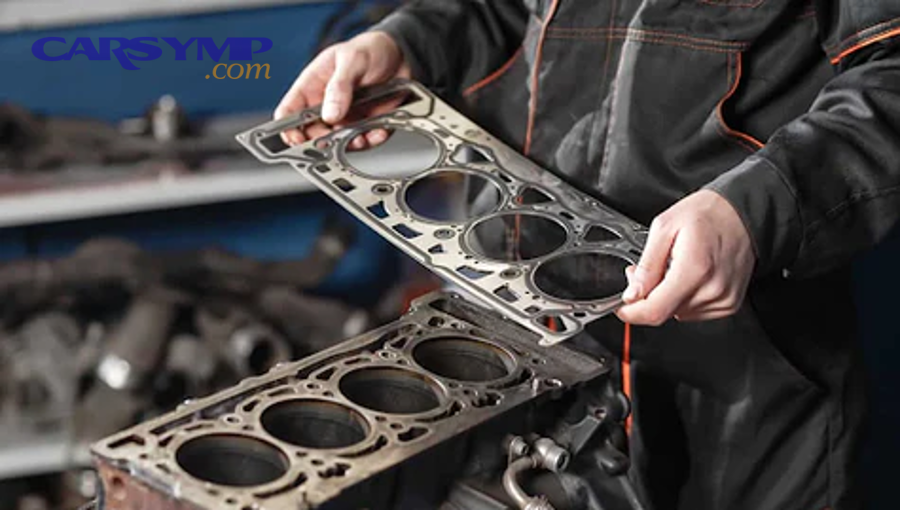
Vehicle design shapes the real repair path. A longitudinal engine in a roomy rear-wheel-drive chassis may allow better access to the back of the cylinder head. A transverse engine in a front-wheel-drive crossover may push the rear bank against the firewall. Likewise, an inline-four under a wide-open hood can be faster to service than a compact performance engine wrapped in ducts, covers, and heat shielding.
This comparison matters because car owners often ask whether a quote is “too high” without considering service geometry. A labor estimate should be judged against the design of the engine bay, the number of removable layers, and the technician’s need to clean and recheck the seal, not merely the small size of the part.
Is valve cover gasket replacement faster on inline engines than on V6 or V8 engines?
Yes, valve cover gasket replacement is usually faster on inline engines than on V6 or V8 engines because there is often only one cover and less rear-bank access trouble.
More specifically, the comparison favors inline layouts because fewer banks, fewer hidden fasteners, and less intake overlap usually reduce labor hours.
That does not mean every inline engine is easy. Some turbocharged or direct-injection designs still place pipes, shields, or hard-to-reach bolts around the cover. But in general, an inline engine gives the technician a more direct path to the gasket and simplifies cleaning, inspection, and torque sequence.
A V6 or V8 introduces two separate banks, and the bank nearest the firewall frequently drives the estimate. The technician may need mirror work, tighter hand clearance, or full removal of the upper intake path. So even when the front bank looks simple, the rear bank often determines the labor quote.
Is a transverse engine bay harder to service than a longitudinal engine bay for this job?
Yes, a transverse engine bay is often harder to service than a longitudinal engine bay for this job because firewall clearance is tighter and rear-bank access usually requires more disassembly.
Meanwhile, the comparison highlights a key practical truth: where the engine sits can matter as much as what engine it is.
A longitudinal layout places the engine front to back, which can improve access to both sides of the upper engine area, especially in larger rear-wheel-drive platforms. A transverse layout turns the engine sideways, saving space but often crowding one side of the engine against the firewall or strut tower. When the valve cover sits in that crowded zone, labor rises.
This is especially important for owners comparing quotes across different vehicles. Two engines with similar displacement or similar gasket sets can have very different labor times because the technician’s working space is dramatically different. In service work, inches of clearance matter.
How Can Car Owners Tell Whether a Valve Cover Gasket Labor Quote Is Reasonable?
A valve cover gasket labor quote is reasonable when the hours match the engine’s access difficulty, the estimate lists the needed parts and cleanup, and the repair scope fits the vehicle layout.
To better understand that judgment, car owners should read the quote as a description of work, not just as a price tag.
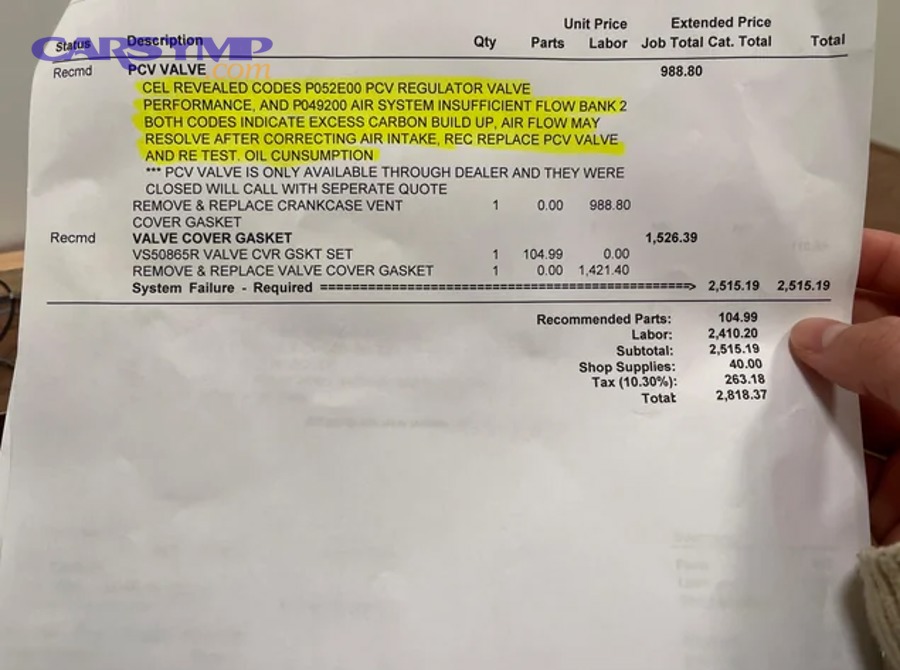
A good quote usually explains whether the shop is replacing one gasket or a full set, whether spark plug tube seals are included, whether the rear bank requires added access work, and whether the estimate includes cleanup of spilled or baked-on oil. If the estimate is vague, ask what must be removed and whether the engine has one cover or two. That single question often explains the number of hours better than any discount does.
Labor cost should also be compared against the local labor rate. Two shops may list the same repair hours but reach different totals because their hourly rates differ. What matters most is not only the hourly rate but whether the shop has identified the leak correctly and included the right related parts. A cheap quote that ignores contaminated plug wells or hardened grommets can become more expensive when the leak returns.
The phrase valve cover gasket replacement should also be interpreted carefully. Some shops use it to mean the gasket only. Others mean the full upper reseal for that cover area, including tube seals, bolt grommets, sealant at specific corners, and cleanup. Car owners should always ask what is included before deciding one estimate is better than another.
Should labor time and labor cost match the complexity of the engine?
Yes, labor time and labor cost should match engine complexity because access difficulty, parts removal, reassembly checks, and cleanup all scale with how crowded and layered the engine bay is.
More importantly, this heading matters because a fair quote on a difficult engine will often look expensive next to an easy-engine estimate.
A simple engine should not receive a rear-bank-V6 style estimate without a clear reason. At the same time, a difficult engine should not be judged against a generic “small part, small bill” mindset. Technicians are charging for disassembly, sealing work, inspection, and correct reassembly—not for the physical size of the gasket.
One helpful way to judge fairness is to ask the service advisor what specifically drives the estimate. If the answer mentions upper intake removal, rear-bank access, coil cleaning, or oil contamination in the plug wells, the labor figure is probably reflecting real complexity.
What should be included in a valve cover gasket replacement estimate?
A proper estimate should include labor hours, the gasket set, any spark plug tube seals or grommets, sealant where required, and any clearly necessary cleaning or access-related components.
For example, the heading points to a grouping question, because an accurate estimate should itemize the work and materials that truly belong to the job.
At minimum, the estimate should identify the valve cover gasket or gasket set, the billed labor hours, and whether the vehicle has one cover or multiple covers. It should also state whether the shop will replace tube seals, bolt seals, or other related rubber pieces that commonly fail together. If oil entered the plug wells, the estimate may also mention inspection or cleaning of the ignition coils and boots.
When oil has been leaking onto hot metal, cleanup becomes especially relevant. Some vehicles develop a burning oil smell from valve cover leak complaints because oil has reached the exhaust manifold or heat shield. After the sealing repair, the technician may need to clean the affected surfaces so that residual oil does not continue to smoke and confuse the post-repair result.
CarParts lists common valve cover gasket leak symptoms such as a burning smell, low oil level, visible oil leaks, and smoke from the engine compartment, which supports the need for both diagnosis and cleanup on some jobs.
When Does Valve Cover Gasket Replacement Become a Longer Job?
Valve cover gasket replacement becomes a longer job when access is poor, the leak is severe, surrounding parts are brittle, or the repair includes two covers and extra cleanup.
To better understand the delay, it helps to think of time-consuming jobs as “gasket plus obstacles” rather than gasket-only repairs.
A straightforward seep can turn into a larger service event when the technician discovers oil in the plug wells, old sealant in the channels, cracked breather hoses, or a rear-bank cover tucked beneath other assemblies. What looks like one small leak from above may involve more work once the engine is opened and inspected carefully.
The longer-job threshold also appears when the vehicle has gone a long time without repair. Oil bakes onto surfaces, dust sticks to the residue, and connectors become harder to separate cleanly. The technician then spends more time cleaning, checking, and protecting nearby components so the new seal starts its life on a clean foundation.
Can oil leaks, brittle hoses, or stuck components increase labor time?
Yes, oil leaks, brittle hoses, and stuck components can increase labor time because they slow disassembly, add cleanup, and raise the risk of damaging parts that are already aged by heat and oil exposure.
Specifically, the heading points to the real-world conditions that make old engines differ from ideal labor-guide assumptions.
Aged rubber hoses may crack when moved. Plastic harness clips can break after years of heat cycling. Bolts may feel gummy or resistant because oil and dirt have baked into the area. None of this means the job is being padded. It means the technician must work more carefully and sometimes pause to replace a damaged secondary part discovered during the repair.
This is also the stage where owners may hear about oil in spark plug wells or coil contamination. If the leak has migrated past tube seals, the technician may need to inspect misfire-related components or at least clean the wells thoroughly before reassembly. That extra care is part of preventing repeat issues after the gasket is replaced.
Is replacing two valve cover gaskets always double the labor time?
No, replacing two valve cover gaskets is not always double the labor time because some setup work overlaps, but the harder bank can still add substantial extra labor.
However, the comparison should be understood as partial overlap rather than perfect duplication.
Some initial tasks, such as removing the engine cover, disconnecting shared intake parts, or setting up the work area, happen once. That creates some labor overlap. But if the second bank is hidden near the firewall, the additional work can still be significant. This is why a dual-bank estimate may be less than exactly twice the easy side, yet clearly more than a simple one-cover job.
The same logic applies when the repair expands to include tube seals, bolt grommets, or extra cleanup. Some of that work benefits from already having the area apart. Some of it adds new steps. The total labor figure should reflect both overlap and added complexity, not a simplistic one-times-two formula.
Anecdotal technician guidance and customer-facing repair estimates consistently show that valve cover gasket jobs vary widely by access and condition, which is why comparing your vehicle’s layout to generic averages is more useful than expecting one universal labor number.
What Related Repairs and Misunderstandings Can Change How Car Owners Interpret Valve Cover Gasket Labor Time?
Related repairs and common misunderstandings can change how owners interpret labor time because bundled seals, cleanup work, and guide-time assumptions often make the estimate look larger than expected.
Besides the main labor question, these secondary details expand the topic and help owners understand why one quote can include more value than another.
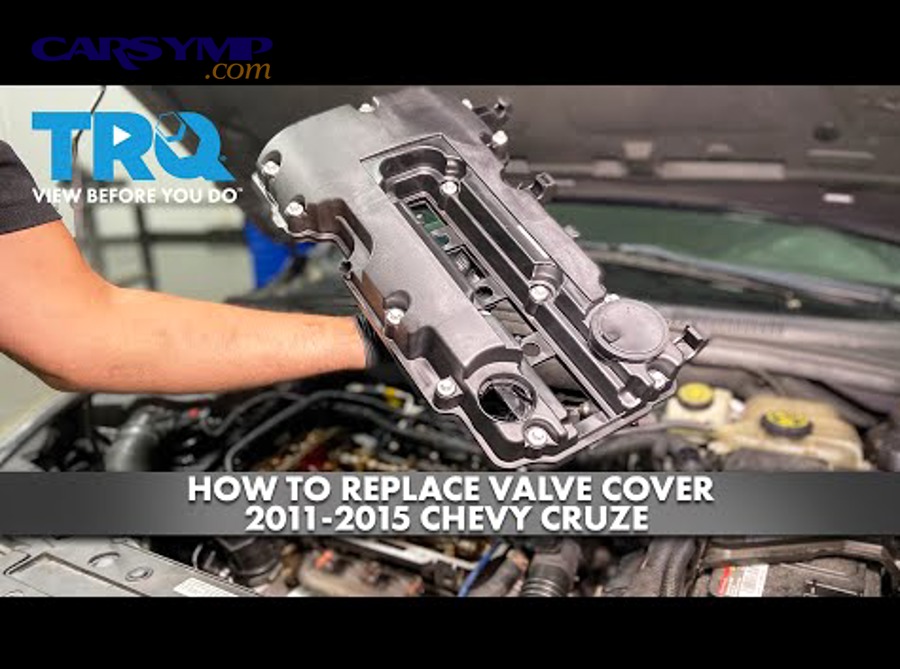
When owners focus only on the words “valve cover gasket,” they may miss what is actually included. A better estimate may include tube seals, bolt grommets, careful cleanup of the sealing area, and post-repair inspection. A cheaper estimate may not. The difference is semantic on paper but mechanical in the real world.
This is also where misunderstandings about cure time, residual smoke, and “extra” labor appear. Not every extra line means the shop is upselling. Sometimes it reflects necessary work that prevents a comeback, especially after a long-standing leak.
Should spark plug tube seals be replaced at the same time as the valve cover gasket?
Yes, spark plug tube seals should often be replaced at the same time as the valve cover gasket because they age similarly, share labor overlap, and can allow oil into the plug wells if left behind.
More specifically, this heading matters because combining related rubber parts often improves value and reduces the chance of repeat labor later.
On many engines, the tube seals are part of the same upper sealing service. If the technician already has the cover off, replacing worn tube seals usually makes practical sense. Leaving old seals in place can result in oil entering plug wells later, which may contaminate boots, promote misfires, and create the need for added cleanup that could have been avoided during the first repair.
For owners, this is one of the clearest examples of labor overlap. The extra part cost is usually small compared with the cost of reopening the same area later.
What is the difference between labor time and cure time when RTV sealant is used?
Labor time is the billed hands-on repair work, while cure time is the waiting period needed for sealant to set or for the engine to be safely returned to service.
To illustrate, the heading matters because some owners see a longer pickup window and assume the shop added labor hours when it may only be observing sealant procedure.
Certain engines require small dabs of RTV at corners, joints, or timing cover intersections rather than a continuous bead everywhere. After reassembly, the shop may wait before heavy operation or final delivery, depending on the product used and the manufacturer’s instructions. That waiting period affects total turnaround more than it affects the labor line on the invoice.
Understanding this distinction helps owners avoid confusing “you can pick it up later” with “we charged extra hours.” One describes chemistry and process. The other describes active repair labor.
Can turbocharged or luxury vehicles require extra valve cover gasket labor hours?
Yes, turbocharged or luxury vehicles can require extra labor hours because added plumbing, heat shielding, tighter packaging, and layered component placement reduce service access.
Especially on premium or performance-focused models, packaging often favors compact design and emissions integration over quick maintenance access.
Turbo lines, charge piping, shields, acoustic covers, and tightly stacked brackets can all add time before the technician even reaches the fasteners. Luxury vehicles also tend to include more trim layers and more densely arranged harness routing. That does not automatically make every premium car expensive to service, but it does explain why the same repair category can cost much more from one model to another.
How is book time different from actual mechanic time on older or high-mileage vehicles?
Book time is the standardized labor guide estimate, while actual mechanic time on older or high-mileage vehicles may stretch longer because of grime, seized hardware, brittle plastics, and contamination.
In short, the heading helps explain why a fair flat-rate quote can still involve more real effort than the number alone suggests.
High-mileage engines often carry the hidden penalties of age. Fasteners may resist removal. Connectors may crumble. Oil residue may need extra cleaning before a new seal can seat correctly. The technician might spend real additional minutes protecting nearby components or solving old-age complications even if the invoice still follows guide time.
For car owners, the important takeaway is practical: use labor time as a benchmark, not as an absolute stopwatch. The best quote is not simply the cheapest one. It is the one that matches the engine’s design, includes the right related parts, and resolves the leak without turning a top-end oil seep into a repeat visit.
According to CarParts, common leak symptoms include visible oil leaks, smoke, and a burning smell, while residual oil can continue to smell briefly after repair if cleanup is still burning off from hot surfaces; that supports the need to distinguish a completed seal repair from leftover oil residue.
To make those differences easier to visualize, the table below summarizes how labor time typically shifts with engine access, vehicle layout, and related cleanup needs.
| Vehicle/Engine Situation | Typical Labor Pattern | Why Time Changes |
|---|---|---|
| Inline 4-cylinder with open top access | Lower labor range | One valve cover, fewer components blocking removal |
| Inline 6-cylinder with moderate access | Low to moderate labor range | Single cover, but longer cover and added accessories can slow removal |
| Transverse V6 | Moderate to high labor range | Rear bank sits near firewall and often needs intake removal |
| V8 with two accessible banks | Moderate labor range | Two covers increase work, but access may still be manageable |
| Turbocharged engine | Moderate to high labor range | Added heat shields, piping, and crowded packaging increase disassembly |
| High-mileage engine with heavy oil seepage | Higher practical labor effort | Cleanup, brittle parts, and contamination increase care needed |
| Leak with oil in plug wells | Higher labor and cleanup complexity | Coil inspection and cleaning may be needed before reassembly |
That table shows why the phrase valve cover gasket replacement labor time should never be treated as one fixed number. The same repair category can feel simple on one car and surprisingly involved on another because labor follows access, not just the part name. For car owners comparing quotes, that distinction is often the difference between a fair estimate and a misleadingly cheap one.
A practical way to interpret any estimate is to break it into three layers. The first layer is the sealing repair itself: remove the cover, replace the gasket, clean the mating surfaces, reinstall, and torque correctly. The second layer is access work: remove coils, ducting, brackets, intake pieces, or covers that block the job. The third layer is consequence work: clean oil contamination, inspect plug wells, address tube seals, and remove residue that can keep causing smoke or odor after the leak is fixed. Once owners separate the quote into those layers, the labor figure becomes much easier to understand.
This layered view also explains why the smell and symptom side of the repair matters. A burning oil smell from valve cover leak often tells you that the problem has moved beyond a small seep and has reached hot surfaces. When oil touches an exhaust manifold, crossover pipe, or heat shield, the smell can become sharp and persistent. That does not always mean the leak is catastrophic, but it does mean the technician may need more cleanup after the sealing repair so the remaining oil does not keep burning away and creating the impression that the repair failed.
The ignition system side of the leak is just as important. When oil enters the spark plug wells, it can soak coil boots, attract dirt, and complicate diagnosis if a misfire appears later. That is why Cleaning oil from ignition coils after leak contamination is more than a cosmetic task. A careful technician wants the area dry and clean before reassembly so the fresh gasket is not judged against old oil trapped around coils or plugs. In many cases, the cleanup is quick. In neglected cases, it becomes part of the real labor burden.
Another useful way to read the job is to think about what the technician is trying to protect. The goal is not only to stop oil seepage today. The goal is to restore a durable seal that survives engine heat cycles, crankcase pressure changes, and vibration over time. That is why the cleaning phase and torque phase matter so much. If old gasket material remains in the channel, if oil stays on the sealing edge, or if fasteners are tightened unevenly, the new gasket may not last. Good labor time includes the patience needed to do the sealing work correctly.
Car owners can also benefit from knowing what should happen after the repair. A well-finished job should leave the top of the engine visibly cleaner, the cover area dry, and the engine free from fresh smoke or active oil drip during follow-up inspection. A faint smell may linger briefly if old residue is still burning off a hot shield, but that should fade rather than intensify. If the same smell returns strongly after a short period, the owner should ask whether the leak source was confirmed, whether both banks were addressed if needed, and whether residual oil was fully cleaned from hot surfaces.
The quote-review process becomes even stronger when owners ask a few focused questions:
- Is this estimate for one valve cover or both?
- Does it include spark plug tube seals or only the outer gasket?
- Will the shop clean oil from plug wells and coil areas if contamination is present?
- Does the engine require intake or rear-bank access work?
- Is cleanup of oil on hot exhaust-side components included?
These questions do not challenge the shop in an adversarial way. Instead, they help translate the estimate into understandable repair steps. That is useful because many labor disputes come from vague wording, not from dishonest pricing. The more clearly a quote describes what the technician must remove, reseal, inspect, and clean, the easier it is for a car owner to compare estimates fairly.
For owners trying to decide whether to repair the leak now or wait, labor-time knowledge also helps with prioritization. A minor seep with no odor, no plug-well contamination, and no visible oil on hot components may not feel urgent in the same way as a leak that produces smoke or reaches ignition components. However, small leaks often become larger ones, and a modest labor job can turn into a more involved cleanup later if oil keeps spreading across the top of the engine. From a maintenance standpoint, earlier repair often preserves the simpler version of the job.
This matters especially on modern vehicles where access is already tight. Once oil saturates surrounding materials, softens rubber, or bakes grime into connectors and brackets, the repair stops being just about replacing a gasket. It becomes a top-end cleanup and inspection task as well. That is another reason labor hours should be interpreted as the cost of restoring a clean, reliable seal—not just installing a cheap piece of rubber.
To sum up the full picture, valve cover gasket replacement labor time is shaped by five practical realities: engine layout, physical access, number of covers, condition of surrounding parts, and the amount of leak-related cleanup required. Inline engines usually stay simpler. Rear-bank V engines and tightly packaged turbo vehicles often take more time. Long-neglected leaks add cleanup and caution. And contamination around plugs or coils can push the job beyond a basic gasket swap.
For car owners, the most useful takeaway is this: judge the estimate by the work involved, not by the size of the gasket. A reasonable quote should reflect how hard the cover is to reach, what related seals or cleanup are included, and whether the leak has already created secondary problems like plug-well oil or hot-surface smoke. When those details are clear, the labor figure makes sense, and the repair decision becomes much easier.
In short, understanding labor time turns a confusing estimate into a readable repair plan. Once you know how access, layout, and cleanup affect the hours, you can spot whether a quote is realistic, why one vehicle costs more than another, and when the job has moved from a simple reseal to a more involved upper-engine service.