


Replacing a valve cover gasket yourself is a realistic DIY repair for many car owners because the job usually follows a clear sequence: confirm the leak source, gain access to the cover, remove the old gasket, clean the sealing surfaces, install the new gasket correctly, and perform a careful leak inspection. When done methodically, this repair can stop oil seepage, reduce burning-oil smell, and prevent oil from reaching hot engine parts or spark plug wells.
The first practical question most people have is what they need before they begin. The answer is straightforward: gather the correct gasket set, a basic socket set, a torque wrench, cleaning supplies, and any related seals that belong to your engine design. Some engines also use spark plug tube seals, bolt grommets, or small RTV sealant dabs at specific joints, so preparation matters as much as wrenching. (felpro.com)
The next concern is usually how to avoid doing the repair twice. Most repeat leaks happen for a few predictable reasons: the cover is cracked or warped, the mating surfaces are not fully cleaned, the gasket shifts during installation, or the bolts are tightened incorrectly. That is why a good valve cover gasket replacement is not just about swapping rubber; it is also about inspection, placement, and discipline during reassembly.
A final question sits in the background for most DIY readers: is the gasket the only problem, or is another issue hiding behind the leak? In some cases, spark plug tube seals, PCV-related pressure problems, or even the valve cover itself deserve attention at the same time. Introduce a new idea: the sections below walk through the job in the same order you should think through it in the garage, from definition and preparation to procedure, mistakes, related parts, and the all-important post-repair inspection.
What Is a Valve Cover Gasket and Why Does Replacing It Matter?
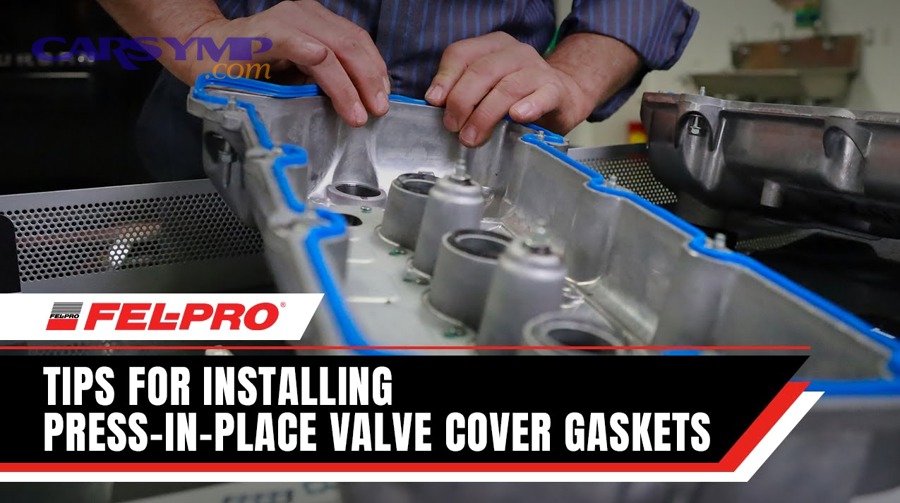
A valve cover gasket is the sealing layer between the valve cover and cylinder head that keeps engine oil inside while the valvetrain operates under heat, splash, and pressure.
To better understand why this matters, it helps to see the gasket as a control point for both cleanliness and oil containment at the top of the engine.
Is a Valve Cover Gasket Replacement a DIY Job for Most Car Owners?
Yes, valve cover gasket replacement is a DIY job for most car owners because the task is usually accessible, the tools are basic, and the procedure is more methodical than highly specialized.
More specifically, the toughest part is often not the gasket itself but the access around it. On a simple four-cylinder engine with an exposed top cover, the job can be very manageable for a patient beginner. On a V6, turbocharged engine, or crowded transverse layout, the same repair can involve intake plumbing, brackets, ignition coils, harness clips, and tight working angles.
A DIY-friendly valve cover gasket replacement usually has three traits. First, the cover is easy to reach without removing major intake or fuel-system components. Second, the bolts are visible and evenly spaced, making removal and reinstallation predictable. Third, the replacement gasket is a molded design that fits neatly into the groove and does not require guesswork. That combination makes the repair approachable for car owners who can label parts, keep hardware organized, and follow torque steps.
The reason this matters is practical. A small leak from the top of the engine often starts as a nuisance, then becomes a smell problem, then a contamination problem. Oil can drip onto hot exhaust surfaces, collect dust around the cover edge, seep into spark plug wells, or slowly lower the oil level between checks. Mobil notes that a valve cover leak often shows up as an oil-covered cover or a burning oil smell, and that the repair is fairly basic even though access varies by engine.
What Does a Valve Cover Gasket Do in the Engine?
The valve cover gasket seals the engine’s upper valvetrain area so oil can lubricate moving components without escaping past the cover-to-head joint.
Specifically, the gasket works in a harsh environment. Oil continuously splashes around the camshaft area or rocker assembly, and engine heat cycles the gasket material from cold starts to full operating temperature thousands of times. Over time, rubber and composite gasket materials can harden, flatten, shrink, or crack. Once that sealing edge loses elasticity, oil begins to seep out.
That sealing job has a second effect beyond leak prevention. It protects nearby ignition components and keeps grime from building on the outside of the engine. If your engine uses deep spark plug wells, failed seals around those tubes can allow oil to collect around ignition coils or boots. That can trigger rough running, misfire complaints, and extra cleanup work during what should have been a simple gasket service.
This is also why replacing the gasket matters more than “just living with it.” A leak at the top of the engine can travel down the block and imitate other leak sources. Oil may appear lower than the actual failure point, confusing diagnosis and leading owners to suspect the oil pan, timing cover, or rear main seal. Fel-Pro emphasizes that the valve cover gasket and related tube seals are part of a complete leak-prevention repair, not isolated pieces of rubber. (felpro.com)
What Tools, Parts, and Materials Do You Need Before Replacing a Valve Cover Gasket?
You need one correct gasket set, basic hand tools, cleaning supplies, and the exact related seals your engine design requires before starting the repair.
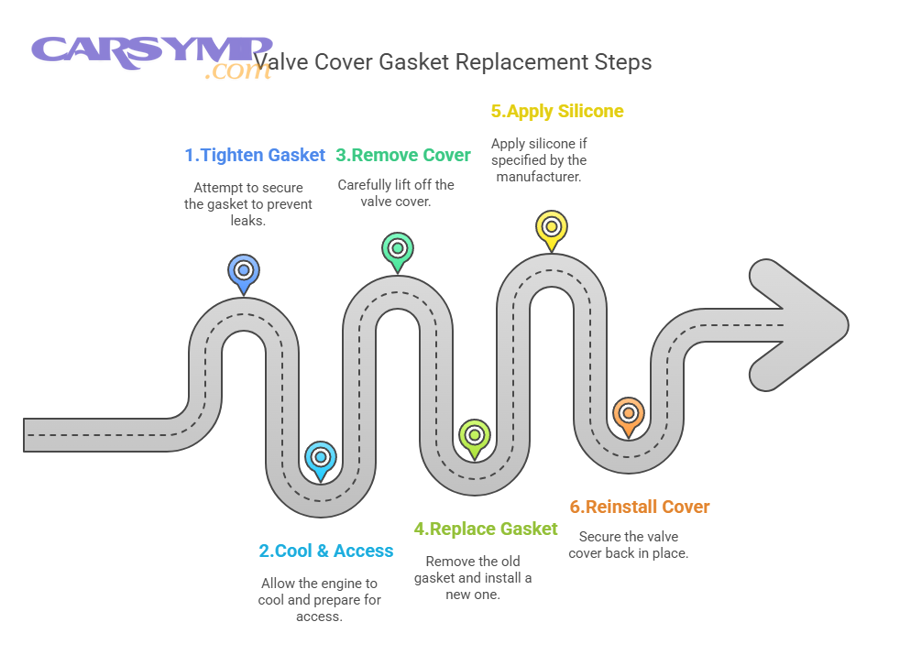
Next, organizing these items before you loosen the first bolt will save time and reduce mistakes during reassembly.
The list below shows the core categories most DIY readers should prepare before a valve cover gasket replacement:
| Category | Typical items | Why it matters |
|---|---|---|
| Parts | Valve cover gasket set, tube seals, bolt grommets | Prevents partial repairs and repeat leaks |
| Tools | Socket set, ratchet, extensions, pliers, screwdrivers | Handles removal of cover bolts and surrounding parts |
| Precision tools | Inch-pound or low-range torque wrench | Protects threads and helps preserve even clamping |
| Cleaning supplies | Brake cleaner or suitable solvent, lint-free rags, plastic scraper | Creates clean sealing surfaces |
| Support items | Magnetic tray, labels, gloves, flashlight | Keeps hardware organized and improves visibility |
This table gives a working checklist for the job so you can prepare parts, tools, and consumables in one pass instead of stopping mid-repair.
A torque wrench deserves special emphasis because valve cover fasteners are often small and easy to overtighten. Many leaks return not because the gasket was bad, but because the cover was bent, the fasteners were unevenly loaded, or the threads were stressed by guesswork. That is one reason the phrase “Post-repair leak check and torque sequence” matters in any serious DIY guide: correct clamping is part of the repair, not a final afterthought.
What Parts Should Be Replaced Along With the Valve Cover Gasket?
The most commonly replaced related parts are spark plug tube seals, bolt grommets, and any small sealing pieces included in the gasket set for your engine.
For example, many modern gasket kits are designed as complete service packages because the leak path is not always limited to the perimeter gasket alone. Tube seals can harden, bolt seals can lose elasticity, and small half-moon or corner sections can become the true weak points in the system.
If your engine has spark plug tubes passing through the cover, replacing those seals at the same time is smart preventive maintenance. They are already exposed once the cover is off, and leaving old seals in place can allow oil to enter the plug wells later. That creates extra labor and may force you to remove the same components again. Fel-Pro specifically notes that tube seals should be replaced when present and installed in the correct direction to avoid interference during cover installation. (felpro.com)
You should also inspect the service information for your engine before buying parts. Some engines need only the gasket set. Others may benefit from new intake manifold gaskets, especially on layouts where the valve cover is integrated into adjacent air-path or intake structures. Fel-Pro’s EcoBoost example shows how some engines require broader planning because upper engine components overlap in function. (felpro.com)
Which Tools Are Essential and Which Ones Are Optional?
Essential tools remove the cover and protect the sealing job, while optional tools mainly improve speed, visibility, and comfort.
To illustrate, the essentials are the ratchet, sockets, extensions, pliers, a torque wrench, a plastic scraper, and cleaning materials. Without those, you cannot remove the cover correctly or reinstall it with confidence. Optional tools include a telescoping mirror, pick set, headlamp, magnetic tray, trim tool, and flexible extension.
A telescoping mirror is especially useful when diagnosing the leak before you start. Mobil recommends tracing from the top and following the oil trail because oil can run downward and mimic lower-engine leaks. That diagnosis step can prevent unnecessary parts replacement.
A final planning note belongs here because readers often ask about timing and money before they begin. Valve cover gasket replacement labor time varies widely by engine layout; a simple inline engine may be much quicker than a cramped V-engine under intake plumbing. That also means a Valve cover gasket replacement cost estimate depends heavily on access, not just the price of the gasket itself. Even for DIY work, the time cost matters because more crowded engines increase the chances of labeling mistakes, broken plastic clips, and missed hoses.
What Should You Check Before Starting the Valve Cover Gasket Replacement?
Before starting, confirm the leak source, let the engine cool, study access points, and inspect nearby components that may need service at the same time.
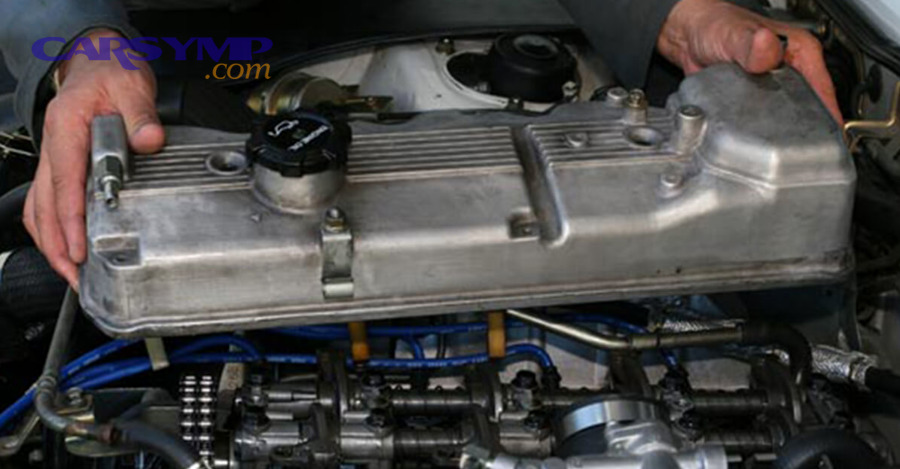
Then, once you know the leak really comes from the cover area, you can prepare the work area instead of tearing into the wrong part of the engine.
Should You Clean the Engine Area Before Removing the Valve Cover?
Yes, you should clean the engine area before removing the valve cover because it reduces contamination, improves visibility, and makes the leak path easier to trace.
More importantly, dirt sitting on top of the cover can fall into the exposed head area the moment you lift the cover off. Even if the contamination is minor, there is no benefit to letting grit enter a lubricated engine area when a few minutes of cleaning can prevent it.
Start with dry cleanup first. Use a brush, compressed air if available, or careful wiping to remove loose grit near the cover perimeter, ignition coil pockets, and bolt recesses. After that, use a suitable cleaner on the outer surfaces only. The goal is not to make the engine look detailed for photos; the goal is to protect the open valvetrain from debris once the cover comes off.
Cleaning also improves diagnosis. A fresh oil trail is easier to spot on a clean surface, and that helps distinguish an active leak from old residue. If you suspect multiple leaks, clean first, drive briefly if safe, and inspect again. That approach gives you a better repair plan than relying on a dirty engine coated in months of mixed grime.
What Signs Confirm the Valve Cover Gasket Is the Leak Source?
Common signs include oil along the cover edge, a burning-oil smell, visible seepage near the top of the engine, and oil in spark plug wells on engines with tube seals.
Specifically, you are looking for a leak that originates high on the engine and travels down, not a stain that merely ends near the cover. The most reliable visual clue is wetness or grime buildup directly along the valve cover-to-head seam.
A burning-oil smell is another strong sign, especially after the engine reaches operating temperature. Oil that escapes from the top of the engine can contact hot exhaust surfaces and create smoke or odor. NHTSA recall documents repeatedly describe oil leaks contacting hot engine or exhaust components as a fire-risk scenario, which is why even “small” leaks should not be ignored indefinitely. (static.nhtsa.gov)
If your engine uses ignition coils in plug wells, pull one or two coils during diagnosis if access is easy and safe. Oil down inside a plug tube strongly suggests that the tube seals or related upper sealing components are failing. That does not always mean the outer perimeter gasket is the only issue, but it does confirm the repair belongs in the valve cover service category.
How Do You Replace a Valve Cover Gasket Step by Step?
Replace a valve cover gasket in five core steps: gain access, remove the cover, clean both sealing surfaces, install the new gasket correctly, and inspect carefully after reassembly.
Below, the job is broken into the exact sequence most DIY readers should follow to reduce errors and repeat leaks.
How Do You Remove the Valve Cover Without Damaging Parts Around It?
Remove surrounding parts methodically, label what you disconnect, and lift the cover only after every hose, bolt, bracket, and connector is fully free.
To begin, let the engine cool completely. Then disconnect the battery if your vehicle service procedure or working space makes that a safer choice. Remove any plastic engine cover first, then work outward from the valve cover itself. Ignition coils, PCV hoses, breather lines, throttle-related components, and wiring retainers are common obstacles.
The smartest habit here is organization. Put bolts from each component into separate labeled containers. Take quick reference photos before unplugging connectors. On engines with different bolt lengths or mixed brackets, that small effort prevents frustration during reassembly. Mobil specifically notes that access components such as throttle cables, spark plug brackets, and PCV hoses may need removal before the cover comes off.
When the cover bolts are out, do not pry aggressively with metal tools at the sealing surface. If the cover sticks, tap lightly with your palm or use designated pry points if the engine design includes them. Forcing the cover at the mating edge can nick aluminum or distort thinner covers. Once loose, lift it evenly and watch for hidden hoses or harness clips that may still be attached.
How Do You Clean the Mating Surfaces and Remove the Old Gasket Properly?
Clean the mating surfaces by removing all old sealing material, oil film, and debris without gouging the cover or cylinder head.
Specifically, pull the old gasket out of the cover groove and inspect whether it came out whole or in brittle fragments. Then wipe the groove and the head surface carefully. A plastic scraper is safer than metal for most DIY work because it reduces the chance of scratching a soft aluminum sealing face.
If the engine previously used RTV at certain corners or joints, remove only the old residue and keep the surface flat. Do not grind, sand aggressively, or leave lumps behind. Bolt holes also deserve attention. Fel-Pro advises removing oil and cleaning solvent from the bolt holes and ensuring the grooves are clean and dry before installing the new gasket. (felpro.com)
This is also the right time to inspect the cover itself. Look for cracks near bolt bosses, warped rails on stamped covers, and hard plastic covers that may no longer sit flat. A perfectly installed gasket cannot compensate for a damaged cover.
How Do You Install the New Gasket and Refit the Valve Cover Correctly?
Install the new gasket squarely in the cover, apply sealant only where the engine design requires it, and tighten the cover evenly in the specified order.
Next, place the gasket into the cover groove without stretching it. If the set includes spark plug tube seals, install them in the proper direction before positioning the cover. Some designs press in by hand, while others need a driver or appropriately sized socket.
Resist the urge to smear RTV everywhere. Many modern molded gaskets are designed to install dry except for small corners where the manufacturer specifies sealant. Excess RTV can squeeze out, shift the gasket, or create sealing inconsistencies. Fel-Pro explicitly states that many of its valve cover gaskets are installed clean and dry, with no need for adhesives to glue them into place. (felpro.com)
Once the gasket is seated, lower the cover straight down. Avoid sliding it across the head if possible because that can unseat the gasket. Start all bolts by hand first. Then tighten them gradually in stages using the recommended pattern. This is where “Post-repair leak check and torque sequence” becomes part of the install, not merely a final inspection phrase. Even loading helps the gasket compress uniformly. One bolt tightened fully before the others can twist the cover and create the very leak you are trying to fix.
How Do You Check for Leaks After Reassembly?
Check for leaks by confirming connector fitment, starting the engine, watching the cover perimeter closely, and rechecking after heat and a short drive.
Then, once the engine idles smoothly, inspect the full perimeter of the valve cover with a light. Look for fresh wetness, smoke, or odor. If your engine had oil in spark plug wells, confirm the area is dry after cleanup and reassembly.
A good post-repair routine has three stages. First, inspect at idle with the hood open. Second, allow the engine to warm up and watch again because heat expansion can reveal a bad seat or missed corner. Third, take a short drive, park on a clean surface, and inspect the perimeter and the exhaust-side area again. This short cycle catches installation problems before they become a full repeat leak.
This is also the stage where owners think about shop pricing. If a repair shop were doing this same job, valve cover gasket replacement labor time would largely reflect access and reassembly complexity. That is why a valve cover gasket replacement cost estimate can vary so much from one vehicle to another even when the gasket set price seems similar.
What Are the Most Common Mistakes During Valve Cover Gasket Replacement?
The most common mistakes are poor cleaning, incorrect sealant use, uneven bolt tightening, reused related seals, and ignoring a damaged valve cover.
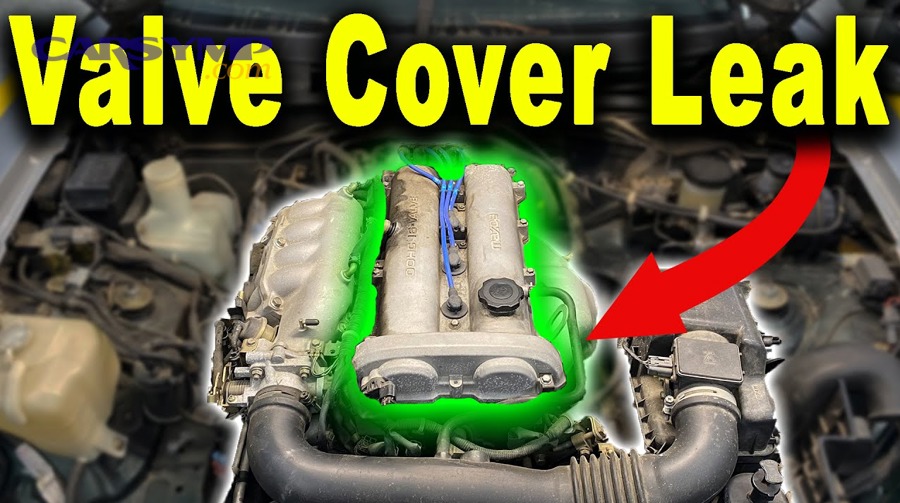
However, each mistake has a clear mechanical consequence, so understanding them now can prevent a second teardown later.
Should You Use RTV Sealant Everywhere on the Gasket?
No, you should not use RTV sealant everywhere on the gasket because many gasket designs seal dry, too much sealant can distort the fit, and excess material can squeeze into unwanted areas.
More specifically, RTV belongs only where the engine design calls for it, often at sharp joints, cam cap transitions, or half-moon corners. Spreading it around the full perimeter may feel “safer,” but in practice it can create uneven thickness and allow the gasket to slide during installation.
This mistake often comes from applying old habits to modern gasket materials. Cork-style gaskets and certain older designs may have different requirements than modern molded rubber service sets. That is why the instructions that come with the set, plus the vehicle service information, should control the decision instead of workshop folklore.
What Happens if You Overtighten or Undertighten the Valve Cover Bolts?
Overtightening risks cracks, warped sealing rails, and thread damage, while undertightening risks uneven compression and fresh leaks around the cover perimeter.
On the other hand, proper tightening in stages creates even clamp load across the entire gasket. That is the mechanical goal. Small fasteners do not need “extra snug for safety”; they need correct tension for gasket compression.
Overtightening is especially risky on plastic covers and aluminum threads. A cracked boss or warped flange can turn a simple gasket service into a cover replacement job. Undertightening creates the opposite problem: the gasket never seats evenly, so oil finds the low-pressure path. Mobil warns that overtightening bad gaskets will not stop leaks, and Fel-Pro stresses careful installation based on the design of the cover and gasket.
According to technical guidance from Fel-Pro, valve cover gaskets should be installed with attention to gasket design, clean surfaces, and proper related-seal replacement, because incorrect installation practices such as poor seating or misuse of sealers lead directly to repeat leak issues. (felpro.com)
How Do You Know if the Gasket Alone Needs Replacement or if Other Parts Need Attention Too?
The gasket alone may need replacement when the cover is sound and the leak is isolated, but related seals or the cover itself need attention when oil appears in plug wells, corners, or cracked cover areas.
In addition, checking these related parts while the cover is off prevents the frustrating situation where a “fixed” leak returns for a different reason.
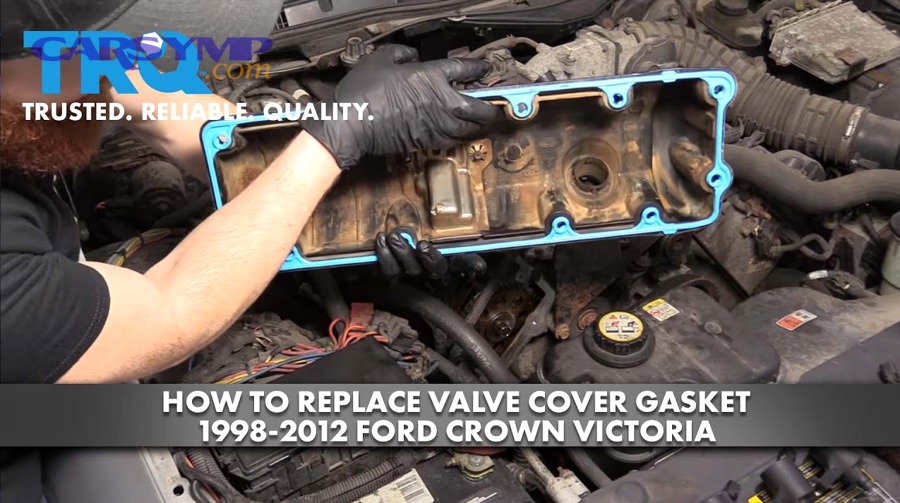
What Other Parts Are Commonly Serviced During a Valve Cover Gasket Job?
Commonly serviced related parts include spark plug tube seals, bolt grommets, breather hoses, and sometimes nearby intake gaskets depending on engine layout.
For example, if the coil boots are soaked in oil, inspect them for swelling or deterioration. If the breather hose is brittle or the PCV connection is damaged, replacing that inexpensive part while access is open makes sense. If the gasket set includes sealing washers or grommets, use them rather than reusing hardened originals.
This is also the practical place to discuss budget. A DIY valve cover gasket replacement cost estimate should include more than the perimeter gasket alone. Add tube seals, grommets, cleaner, shop towels, and possibly ignition component cleanup. The parts bill is still usually modest compared with labor, but skipping small items to save a little money can cost more time later.
How Does Replacing Only the Gasket Compare With Replacing the Entire Valve Cover?
Replacing only the gasket is best when the cover is straight and undamaged, while replacing the entire cover is better when it is cracked, warped, or has integrated sealing features that have failed.
Meanwhile, the inspection clues are fairly clear. If a plastic cover shows cracks near bolt holes, a visibly distorted rail, or an integrated PCV passage problem, the gasket alone may not restore a durable seal. If a stamped steel cover has bent rails from past overtorque, straightening may help in some cases, but replacement is often the cleaner solution if distortion is significant.
This distinction matters because many repeat repairs are not really gasket failures. They are cover failures revealed during a gasket job. Fel-Pro advises inspecting plastic, steel, and cast covers for cracks, straightness, and damage before proceeding with installation. (felpro.com)
According to NHTSA recall language used in multiple engine-oil leak cases, oil that reaches hot engine or exhaust components can increase fire risk, which reinforces the importance of replacing damaged leak-causing parts rather than masking the problem with a gasket alone. (static.nhtsa.gov)
What Related Issues Can Affect Valve Cover Gasket Replacement Results?
Related issues that affect results include spark plug tube seal failure, PCV system problems, cover distortion, and installation errors that create repeat leaks after an otherwise careful repair.
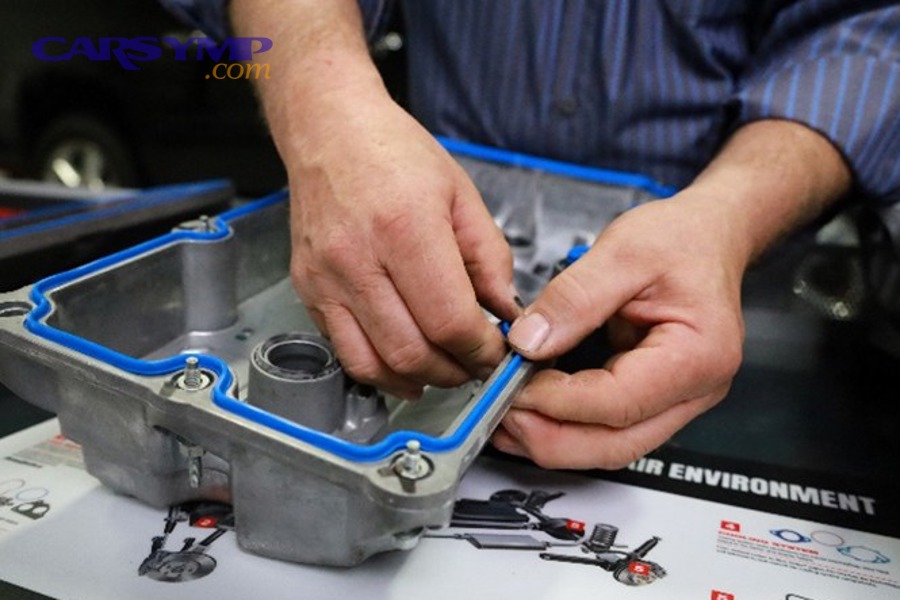
Besides the gasket itself, these secondary factors explain why two jobs with the same parts can have very different outcomes.
What Are Spark Plug Tube Seals and Should They Be Replaced at the Same Time?
Spark plug tube seals are small upper-engine seals around plug wells, and yes, they should usually be replaced at the same time because they age with the gasket and can cause oil contamination and misfire.
More specifically, these seals live in the same heat cycle as the perimeter gasket. If they are original and the cover is already off, replacing them during the same service is efficient and mechanically sensible. Leaving them behind is one of the most common ways to turn a one-time repair into a second visit under the hood.
How Can PCV Problems Cause a New Valve Cover Gasket to Leak Again?
PCV problems can cause a new gasket to leak again by raising crankcase pressure and pushing oil past the weakest sealing points.
To better understand this, think of the gasket as one part of a pressure-managed system rather than a stand-alone strip of rubber. If crankcase ventilation is restricted, pressure has to escape somewhere. Fresh gaskets can hold for a while, but the seal is working against a system issue instead of operating under normal conditions.
That does not mean every valve cover leak is caused by the PCV system. Heat-age and material fatigue remain common causes. But if a new gasket seeps quickly and the cover seems straight, a PCV inspection belongs high on the checklist.
What Is the Difference Between a Bad Gasket and a Warped or Cracked Valve Cover?
A bad gasket fails at the sealing material, while a warped or cracked cover fails at the structure that should compress and support that gasket evenly.
However, the symptoms can overlap. Both can create oil seepage at the perimeter, odor, and residue. The difference is in the hardware evidence. A bad gasket often looks brittle, flattened, or torn. A warped or cracked cover may show split plastic near fasteners, uneven rail contact, or visible damage that prevents uniform clamp load.
This is why the inspection stage is not optional. You are not just replacing a wear item; you are evaluating the system that supports it.
Why Do Some Valve Cover Gasket Leaks Return Soon After Replacement?
Most return leaks happen because the surfaces were not fully cleaned, the wrong sealant method was used, the torque sequence was uneven, or the cover and related seals were not inspected thoroughly.
In short, repeat leaks usually come from process failure more than bad luck. A gasket can only seal against a clean, flat, correctly clamped surface. If any one of those three conditions is missing, the repair becomes temporary.
That is why a disciplined Post-repair leak check and torque sequence matters at the end of the job just as much as parts selection at the start. It gives you one last chance to catch what visual confidence alone can miss. A careful DIY repair can absolutely work, but the best results come from treating the valve cover gasket replacement as a small sealing system service rather than a simple rubber swap.