


A post-repair leak check and torque sequence after gasket repair is a practical verification process that helps DIY car owners confirm the seal is holding, the fasteners are loaded evenly, and the repair will not start leaking again after heat and vibration. In other words, the job is not finished when the cover goes back on; the job is finished when the engine runs clean and dry.
That verification matters because leak-free reassembly depends on more than a new gasket alone. Surface cleanliness, gasket alignment, tightening order, bolt load, and the first warm-up all affect whether the repair stays sealed. When people search this topic, they usually want a clear method they can follow at home without guessing torque by feel. (felpro.com)
The second need behind this topic is understanding why some repairs still leak even after careful work. Uneven clamp load, a warped cover, dirty threads, trapped old sealant, or a blocked PCV path can all push oil past a fresh gasket. That is why a good article must cover both the torque sequence and the inspection logic behind it. (felpro.com)
The third need is prevention. DIY readers want to avoid stripped threads, burnt oil on hot exhaust parts, repeat disassembly, and confusion between leftover spill residue and a new active leak. Introduce a new idea: the most reliable way to prevent those problems is to inspect in stages, torque in stages, and verify again after the first heat cycle.
What Is a Post-Repair Leak Check After Gasket Repair?
A post-repair leak check is a structured inspection performed before startup, during warm-up, and after operation to confirm that a repaired gasketed joint is sealed correctly and loaded evenly.
To better understand the issue, think of the leak check as the proof phase of the repair. Replacing a gasket restores the sealing interface, but the leak check confirms whether that interface is actually holding under real engine conditions. This matters after valve cover gasket replacement, oil pan work, timing cover service, and similar repairs where oil or vacuum sealing depends on flat surfaces and correct bolt tension.
Many DIY repairs fail not because the gasket was poor, but because the final verification was too casual. A quick glance with the hood open can miss a slow seep that only appears once oil pressure rises or the metal expands. A real post-repair check should include a cold visual inspection, an idle inspection, a warmed-engine inspection, and a follow-up look after a short drive. That process is especially useful when a repair also involves ignition components or Spark plug tube seal replacement considerations, because oil can hide inside plug wells even when the outer edge of the cover looks dry.
Is a Post-Repair Leak Check Necessary After Every Gasket Repair?
Yes, a post-repair leak check is necessary after almost every gasket repair because the seal must survive clamp load, heat expansion, and engine vibration before the job can be called complete.
More specifically, the first reason is that gasket compression can look correct at assembly and still prove uneven once the engine warms. The second reason is that spilled oil or trapped debris can hide the real condition of the repair. The third reason is that some leaks appear only under pressure, not while the engine is off. Together, those three reasons explain why leak checking is a necessary final step rather than an optional extra.
For a DIY reader, this matters in practical ways. If you skip the check, you may drive away with a small seep that turns into a Burning oil smell from valve cover leak residue on the exhaust manifold. You may also misdiagnose the result later, blaming the new gasket when the true issue was a bolt that bottomed out, a corner that needed a tiny sealant dab, or a hose pinched beneath the cover. On many engines, what looks like a failed gasket is really a failed installation process.
A careful post-repair inspection also saves time. It is far easier to find a damp edge while the tools are still out than to remove intake tubing, coils, or covers again days later. According to Fel-Pro’s technical guidance, correct torque sequence and proper torquing procedure are critical to avoid sealing issues during reassembly. (felpro.com)
What Does a Proper Post-Repair Leak Check Include?
A proper post-repair leak check includes four main stages: pre-start inspection, controlled startup, warm-engine visual verification, and follow-up inspection after short operation.
Let’s explore those stages in order. The pre-start inspection checks whether the gasket is seated, the fasteners are snugged correctly, the hoses and harnesses are routed safely, and the fluid level is correct. The controlled startup stage checks whether the engine idles normally without immediate drips, smoke, or warning lights. The warm-engine stage looks for seepage after thermal expansion begins. The follow-up stage confirms the seal remains dry after vibration and road load.
This is the difference between a casual glance and a repeatable method. A structured check uses a flashlight, clean rag, stable idle time, and observation from several angles. The best habit is to wipe the entire repair area clean before startup. A clean surface makes fresh seepage obvious. A dirty surface only creates doubt.
For DIY valve cover gasket replacement steps, this stage often includes checking around the perimeter, bolt bosses, half-moon sections, and spark plug wells. If fresh oil appears inside a plug tube, the main perimeter gasket may not be the only issue. You may need to revisit inner seals, cover condition, or plug tube sealing surfaces.
What Should You Inspect Before Starting the Engine?
Before starting the engine, inspect six essentials: gasket seating, mating surfaces, bolt placement, hose and harness routing, fluid level, and surrounding cleanliness.
Next, that pre-start checklist deserves more attention because it determines whether the first startup will be informative or misleading. If the cover is dirty, the bolts are mixed up, or an ignition connector is loose, the engine may run poorly or leak in a way that hides the real cause. The goal is to eliminate preventable errors before oil pressure and heat complicate the picture.
Start with the sealing joint itself. Confirm the gasket is fully seated in its groove where applicable and not twisted, bulged, or pinched. Confirm the mating surface is free of old RTV chunks, grit, or oil puddles. If the service design requires sealant at corners or joint transitions, confirm it was applied sparingly and only at the specified points. Excess sealant can squeeze inward or prevent even seating.
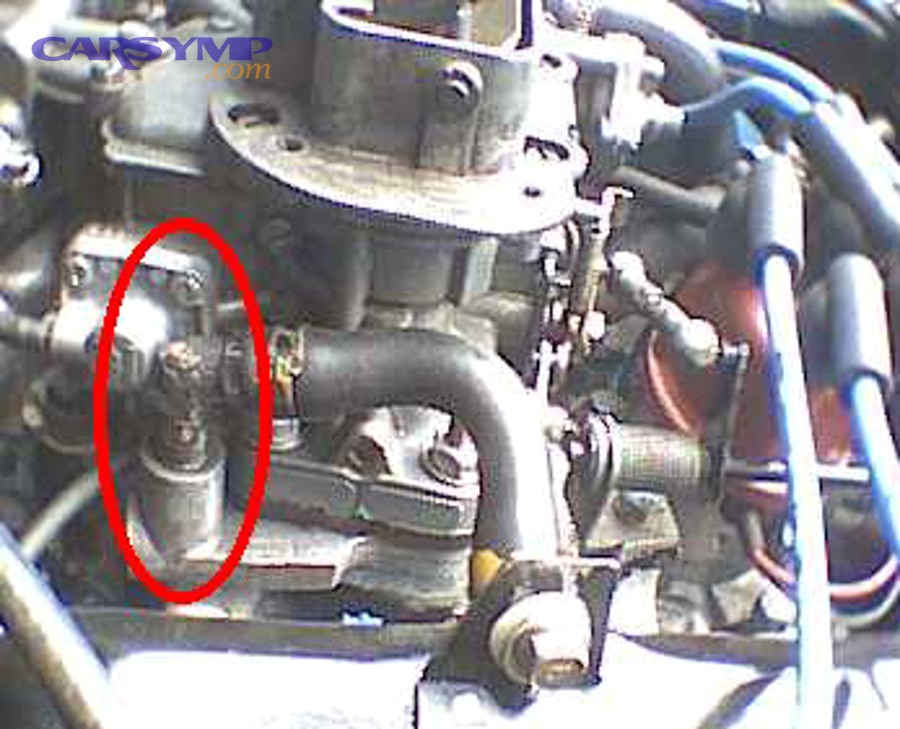
Then inspect the fasteners. Make sure each bolt is in the correct location, started by hand, and not cross-threaded. Some covers use different bolt lengths or shoulder designs. Mixing them can create false torque or uneven clamp load. Also inspect brackets, coil packs, breather hoses, and PCV connections. A blocked or disconnected PCV line can raise crankcase pressure and encourage leaks at a fresh gasket. AA1Car specifically notes that a clogged PCV system can allow pressure to build inside the engine and contribute to oil leaks. (aa1car.com)
What Parts Should Be Checked Before the First Startup?
There are seven main items to check before first startup: gasket edges, bolt locations, spark plug wells, hoses, wiring, fluid level, and nearby hot surfaces.
To illustrate that grouping, begin at the repaired component and work outward. First, inspect the gasket edge all the way around. Look for visible extrusion, gaps, or sections that sit higher than the rest. Second, inspect all bolts to confirm they are present and evenly seated. Third, inspect spark plug wells on engines where the valve cover seals them; oil here often points to inner seal issues rather than only the outer perimeter.
Fourth, inspect hoses and the PCV path so pressure can vent normally. Fifth, inspect connectors for coils, injectors, or sensors that may have been unplugged during access. Sixth, confirm the oil level or coolant level if the repair affected those systems. Seventh, inspect the exhaust manifold, heat shields, and nearby surfaces so any future smoke can be interpreted correctly. If fresh oil falls onto a hot manifold, smoke may begin quickly and be mistaken for a worse failure.
For readers who use Car Symp style symptom-based searches, this pre-start grouping is useful because it translates scattered symptoms into a direct inspection order. Instead of guessing from smell or smoke alone, you move from seal, to fastener, to pressure path, to contamination evidence.
How Does a Pre-Start Inspection Differ From a Running Leak Check?
A pre-start inspection is best for alignment and assembly errors, while a running leak check is best for detecting pressure, heat, and vibration-related seepage.
However, the two inspections work together rather than compete. The pre-start stage answers questions such as: Is the gasket seated? Are the bolts staged properly? Did a hose get trapped? Is there pooled oil left from the repair? The running stage answers different questions: Does the seal hold once the oil circulates? Does expansion open a gap? Does crankcase pressure reveal a weak point?
That comparison matters because many DIY problems come from using the wrong inspection at the wrong time. A cold engine cannot reveal everything, and a hot running engine cannot easily reveal whether the gasket slipped during assembly. A good repair routine uses both. You look first for conditions that will cause false results, then you look again for conditions that appear only when the engine is operating.
How Do You Follow the Correct Torque Sequence After Gasket Repair?
The correct torque sequence after gasket repair uses manufacturer specifications, a controlled tightening pattern, and multiple torque stages to create even clamp load and reduce leak risk.
More importantly, torque sequence is not just about preventing stripped threads. It is about controlling how the gasket compresses across the whole sealing surface. If one corner is tightened fully while the opposite side is loose, the component can tilt slightly, squeeze the gasket unevenly, and create a path for future seepage. That is why experienced technicians tighten in order, not in haste.
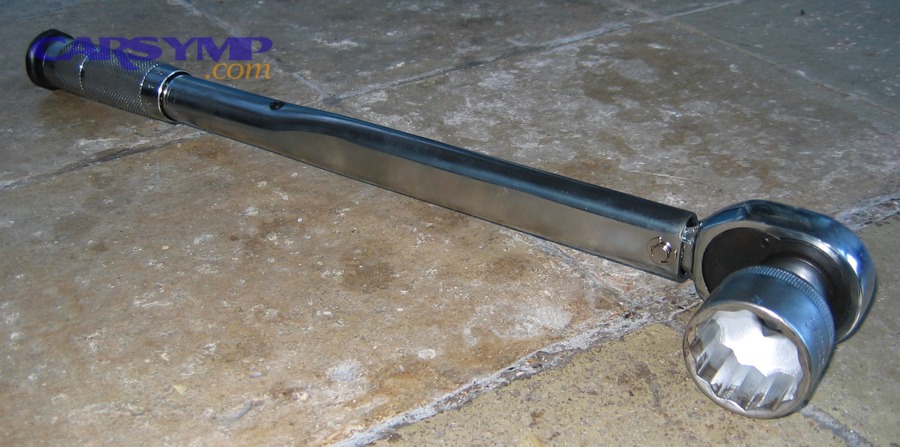
In practice, always start by locating the factory service information for the exact engine and component. If the manual gives a diagram, use it. If the manual specifies torque plus angle, use the required tool and sequence. If the fasteners are torque-to-yield, never assume old habits apply. Fel-Pro emphasizes that correct torque sequence and specification are essential, especially on critical fasteners and reassembly work. (felpro.com)
When the design uses small valve cover bolts rather than major structural fasteners, the same logic still applies: snug all bolts evenly by hand, run the first pass in sequence, then perform the final pass at the specified torque. Do not jump straight to final torque on the first bolt. That shortcut often twists the cover and creates uneven sealing load.
What Is a Torque Sequence and Why Does It Prevent Leaks?
A torque sequence is the specified order for tightening fasteners so clamp load spreads evenly across the joint, which helps the gasket compress uniformly and resist leaks.
Specifically, the sequence controls the path of force through the cover, head, or housing. On many flat gasketed components, tightening begins near the center and moves outward or alternates in a crisscross pattern. That order reduces distortion. Without it, one side may seat hard while another side remains lifted or stressed.
Uniform compression matters because a gasket does not seal by existing; it seals by being compressed correctly within its design range. Too little load leaves gaps. Too much load crushes or extrudes the material. Uneven load produces both problems at once in different sections of the same joint. That is why “just snug until it feels right” is risky on modern engines with mixed materials, lightweight covers, and small threaded holes.
For a reader planning valve cover gasket replacement, this is the part that turns a parts swap into a real repair. The cover, gasket, bolts, and surface all work as a system, and the torque sequence is the method that balances that system.
Should Bolts Be Tightened in One Pass or Multiple Torque Stages?
No, bolts should not usually be tightened in one pass; multiple torque stages are better because they seat the component gradually, balance clamp load, and reduce distortion.
Then, the practical method becomes easier to follow. Stage one is the seating pass. Bring all bolts down lightly until the component sits flat. Stage two is the intermediate pass. Tighten in sequence to a portion of final torque, often around half to two-thirds where appropriate. Stage three is the final pass. Reach the specified final value in the same order. On some jobs, a final verification pass in the same sequence helps confirm consistency.
The main benefit of staged tightening is control. A gasketed cover can shift slightly as it settles. Multiple passes allow that shift to happen gradually, which lowers the chance of pinching, corner lift, or localized overcompression. This matters even more on plastic or thin stamped covers that distort more easily than thick cast housings.
Evidence from fastener research also supports careful torque control. A University of North Texas study on bolt preload found that the relationship between indicated torque and resulting bolt load can vary significantly, which is why friction condition, method, and controlled procedure matter when torque is used to establish preload. (digital.library.unt.edu)
What Tightening Patterns Are Common for Gasketed Components?
There are four common tightening patterns for gasketed components: center-out, crisscross, perimeter sequence, and component-specific factory sequence.
To better understand the grouping, center-out patterns are common on wider flat parts because they spread load from the middle toward the edges. Crisscross patterns alternate sides to avoid pulling one side down too quickly. Perimeter patterns appear on parts with circular or evenly spaced fasteners, though they still usually alternate rather than move straight around. Component-specific factory sequences override all general rules because the manufacturer has already accounted for shape, stiffness, and material.
For DIY readers, the safest hierarchy is simple. First use the service manual. Second use the gasket maker or technical bulletin if relevant. Third, only if no specific sequence is available, apply the general principle of even loading from the middle outward or in a balanced cross pattern. This is especially helpful during DIY valve cover gasket replacement steps on common passenger cars, where the cover shape often encourages uneven tightening if you start at one end and work straight across.
The key caution is consistency. Do not improvise a different pattern on the final pass than the one used to seat the cover. A repeatable pattern creates repeatable clamp load.
How Does Correct Torque Sequence Compare With Simply Tightening Until Snug?
Correct torque sequence wins for sealing accuracy, while “tighten until snug” is only faster in the moment and far worse for repeatability, part protection, and leak prevention.
On the other hand, hand-feel tightening often survives on older, forgiving designs, which is why some DIY readers think it is enough. The problem is that modern engines use lighter materials, smaller fasteners, and tighter sealing demands. Snug by feel cannot measure preload consistently, and it cannot correct for lubrication, thread drag, or bolt length differences.
The real danger is not only under-tightening. Over-tightening can warp a valve cover rail, crush a gasket lip, distort a grommet, or strip an aluminum thread. Under-tightening can allow movement, vibration loosening, and seepage. Either way, the result is the same: the repair loses margin. According to engineering references on clamp load, torque is only an indirect method of preload, and friction conditions strongly affect the actual force produced at the joint. (me.psu.edu)
How Do You Perform the Running Leak Check After Reassembly?
A running leak check works best in three phases: idle observation, warm-up inspection, and short-drive reinspection, giving you the best chance to detect fresh seepage before it becomes a bigger leak.
Next, treat the first startup as a controlled test, not just a moment of relief. Start the engine and let it idle while you listen for abnormal sounds and watch for warning lights. Do not rev it immediately. Give the oil time to circulate and the repaired area time to show whether it remains dry. Use a flashlight and inspect the lowest points first, because gravity makes fresh oil easier to spot there.
As the engine warms, continue checking around the gasket edge, bolt bosses, plug wells, and corners. Watch for a glossy wet line, a forming drop, or fresh smoke. If you spilled oil during the repair, some odor may burn off, but that should fade rather than intensify. A persistent wet trail or repeated smoke plume usually points to an active leak, not just leftover residue. AA1Car notes that oil leaks often show up as greasy stains around gasket seams and may be visible while the engine idles, though some only seep slowly. (aa1car.com)
After the engine reaches operating temperature, shut it down and inspect again. Then perform a short drive and recheck once more. This second look matters because road vibration, crankcase pressure changes, and airflow can reveal small leaks that were not obvious in the driveway.

Can an Engine Look Fine at Startup but Still Leak as It Warms Up?
Yes, an engine can look fine at startup and still leak as it warms because metal expands, oil thins, and crankcase pressure behavior changes with temperature and operating conditions.
Specifically, a cold seal can appear stable when the gasket is stiff and the oil is thicker. As heat builds, the cover, head, and bolts expand at different rates depending on the materials. Oil also flows more easily when warm. If the clamp load is marginal or uneven, a slow seep may begin only after several minutes. This is one reason many repeat leaks confuse DIY owners; the repair passes the first minute but fails the first full warm-up.
This behavior is common enough that a proper check should include cold, warm, and post-drive inspection points. A leak that appears only after ten minutes is still a leak. It simply means the testing method was too short. Research into seal leakage characteristics also shows that temperature behavior in the sealing zone affects leakage performance, reinforcing why warm-condition inspection matters. (journals.sagepub.com)
What Signs Show That the Repair Is Sealed Correctly?
There are six main signs of a correct seal: dry gasket edges, no fresh oil tracks, clean plug wells, no new smoke, stable fluid level, and no oil odor that continues after residual spill-off ends.
Besides those visible signs, engine behavior should also remain normal. Idle quality should stay steady if all connectors and hoses are back in place. There should be no fresh drip point below the vehicle after the warm-up or short drive. The area around the repaired component should remain dusty-dry or only show old staining that does not become wet.
For valve cover jobs, include one more sign: the ignition wells and coil boots remain dry. If the perimeter looks fine but the plug tubes collect oil, the repair is not fully verified. That is why Spark plug tube seal replacement considerations belong in the final inspection process, not only the installation stage.
What Is the Difference Between a Residual Oil Burn-Off and a New Active Leak?
Residual oil burn-off fades with time and leaves no growing wet trail, while a new active leak keeps creating fresh oil, fresh smoke, or recurring odor after the area should have cleaned itself.
Meanwhile, burn-off usually comes from oil spilled during disassembly or cleaning. It often produces a brief smell as the engine gets hot, then decreases over one or two heat cycles. An active leak behaves differently. The smell returns every time, the repaired edge looks wet again, and new oil may appear on heat shields or the exhaust. If the same spot turns glossy after you wiped it clean, that is fresh leakage, not old residue.
This distinction is important for diagnosing a burning oil smell from valve cover leak problems. Without it, a DIY owner may overreact to harmless residue or, worse, ignore a real leak assuming it is only leftover oil. The safest method is simple: clean thoroughly, run briefly, inspect directly, and compare the before and after condition.
What Mistakes Cause Leaks Even After the Correct Repair?
Repeat leaks usually come from six mistakes: dirty surfaces, uneven torque, gasket misalignment, wrong sealant use, damaged covers, and pressure-related issues such as PCV restriction.

In addition, those mistakes often overlap. A cover may be slightly warped, but the leak only becomes obvious because the fasteners were tightened unevenly. A gasket may be new, but trapped debris prevents one section from seating. A good troubleshooting section therefore should not treat the gasket as the only possible cause.
Dirty surfaces are the most basic mistake. Oil, old RTV, corrosion, or loose particles prevent flat contact. Uneven torque is the most common process mistake. Wrong sealant use is another major problem: too much can hold the cover off the surface, while too little in a required corner can leave a leak path. Physical damage matters too. A bent rail, cracked plastic cover, or stripped thread can defeat even a careful installer.
Pressure-related issues matter more than many DIY readers expect. If crankcase ventilation is restricted, pressure can push oil past a new seal. AA1Car specifically identifies clogged PCV systems as a contributor to oil leaks. (aa1car.com)
What Common Errors Lead to Repeat Leaks After Gasket Installation?
There are eight common errors: reused damaged gaskets, poor cleaning, skipped sequence, over-torque, under-torque, wrong sealant placement, warped covers, and missed inner seals.
To sum up that grouping, the first four are installation errors and the last four are condition errors. Installation errors happen during the job. Condition errors already existed but were not addressed. Both can produce the same symptom: fresh oil around a repaired area.
This is where valve cover gasket replacement often teaches a hard lesson. Many people focus on the outer gasket, then miss the grommets, plug tube seals, or the condition of the cover itself. Others do everything right mechanically but forget that bolt holes in aluminum heads are easy to damage if rushed. The smartest DIY approach is to inspect the part, the surface, and the fasteners as a system before the final pass.
Is Overtightening as Harmful as Undertightening?
Yes, overtightening is as harmful as undertightening because one crushes or distorts the joint while the other fails to hold the joint securely enough to seal.
More specifically, overtightening can crack plastic covers, bow thin metal rails, crush gasket material, and strip threads in soft aluminum. Undertightening leaves movement in the joint, allows vibration to work the fasteners, and reduces sealing pressure below the gasket’s working range. Either error lowers sealing quality.
This is why torque wrenches matter even on “small” jobs. The smaller the fastener, the less room there is for error. Engineering references also show that lubrication and thread condition can change the torque needed to reach a given clamp load, which is another reason blind hand-feel is unreliable. (engineeringtoolbox.com)
How Does a Warped Cover Compare With an Incorrect Torque Sequence as a Leak Cause?
A warped cover is a hardware defect, while an incorrect torque sequence is a process defect; the first may require replacement, but the second can often be corrected by careful reinstallation.
However, the symptoms can look similar. Both can create leaks at the corners, along one side, or near specific bolt points. The difference appears during inspection. A warped cover often shows uneven contact, rocking on a flat surface, or recurring leaks despite correct sequence and new gaskets. An incorrect sequence often shows no part damage but reveals uneven bolt loading or a gasket that shifted during tightening.
For DIY diagnosis, this comparison saves time. If the cover is visibly distorted, retorquing alone may not fix the leak. If the cover is flat and the gasket is sound, reinstalling with the right pattern and staged torque may solve the problem completely.
When Should You Recheck Torque and Inspect the Repair Again?
You should inspect the repair immediately after warm-up, again after a short drive, and over the next 24 to 72 hours; torque recheck should follow manufacturer guidance rather than habit alone.
Then, the real goal becomes long-term confirmation. Some repairs remain dry in the garage but show a trace of seepage after vibration, pressure variation, or parking overnight. That is why one inspection is rarely enough for full confidence. The best approach is simple and repeatable: first warm-up, short-drive check, next-day visual check, and fluid-level monitoring.
Be careful with the idea of re-torquing. Some older gasketed joints tolerated a check after heat cycling, but many modern designs do not call for random retorque. The right rule is to follow the service manual. If the manufacturer specifies a follow-up step, do it. If not, perform a visual and symptom-based reinspection instead of tightening bolts again just because the engine got hot.
This follow-up habit is especially useful after valve cover gasket replacement because the symptoms can be subtle at first. A faint smell, a tiny damp edge, or a single oily plug well is easier to correct early than after weeks of driving.
Should You Recheck the Repair After a Short Drive or Heat Cycle?
Yes, you should recheck the repair after a short drive or heat cycle because vibration, full operating temperature, and pressure changes can expose small leaks that idle-only testing may miss.
In short, a short drive adds real-world conditions that driveway idle cannot fully reproduce. The engine moves slightly in its mounts, airflow changes around hot surfaces, and crankcase behavior may differ under light load. After the drive, open the hood, use a flashlight, and inspect the same points you checked earlier. Consistency makes comparison easier.
This does not mean every repair needs more wrenching. It means every repair benefits from another look. On a clean surface, even a tiny new wet line becomes easy to spot. On a dirty surface, you only guess.
What Should Be Monitored During the First 24 to 72 Hours After Repair?
During the first 24 to 72 hours, monitor oil spots, fluid level, odor, smoke, plug wells, and any fresh dampness around the repaired joint.
More importantly, monitor them in a calm and organized way. Check the parking spot after the engine cools. Check the dipstick at a consistent time. Open the hood after one or two normal drives. If the repair area remains dry and the odor fades, confidence increases. If dampness returns at the same corner or bolt boss, the repair needs attention.
This monitoring period also helps distinguish between a successful seal and a marginal one. A marginal repair may not drip immediately, but repeated heat cycles will often reveal it. That is why many skilled DIY mechanics treat the first few days as part of the repair, not as time after the repair.
How Does a Follow-Up Leak Check Compare With the Initial Startup Inspection?
A follow-up leak check confirms durability, while the initial startup inspection confirms immediate assembly success; both are necessary, but they answer different questions.
To better understand that difference, the startup check asks, “Did I assemble this correctly enough to run safely?” The follow-up asks, “Will this repair remain sealed after real operation?” One protects against immediate mistakes. The other protects against hidden weaknesses.
Together, they complete the repair logic. Without the startup check, you may miss a major problem early. Without the follow-up check, you may miss a small problem before it grows.
What Extra Factors Can Affect Leak Check Accuracy and Torque Results?
Four extra factors can affect leak-check accuracy and torque results: thread condition, lubrication state, advanced leak-detection methods, and heat-cycle settling behavior.

Besides the main procedure, these supporting details expand the semantics of the topic and explain why two seemingly identical repairs can behave differently. They matter most when a leak persists despite a new gasket and careful visible assembly.
Thread drag is the first hidden factor. Dirty or damaged threads increase friction and can create false torque readings. Lubrication is the second factor. The same torque number can create a different clamp load on dry versus lubricated fasteners, which is why the specification must match the condition. Fastener research and engineering references both emphasize that friction strongly influences clamp load from a given torque value. (digital.library.unt.edu)
Advanced leak confirmation is the third factor. On stubborn leaks, UV dye or another tracer method can reveal a path that the eye misses. Heat-cycle settling is the fourth factor. Some joints change slightly after the first full thermal cycle, which is why visual follow-up is valuable even when the first check looked good.
Does Thread Condition Change How Accurate Torque Readings Are?
Yes, thread condition changes torque accuracy because friction at the threads and under the fastener head affects how much of the applied torque becomes actual clamp load.
Specifically, dirty threads can bind, damaged threads can drag unevenly, and oil or debris can alter the feel of tightening. A torque wrench only measures turning resistance, not direct clamp force. If friction rises unexpectedly, the wrench may click even though the joint is underloaded. If friction drops unexpectedly, the joint may be overloaded for the same number.
That is why clean threads matter. On gasket repairs, this does not mean chasing every hole unnecessarily, but it does mean cleaning obvious contamination, checking for damage, and replacing questionable hardware when required. A precise torque value cannot overcome a poor mechanical condition.
How Does Dry Torque Compare With Lubricated Fastener Torque?
Dry torque requires more turning resistance for the same clamp load, while lubricated torque reduces friction and can create higher clamp load at the same reading unless the specification accounts for it.
However, the point is not to lubricate every fastener. The point is to match the condition to the specification. If the procedure calls for dry threads, use dry threads. If it calls for lightly oiled threads or sealant-coated bolts, follow that. Engineering ToolBox notes that lubrication can substantially reduce the torque required to achieve a comparable load, illustrating why condition-specific torque values matter. (engineeringtoolbox.com)
For DIY readers, this explains why copying a torque number from another forum thread can be dangerous. The number alone is not enough. You also need the fastener type, the thread condition, and the exact component context.
Can UV Dye Help Confirm a Hard-to-Find Post-Repair Leak?
Yes, UV dye can help confirm a hard-to-find post-repair leak because it traces the exact fluid path when normal visual inspection cannot clearly identify the source.
For example, a slow seep may spread over the casting and appear to come from the wrong area. UV dye helps separate the source from the destination. This is useful when oil from a higher point runs down and makes a lower gasket look guilty. It is also useful after cleaning, when the leak is too small to show immediately in ordinary light.
This is not the first tool to use on a simple repair, but it is a strong micro-level diagnostic method when repeated inspections remain inconclusive.
Why Can Some Gaskets Relax Slightly After a Heat Cycle?
Some gaskets relax slightly after a heat cycle because the joint materials expand, settle, and redistribute clamp load as they move from cold assembly to operating temperature.
Thus, a heat cycle does not automatically mean the repair failed. It simply means the joint has now experienced real operating conditions. The smart response is observation, not panic. Check for wetness, odor, and fluid loss before assuming more tightening is needed.
This final point connects the whole article. A successful repair is not defined by installing parts; it is defined by controlling surfaces, torque, pressure, and verification. When DIY car owners understand that sequence, they make better decisions during valve cover gasket replacement, reduce repeat leaks, and diagnose symptoms with far less guesswork.