


A bad PCV system can cause valve cover leaks because it allows crankcase pressure to rise, pushes oil mist and liquid oil toward weak sealing points, and turns a minor gasket weakness into a visible leak. In practical terms, many drivers think the valve cover gasket failed first, but the real chain often starts with restricted ventilation, trapped blow-by gases, and pressure that the engine can no longer relieve normally. That direct cause-and-effect relationship is the central issue this article explains. ([nepis.epa.gov](https://nepis.epa.gov/Exe/ZyPURL.cgi?Dockey=91010D2I.TXT&))
That core answer leads to the first secondary question: what the PCV system actually does in a running engine. The system is not just an emissions device. It also manages blow-by gases, moisture, and crankcase pressure, which means its health affects oil control, gasket life, and overall engine cleanliness. Understanding that function makes it much easier to see why a blocked PCV path can become an oil leak problem instead of only an emissions problem. ([nepis.epa.gov](https://nepis.epa.gov/Exe/ZyPURL.cgi?Dockey=91010D2I.TXT&))
The next secondary question is diagnosis. Drivers usually want to know whether they are looking at a simple worn gasket, a PCV-related pressure issue, or both at the same time. That distinction matters because replacing the gasket alone may stop the leak briefly, but the leak can return if the pressure problem remains. The article will therefore compare leak patterns, engine symptoms, and inspection priorities so the cause is not mistaken for the result. ([thelandautorepair.com](https://thelandautorepair.com/diagnosing-persistent-oil-leaks-post-valve-cover-gasket-replacement/?))
The third secondary question is what to inspect first before spending money on parts. That includes the PCV valve, hoses, breather passages, integrated valve cover designs, and related sealing points such as spark plug tube seals. Introduce a new idea: the sections below move from the yes-or-no answer into the system function, the pressure mechanism, the most useful Car Symptoms, and the practical checks that help determine whether valve cover gasket replacement alone will solve the problem. ([thelandautorepair.com](https://thelandautorepair.com/diagnosing-persistent-oil-leaks-post-valve-cover-gasket-replacement/?))
Can a Bad PCV System Cause Valve Cover Leaks?
Yes, a bad PCV system can cause valve cover leaks because it traps blow-by gases, raises crankcase pressure, and forces oil past gaskets and seals.
To better understand that link, it helps to treat the leak as the visible end of a longer pressure problem rather than as an isolated gasket failure.
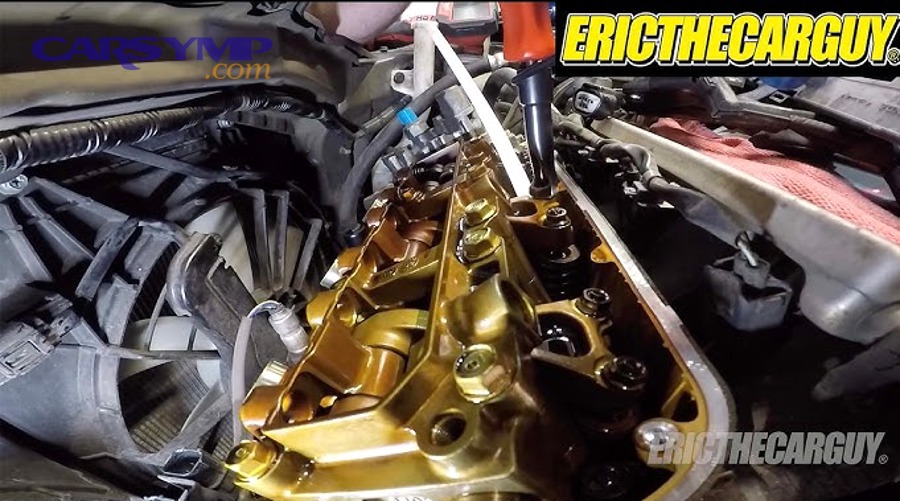
When an engine runs, a small amount of combustion gas slips past the piston rings and enters the crankcase. Engineers call that blow-by. Under normal conditions, the PCV system routes those gases back into the intake so the engine can burn them instead of allowing them to accumulate. If that path becomes restricted, the trapped gases increase internal pressure. Once pressure rises, oil does not need a huge opening to escape. It starts looking for the easiest path out, and the valve cover gasket is often one of the first weak points.
That is why a leaking valve cover does not always mean the gasket was the original cause. Sometimes the gasket is simply the first sealing surface that loses the battle against abnormal pressure. A driver may notice fresh oil around the perimeter of the valve cover, a burnt-oil smell after driving, or even smoke when oil reaches a hot exhaust component. In other cases, the first clue is oil around the PCV grommet or the top of the valve cover rather than the outer edge.
The yes-or-no answer also becomes clearer when you look at recurrence. If a valve cover gasket was replaced recently and the area starts seeping again, the technician should not assume poor gasket quality alone. Pressure, ventilation restriction, or an integrated PCV fault may still be present. That is why smart diagnosis starts with the system, not only the seal.
According to the U.S. EPA’s technical material on positive crankcase ventilation, the PCV system exists to route blow-by gases away from the crankcase and back into the engine for combustion, while AGCO Automotive notes that when crankcase ventilation is restricted, gaskets and oil seals may fail from pressure buildup. ([nepis.epa.gov](https://nepis.epa.gov/Exe/ZyPURL.cgi?Dockey=91010D2I.TXT&))
What Is the Short Answer: Yes or No?
Yes, the short answer is yes: a faulty PCV system can cause or worsen valve cover leaks.
More specifically, the PCV system becomes a leak trigger when it stops relieving crankcase pressure as designed.
That short answer matters because everyday drivers usually ask this question after seeing oil on top of the engine. If the PCV valve sticks shut, if a hose collapses internally, or if sludge blocks a breather passage, pressure rises and the oil leak can appear where the engine is least able to keep oil in. In many engines, that weak point is the valve cover gasket. In some engines, it may also be the PCV grommet, cam seals, front or rear main seal, or other upper-engine sealing surfaces.
The short answer is also not the same as saying the PCV system is always the only cause. Gaskets age, rubber hardens, plastic covers warp, and installation errors happen. But a blocked PCV path changes the environment those seals operate in. A gasket that might have survived years longer under normal pressure may start leaking sooner once crankcase pressure rises.
When Does the PCV System Become the Real Cause of the Leak?
The PCV system becomes the real cause when pressure buildup, not simple gasket age, is what pushes oil past the sealing surface.
Specifically, that happens when the system cannot move blow-by gases out of the crankcase at the rate the engine generates them.
Common examples include a PCV valve stuck closed, a clogged valve, a split but internally restricted hose, sludge in the valve cover passages, or a failed diaphragm in an integrated plastic valve cover. On higher-mileage engines, more blow-by can make the problem worse because the ventilation system has to manage a larger gas volume. On turbocharged engines, diagnosis becomes even more important because pressure control is more complex and an already weak PCV assembly can fail faster.
This is the point where cause and symptom separate. The gasket may be the part that leaks, but the PCV system is the upstream condition that created the pressure imbalance. If you correct only the gasket and leave the ventilation fault in place, you may get a cleaner-looking engine for a while, but not a durable repair.
What Is the PCV System and What Does It Do in an Engine?
The PCV system is an engine ventilation system that removes blow-by gases from the crankcase, controls pressure, and sends those gases back into the intake to be burned.
To better understand valve cover leaks, you need to know that the PCV system manages both emissions and pressure inside the engine.
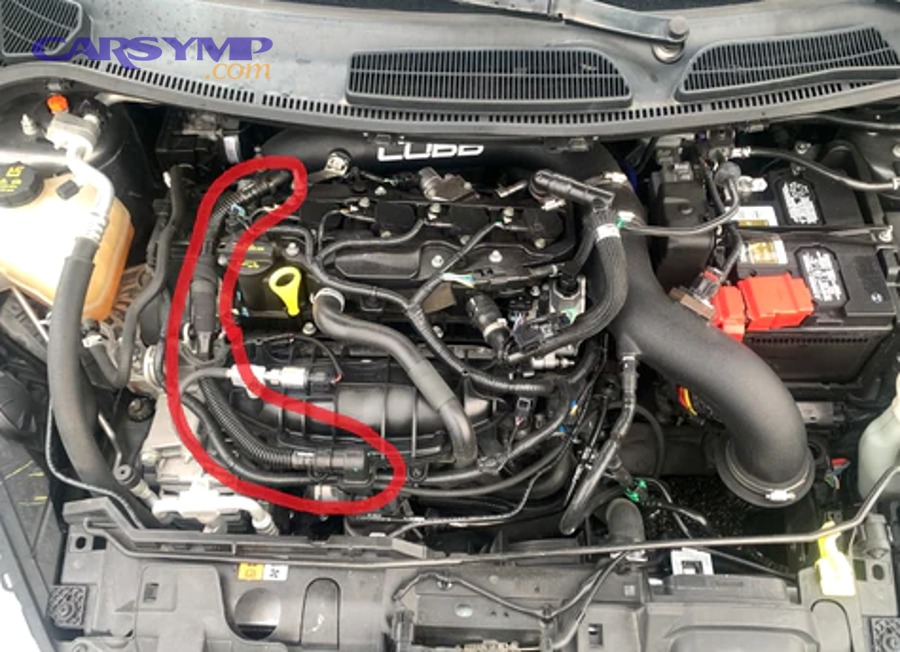
Positive Crankcase Ventilation was introduced to control harmful vapors that would otherwise escape from the crankcase. Those vapors contain unburned fuel, moisture, combustion byproducts, and suspended oil mist. If they stay trapped, they contaminate oil and raise internal pressure. If they are vented openly, they increase emissions. The PCV system solves both problems by using engine vacuum or a controlled pressure path to move gases into the intake stream.
From a practical repair standpoint, the standout feature of the PCV system is pressure regulation. That is the part drivers usually do not think about until oil starts leaking. The system does not simply “vent” the engine. It meters flow under different engine loads, helps keep seals from being overwhelmed, and reduces the amount of moisture and corrosive vapors that remain in the crankcase.
On older engines, the system may be simple: a replaceable PCV valve, a grommet, and a hose. On newer engines, the PCV components may be built into the valve cover, with internal passages and diaphragms. That design can make failure harder to see because the faulty part is not always a separate, obvious valve.
According to AA1Car, blow-by emissions can account for about 20% of a vehicle’s hydrocarbon emissions, which shows how much gas can enter the crankcase and why ventilation matters for both emissions control and oil-seal life. ([aa1car.com](https://www.aa1car.com/library/pcv.htm?))
What Does “Positive Crankcase Ventilation” Mean?
Positive Crankcase Ventilation means the engine actively routes crankcase gases into the intake system instead of letting them collect or vent to the atmosphere.
For example, the word “positive” points to controlled, intentional gas flow rather than passive escape.
That definition matters because the PCV system is not just a hole that lets pressure out. It is a metered path designed to work with engine vacuum, airflow, and internal engine conditions. When the path is open and the valve functions properly, the crankcase stays within a safe pressure range. When the path becomes restricted, the engine loses that control.
This is also why the same engine can show different symptoms at idle, cruise, or load. The ventilation system must adapt to changing operating conditions. A problem that seems minor at idle can become obvious during harder driving when blow-by volume increases and the system can no longer keep up.
Which Parts of the PCV System Matter Most for Leak Diagnosis?
The main parts for leak diagnosis are the PCV valve, hoses, grommets or seals, breather passages, intake vacuum source, and any integrated valve cover PCV assembly.
Next, each of those parts matters because a failure in any one of them can limit flow or create a leak path.
A stuck valve can block ventilation. A collapsed hose can look normal from the outside but restrict flow inside. A cracked grommet can leak oil around the valve area. A clogged breather passage can trap pressure even when the external hose looks fine. In engines with built-in PCV assemblies, the diaphragm or internal channels can fail without an obvious broken hose or loose fitting.
For a driver or technician, that means diagnosis should not stop after checking whether the valve rattles. Rattle tests are helpful on some older designs, but many newer systems need a more complete inspection of vacuum behavior, hose condition, cover passages, and overall leak pattern.
How Does a Faulty PCV System Lead to Valve Cover Leaks?
A faulty PCV system leads to valve cover leaks by allowing blow-by gases to build pressure inside the crankcase, which then pushes oil through the valve cover gasket and nearby seals.
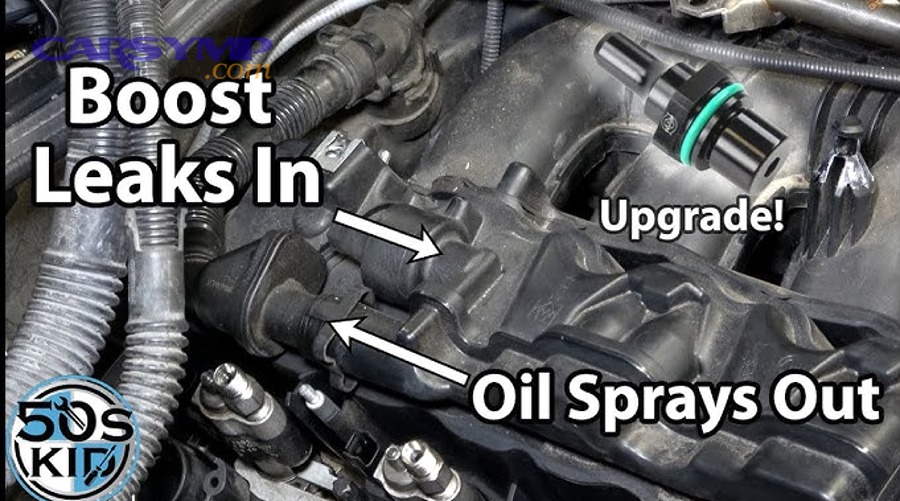
Let’s explore that mechanism step by step, because understanding the pressure path makes the leak much easier to diagnose correctly.
The process starts inside the cylinders. Every engine produces some blow-by as combustion gases slip past the piston rings. Those gases enter the crankcase carrying heat, moisture, fuel residue, and oil mist. Under normal conditions, the PCV system draws them out and feeds them back into the intake. That keeps pressure from building and reduces contamination in the oil.
When the PCV system cannot move those gases, the crankcase becomes a pressurized space instead of a controlled one. Pressure does not just sit harmlessly inside the engine. It acts against seals from underneath. The valve cover gasket is especially vulnerable because it seals a large perimeter area and often sits above a hot, vibration-prone cylinder head. If the gasket is older, hardened, compressed, or installed on a slightly warped cover, it becomes even easier for pressure to push oil past it.
This is why a PCV-related leak often appears as more than a simple wet edge. You may see oil misting higher up, oil collecting around the PCV area, seepage from multiple points, or a leak that gets worse at speed and load. Drivers sometimes report that the engine smells like burning oil after highway driving but not as much during short local trips. That pattern can fit a pressure-related issue because higher load can increase blow-by.
The same pressure logic explains why related sealing points matter too. Spark plug tube seals, filler cap seals, grommets, and other upper-engine rubber parts can begin leaking or sweating oil when the PCV system stops controlling pressure properly. That is why Spark plug tube seal replacement considerations often come up in the same repair conversation as valve cover gasket replacement.
According to AGCO Automotive, restricted crankcase ventilation can cause enough pressure buildup that gaskets and oil seals fail, while DieselNet explains that crankcase blow-by contributes to oil loss and fouling if ventilation is not managed correctly. ([agcoauto.com](https://www.agcoauto.com/content/news/p2_articleid/197?))
How Does Crankcase Pressure Push Oil Past the Valve Cover Gasket?
Crankcase pressure pushes oil past the valve cover gasket by forcing oil mist and liquid oil toward a sealing edge that was designed for normal pressure, not excess internal force.
Specifically, the pressure turns a passive gasket into the weakest exit point.
A valve cover gasket works by maintaining consistent clamping force between the cover and the cylinder head. Under normal conditions, that seal keeps oil in while the engine splashes and circulates lubricant below it. When pressure rises, the seal faces a new job. Instead of only containing oil, it must resist gas pressure pushing upward and outward. If the gasket has hardened with age, if bolts have relaxed slightly, or if the cover surface is not perfectly flat, the pressure finds a path.
That does not always create a dramatic leak right away. It may begin as sweating, then become a film, then visible drips. Drivers often miss the early stage because the leak sits under plastic engine covers or only shows up as a burnt-oil smell. By the time they inspect it, the gasket seems like the obvious cause even though abnormal crankcase pressure accelerated the failure.
Why Can a Leak Look Like a Bad Gasket When the PCV System Is the Real Problem?
A leak can look like a bad gasket because the gasket is where the oil becomes visible even when pressure is the deeper cause.
However, visible leak location and true root cause are not always the same thing.
This is a common diagnostic trap. A mechanic wipes the area clean, sees oil around the valve cover, and reasonably suspects the gasket. That suspicion is often correct at the surface level. The gasket is leaking. But the more useful question is why it is leaking now. If the PCV system is restricted, it may have increased pressure enough to make the gasket fail early or fail again after replacement.
This is also why some owners feel frustrated after paying for a repair that did not last. The new gasket was not necessarily the wrong part to replace; it was just not the whole repair. The ventilation fault remained, so the conditions that created the leak were still there.
What Symptoms Suggest the PCV System Is Linked to a Valve Cover Leak?
The most telling symptoms are oil around the valve cover, a burning-oil smell, repeated seepage after repair, rough idle or whistling, and signs of pressure-related leaks at more than one seal.
In addition, the best clues come from symptom combinations rather than from one sign alone.
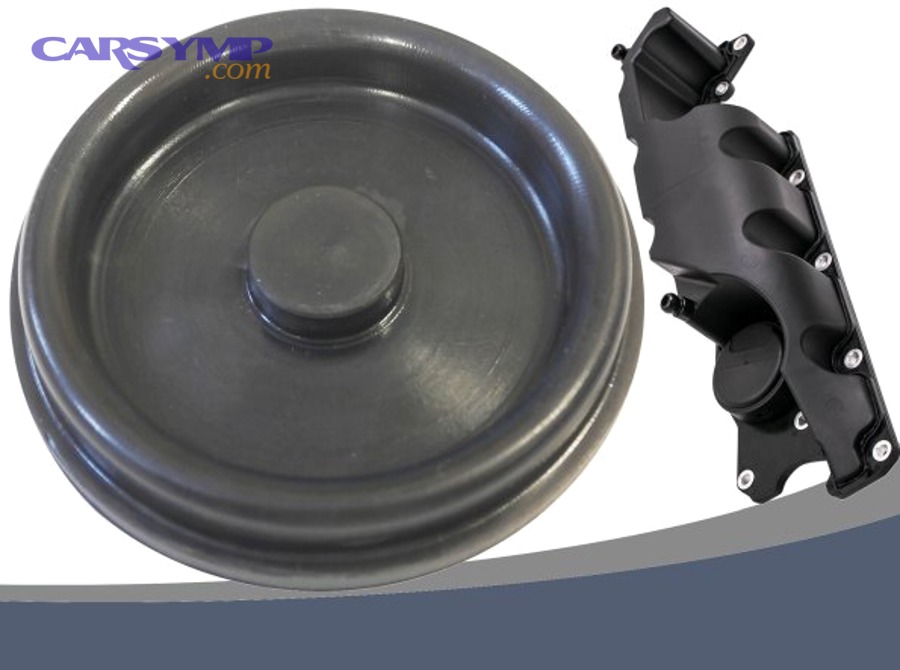
The first group of Car Symptoms is visual. You may see fresh oil around the valve cover perimeter, oil staining near the PCV valve or breather hose, wet spark plug wells, or oil residue on top of the engine. The second group is sensory. Drivers often notice a burnt-oil smell when oil drips onto a hot exhaust manifold or turbo area. The third group is behavioral. Some engines with PCV problems idle poorly, whistle, or create abnormal suction or pressure at the oil cap.
What makes these symptoms useful is the pattern. A normal aging gasket may leak quietly without affecting idle quality. A PCV-related issue is more likely to add extra clues such as whistling, oil around the PCV connection, repeated leaks, or multiple small leaks appearing together. On some engines, the first sign may be oil on ignition coils because oil entered the spark plug tube area. That is why Cleaning oil from ignition coils after leak is not just a cleanup task. It is also part of confirming how far the leak spread and whether ignition performance could be affected.
Symptoms also help determine urgency. A light seep may simply require planned maintenance. A pressure-related leak that worsens quickly can contaminate coils, soften hoses, drip onto hot components, and create smoke or drivability complaints. That is a more urgent situation because the leak is part of a broader system failure rather than a slow, isolated gasket aging process.
According to RepairPal, a clogged or stuck PCV valve can raise crankcase pressure enough to force oil through gaskets and seals, and CarParts notes that oil pooled in spark plug wells usually indicates a leaking component such as a tube seal that is allowing oil to contaminate the plug and coil area. ([carparts.com](https://www.carparts.com/blog/why-are-my-spark-plugs-wet-with-oil/?srsltid=AfmBOookXzDObMR0ZwDqOQnz1ZaTFr9JgOByTDJjLpmBDUTu-v-S9xE8&))
What Are the Most Common Signs of a PCV-Related Valve Cover Leak?
The most common signs are perimeter oil seepage, burnt-oil smell, repeat leaks, oil around the PCV area, wet plug wells, and sometimes idle or vacuum-related symptoms.
More specifically, these signs matter most when they appear together.
A driver may first smell burning oil after parking. Then they may notice oil around the rear of the valve cover where it is hard to see directly. During a tune-up, they may discover oil in one or more spark plug wells. If the leak is advanced, the ignition coil boots may also be oily. In that situation, Spark plug tube seal replacement considerations become part of the repair plan because the tube seals may have failed along with the outer valve cover gasket.
Another common clue is leak recurrence. If the valve cover gasket was replaced recently but oil returned, especially around the same area, the PCV system deserves renewed attention. In some engines, a failed integrated diaphragm or blocked internal passage keeps the crankcase pressurized even after new rubber seals are installed.
Which Symptoms Point to Pressure Problems Rather Than Normal Gasket Aging?
Symptoms that point to pressure problems include multiple leaks at once, fast recurrence after repair, oil around the PCV connection, whistling, and leak severity that increases under load.
Meanwhile, normal gasket aging tends to produce slower, more localized seepage.
A hardened gasket often leaks at corners, curves, or sections exposed to repeated heat cycling. It may seep for months without affecting idle or creating additional symptoms. Pressure-related leaks are more disruptive. They can appear across a larger portion of the gasket, involve nearby seals, or show up again surprisingly soon after repair. If the engine also shows idle issues or unusual crankcase behavior when the oil cap is loosened, ventilation control becomes more likely as part of the problem.
How Can You Tell the Difference Between a PCV-Related Leak and a Bad Valve Cover Gasket?
A bad gasket alone usually causes slow, localized seepage, while a PCV-related leak is more likely to involve pressure clues, repeated leaks, or oil escaping from more than one upper-engine sealing point.
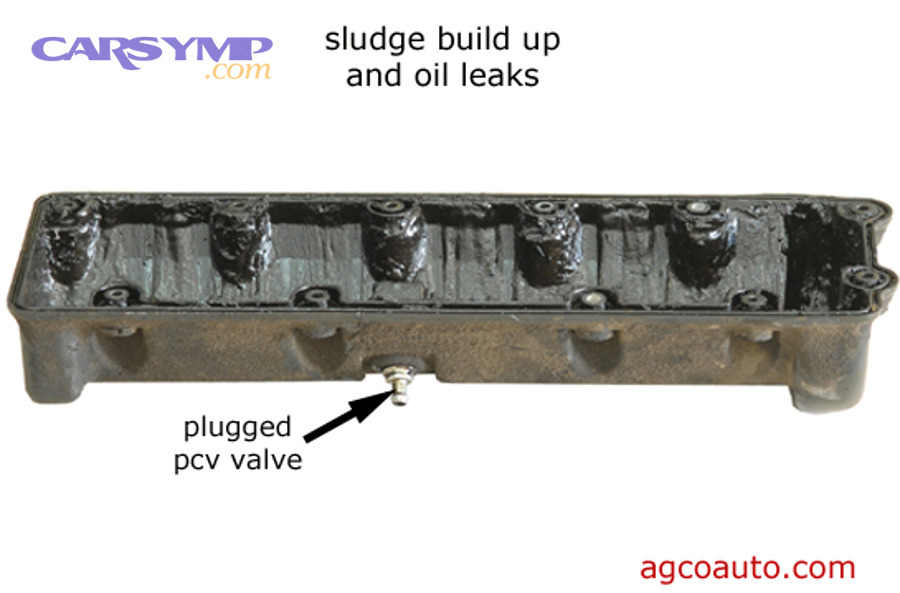
To better understand that comparison, the table below separates the most useful field clues.
The table below compares common leak patterns and diagnostic hints that help distinguish simple gasket wear from ventilation-related pressure problems.
| Clue | Bad Valve Cover Gasket Alone | PCV-Related Leak |
|---|---|---|
| Leak speed | Usually gradual | Can worsen quickly |
| Leak area | Often localized | May spread across more than one area |
| Repeat after recent repair | Less common | More common |
| Idle quality | Usually normal | May be rough or unstable |
| Whistling or suction issue | Uncommon | More likely |
| Oil around PCV valve or hose | Not typical | More suggestive |
| Multiple seals leaking | Less likely | More likely |
| Spark plug well contamination | Possible | More suggestive when combined with pressure symptoms |
The comparison matters because both conditions can exist together. An old gasket may already be weak, and a restricted PCV system may finish pushing it over the edge. In that situation, the right answer is not “gasket or PCV.” The right answer is often “gasket and PCV,” especially on higher-mileage engines or engines with integrated valve cover ventilation assemblies.
That is also why diagnosis should begin with cleaning the area thoroughly. Once the engine is clean, fresh seepage patterns reveal where oil starts. If the oil begins near the PCV area, appears at several points, or returns rapidly after cleaning, pressure management becomes a stronger suspect. If the leak remains confined to one brittle gasket edge and there are no related symptoms, a conventional gasket repair is more likely.
According to the Land Auto Repair article on persistent leaks after valve cover gasket replacement, unresolved PCV faults are one of the reasons oil leaks can continue even after new gaskets are installed. ([thelandautorepair.com](https://thelandautorepair.com/diagnosing-persistent-oil-leaks-post-valve-cover-gasket-replacement/?))
What Leak Patterns Suggest a Worn Gasket Alone?
Patterns that suggest a worn gasket alone include slow seepage, localized wetness, age-related hardening, and no strong signs of crankcase pressure trouble.
Specifically, these leaks usually stay visually tied to the gasket edge.
You may see oil collecting at one corner, at the rear half-moon section, or around a section that sees the most heat. The leak typically gets worse slowly. The engine may smell like oil, but it usually does not develop vacuum-related symptoms or multiple upper-engine leaks at once. In this case, valve cover gasket replacement often solves the issue if the cover surface is clean, flat, and torqued correctly.
What Leak Patterns Suggest the PCV System Is Also Involved?
Patterns that suggest the PCV system is involved include oil around the PCV connection, quick return after repair, multiple seep points, plug-well contamination, and symptoms that change with engine load.
Especially important, these patterns hint that pressure is driving the leak.
When an engine leaks at the valve cover and another seal at the same time, or when oil keeps reappearing soon after repair, ventilation deserves close inspection. The same is true if oil is found in spark plug wells along with a leak at the valve cover edge. In many engines, that means the gasket set and tube seals both need attention, but the PCV system still needs to be checked so the new seals are not placed back into a pressurized environment.
What Should Car Owners Check First Before Replacing the Valve Cover Gasket?
Car owners should first inspect the PCV valve, hoses, breather passages, leak pattern, and spark plug wells so they can tell whether the repair requires the gasket alone, the PCV parts alone, or both together.
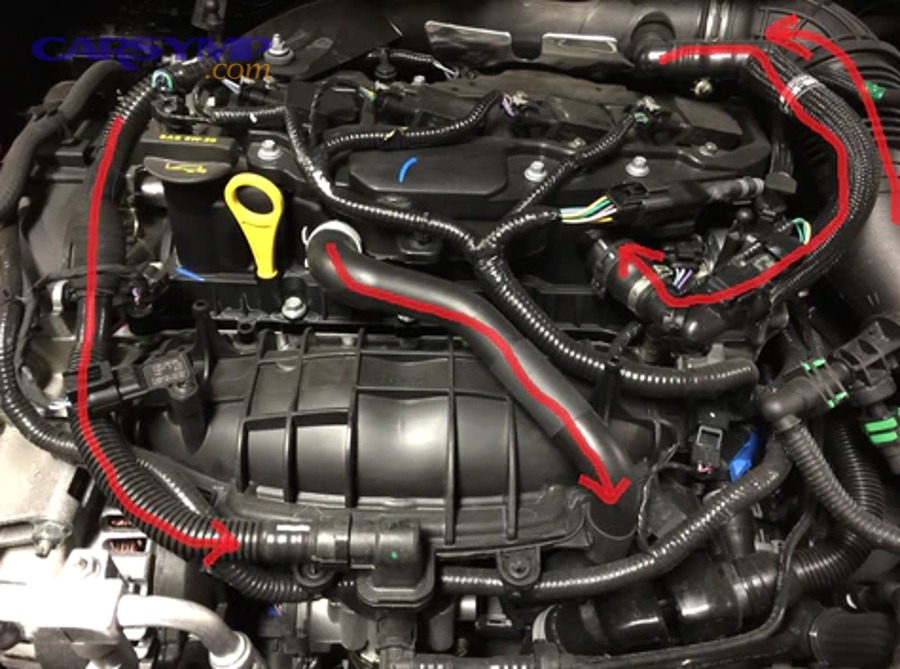
Next, a simple inspection order prevents wasted parts and repeat labor.
Start with a visual check. Look for oil around the valve cover perimeter, the PCV valve area, hose connections, and the top of the cover. Then inspect the PCV hose for cracks, soft spots, or collapse. On older replaceable-valve systems, remove the PCV valve if accessible and inspect its condition. On integrated designs, check for obvious diaphragm or cover-related issues and follow the manufacturer’s service approach.
After that, inspect the spark plug wells if the engine design allows easy access. Oil in the wells strongly suggests that the valve cover gasket set or tube seals are leaking. That is where Spark plug tube seal replacement considerations become important. Some gasket kits include the tube seals, but some do not. If the wells contain oil and only the perimeter gasket is replaced, the repair may remain incomplete. Once the leak is fixed, Cleaning oil from ignition coils after leak is also necessary so residual oil does not continue causing odor, dirt buildup, or ignition problems.
Then think about repair scope. If the PCV valve is clogged and the gasket is visibly leaking, it often makes sense to address both at once. Doing so reduces repeat disassembly and gives the new gasket a better chance to last. If the gasket is dry but the PCV valve area is leaking at the grommet or hose connection, the repair may center on the PCV component and seal instead. If the cover is warped or the integrated PCV assembly has failed, the correct fix may be a full cover assembly rather than a gasket alone.
According to AGCO Automotive, replacing the PCV valve together with its grommet or O-ring can prevent recurring sealing problems at that connection point, and CarParts notes that oil in spark plug wells points to a leaking seal that can also wet ignition components. ([agcoauto.com](https://www.agcoauto.com/content/news/p2_articleid/197?))
Which PCV Components Should Be Inspected First?
The first components to inspect are the PCV valve or diaphragm, hoses, grommets, valve cover passages, and vacuum connection to the intake.
To illustrate why, each of these parts can either restrict flow or create a direct leak point.
If the valve is replaceable, check whether it is heavily contaminated, stuck, or incorrectly fitted. Inspect the hose bends because some hoses crack externally while others soften and collapse internally. Look at rubber grommets and seals for hardening or splitting. On integrated systems, inspect the cover for signs of diaphragm failure, unusual suction behavior, or oil accumulation around internal ventilation outlets.
A clean inspection also helps. If the engine is coated in old oil, spray-and-wipe cleaning makes fresh leak origin much easier to identify. That step is simple, but it prevents guesswork.
When Should You Replace the Gasket, the PCV Parts, or Both?
Replace the gasket when the seal itself is clearly aged and leaking, replace the PCV parts when ventilation components are faulty, and replace both when a leak and a pressure problem are present together.
In short, the best repair choice depends on whether the leak is only the result or also the symptom of a deeper ventilation fault.
If the gasket is hard, flattened, and leaking but the PCV system checks out, gasket replacement may be enough. If the gasket is relatively fresh but the PCV valve, hose, or integrated cover assembly has failed, address the PCV issue first and reevaluate. If the engine has a visible valve cover leak plus clear ventilation restriction, the smarter long-term move is usually to repair both together. That reduces repeated labor, protects the new gasket, and addresses the real operating conditions that caused the leak.
What Related PCV and Valve Cover Problems Can Make Leaks Harder to Diagnose?
The most confusing related problems are integrated PCV valve covers, recurrent leaks after recent repairs, turbocharged pressure-control issues, and oil contamination in spark plug wells.
Besides the main leak path, these related conditions deepen the diagnosis because they blur the line between gasket failure and ventilation failure.
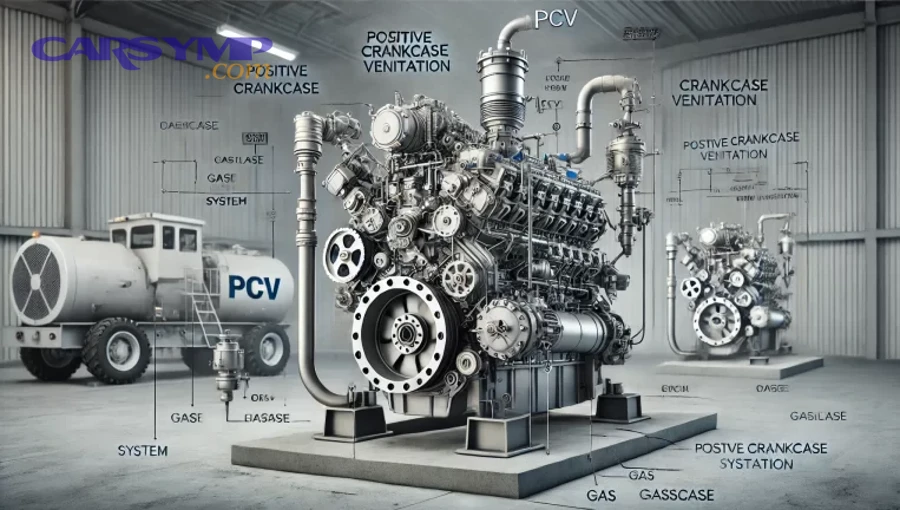
Modern engines often combine several roles into one assembly. A plastic valve cover may include internal PCV passages, a diaphragm, and sealing features that used to be separate parts. When that assembly fails, the engine may leak oil, whistle, idle poorly, or create confusing vacuum behavior. In those cases, replacing only the outer gasket can miss the actual fault.
Recurrent leaks add another layer. If a repair was done recently, people naturally blame the installation. Sometimes that is correct. But sometimes the real issue is that the crankcase is still pressurized, the tube seals were not replaced, or the cover itself is warped. Likewise, turbocharged engines can place more stress on a marginal PCV system because pressure management is more complicated than on a naturally aspirated engine.
Finally, spark plug wells are a major clue. Oil there does not automatically prove the PCV system is bad, but it does prove that upper-engine sealing has failed somewhere. That is why Spark plug tube seal replacement considerations are important in any complete diagnosis, and why Cleaning oil from ignition coils after leak should be treated as part of finishing the job rather than as an optional detail.
What Is Different About Valve Covers With Built-In PCV Systems?
Valve covers with built-in PCV systems combine sealing and ventilation parts into one assembly, which makes failure harder to isolate and sometimes changes the repair from a simple gasket job to a cover-level repair.
More importantly, integrated designs can fail internally without an obvious external broken part.
On these engines, the PCV valve may not be a small standalone component you can replace in minutes. Instead, the cover may contain internal channels and a diaphragm. If that diaphragm tears or if the passages clog, the engine can show oil leaks, suction issues, odd noises, and recurring gasket problems. In that situation, the correct repair may be a full cover assembly rather than only valve cover gasket replacement.
Why Do Some Valve Cover Leaks Come Back After Gasket Replacement?
Some leaks come back because the original repair fixed the sealing edge but not the pressure condition, the tube seals, the cover flatness, or the installation quality.
However, persistent recurrence often points strongly to an unresolved ventilation issue.
If the crankcase still builds pressure, even a new gasket can start weeping again. If the spark plug tube seals were omitted from the repair, oil may continue entering the wells. If the cover surface is warped, the gasket may never clamp evenly. If old oil was not cleaned away, diagnosis can also become confusing because residue makes it look like the leak returned sooner than it did.
How Do Turbocharged Engines Change the PCV Leak Diagnosis?
Turbocharged engines complicate diagnosis because boost pressure and crankcase ventilation control interact more tightly than in many naturally aspirated engines.
Meanwhile, that added complexity means a weak PCV assembly can fail in more noticeable ways.
Under boost, the ventilation system must manage changing pressure conditions without allowing the crankcase to become pressurized. If check valves, diaphragms, or control paths fail, the engine may develop leaks sooner, consume oil, or show unusual pressure behavior. That does not mean every turbo engine leak is a PCV problem, but it does mean PCV diagnosis deserves more weight when leaks recur or appear alongside pressure-related symptoms.
Can Oil in Spark Plug Wells Be Related to the Same PCV Pressure Problem?
Yes, oil in spark plug wells can be related to the same pressure problem because excess crankcase pressure can worsen leakage at tube seals and nearby valve cover sealing points.
To sum up, the well contamination may be a separate seal failure, but it often belongs to the same upper-engine leak story.
Oil in the wells usually points to leaking spark plug tube seals or a gasket design that integrates those seals into the valve cover assembly. If pressure is higher than normal, those seals can leak more readily. That is why Spark plug tube seal replacement considerations should never be separated completely from the wider diagnosis. After the repair, Cleaning oil from ignition coils after leak becomes essential because oil residue on coil boots can attract dirt, retain smell, and interfere with reliable ignition over time.
According to CarParts, oil pooling in a spark plug well indicates a leaking component such as a tube seal, and the corresponding ignition coil can also become wet with oil. ([carparts.com](https://www.carparts.com/blog/why-are-my-spark-plugs-wet-with-oil/?srsltid=AfmBOookXzDObMR0ZwDqOQnz1ZaTFr9JgOByTDJjLpmBDUTu-v-S9xE8&))
In short, the PCV system causes valve cover leaks when it stops venting blow-by gases effectively and allows crankcase pressure to rise beyond what the seals can comfortably contain. For everyday drivers, the practical lesson is simple: do not treat every valve cover leak as a gasket-only problem. Check the ventilation system, inspect the spark plug wells, evaluate the repair scope carefully, and decide whether valve cover gasket replacement, PCV repair, or both together will actually solve the leak the first time.