


Cleaning oil from ignition coils after a leak is possible in many cases, and the right method is to remove the oil carefully, clean the coil boots and surrounding plug wells, dry everything completely, and repair the source of the leak before contamination returns. This matters because oil in the ignition area can cause misfires, rough idle, weak spark delivery, and long-term damage to the coil boots if you ignore it.
The next issue is deciding whether the coil is still usable. In many real-world cases, a lightly contaminated ignition coil can be cleaned and reused, but a coil with swollen rubber, cracked insulation, carbon tracking, or repeated misfire symptoms often needs replacement. That means a DIY car owner should not stop at wiping off visible oil; the condition of the boot and the performance of the ignition system matter just as much.
Then there is the cause of the oil itself. In most engines, oil reaches the ignition coil area because the valve cover gasket or spark plug tube seals have started leaking, and that often overlaps with common Valve cover gasket leak symptoms such as a burning oil smell, oil residue around the top of the engine, or oil pooling in spark plug wells. In some vehicles, increased crankcase pressure also matters, which is why the PCV system link to valve cover leaks should not be overlooked during diagnosis.
Introduce a new idea: a complete repair approach starts with deciding whether the coil is cleanable, then tracing the leak path, gathering the right cleaning supplies, following a safe step-by-step method, checking whether the cleanup actually solved the problem, and finally deciding whether valve cover gasket replacement or further ignition part replacement is necessary.
Can You Clean Oil from Ignition Coils After a Valve Cover Leak?
Yes, you can clean oil from ignition coils after a valve cover leak in many cases because the contamination is often external, the boot can sometimes be restored, and early cleaning can prevent misfires and further insulation damage.
To better understand this issue, you need to separate a reusable coil from a failing one before you spend time cleaning parts that no longer perform properly.
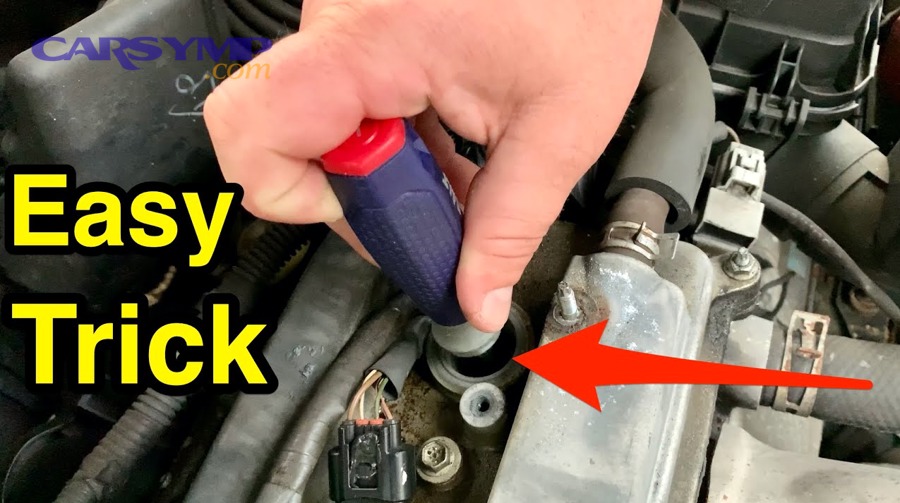
Is it safe to reuse an ignition coil that has oil on it?
Yes, it is often safe to reuse an ignition coil that has oil on it when the contamination is limited to the outside of the coil or the rubber boot, the electrical connector is dry and intact, and the engine did not develop persistent misfire symptoms after the leak. That direct answer matters because many DIY owners assume any oil-covered coil is automatically ruined, but that is not always true.
Specifically, ignition coils fail when heat, vibration, moisture, or chemical exposure breaks down insulation or damages internal windings. Oil by itself does not always destroy the coil immediately. In many engines, the first part that suffers is the rubber boot at the end of the coil-on-plug assembly. If oil sat in the plug well for a short time, and the boot still feels firm, smooth, and properly shaped, cleaning may restore normal service.
A reusable coil usually shows these signs:
- No cracks in the plastic housing
- No melted spots or arcing marks
- No swollen, gummy, or torn rubber boot
- No green corrosion in the electrical connector
- No active misfire after cleanup and reassembly
A practical DIY approach is to inspect the coil body first, then the rubber boot, then the spring inside the boot if your design allows safe removal. If all three areas look sound, cleaning is a reasonable next step. If the engine ran normally before the leak and the contamination is recent, reuse becomes even more likely.
More specifically, the goal is not simply to make the part look clean. The goal is to restore electrical insulation around the plug well so the spark travels through the spark plug instead of leaking across dirty or oil-soaked surfaces. That is why drying matters as much as wiping.
When should you replace the coil instead of cleaning it?
You should replace the coil instead of cleaning it when the boot is cracked, oil has deeply saturated the rubber, carbon tracking is visible, the coil housing is damaged, or the engine still misfires after proper cleaning and leak repair.
However, many DIY owners miss the difference between cosmetic contamination and structural damage. A damaged coil boot often gives the first warning. If the rubber has softened, ballooned, split, or become sticky after long oil exposure, the boot may no longer insulate the spark correctly. In that case, cleaning only removes the surface oil while leaving the real failure in place.
Carbon tracking deserves special attention. These are thin black lines or burned paths along the boot or porcelain area where spark has been escaping. Once that path forms, the ignition system often keeps following it. A badly tracked boot usually returns the misfire even after cleanup.
Replace the coil, boot, or both when you notice:
- Repeated cylinder-specific misfire codes
- Rough idle that returns right after cleaning
- Visible arcing marks
- Torn spring contact or rust on the internal spring
- Engine hesitation under load
- Strong burning smell caused by ongoing leakage and spark escape
In short, cleaning is a maintenance decision, but replacement is a reliability decision. If the part still insulates and carries spark properly, cleanup can work. If the material or electrical path has degraded, replacement is the safer answer.
What causes oil to get on ignition coils in the first place?
Oil gets on ignition coils because a leaking valve cover gasket, failed spark plug tube seals, or excess crankcase pressure allows engine oil to move into spark plug wells where coil-on-plug assemblies sit directly above the plugs.
Let’s explore the cause carefully, because cleaning the ignition coils without fixing the leak source only gives you temporary relief.
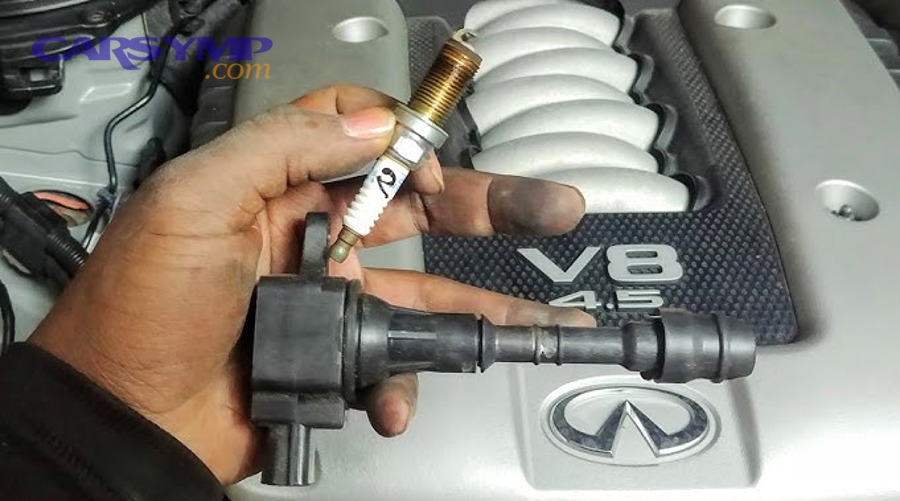
What is a valve cover leak and how does it reach the ignition coil area?
A valve cover leak is an oil leak from the gasket or sealing surfaces at the top of the engine, and in engines with deep spark plug wells, that oil can travel downward into the plug tubes where the ignition coils sit.
To illustrate, the valve cover seals the upper portion of the cylinder head and keeps oil inside while the valvetrain operates. Over time, heat cycles harden the gasket material, reduce elasticity, and allow seepage. Once the seal weakens, oil begins escaping around the perimeter of the cover or through the spark plug tube sealing areas built into the design.
In a coil-on-plug engine, the ignition coil often sits directly above the spark plug inside a narrow well. That means even a small leak can pool around the lower part of the coil boot. When enough oil collects, it can coat the boot, seep onto the plug hex area, and eventually interfere with ignition performance.
Common Valve cover gasket leak symptoms include:
- Oil smell after driving
- Oil residue around the valve cover edge
- Smoke from oil dripping onto hot exhaust components
- Oil found in spark plug wells
- Misfire or hesitation when coil boots become contaminated
More importantly, some leaks do not spread across the whole engine bay. Instead, they stay hidden inside plug wells, so the outside of the engine may look fairly clean while one or two cylinders are already bathing in oil. That is why coil removal is often part of the diagnosis.
Are spark plug tube seals different from the valve cover gasket?
Yes, spark plug tube seals are different from the valve cover gasket, although both may be integrated into the same valve cover assembly and both can cause oil to appear around ignition coils.
Specifically, the valve cover gasket usually seals the outer edge of the cover to the cylinder head. Spark plug tube seals, by contrast, seal the inner tubes that isolate the spark plugs from the oily valvetrain area. When those tube seals harden or shrink, oil can leak directly into the plug wells even if the outer gasket looks less severe.
This distinction matters because a DIY repair may require more than just wiping surfaces and tightening fasteners. In many engines, the real fix is valve cover gasket replacement together with new spark plug tube seals. If you replace only one sealing element when the other has also aged, the oil may return quickly.
In addition, the PCV system link to valve cover leaks deserves attention. A restricted or faulty positive crankcase ventilation system can raise crankcase pressure, which pushes oil past weakened seals more aggressively. That does not mean the PCV valve is always the main cause, but it often contributes to repeat leaks after a gasket has already begun to age.
According to the U.S. Department of Energy’s Fuel Economy guidance, properly operating engine systems reduce wasted fuel and poor performance, and ignition-related issues such as misfires can contribute to inefficient operation.
What tools and materials do you need to clean oil from ignition coils?
You need a safe cleaner, absorbent materials, a method to extract pooled oil, basic hand tools, and a drying aid to clean oil from ignition coils thoroughly and reassemble the ignition area without leaving harmful residue behind.
Below, the key is choosing supplies that remove oil without damaging rubber boots, connectors, or nearby plastic parts.
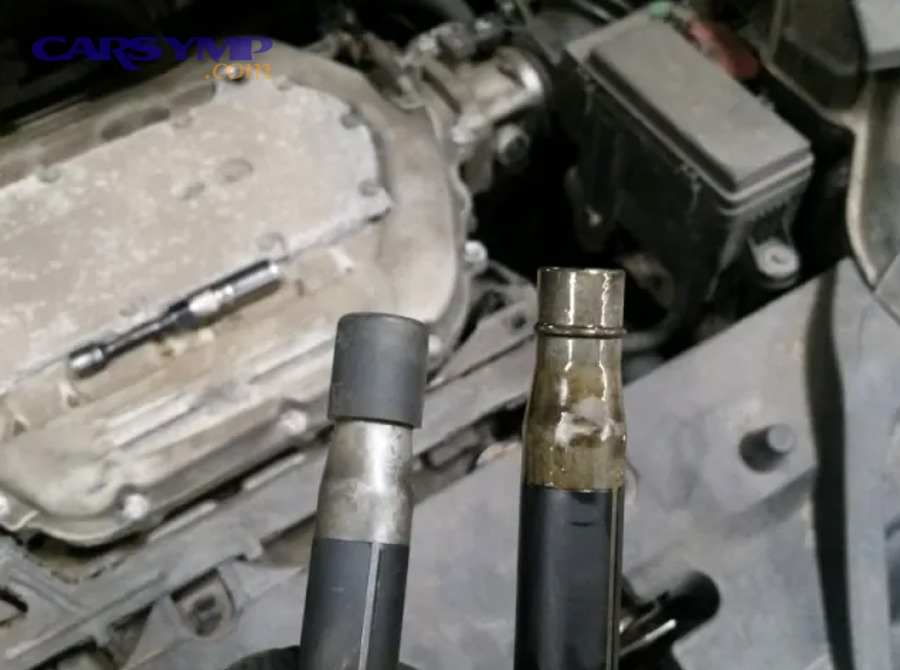
Which cleaners are safe for ignition coils and coil boots?
Electrical-contact-safe cleaner and certain residue-free automotive cleaners are usually the safest options for ignition coils and boots because they evaporate quickly, remove oil film, and reduce the chance of leaving conductive residue behind.
For example, many DIY owners reach for whatever degreaser is nearby, but harsh solvents can dry rubber, discolor plastics, or leave behind an oily film that defeats the purpose of cleaning the ignition area. The safest choice is a cleaner designed for electrical or sensitive automotive use. A light application on a rag or controlled spray into the correct area works better than soaking everything.
A cleaner is generally suitable when it does the following:
- Cuts oil film quickly
- Evaporates without residue
- Does not swell rubber
- Does not attack electrical connectors or plastics
Use caution with aggressive brake cleaner formulations. Some work well for metal surfaces, but others may be too harsh for boots, painted parts, or connector materials. Always direct the spray away from delicate painted surfaces and away from open intake paths.
A simple rule helps: if the product is intended for electrical contacts or residue-free component cleaning, it is usually a better first choice than a generic shop solvent. Apply it sparingly, wipe contamination away, and let the area dry fully before reconnecting power.
Do you need compressed air, absorbent tools, or dielectric grease?
Yes, you often need all three because absorbent tools remove pooled oil, compressed air helps clear residue from tight plug wells, and dielectric grease can support reassembly by helping the boot seal and release correctly.
Then again, each item has a different role, and mixing up those roles causes mistakes. Absorbent towels, lint-free cloths, cotton swabs, or narrow paper shop towels are for lifting oil out of the plug well. Compressed air is for controlled drying and clearing small traces after most of the oil is already removed. Dielectric grease is not a cleaner and not a leak repair; it is a small reassembly aid.
The table below shows what each tool actually does in this job.
| Tool or Material | Main Purpose | Best Use | Main Caution |
|---|---|---|---|
| Lint-free cloth or shop towel | Absorb oil | Wipe coil body and boot | Avoid leaving fibers in the well |
| Cotton swab or narrow towel strip | Reach tight areas | Lift oil from plug well edges | Do not push debris deeper |
| Hand vacuum or suction tool | Extract pooled oil | Remove oil before plug removal | Use gently to avoid dropping debris |
| Compressed air | Dry and clear residue | Blow out well after wiping | Avoid blasting liquid deeper |
| Electrical-safe cleaner | Dissolve residue | Final cleaning of boot and surfaces | Let fully evaporate |
| Dielectric grease | Support boot sealing and future removal | Very thin film inside boot lip | Do not overapply |
More specifically, many DIY mechanics use compressed air too early. That can splash oil deeper into the well or onto surrounding parts. First absorb and extract the oil. Then use air in short, controlled bursts. Dielectric grease comes last, and only in a thin amount where appropriate.
How do you clean oil from ignition coils step by step?
The best way to clean oil from ignition coils is to follow a careful step-by-step process: isolate the area, remove the coil, extract the oil, clean the boot and connector, dry all surfaces completely, inspect the parts, and reinstall only after the leak source is understood.
To better understand the method, think of the job as part cleaning and part contamination control. The biggest mistake is moving the oil around instead of removing it.
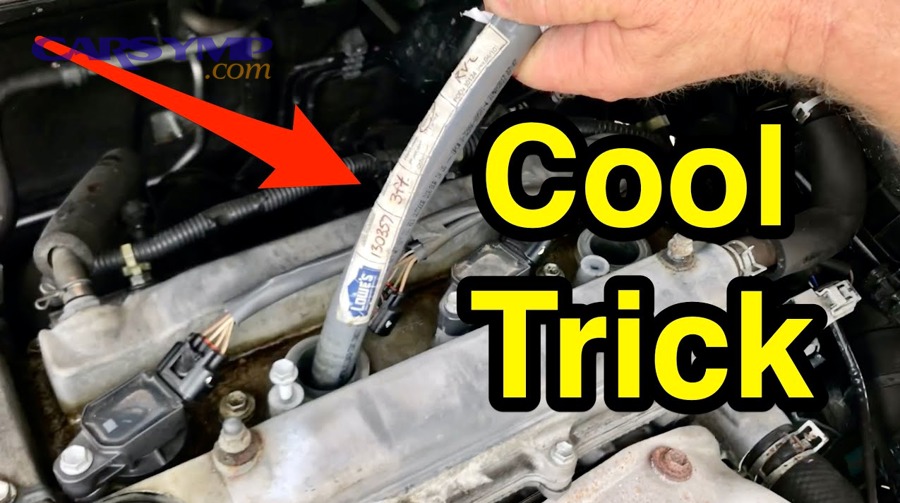
How do you remove oil from the spark plug well without pushing it deeper?
Remove oil from the spark plug well by absorbing or extracting the pooled oil first, then wiping the upper surfaces, and only afterward using controlled spray cleaner or compressed air to finish the job.
First, switch the engine off and allow hot parts to cool. Disconnect the battery if your repair procedure or comfort level calls for extra safety around electrical components. Remove the coil retaining fastener, unplug the connector, and pull the coil upward carefully. If the boot is stuck, twist gently before lifting to avoid tearing it.
Once the coil is out, inspect the well with a light. If you see standing oil, do not remove the spark plug yet. That is a key point. If you pull the spark plug before removing the oil, contamination can drop into the combustion chamber or soak the threads and surrounding surfaces.
Use one or more of these methods:
- Insert a narrow lint-free towel strip and blot the oil upward
- Use a suction syringe, extractor, or gentle hand vacuum
- Wipe the top edges of the well before spraying any cleaner
- Repeat until the visible pool is gone
After most of the oil is removed, apply a small amount of cleaner to a swab or cloth and wipe the inside upper wall of the well as far as you can safely reach. Only then use short bursts of compressed air to clear remaining residue. Keep the nozzle angle controlled so you do not force liquid downward.
This step matters because the entire job depends on contamination control. If you leave oil in the well, the boot will be re-coated as soon as you reinstall the coil. If you blow oil around too early, you spread the problem instead of solving it.
How do you clean and dry the coil boot and connector properly?
Clean and dry the coil boot and connector by wiping off heavy oil first, using residue-free cleaner on a cloth or controlled spray, inspecting the spring and insulation, and allowing full evaporation before reassembly.
Next, focus on the coil itself. Wipe the body and boot exterior with a lint-free rag. If the lower boot is soaked, remove as much oil as possible before using cleaner. Spray the cleaner onto the rag or lightly onto the boot area, then wipe until the surface no longer feels slick.
Look closely at:
- The inside of the boot
- The spring contact
- The plastic neck of the coil
- The connector terminals
- The area where the boot meets the coil body
If the inside of the boot is oily, use a swab or narrow cloth to clean it carefully. If corrosion is present on the spring or connector, light cleaning may help, but severe corrosion often points to replacement. If you see carbon tracking, replacement becomes much more likely.
Drying is not optional. Let the parts air dry completely. Compressed air can help, but only after most liquid cleaner has evaporated. A boot that looks clean but remains wet may still cause ignition leakage. Once dry, apply a very thin amount of dielectric grease inside the top lip of the boot if appropriate for your engine and service preference. Do not pack the entire boot with grease.
After that, reinstall the coil, reconnect the harness, torque any fasteners properly, and check that the coil sits fully on the plug. A loose coil can mimic the same symptoms as contamination.
According to the National Institute for Automotive Service Excellence, proper inspection of ignition components and connectors is a standard part of diagnosing misfire-related faults, especially when contamination affects spark delivery.
How can you tell whether the cleanup worked?
You can tell the cleanup worked when the ignition area stays dry, the engine runs smoothly, no misfire symptoms return, and the cleaned coil no longer shows active arcing, hesitation, or oil recontamination after a short period of driving.
More importantly, you need to verify the result under real operating conditions rather than assuming the job succeeded because the parts look cleaner.

What symptoms mean oil contamination is still causing ignition problems?
Persistent rough idle, check engine light activity, hesitation under load, recurring misfire codes, and a burning smell can all mean oil contamination is still affecting ignition performance.
Specifically, start the engine and listen to the idle. A successful cleanup usually restores a more even rhythm if the contamination was the cause of the misfire. If the engine still shakes, stumbles, or hesitates during acceleration, the coil boot may still be compromised, the spark plug may be fouled, or the well may still contain oil.
Watch for these signs after cleanup:
- Misfire returns on the same cylinder
- Idle improves briefly, then deteriorates
- Engine stumbles on acceleration or under load
- Oil appears again in the well within a short time
- You smell burning oil after the engine reaches temperature
These clues help separate a completed cleanup from a temporary cosmetic improvement. A repeated problem often points back to unresolved sealing failure or a damaged ignition component. In short, the cleaned area should stay electrically stable and physically dry. If either condition fails, the job is not finished.
Should you clean the spark plug too, or replace it?
You can sometimes clean the spark plug if the oil exposure was limited and the plug is still in good service condition, but replacing the plug is often the better choice when oil fouling is heavy, the plug is old, or drivability symptoms were already present.
However, the answer depends on plug age and contamination depth. A nearly new spark plug with light oil on the shell or upper porcelain can often be cleaned as part of the overall repair. A worn plug with an oil-soaked insulator, heavy deposits, or long service mileage is a weaker candidate for reuse.
Replace the spark plug when:
- Service interval is already near
- Oil saturation is severe
- Electrode wear is visible
- Misfire occurred for a prolonged period
- The plug well remained full of oil for some time
A spark plug sits at the center of this entire issue. If you leave a marginal plug in place, you may blame the coil later when the plug was part of the problem all along. For many DIY owners, replacing the affected plug during the repair is cheap insurance.
According to NGK Spark Plugs’ technical service guidance, fouled or contaminated spark plugs can reduce combustion efficiency and drivability, and replacement is often recommended when deposits or contamination affect reliable spark formation.
What should you fix before driving again?
Before driving again, you should fix the leak source, confirm the ignition parts are dry and properly seated, and verify that no cylinder is still misfiring, because cleaning alone does not stop oil from returning.
Besides the cleanup itself, this is the section that turns a temporary fix into a durable repair.

Do you need to replace the valve cover gasket before the oil comes back?
Yes, you usually need valve cover gasket replacement before the oil comes back because a hardened or shrunken gasket will continue leaking, recent cleanup does not restore the seal, and repeated contamination will quickly undo your work.
To better understand why, consider the life cycle of the leak. The gasket failed first. Oil reached the plug well second. The ignition issue happened third. Cleaning only addresses the third stage. It does not reverse the first. That is why the contamination often returns after a short drive or a few heat cycles if the sealing problem remains.
If the engine design uses separate spark plug tube seals, replace those at the same time when appropriate. Inspect the valve cover for warping or cracks, clean the mating surfaces, and torque the fasteners to specification in the proper sequence. Overtightening does not fix a bad gasket and may damage the cover.
A complete sealing repair also reduces common Valve cover gasket leak symptoms beyond the ignition problem, including top-end oil odor and seepage onto surrounding engine surfaces.
Is cleaning enough, or do you also need to repair the leak source?
Cleaning is enough only as a short-term response; a complete repair requires cleaning plus repairing the leak source, checking the PCV system, and confirming that the ignition components have not already been damaged by prolonged oil exposure.
Moreover, this is where long-term reliability is decided. If you skip the sealing repair, the oil returns. If you ignore the PCV system link to valve cover leaks, excessive pressure may keep stressing even a new gasket. If you reinstall a damaged coil boot, the misfire may continue even after the engine is dry.
A smart DIY checklist before returning the vehicle to normal use includes:
- Repair the valve cover gasket and tube seals if leaking
- Inspect the PCV valve or ventilation path
- Replace damaged boots, coils, or spark plugs as needed
- Verify dry plug wells after a short test drive
- Recheck for stored or pending misfire codes
In short, the cleanup solves the immediate contamination. The leak repair solves the cause. Together, they restore ignition reliability and help prevent a repeat failure.
According to emission-control guidance from the U.S. Environmental Protection Agency, ignition misfires increase hydrocarbon emissions and reduce proper combustion, which is why unresolved ignition faults should be corrected rather than ignored.
How does cleaning ignition coils compare with replacing oil-damaged ignition parts?
Cleaning wins when contamination is recent and the parts remain structurally sound, while replacement is best when oil exposure has caused material damage, repeated misfires, or visible electrical tracking that cleaning cannot reverse.
Meanwhile, this comparison helps DIY owners avoid two common mistakes: replacing every part too early or trusting damaged parts for too long.

What is the difference between a cleanable coil boot and a permanently damaged one?
A cleanable coil boot still holds its shape, remains elastic without becoming gummy, shows no burn paths, and seals the spark plug well correctly, while a permanently damaged boot has cracks, swelling, soft spots, or carbon tracking.
For example, fresh oil on a healthy boot usually wipes away, and the rubber still feels stable afterward. A damaged boot tells a different story. Oil may have penetrated the material, the surface may feel softened, and the insulating value may have dropped. Once that happens, the spark can leak across the boot instead of jumping the plug gap properly.
A cleanable boot usually has:
- Firm rubber texture
- Smooth interior and exterior surfaces
- No visible arcing lines
- Strong spring contact
- No deformation at the sealing lip
A permanently damaged boot often has:
- Sticky or swollen rubber
- Splits near the lower end
- Black tracking lines
- Distorted fit on the plug
- Persistent misfire despite cleaning
This distinction matters because the boot is often the first casualty of prolonged oil exposure, even when the coil body itself still functions.
Does prolonged oil exposure damage ignition coils more than a fresh leak?
Yes, prolonged oil exposure usually causes more damage than a fresh leak because the oil has more time to soften rubber, trap heat, hold dirt against insulating surfaces, and encourage repeated misfire or arcing events.
Specifically, duration changes the repair strategy. A fresh leak caught during routine maintenance may leave the ignition coil serviceable after cleanup. A long-term leak often contaminates multiple related parts and makes replacement more likely. Dirt mixed with oil becomes abrasive sludge, and repeated heat cycles drive that contamination deeper into contact areas.
A fresh leak often means:
- Surface contamination
- Limited boot exposure
- Better chance of reuse
- Lower risk of spark escape
A prolonged leak often means:
- Saturated boots
- Carbon tracking
- Plug fouling
- Greater chance of replacing the boot, plug, or coil
That is why early action is valuable. The sooner you clean and repair the leak, the more likely you are to save the ignition components.
Can dielectric grease help protect the coil boot after cleaning?
Yes, dielectric grease can help protect the coil boot after cleaning by improving moisture resistance, reducing sticking during future service, and supporting a stable seal at the proper contact points, but it does not repair damaged rubber or stop active oil leaks.
However, this product is often misunderstood. Dielectric grease is not a cure for contamination, and it is not a substitute for valve cover gasket replacement. Use only a thin film where appropriate, usually around the inside lip of the boot or manufacturer-recommended contact areas. Too much grease can trap debris or create mess in tight wells.
Its best benefits are:
- Easier future removal
- Added moisture resistance
- Improved sealing feel at the boot lip
- Reduced chance of tearing during removal
Its limits are equally important:
- It cannot reverse carbon tracking
- It cannot harden soft rubber
- It cannot seal a leaking engine
- It cannot make a bad coil good again
Used correctly, it is a finishing aid. Used as a substitute for diagnosis, it becomes a distraction.
Are coil-on-plug systems more sensitive to oil contamination than older ignition setups?
Yes, coil-on-plug systems are more sensitive to oil contamination than many older ignition setups because each coil sits directly over the spark plug in a narrow well, which places the boot and spark path close to any oil that leaks into the tube.
More specifically, older distributor-and-wire systems keep many ignition components farther from the plug well. A coil-on-plug design improves spark control and efficiency, but it also means an oil leak above the plug affects the coil assembly much more directly. That design is why oil in a modern plug well can create a misfire faster than many drivers expect.
The advantage of understanding this design is simple: once you know how vulnerable the plug well area is, you stop treating the leak as a minor cosmetic issue. You inspect earlier, clean more carefully, and repair the sealing system before ignition performance declines further.
In short, cleaning oil from ignition coils after a leak is often possible, but the real success comes from making the right judgment call. Clean reusable parts thoroughly, replace damaged ones decisively, fix the sealing failure completely, and check the PCV system link to valve cover leaks so the problem does not return.