


Spark plug tube seal replacement matters when oil starts entering the spark plug wells, because the problem usually points to a failed sealing system rather than a dirty plug alone. In practical terms, car owners should think about leak confirmation, related gasket condition, ignition contamination, and engine design before ordering parts or starting the job.
That first decision naturally leads to diagnosis. Oil in a plug well often suggests worn tube seals or a leaking valve cover gasket, but the right repair depends on whether the leak is isolated, whether the cover is warped, and whether the engine uses replaceable seals or an integrated valve cover design.
The next key question is repair scope. Many owners search for a simple seal swap, but real-world repairs often overlap with valve cover gasket replacement, bolt grommet renewal, spark plug inspection, and sometimes coil boot cleaning or replacement. That is why one leak can turn into a broader sealing-service decision.
Finally, replacement quality determines whether the fix lasts. Proper cleaning, correct torque, the right parts, and attention to crankcase ventilation all affect long-term results. Introduce a new idea: the sections below walk through what to inspect, what to replace, and when early action saves more time and money than waiting for misfires or repeat leaks. )
What are the key spark plug tube seal replacement considerations for car owners?
The key spark plug tube seal replacement considerations are leak confirmation, related gasket condition, ignition contamination, engine design, and installation quality. To better understand the issue, it helps to treat the repair as a sealing-system diagnosis instead of a single-part swap.
Do spark plug tube seals need replacement as soon as oil appears in the plug wells?
Yes, spark plug tube seals often need replacement when oil appears in the plug wells because the leak usually means the sealing surface has hardened, shrunk, or lost clamping support. However, the presence of oil does not always mean the tube seals alone are the only failed part.
A small film of oil and a deep puddle do not carry the same urgency. Light seepage may allow a short inspection window, but pooled oil around the plug body or coil boot should move the repair higher on the list. Oil around ignition components can soften boots, trap dirt, and increase the odds of a misfire after the engine heats up. If the engine already runs rough, the repair is no longer preventive; it is corrective.
This is also why owners should resist the temptation to wipe the wells clean and move on without checking the source. Cleaning helps diagnosis, but it does not restore elasticity to a worn seal. If oil reappears after a short period, the leak path is active and the job should be planned as more than cosmetic maintenance. CarParts notes that oil pooled in the spark plug well indicates a leaking component such as a tube seal, while 1A Auto explains that oil in the well can accumulate until it affects drivability and may trigger a check-engine light. ([carparts.com](https://www.carparts.com/blog/why-are-my-spark-plugs-wet-with-oil/?srsltid=AfmBOooTiivTo5yJ07O_3zh5SJhzpcwDf0I9lSvDjzqcEX5pMrYPWDBm&))
What should car owners check before replacing spark plug tube seals?
Car owners should check at least eight items before replacing spark plug tube seals: plug wells, valve cover gasket, ignition coils, spark plugs, tube surfaces, valve cover flatness, PCV function, and fastener/grommet condition. Next, each item changes the repair decision in a practical way.
Start with the plug wells themselves. If only one well is damp, the leak may be localized. If several wells show oil, the broader valve cover sealing system may be aging as a set. Then inspect the ignition coils and coil boots. Oil contamination does not always ruin them immediately, but it does tell you whether the leak has already spread beyond the seal.
Spark plugs also deserve a separate look. Oil on the outside of the plug usually points to a tube-seal or upper leak, while oil on the firing end may signal internal engine oil control problems instead. That distinction prevents the common mistake of blaming every oily plug on the same cause. CarParts specifically separates oil contamination in the well from oil entering the combustion chamber, which is useful when symptoms appear similar from above. ([carparts.com](https://www.carparts.com/blog/why-are-my-spark-plugs-wet-with-oil/?srsltid=AfmBOooTiivTo5yJ07O_3zh5SJhzpcwDf0I9lSvDjzqcEX5pMrYPWDBm&))
Also inspect the valve cover, especially around the spark plug tube openings and bolt holes. A cracked or warped cover can defeat even good new seals. AGCO notes that some engines use separate press-in tube seals, while others package them with the cover or gasket set, and proper torque in the specified pattern matters because overtightening or incorrect units can create rework.
Finally, check crankcase ventilation. Excess crankcase pressure pushes oil against sealing surfaces that would otherwise hold. A sticky or poorly functioning PCV system may not be the only cause of leakage, but ignoring it can shorten the life of a fresh repair. A case study from ME Wagner explains that rising crankcase pressure can push oil past engine seals and gaskets even when the sealing parts were otherwise capable of holding. ([mewagner.com](https://mewagner.com/?p=2173&))
What are spark plug tube seals and how do they relate to valve cover gaskets?
Spark plug tube seals are sealing components around the plug tubes that keep engine oil out of the spark plug wells, and they work as part of the broader valve cover sealing system. More specifically, they are closely related to the perimeter gasket rather than completely separate from it.
What is a spark plug tube seal?
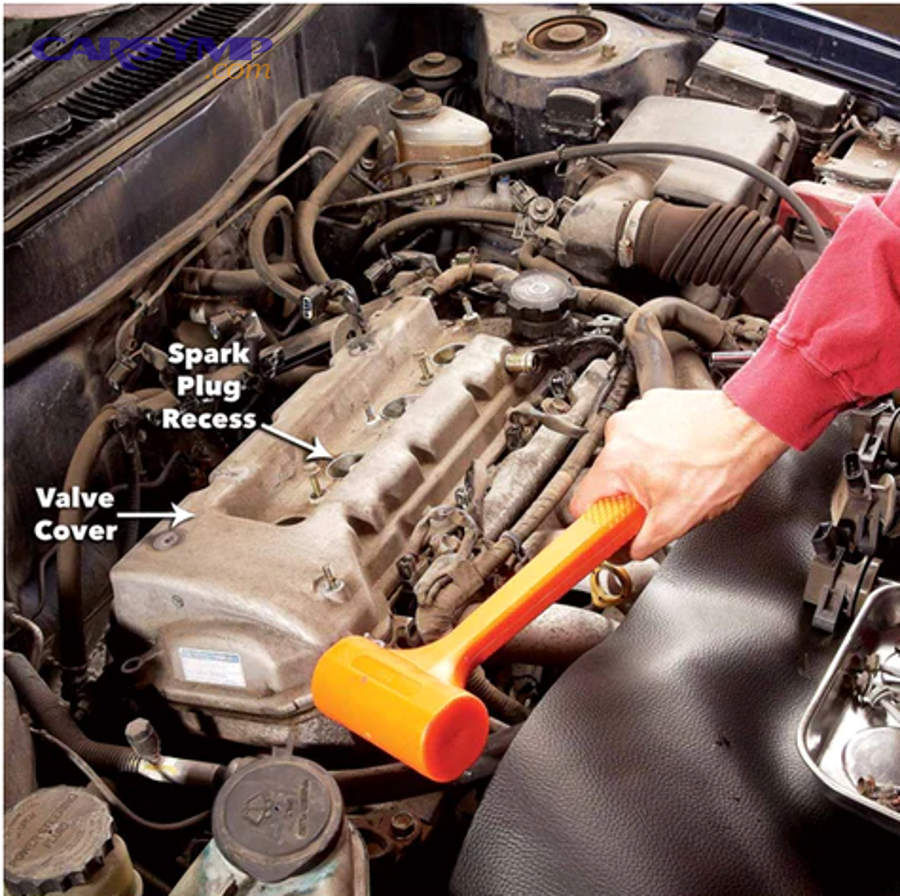
A spark plug tube seal is a ring-shaped seal that closes the gap where the spark plug tube passes through the valve cover or head area. In use, it prevents engine oil from migrating into the well that houses the spark plug and ignition boot.
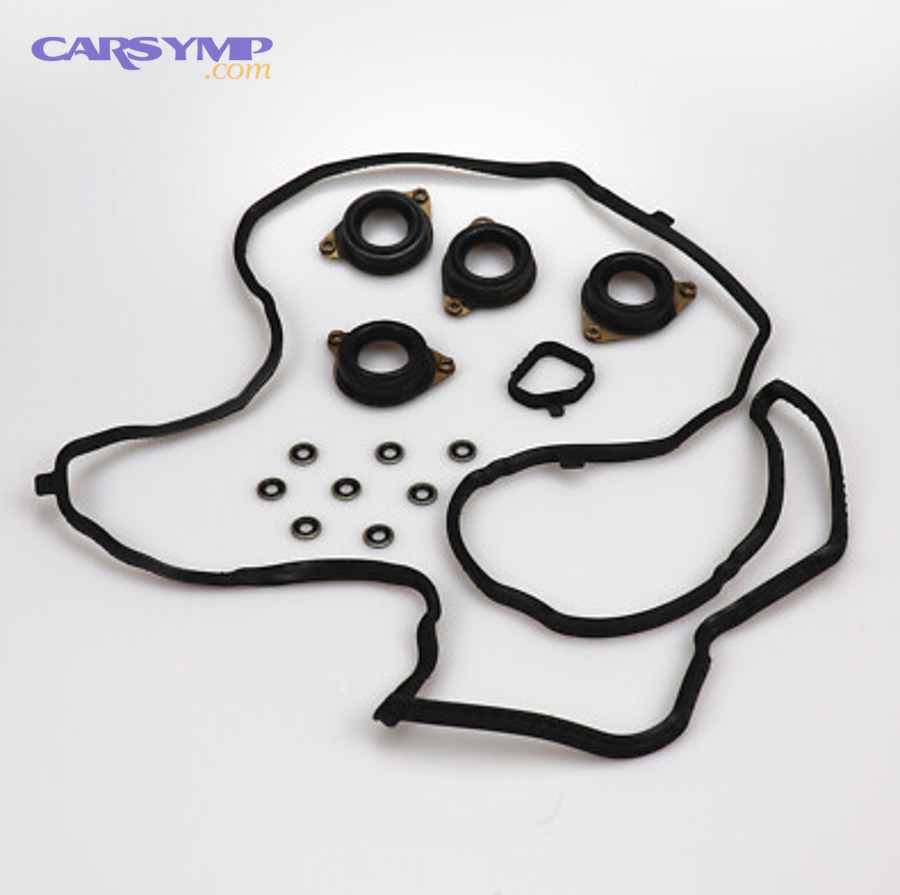
On many engines, the spark plug sits below the valve cover, which means the cover must seal not only around its outer perimeter but also around the vertical plug passages. That is why a valve cover can look dry around the edge while still allowing oil into the middle plug wells. The seal may be molded into the gasket set, sold separately, or integrated into the cover design.
This relationship matters for parts ordering. Some repair kits include the outer gasket and tube seals together, while others do not. Some Nissan and Infiniti-style applications are known for using valve cover assemblies where the tube seals are not serviced separately, which changes both labor strategy and parts cost. AGCO highlights that exact distinction and notes that buying only the outer gasket may not solve the leak when the tube-seal design is separate or integrated into the cover itself.
What is the difference between a spark plug tube seal and a valve cover gasket?
The spark plug tube seal controls oil around the plug well, while the valve cover gasket controls oil around the outer cover perimeter; when both age together, a combined repair is often the better option. However, each part fails in a slightly different way.
The outer gasket usually leaves oil around the valve cover edges, exhaust-side smell points, or top-of-head seepage. By contrast, the tube seal usually leaves oil down in the spark plug well, on the plug threads, or on the ignition coil boot. The repair overlap comes from access: once the valve cover is off, both sealing elements are exposed, and labor is already invested.
That is the reason the phrase valve cover gasket replacement keeps appearing alongside spark plug tube seal problems. The two parts are meronymically related: both are pieces of the same sealing assembly. If an owner asks for a Valve cover gasket replacement cost estimate or compares Valve cover gasket replacement labor time between shops, the estimate often changes depending on whether the tube seals, bolt grommets, or even the full cover must be replaced too. ([justanswer.com](https://www.justanswer.com/car/0rnzh-oil-1-3-spark-plug-wells.html?))
How can you tell whether spark plug tube seals are actually leaking?
You can usually tell spark plug tube seals are leaking by finding oil in the plug wells, oil on coil boots, repeat seepage after cleaning, and symptoms that match an upper sealing failure. To better understand the leak, compare the location of the oil with other possible sources.
What are the common signs of bad spark plug tube seals?
There are six common signs of bad spark plug tube seals: oil in the wells, oily plug threads, oil on coil boots, burning smell, intermittent misfire, and recurring contamination after cleaning. Specifically, the pattern matters more than a single symptom viewed alone.
If the plug well contains standing oil, the leak is already established. If the coil boot is slick with oil, the contamination has moved upward. If the engine misses under load or after warm-up, oil may be interfering with ignition insulation rather than the spark plug gap itself. Some engines also develop a burnt-oil smell if the broader valve cover gasket is leaking externally at the same time.
It also helps to observe frequency. A one-time oily smear after recent service could come from a spill. Repeated oil return after cleaning points much more strongly to an active seal problem. 1A Auto describes oil in the plug well as a problem because it can build on the ignition coil and spark plug until it causes runability issues and possibly a warning light. )
Could oil in the spark plug well come from something other than the tube seals?
Yes, oil in the spark plug well can come from something other than the tube seals, including a leaking valve cover gasket, spilled oil during maintenance, a cracked cover, or pressure-related leakage. However, those causes still point back to the same broader inspection zone.
A spilled top-off or sloppy service usually leaves a less organized mess across the cover and nearby hardware rather than a repeat pattern inside a single tube. A cracked valve cover may show staining near structural features or bolt bosses. A perimeter valve cover gasket leak can also run inward or downward in ways that make the tube area look guilty when the leak path actually started elsewhere.
The simplest way to sort this out is to clean the area, inspect the cover, and watch where fresh oil begins. CarParts separates upper-well contamination from internal oil-burning causes, while AGCO emphasizes looking for cracked covers, hardened gaskets, and the exact seal design before assuming a single-part fix will work. ([carparts.com](https://www.carparts.com/blog/why-are-my-spark-plugs-wet-with-oil/?srsltid=AfmBOooTiivTo5yJ07O_3zh5SJhzpcwDf0I9lSvDjzqcEX5pMrYPWDBm&))
When should spark plug tube seals and valve cover gaskets be replaced together?
Spark plug tube seals and valve cover gaskets should be replaced together when both show age, the cover is already coming off, or the engine design links the parts in one service operation. In addition, bundled replacement often reduces the chance of repeat labor.
Should spark plug tube seals be replaced alone or with the valve cover gasket?
Spark plug tube seals alone can work when the outer gasket is clearly healthy and the design allows separate service, but a full valve cover gasket replacement usually makes more sense when access overlaps and material aging is similar. In practice, most older engines do not age one sealing surface in isolation.
If the outer gasket feels hard, the bolt grommets are flattened, or the cover shows multiple seep points, replacing only the tube seals is a partial reset. The labor is already committed once the cover comes off, so leaving old perimeter seals in place can create a second leak shortly after the first repair. On the other hand, on a newer engine with a clean outer perimeter and obviously localized well seepage, a targeted seal repair may be reasonable if the parts catalog supports it.
The comparison below summarizes what that decision usually looks like in the shop.
| Repair approach | Best when | Main benefit | Main risk |
|---|---|---|---|
| Tube seals only | Localized leak, separate serviceable seals, outer gasket still healthy | Lower parts spend | Outer gasket or grommets may fail soon after |
| Tube seals + gasket set | Aging seals across the cover, cover already removed | Better long-term sealing reset | Slightly higher parts cost |
| Full valve cover assembly | Integrated-seal design, warped/cracked cover, non-serviceable seals | Fixes seal and cover issues together | Highest parts cost |
That table shows why car owners often hear mixed advice. A valve cover gasket replacement cost estimate can rise if the tube seals, bolt grommets, or full cover assembly must be added, but the more complete repair can still be the better value if it prevents duplicate labor later. AGCO notes that some engines require a new valve cover because the tube seals are not available separately, and that reality changes both parts sourcing and repair scope.
What related parts should be replaced during the same repair?
The related parts most often replaced during the same repair are the valve cover gasket, bolt grommets, spark plugs if fouled, coil boots if oil-damaged, and PCV components if pressure issues are present. Next, the idea is not to create a parts cannon; it is to prevent a half-finished job.
Bolt grommets matter because they affect clamping force. Old ones compress and harden, which can make torque feel correct while actual sealing load is uneven. Spark plugs should be inspected for oil contamination, carbon tracking, and age. If the plugs are already due, changing them during access avoids repeating work. Coil boots can often be cleaned, but boots that are swollen, cracked, or heavily saturated may continue causing trouble.
PCV inspection belongs here too. A fresh gasket set cannot fully compensate for abnormal crankcase pressure. ME Wagner’s explanation of crankcase pressure and oil leaks helps frame why related ventilation parts deserve attention during sealing work, especially on engines with a history of repeat seepage. ([mewagner.com](https://mewagner.com/?p=2173&))
What installation factors affect whether the new tube seals will last?
New tube seals last when the design is identified correctly, the mating areas are cleaned properly, the cover is flat, and the bolts are torqued in the correct pattern and units. More importantly, good parts cannot overcome bad installation habits.

Are all spark plug tube seal designs replaced the same way?
No, all spark plug tube seal designs are not replaced the same way, because some press into the cover, some come in gasket kits, and some are built into the valve cover assembly. Therefore, service method must match design before the first bolt is loosened.
A press-in design often requires careful removal and seating of each seal without distorting the cover bore. A molded kit design may be more straightforward but still depends on surface prep and uniform clamping. An integrated-cover design may eliminate separate seal handling but raises parts cost and makes cover condition critical.
This is where many DIY jobs go wrong. Owners read generic DIY valve cover gasket replacement steps and assume every engine follows the same sequence, but the service parts architecture changes the job. AGCO specifically warns that tube seals may be separate, packaged with the gasket, or unavailable except with a new cover, and that asking for the tube seals separately may be necessary when ordering parts.
What installation mistakes can cause spark plug tube seals to leak again?
The main installation mistakes are poor surface cleaning, incorrect seal seating, wrong torque, uneven tightening, reused hardened grommets, incorrect sealant use, and ignoring a warped cover. Specifically, these mistakes create repeat leaks even when the new parts are technically correct.
Surface preparation matters because leftover oil film, old seal residue, or debris can prevent uniform contact. Seal seating matters because a cocked press-in seal may look installed from above while leaving a tiny leak path around the bore. Torque matters because small valve cover bolts are often measured in inch-pounds, not foot-pounds. That conversion error alone can crack plastic covers, distort aluminum covers, or crush grommets.
Sealant is another common trap. Some engines require small RTV dabs at specific timing cover joints; others do not want blanket sealant spread around the entire gasket. Generic over-application can squeeze inward, create debris, and make the next service harder. AGCO stresses the need for the specified torque and pattern and notes that confusing inch-pounds with foot-pounds causes major problems.
Is spark plug tube seal replacement worth doing early?
Yes, spark plug tube seal replacement is worth doing early because it limits oil contamination, reduces the chance of ignition problems, and prevents repeat labor from a worsening leak. In short, early repair protects both drivability and repair efficiency.
Can delaying spark plug tube seal replacement damage ignition components?
Yes, delaying spark plug tube seal replacement can damage ignition-related components because oil contamination weakens coil-boot insulation, attracts debris, and encourages misfire conditions. Then, what began as a seal issue can become a tune-up issue as well.
Not every oily boot fails immediately, but prolonged soaking is not neutral. Heat cycles allow oil to creep into areas that are hard to clean perfectly, and the extra contamination can create intermittent faults that are frustrating to diagnose later. If the engine already has marginal coils or overdue plugs, the leak accelerates those weaknesses.
1A Auto notes that oil in the well can pile up on the ignition coil and spark plug until it creates runability issues. That does not mean every leak instantly destroys a coil, but it does support the idea that waiting rarely makes the repair simpler. )
What happens if you ignore a leaking spark plug tube seal?
If you ignore a leaking spark plug tube seal, the usual outcome is more oil in the wells, greater ignition contamination, a higher chance of rough running, and a more expensive repair scope later. Thus, delay turns a contained leak into a layered maintenance problem.
The first stage is nuisance seepage. The second stage is pooled oil and dirty boots. The third stage often includes misfire symptoms, repeated cleaning, or discovery that the outer gasket, grommets, or PCV problem was also left unresolved. At that point, labor and parts both tend to increase.
This is why owners comparing valve cover gasket replacement labor time should think beyond the book number alone. A smaller, earlier job is usually easier than one performed after the wells have filled with oil, the coils have been soaked, and the cover has leaked long enough to hide secondary faults.
What secondary issues can affect spark plug tube seal replacement results?
The secondary issues that affect spark plug tube seal replacement results are oil-damaged ignition parts, seal material quality, integrated cover designs, and valve cover distortion or torque errors. Below, these supporting issues expand the topic beyond the core yes-or-no repair decision.
'/><path d='M520 150 L670 150' stroke='%236b7280' stroke-width='6' marker-end='url(%23a)'/><defs><marker id='a' markerWidth='10' markerHeight='10' refX='8' refY='3' orient='auto'><path d='M0,0 L0,6 L9,3 z' fill='%236b7280'/></marker></defs></svg> "Key Spark Plug Tube Seal Replacement Considerations for Car Owners: When to Replace Seals and Valve Cover Gaskets 8")
Can oil-damaged ignition coils and boots need replacement after a tube seal leak?
Yes, oil-damaged ignition coils and boots can need replacement after a tube seal leak, especially when the leak has been active for a long time or misfire symptoms continue after cleaning. However, not every contaminated coil is automatically unusable.
A practical rule is to inspect first, clean carefully, and judge by condition and symptoms. A boot that wipes clean and still fits tightly may continue serving well. A boot that is swollen, split, or carbon-tracked should not be trusted. Likewise, a coil that still produces a stable spark may survive, but one tied to repeated misfire codes or rough operation deserves closer testing.
What is the difference between OEM and aftermarket spark plug tube seals?
OEM and aftermarket spark plug tube seals differ most in fit consistency, material quality, and kit completeness, with OEM usually favored for exact fit and better-known durability while quality aftermarket kits can offer better value. Meanwhile, the best choice depends on the engine and supplier reputation.
The important point is not branding alone but dimensional accuracy and rubber quality. A low-cost kit that looks correct can still create trouble if the seals are too hard, too soft, or slightly off in profile. On engines with sensitive cover bores or integrated designs, fit quality matters even more because installation margin is smaller.
Do some engines use integrated valve covers instead of replaceable tube seals?
Yes, some engines use integrated valve covers instead of replaceable tube seals, which means the entire cover must be replaced when the sealing area fails. More specifically, this design changes the job from gasket service to component replacement.
That is one reason one owner’s DIY valve cover gasket replacement steps may not match another owner’s repair at all. One engine may accept inexpensive service parts; another may require a full cover assembly with built-in sealing surfaces. AGCO notes that a few engines, including some Nissan and Infiniti designs, do not offer these seals without buying a new valve cover.
Can a warped valve cover or poor torque sequence cause repeat spark plug tube seal leaks?
Yes, a warped valve cover or poor torque sequence can cause repeat spark plug tube seal leaks because clamping force becomes uneven and the new seals cannot sit evenly around the plug tubes. Besides, repeat leaks often reflect mechanical distortion rather than bad luck.
Plastic covers can warp with age and heat. Metal covers can distort from overtightening or past service errors. When the cover cannot sit flat, fresh rubber simply conforms to a bad surface and eventually leaks again. This is why careful sequencing and correct torque values matter as much as part choice. AGCO’s service guidance emphasizes the specified torque pattern and warns that torque-unit mistakes can create expensive rework.
In sum, spark plug tube seal replacement is most successful when car owners diagnose the leak path correctly, match parts to the engine design, and treat the repair as part of the full valve cover sealing system. That approach makes the job more durable, makes valve cover gasket replacement decisions clearer, and helps keep a minor oil seep from turning into a misfire-prone repeat repair.