


Labor time to replace a ball joint is usually measured in hours, and the “right” estimate depends less on the part itself and more on the vehicle’s suspension layout, fastener condition, and whether the joint is integrated with other components.
To help you plan realistically, this guide breaks down typical labor-hour ranges, the step-by-step work that consumes time, and the specific “time traps” that turn a simple job into an all-day fight—especially on older, rust-prone vehicles.
Beyond the baseline hours, you’ll also learn how upper vs lower placement changes access, how front vs rear setups differ, and which tools meaningfully reduce time for home mechanics.
Giới thiệu ý mới: Below are the direct, practical estimates and the factors that move your labor time up or down so you can book a shop appointment—or set your DIY weekend—without guessing.
What is the typical labor time to replace a ball joint on most vehicles?
Typical labor time to replace a ball joint often falls between 1.0–3.5 hours per side, but simple bolt-on designs can be quicker while press-fit designs, rust, or extra disassembly can push it higher. To connect this estimate to your car, you need to classify the joint type and access path first.
To start, think of labor time as the sum of access + separation + installation + verification, because each phase has predictable delays depending on design.
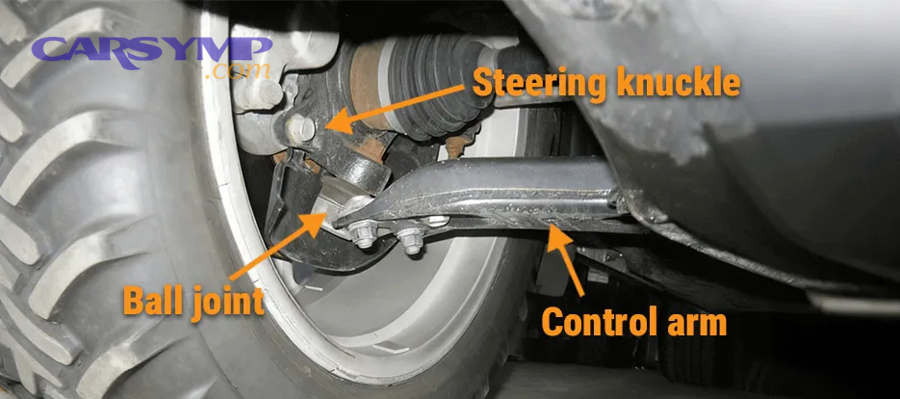
Baseline ranges you can use for planning
A practical “planning range” is the fastest realistic time for an experienced tech, plus extra margin for corrosion and learning curve. After that, you can adjust upward using the factors in the next sections.
To keep it usable, here are common baseline ranges many drivers use when discussing ball joint replacement labor time (the exact book time varies by model, but the workflow constraints are consistent):
This table helps you translate joint design and access into a rough hour window before you call shops or start DIY prep.
| Scenario | Access/Design Clue | Planning Labor Time (per side) |
|---|---|---|
| Easy access, bolt-on joint | Joint bolts to control arm/knuckle; minimal disassembly | ~1.0–1.8 hours |
| Moderate access, mixed disassembly | Wheel hub/knuckle needs repositioning; stubborn separator step | ~1.8–2.8 hours |
| Press-fit joint in control arm or knuckle | Requires press tools, adapters, careful alignment | ~2.5–4.5 hours |
| Rust/seized hardware, added steps | Heat, penetrating oil cycles, possible hardware replacement | ~3.5–6.0+ hours |
Why “per side” matters more than “both sides” in real life
Replacing the second side is often faster because tools are out, steps are familiar, and the work area is already staged. However, the “faster second side” assumption fails if one side is heavily rusted or damaged from impact.
Next, we’ll pinpoint the exact factors that swing labor hours so you can adjust the baseline to your specific situation.
Which factors change labor hours the most for replacing a ball joint?
The biggest labor-time multipliers are joint retention method (bolt-on vs press-fit), corrosion level, and how many surrounding parts must be moved to free the steering knuckle or control arm. After that, torque-to-yield fasteners, limited clearance, and sensor wiring can add unexpected minutes that stack into hours.
To estimate accurately, treat labor as “disassembly difficulty” plus “installation precision,” because those are where time expands.
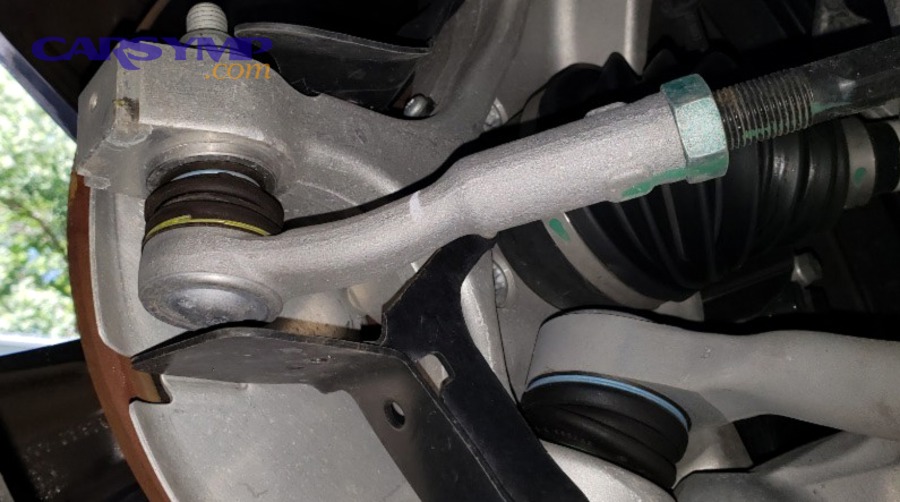
Retention method: bolts vs press fit
Bolt-retained joints are usually faster because removal is mechanical and repeatable: unbolt, separate taper, swap, torque. Press-fit joints are slower because the press setup, adapter selection, and alignment require care—plus stuck joints can fight the press and waste time.
To keep your language consistent when comparing designs later, remember: retention method is the single best predictor of whether your estimate should start near ~1–2 hours or closer to ~3–5 hours.
Corrosion, seized tapers, and damaged boots
Rust increases labor in two ways: it blocks the “separation” step (taper fit won’t release) and it increases the chance of collateral issues (rounded hardware, torn boots, cracked dust shields). Heat cycles, penetrating oil dwell time, and careful hammering are time-consuming even when done correctly.
Next, we’ll map how the joint’s location—upper/lower, front/rear—changes access and therefore labor time.
How do upper vs lower ball joints affect labor time?
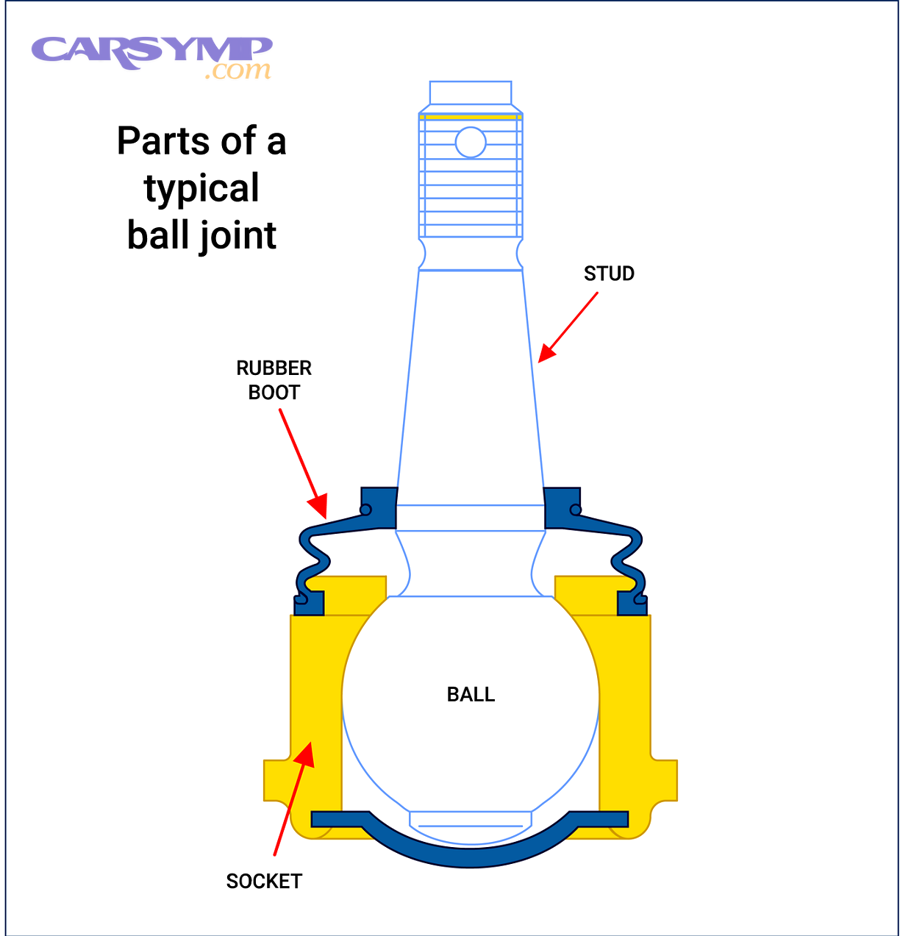
Lower joints often take longer because they carry more load, can be harder to access near the axle/knuckle, and sometimes demand extra disassembly to safely unload the suspension. Upper joints may be easier on some trucks, but on certain designs they’re integrated or blocked by tight packaging, which can erase the advantage.
To understand the time difference, focus on which joint requires the steering knuckle to be supported and how far it must swing out of the way.
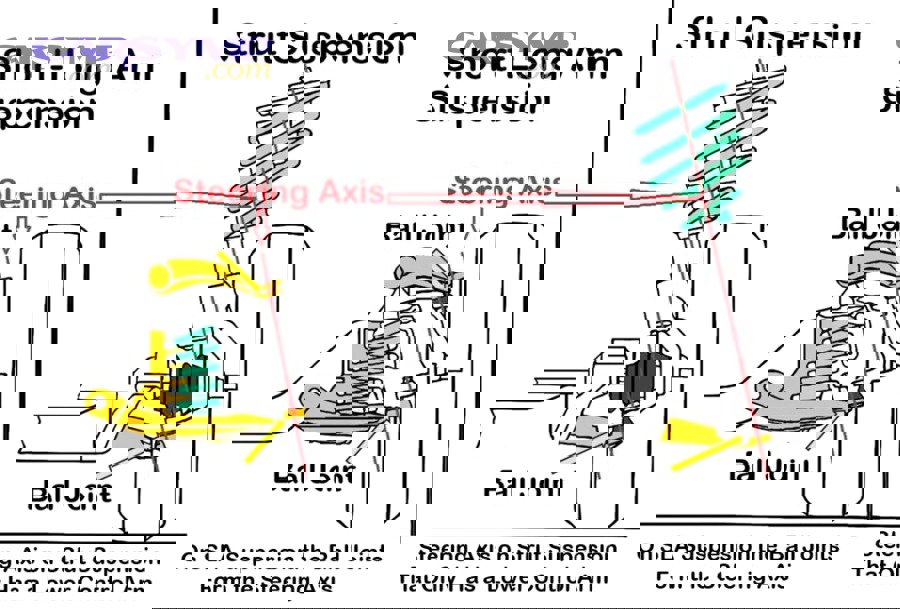
Load path and “unloading” the suspension
The joint that carries the primary vertical load typically forces you to manage spring pressure and suspension geometry more carefully. That means extra minutes spent positioning a jack, supporting the control arm, and preventing sudden movement during separation.
To reduce time safely, the key is not rushing the unload step—because a rushed unload leads to tool slips, damaged boots, and rework.
Access constraints around axles and brakes
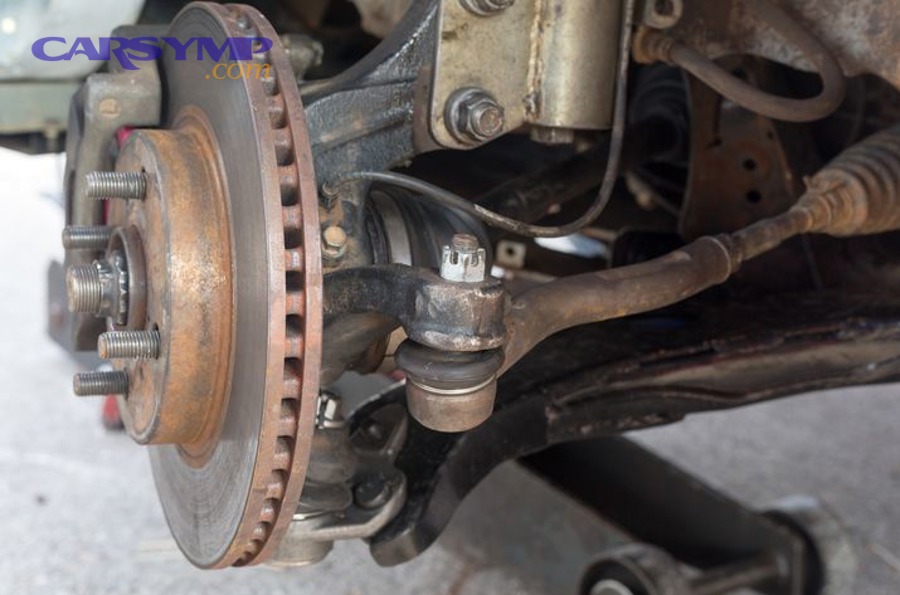
On front-wheel-drive vehicles, the CV axle and hub area can crowd the lower joint. The more components you have to move—caliper bracket, rotor, ABS wire clips, axle nut clearance—the more time the job consumes.
Next, we’ll broaden this into full suspension layouts so you can “predict” labor time from your vehicle type before you even lift the car.
How does suspension design determine the steps and time required?
Suspension layout determines labor time because it dictates how the ball joint is captured, where the taper sits, and what must be removed to create clearance for tools. MacPherson strut designs often concentrate components near the knuckle, while double-wishbone designs may offer clearer access but can involve press work or multiple joints.
To estimate quickly, identify whether your front end is strut-based, double-wishbone, or solid axle first.
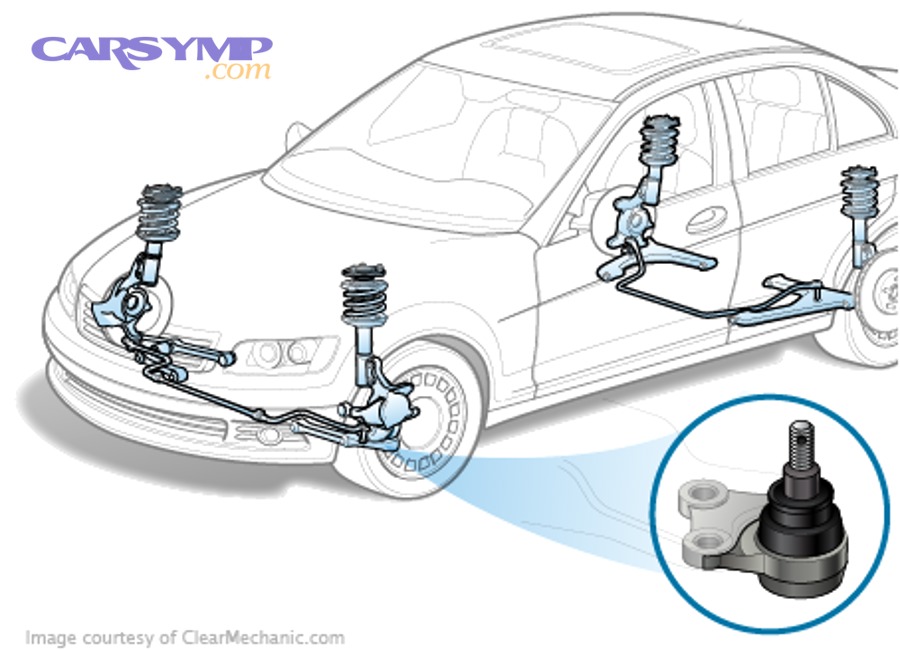
MacPherson strut setups
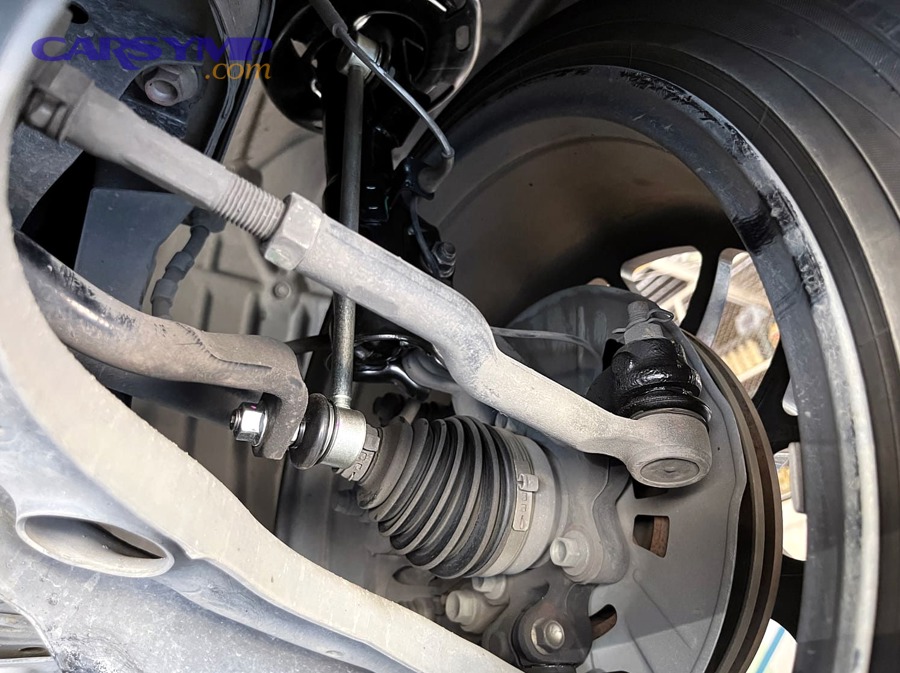
Strut setups frequently require careful knuckle movement and may demand extra attention to avoid straining the CV axle or brake hose. Even when parts count is lower, tight packaging can add time through slower tool positioning and limited swing space.
To keep time under control, you want a clean plan for supporting the knuckle and keeping hoses/wires relaxed.
Double-wishbone and multi-link setups
These designs can provide better access to tapers, but they may introduce press-fit joints or integrated joints that require more specialized tools. Multi-link rear designs can also hide fasteners behind brackets and shields, adding “search time” and reassembly complexity.
Next, we’ll convert these design realities into a step-by-step workflow so you can see exactly where the hours go.
What are the real steps that make this job take 1 hour vs 5 hours?
The difference between a 1–2 hour job and a 4–6 hour job is usually not “turning wrenches,” but setup, separation, and dealing with resistance: staging tools, safely supporting the suspension, releasing the taper, and pressing or aligning the new joint correctly. After that, verification and re-torque also add time when done properly.
To make the timeline concrete, here’s the workflow most technicians follow, with the time-heavy points called out.
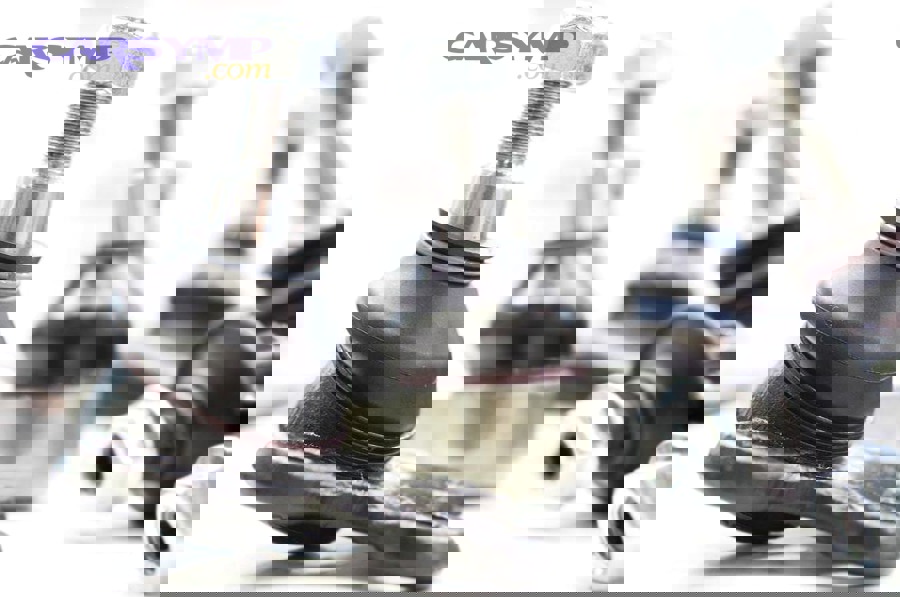
Step 1: Setup and safety staging
Wheel removal, secure jack stands, lighting, and tool layout are “invisible” minutes that still count. Shops do this fast because it’s routine; DIYers often underestimate it.
To speed this up, pre-stage your separator tool, torque wrench, sockets, and any press adapters before lifting the vehicle.
Step 2: Gain clearance without damaging hoses and sensors
Removing the caliper and supporting it correctly avoids hose strain; unclipping ABS wiring prevents accidental yanks. These small steps reduce the chance of rework, which is the real labor-time killer.
Next, separation begins—and that’s where labor time can either stay stable or explode.
Step 3: Separate the taper safely
The taper fit can release quickly or refuse to move depending on corrosion and load. A dedicated separator tool can reduce time, but improper hammering can damage boots or the knuckle.
To maintain momentum, use a repeatable method: correct support under the control arm, controlled force on the taper, and incremental escalation (penetrant, vibration, heat) rather than random impact.
Step 4: Remove and install the joint
If the joint is bolt-retained, this is often straightforward. If it is press-fit, this is where alignment, adapter choice, and press stability dictate whether installation takes 20 minutes or 90 minutes.
Next, reassembly and verification decide whether you’re done—or you’ll be redoing steps after a test drive.
Step 5: Reassemble, torque, and verify
Correct torque, cotter pin placement (where applicable), and a final check for hose/wire routing reduce comebacks. A quick steering sweep lock-to-lock and a visual check for boot twist can save you from repeating the job.
Next, we’ll cover how symptoms and diagnosis affect labor time, especially when you’re paying a shop for inspection plus repair.
How does diagnosis time affect the total appointment duration?
Diagnosis affects total time because shops may bill inspection separately, and because confirming the root cause can require lifting the vehicle, checking play under load, and distinguishing a worn joint from other steering or suspension issues. If you arrive with unclear symptoms, more time is spent verifying before any replacement work begins.
To keep your visit efficient, you want to describe the noise, speed, and conditions that trigger it, then let the inspection confirm the failing component.
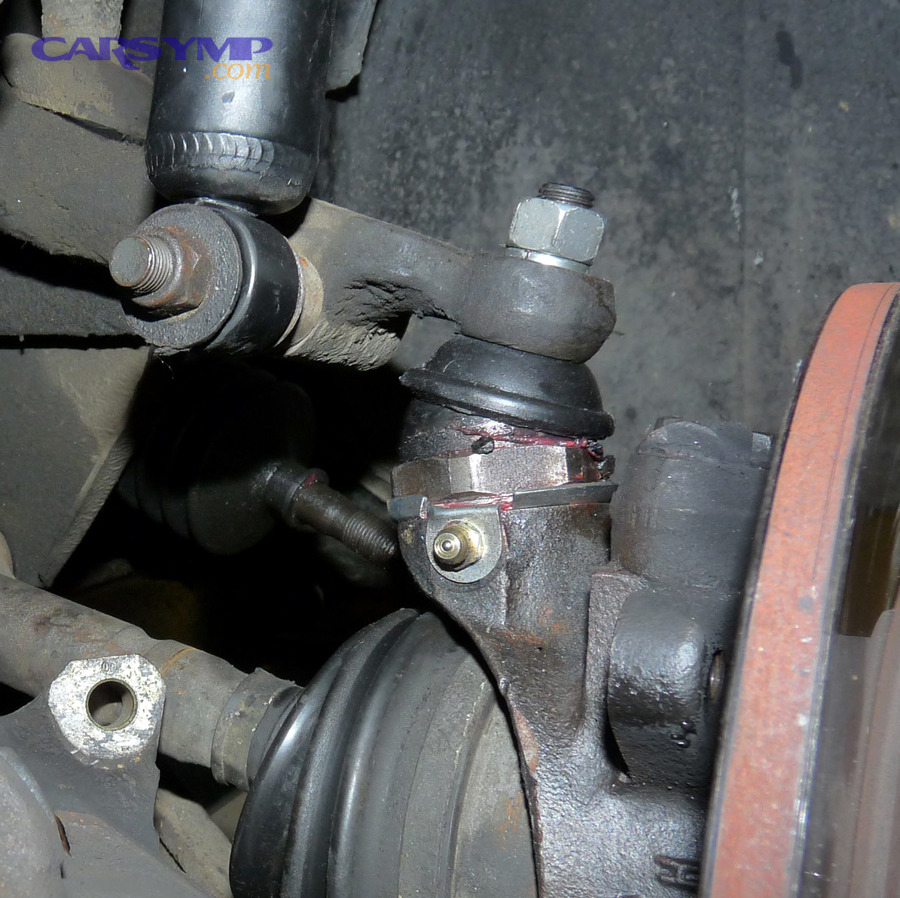
What shops check first during inspection
Common checks include wheel play tests, visual inspection of boots, and observing movement at the joint under leverage. Shops also look for uneven tire wear and abnormal steering behavior during a short road test if needed.
To reduce repeat visits, ask the shop to explain what movement they observed and whether the wear is isolated to one side.
When diagnosis adds meaningful time
Diagnosis adds more time when multiple components show similar symptoms, when aftermarket lift kits change geometry, or when rust prevents quick confirmation. It can also expand if the technician must remove shields or components just to visually confirm the joint condition.
Next, we’ll compare DIY timing to professional timing and show exactly what makes DIY take longer—or occasionally go faster.
Can DIY match shop labor time, and which tools actually cut hours?
DIY can match shop labor time only when access is easy, hardware is clean, and you have the right specialty tools; otherwise DIY tends to take 2–3× longer because of learning curve, tool limitations, and cautious escalation on stuck parts. The biggest time-savers are the correct separator tool and a reliable press system (when needed).
To plan realistically, use the shop-hour estimate as a baseline and add a “DIY multiplier” based on tool readiness and corrosion.
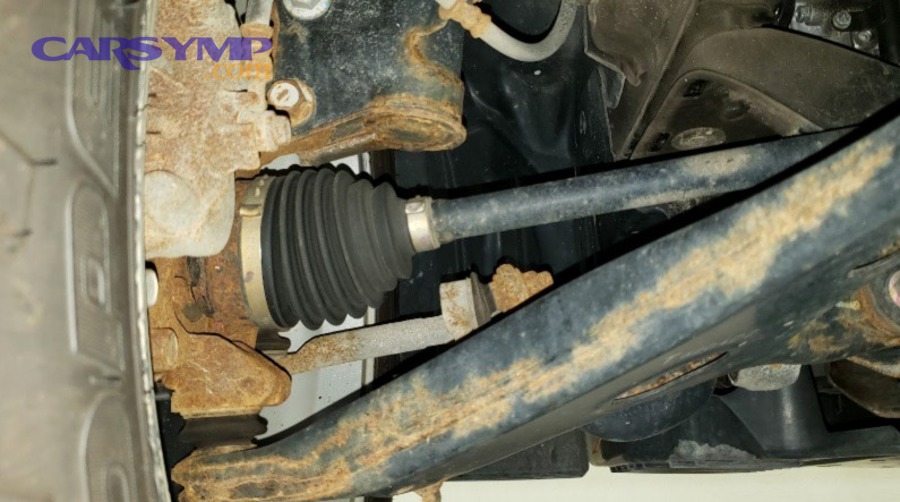
Tools that reduce labor time the most
A dedicated ball joint separator (or appropriate puller), a strong torque wrench, and a stable jack/stand setup reduce wasted time. For press-fit joints, a press kit with correct adapters is not optional if you want predictable progress.
To avoid delays, confirm your press kit matches the joint diameter and that you have clearance to operate it without hitting the axle or chassis.
Why “experience” is really “sequence discipline”
Experienced techs don’t just work faster—they avoid backtracking. They support the knuckle before separation, protect hoses and wires automatically, and choose the correct escalation steps for stuck tapers without damaging surrounding parts.
Next, we’ll cover the most common labor-time surprise: rust and seized fasteners—and exactly when you should add hours upfront.
When should you add extra hours for rust, seized hardware, or damage?
You should add extra hours when the vehicle is older, driven in salted climates, shows heavy underbody corrosion, or has evidence of prior suspension work with rounded fasteners. Rust is a “compound delay” because it slows separation, increases breakage risk, and can force parts replacement that wasn’t originally planned.
To keep your estimate honest, assume at least one stubborn fastener or taper if the vehicle has lived in rust-belt conditions.
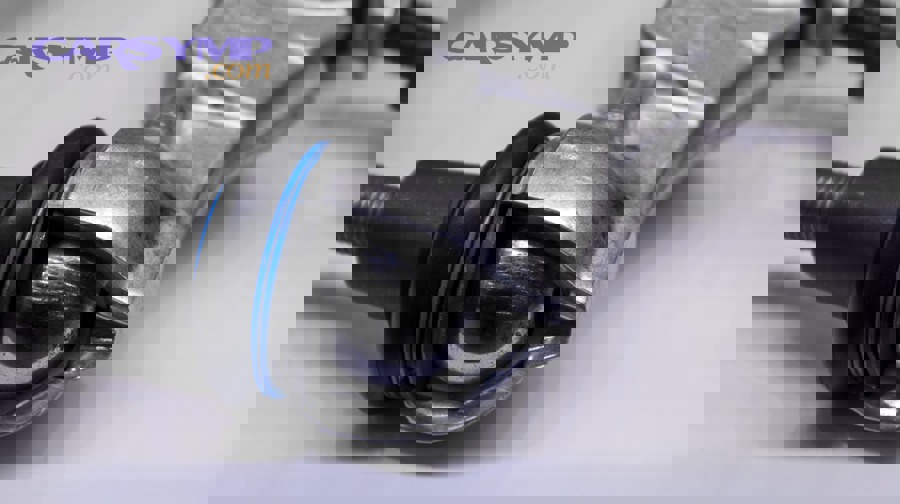
Common rust-time traps
Typical traps include seized pinch bolts, frozen castle nuts, and tapers that won’t release without heat. Another frequent issue is a press-fit joint that “walks” crooked under the press, forcing reset and re-alignment.
To avoid turning a repair into an extraction project, plan for penetrating oil dwell time and have replacement hardware available.
Damage that forces extra disassembly
If boots are torn and contamination has progressed, you may also see nearby wear patterns or looseness that encourages additional inspection. A bent knuckle, damaged control arm bore, or compromised threads can also add time because the repair shifts from swap to corrective work.
Next, we’ll address scheduling and verification steps—especially alignment planning—so your total downtime estimate is complete.
How long will the full appointment take from drop-off to driving away?
Total appointment time is often longer than billed labor time because it includes check-in, inspection, parts sourcing, waiting in queue, and final verification. Even if the repair labor is 2 hours, your car may be at the shop for half a day depending on workload and alignment availability.
To avoid surprise downtime, ask whether the shop can complete verification and any post-repair checks the same day.
Queue time vs wrench time
Shops schedule technicians across many jobs, so your vehicle may wait between steps. Parts delivery can also add hours if the correct joint variant isn’t in stock, especially on less common trims.
To shorten downtime, provide your VIN when booking so the shop can stage parts ahead of time.
Verification time and road test
After installation, a careful check for noise, steering return-to-center, and any looseness reduces comebacks. A short road test and a final torque check are small but meaningful time blocks that signal quality control.
Next, we’ll translate labor hours into what drivers actually want: cost expectations and why estimates vary.
How does labor time translate into cost, and why do quotes vary?
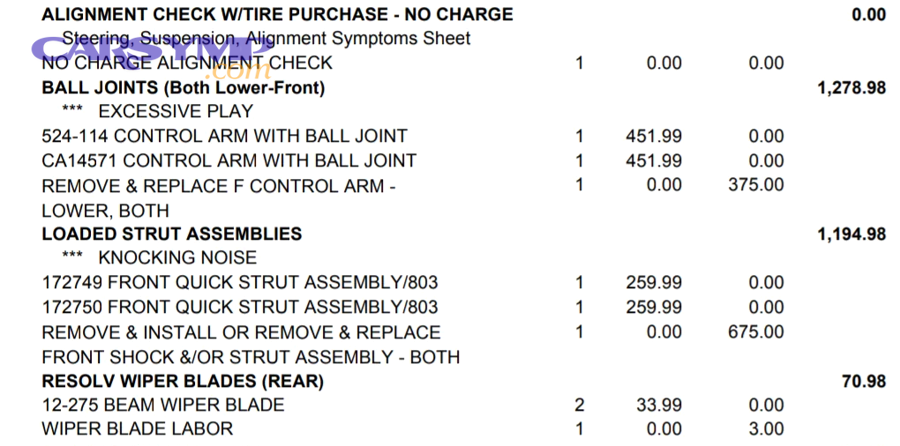
Labor time translates into cost by multiplying the billed hours by the shop’s hourly rate, then adding parts, shop supplies, and taxes where applicable. Quotes vary because shops use different labor guides, different assumptions about corrosion, and different replacement strategies (joint-only vs assembly-level replacement).
To compare quotes fairly, you need to confirm exactly what the quote includes and what it excludes.
What to clarify on a quote
Ask whether the quote includes inspection, hardware, and any related components that must be removed. Also confirm whether the shop is quoting per side or for both sides, and whether the price changes if additional corrosion is discovered.
To keep negotiations grounded, anchor on the labor-hour range first, then discuss hourly rate and parts quality separately.
Why some repairs are billed differently even when steps look similar
A shop may bill extra when specialized press work is needed, when alignment is bundled, or when additional disassembly is required for access. Some vehicles also have joints integrated into larger components, shifting the job from a precision press operation to a broader component swap.
Next, we’ll cover the most important design fork—press-fit vs bolt-retained—in a practical way inside the body text, including how it influences time and risk.
In everyday shop talk, you’ll hear the term “ball joint replacement” used as a catch-all for swapping the worn joint, but the time difference depends on whether the joint bolts on or must be pressed out and pressed in under tight control.
Drivers often ask about Press-in vs bolt-on ball joint differences because press-fit work tends to add setup time, increases the risk of misalignment during installation, and may require more disassembly for tool clearance compared to a bolt-retained joint.
What should you expect if your vehicle requires press work rather than simple unbolting?
If your vehicle requires press work, expect more time spent on tool setup, alignment, and incremental force application—plus additional time if corrosion resists movement. Press work rewards patience: the fastest path is usually the most controlled path, because rushed press alignment can damage bores and cause repeat work.
To keep the estimate accurate, treat press work as a separate “precision phase” rather than a small add-on to disassembly.

Press setup time is predictable—if you have the right adapters
Press operations can be efficient when adapters fit correctly and the press can be operated in a straight line. The delay happens when the joint begins to cock sideways, forcing you to back off, reset, and protect the bore from scoring.
To prevent slowdowns, verify adapter diameter and shoulder contact points before applying force.
Clearance planning prevents half-hour detours
On some cars, the press physically can’t fit without repositioning the knuckle or removing nearby components. That means the “press phase” quietly becomes an “extra disassembly phase,” which is why labor estimates jump.
Next, we’ll address the post-installation reality that affects drivability and total service duration: alignment planning.
Many drivers search for Alignment needed after ball joint replacement because steering and tire wear depend on suspension geometry; the real question is whether your particular job disturbed alignment angles enough to require a correction.
Do you need an alignment afterward, and how does it change total time?
You often need an alignment check after replacing a ball joint because joint wear and reassembly can alter suspension geometry, and even small changes can affect tire wear and steering feel. In practical terms, alignment adds scheduling time and can add 45–120 minutes of shop time depending on equipment availability and adjustments required.
To decide wisely, focus on whether the repair disturbed camber/caster/toe settings or required moving adjustable hardware.
When an alignment is most strongly recommended
If the job involved loosening strut-to-knuckle bolts, moving control arm mounting points, or replacing parts that locate the knuckle, an alignment check is the smart default. Even when adjustments weren’t intended, re-torque and seating can shift angles slightly.
To protect tires, it’s usually cheaper to verify alignment now than to replace tires later.
When you might skip—without gambling
If the joint swap was isolated, hardware positions were marked and returned precisely, and the vehicle tracks straight with no steering wheel off-center, some drivers postpone alignment. However, postponing doesn’t eliminate the need; it just shifts risk onto tire wear.
Next, we’ll connect labor time to symptoms so you can better explain the problem when booking service.
Shops often ask about Ball joint failure symptoms to estimate whether the issue is isolated or part of broader wear, because that influences inspection time and whether related components should be evaluated while the suspension is apart.
Which symptoms suggest the job will be straightforward vs complicated?
A straightforward job is more likely when symptoms are mild, localized, and the joint is clearly the only worn point; a complicated job becomes more likely when there are multiple noises, wandering steering, uneven tire wear, or evidence of long-term neglect that suggests seized hardware and secondary damage. Symptoms guide inspection scope, which affects the clock.
To keep the workflow efficient, match symptoms to driving conditions and share those details with the technician.
Symptoms that usually correlate with a simpler job
Light clunks over bumps, mild looseness detected early, and a boot that’s just beginning to crack often indicate the job is mostly mechanical with minimal collateral damage. If fasteners look clean and the vehicle is newer, labor time tends to stay near baseline.
To confirm quickly, technicians check for measurable play at the joint and compare left vs right side movement.
Symptoms that often correlate with added time
Heavy clunking, visible joint movement, severe tire wear, or steering instability can indicate advanced wear that may have stressed other parts. When combined with corrosion, these cases often include stuck tapers and damaged hardware, turning the job into a multi-step recovery rather than a simple swap.
Next, we’ll place a clear contextual border, then cover rare scenarios that push labor time beyond the normal planning ranges.
Contextual border: Up to this point, you’ve seen the mainstream labor-time drivers—design, access, corrosion, workflow, and alignment scheduling. Next are the less common (but highly time-inflating) scenarios that matter when your vehicle is modified, uncommon, or built with tricky materials.
Rare scenarios that can stretch labor time beyond the average
Rare scenarios stretch labor time because they reduce tool clearance, complicate separation, or require extra care to avoid damaging expensive components like aluminum knuckles or specialized bushings. To plan safely, add time when your vehicle is lifted, heavily modified, or known for tight packaging.
To make this actionable, here are the most common “rare but real” cases that justify padding your estimate.
Lifted or modified suspension geometry
Lift kits can change angles and load paths, making separation harder and increasing the chance that additional components must be loosened for clearance. Even when parts are the same, the working angles can slow the job dramatically.
To avoid surprises, inspect clearance around the knuckle, axle, and brake lines before committing to a timeline.
Aluminum knuckles and delicate bores
Aluminum components can be less forgiving of aggressive hammering and misaligned press force. That means slower, more controlled work—often with extra protection steps and more careful cleaning—so labor time increases even when corrosion is low.
To reduce risk, technicians often prioritize controlled separation methods over speed.
Integrated joints or assembly-level replacements
Some designs integrate the joint into a larger component, shifting labor from pressing to swapping an assembly and transferring related components. This can be faster in some cases, but it can also add steps like bushing alignment, bracket transfers, and hardware replacement.
To interpret quotes correctly, ask whether the job is joint-only or assembly-based and what that implies for labor hours.
Commercial/fleet vehicles with higher wear and tighter schedules
Fleet vehicles may present heavier wear, more frequent corrosion exposure, and less time for “gentle persuasion,” which can result in broken hardware or expedited parts sourcing. Shops may also schedule these differently based on bay availability and downtime costs.
Next, we’ll answer common questions drivers ask when planning time, cost, and risk.
FAQ: Ball-joint labor time planning questions
These quick answers focus on time expectations, what to ask a shop, and how to avoid timeline surprises when replacing a worn joint.
Is it usually faster to do both sides in one visit?
Yes, doing both sides in one visit is often faster overall because setup time is shared, and the technician repeats the same workflow with tools already staged. However, if one side is significantly more corroded or damaged, the “second side discount” can disappear.
What should I ask a shop to get a more accurate time estimate?
Ask whether the joint is bolt-retained or press-fit, whether the quote is per side, whether corrosion contingencies are included, and whether an alignment check is planned. Also ask if parts will be staged using your VIN to reduce waiting time.
What’s the biggest reason a DIY timeline blows up?
The biggest reason is stuck separation at the taper or a press-fit joint that won’t move cleanly. Without the right separator/press adapters and a controlled escalation plan, DIYers lose hours to trial-and-error and tool repositioning.
Does replacing only the worn joint always make sense?
Not always. If surrounding components are also worn or if the joint is integrated into a larger assembly, a broader replacement strategy can reduce repeat labor later—even if the parts cost is higher.
For a visual walk-through of the steps and tools that most influence labor time, this video can help you understand where the hours go and what “normal progress” looks like in real repairs.
Tóm lại, Ball joint replacement labor time is best estimated by identifying joint design, access constraints, and corrosion risk first, then mapping those realities to the time-heavy phases: separation and precision installation. With the right classification and tools, your estimate becomes predictable—and your schedule becomes far less stressful.