


The “Check Engine” light and “Service Engine Soon” message often point to the same core system—your car’s onboard diagnostics—but they don’t always mean the same thing on every vehicle. In most cases, Check Engine = Malfunction Indicator Lamp (MIL) for emissions/engine-related faults, while Service Engine Soon (SES) may be either the same MIL or a maintenance reminder, depending on the manufacturer.
Next, the fastest way to understand urgency is to watch behavior: a steady light usually means “driveable but diagnose soon,” while a flashing Check Engine/MIL typically means “stop driving if possible—risk of damage.” The words on the cluster matter less than what the car is detecting and how it’s reporting it.
Then, you’ll learn how to tell which system triggered the warning by using symptoms + message type + scan data (codes, pending codes, freeze-frame). That combination turns a vague light into a specific decision.
Introduce a new idea: once you understand the MIL/SES logic, you can treat dashboard warnings like a simple workflow—identify, verify, prioritize, act—instead of guessing.
Are “Check Engine” and “Service Engine Soon” the same light?
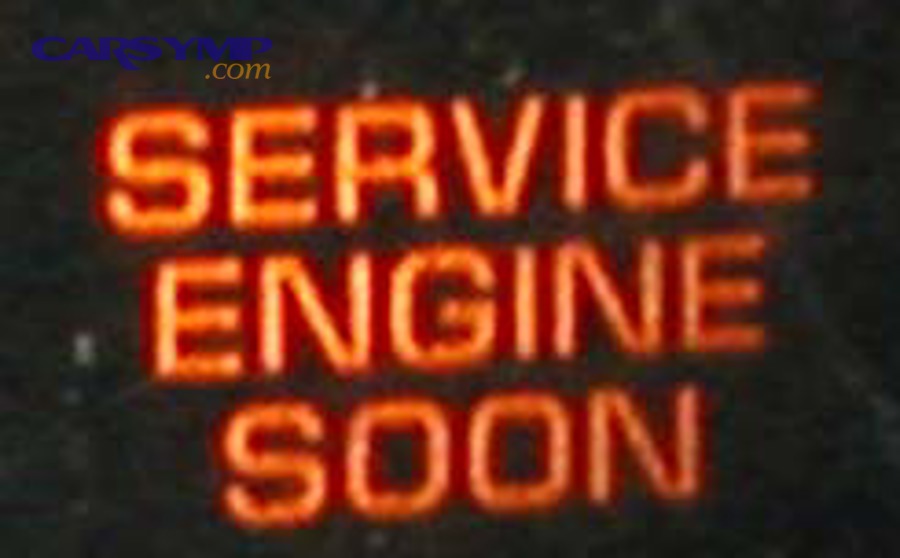
No—“Check Engine” vs “Service Engine Soon” are not always the same warning, because manufacturers use SES as either a synonym for the MIL, a maintenance reminder, or a softer service prompt depending on the dashboard design and model year.
Next, this difference matters because the same words can signal very different urgency levels on different cars.
Here’s the practical rule that keeps you from overreacting (or ignoring a real problem):
- On many GM and some older vehicles, “SERVICE ENGINE SOON” is literally the MIL—the emissions/engine fault lamp that stores OBD trouble codes.
- On some Nissan/Infiniti and other makes, “Service Engine Soon” is also used like MIL wording, but the car may still show a separate “Maintenance Required” or wrench-style reminder for scheduled service.
- On some vehicles, SES behaves like a “service interval” reminder (oil/inspection), which may not store an OBD emissions code the same way the MIL does.
If you’re not sure which style your vehicle uses, treat SES like an MIL until you confirm otherwise—because in many platforms, SES is simply the synonym label for the MIL.
What does the Check Engine light (MIL) mean?
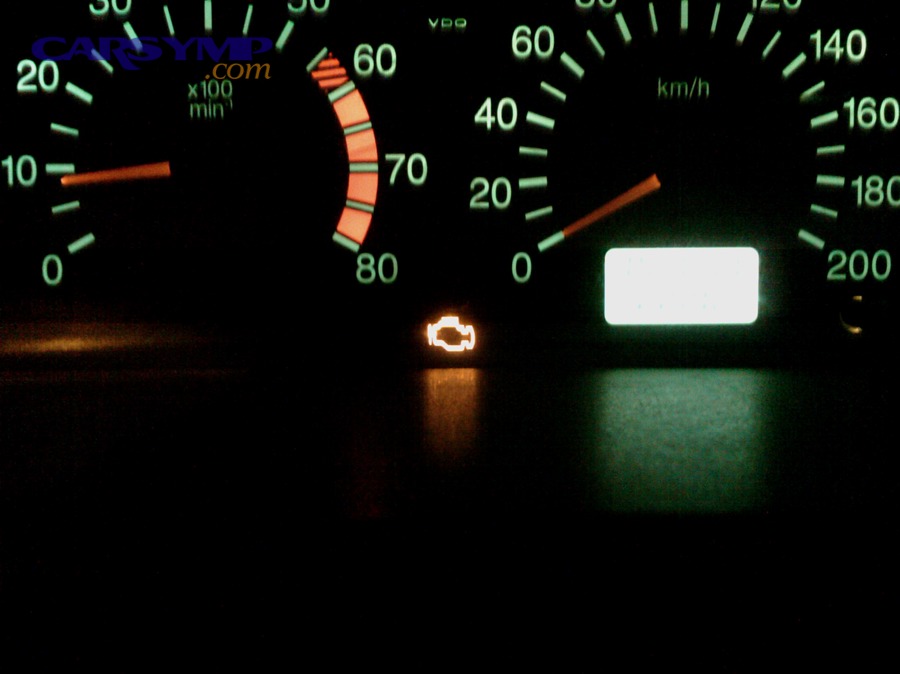
The Check Engine light (MIL) is an emissions-and-engine diagnostic warning that turns on when the vehicle computer detects a fault that could increase emissions or harm performance, stores diagnostic trouble codes, and often captures freeze-frame data for diagnosis.
To begin, that definition explains why the MIL can be triggered by both “small” issues (like an evap leak) and “serious” issues (like a misfire).
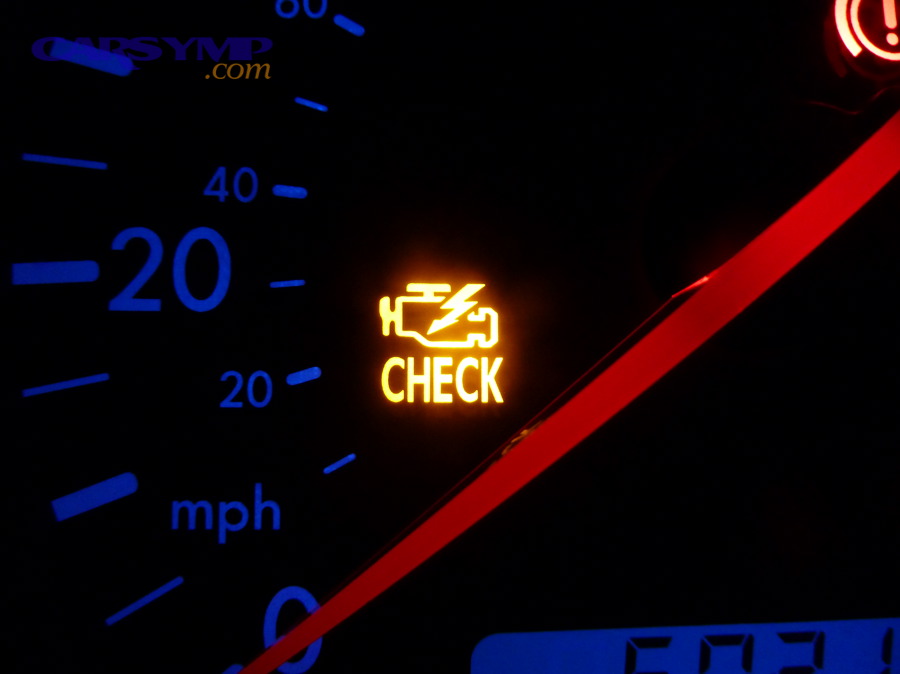
Think of the MIL as a standardized alert tied to OBD logic:
- What it monitors: sensors (O2/AFR, MAF/MAP), fuel system, ignition/misfire, catalysts, EGR/EVAP, and other emissions-related components.
- What it stores: a DTC (diagnostic trouble code) and often a pending code before it becomes confirmed.
- How it communicates severity: typically steady vs flashing behavior (flashing usually indicates a severe misfire risk and potential catalyst damage).
Why the MIL exists isn’t only convenience—it’s tied to emissions compliance and standardized diagnostics requirements.
What does “Service Engine Soon” mean?
“Service Engine Soon” (SES) is a manufacturer label that can be either (1) the same as the Check Engine/MIL warning, or (2) a service reminder that prompts inspection/maintenance—so its meaning depends on the vehicle’s instrument-cluster strategy.
Specifically, the phrase is less important than the system behind it: emissions fault logic vs maintenance interval logic.
To interpret SES correctly, use this three-part check:
- Does the car also have a separate “Maintenance Required” or wrench icon?
- If yes, SES is more likely being used as the MIL wording (fault-based).
- Does SES appear with drivability symptoms (rough idle, hesitation, reduced power)?
- If yes, treat it as a fault warning and scan for codes.
- Does SES appear right after an oil change interval or mileage milestone and the car drives perfectly?
- If yes, it may be service-interval related (but still verify with scan data if available).
This is why drivers searching “Check engine vs service engine soon meaning” often end up needing the same next step: confirm with OBD scan data instead of relying on wording alone.
How can you tell which message is more urgent for your car?
Check Engine/MIL is usually more urgent than Service Engine Soon, and flashing is most urgent, because urgency is driven by fault severity, drivability symptoms, and whether the condition risks immediate engine/catalyst damage.
More importantly, you can prioritize correctly in under a minute by combining the lamp behavior with basic symptoms.
A simple priority ladder works for most cars:
Quick urgency table (what the light behavior usually implies)
This table summarizes what steady vs flashing warnings typically mean so you can decide whether to keep driving, drive gently to a shop, or stop.
| What you see | Typical meaning | Safe next move |
|---|---|---|
| Steady Check Engine/MIL | Fault detected; car is usually driveable | Reduce load; scan soon; schedule diagnosis |
| Flashing Check Engine/MIL | Severe misfire/emissions fault risk; possible catalyst damage | Pull over when safe; avoid driving; tow if rough-running |
| Service Engine Soon (steady) | Either MIL-synonym fault or service reminder | Treat as MIL until verified; scan or check maintenance system |
| Light + major symptoms (shaking, stalling, overheating) | High risk regardless of label | Stop driving; prevent damage |
Here’s the key nuance: the same label can mean different things across makes, but symptoms + flashing almost always means you should treat it as urgent.
According to a study by The Ohio State University from the Department of Mechanical Engineering and the Center for Automotive Research, in 2009, industry studies reported false-positive ECU replacement rates as high as 80% in some contexts—highlighting why proper diagnosis matters.
What should you do when either light comes on?
You should respond to a Check Engine or Service Engine Soon warning by (1) checking severity, (2) protecting the engine, and (3) confirming the cause with scan data—because quick triage prevents damage and avoids wasted repairs.
Then, once you’ve stabilized the situation, you can move from reaction to a repeatable dashboard warning lights diagnosis workflow.
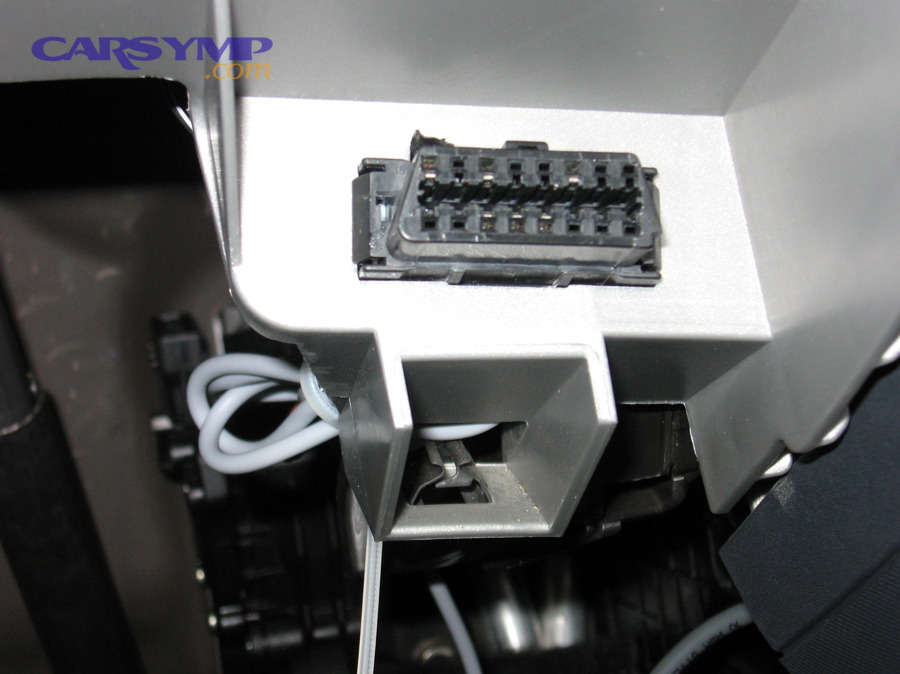
Use this step-by-step checklist:
- Check the behavior immediately
- Flashing MIL or severe shaking: stop driving when safe; shut down; tow if needed.
- Steady light and normal driving: proceed calmly and plan diagnosis soon.
- Do a 60-second “obvious” check (only if safe)
- Fuel cap tight (common EVAP trigger)
- Obvious vacuum hose disconnected
- Low oil pressure / overheating warnings (these are separate critical systems)
- Protect the engine while you drive
- Avoid heavy throttle, steep hills, high RPM, and towing until diagnosed.
- If there’s a misfire feel (popping/shaking), treat it as urgent even if not flashing.
- Scan the vehicle
- Read stored codes + pending codes + freeze-frame.
- Don’t stop at “parts-store code read” if symptoms persist—get full scan data when possible.
- Act based on confirmed cause
- Fix the root issue, then confirm readiness/monitors rather than just clearing the light.
To expand semantic understanding beyond the MIL/SES question, it helps to recognize that drivers often confuse engine warnings with other alerts. If you’re reviewing Most common dashboard warning lights explained, remember that TPMS, ABS, and traction warnings follow different rules than MIL/SES—and they require different troubleshooting paths like TPMS warning light troubleshooting or comparing ABS vs traction vs brake light differences when multiple lamps appear together.
How do OBD-II codes explain why the light is on?
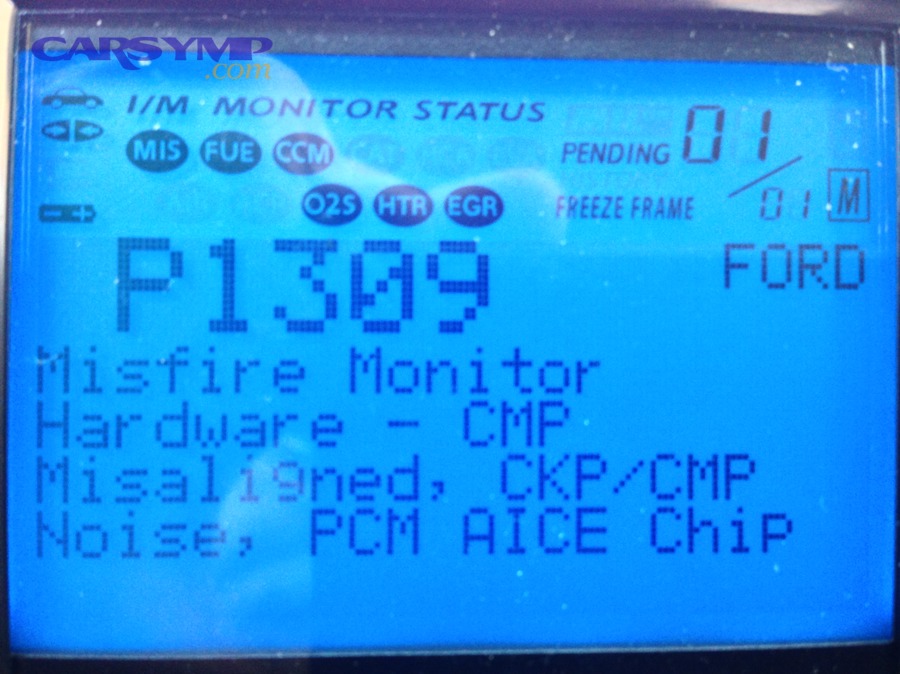
OBD-II codes explain a Check Engine/MIL or SES warning by translating the car’s detected fault into a standardized diagnostic trouble code (DTC) plus context like pending status and freeze-frame data, which together point to the real failure path.
To illustrate, a code isn’t “the broken part”—it’s a direction: what system failed, under what conditions, and how the ECU interpreted it.
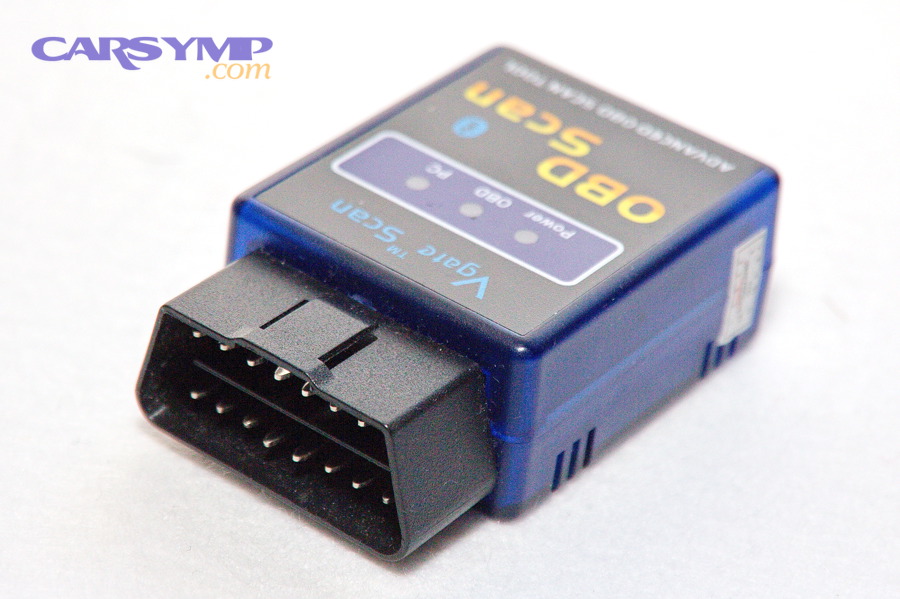
Here’s how to read code information like a technician instead of a parts cannon:
- Code family tells the scope
- P0xxx = generic powertrain (standardized)
- P1xxx = manufacturer-specific powertrain
- B, C, U codes = body, chassis, network (may not light MIL the same way)
- Stored vs pending changes urgency
- Pending may mean the fault happened once and needs a second failure to confirm.
- Stored/confirmed means the ECU is confident enough to request the lamp.
- Freeze-frame is the “crime scene photo”
- Engine load, RPM, coolant temp, fuel trims, speed: these tell you whether the issue occurs cold, hot, idle, cruise, or under load.
A single, helpful workflow is:
1) Read codes → 2) Read freeze-frame → 3) Check live data (fuel trims, misfire counters, O2 activity) → 4) Test the suspect system → 5) Repair → 6) Verify monitors.
Can you clear the light and be “done”?
No—clearing the Check Engine/MIL or SES without fixing the cause is not “done,” because clearing only erases the symptom (the warning and stored data) while the fault often returns and can also reset readiness monitors needed for emissions testing.
However, clearing can be useful as a controlled step after repair to confirm the fix and re-check the system.
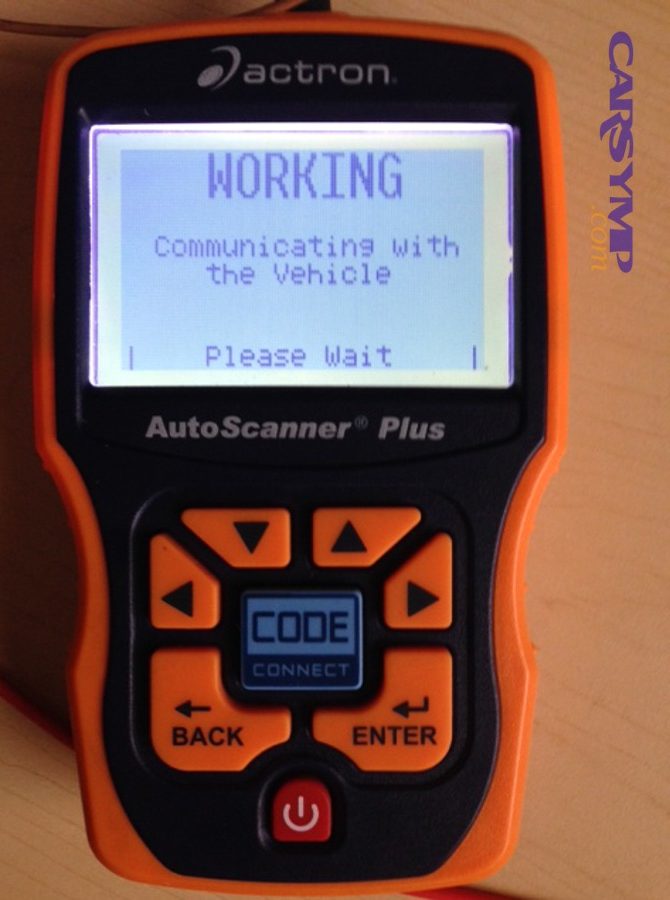
To understand why clearing isn’t a cure, keep these points straight:
- Clearing wipes evidence
- You lose freeze-frame data that helps diagnose intermittent problems.
- Many faults return quickly
- A real EVAP leak, misfire, or sensor failure will usually re-trigger once conditions repeat.
- Readiness monitors reset
- After clearing, the car must complete drive cycles so monitors can run again (important for inspection/maintenance programs).
- Intermittent problems can “hide”
- If you clear and the fault doesn’t reappear immediately, you might think it’s solved—until it resurfaces in the exact conditions that triggered it.
When clearing is appropriate:
- After a verified repair
- To confirm that the same code does not return
- To check that monitors complete and the vehicle remains stable
In other words: fix → clear → verify is smart; clear → ignore → repeat is expensive.
Introduce a new idea: once you’ve answered “what does it mean,” the next level is understanding why wording differs across manufacturers—and how to use that knowledge to diagnose faster.
How do manufacturer wording and diagnostic data change the meaning of these lights?
Manufacturer wording changes the label, but diagnostic data (codes, monitor logic, and lamp behavior) determines the meaning, so the best interpretation strategy is to treat MIL/SES as synonyms until scan results prove it’s only a service reminder.
Besides, modern vehicles pack so much diagnostic logic into software that the text on the dash is often just the final “output layer” of a deeper system.
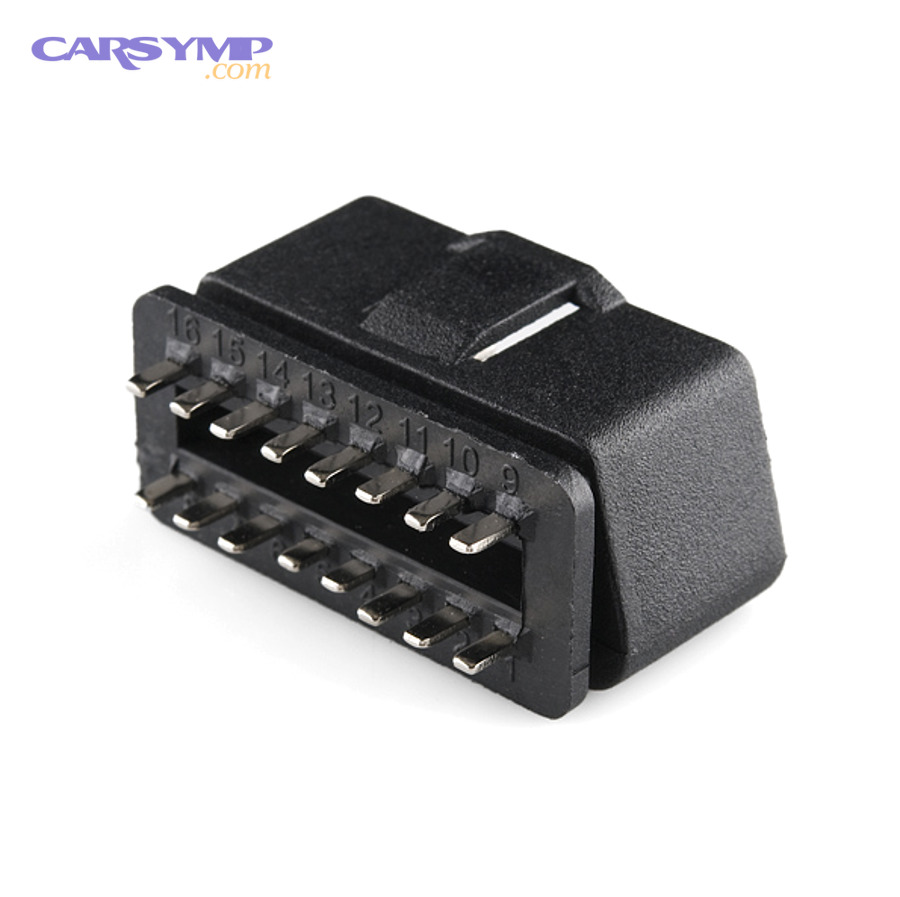
Here’s how wording and data interact in real life:
- Some brands use “Service Engine Soon” as the MIL name
- In that case, SES is not “less urgent” by default; it’s the same engine/emissions warning with the same code storage behavior.
- Some clusters split reminders
- “Maintenance Required” (interval) vs MIL (fault-based). If you have both, the message matters more.
- Diagnostic data overrides label
- A “service” message with a confirmed misfire code should be treated as urgent.
- A “check engine” lamp with a minor EVAP code may be driveable, but still requires diagnosis to prevent repeat failures and inspection issues.
According to a study by The Ohio State University from the Department of Mechanical Engineering and the Center for Automotive Research, in 2009, OBD regulations and diagnostic complexity drove a significant growth in embedded diagnostic functions—meaning more alerts, more data, and more need for systematic diagnosis rather than guessing.