


If your brakes feel wrong—pulling, dragging, a sinking pedal, or uneven stopping—the fastest fix starts with identifying which part of the hydraulic chain is failing: the caliper at the wheel, the flexible brake hose feeding it, or the master cylinder creating pressure.
Beyond the “it feels soft” description, you can narrow the culprit by watching where the symptom shows up (one wheel vs all wheels), when it appears (cold vs hot, first press vs repeated presses), and how it changes (improves after pumping, worsens after a long drive, or only happens after braking).
You’ll also learn quick, repeatable checks—pedal behavior, wheel temperature patterns, and controlled crack-open tests—so you stop guessing and avoid replacing good parts.
Next, to start the diagnosis the right way, we’ll map each symptom to the most likely failure point and then confirm it with simple, safe tests.
Caliper vs hose vs master cylinder diagnosis; brake hydraulics; pedal feel patterns; wheel drag; hydraulic restriction; pressure bypass; brake pull; uneven braking; diagnostic flow.
What symptoms separate a caliper issue from a hose issue or master cylinder issue?
In general: one-wheel heat/drag points to a caliper or hose, while system-wide pedal problems point to the master cylinder; however, the “when and how” details refine the answer fast. Next, we’ll anchor the diagnosis to observable patterns you can verify.
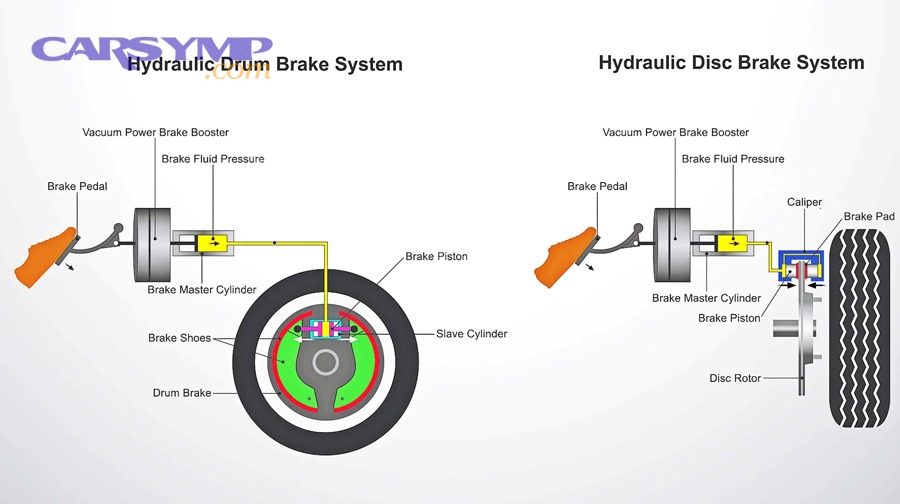
Which symptoms strongly suggest a caliper problem at one wheel?
Yes—these clues are caliper-leaning: a single wheel runs hot, that corner smells like burning pads, the vehicle pulls to one side, and the wheel feels harder to rotate with the car safely lifted. Next, connect those clues to what’s physically happening inside the caliper.
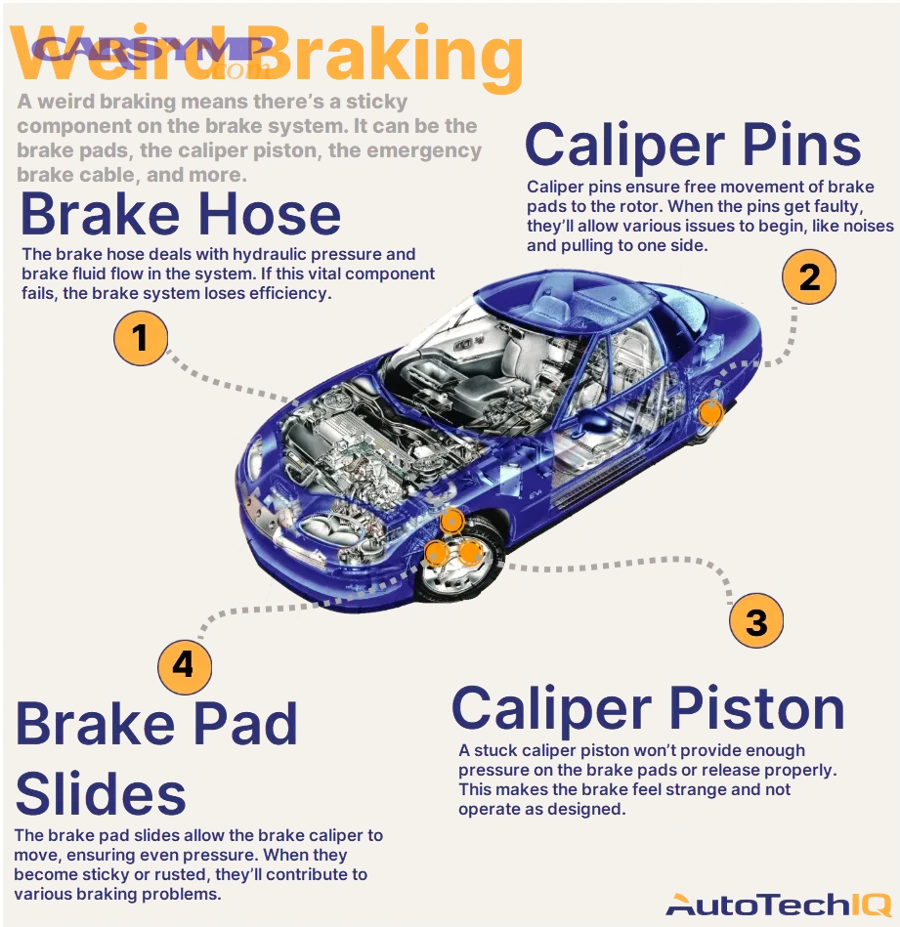
Specifically, a caliper can fail in ways that keep pads kissing the rotor:
- Sticking piston: corrosion, torn dust boot, or contaminated fluid prevents smooth retract.
- Binding hardware: seized abutment clips or pad ears jam in the bracket.
- Frozen slide pins: the floating caliper can’t center, leaving the inboard or outboard pad dragging.
In practice, a caliper issue often looks like “normal pedal, one wheel cooking.” That’s why many drivers discover it while estimating brake caliper replacement after noticing one rotor turning blue or one pad wearing to metal far earlier than the others.
Which symptoms point more toward a collapsed or restricted brake hose?
Often—hose restriction mimics a sticking caliper because pressure reaches the caliper but doesn’t return quickly, especially after braking. Next, you’ll see how timing (drag after brake application) is the giveaway.
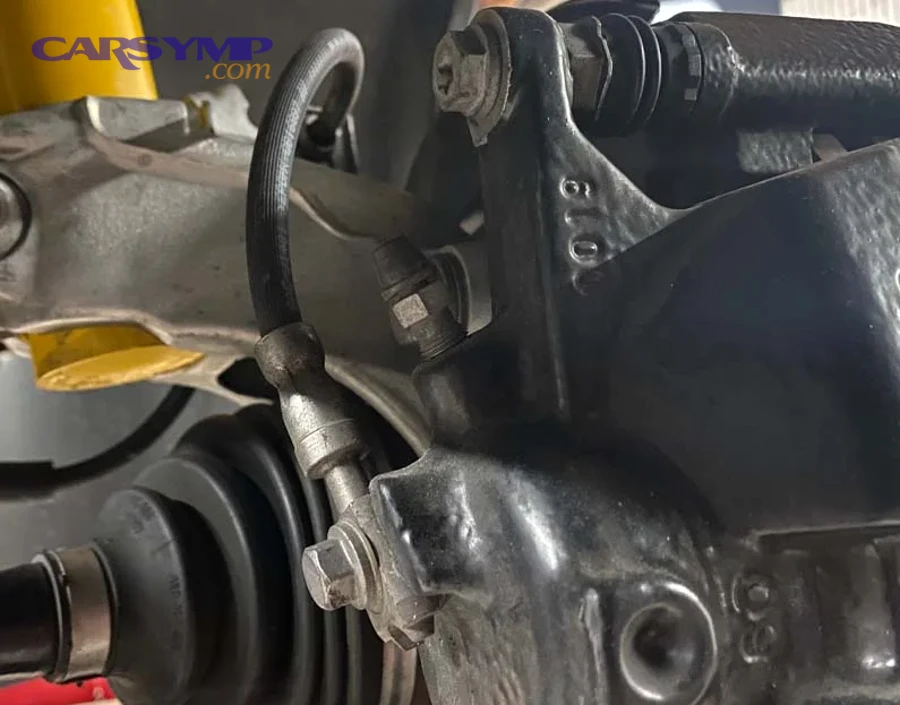
A flexible hose can fail internally: the inner liner separates and forms a flap, acting like a one-way valve. Typical clues:
- Drag appears after braking: you drive, brake a few times, then one wheel starts to hold.
- Drag releases after a short cool-down or after you crack a fitting (with proper safety precautions).
- One corner locks under heavy braking or the car pulls more as brakes heat up.
Because the hose sits upstream of the caliper, the wheel can stay clamped even if the caliper’s piston and slides are healthy.
Which symptoms most strongly suggest a master cylinder problem?
Usually—master cylinder faults show up as pedal problems across multiple wheels because it’s the pressure source. Next, we’ll match the most common pedal behaviors to internal master cylinder failure modes.
- Pedal slowly sinks at a stop: steady pressure but the pedal drifts downward (possible internal seal bypass).
- Inconsistent braking after repeated presses: first press weak, second press better (can also be air, but pattern matters).
- Low pedal with no external leaks: could be internal bypass or air trapped elsewhere; you must confirm.
While a hose or caliper can cause pulling or one-wheel drag, a master cylinder concern is more about pressure generation and holding—not corner-specific heat patterns.
Can a stuck caliper feel the same as a restricted hose?
Yes—both can create one-wheel drag and heat, but the release behavior is different: a hose restriction often “holds pressure,” while a caliper often “holds friction.” Next, we’ll separate them using release tests that don’t require special tools.
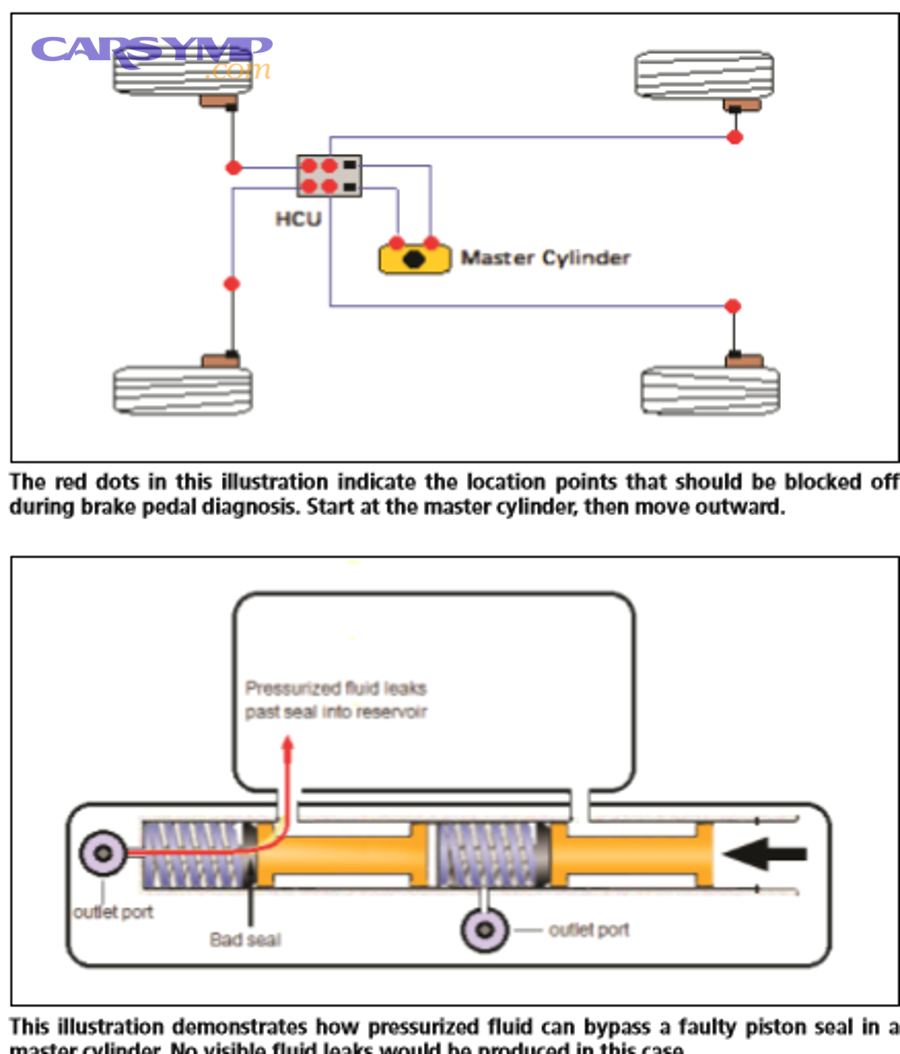
What “release clues” differentiate hose restriction from caliper sticking?
Hose restriction tends to release suddenly when upstream pressure is relieved, while a sticking caliper may remain tight because the piston or hardware is physically bound. Next, we’ll translate that into practical checks.
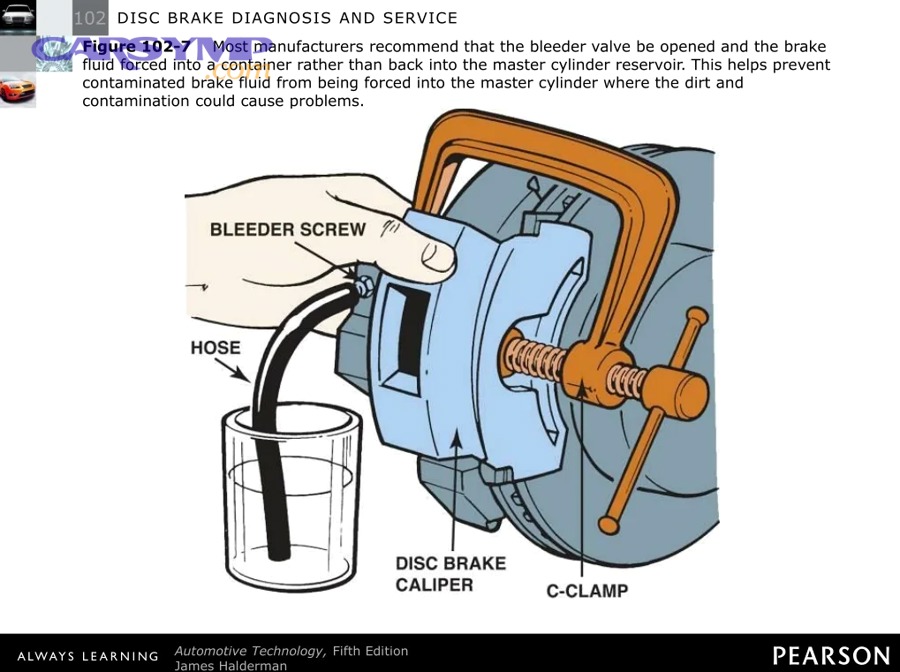
- If cracking the bleeder briefly frees the wheel: that suggests trapped hydraulic pressure (hose restriction or upstream issue).
- If the wheel stays tight even with the bleeder open: that suggests mechanical binding (caliper piston, pads, bracket, or slides).
However, be careful: opening a bleeder introduces fluid handling risks and may pull air back if done incorrectly, so treat this as a controlled diagnostic step—never a casual shortcut.
How does heat build-up timing point to the right component?
Timing matters: if the wheel is fine cold but drags after several brake applications, a hose restriction becomes more likely; if drag is present immediately and consistently, caliper hardware or piston binding becomes more likely. Next, we’ll build a repeatable heat-and-drag routine.
To illustrate:
- Caliper binding: may drag even without braking much; pad wear can be uneven and constant.
- Hose restriction: often starts normal, then worsens as pressure cycles and heat expands fluid.
How can you diagnose caliper vs hose vs master cylinder using a safe step-by-step workflow?
Use a three-layer workflow: (1) confirm whether the issue is one-wheel or system-wide, (2) confirm whether the problem is pressure-holding or friction-holding, and (3) confirm by isolating sections of the hydraulic chain. Next, we’ll walk through each layer in order.
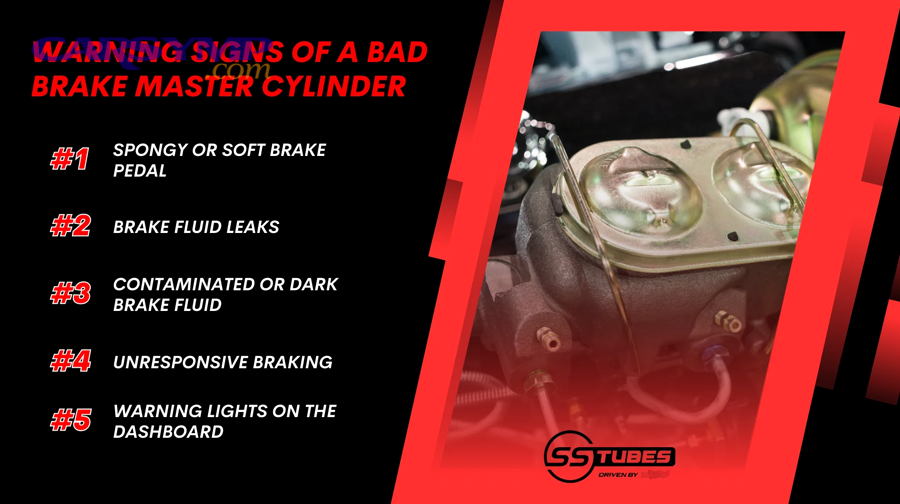
Step 1: Determine whether the symptom is corner-specific or global
Start with scope: one hot wheel or one pulling direction points to caliper/hose; a sinking or inconsistent pedal across braking events points to master cylinder or air. Next, we’ll lock that conclusion in with quick observations.
- Corner-specific: one rotor much hotter, one wheel dusty, one pad set worn out early.
- Global: pedal travel change, pedal sinking, braking weak at all corners.
Step 2: Decide whether it’s “pressure not releasing” or “parts not moving”
This is the pivot: trapped pressure implicates hose (or upstream hydraulics), while trapped friction implicates caliper mechanics. Next, we’ll translate this into a simple lift-and-spin method.
With the vehicle safely supported (proper jack stands, wheels chocked):
- Spin each wheel by hand (or rotate the rotor if the wheel is off).
- Note which corner drags significantly.
- Press the brake pedal once, then release.
- Spin again—did drag appear or worsen after braking?
If drag appears after braking and persists, you’re closer to a pressure-release problem than a simple pad fitment issue.
Step 3: Isolate the hydraulic section to confirm the culprit
Isolation confirms the diagnosis by showing where pressure is getting trapped or lost. Next, we’ll outline what each isolation result means without turning this into a parts cannon.
- If only one wheel holds pressure: suspect that hose or that caliper assembly.
- If both front or both rear hold pressure: suspect a master cylinder circuit issue or upstream control (including ABS module issues in some cases).
- If pedal sinks but wheels don’t drag: suspect internal bypass or air rather than restriction.
What pedal-feel patterns indicate master cylinder bypass vs air vs hose expansion?
Comparison is key: master cylinder bypass often produces a slow sink under steady pressure, air produces a springy or spongy pedal that improves with pumping, and hose expansion produces a firm-but-traveling pedal under high effort. Next, we’ll define each pattern so you can match it confidently.
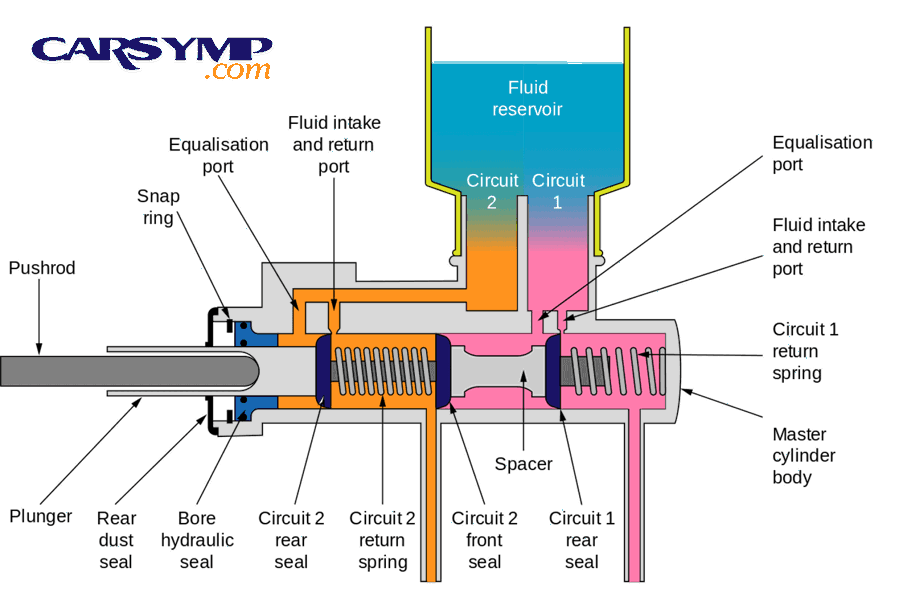
What does “pedal slowly sinking” usually mean?
Most often, it suggests internal bypass in the master cylinder when there are no external leaks and the braking system is properly bled. Next, we’ll add the safeguards that prevent misdiagnosis.
Internal bypass happens when the primary/secondary seals allow fluid to leak past inside the cylinder bore. The pedal can feel initially firm, then drift lower as pressure is not maintained.
However, verify basics first: correct fluid level, no visible seepage at calipers/lines, and no recent work that might have introduced air.
What does a “spongy pedal that improves when pumped” usually mean?
Usually, it points to compressible air in the hydraulic system or excessive caliper piston retraction (sometimes from rotor runout knock-back). Next, we’ll connect the improvement-with-pumping behavior to physics.
Air compresses, so the first press compresses bubbles and moves less caliper piston travel. Pumping reduces the bubble volume momentarily and seats pads closer, improving pedal height.
When do flexible hoses cause a pedal issue without obvious wheel drag?
Sometimes—old or low-quality hoses can balloon under pressure, creating extra pedal travel and reduced bite, particularly under heavy braking. Next, we’ll show how this differs from internal collapse restriction.
Ballooning is different from internal collapse: ballooning wastes pressure as the hose expands; internal collapse traps pressure and can cause drag. The same hose can age in more than one way, so you’re looking for the dominant symptom.
What wheel-temperature and drag checks quickly reveal caliper vs hose problems?
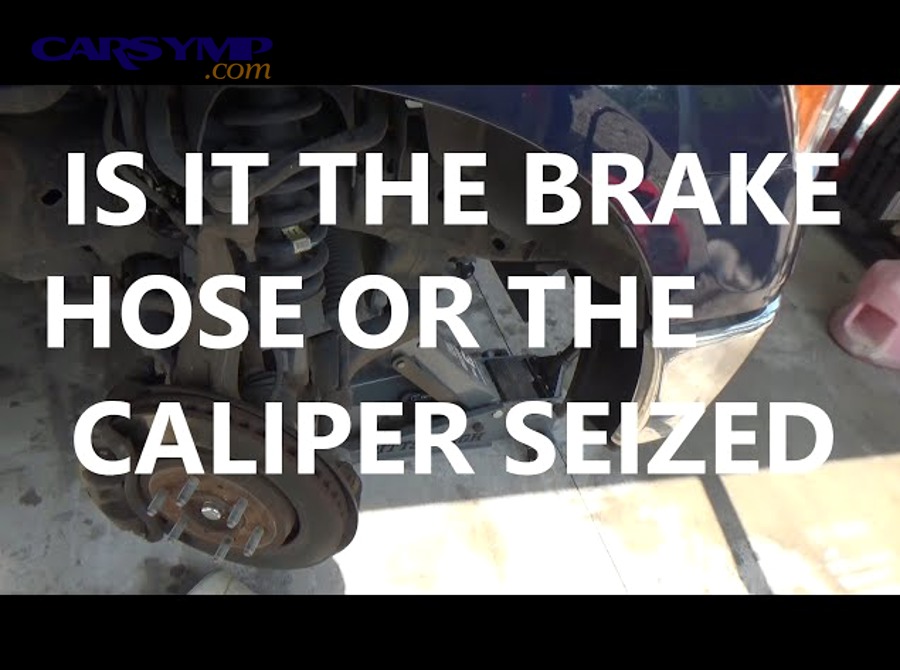
Wheel heat is a diagnostic fingerprint: a single wheel much hotter than others suggests local drag from a caliper or hose, while uniform heat suggests normal operation or a global issue. Next, we’ll structure a repeatable, safe heat check routine.
How do you compare corners without special equipment?
Use consistency: identical route, similar speeds, minimal braking, then compare corners immediately after stopping. Next, we’ll add common-sense safety to avoid burns and false positives.
- Do not touch rotors or wheels directly after driving; use a cautious “near-touch” check or an infrared thermometer if available.
- Compare left-to-right on the same axle first; differences there are more meaningful than front-to-rear.
- Remember: a dragging corner can heat the wheel, rotor, and even the smell of the area.
What pad-wear patterns support the diagnosis?
Pad wear is evidence: uneven wear on a single caliper supports a caliper/slide issue; equal wear but recurring one-wheel drag after braking supports a hose restriction. Next, we’ll tie wear patterns to mechanical causes.
- One pad worn much more: slide pins frozen or caliper not floating.
- Both pads thin on one wheel: piston sticking or constant clamp force.
- Outer pads worn across axle evenly: less likely a single caliper fault; check system-level issues.
How do you confirm a restricted hose without guessing?
Confirm by proving trapped pressure upstream of the caliper: if the wheel frees when pressure is relieved and returns to drag after braking, restriction is likely. Next, we’ll keep the steps practical and focused on decision-making.
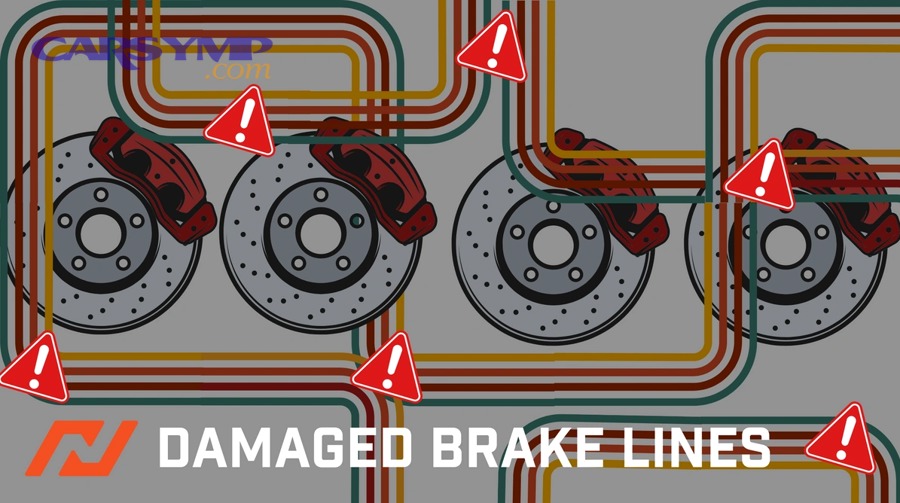
What does “crack-the-bleeder” testing actually tell you?
It tells you whether pressure is trapped at the caliper when the brakes should be released. Next, we’ll interpret outcomes correctly so you don’t replace the wrong part.
- Wheel frees immediately with a short bleeder open: hydraulic pressure was trapped (hose restriction or upstream control).
- No change: mechanical binding is still in play (pads, bracket, slides, piston).
Use this only as a controlled diagnostic step with proper fluid handling, because introducing air creates new problems that can mask the original fault.
How do you distinguish hose restriction from upstream issues when both front wheels drag?
If both fronts drag together, consider upstream hydraulics rather than two hoses failing at once. Next, we’ll keep it centered on caliper/hose/master cylinder while acknowledging real-world overlap.
Two-wheel drag can happen when pressure doesn’t vent correctly in a circuit. While the master cylinder is a candidate, some vehicles can also hold pressure through other hydraulic control components. The key is to see whether the symptom is circuit-wide (both fronts/both rears) or corner-only.
What tests separate a master cylinder fault from a caliper/hose fault in minutes?
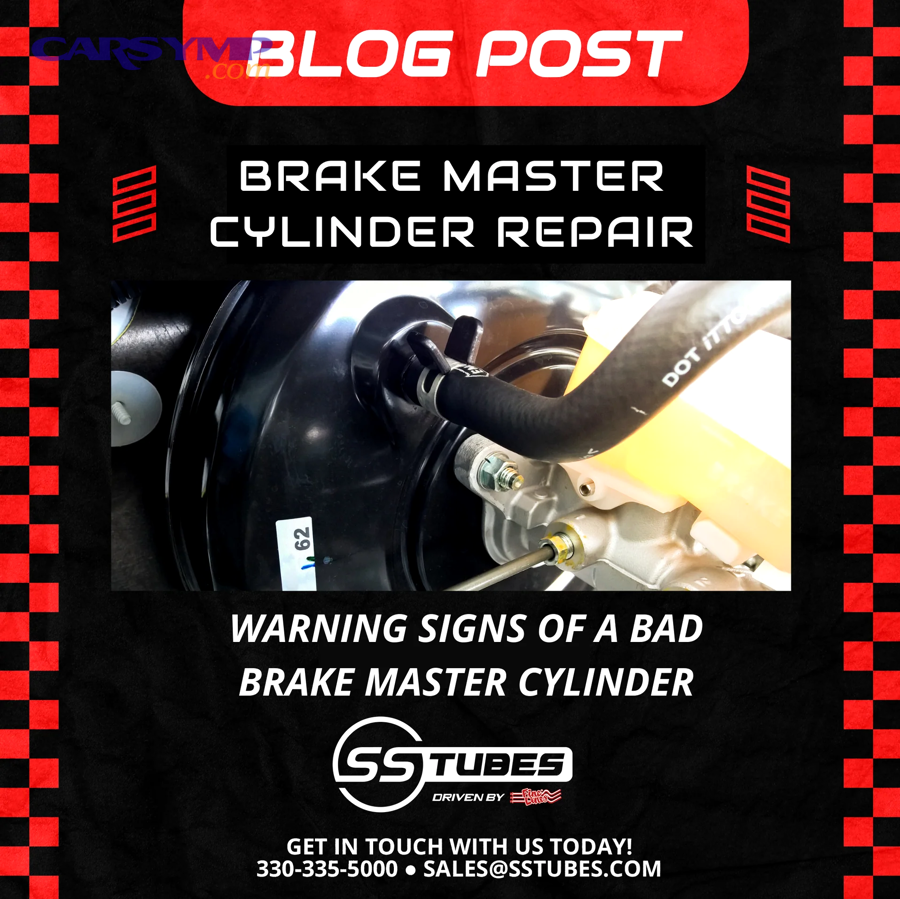
Use “hold pressure” testing: if the pedal sinks under steady force with no external leaks, the master cylinder becomes the primary suspect; if the pedal is stable but a wheel drags, focus on caliper/hose. Next, we’ll turn that into a simple routine.
How do you do a master-cylinder hold test safely?
Press and hold: apply steady pedal pressure for 30–60 seconds with the engine running (normal vacuum assist) and observe whether the pedal position creeps. Next, we’ll interpret what “creep” means.
- Pedal holds steady: master cylinder is more likely OK; look elsewhere (air, calipers, hoses).
- Pedal creeps downward: internal bypass is possible; confirm there are no external leaks first.
Keep the test consistent: same seat position, same effort, same conditions. Small variations in leg pressure can mimic creep.
What does “first stop scary, second stop better” usually indicate?
Most often, it indicates air or pad knock-back rather than a restricted hose. Next, we’ll tie that behavior to what’s happening at the caliper and rotor.
If pads are being pushed back by rotor runout or bearing play, the first press uses travel to bring pads back to the rotor. Pumping restores height temporarily. This can coexist with other issues, so treat it as a clue—not a final verdict.
When should you suspect caliper hardware and slides instead of hydraulics?
Suspect hardware when drag persists without pressure—especially if pads bind in the bracket or the caliper can’t float. Next, we’ll detail the mechanical checks that often solve chronic pull or rapid pad wear.
What signs indicate pads are binding in the bracket?
Common signs: tapered pad wear, shiny “witness marks” on pad ears, and difficulty removing pads during inspection. Next, we’ll connect these signs to the fix path.
Rust jacking under stainless clips and debris in the abutment areas can pinch pad ears. Even a healthy hydraulic system can’t fully release if pads are physically stuck in place.
Why do slides matter so much on floating calipers?
Because sliding is the centering mechanism: if the caliper can’t glide, one pad does most of the work and may drag. Next, we’ll bridge this to practical service without turning it into a full repair guide.
Many “caliper problems” are actually slide problems. That’s why owners researching Slide pin service and lubrication often solve uneven wear without replacing the entire caliper—assuming the piston and bore are still healthy.
What repair decisions follow from the diagnosis—and how do you avoid repeat failures?
Match the repair to the confirmed failure point: replace a restricted hose, repair/replace a sticking caliper, or address the master cylinder only when pedal-hold testing and leak checks support it. Next, we’ll tie each diagnosis to a repair strategy that reduces comeback risk.
If the caliper is confirmed faulty, what is the most reliable repair path?
Most reliable: correct the mechanical root cause (slides, bracket, pad fit), then replace the caliper only if the piston/bore is compromised or sticking. Next, we’ll show why “replace first” sometimes wastes money.
A complete fix usually includes cleaning mounting surfaces, ensuring pad ears move freely, and verifying boots are intact. If you do proceed with brake caliper replacement, confirm the new unit matches piston size and hose fitting, then bleed correctly to protect the seals.
If the hose is restricted, what should you replace—and what should you inspect?
Replace the affected hose and inspect the opposite side, because age and heat often affect both similarly even if only one has failed internally. Next, we’ll connect this to consistent braking balance.
After replacement, verify the wheel fully releases after braking, and recheck heat patterns on the same route used during diagnosis.
If the master cylinder is suspect, what should you confirm before replacement?
Confirm three things: no external leaks, proper bleeding (no air), and repeatable pedal creep under steady force. Next, we’ll connect this confirmation to the real cost of getting it wrong.
Replacing a master cylinder unnecessarily can introduce new air, require additional bleeding, and mask a corner-specific drag issue that was never addressed.
Here’s a quick reference table that summarizes the highest-signal symptoms and what they most often point to, so you can sanity-check your conclusion before buying parts.
| High-signal symptom | Most likely culprit | Why it points there |
|---|---|---|
| One wheel very hot, normal pedal | Caliper or hose | Corner-specific drag/pressure trapping |
| Wheel frees when bleeder opened briefly | Restricted hose (or upstream pressure not venting) | Hydraulic pressure was trapped |
| Wheel stays tight even with bleeder open | Caliper hardware/piston binding | Mechanical friction holds the pads |
| Pedal slowly sinks at a stop, no leaks | Master cylinder internal bypass | Pressure leaks past internal seals |
| Spongy pedal improves with pumping | Air or pad knock-back | Compression or re-seating pads |
To see these patterns visually, this short video helps connect symptoms (pull, drag, pedal feel) to common hydraulic and mechanical causes.
Contextual Border: The sections above focus on direct fault isolation for caliper, hose, and master cylinder. Below, we’ll expand into prevention and decision-quality details—how to avoid repeat drag, how to choose replacement options, and how small service steps protect braking consistency.
How do you prevent repeat brake drag after you fix the root cause?
Prevention is about finishing steps: correct lubrication, correct bleeding, correct part choice, and correct post-repair verification. Next, we’ll cover the most common “comeback” causes that happen even after the right part is replaced.
What slide-pin and bracket steps prevent uneven wear after service?
Do these every time: clean the pins, confirm boots seal, use brake-safe lubricant sparingly, and ensure pads move freely in the bracket. Next, we’ll connect this to real-world wear patterns.
Even a brand-new caliper can drag if the bracket is rust-jacked or if the pad ears bind. This is why proper Slide pin service and lubrication is not optional—it’s part of restoring the caliper’s ability to self-center.
When should you choose rebuilt vs new calipers?
Comparison: rebuilt units can be cost-effective, new units can reduce variability, and premium remanufactured options can balance both—depending on quality control and warranty. Next, we’ll focus on decision criteria instead of brand hype.
When weighing Rebuilt vs new caliper pros/cons, prioritize:
- Bore condition and seal quality: reman quality hinges on machining and inspection.
- Hardware completeness: pins, boots, and brackets included or reused?
- Warranty clarity: coverage length and what counts as a defect.
What bleeding and fluid practices protect the master cylinder and calipers?
Best practice: use the correct fluid spec, keep the reservoir from running low, and follow a stable bleeding method to avoid aeration. Next, we’ll connect fluid handling to seal life.
Brake fluid contamination and moisture can accelerate corrosion and seal wear. Keeping the system sealed, using fresh fluid, and avoiding aggressive pedal mashing during bleeding can reduce the chance of damaging older master cylinder seals.
What post-repair verification prevents misdiagnosis from returning?
Verify the original symptom is gone: repeat the same route, check heat symmetry, confirm release after braking, and confirm pedal behavior at idle and during controlled stops. Next, we’ll close with FAQs that address common edge cases drivers ask about.
After any repair—especially brake caliper replacement—recheck for: equal braking feel left-to-right, no abnormal smell, no pulling under light braking, and stable pedal height after several stops.
FAQ (Common questions)
Can a bad master cylinder cause one wheel to drag?
Usually no—a master cylinder issue more often affects a circuit (front pair or rear pair) or creates pedal-hold problems; one-wheel drag typically points to a caliper, hose, or local hardware. Next, if you see one-wheel heat, start your checks at that corner.
Can a restricted hose cause a soft pedal?
Sometimes, but it’s not the typical pattern—restriction more commonly causes drag or pull, while a soft pedal is more consistent with air, hose expansion, or master cylinder bypass. Next, focus on whether the symptom is pressure trapping (drag) or pressure loss (softness).
Is it safe to drive with a dragging brake?
No—drag can overheat fluid, glaze pads, warp rotors, and reduce stopping ability, and the wheel-end heat can damage bearings and nearby components. Next, treat it as a priority diagnosis rather than a “later” fix.
Do you need to replace hoses in pairs?
Often recommended if age and conditions are similar, because balanced response matters; however, diagnosis should still identify the failing side first. Next, if one hose failed internally, inspect the opposite side closely for cracking, swelling, or degraded response.
brake pull diagnosis; brake drag one wheel; soft pedal vs sinking pedal; internal hose collapse symptoms; caliper slide pin lubrication; master cylinder bypass signs.