


To bleed a cooling system properly, you remove trapped air in a controlled way so coolant can circulate, the thermostat can regulate temperature, and the heater core can transfer heat without hot spots or sudden spikes.
You’ll also learn how to choose the right bleeding method for your vehicle’s layout—radiator cap vs. pressurized expansion tank, bleed screws vs. no screws—so you stop repeat overheating, gurgling noises, and inconsistent cabin heat.
Because the same symptoms can point to very different problems, you’ll get simple verification checks that separate a successful bleed from a leak, a weak cap, a sticking thermostat, or a fan-control issue.
To start safely and confidently, you’ll set the car up correctly, use the heater circuit strategically, and follow a repeatable warm-up and cool-down routine. Sau đây is the exact process and the decision points that keep you from chasing the same air pocket twice.
What happens if you don’t bleed the cooling system after service?
If you don’t bleed it, trapped air can block flow, delay thermostat opening, and create hot spots that make the temperature gauge swing or the engine overheat even with a full reservoir.
To connect that risk to a practical workflow, the key is understanding where air hides and why it refuses to “self-burp” on many modern designs.
Air is compressible; coolant is not. That difference matters because your water pump is built to push liquid—not pockets of air—through
More specifically, incomplete bleeding often causes three repeating patterns:
- Temperature swings: the gauge climbs at idle, drops when you rev or start driving, then climbs again.
- Noisy coolant movement: gurgling behind the dash (heater core area) or sloshing at startup.
- Weak cabin heat: one moment hot, the next lukewarm, especially when stopped.
To illustrate, if the thermostat is surrounded by air, it can “see” cooler vapor instead of hot coolant, so it opens late. That delays radiator flow, and the engine can spike in temperature before the thermostat finally catches up. Cụ thể, you can end up replacing parts that aren’t broken simply because air was never fully purged.
Another overlooked consequence is false confidence: you may top off once, think the level is stable, and drive—only for an air pocket to migrate, collapse, and suddenly drop the coolant level at the reservoir later. Bên cạnh đó, repeated overheating events can stress hoses, seals, and plastic tanks even if you never “boil over.”
Which tools and supplies make bleeding safer and faster?
The safest bleed uses the right coolant, a spill-free fill funnel (or vacuum tool), a reliable thermometer method, and a way to raise the fill point so air naturally rises out.
To move from theory to a smooth, repeatable setup, match the tool to your cooling-system design and the kind of service you just performed.
Start with the non-negotiables. Use the correct
Next, choose a filling strategy that reduces air ingestion:
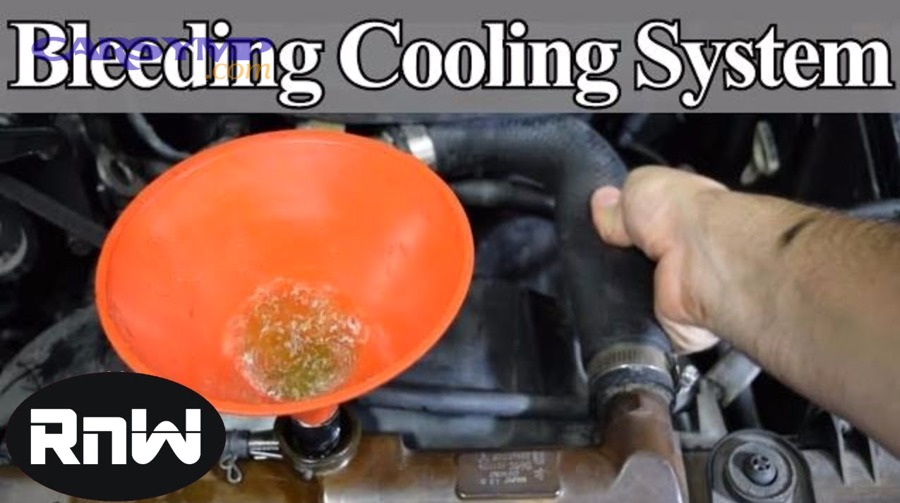
- Spill-free funnel kit: lets you overfill the neck slightly so air can burp out while coolant remains at the highest point.
- Vacuum fill tool: evacuates air and pulls coolant in, great for stubborn systems and heater-core air pockets.
- Vehicle ramps or jack stands: safely raise the front so the radiator neck or tank becomes the system’s high point.
Also prepare basic hand tools, shop towels, and a catch pan. Hot coolant is hazardous, so wear gloves and eye protection, and never open a hot pressurized system.
For verification, a simple infrared thermometer helps you confirm thermostat opening and radiator heat distribution. A scan tool that reads
Finally, plan for time. A proper bleed is usually a warm-up cycle, a stabilization period, and a cool-down recheck—not just “rev it once and go.” Để bắt đầu correctly, you’ll also set the heater controls the right way so trapped air in the cabin circuit has a path to escape.
How do you set the car up correctly before bleeding?
Set the car level or nose-up, keep the heater circuit open, fill slowly, and ensure the cap area is the system’s highest practical point before you start warming the engine.
To keep the process controlled, your goal is to guide air upward while preventing new bubbles from being stirred into the coolant.
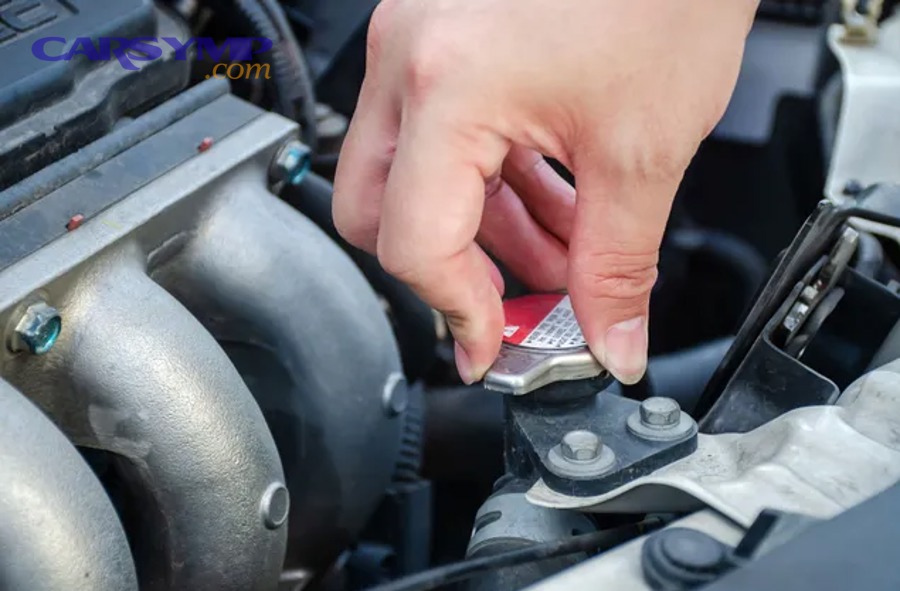
Step 1: Confirm the system is cool and safe. If the engine was running, wait until upper hoses are cool to the touch. Pressure can remain even after the gauge reads normal.
Step 2: Identify your fill point and system type. Look for a radiator cap on the radiator itself, a cap on a remote fill neck, or a pressurized expansion tank. The method changes based on which component is the highest point.
Step 3: Open the heater circuit. Set the cabin temperature to full hot and fan to low or medium (varies by vehicle). On many cars, this encourages coolant flow through the heater core. Tuy nhiên, some modern vehicles use blend doors and constant-flow heater cores, so the “hot” setting mainly ensures the system isn’t restricting cabin-side heat transfer while you test.
Step 4: Fill slowly and stage the level. Pour coolant slowly to reduce foaming. Squeeze the upper radiator hose gently (when cool) to dislodge trapped pockets. If using a spill-free funnel, seat it firmly and add enough coolant so the funnel stays at least partially filled during initial warm-up.
Step 5: Check obvious leaks first. Before running the engine, inspect hose clamps, drain plugs, the radiator petcock, and any thermostat housing you opened. Bleeding won’t fix a leak, and a leak will keep reintroducing air.
With setup complete, you’ll choose the correct bleeding sequence for your hardware—especially whether you have bleed screws, a degas bottle, or a traditional radiator cap. Tiếp theo, you’ll perform the warm-up cycle in a way that releases air without overheating or scalding risk.
How do you bleed a radiator-cap system without bleed screws?
Bleed it by filling at the radiator neck (or highest fill neck), warming until the thermostat opens, maintaining a steady coolant level at the top, and cycling RPM gently to release trapped air.
To make this reliable, you’ll watch for thermostat opening cues and stabilize the level before sealing the cap.
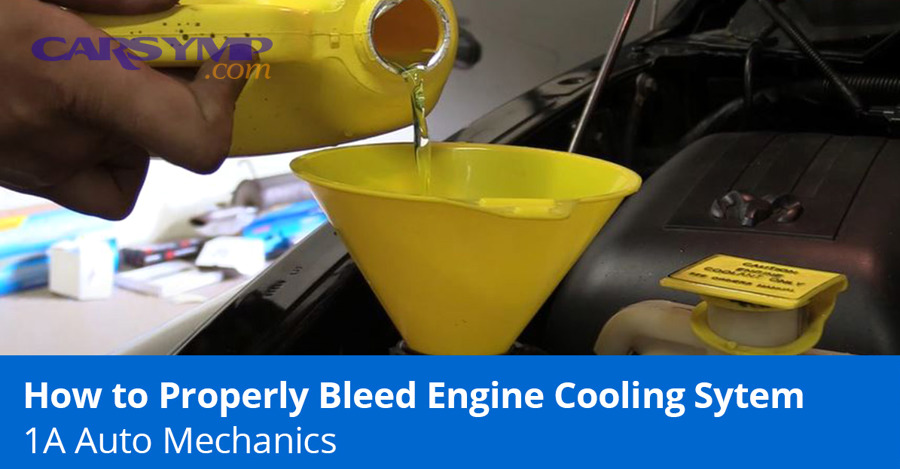
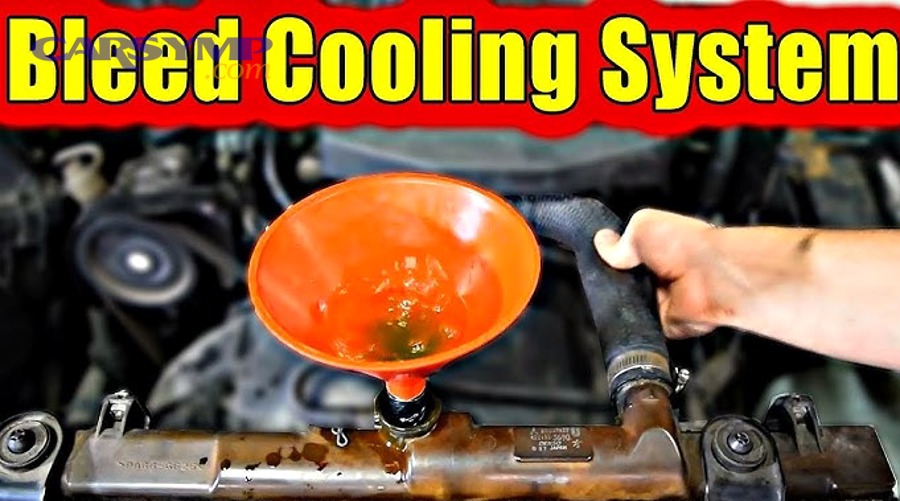
1) Fill to the top and create a controlled “air exit.” Install a spill-free funnel if possible. If you don’t have one, fill to the brim and leave the cap off only while the system is cool-to-warm and not pressurized. Keep your face and hands away from the neck opening.
2) Start the engine and let it idle. Watch the coolant level in the funnel/neck. It may drop as the pump begins circulating coolant into passages. Add coolant slowly to keep the level near the top.
3) Wait for thermostat opening. Signs include the upper radiator hose warming significantly and steady movement in the neck/funnel. If you have an IR thermometer, measure the thermostat housing area and the upper hose; you should see a clear warm-up then a more stable temperature once flow begins.
4) Gently cycle RPM to dislodge pockets. Raise RPM to ~1,500–2,000 for 10–20 seconds, then return to idle. Repeat a few times. This increases pump flow and can push air out of heater-core passages. Cụ thể hơn, do not repeatedly rev aggressively—rapid temperature rise can outpace the bleed process.
5) Observe the heater and radiator behavior. Turn the cabin fan on and confirm heat output becomes consistently hot. Watch the radiator fans: they should cycle normally as temperature rises. If fans never come on and temperature climbs, stop—this may be a fan control or sensor issue, not “just air.”
6) Stabilize the level and seal. Once bubbles diminish and the level remains stable for several minutes after thermostat opening, shut the engine off and let it cool fully. After a full cool-down, top up the radiator and then adjust the overflow/expansion bottle to the “COLD” mark.
Common mistake: sealing the cap too early. If you cap it before the thermostat opens, you can trap air in the engine and heater core. Ngoài ra, don’t forget the second check after the first drive and cool-down; many systems “final burp” during that first heat cycle.
To help you visualize a practical demonstration, here’s a video walkthrough that matches this general method (always adapt to your vehicle’s service manual where it differs):
How do you bleed systems with bleed screws or a pressurized expansion tank?
Bleed-screw and pressurized-tank systems are bled by filling the correct reservoir, opening bleed points in sequence, and running the engine through a controlled warm-up so air exits at designated high points.
To keep the sequence clean, you’ll treat each bleed screw like a small “air valve” and close it only when coolant flows bubble-free.
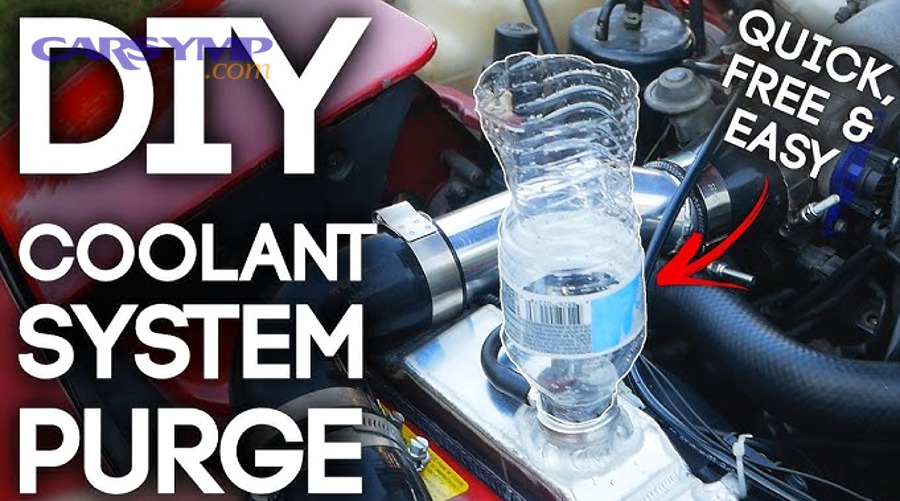
1) Locate bleed screws and high points. Common locations include thermostat housings, upper radiator hose junctions, heater hoses near the firewall, and metal crossover pipes. Some vehicles have multiple bleed screws—open the service manual if available so you don’t miss one.
2) Fill the tank/neck to the proper mark (engine cold). On a pressurized expansion tank (degas bottle), that tank is the fill point. Fill slowly to prevent foaming and to allow air to migrate upward.
3) Open the first bleed screw slightly. Use the correct tool to avoid stripping. Open just enough so air can escape; you don’t want to remove the screw entirely. Keep rags ready because coolant can seep as the system fills.
4) Top off while bleeding. As air escapes, coolant level may drop. Maintain the level so you don’t pull more air into the system. When a steady stream of coolant (no sputter, no foam) exits the bleed screw, close it gently to spec.
5) Run the engine and continue staged bleeding. Start the engine and let it idle. As temperature rises and the thermostat opens, reopen the bleed screw(s) briefly if the procedure calls for it. Many systems release additional air during the first warm-up. Trong khi đó, watch the temperature closely—if it climbs rapidly, stop and let it cool; a large trapped pocket may be preventing circulation.
6) Confirm heater performance and stable level. Consistent cabin heat and stable tank level after cool-down are your success signals. After the first drive, recheck the level cold and inspect for crusty residue around bleed screws and hose junctions, which can indicate a slow seep.
Note: a pressurized expansion tank must seal properly. A weak cap can lower the boiling point and encourage repeated aeration-like symptoms. Để hiểu rõ hơn, treat the cap and its sealing surface as part of the bleeding “system,” not a separate afterthought.
How do you use a vacuum fill tool to eliminate air pockets?
A vacuum fill removes air by pulling the system into negative pressure, then using that vacuum to draw premixed coolant in, leaving far fewer trapped pockets than gravity bleeding.
To get the main benefit, you must seal the adapter correctly and verify the system holds vacuum before introducing coolant.
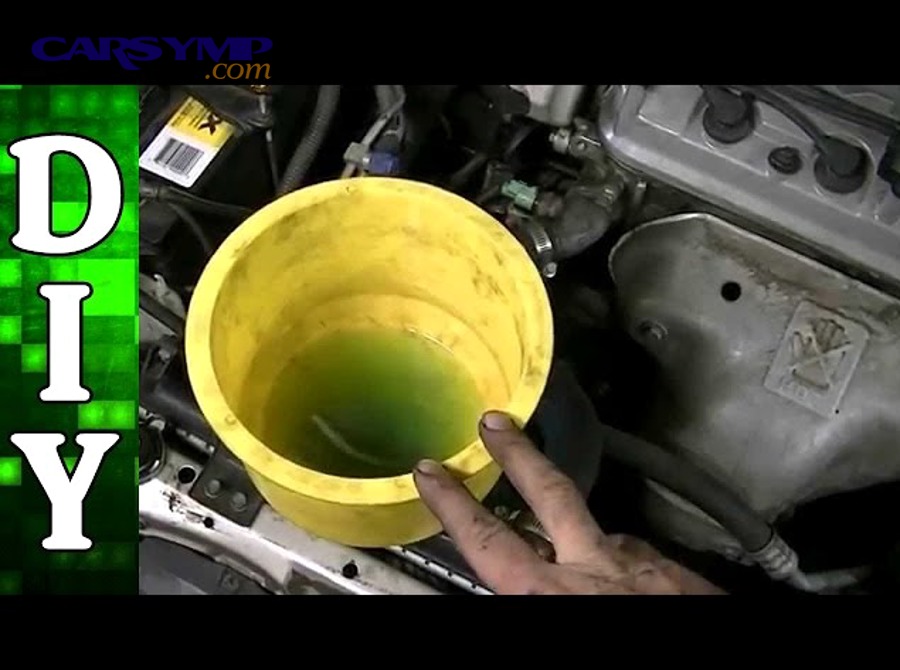
1) Prepare premixed coolant. Mix coolant and distilled water to the correct ratio unless you’re using pre-mix. Place the pickup hose into a clean container deep enough to avoid sucking air.
2) Install the vacuum adapter at the fill point. Use the correct cap/neck adapter for your radiator neck or pressurized tank. Ensure the gasket seats evenly; even a small leak will prevent stable vacuum.
3) Pull vacuum and perform a hold test. Create vacuum per tool instructions, then close the valve and watch the gauge. If vacuum decays, you likely have a leak at a hose, clamp, radiator seam, water pump, or the adapter itself. Fix leaks before filling—otherwise you’ll reintroduce air immediately.
4) Draw coolant in under vacuum. Open the fill valve so coolant is pulled into the system. Watch the container level and keep the pickup submerged. If the tool starts to gulp air, stop and reset; otherwise you’ll inject air pockets you were trying to avoid.
5) Finish with a short warm-up verification cycle. Even with vacuum fill, you should still run the engine to operating temperature and confirm stable heater output and fan cycling. Some designs can still trap small pockets around the thermostat housing, so a final heat cycle is your insurance.
Vacuum fill is especially helpful after major repairs like radiator replacement, water pump replacement, or engine work that drains large sections of the system. Quan trọng hơn, it reduces the “two-day top-off dance” because you start with fewer hidden pockets migrating later.
How can you confirm the system is fully bled and leak-free?
You confirm a complete bleed when the heater is consistently hot, the temperature is stable through fan cycles, the coolant level stays steady after cool-down, and there are no signs of seepage or pressure loss.
To close the loop, you’ll use a simple checklist that catches the most common “almost bled” situations before they become an overheating event.
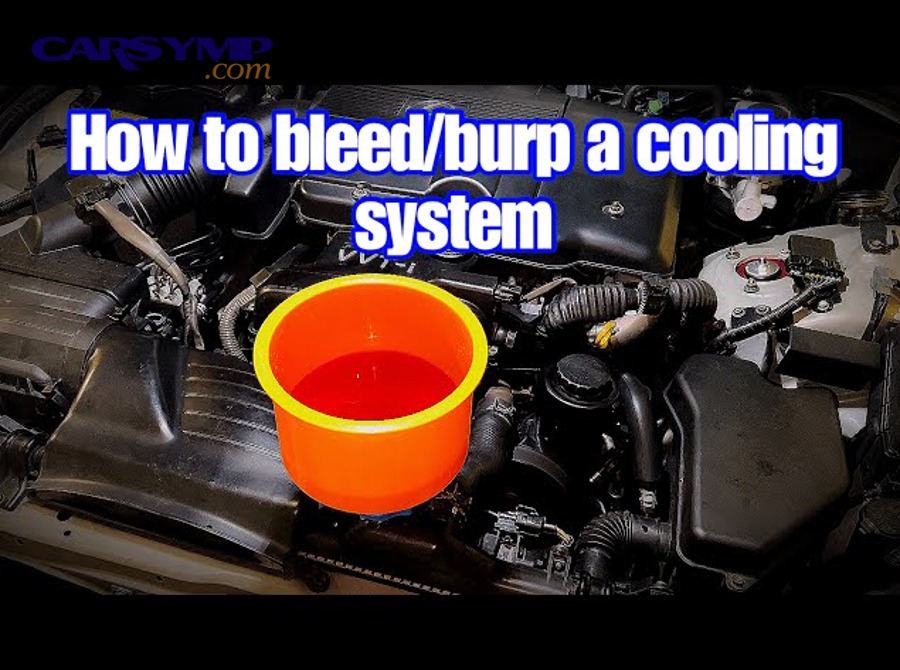
Verification checklist (cold, warm, and post-drive):
- Cold level check: reservoir at the correct “COLD” mark; radiator full if it has a cap.
- Warm-up behavior: temperature rises smoothly; no rapid spikes; upper hose warms when thermostat opens.
- Heater output: steady hot air at idle and while driving; no gurgling behind the dash.
- Fan cycling: fans come on and off normally; no runaway heat at idle.
- Post-drive cool-down: after a full cool, level remains stable; no repeated need to add large amounts.
- Leak inspection: no wetness at clamps, thermostat housing, radiator seams, water pump weep hole, or bleed screws.
Pressure behavior matters. If the system cannot build and hold pressure, it may boil at a lower temperature and create recurrent “air-like” symptoms. Inspect the cap seal, the neck surface, and the overflow hose routing. Ví dụ, a small crack in a plastic tank can leak only when hot and pressurized, making it easy to miss during a quick cold inspection.
Don’t ignore abnormal smells or residue. A sweet smell, white crust, or damp carpet under the passenger side can indicate a heater core seep. Air keeps returning if coolant keeps escaping.
Do a second-day recheck. After one full heat cycle and overnight cool-down, recheck the level cold. Many successful bleeds still need a small top-off because microscopic bubbles consolidate and migrate to the high point during the first drive. Tóm lại, stable behavior across two cold checks is the best “DIY proof” you’ve completed the bleed.
Contextual Border: From here, the focus shifts from the core bleeding procedure to bubble-related symptoms, decision points, and cost-minded troubleshooting so you can interpret what you see after the bleed.
How do you interpret bubbles, symptoms, and repair decisions after bleeding?
After bleeding, bubbles can be normal briefly during warm-up, but persistent bubbling, repeated coolant loss, or overheating signals an underlying fault that needs diagnosis beyond air removal.
To make this actionable, you’ll separate normal purge behavior from recurring aeration caused by leaks, caps, circulation problems, or combustion-gas intrusion.

First, understand what “normal” can look like. During the first warm-up after service, you may see small bubbles rise as tiny pockets migrate to the highest point and escape. That can be especially noticeable in a bubbling coolant reservoir when the thermostat first opens and flow changes. The key is whether the bubbling tapers off and the level stabilizes after a full cool-down.
What are the most common reasons bubbles appear after a bleed?
There are several Causes of bubbles in coolant reservoir that are unrelated to combustion gases, and many of them are straightforward. Cụ thể, a slightly loose clamp can let air in as the system cools, while barely dripping coolant out when hot. A weak radiator/expansion cap can also allow localized boiling and re-aeration, making bubbles look “constant” even when the engine isn’t truly overheating.
Other common contributors include a thermostat that sticks partially closed, a restricted radiator, a water pump with a damaged impeller, or a heater core circuit that traps a pocket because the fill point is lower than the highest hose loop. If you just replaced parts, also consider installation issues—mis-seated O-rings, nicks on plastic necks, or a bleed screw that’s not sealing perfectly.
How do you tell trapped air from a more serious failure?
This is where a simple Head gasket signs vs trapped air comparison helps you avoid guessing. Trapped air typically improves with each correct heat cycle: heater becomes steady, bubbles reduce, and the level settles. In contrast, combustion-gas intrusion often shows persistent bubbling that doesn’t taper, repeated pressurization soon after cold start, and coolant loss with no visible external leak.
Practical checks you can do without overcomplicating it:
- Cold-start observation: if you see aggressive bubbling immediately from stone-cold, that’s less consistent with normal purge.
- Hose firmness timing: a hose that becomes rock-hard unusually fast after cold start can indicate early pressure rise.
- Exhaust and coolant behavior: sweet-smelling exhaust, misfires on startup, or unexplained coolant loss raise suspicion.
Even then, don’t “diagnose by fear.” Use a block test (combustion leak test), a cooling-system pressure test, and scan data. Those tools turn a scary symptom into a yes/no answer.
What repair-cost ranges should you expect by common cause?
Here is a practical way to think about a Repair cost range for common causes without locking yourself into a single number: cap and clamp issues tend to be low cost, thermostat and hose replacements are moderate, while radiator, water pump, or internal engine sealing issues can rise significantly depending on labor access and engine layout.
Use this approach: price the diagnosis first (pressure test, cap test, block test), then the most likely repair tier. This prevents replacing major parts when the root cause is a small leak pulling in air during cool-down. If you’re building a longer troubleshooting guide library, you can align your symptom-to-cause flow with your broader content strategy at carsymp.com so readers follow the same logic across related topics.
FAQ: What are the best quick answers people need after bleeding?
Should the heater be on while bleeding? In most cases, yes—set heat to hot so the cabin circuit isn’t a “dead-end” for trapped air. If your vehicle uses constant-flow heater routing, the setting still helps you verify steady heat output.
How long should you idle to bleed it? Long enough to reach thermostat opening and at least one fan cycle, then cool completely and recheck. If the temperature climbs rapidly or fans never engage, stop and diagnose rather than “idling longer.”
Is it normal to need a second top-off? Yes, a small top-off after the first full cool-down is common. Needing large, repeated additions suggests a leak or another fault.
Can you drive right after bleeding? Only after you confirm stable temperature, steady heater output, and correct coolant level. A short local test drive followed by a cold recheck is safer than a long trip immediately.
Summary flow to keep it simple: bleed with the right method → verify thermostat opening and heater stability → cool and recheck level → inspect for leaks → only then interpret remaining bubbles as a diagnostic clue. Như vậy, you protect the engine, avoid repeated overheating, and turn “mystery bubbles” into a clear next step.