


A valve cover gasket leak usually shows up early through a small set of repeatable warning signs: a fresh oil smell, damp oil around the top of the engine, light smoke from the engine bay, or oil finding its way into spark plug wells. Spotting those signs early matters because a small seep can grow into a more expensive problem if oil keeps reaching hot parts or ignition components.
Those early signs also help answer the first big question most car owners have: is this only a minor seep, or is it becoming a real leak? In many cases, the difference comes down to location, rate, and side effects. A light film around the valve cover is different from oil dripping onto the exhaust manifold, lowering the oil level, or triggering a misfire.
The next issue is confusion with other faults. Oil near the top of the engine does not always mean the valve cover gasket is bad, because spilled oil, a clogged PCV system, or another upper-engine leak can mimic the same pattern. That is why symptom recognition works best when it is tied to source tracing, not guesswork.
Introduce a new idea: the best way to understand valve cover gasket leak symptoms is to move from the earliest signs to the most confirming symptoms, then compare them with similar leaks, judge the seriousness, and decide what action makes sense for your car.
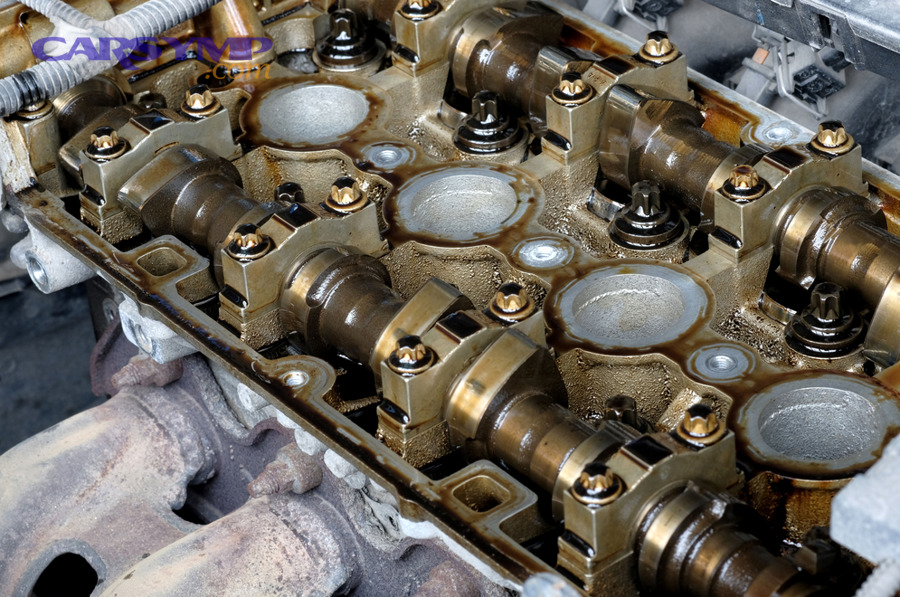
What are the earliest signs of a valve cover gasket leak?
The earliest signs of a valve cover gasket leak are usually a burning oil smell, light oil residue around the valve cover, and fresh dampness near the top of the engine before a major puddle appears.
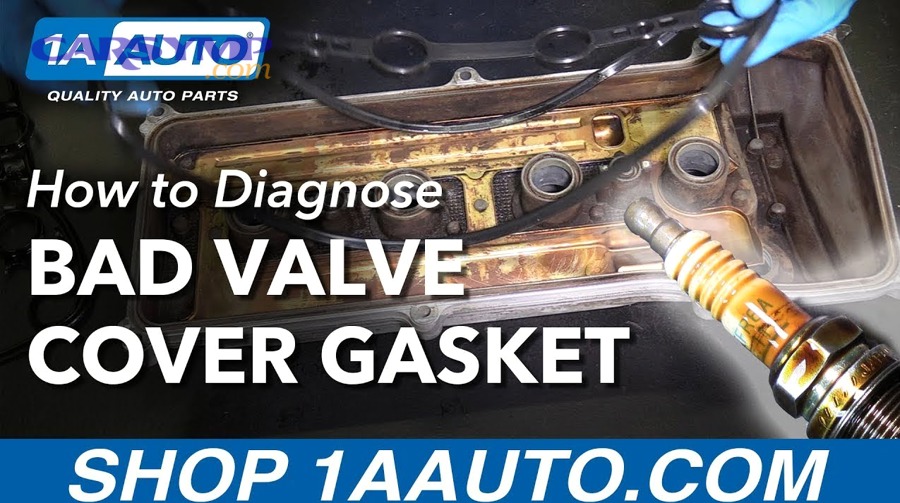
To better understand those first clues, it helps to look at what appears before the leak becomes obvious from under the car.
Can a burning oil smell be the first sign of a valve cover gasket leak?
Yes, a Burning oil smell from valve cover leak can be the first sign because oil often escapes from the top of the engine and lands on hot metal long before it forms a visible puddle on the ground.
More specifically, the valve cover sits high on the engine, and its gasket seals oil inside while the valvetrain moves underneath. When the gasket hardens, shrinks, or loses sealing force, oil begins to seep out at the cover edge. That seep can run downward and contact the exhaust manifold or other hot surfaces. The driver then notices a sharp burnt-oil odor, especially after a drive, at idle after parking, or when opening the hood.
This smell matters because it often appears earlier than a warning light. Many owners wait for a large stain on the driveway, but upper-engine leaks do not always behave that way at first. Instead, they leave odor, thin residue, and slight haze. That makes smell one of the most useful early clues for car owners trying to spot the problem before it worsens.
The smell can also become stronger after highway driving because the engine is fully hot, the oil is thinner, and the leak path opens more easily. If the smell shows up mostly after the engine reaches temperature, that pattern supports an upper-engine oil leak more than a cold-start-only issue.
According to CarParts, oil leaking from a valve cover gasket can drip onto the hot exhaust manifold and create a burning smell, which is one of the most common early symptoms of this leak.
What does a valve cover gasket leak look like on the engine?
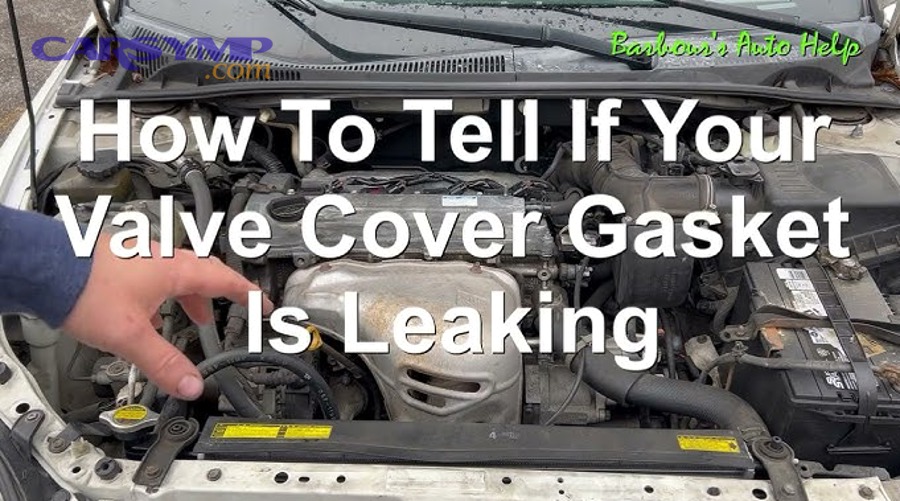
A valve cover gasket leak usually looks like fresh wet oil, dark grime stuck to damp edges, or oily streaks starting at the valve cover seam and moving downward from the top of the engine.
Specifically, look at the perimeter where the valve cover meets the cylinder head. A healthy area may be dusty, but it should not be wet. A leaking gasket often leaves a shiny film, sticky buildup, or dirt glued to an oily edge. Corners and bolt areas are common places to see the first seepage because sealing pressure changes there as the gasket ages.
In some engines, the leak is easy to spot from above. In others, plastic covers hide the area, or the leak starts at the back bank of a V-engine and is harder to see. That is why lighting matters. A flashlight and a clean rag help reveal whether you are seeing old grime or fresh oil. If wiping the area reveals clean wet oil again after a short drive, the leak is active.
It is also smart to look below the seam. Oil from a valve cover leak often travels downward and makes the side of the head, exhaust shield, or nearby wiring dirty. The trail matters more than the lowest wet point because gravity can carry oil away from the actual source.
AA1Car notes that engine oil leaks commonly occur at valve cover gaskets and that oil leaks often leave greasy stains around gasket seams, which is why the seam itself is the key inspection point.
What symptoms most clearly confirm a valve cover gasket leak?
The symptoms that most clearly confirm a valve cover gasket leak are visible oil at the valve cover seam, a burnt-oil smell, smoke from oil hitting hot parts, low oil over time, and misfires if oil reaches spark plug wells.
Next, the best way to confirm the diagnosis is to look for symptom clusters rather than a single isolated clue.
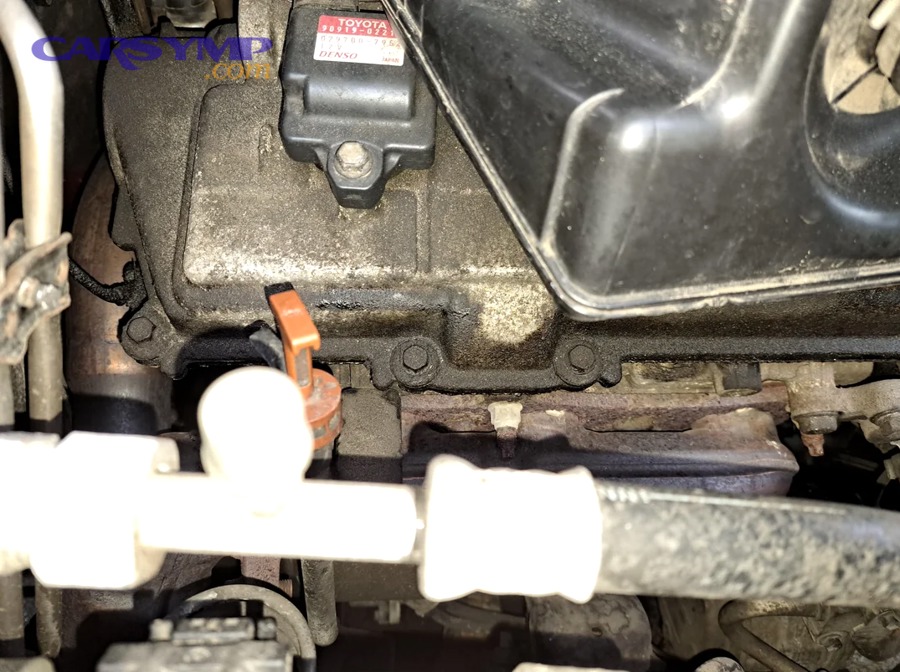
Which symptoms usually appear together in a bad valve cover gasket leak?
The most common symptom group is oil residue plus burning smell plus light smoke, while a more advanced symptom group is active leaking plus low oil plus rough running or a misfire.
To illustrate, a mild leak often begins with odor and a damp seam. As the leak becomes heavier, oil reaches hotter surfaces more often and produces smoke from the engine bay. If the gasket design includes plug tube seals or the leak path reaches ignition wells, the next symptom can be rough idle, hesitation, or a misfire code.
This grouped pattern matters because a single symptom can be misleading. A burning smell alone might come from spilled oil during a recent oil change. A dirty engine alone may be old residue. But when fresh oil at the valve cover seam is paired with smell after a drive and occasional smoke, the diagnosis becomes much stronger.
Car owners should also pay attention to when the symptoms appear. A leak that becomes obvious only after full warm-up often points to heat-related gasket failure. A leak that worsens during hard driving may suggest more crankcase pressure or more oil splashing at the top of the engine.
According to CarParts, common valve cover gasket leak symptoms include a burning smell, smoke from the engine compartment, visible oil leaks, and low engine oil level, which is why these symptoms are most useful when assessed together.
Can a valve cover gasket leak cause smoke, misfires, or low oil?
Yes, a valve cover gasket leak can cause smoke, misfires, and low oil because leaking oil can burn on hot engine parts, contaminate ignition areas, and slowly reduce the engine’s oil level.
Specifically, smoke usually comes from oil contacting the exhaust manifold or similar hot surfaces. Misfires happen when oil enters spark plug wells or coil-on-plug tubes, interrupting spark quality and fouling ignition parts. Low oil develops more gradually, but it becomes a real risk if the leak is ignored or the engine is already losing oil elsewhere.
This is why the leak should not be treated as “just a gasket” once drivability changes begin. A car that starts with only a smell can later idle rough, hesitate on acceleration, or trigger a check-engine light if oil gets into ignition components. On some engines, the owner first notices a misfire after rain or high humidity because oil contamination and moisture together make spark breakdown more likely.
Low oil is often the slowest symptom, but it is the one that raises the stakes. Once the level drops enough, the engine loses a safety margin. Even if the leak itself is still external, reduced oil volume can contribute to wear, especially in hot weather or stop-and-go use.
Firestone explains that in many coil-on-plug systems, failed sealing around the spark plug tube can allow oil into the tube, where it can short the spark and foul the plug. CarParts also notes that smoke can appear when leaking oil lands on the exhaust manifold.
How do valve cover gasket leak symptoms compare with other engine oil leaks?
Valve cover gasket leaks are most likely to show oil high on the engine, burnt-oil smell, and engine-bay smoke, while oil pan leaks show oil lower down and head gasket failures usually bring coolant, overheating, or white exhaust smoke into the picture.
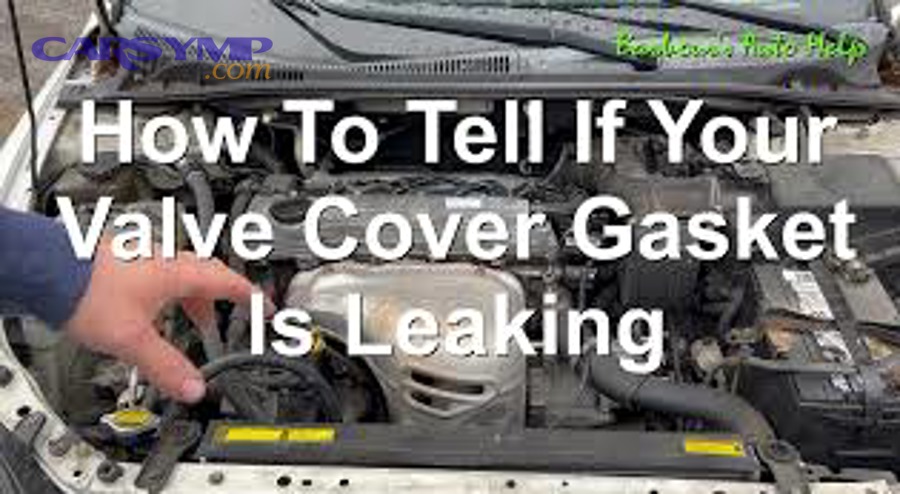
However, comparison only works when you match the symptom location to the fluid path, not when you judge by smell or drip size alone.
How is a valve cover gasket leak different from an oil pan or head gasket leak?
A valve cover gasket leak starts at the top of the engine, an oil pan leak starts low underneath, and a head gasket problem usually adds coolant-related symptoms, overheating, or white smoke from the exhaust.
That location-based comparison is the fastest way to avoid confusion. Valve cover leaks often create oily grime above the exhaust manifold, around the cylinder head, or near ignition coils. Oil pan leaks usually leave the underside of the engine or the pan rail wet first. A head gasket issue may leak externally, but it more often brings additional clues like coolant loss, overheating, contaminated fluids, or thick white exhaust smoke.
The color and smell of smoke matter too. Light smoke from the engine bay after oil hits the manifold is different from continuous white smoke coming out of the tailpipe. Engine-bay smoke points to oil landing on hot external parts. Exhaust smoke points to combustion-related problems and should not be confused with a simple upper-engine seep.
For car owners, this comparison prevents expensive wrong repairs. Replacing a valve cover gasket will not solve coolant loss from a head gasket failure. Likewise, chasing an oil pan gasket when the top of the engine is wet wastes time because oil travels downward and can make lower components look guilty.
CarParts notes that blown head gasket symptoms commonly include coolant depletion, high engine temperature, and thick white exhaust smoke, which distinguishes them from a typical valve cover gasket leak pattern.
Is oil around the top of the engine always a valve cover gasket problem?
No, oil around the top of the engine is not always a valve cover gasket problem because spilled oil from service, a clogged PCV system, timing cover leaks, or other upper-engine faults can mimic the same area.
Meanwhile, this is where source tracing becomes more important than visual panic. If oil was spilled during a recent top-up or oil change, it can burn off and imitate a leak for a short time. A clogged or restricted crankcase ventilation system can also raise pressure inside the engine and push oil past gaskets and seals, including the valve cover area. In some engines, the timing cover or a nearby seal can leak and make the upper engine look wet.
The practical solution is to clean the area, drive briefly, and inspect the first point that turns wet again. The highest fresh wet point usually tells the truth. If the valve cover seam becomes shiny first, the gasket is a strong suspect. If the wetness begins elsewhere, the diagnosis changes.
This is also where the PCV system link to valve cover leaks becomes important. A failing gasket can leak on its own because of age, but repeat seepage or worsening leaks sometimes reflect extra crankcase pressure rather than gasket material alone. Ignoring that pressure source can cause the next gasket to leak again.
AA1Car explains that a restricted or plugged PCV valve can create pressure buildup that forces oil past gaskets and seals, which is why oil at the top of the engine is not automatically a valve cover gasket-only issue.
How serious are valve cover gasket leak symptoms for car owners?
Valve cover gasket leak symptoms range from mildly inconvenient to potentially risky, and they become serious when oil reaches hot exhaust parts, contaminates ignition components, or lowers the oil level enough to threaten lubrication.
In addition, the seriousness depends less on the gasket itself and more on what the leaking oil is touching and how quickly the oil loss is progressing.
When is a valve cover gasket leak only a seep, and when is it dangerous?
A valve cover gasket leak is usually only a seep when it leaves a light film without smoke, misfire, or measurable oil loss, but it becomes dangerous when oil drips onto the exhaust, enters plug wells, or lowers the oil level noticeably.
To better understand the difference, think in terms of consequence. A seep is mostly a maintenance issue. It makes a mess, traps dirt, and can worsen with time, but it does not yet affect how the engine runs. A dangerous leak changes operating conditions. Smoke means oil is burning externally. Misfire means ignition performance is already compromised. Falling oil level means the engine is losing protective lubrication.
The table below summarizes what car owners should look for when deciding how urgent the repair is.
| Symptom pattern | What it usually means | Urgency |
|---|---|---|
| Light oily film at valve cover seam only | Early seepage | Schedule inspection soon |
| Burning oil smell after driving | Oil likely reaching hot parts | Inspect promptly |
| Smoke from engine bay | Oil actively burning on hot components | High urgency |
| Oil in spark plug wells or rough idle | Ignition contamination | High urgency |
| Repeated drop in oil level | Active leak or combined oil loss issue | High urgency |
This progression matters because leaks rarely stay at the same level forever. Heat cycles, rubber aging, and pressure changes tend to make a small seep spread. A car owner who waits for a puddle may miss the stage when the repair is simpler and cleaner.
AA1Car warns that engine oil leaks should not be ignored because running too low on oil risks engine damage, and oil on a hot exhaust manifold can create smoke and unpleasant odors.
Should you keep driving with valve cover gasket leak symptoms?
Yes, you may be able to drive briefly with mild valve cover gasket leak symptoms, but you should not keep driving normally if the leak is smoking, causing misfires, or dropping the oil level.
More importantly, the answer depends on three factors: severity, monitoring, and side effects. If the symptom is limited to a light seep with no smoke and a stable oil level, short-term driving while arranging service is usually realistic. If smoke appears from the engine bay, if the engine runs rough, or if the dipstick shows oil loss, the risk rises quickly.
A smoky leak matters because the oil is reaching high heat. A misfire matters because ignition parts may be contaminated. Low oil matters because the engine can no longer rely on its normal lubrication reserve. These are not abstract risks. They directly affect reliability and can turn a small repair into a much larger one.
The safest habit is simple: check the oil level, confirm whether the leak is active, and reduce unnecessary driving if there is smoke or rough running. That approach helps protect the engine while you decide on repair timing.
CarParts identifies smoke from the engine compartment and low engine oil as common symptoms of a leaking valve cover gasket, both of which point to a leak that should not be ignored.

What should car owners do after spotting valve cover gasket leak symptoms?
After spotting valve cover gasket leak symptoms, car owners should verify the leak source, check the oil level, inspect for smoke or ignition contamination, and decide whether immediate repair or scheduled service makes the most sense.
Below, the goal is not to jump straight into parts replacement, but to move from suspicion to a confident next step.
What should you inspect first after noticing valve cover gasket leak symptoms?
The first things to inspect are the valve cover seam, nearby exhaust-side surfaces, spark plug wells, ignition coils, and the engine oil level.
Specifically, start with the highest visible seam because oil runs downward and can mislead you. Then check whether the leak sits above a hot manifold or shield, because that explains smell and smoke. If your engine uses coil-on-plug ignition, remove the coil if accessible and look for oil in the spark plug tube. Finally, confirm the dipstick level so you know whether the leak is simply messy or actively consuming oil.
A clean inspection routine helps avoid misdiagnosis:
- Wipe the suspected seam clean.
- Drive the car briefly until warm.
- Recheck with a flashlight.
- Identify the highest point where fresh oil reappears.
- Verify whether the leak is reaching the exhaust or ignition wells.
This step-by-step check is useful because it limits unnecessary parts replacement. A top-of-engine leak should be confirmed before anyone sells you a lower gasket or unrelated repair.
Firestone notes that oil entering spark plug tubes can short the spark and foul plugs, which is why plug wells and ignition components belong on the first inspection list.
Do valve cover gasket leak symptoms mean the gasket must be replaced right away?
No, valve cover gasket leak symptoms do not always mean instant replacement, but active leaking, smoke, repeated smell, oil in plug wells, or falling oil level usually mean valve cover gasket replacement should move near the top of your repair list.
Besides severity, repair timing depends on whether the leak is isolated and whether another cause is pushing oil past the gasket. A mild residue with no side effects may justify scheduled service. A leak that smokes or fouls ignition parts usually justifies prompt repair because the consequences are already showing.
This is also where cost matters. A realistic Valve cover gasket replacement cost estimate varies by vehicle, engine layout, labor access, and whether tube seals, grommets, or ignition cleanup are included. Simpler inline engines usually cost less than tightly packed V-engines because labor access is easier. If oil has already damaged plugs or coils, the total rises.
RepairPal reports that the average cost for a valve cover gasket replacement is roughly $336 to $461, though actual pricing varies by vehicle and region. That estimate is useful as a baseline, not a fixed quote, because some engines require much more labor than others.
Why do some valve cover gasket leak symptoms appear differently across vehicles?
Valve cover gasket leak symptoms vary across vehicles because engine layout, plug tube design, heat exposure, ventilation performance, and gasket design all change where the oil goes and what the driver notices first.
To better understand that variation, it helps to examine the less obvious paths a leak can take.
How can spark plug tube seals change the symptoms of a valve cover gasket leak?
Spark plug tube seals can change the symptoms by sending oil into plug wells instead of only down the outside of the engine, which makes misfires and rough running more likely than visible dripping.
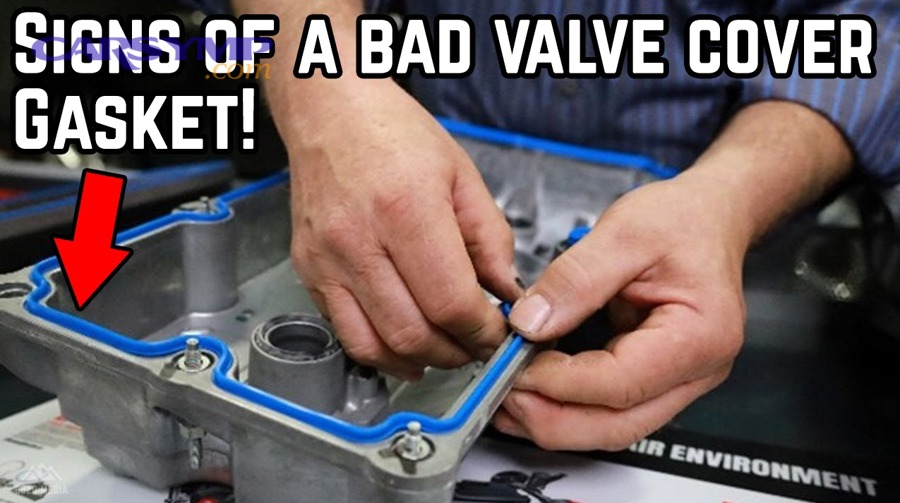
More specifically, many engines seal both the outer perimeter of the valve cover and the openings that surround spark plug tubes. When those inner seals fail, the leak stays hidden from a quick top-side glance. The driver may not see much external seepage, yet the engine can develop a stumble, coil contamination, or oil-soaked plugs.
This variation matters because it changes the order of symptoms. On one car, the first complaint is smell. On another, it is a check-engine light and rough idle. The gasket system is still the source, but the symptom path is different because the oil is moving inward toward ignition components instead of outward toward the exhaust.
Firestone explains that in many coil-on-plug systems, broken sealing between the valve cover and spark plug tube can let oil into the tube, shorting the spark and fouling the plug.
Can a faulty PCV system make valve cover gasket leak symptoms worse?
Yes, a faulty PCV system can make valve cover gasket leak symptoms worse because excess crankcase pressure pushes oil past weak sealing points and can make even a new gasket seep again.
More importantly, this is why some leaks return after repair. If crankcase vapors cannot vent properly, pressure builds inside the engine. That pressure looks for an escape route, and aging gaskets are common victims. The result may be a leak that seems to “come back” even though the gasket itself was replaced correctly.
For car owners, this means ventilation should be part of the conversation whenever the leak is recurring, unusually messy, or paired with sludge and pressure-related symptoms. The gasket may still need replacement, but the root cause can be larger than the gasket alone.
AA1Car states that a restricted or plugged PCV valve can cause pressure buildup that forces oil to leak past gaskets and seals, directly supporting the PCV system link to valve cover leaks.
Why do some valve cover gasket leaks only show symptoms after the engine gets hot?
Some valve cover gasket leaks show symptoms only after the engine gets hot because heat changes oil flow, gasket flexibility, and metal expansion, allowing seepage paths to open more noticeably at operating temperature.
For example, a gasket that seals acceptably when cold may lose enough conformity when the engine fully warms that oil begins escaping at corners or bolt passages. Hot oil also flows more easily, so a minor weakness becomes visible after a drive even if the engine looked dry at startup.
This heat pattern explains why many owners say the smell appears after parking, not during the first minutes of driving. The oil leaks most actively when everything is fully warm, then lands on hot surfaces and bakes briefly after shutdown.
CarParts notes that burning smell and smoke occur when oil from a valve cover gasket leak reaches the hot exhaust manifold, a symptom pattern that naturally becomes more noticeable as the engine heats up.
Can valve cover gasket leak symptoms come back after replacement?
Yes, valve cover gasket leak symptoms can come back after replacement if the sealing surfaces were not cleaned properly, the cover is warped, hardware was over- or under-torqued, or a ventilation problem remains unresolved.
In addition, replacement quality matters. Some engines require more than a simple perimeter gasket. Tube seals, bolt grommets, and proper torque sequence all affect how long the repair lasts. If a cover is cracked or distorted, even a good gasket may not hold. If the crankcase is still over-pressurized, the new seal may quickly start weeping again.
This is why a good repair includes inspection of the cover, the mating surface, and the ventilation system rather than treating the job as a rubber-swap only. For the car owner, that means asking one useful question after a repeat leak: what else was checked besides the gasket?
AA1Car advises that oil leaks can recur if pressure remains in the crankcase, and it also notes that correct gasket installation and bolt tightening matter when replacing leaking gaskets.
In short, the fastest way to spot valve cover gasket leak symptoms early is to pay attention to smell, seam-level oil, heat-related smoke, and ignition-related side effects before the leak becomes severe. Once those clues are linked to source tracing, seriousness becomes easier to judge, repair timing becomes clearer, and the decision about valve cover gasket replacement becomes much more confident.