Find a Trustworthy Auto Repair Shop for Drivers: Garage vs Dealership
An auto repair shop is where most drivers go to diagnose problems, fix breakdowns, and keep a vehicle reliable between major services. If you’re comparing options, you’ll often weigh a neighborhood garage against a larger car service center—and sometimes a specialized mechanic shop for a specific system.
To make a smart choice, you need more than price alone: you need proof of competence, clear communication, and a process that matches your car’s needs. That starts with knowing what “good” looks like when a shop inspects, estimates, and repairs.
You also want a decision framework that reduces risk: how to screen a shop quickly, what questions expose weak practices, and which repair scenarios are better handled by specialists versus generalists.
Giới thiệu ý mới: Below is a practical, step-by-step guide to choosing and working with a shop so you spend less time stressed and more time driving confidently.
What does an auto repair shop do, and when should you use one?
Yes—an auto repair shop is the right place for most mechanical and electrical issues because it can diagnose the root cause, perform repairs safely, and verify the fix with testing. To make that decision easier, start by matching your situation to the shop’s core capabilities.
To begin, think in three buckets: maintenance, diagnosis, and repair verification.

Maintenance: preventing breakdowns before they happen
Maintenance work includes oil services, brake inspections, fluid exchanges, belt checks, battery testing, and scheduled replacements. A good shop follows the manufacturer’s schedule while adapting to your mileage, climate, and driving habits. For example, frequent short trips can justify earlier oil changes and more frequent battery checks.
Next, maintenance becomes smarter when the shop keeps consistent records and notes patterns—like recurring battery drain, uneven tire wear, or repeated overheating risk during summer. That continuity is hard to replicate when you bounce between random shops.
Diagnosis: finding the true cause, not guessing
Diagnosis is the “thinking work” that separates quality shops from parts-changers. A professional diagnostic flow uses your description, a test drive when appropriate, scan data, visual checks, and targeted tests (voltage drop tests, smoke tests, pressure tests, etc.).
After that, a good shop explains what they found in plain language, what they ruled out, and what evidence supports the recommended repair—so you can approve confidently instead of feeling forced.
Repair verification: proving the fix
Verification is the final step many drivers overlook. A strong shop confirms the symptom is gone, checks for side effects, and documents results (cleared codes, re-test results, post-repair inspection). This is how you reduce comebacks and catch related problems early.
As a result, you’re not just paying for a repair—you’re paying for confidence that the problem is actually solved.
How do you choose between a car service center, a mechanic shop, and a dealership?
A car service center is often best for routine maintenance and common repairs, while a specialized mechanic shop can be ideal for complex systems, performance work, or specific brands. However, the best choice depends on your car’s complexity, warranty status, and how important speed and parts availability are to you.
To understand the trade-offs, compare each option by expertise, tooling, parts access, and accountability.

Independent operations vs brand-focused operations
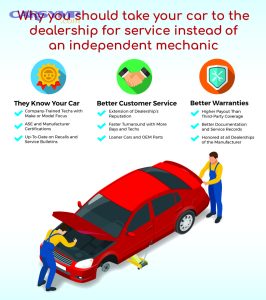
Many drivers prefer an independent mechanic because independent shops often build long-term relationships, offer flexible parts options, and price labor competitively. The best independents document work carefully and earn repeat business by being transparent rather than pushy.
In contrast, brand-focused facilities tend to follow strict factory processes, which can be helpful for newer vehicles or advanced diagnostics. The key is whether your issue truly requires brand-specific tools and procedures.
When dealership-level service makes sense
Sometimes you genuinely benefit from a dealership service center—for example, software updates, complex warranty repairs, or rare model-specific issues. But the decision should come from necessity, not fear.
To connect the dots, ask the shop (or dealer) what specific tool, calibration, or process requires that environment. If they can’t articulate it, you may be paying more without getting more.
When a specialty shop is worth it
A specialist may be worth it for transmissions, hybrid systems, European vehicles, advanced diagnostics, or performance tuning. Specialists typically invest in unique tools and training and see the same failure modes repeatedly—so they diagnose faster and with fewer wrong turns.
In other words, specialization reduces guesswork, which can reduce total cost even if the hourly rate is higher.
What certifications, tools, and specialties matter for quality work?
Yes—certifications and tooling matter because modern vehicles require correct procedures, accurate diagnostics, and safe repair methods. To choose confidently, focus on proof: training, equipment, and a track record with your type of vehicle.
To move from “claims” to “evidence,” check what the shop can show you, not just what it says online.

Training signals you can verify
Look for technicians who can demonstrate current training and competence, not just years in the trade. In many markets, a certified mechanic label is used loosely—so ask what the certification covers, when it was renewed, and whether it matches your repair type (electrical diagnosis, brakes, HVAC, etc.).
Next, ask whether the shop sends technicians to ongoing training. Cars change quickly; a shop that stops learning tends to replace parts until something “works,” which is expensive and frustrating.
Core equipment that supports accurate diagnosis
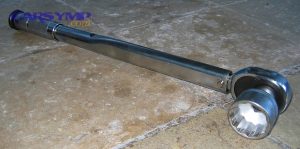
For many repairs, you want to see professional scan tools, digital multimeters, battery testers, smoke machines (for vacuum/EVAP leaks), pressure testers, and proper torque tools. Clean, organized bays and calibrated equipment are practical signals of discipline.
To go deeper, ask whether the shop can perform calibrations that newer cars may require after certain repairs (depending on your vehicle). If they outsource calibrations, that can still be fine—if they explain it clearly and price it upfront.
Specialty alignment: match the shop to the job
A shop can be excellent overall but weak in one area. Match your issue to their specialty: electrical gremlins, overheating, suspension noise, braking vibration, air conditioning performance, or drivetrain concerns. If the shop can describe common causes and a clear test plan before quoting, that’s a strong sign.
As a result, you reduce the chance of paying for experimentation.
How can you estimate cost and avoid surprise charges?
Yes—you can reduce surprise charges by insisting on a written estimate, understanding labor categories, and approving changes before extra work begins. To make that easier, treat pricing like a checklist: diagnosis fee, labor hours, parts grade, shop supplies, and taxes.
To keep control, ask for clarity before the car is taken apart.

Understand what you’re paying for: diagnosis vs repair
Diagnosis is not “free thinking”—it’s time, tools, and expertise. Good shops separate diagnostic work from repair labor so you can decide your next step with real information. If a shop refuses to explain what the diagnostic covers, that’s a warning sign.
Next, ask how diagnostic charges apply if you proceed with the repair (some shops credit part of the diagnostic fee toward the final bill; policies vary).
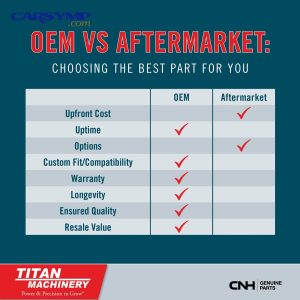
Parts options: OEM, aftermarket, and remanufactured
Parts choice impacts both price and reliability. OEM parts can offer consistency, but quality aftermarket parts can be excellent when selected carefully. Remanufactured parts may reduce cost for certain components, but they can carry more variability—so ask about the supplier and return rates.
To keep the flow, request that the quote specify the parts brand or grade, not just “part included.”
Approval gates: stop scope creep
Set a clear rule: no added work without your approval. This is especially important when the shop discovers related issues after teardown. Ask them to call or message with photos and an updated estimate before proceeding.
In practice, this one habit prevents most budget surprises.
What should a reliable inspection and diagnostic process look like?
Yes—a reliable process follows a consistent sequence: confirm the concern, inspect systematically, test the most likely causes, and document evidence. To understand what “professional” looks like, listen for structure, not vague guesses.
To start, you should be able to describe the issue and get a clear set of next steps in return.

Symptom confirmation and a short interview
A good shop begins by clarifying the conditions: when it happens, how often, and what makes it better or worse. Mention any dashboard warnings, recent repairs, or new noises. If you can, describe Car Symptoms precisely (for example: “only when cold,” “only at highway speed,” “only while braking”).
Next, the shop should repeat back what they heard—so you know you’re aligned.
Targeted tests, not random parts replacement
Professional diagnosis is guided by probability and evidence. The shop should explain what they’re testing and why: “We’ll verify fuel pressure,” “We’ll measure battery draw,” or “We’ll smoke-test the intake for leaks.” If the plan is just “we’ll replace X and see,” your risk goes up.
To illustrate, a check-engine light can have dozens of causes; testing narrows the list quickly and prevents wasted spending.
Documented results and a clear recommendation
After testing, the shop should share results in a form you can understand: photos, readings, scan data summaries, or a brief written explanation. This is also where you’ll learn whether you need immediate repair or can schedule it later.
As a result, you can prioritize: safety issues first, then reliability, then comfort.
How do you judge transparency, communication, and customer care?
Yes—communication quality predicts repair quality because careful shops explain, document, and verify work instead of rushing. To judge this quickly, evaluate how they quote, how they update you, and how they handle your questions.
To move forward confidently, watch for consistent, calm explanations and evidence-sharing.

Look for proof-driven updates
Strong shops use photos, short videos, and clear notes to show what they found. That makes it easier to approve work remotely and reduces misunderstandings. When you see documentation habits, you’re usually seeing professionalism habits.
Next, consistency matters: the shop should communicate the same story across the service advisor and the technician notes.
Use reviews the right way
Online feedback can help, but it’s noisy. Focus on patterns: repeat mentions of honesty, clean work, and fair estimates—and how the business responds to complaints. Reading auto repair reviews is most useful when you look for recurring details, not just star ratings.
To keep it grounded, cross-check what people praise: timelines, updates, workmanship, and resolution of comebacks.
Scheduling and handoff quality
A smooth process often includes clear drop-off instructions, realistic timelines, and straightforward appointment booking options (phone, web, text). The goal is not fancy technology—it’s clarity: when they’ll diagnose, when they’ll call, and what happens if parts are delayed.
As a result, you waste less time chasing updates.
How do warranties and parts choices affect long-term reliability?
Yes—warranties and parts choices matter because they define your protection if a repair fails and they influence how long the fix lasts. To evaluate this, look at what is covered, for how long, and under what conditions.
To connect workmanship to accountability, treat warranty terms as part of the quote—not a footnote.

Workmanship coverage vs parts coverage
Some problems come from installation, not the part itself. A strong policy clearly separates workmanship coverage and parts coverage—and explains the process if something goes wrong. Ask how diagnostics are handled if a repaired issue returns.
Next, look for clarity on exclusions (abuse, modifications, unrelated failures) so you’re not surprised later.
What “good warranty” really means in practice
A strong warranty is easy to use: you can return, the shop honors it without drama, and they document what they do. If you hear vague promises, push for specifics in writing. Many drivers specifically ask about a warranty on repairs because they want predictable protection; that’s reasonable—and reputable shops expect the question.
To keep it simple, ask: “If the same issue returns within the warranty, what happens step by step?”
Parts quality and how it affects your total cost
Choosing the cheapest part can increase your total cost if it fails early. Ask what brand or grade the shop recommends and why. If the shop will install customer-supplied parts, ask how that affects warranty and liability.
As a result, you can balance cost with confidence instead of gambling.
How do you prepare for a shop visit to save time and money?
Yes—you can save time and money by arriving with clear symptoms, service history, and a priority list. To do this well, organize what happened, when it started, and what you want most: safety, reliability, or comfort.
To begin, treat your visit like a short briefing, not a mystery story.

Bring the right information
Share any recent repairs, warning lights, and conditions that trigger the issue. If the problem is intermittent, note patterns: temperature, speed, rain, or fuel level. Even small details can reduce diagnostic time.
Next, bring your maintenance records if you have them. A shop can often spot missed intervals or repeated issues faster when they see history.
Set priorities and boundaries
Tell the shop what matters most to you: “I need it safe for highway driving” or “I need it reliable for commuting.” Also set spending boundaries: “Call me before anything over X.” This helps the shop propose options instead of forcing a single expensive path.
As a result, you stay in control while still moving forward.
Know when alternatives may fit
For some minor issues, a traveling service can be convenient. People sometimes search mobile mechanic near me to handle battery swaps, simple sensor replacements, or basic maintenance at home. That can be useful, but for complex diagnostics, aligners, or heavy repairs, a full shop environment often provides better tooling and safety.
To keep the flow, match the service model to the job complexity.
What red flags suggest you should avoid a shop?
Yes—there are clear red flags: vague estimates, pressure tactics, no documentation, and unwillingness to explain diagnostics. To protect yourself, watch for behaviors that increase your risk of unnecessary repairs or poor workmanship.
To make this actionable, use a short “walk-away” checklist.

They refuse to explain the diagnosis
If a shop won’t explain what they tested—or can’t connect the recommendation to evidence—you may be funding guesswork. A competent shop can explain a complex issue simply and show you supporting details.
Next, pay attention to inconsistency: if the story changes each time you ask, that’s not confidence-inspiring.
They won’t provide a clear estimate
You should be able to get a written estimate with labor, parts, and fees. If they only speak in ranges with no reasoning, or they keep adding costs without approval, your risk rises.
To make it concrete, require approval gates before additional work.
They push urgency without safety reasoning
Some issues are urgent (brakes, steering, major leaks), but urgency should be explained with safety logic. If the shop uses fear without evidence, consider leaving. A professional will show what’s wrong and explain consequences clearly.
As a result, you avoid decisions made under pressure.
How do you handle emergencies and urgent repairs safely?
Yes—urgent repairs can be handled safely if you prioritize immediate risk, confirm the diagnosis, and choose the right service channel. To do this, start with safety: if the car is unsafe, don’t drive it.
To move fast without making costly mistakes, use a simple triage approach.

Triage: decide whether to stop driving
If you have brake failure signs, steering problems, severe overheating, fuel smell, or a major fluid leak, stop and call for help. In urgent cases, many people search emergency car repair near me—but the first decision is whether the vehicle should be towed rather than driven.
Next, ask the shop to confirm safety status before starting optional work.
Fast diagnostics still need structure
Even when you’re in a hurry, avoid “replace first, ask later.” A good shop can do rapid confirmation tests and present a short list of options with risk levels. If you’re stranded, you want a plan that minimizes time without turning into a blank check.
As a result, you get speed with guardrails.
Choose the right shop under pressure
When you’re stressed, it’s tempting to pick the first result that claims to be the best auto repair shop near me. Instead, do a quick verification: ask about diagnostic approach, timeline, warranty terms, and whether they can show photos of findings. Even two minutes of screening can prevent a bad outcome.
To keep momentum, choose the shop that communicates clearly and offers evidence—fast.
How do you build a long-term maintenance plan with one shop?
Yes—building a long-term plan with one shop improves reliability because it reduces repeated diagnostic time, creates service continuity, and helps you catch patterns early. To do this well, pair scheduled maintenance with periodic inspections and clear recordkeeping.
To start, think in seasons and mileage intervals rather than random visits.

Use a consistent schedule, then adapt
Begin with manufacturer recommendations, then adapt based on usage: towing, extreme heat/cold, short trips, or high-mileage commuting. Ask the shop to help you prioritize what matters now versus what can wait.
Next, ask for a “next visit” note on every invoice. That small habit keeps your plan realistic.
Pair inspections with your goals
If you’re planning a road trip, ask for a pre-trip check. If you’re buying or selling, request a comprehensive inspection. In many places, a car inspection service can also be used to evaluate a used vehicle before purchase—helping you avoid hidden costs.
As a result, you turn maintenance into risk management, not guesswork.
Keep records you can actually use
Save invoices and notes. A good shop can track trends like recurring misfires, repeated alignment issues, or cooling system weaknesses. When a future problem appears, your history becomes a diagnostic shortcut.
To make this even easier, ask the shop to email invoices and attach photos to your file when possible.
Contextual Border: Up to this point, you’ve learned how to select a shop and manage repairs. Next, we’ll expand into the “aftercare” details that strengthen trust, reduce repeat problems, and make every future visit smoother.
How can you maximize trust and value after the repair is done?
Yes—you maximize trust and value by confirming results, organizing documentation, and using small habits that prevent repeat failures. To keep the relationship productive, focus on verification, follow-up, and long-term records.
To build momentum, treat post-repair steps as part of the repair—not optional extras.

Do a quick post-repair review before you leave
Ask the service advisor to summarize what was fixed, what evidence confirmed the issue, and what tests verified the repair. If the problem was intermittent, ask what conditions were used to reproduce and confirm it. This short conversation often reveals whether the shop is disciplined.
Next, confirm what to watch for in the next week—noise, smell, fluid level changes, or warning lights.
Organize your records for future diagnostics
Create a simple folder (digital or paper) for invoices and photos. If a similar issue arises later, you can show exactly what was done, which parts were installed, and when. This reduces repeated diagnostic cost and prevents conflicting repairs.
As a result, your car’s history becomes a tool—one that protects your wallet.
Follow the shop’s maintenance recommendations with intent
Good shops often recommend follow-ups: re-torquing, re-checking fluid levels, or re-inspecting a repaired area. Treat these as quality control, not upselling. When follow-ups are documented and explained, they typically reduce long-term risk.
To keep it practical, schedule follow-ups only for items that have a clear reason and a clear benefit.
Know when to compare options without burning bridges
It’s normal to get a second opinion on big-ticket repairs. Do it respectfully: ask for your inspection notes and photos, then compare diagnostic logic—not just price. A professional shop won’t be offended by careful decision-making; it will support it.
In other words, trust grows when both sides stay transparent.
Frequently Asked Questions
Below are common questions drivers ask when choosing and working with an auto repair shop. These answers focus on clarity, risk reduction, and long-term reliability.

Should I always get a written estimate?
Yes—get a written estimate because it prevents misunderstandings, clarifies parts and labor, and creates approval boundaries. Next, confirm how the shop handles changes if additional issues are discovered.
Is it okay to bring my own parts?
Sometimes, but ask first. Customer-supplied parts can complicate warranty coverage and accountability. To keep things clear, confirm whether the shop will install them, how labor is priced, and what happens if the part fails.
How do I compare two quotes fairly?
Compare diagnostics, parts grade, labor hours, and warranty terms—not just the final number. Next, ask each shop to explain the evidence behind the recommendation; the better explanation often signals the better outcome.
What if I don’t understand what the shop is recommending?
Ask for photos, old parts (when appropriate), and a simple explanation of cause and effect. A professional shop can translate technical details into a clear story. If they can’t—or won’t—consider getting a second opinion.
Can I rely on reviews to choose a shop?
Reviews help when you look for consistent themes: honesty, documentation, fair pricing, and how problems are resolved. Next, pair reviews with a quick phone screening so you can judge communication and process directly.