Daniel James Carter
Lead Diagnostic Technician & Technical Content Author
Company / Organization
CarSymp
Experience / Skills
Check Engine Light diagnosis (OBD-II); engine performance & ignition/fuel systems; brake service; steering & suspension; AC/heater diagnostics; cooling system service; basic transmission diagnostics; electrical & battery/charging systems; maintenance schedules
About Daniel James Carter
Daniel James Carter (born July 14, 1988) is an Automotive Diagnostic & Repair Technician and the Lead Diagnostic Technician & Technical Content Author for this auto repair website. His work focuses on translating real shop-floor diagnostics into clear, step-by-step guidance for vehicle owners—especially around check-engine issues, climate control problems, brake safety, and steering/suspension wear.\n\nDaniel’s interest in mechanical systems started early, but his professional path became formal in 2006 when he began a structured apprenticeship in general automotive service. Between 2006 and 2008, he worked alongside senior technicians learning foundational skills—oil services, brake inspections, tire work, basic electrical checks, and service documentation. During this period, he also built the habits that still define his process today: verifying the customer’s concern, road-testing when safe, and confirming repairs with repeatable measurements.\n\nIn 2009, Daniel moved into a full-time automotive service technician role, where he handled a higher volume of maintenance and repair work (brakes, cooling systems, belts, ignition components, and driveline basics). By 2012, he shifted toward diagnostics, focusing on OBD-II fault tracing, fuel trim interpretation, misfire detection, smoke-testing intake leaks, and electrical circuit testing using wiring diagrams and voltage-drop methods.\n\nA major milestone came in 2015 when he began pursuing advanced professional credentials through the National Institute for Automotive Service Excellence (ASE). After completing multiple ASE exams and documenting the required hands-on experience, Daniel earned the ASE Master Automobile Technician designation in 2017. He continued building depth in drivability and emissions-related diagnostics and achieved the ASE L1 Advanced Engine Performance Specialist credential in 2019. He maintains his credentialing through ongoing study and periodic recertification, aligning his knowledge with modern engine management systems, updated scan-tool workflows, and evolving diagnostic standards.\n\nFrom 2018 to 2021, Daniel served as a senior technician in a busy service environment where his day-to-day work centered on complex complaints: intermittent stalling, hard starts, rough idle, overheating, vibration under braking, and AC systems that blow warm or smell musty. He became known for careful diagnosis before parts replacement, using a consistent checklist:\n\n\n Confirm the symptom and capture freeze-frame data.\n Test likely causes (air leaks, sensors, ignition, fuel delivery, charging system) with measurable evidence.\n Repair only after the failure is verified and the fix can be validated.\n Validate with a road test, live data review, and final inspection.\n\n\nIn 2022, Daniel began formalizing his field notes into consumer-friendly write-ups and troubleshooting guides. By 2023, he expanded that work into structured content for this website, combining real repair patterns with clear explanations of why failures happen (for example: how moisture and organic buildup can cause musty AC smell, why worn suspension joints can mimic wheel balance issues, or how vacuum leaks and weak ignition coils can trigger persistent misfires).\n\nToday, Daniel’s role on the website is to ensure every guide reflects practical repair reality—tools a shop actually uses, common misdiagnoses to avoid, and safety-first recommendations. He writes with the same standard he uses in the bay: the diagnosis must make sense, the repair must be verifiable, and the timeline from symptom to fix must be clear for the reader.

Related topics
Latest posts by Daniel James Carter


New vs Remanufactured Starter: 7 Key Pros and Cons for Vehicle Owners
When your vehicle refuses to start and diagnostic tests point to starter failure, you face a critical decision: should you invest in a new starter or opt for a remanufactured unit? New starters offer complete peace of mind with 100% fresh components and full manufacturer warranties, while remanufactured starters provide cost savings of 30-50% with comparable performance standards.
Daniel James Carter March 2, 2026 at 4:39 AM
How to Diagnose Starter vs Battery vs Alternator Problems: Complete Testing Guide for Car Owners
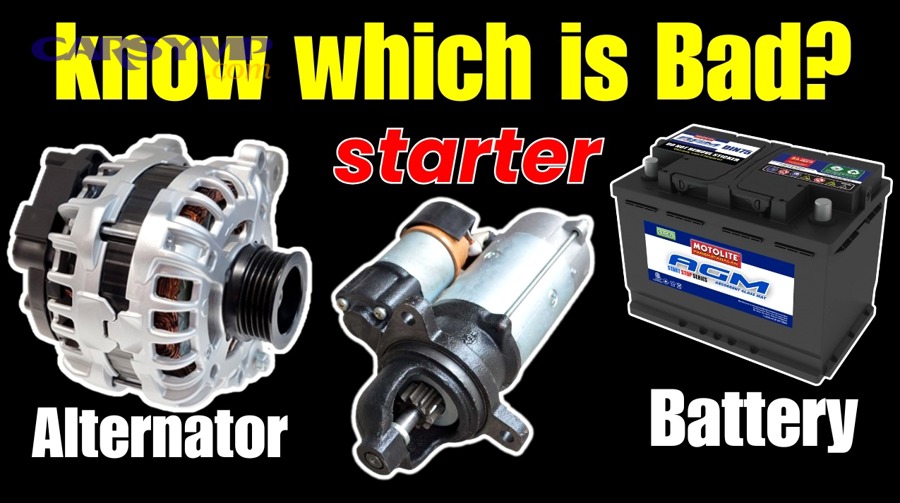
Diagnosing starter, battery, and alternator problems requires systematic testing to identify which component has failed, using voltage measurements, visual inspections, and load tests to differentiate between these three interconnected parts of your car's electrical system. Each component produces distinct symptoms when failing, and proper diagnosis prevents unnecessary part replacements while saving both time and money on automotive repairs.
Daniel James Carter March 2, 2026 at 4:24 AM
Starter Replacement Labor Time: Complete Duration Guide for Car Owners
Starter replacement labor time typically ranges from 1.5 to 4 hours for most vehicles, though some complex installations can take 6 to 8 hours depending on starter location and required component removal.
Daniel James Carter March 2, 2026 at 4:06 AM
7 Critical Starter Failure Symptoms Every Driver Should Recognize
A failing starter motor announces itself through seven distinctive warning signs: clicking or grinding noises when turning the key, complete failure to crank the engine, dimming dashboard lights during start attempts, burning smell or visible smoke, slow or sluggish cranking, intermittent starting problems, and unusual whining sounds. Recognizing these bad starter signs early prevents unexpected breakdowns and helps you avoid costly roadside emergencies that leave you stranded in unsafe locations.
Daniel James Carter March 2, 2026 at 3:48 AM
starter clicks but won’t start
How to Verify Charging & Battery Health After Replacement: Complete Post-Repair Checklist for Device Owners
Verifying charging functionality and battery health after replacement requires checking specific metrics including charge rate, voltage stability, capacity percentage, and system diagnostics to confirm proper installation and eliminate post-repair issues. A replaced battery should charge at normal speed, reach 100% capacity without warnings, display 95-100% health on genuine replacements, show 0-5 charge cycles, and maintain stable voltage readings—failure to verify these indicators can result in unexpected shutdowns, inaccurate health reporting, or safety hazards like overheating.
Daniel James Carter March 2, 2026 at 3:13 AM
Estimate Your Starter Replacement Cost: 2024 Price Guide for Vehicle Owners
Starter replacement typically costs between $300 and $800 for most vehicles in 2024, with parts ranging from $150 to $400 and labor adding another $150 to $400 to the total bill. This price varies significantly based on your vehicle's make and model, the type of starter selected, and where you choose to have the work performed.
Daniel James Carter March 2, 2026 at 4:54 AM
starter clicks but won’t start
Decide to Tow or Drive: Critical Safety Guidance for Vehicle Owners After Accidents
After a vehicle accident or breakdown, you should call for towing if your car shows signs of severe damage such as smoke, fluid leaks, deployed airbags, steering or brake failure, or unusual noises—while you can safely drive if damage is purely cosmetic, all safety systems function properly, and you feel physically and emotionally capable of operating the vehicle. The decision between towing and driving depends on three critical factors: the extent of visible and mechanical damage, the functionality of essential safety systems, and your physical and emotional state following the incident.
Daniel James Carter March 2, 2026 at 2:38 AM
starter clicks but won’t start
How to Test Starter Motor Circuit with Multimeter: Complete DIY Guide for Beginners
Testing a starter motor circuit with a multimeter involves checking voltage at the battery and starter terminals, testing solenoid continuity and trigger voltage, measuring motor winding resistance, and verifying ground circuit integrity to identify failures in the starting system. This systematic approach requires a digital multimeter, basic safety equipment, and following proper testing sequences to pinpoint whether issues stem from the battery, cables, solenoid, or motor itself.
Daniel James Carter March 2, 2026 at 2:16 AM
starter clicks but won’t start
How to Test Ignition Switch vs Neutral Safety Switch: Complete Diagnostic Guide for DIYers
Testing the ignition switch versus the neutral safety switch requires a systematic approach using a multimeter, test light, and jumper wire to identify which component is preventing your vehicle from starting. The ignition switch controls electrical power distribution to the starter circuit, while the neutral safety switch prevents engine cranking when the transmission is in gear.
Daniel James Carter March 2, 2026 at 2:02 AM
starter clicks but won’t start
Debunking 5 Tap Test Myths: What It Actually Indicates for Guitar Buyers
The tap test has generated five persistent myths among guitarists: that it reveals final plugged-in tone, determines overall quality, indicates a "bad" guitar if the sound is dead, proves superiority through volume, and can replace actually playing the instrument. These widespread misconceptions stem from misunderstanding what acoustic response actually measures, leading buyers to make purchasing decisions based on unreliable criteria.
Daniel James Carter March 2, 2026 at 1:41 AM
starter clicks but won’t start
How to Diagnose Bad Ground Cable Causing Click-No-Start: 7 Symptoms & Fixes for DIY Mechanics
A bad ground cable is the root cause of click-no-start issues in approximately 15-20% of all starting system failures, yet it remains one of the most overlooked electrical problems. When you turn your ignition key and hear a single click or rapid clicking sound without the engine cranking, a compromised ground cable creating excessive electrical resistance is likely preventing sufficient current from reaching your starter motor.
Daniel James Carter March 2, 2026 at 1:27 AM
starter clicks but won’t start
How to Test a Starter Relay and Solenoid: Complete Troubleshooting Guide for DIY Mechanics
Testing a starter relay and solenoid requires a systematic approach using a multimeter to measure voltage, continuity, and resistance at specific terminals while understanding the symptoms that differentiate relay failures from solenoid malfunctions. This diagnostic process helps you identify whether a clicking sound, no-crank condition, or intermittent starting issue stems from electrical relay problems or mechanical solenoid failures, saving you from unnecessary parts replacement and costly mechanic visits.
Daniel James Carter March 2, 2026 at 1:06 AM
starter clicks but won’t start
How to Diagnose Starter Problems with Battery Voltage Drop Testing: Complete Guide for DIYers and Mechanics
Diagnosing starter problems with battery voltage drop testing involves connecting a digital multimeter between the battery and starter motor during cranking, measuring the voltage loss across connections, and comparing results to acceptable thresholds of 0.2V on positive circuits and 0.
Daniel James Carter March 2, 2026 at 12:51 AM
starter clicks but won’t start
Single Click vs Rapid Clicks: Diagnosing Battery or Starter Problems for Car Owners
When your car won't start and you hear clicking noises, the pattern of those clicks reveals whether you're dealing with a battery problem or a starter motor failure. A single loud click typically indicates a faulty starter motor, starter solenoid, or starter relay that cannot engage the engine, while rapid clicking sounds point to a weak or dead battery that lacks sufficient power to crank the engine.
Daniel James Carter March 2, 2026 at 12:36 AM
7 Proven Methods to Stop Recurring Stalls in Manual Vehicles
Recurring stalls in manual transmission vehicles can be eliminated through seven proven methods: mastering the clutch biting point, coordinating clutch and throttle properly, executing correct hill starts, selecting appropriate gears, maintaining critical engine components, diagnosing idle speed problems, and recognizing clutch wear warning signs. These systematic approaches address both driver technique deficiencies and mechanical failures that cause engines to shut off repeatedly during operation.
Daniel James Carter March 1, 2026 at 10:50 PM
Complete Repair Cost Breakdown: 12 Common Stall Causes & Price Ranges for Vehicle Owners
Vehicle stalling repair costs range from $50 to $6,402 depending on the underlying cause, with 12 common issues spanning fuel system failures, electrical malfunctions, ignition problems, and mechanical breakdowns. The most affordable fixes include air filter replacement ($50) and fuel filter changes ($15-$300), while expensive repairs involve transmission torque converter replacement ($5,892-$6,402) and timing chain work ($800-$1,500).
Daniel James Carter March 1, 2026 at 10:25 PM
7 Critical Steps to Handle a Stalled Vehicle Safely on the Road
When your vehicle suddenly stalls while driving, executing the correct safety response within the first few seconds can prevent accidents, injuries, and further vehicle damage. The seven critical steps include maintaining steering control despite power loss, applying proper braking techniques without power assistance, activating hazard warnings immediately, positioning the vehicle safely away from traffic flow, communicating your situation to emergency services, attempting restart only when safe, and adapting your response based on specific stall locations like highways, intersections, or railroad crossings.
Daniel James Carter March 1, 2026 at 10:07 PM
How to Scan Diagnostic Codes for Engine Stall Events: Complete Troubleshooting Guide for Automotive Technicians
Scanning diagnostic codes for engine stall events requires connecting an OBD2 scanner to your vehicle's diagnostic port, retrieving stored trouble codes (DTCs), analyzing freeze frame data, and monitoring live sensor readings to identify root causes like crankshaft position sensor failures, fuel delivery issues, or ignition system malfunctions. Modern automotive technicians rely on this systematic approach to diagnose intermittent and complete engine stalls efficiently, reducing diagnostic time from hours to minutes while pinpointing the exact system causing the problem.
Daniel James Carter March 1, 2026 at 9:54 PM![Can a Bad EGR Valve Cause Your Car to Stall? [Diagnosis & Fixes]](https://carsymp.com/wp-content/uploads/2026/03/hq720-29.jpg)
Can a Bad EGR Valve Cause Your Car to Stall? [Diagnosis & Fixes]
Yes, a bad EGR valve can absolutely cause your car to stall, particularly when the valve becomes stuck open and allows excessive exhaust gas into the engine at idle. This flooding of inert exhaust gas disrupts the delicate air-fuel mixture your engine needs to run smoothly, resulting in rough idle, hesitation, and complete stalling—especially at stop lights or when decelerating.
Daniel James Carter March 1, 2026 at 9:20 PM
How Vacuum Leaks Cause Engine Stalling: Symptoms, Diagnosis & Prevention for Car Owners
Yes, vacuum leaks directly cause engine stalling by disrupting the precise air-fuel mixture your engine needs for combustion. When unmetered air enters through cracks in vacuum hoses, damaged gaskets, or loose connections, the engine receives too much air relative to fuel, creating a lean condition that starves the combustion chamber and triggers stalling, particularly at idle when fuel demand is most critical.
Daniel James Carter March 1, 2026 at 9:01 PM
7 Critical Sensor Failures That Cause Engine Stalling
Yes, seven critical automotive sensors can cause engine stalling: the Mass Air Flow (MAF) sensor, Crankshaft Position Sensor, Manifold Absolute Pressure (MAP) sensor, Oxygen (O2) sensor, Throttle Position Sensor (TPS), Camshaft Position Sensor, and Engine Coolant Temperature Sensor. These sensors fail because they provide incorrect data to the Engine Control Unit (ECU), disrupting fuel mixture calculations, ignition timing, or air intake regulation—all essential for maintaining engine operation.
Daniel James Carter March 1, 2026 at 8:38 PM
How to Fix Throttle Body Stalling: 7 Proven Solutions for Idle Control Issues in Modern Engines
Throttle body stalling occurs when your engine dies unexpectedly at idle, during deceleration, or when coming to a stop—a frustrating problem caused by malfunctioning idle control components that disrupt the precise air-fuel mixture your engine needs. This comprehensive guide delivers 7 proven solutions to diagnose and repair throttle body and idle air control valve failures, restoring smooth engine performance and eliminating dangerous stalling situations that compromise your safety on the road.
Daniel James Carter March 1, 2026 at 8:11 PM
Fuel System vs Ignition System Stalling: 8 Diagnostic Clues to Pinpoint the Real Cause
When your engine stalls unexpectedly, the root cause typically lies in either the fuel system or the ignition system—two fundamentally different systems that produce distinct failure patterns. Fuel system stalling occurs when the engine is starved of adequate fuel delivery, resulting in gradual power loss, sputtering, and hesitation before the engine dies.
Daniel James Carter March 1, 2026 at 7:49 PM
Complete Engine Stalling Diagnostic Checklist: Step-by-Step Troubleshooting for Mechanics & DIYers
Engine stalling occurs when your vehicle's engine unexpectedly shuts off during operation, and proper diagnosis requires a systematic checklist covering fuel delivery, ignition systems, air intake components, and electrical circuits to identify the root cause efficiently. A complete engine stalling diagnostic checklist saves both time and money by guiding mechanics and DIY enthusiasts through logical troubleshooting sequences, eliminating guesswork and preventing unnecessary part replacements.
Daniel James Carter March 1, 2026 at 7:14 PM
How to Stop Squeaks: Complete Maintenance and Lubrication Guide for Homeowners and DIY Mechanics
Squeaking noises from hinges, suspension systems, furniture, and mechanical components stem from friction between surfaces where lubricant has dried out or worn away, and stopping these squeaks requires identifying the source, selecting the appropriate lubricant (silicone spray, lithium grease, or penetrating oil), cleaning the affected area, and applying the lubricant correctly to restore smooth, quiet operation. This comprehensive guide provides homeowners and DIY mechanics with proven techniques to eliminate annoying squeaks permanently through proper maintenance and strategic lubrication.
Daniel James Carter March 1, 2026 at 6:34 PM
Is It Safe to Drive With Car Squeaking Noises? 7 Warning Signs for Drivers
The safety of driving with car squeaking noises depends on the source and severity—brake-related squeaking requires immediate attention, while minor belt squeaks may allow cautious driving to a repair shop. Determining whether you can safely continue driving requires identifying which of the seven critical warning signs your vehicle is exhibiting, as some squeaking noises indicate imminent component failure that could compromise your safety on the road.
Daniel James Carter March 1, 2026 at 5:55 PM
12 Essential DIY Inspection Points to Locate Floor Squeaks Fast
Finding the source of annoying floor squeaks requires systematic inspection of 12 critical points across your flooring system, including surface boards, subfloor connections, joist attachments, and structural support areas. By following a methodical top-down approach and examining each component where wood meets wood or metal meets wood, homeowners can accurately pinpoint squeak locations without professional help.
Daniel James Carter March 1, 2026 at 5:39 PM
7 Common Causes of Wet Weather Squeaks: Why Your Brakes and Belts Make Noise in Rain
Wet weather squeaks in vehicles occur due to seven primary causes: moisture on brake pads, serpentine belt slippage, brake dust accumulation, improper belt tension, worn suspension components, rust on brake rotors, and water in brake calipers. These squeaking noises when driving in rainy conditions typically result from water creating a temporary film between friction surfaces, reducing grip and causing vibrations that produce audible sounds.
Daniel James Carter March 1, 2026 at 5:27 PM
Identify Wheel Bearing Noise vs Squeak: 7 Diagnostic Tests for Car Owners
Wheel bearing noise differs from squeaking sounds through its characteristic low-frequency growling or humming that intensifies with vehicle speed, while squeaks typically produce high-pitched intermittent sounds often linked to brakes, suspension components, or belt-driven accessories. Car owners can accurately distinguish between these noises by conducting seven systematic diagnostic tests including the speed variation test, swerving test, braking test, visual wheel play test, wheel spin test, sound location test, and tire inspection test.
Daniel James Carter March 1, 2026 at 5:13 PM
Diagnose Squeaking Over Bumps: 8 Suspension Components Causing Your Car’s Noise
Squeaking noises when driving over bumps typically stem from eight primary suspension components: worn control arm bushings, deteriorated ball joints, failing strut mounts, dried sway bar bushings, degraded spring isolators, damaged tie rod ends, worn shock absorbers, and compromised upper strut bearings. These components lose lubrication or structural integrity over time, creating metal-on-rubber or metal-on-metal friction that produces distinctive squeaking sounds during suspension compression and rebound cycles.
Daniel James Carter March 1, 2026 at 4:47 PM
How to Diagnose Belt Squeal vs Wheel Squeak: Key Differences for Car Owners
Belt squeal originates from the engine's accessory belt system and produces a high-pitched chirping sound during cold starts or accessory engagement, while wheel squeak comes from wheel bearings or brake components and creates grinding or humming noises that vary with vehicle speed. The primary difference lies in their location, sound characteristics, and occurrence conditions—belt squeal typically happens in the engine compartment when accessories like air conditioning or power steering activate, whereas wheel squeak emerges from individual wheel assemblies and intensifies during turning or acceleration.
Daniel James Carter March 1, 2026 at 4:22 PM
How to Identify Brake Squeak vs Suspension Squeak: 5 Key Diagnostic Tests for Car Owners
Identifying whether a squeaking noise when driving comes from your brakes or suspension requires understanding the distinct sound characteristics and occurrence patterns of each system. Brake squeaks typically produce high-pitched metallic squeals during braking, while suspension squeaks create creaking or groaning sounds over bumps and uneven surfaces.
Daniel James Carter March 1, 2026 at 4:04 PM
Complete Car Squeak Diagnosis Checklist: 12 Common Causes When Driving (+ Quick Fixes for Car Owners)
Car squeaking while driving stems from twelve primary causes: worn brake pads, glazed rotors, serpentine belt wear, loose belt tensioners, deteriorated suspension bushings, faulty shock absorbers, low power steering fluid, worn wheel bearings, tire misalignment, brake dust buildup, alternator pulley issues, and water pump problems. These squeaks occur when metal, rubber, or friction surfaces interact abnormally due to wear, insufficient lubrication, or component failure, creating audible high-pitched sounds that vary based on driving conditions and vehicle speed.
Daniel James Carter March 1, 2026 at 3:38 PM
How to Verify Misfire Codes: 7 Proven Diagnostic Methods for DIY Mechanics
Verifying misfire codes requires using an OBD2 scanner to read live data, performing visual inspections, testing ignition components, checking fuel delivery, conducting compression tests, monitoring engine performance during test drives, and analyzing freeze frame data to confirm genuine engine problems versus false positives. These seven diagnostic methods systematically identify whether misfire codes P0300 through P0312 represent actual combustion failures or sensor-related false triggers.
Daniel James Carter March 1, 2026 at 3:07 PM
When to Replace Spark Plug Wires With Plugs: Complete Timing Guide for Car Owners
Yes, you should replace spark plug wires when changing spark plugs if the wires are over 60,000 miles, show visible wear, or are more than five years old, because coordinated replacement prevents performance issues, saves on labor costs, and ensures optimal ignition system efficiency. Replacing both components together eliminates the risk of new spark plugs underperforming due to degraded wires that deliver weak electrical current to the combustion chamber.
Daniel James Carter March 1, 2026 at 2:50 PM
7 Essential Techniques to Prevent Cross-Threading and Broken Spark Plug Issues
Cross-threading and broken spark plug issues can be prevented by using proper hand-threading techniques, applying correct torque specifications, ensuring thread alignment before installation, selecting appropriate tools, inspecting threads before insertion, using the counterclockwise alignment method, and considering engine temperature during installation. These seven essential techniques protect your engine's cylinder head from costly damage while ensuring reliable spark plug performance.
Daniel James Carter March 1, 2026 at 2:35 PM
Essential DIY Spark Plug Replacement Checklist: Complete Guide for Home Mechanics
Successfully replacing spark plugs yourself requires a comprehensive checklist covering essential tools, proper procedures, and critical safety precautions to ensure optimal engine performance without causing damage. This DIY spark plug replacement guide provides home mechanics with everything needed to complete the job confidently, from gathering the right equipment to executing each step with precision and avoiding costly mistakes that could compromise your vehicle's ignition system.
Daniel James Carter March 1, 2026 at 2:12 PM
How Symptoms Improve After Joint Replacement: Recovery Timeline for Patients
Joint replacement surgery triggers a predictable healing cascade where pain decreases by 50-70% within the first six weeks, swelling subsides over three months, and mobility gradually returns through structured rehabilitation. Most patients experience significant symptom relief by the three-month mark, with 90% reporting substantial pain reduction and improved function compared to their pre-surgery state.
Daniel James Carter March 1, 2026 at 2:02 PM
Master Spark Plug Gap and Torque: Complete Specifications Guide for DIY Mechanics and Technicians
Proper spark plug installation requires precise gap settings and correct torque application to ensure optimal engine performance, prevent damage, and maximize plug lifespan. Mastering spark plug gap involves understanding electrode distance specifications ranging from 0.
Daniel James Carter March 1, 2026 at 1:40 PM
Essential Add-Ons for Coil Pack Replacement: What Car Owners Must Consider
When replacing ignition coil packs, car owners must consider essential add-on services including spark plug replacement, ignition wire inspection, diagnostic testing, and labor costs to ensure complete repair and avoid repeated failures. Most automotive technicians recommend bundling these services because ignition system components wear simultaneously, and addressing only the coil packs while ignoring related parts creates a high probability of additional breakdowns within weeks or months.
Daniel James Carter March 1, 2026 at 1:21 PM
Choose Between OEM vs Aftermarket Spark Plugs: Complete Quality and Cost Comparison for Car Owners
OEM spark plugs deliver superior precision, longevity, and fuel economy optimization compared to most aftermarket options, making them the optimal choice for vehicle owners prioritizing long-term value, though premium aftermarket brands can offer competitive performance at reduced upfront costs. The decision between these two categories hinges on material quality, manufacturing tolerances, total ownership costs, and your specific vehicle requirements.
Daniel James Carter March 1, 2026 at 1:06 PM
Compare Labor Time by Engine Layout: Inline vs V6 vs V8 Repair Costs for Mechanics
Engine layout directly impacts labor time, with inline engines requiring 6-14 hours for major repairs, V6 engines needing 14-18 hours, and V8 configurations demanding 14-22 hours due to component accessibility and design complexity. The fundamental difference stems from cylinder arrangement: inline engines feature straightforward single-bank designs with superior accessibility, while V-type configurations use dual banks that create physical barriers requiring extensive disassembly for even routine maintenance tasks.
Daniel James Carter March 1, 2026 at 12:50 PM
How to Prevent Soft Brake Pedal After Brake Service: 7 Essential Bleeding Techniques for DIY Mechanics
A soft brake pedal after brake service occurs primarily because air enters the hydraulic system during component replacement, and preventing this issue requires proper bleeding techniques applied in the correct sequence, maintaining reservoir fluid levels, and avoiding common mistakes like pushing pistons back with open bleeder valves. DIY mechanics can eliminate this frustrating problem by understanding how air infiltrates brake lines during pad and rotor replacement and by mastering the seven essential bleeding methods that range from simple gravity bleeding to advanced ABS system purging.
Daniel James Carter March 1, 2026 at 11:56 AM
Is It Safe to Drive With a Soft Brake Pedal? 7 Critical Warning Signs for Drivers
No, it is generally unsafe to drive with a soft brake pedal because it indicates compromised brake system integrity that significantly increases stopping distances, reduces braking control, and can lead to complete brake failure. A properly functioning brake system requires firm hydraulic pressure throughout the brake lines, and any sponginess or excessive pedal travel signals air infiltration, fluid leaks, or component failure that prevents your vehicle from stopping effectively in emergency situations.
Daniel James Carter March 1, 2026 at 11:16 AM
How to Bleed Brakes to Restore Firm Pedal Feel: Complete DIY Guide for Car Owners
Bleeding your brakes is the essential process of removing trapped air from your vehicle's hydraulic brake lines to restore firm, responsive pedal feel and ensure safe braking performance. When air infiltrates the brake system—whether through routine maintenance, component wear, or fluid contamination—it compresses under pressure, creating that concerning soft or spongy sensation when you press the brake pedal.
Daniel James Carter March 1, 2026 at 10:50 AM
How to Diagnose ABS Module Issues Causing Soft Brake Pedal: 7 Solutions for Car Owners
ABS module issues causing soft brake pedal can be diagnosed through seven key signs: pedal firmness returning after pumping, softness only when the engine runs, normal feel restoration after ABS activation, problems following module replacement, illuminated ABS warning lights, intermittent pedal-to-floor behavior, and mid-travel pedal drops. These symptoms distinguish ABS-related problems from master cylinder failures, air in brake lines, or brake booster malfunctions, allowing car owners to identify the root cause accurately.
Daniel James Carter March 1, 2026 at 10:36 AM
Brake Hose Swelling and Internal Collapse: 5 Critical Causes, Warning Signs & Prevention Methods for Vehicle Owners
Brake hose swelling and internal collapse occur due to five critical causes: age-related rubber deterioration, excessive heat exposure from braking friction, contaminated brake fluid chemical reactions, manufacturing defects in reinforcement layers, and prolonged moisture absorption that weakens internal structures. These failures compromise your vehicle's hydraulic braking system, transforming a critical safety component into a potential hazard that can lead to partial or complete brake failure.
Daniel James Carter March 1, 2026 at 10:08 AM
7 Critical Master Cylinder Failure Signs Every Driver Must Recognize
The seven critical master cylinder failure signs every driver must recognize include a soft or spongy brake pedal, brake pedal sinking to the floor, visible brake fluid leaks, contaminated or dirty brake fluid, illuminated brake warning light, uneven braking performance, and unusual noises or vibrations during braking. These symptoms indicate internal seal degradation, hydraulic pressure loss, or complete component failure that compromises your vehicle's braking system and requires immediate attention to prevent accidents.
Daniel James Carter March 1, 2026 at 9:53 AM
How to Diagnose Brake Fluid Leaks Causing Soft Pedals: Complete Guide for Car Owners
A soft brake pedal indicates a critical brake system issue, most commonly caused by brake fluid leaks that compromise hydraulic pressure in your braking system. Diagnosing brake fluid leaks requires systematic visual inspection of components like the master cylinder, brake lines, calipers, and wheel cylinders, combined with pedal feel testing and fluid level monitoring to pinpoint the exact leak location.
Daniel James Carter March 1, 2026 at 9:40 AM