Daniel James Carter
Lead Diagnostic Technician & Technical Content Author
Company / Organization
CarSymp
Experience / Skills
Check Engine Light diagnosis (OBD-II); engine performance & ignition/fuel systems; brake service; steering & suspension; AC/heater diagnostics; cooling system service; basic transmission diagnostics; electrical & battery/charging systems; maintenance schedules
About Daniel James Carter
Daniel James Carter (born July 14, 1988) is an Automotive Diagnostic & Repair Technician and the Lead Diagnostic Technician & Technical Content Author for this auto repair website. His work focuses on translating real shop-floor diagnostics into clear, step-by-step guidance for vehicle owners—especially around check-engine issues, climate control problems, brake safety, and steering/suspension wear.\n\nDaniel’s interest in mechanical systems started early, but his professional path became formal in 2006 when he began a structured apprenticeship in general automotive service. Between 2006 and 2008, he worked alongside senior technicians learning foundational skills—oil services, brake inspections, tire work, basic electrical checks, and service documentation. During this period, he also built the habits that still define his process today: verifying the customer’s concern, road-testing when safe, and confirming repairs with repeatable measurements.\n\nIn 2009, Daniel moved into a full-time automotive service technician role, where he handled a higher volume of maintenance and repair work (brakes, cooling systems, belts, ignition components, and driveline basics). By 2012, he shifted toward diagnostics, focusing on OBD-II fault tracing, fuel trim interpretation, misfire detection, smoke-testing intake leaks, and electrical circuit testing using wiring diagrams and voltage-drop methods.\n\nA major milestone came in 2015 when he began pursuing advanced professional credentials through the National Institute for Automotive Service Excellence (ASE). After completing multiple ASE exams and documenting the required hands-on experience, Daniel earned the ASE Master Automobile Technician designation in 2017. He continued building depth in drivability and emissions-related diagnostics and achieved the ASE L1 Advanced Engine Performance Specialist credential in 2019. He maintains his credentialing through ongoing study and periodic recertification, aligning his knowledge with modern engine management systems, updated scan-tool workflows, and evolving diagnostic standards.\n\nFrom 2018 to 2021, Daniel served as a senior technician in a busy service environment where his day-to-day work centered on complex complaints: intermittent stalling, hard starts, rough idle, overheating, vibration under braking, and AC systems that blow warm or smell musty. He became known for careful diagnosis before parts replacement, using a consistent checklist:\n\n\n Confirm the symptom and capture freeze-frame data.\n Test likely causes (air leaks, sensors, ignition, fuel delivery, charging system) with measurable evidence.\n Repair only after the failure is verified and the fix can be validated.\n Validate with a road test, live data review, and final inspection.\n\n\nIn 2022, Daniel began formalizing his field notes into consumer-friendly write-ups and troubleshooting guides. By 2023, he expanded that work into structured content for this website, combining real repair patterns with clear explanations of why failures happen (for example: how moisture and organic buildup can cause musty AC smell, why worn suspension joints can mimic wheel balance issues, or how vacuum leaks and weak ignition coils can trigger persistent misfires).\n\nToday, Daniel’s role on the website is to ensure every guide reflects practical repair reality—tools a shop actually uses, common misdiagnoses to avoid, and safety-first recommendations. He writes with the same standard he uses in the bay: the diagnosis must make sense, the repair must be verifiable, and the timeline from symptom to fix must be clear for the reader.

Related topics
Latest posts by Daniel James Carter


Engine Repair vs. Replacement: 7 Critical Factors Every Car Owner Must Weigh Before Deciding
When your engine starts failing, the decision between repair and replacement is one of the most consequential — and expensive — choices you will face as a vehicle owner. The right answer depends not on a single variable, but on a combination of seven critical factors: damage severity, cost, vehicle age and mileage, how long you plan to keep the car, warranty implications, resale value impact, and long-term financial outcomes.
Daniel James Carter March 9, 2026 at 12:15 PM
Cam/Crank Correlation Codes Explained: What They Mean, Why They Trigger, and How to Fix Them
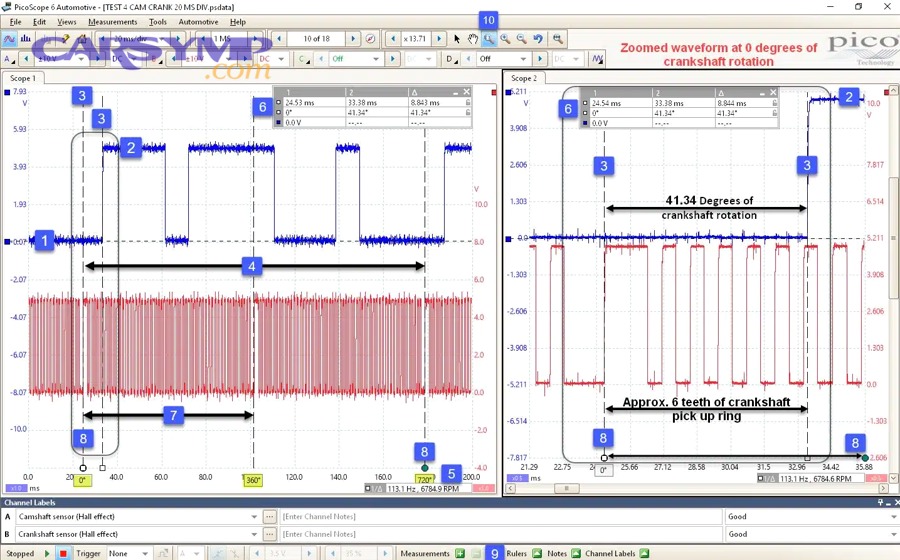
Cam/crank correlation codes are a family of OBD-II diagnostic trouble codes — most commonly P0016, P0017, P0018, and P0019 — that your vehicle's powertrain control module (PCM) sets when it detects that the crankshaft and camshaft positions are no longer properly synchronized. Unlike a simple sensor failure, a correlation code signals a relationship problem between two critical engine components.
Daniel James Carter March 9, 2026 at 12:00 PM
How Skipping Oil Changes Destroys Your Timing Chain (And What It Costs You)
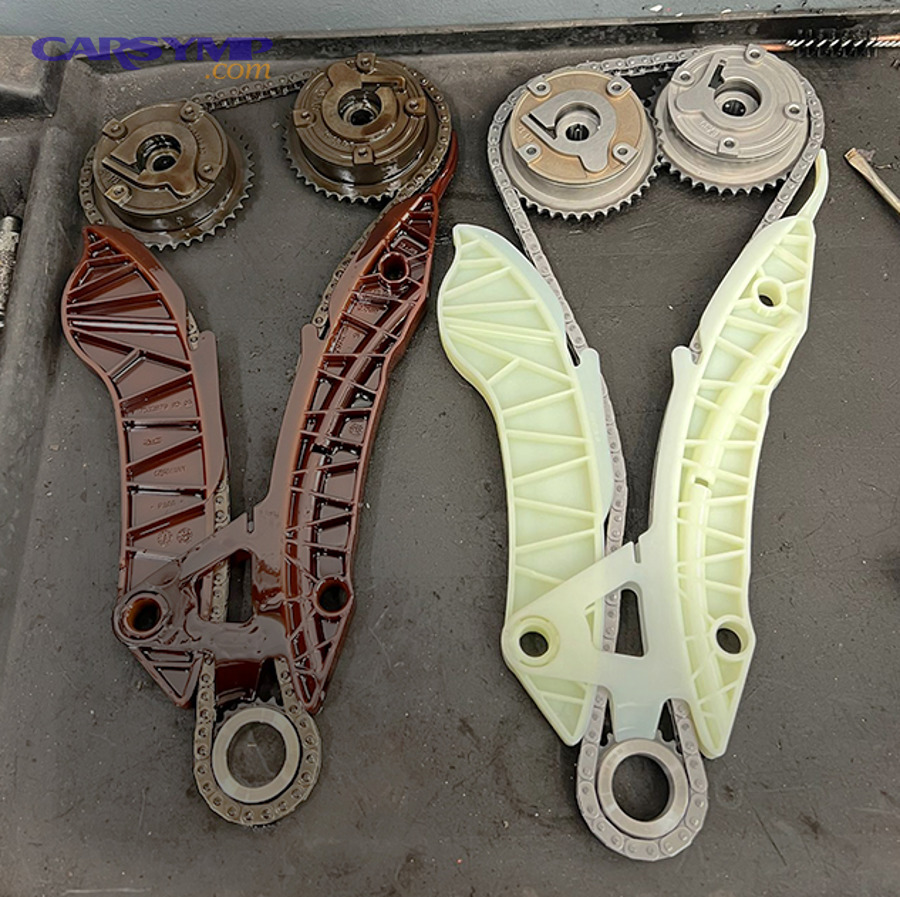
Skipping oil changes is one of the most damaging habits a car owner can develop — and the timing chain pays the heaviest price. When engine oil degrades and goes unchanged, it loses its ability to lubricate the chain's pins, rollers, and links.
Daniel James Carter March 9, 2026 at 11:47 AM
Cold Start Rattle: How to Diagnose and Fix Timing Chain & Tensioner Issues Before They Destroy Your Engine
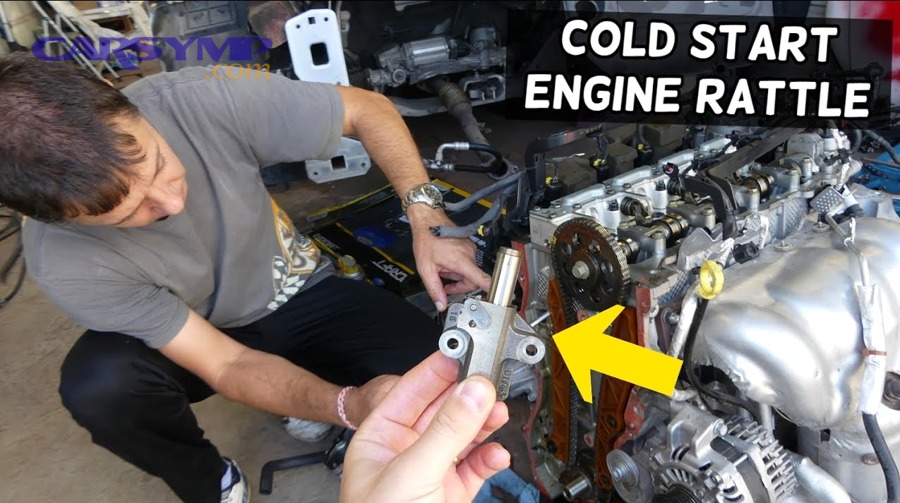
Cold start rattle is a brief metallic clattering noise that occurs within the first one to five seconds of starting a cold engine, and in the majority of cases, it points directly to a problem within the timing chain and tensioner system. When an engine sits overnight, oil drains back into the sump and leaves the hydraulic tensioner temporarily starved of pressure — the timing chain goes slack, slaps against the timing cover or guides, and produces that distinctive rattling sound until oil pressure rebuilds.
Daniel James Carter March 9, 2026 at 11:35 AM
Timing Chain Repair Cost Estimate: What Every Car Owner Should Budget in 2026
Timing chain repair cost typically falls between $1,600 and $2,700 for most vehicles in 2026, with labor accounting for the largest share of that bill. If you've just been handed a repair estimate and felt your stomach drop, you're not alone — this is one of the most expensive routine engine services a car owner will face.
Daniel James Carter March 9, 2026 at 11:23 AM
How Long Does Timing Chain Repair Take? Labor Hours, Costs & What Mechanics Include
Timing chain repair takes a skilled mechanic between 5 and 14 hours depending on the scope of the job, the vehicle's engine complexity, and whether additional components are replaced alongside the chain. For a basic single-chain replacement on a straightforward four-cylinder engine, most shops complete the job in 5 to 8 hours.
Daniel James Carter March 9, 2026 at 11:12 AM
How to Diagnose Timing Chain, Tensioner, and Guide Failure: Symptoms Every Car Owner Should Know
Diagnosing timing chain, tensioner, and guide failure requires recognizing which specific component is producing symptoms — because all three share overlapping warning signs that can easily mislead even experienced car owners. The timing chain, tensioner, and guide form an interdependent system inside your engine, and when one begins to fail, the others are rarely far behind.
Daniel James Carter March 9, 2026 at 11:02 AM
7 Warning Signs of Timing Chain Stretch Every Car Owner Must Know
A stretched timing chain produces seven recognizable warning signs: a rattling noise at startup, repeated engine misfires, an illuminated check engine light with fault codes, noticeable power loss, hard starting or failure to start, cam or crank timing mark misalignment, and metal debris appearing in the engine oil. These signs do not always appear simultaneously — they tend to emerge in stages, beginning subtly and escalating in severity as the chain continues to elongate.
Daniel James Carter March 9, 2026 at 10:51 AM
What Is Typical Service Time and Downtime? Benchmarks, Calculations, and How to Minimize Outages
Service time and downtime are two foundational metrics that determine how reliably any system, application, or server delivers value to its users. In simple terms, service time refers to the agreed period during which a system is expected to be fully operational, while downtime is any moment within that window when the system becomes unavailable — whether due to a scheduled maintenance window or an unexpected failure.
Daniel James Carter March 9, 2026 at 10:31 AM
How to Evaluate a Timing Belt Service Quote: What Every Car Owner Must Check
Evaluating a timing belt service quote correctly can be the difference between a smart maintenance decision and an expensive mistake. A fair, complete quote should clearly itemize labor costs, parts, warranty terms, and every component included in the service scope — not just the belt itself.
Daniel James Carter March 9, 2026 at 10:20 AM
DIY Timing Belt Replacement vs. Shop Cost: How Much Can Car Owners Really Save?
Replacing a timing belt is one of the most consequential maintenance jobs on any car with a rubber-belt-driven engine — and the gap between doing it yourself and paying a shop is substantial. On average, a DIY timing belt replacement costs between $100 and $350 in parts alone, while a professional shop charges anywhere from $500 to over $2,000 for the same job when labor is included.
Daniel James Carter March 9, 2026 at 10:11 AM
What Does Warranty Cover on a Timing Belt Job? Parts, Labor & Engine Protection Explained
Warranty coverage on a timing belt job is not a single guarantee — it is a layered system made up of four distinct protections: the parts warranty from the belt manufacturer, the labor warranty from the repair shop, the vehicle manufacturer's factory warranty, and any extended warranty or vehicle service contract you may hold. Each layer covers different risks, and understanding where one ends and another begins is the difference between walking away fully protected and paying thousands of dollars out of pocket after a belt failure.
Daniel James Carter March 9, 2026 at 10:00 AM
Timing Belt Failure on Interference Engines: Catastrophic Engine Damage and Repair Costs Explained
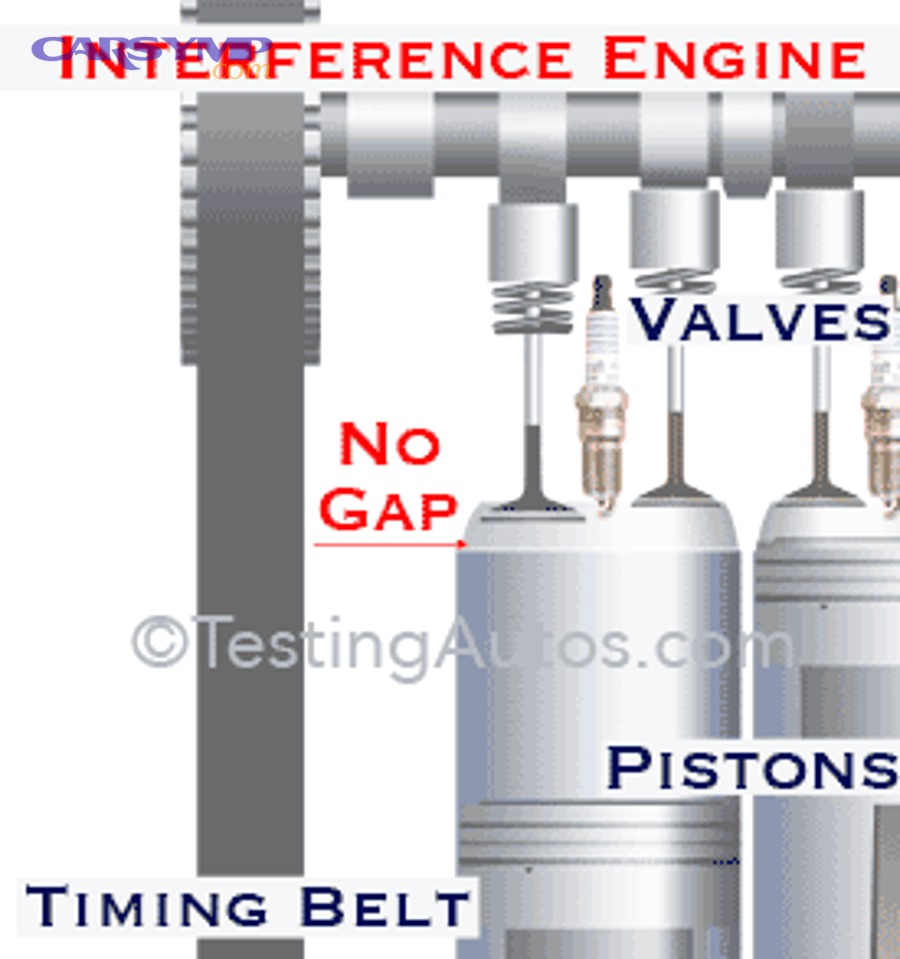
Timing belt failure on an interference engine is one of the most destructive — and most preventable — mechanical events a car owner can face. When the belt snaps, the engine does not simply stall.
Daniel James Carter March 9, 2026 at 9:50 AM
Dealer vs. Independent Shop Timing Belt Costs: Which Saves More Without Sacrificing Quality?
When comparing dealer vs. independent timing belt pricing, independent shops consistently charge $300 to $800 less than dealerships for the same service — and in most cases, they can deliver equal or comparable quality when the right shop is chosen.
Daniel James Carter March 9, 2026 at 9:40 AM
Water Pump Replacement: Are Add-On Costs Worth It or Just Extra Expenses?
Some water pump add-on costs are genuinely worth paying — and skipping them can turn a $700 repair into a $3,000+ engine failure. However, not every line item a mechanic adds to your estimate delivers real value.
Daniel James Carter March 9, 2026 at 9:30 AM
Timing Belt Kit vs. Belt-Only: True Cost Comparison Every Car Owner Should Know
A full timing belt kit costs meaningfully more upfront than replacing the belt alone — but in nearly every real-world scenario, the kit delivers significantly better value per dollar spent. The price gap between a belt-only service and a complete kit replacement is often just $100 to $200 in parts, yet the protection that gap buys is enormous.
Daniel James Carter March 9, 2026 at 9:20 AM
What Drives Engine Repair Costs: How Layout and Labor Hours Affect Your Final Bill
Engine repair cost is determined by two structural forces above all others: how your engine is physically arranged inside the vehicle, and how many hours a technician must spend working around that arrangement. When either variable rises, your final bill rises with it — and understanding why that happens puts you in a far stronger position before you ever walk into a shop.
Daniel James Carter March 9, 2026 at 9:10 AM
Average Timing Belt Replacement Cost: What Car Owners Should Expect to Pay in 2026
The average timing belt replacement cost in 2026 falls between $500 and $1,285 , depending on your vehicle's make, model, and where you take it for service. That wide range can feel overwhelming when you're staring at a mechanic's estimate, but understanding what drives the price makes it far easier to budget — and far harder for anyone to overcharge you.
Daniel James Carter March 9, 2026 at 8:59 AM
How to Verify and Test Your Timing Belt After Replacement: A Step-by-Step Guide for DIY Mechanics
Verifying your timing belt after replacement is the single most critical step that separates a successful DIY job from a catastrophic engine failure. The process involves confirming that the crankshaft and camshaft timing marks are correctly aligned, that belt tension meets manufacturer specifications, and that the engine passes a live performance test before returning to normal use.
Daniel James Carter March 9, 2026 at 8:39 AM
DIY Timing Belt Replacement Risks: What Every Car Owner Must Know Before Touching the Engine
DIY timing belt replacement is genuinely dangerous for the average car owner — not because the job is impossible, but because a single mistake can destroy an engine worth thousands of dollars. Unlike swapping brake pads or changing a serpentine belt, timing belt replacement demands exact mechanical precision, vehicle-specific tools, and a deep understanding of how your engine's internal components interact.
Daniel James Carter March 9, 2026 at 8:28 AM
Should You Replace Your Water Pump When Changing the Cambelt? Expert Tips to Save Time and Money
Yes, in most cases you should replace your water pump at the same time as your cambelt — and for good reason. These two components share the same service interval, the same engine access point, and the same catastrophic failure consequences if either one gives out unexpectedly.
Daniel James Carter March 9, 2026 at 8:19 AM
Timing Belt vs. Timing Chain: Key Differences in Durability, Cost, and Maintenance Every Car Owner Should Know
A timing belt and a timing chain perform the same essential job — synchronizing the crankshaft and camshaft so your engine's valves and pistons move in perfect coordination — but the two systems differ fundamentally in material, location, lifespan, and what they demand from you as a vehicle owner. The timing belt is built from reinforced rubber, operates quietly outside the engine's lubrication circuit, and must be replaced on a strict schedule.
Daniel James Carter March 9, 2026 at 8:09 AM
7 Warning Signs Your Timing Belt Is Failing (And When to Replace It)
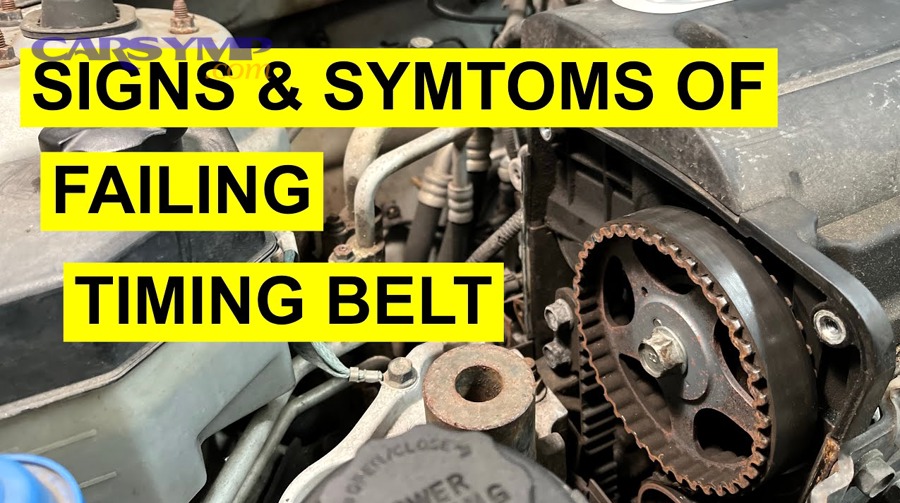
Your timing belt is one of the most critical — and most overlooked — components in your engine, and when it begins to fail, it rarely announces itself clearly. There are 7 key warning signs that your timing belt is failing: a ticking noise from the engine, misfires, an illuminated Check Engine light, oil leaks near the timing cover, excessive exhaust smoke, visible wear on the belt itself, and an engine that won't start.
Daniel James Carter March 9, 2026 at 7:58 AM
Timing Belt Replacement Cost Estimate: What Car Owners Should Budget in 2026
Timing belt replacement cost in 2026 ranges from $500 to $2,000 or more , depending on your vehicle, your location, and whether additional components need to be replaced alongside the belt. For most passenger cars, the total bill — covering both parts and labor — lands somewhere between $600 and $1,300.
Daniel James Carter March 9, 2026 at 7:49 AM
Timing Belt Replacement Labor Time: How Many Hours Does It Really Take (and What Drives the Cost)?
Timing belt replacement labor time typically ranges from 2.2 to 8 hours , depending on your vehicle's make, model, engine layout, and whether additional components like the water pump or tensioner are replaced at the same time.
Daniel James Carter March 9, 2026 at 7:40 AM
Complete Timing Belt Kit Components Explained: Belt, Tensioner, Idler Pulley & Water Pump for DIY Engine Repair
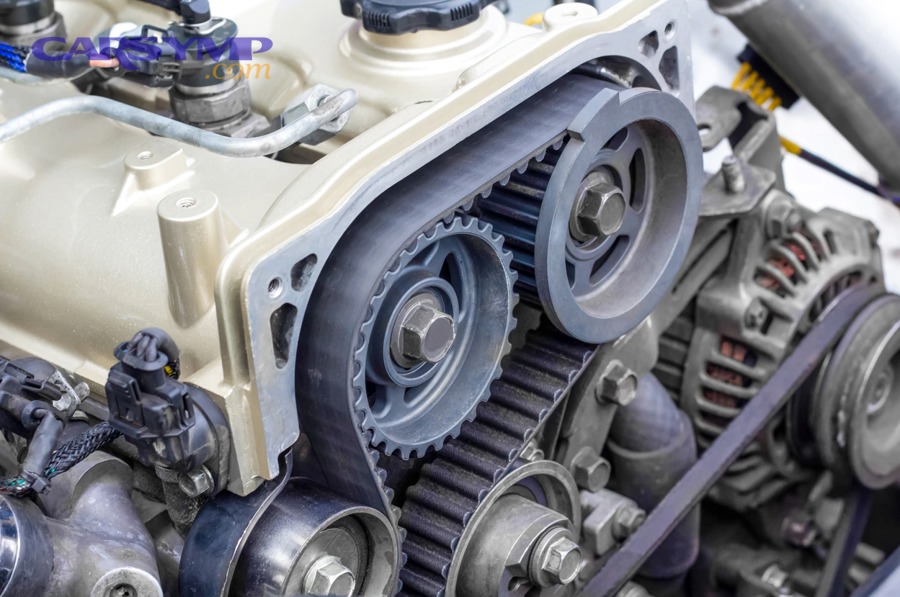
A timing belt kit is a complete set of interdependent engine components — including the timing belt, tensioner, idler pulleys, water pump, and camshaft and crankshaft seals — bundled together so every critical part of the timing drive system is renewed in a single service. Understanding exactly what each component does, and why they must be replaced as a unit, is the foundation of any successful DIY engine repair.
Daniel James Carter March 9, 2026 at 7:30 AM
Interference Engine Risk Explained: What Car Owners Must Know About Timing Failure and Engine Damage
An interference engine is a type of four-stroke internal combustion engine in which the valves and pistons are designed to share the same physical space inside the cylinder — but at carefully timed, separate moments. Under normal operating conditions, this design is perfectly safe and highly efficient.
Daniel James Carter March 9, 2026 at 7:20 AM
The Complete Timing Belt Replacement Schedule: Mileage Intervals, Warning Signs & Engine Damage Prevention
Most car owners know their timing belt needs replacing — but far fewer know exactly when, how often, or what happens when they wait too long. The timing belt is a rubber-toothed belt that synchronizes the rotation of your engine's crankshaft and camshaft, keeping intake and exhaust valves opening and closing in precise coordination with your pistons.
Daniel James Carter March 9, 2026 at 7:10 AM
How to Prevent Tie Rod Wear: Essential Maintenance Tips to Protect Your Steering System
Preventing tie rod wear is one of the most impactful things a vehicle owner can do to maintain safe, responsive steering over the long life of a car or truck. Tie rods are under stress every single time you turn the wheel, meaning wear accumulates steadily — but the rate of that wear is largely within your control.
Daniel James Carter March 9, 2026 at 6:48 AM
How to Check Tie Rod Play Safely: A Step-by-Step Inspection Guide for DIY Drivers
Checking tie rod play safely is a straightforward process any DIY driver can complete at home using basic tools — no professional lift or shop equipment required. The inspection involves physically testing each tie rod joint for looseness by hand and through a steering wheel rock test, then visually examining the boot and stud for damage.
Daniel James Carter March 9, 2026 at 6:37 AM
How to Remove a Seized Jam Nut: 7 Proven Methods for DIY Mechanics
A seized jam nut can stop any repair job cold — but it is removable with the right approach. There are 7 proven methods DIY mechanics can use to free a stuck jam nut, ranging from penetrating oil soaks to controlled destructive techniques, and each one is matched to a specific level of corrosion severity.
Daniel James Carter March 9, 2026 at 6:27 AM
How to Replace Tie Rods Yourself: Step-by-Step Guide with Tools Every Home Mechanic Needs
Tie rod replacement is a manageable DIY job that any home mechanic can complete successfully in one to two hours using basic hand tools and a couple of specialty items. The tie rod is a critical steering component — when it fails, your car pulls unpredictably, your tires wear unevenly, and in severe cases, you lose directional control entirely.
Daniel James Carter March 9, 2026 at 6:15 AM
How to Diagnose Clunking Noises and Uneven Tire Wear: Causes, Patterns, and Suspension Fixes
Clunking noises and uneven tire wear rarely happen in isolation — when they appear together, they almost always point to a failing suspension or steering component. Diagnosing this combination correctly means tracing two symptoms back to one root cause, whether that is a worn ball joint, a deteriorating control arm bushing, a damaged shock absorber, or a misaligned wheel.
Daniel James Carter March 9, 2026 at 6:05 AM
Tie Rod Replacement Cost Estimate: What Drivers Pay for Parts, Labor & Alignment in 2025
Tie rod replacement costs between $150 and $1,000 in total , depending on how many rods need replacing, the type of vehicle, and whether a wheel alignment is included. For most drivers with a mainstream sedan or truck, a realistic all-in estimate lands between $400 and $750 when a professional shop handles both the parts and the post-replacement alignment.
Daniel James Carter March 9, 2026 at 5:53 AM
Why Wheel Alignment Is Required After Tie Rod Replacement (And What Happens If You Skip It)
Wheel alignment is required after tie rod replacement because the tie rod directly controls the toe angle of each wheel, and any change to its length or thread position — even a fraction of a turn — shifts that angle out of specification. This is not a precautionary suggestion; it is a mechanical necessity.
Daniel James Carter March 9, 2026 at 5:42 AM
How Long Does Tie Rod Replacement Take? Labor Hours, Alignment Time & Repair Costs Explained
Tie rod replacement labor time typically ranges from 0.6 to 3.
Daniel James Carter March 9, 2026 at 5:32 AM
Inner vs. Outer Tie Rod: Key Differences Every Driver Should Understand
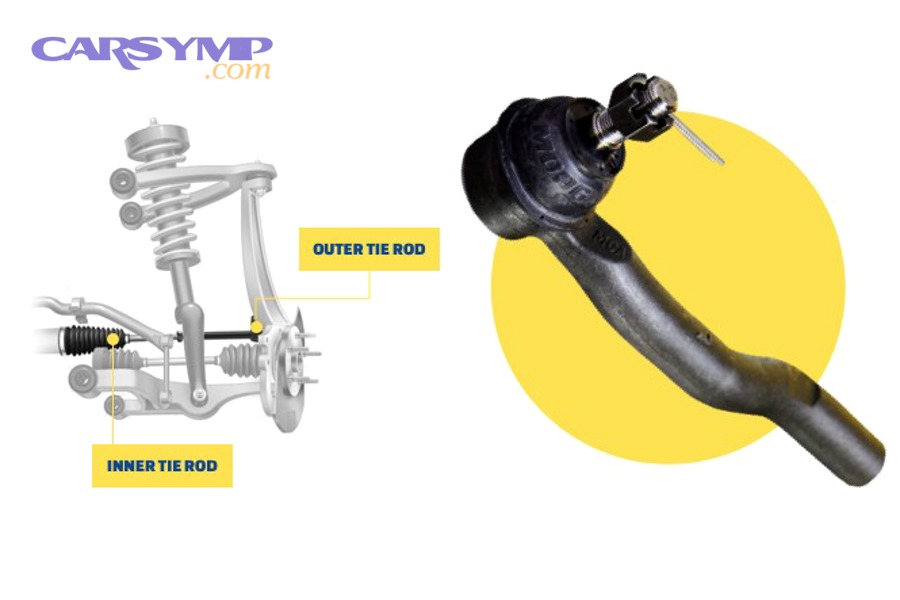
Inner and outer tie rods are the two mechanical links that connect your steering rack to the front wheels — and while they work as a team, they differ significantly in location, structure, function, and the way they fail. Understanding these differences is not just useful trivia for mechanics; it directly affects how confidently you can diagnose a steering problem, how you communicate with a technician, and whether you make the right repair decision before a minor issue becomes a safety hazard.
Daniel James Carter March 9, 2026 at 5:22 AM
7 Bad Tie Rod Symptoms Every Driver Should Recognize Before It’s Too Late
Bad tie rod symptoms include steering wheel vibration, loose or wobbly steering, clunking noises from the front end, uneven tire wear, vehicle pulling to one side, squeaking when turning, and visible wheel play — and recognizing these signs early can be the difference between a simple repair and a dangerous loss of vehicle control. The tie rod is one of the most safety-critical components in your steering system, directly connecting your steering wheel inputs to the movement of your front wheels.
Daniel James Carter March 9, 2026 at 5:12 AM
7 Common Mistakes That Ruin Your Throttle Body
The throttle body is one of the most overlooked components in a vehicle's engine system — until it fails. Seven common mistakes consistently ruin throttle bodies across all vehicle types: using the wrong cleaning chemicals, neglecting the air filter, skipping periodic cleaning, ignoring early warning signs, improper installation, skipping ECU recalibration, and installing low-quality aftermarket parts.
Daniel James Carter March 9, 2026 at 4:52 AM
How to Use Scan Data to Verify Improvement: A Step-by-Step Guide for Analysts and Practitioners
Scan data is one of the most objective, real-time sources of truth available to analysts across industries — and when used correctly, it can definitively confirm whether an improvement effort has produced measurable results. Whether you work in CPG retail, cybersecurity, or data governance, the core challenge is the same: how do you move beyond gut feeling and anecdotal reports to say, with confidence, "yes, the improvement is real"?
Daniel James Carter March 9, 2026 at 4:41 AM
When Cleaning Won’t Help: 7 Root Causes and What Actually Works for Overwhelmed Homeowners
Cleaning your home repeatedly without seeing lasting results signals a deeper problem than surface dirt—it means you're treating symptoms rather than addressing root causes like excessive clutter, absent organizational systems, or unsustainable cleaning methods. Traditional cleaning fails when the fundamental issue isn't dust or grime, but rather too much stuff competing for too little space, broken household routines, or cleaning approaches that create exhaustion instead of momentum.
Daniel James Carter March 3, 2026 at 10:54 AM
7 Major Causes of Engine Carbon Buildup and How to Prevent It: Complete Guide for Drivers
Engine carbon buildup occurs when incomplete combustion leaves hard, soot-like deposits on intake valves, combustion chambers, and pistons, reducing performance and fuel efficiency. The seven major causes include incomplete fuel combustion, low-quality fuel, oil breakdown, short trips with stop-and-go traffic, worn engine components, EGR system recirculation, and frequent cold starts.
Daniel James Carter March 3, 2026 at 9:35 AM
MAF Sensor vs Throttle Body Cleaner: Key Differences Every DIY Mechanic Should Know
MAF sensor cleaner and throttle body cleaner are fundamentally different products designed for distinct purposes—MAF cleaner uses a gentler, residue-free formulation to protect delicate electronic sensors, while throttle body cleaner employs stronger solvents to remove carbon deposits from mechanical components. Using throttle body cleaner on a mass airflow sensor can damage the sensitive hot-wire elements and require expensive replacement, whereas using MAF cleaner on a throttle body is safe but financially wasteful.
Daniel James Carter March 3, 2026 at 9:14 AM
Idle Relearn After Cleaning Explained: Why It’s Needed & How to Reset Your ECU
After cleaning your throttle body, you may notice your engine idling at unusually high RPMs—sometimes between 2000 and 3000 RPM—creating a disconcerting experience that leaves many car owners wondering what went wrong. Idle relearn is a critical recalibration process that resets your Engine Control Unit (ECU) to recognize the new throttle body baseline after cleaning removes carbon deposits that have accumulated over thousands of miles.
Daniel James Carter March 3, 2026 at 9:00 AM
Throttle Body Cleaning Cost: Complete Price Guide for Car Owners (2024 Estimates)
Throttle body cleaning costs range from $140 to $300 on average in 2024, with the final price depending on your vehicle type, service provider, and geographic location. This essential maintenance service combines labor costs of $70 to $200 with parts and cleaning solution expenses of $10 to $40, making it a moderate investment that can significantly improve your engine's performance and fuel efficiency.
Daniel James Carter March 3, 2026 at 8:37 AM![7 Critical Safety Precautions for Electronic Throttle Body Cleaning [Avoid Costly Damage]](https://carsymp.com/wp-content/uploads/2026/03/maxresdefault-22.jpg)
7 Critical Safety Precautions for Electronic Throttle Body Cleaning [Avoid Costly Damage]
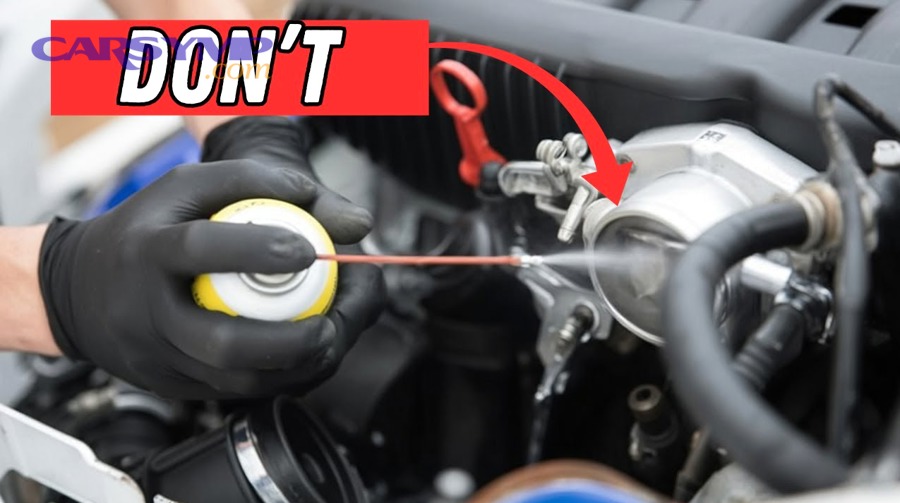
Electronic throttle body cleaning requires seven critical safety precautions to prevent damage: always disconnect the battery before starting, use only throttle body-specific cleaners (never carburetor cleaner), avoid manually forcing the throttle plate open, work in a well-ventilated area away from ignition sources, wear proper personal protective equipment including safety goggles and chemical-resistant gloves, protect electronic components from direct cleaner spray, and perform the manufacturer-specified relearn procedure after cleaning. These precautions protect sensitive electronic components including throttle position sensors, the electric motor, and the engine control module while preventing costly repairs that can range from $200 to $600 for replacement.
Daniel James Carter March 3, 2026 at 8:25 AM
How to Clean Throttle Body in 7 Simple Steps: Complete DIY Guide for Beginners (Save $200+)
Cleaning your throttle body is a straightforward DIY maintenance task that takes 30 to 60 minutes and costs under $20 in supplies, delivering immediate improvements in engine performance while saving you $200 to $300 in professional service fees. This complete guide walks you through seven simple steps that any beginner can follow, from gathering the right tools to properly reassembling your vehicle after a thorough cleaning.
Daniel James Carter March 3, 2026 at 8:02 AM
7 Critical Dirty Throttle Body Symptoms Every Driver Should Recognize
A dirty throttle body manifests through seven critical symptoms: rough idle, poor acceleration, engine stalling, check engine light activation, reduced fuel efficiency, surging or jerky movement, and hard starting conditions. These warning signs occur when carbon deposits and grime accumulate inside the throttle body, disrupting the precise airflow control your engine requires for optimal performance.
Daniel James Carter March 3, 2026 at 7:40 AM![Thermostat Repair Cost Guide: Pricing Breakdown by Common Issues [2024]](https://carsymp.com/wp-content/uploads/2026/03/sddefault-21.jpg)
Thermostat Repair Cost Guide: Pricing Breakdown by Common Issues [2024]
Thermostat repair costs typically range from $100 to $350 nationally, with most homeowners paying around $200 for professional diagnosis and repair of common issues. The total expense depends on the specific problem, labor rates in your area, whether parts need replacement, and the type of thermostat system in your home.
Daniel James Carter March 3, 2026 at 7:07 AM