


Daniel James Carter
Lead Diagnostic Technician & Technical Content Author
Company / Organization
CarSymp
Experience / Skills
Check Engine Light diagnosis (OBD-II); engine performance & ignition/fuel systems; brake service; steering & suspension; AC/heater diagnostics; cooling system service; basic transmission diagnostics; electrical & battery/charging systems; maintenance schedules
About Daniel James Carter
Daniel James Carter (born July 14, 1988) is an Automotive Diagnostic & Repair Technician and the Lead Diagnostic Technician & Technical Content Author for this auto repair website. His work focuses on translating real shop-floor diagnostics into clear, step-by-step guidance for vehicle owners—especially around check-engine issues, climate control problems, brake safety, and steering/suspension wear.\n\nDaniel’s interest in mechanical systems started early, but his professional path became formal in 2006 when he began a structured apprenticeship in general automotive service. Between 2006 and 2008, he worked alongside senior technicians learning foundational skills—oil services, brake inspections, tire work, basic electrical checks, and service documentation. During this period, he also built the habits that still define his process today: verifying the customer’s concern, road-testing when safe, and confirming repairs with repeatable measurements.\n\nIn 2009, Daniel moved into a full-time automotive service technician role, where he handled a higher volume of maintenance and repair work (brakes, cooling systems, belts, ignition components, and driveline basics). By 2012, he shifted toward diagnostics, focusing on OBD-II fault tracing, fuel trim interpretation, misfire detection, smoke-testing intake leaks, and electrical circuit testing using wiring diagrams and voltage-drop methods.\n\nA major milestone came in 2015 when he began pursuing advanced professional credentials through the National Institute for Automotive Service Excellence (ASE). After completing multiple ASE exams and documenting the required hands-on experience, Daniel earned the ASE Master Automobile Technician designation in 2017. He continued building depth in drivability and emissions-related diagnostics and achieved the ASE L1 Advanced Engine Performance Specialist credential in 2019. He maintains his credentialing through ongoing study and periodic recertification, aligning his knowledge with modern engine management systems, updated scan-tool workflows, and evolving diagnostic standards.\n\nFrom 2018 to 2021, Daniel served as a senior technician in a busy service environment where his day-to-day work centered on complex complaints: intermittent stalling, hard starts, rough idle, overheating, vibration under braking, and AC systems that blow warm or smell musty. He became known for careful diagnosis before parts replacement, using a consistent checklist:\n\n\n Confirm the symptom and capture freeze-frame data.\n Test likely causes (air leaks, sensors, ignition, fuel delivery, charging system) with measurable evidence.\n Repair only after the failure is verified and the fix can be validated.\n Validate with a road test, live data review, and final inspection.\n\n\nIn 2022, Daniel began formalizing his field notes into consumer-friendly write-ups and troubleshooting guides. By 2023, he expanded that work into structured content for this website, combining real repair patterns with clear explanations of why failures happen (for example: how moisture and organic buildup can cause musty AC smell, why worn suspension joints can mimic wheel balance issues, or how vacuum leaks and weak ignition coils can trigger persistent misfires).\n\nToday, Daniel’s role on the website is to ensure every guide reflects practical repair reality—tools a shop actually uses, common misdiagnoses to avoid, and safety-first recommendations. He writes with the same standard he uses in the bay: the diagnosis must make sense, the repair must be verifiable, and the timeline from symptom to fix must be clear for the reader.
Related topics
Latest posts by Daniel James Carter
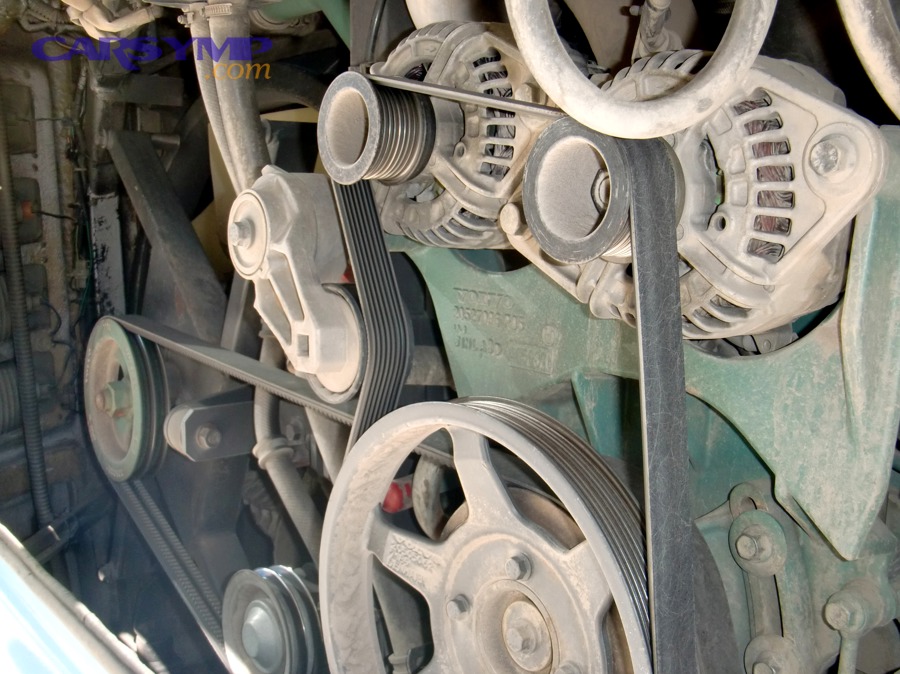
Safely Decide: Drive With a Seized AC Compressor—Stop vs Go Drivers
Can you drive with a seized compressor ? Sometimes yes for a very short distance, but only if the belt path and accessories stay stable—and that’s the part you can’t assume.
Daniel James Carter January 18, 2026 at 6:28 AM
Break Down AC Compressor Replacement Costs for Drivers: Parts vs Labor
The most accurate AC compressor replacement cost breakdown is the one that separates what you’re paying for parts , what you’re paying for labor , and what you’re paying for system protection so you don’t buy the same repair twice. To make that breakdown practical, this guide shows what a real estimate usually includes, how compressor swap cost changes across vehicles and shops, and how to spot line items that are necessary versus padded.
Daniel James Carter January 18, 2026 at 6:20 AM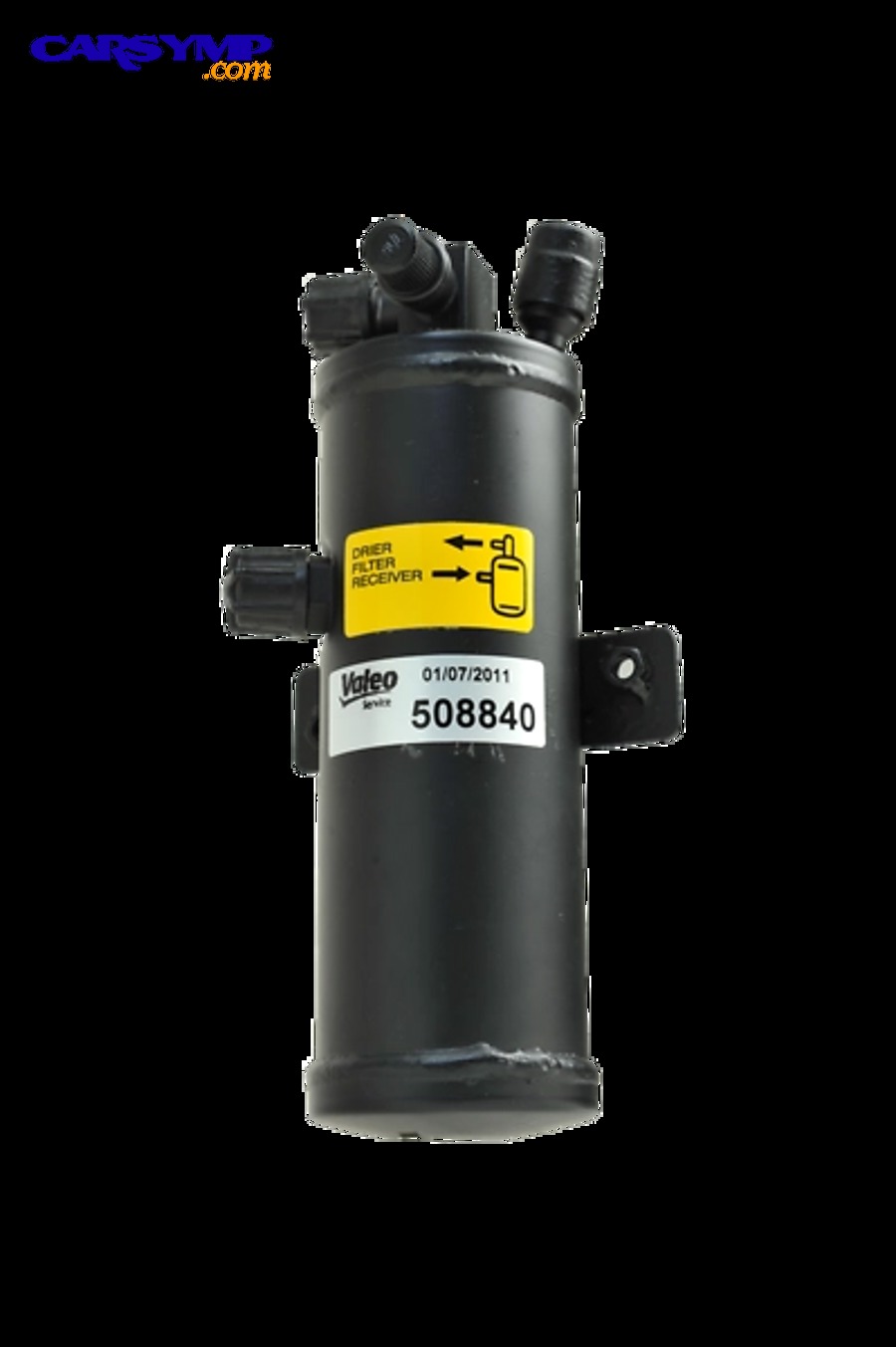
Replace Essential A/C Parts with a Compressor for DIYers, Not Just the Pump
If you’re asking what parts to replace with compressor , the short answer is: replace the compressor and the parts that protect it from moisture, debris, and restriction—otherwise the new unit can fail fast. To begin, most “comeback” failures happen because the system still contains water, acid, worn metal, or a hidden restriction—so the new compressor is forced to run hot, starved, or contaminated.
Daniel James Carter January 18, 2026 at 6:12 AM
How to Flush AC Lines After Compressor Failure, Not Just Rinse
If your compressor failed, you should flush the AC lines after compressor failure because debris and degraded oil can circulate and destroy the replacement compressor in minutes. An AC system flush is the controlled process of pushing an approved solvent or refrigerant through specific components to remove contamination, then drying and verifying the circuit before reassembly.
Daniel James Carter January 18, 2026 at 6:03 AM
Compare New vs Reman AC Compressors for Drivers: Pros vs Cons
New compressors win on “unknowns” because every internal surface, seal, and wear interface starts fresh from one production batch; remanufactured units win on value because most of the expensive metal mass is reused and restored to spec. Beyond price, the decision is really about risk management: quality control depth, warranty strength, how contaminated your A/C system is, and how costly it would be to pay labor twice.
Daniel James Carter January 18, 2026 at 5:56 AM
Diagnose Compressor Clutch vs Compressor Failure for Drivers
If your A/C suddenly blows warm air, the fastest win is separating a clutch-side problem (the “switch” that couples the belt to the compressor) from an internal compressor problem (the “pump” itself). That one decision changes the risk, parts cost, and how deep the repair must go.
Daniel James Carter January 18, 2026 at 5:49 AM
Estimate AC Compressor Replacement Labor Time: Hours vs Flat-Rate
AC compressor replacement labor time is usually best estimated as a range , not a single number, because access, required A/C service steps, and vehicle packaging can swing the job from “straightforward” to “time-heavy.” Beyond the removal/install itself, many vehicles require recover–evacuate–recharge procedures, leak checks, and performance verification—steps that can add meaningful time even when the compressor bolts are easy to reach.
Daniel James Carter January 18, 2026 at 5:41 AM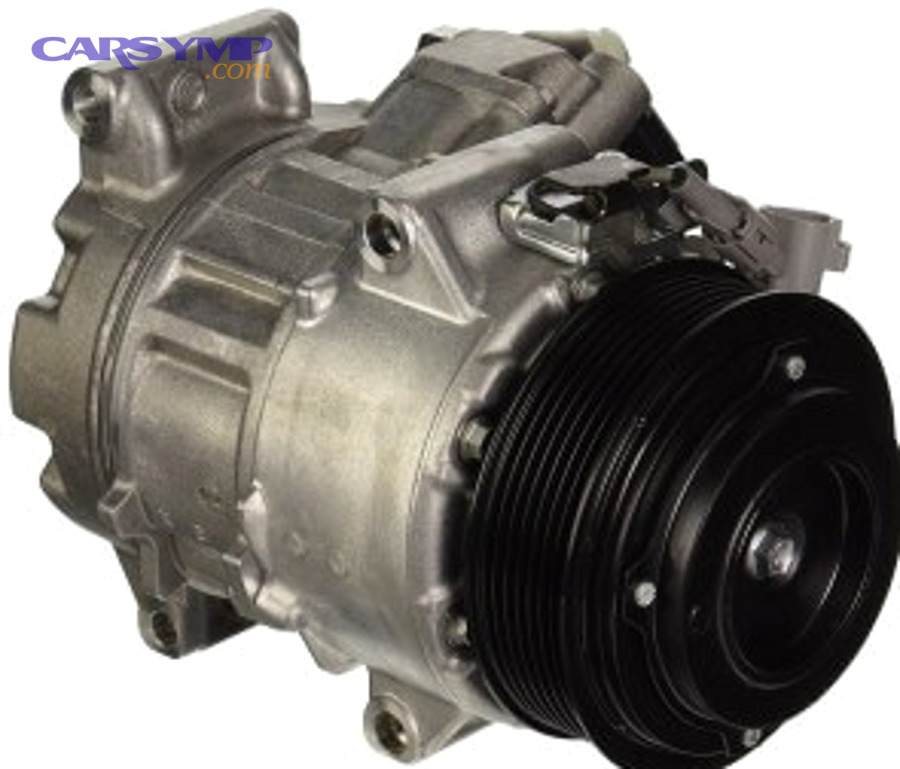
Identify AC Compressor Failure Symptoms for Drivers: Bad Compressor Signs
AC compressor failure symptoms usually show up as weak or warm air, strange noises, odd cycling, and visible oil or debris clues around the compressor area—often before the system quits completely. If you’re searching for bad AC compressor signs , the key is to combine what you feel at the vents with what you can observe under the hood, because some symptoms mimic low refrigerant or a cooling fan problem.
Daniel James Carter January 18, 2026 at 5:35 AM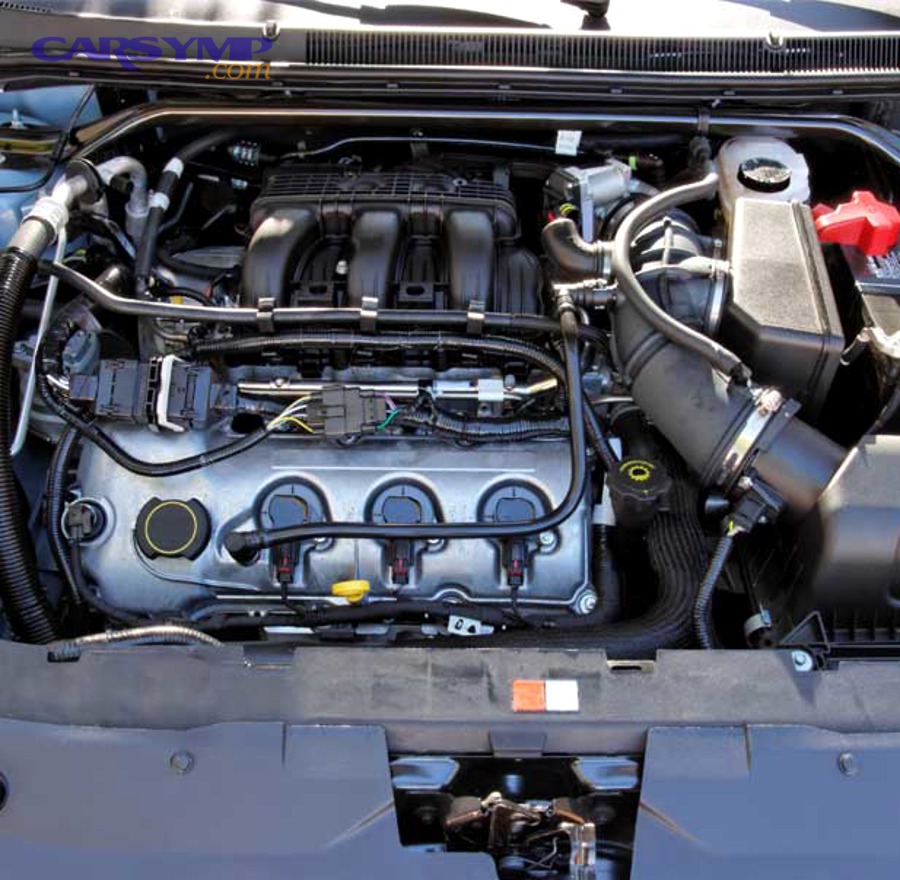
Decide When to Visit a Shop for AC Odor: Car Owners vs DIY
If your car’s air conditioner suddenly smells “off,” you should visit a shop when the odor is strong, repeats every drive, or comes with warning signs like weak cooling, foggy windows, fluid leaks, or burning/chemical notes. Those patterns usually mean the cause is deeper than surface dust and needs proper diagnosis.
Daniel James Carter January 18, 2026 at 5:22 AM
Prevent AC Smell Return: How-To AC Odor Prevention for Drivers
If you want to prevent AC smell coming back , the most reliable path is moisture control + targeted cleaning + habits that keep the evaporator and vents dry. This approach stops the “musty return” cycle instead of temporarily covering it up.
Daniel James Carter January 18, 2026 at 5:14 AM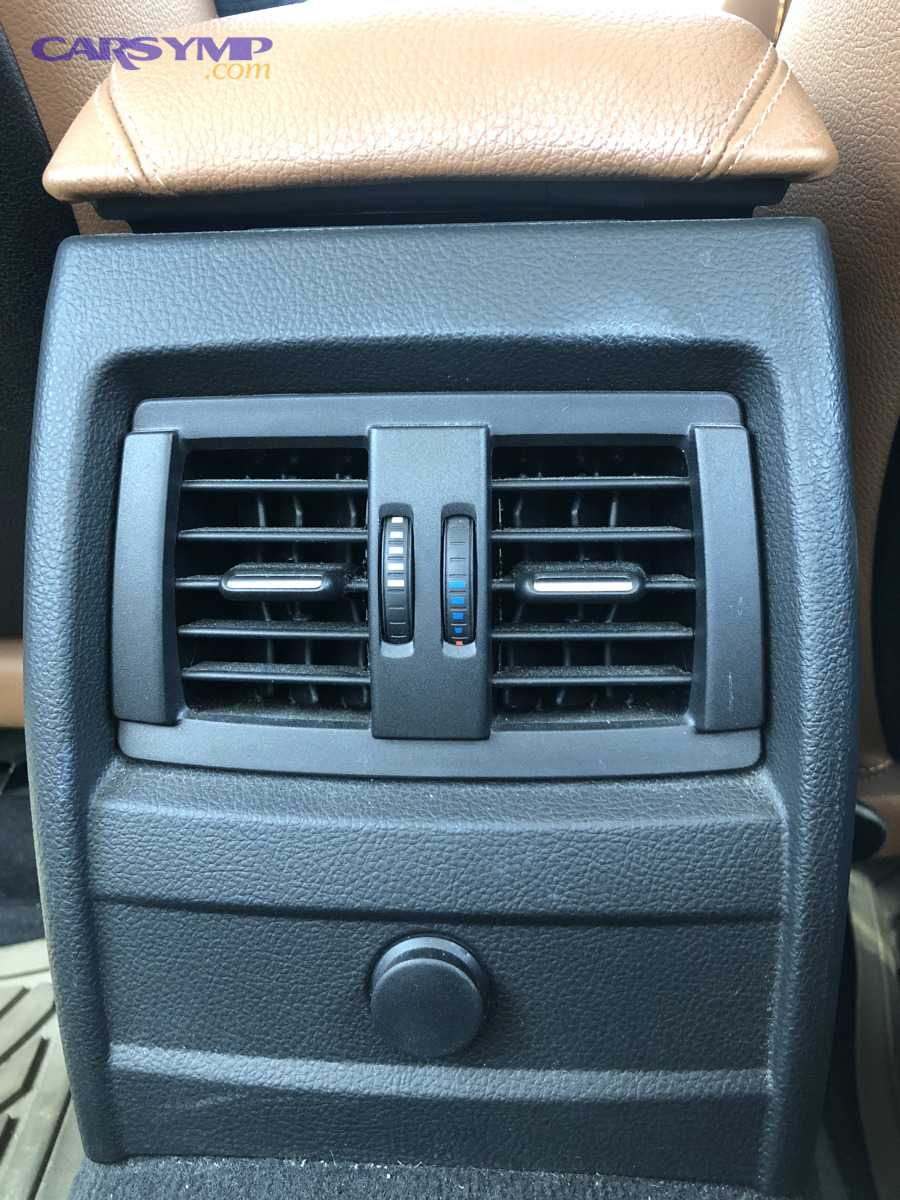
Explain Why Car AC Smells Like Vinegar or Socks: Musty Odor Guide
If your car’s AC smells like vinegar or dirty socks, the most common reason is moisture plus microbes growing on surfaces like the evaporator core, drain pan, and air ducts—then the blower pushes those odor compounds into the cabin. Beyond the “why,” you also want to know what to check first: whether the smell happens only at startup, only on recirculation, or only when the AC is cold and dehumidifying—those patterns point to different odor sources.
Daniel James Carter January 18, 2026 at 5:09 AM
Diagnose Musty Odor After Rain for Car Owners, Damp Smell
A musty odor after rain or humid weather usually means moisture is lingering somewhere it shouldn’t —inside the cabin materials, inside the HVAC box, or in hidden drains that trap water until microbes and organic debris start producing smell. The fastest diagnosis is to figure out where the moisture lives , not which spray can hide it.
Daniel James Carter January 18, 2026 at 5:03 AM
Safely Disinfect Car AC Vents for Drivers: Vents vs Registers
To disinfect AC vents without damage, focus on controlled contact : remove dust mechanically first, then apply a mild, interior-safe disinfecting approach that never floods louvers, sensors, or electronics. Next, this guide covers AC vent cleaning methods that protect soft-touch plastics, painted trim, and airflow doors—so you eliminate germs and odors without warping louvers or leaving residue that re-traps dust.
Daniel James Carter January 18, 2026 at 4:53 AM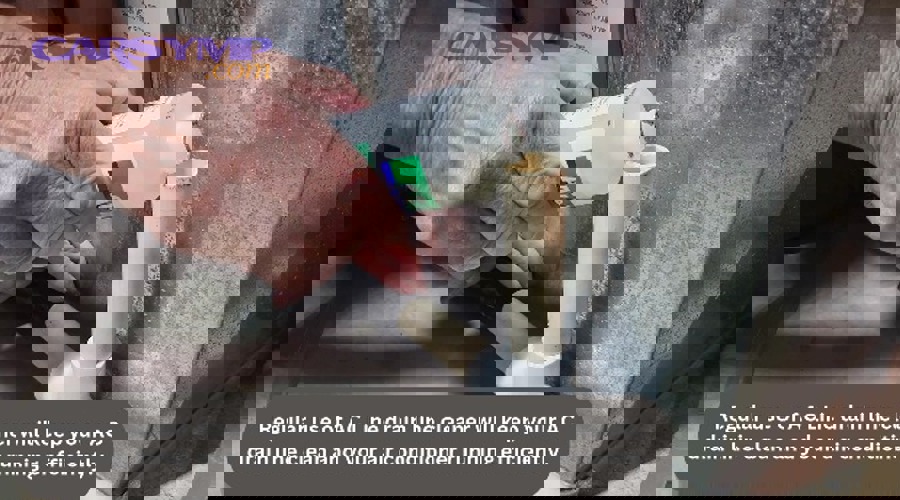
Unclog Car AC Drain Line: How-To for Drivers (Condensate Drain)
AC drain line unclog to stop smell works because most “musty” or “dirty sock” odors start when condensation can’t exit the HVAC case, leaving stagnant water that feeds mold and bacteria. The fastest win is restoring drainage and then flushing the wet surfaces that the air passes over.
Daniel James Carter January 18, 2026 at 4:45 AM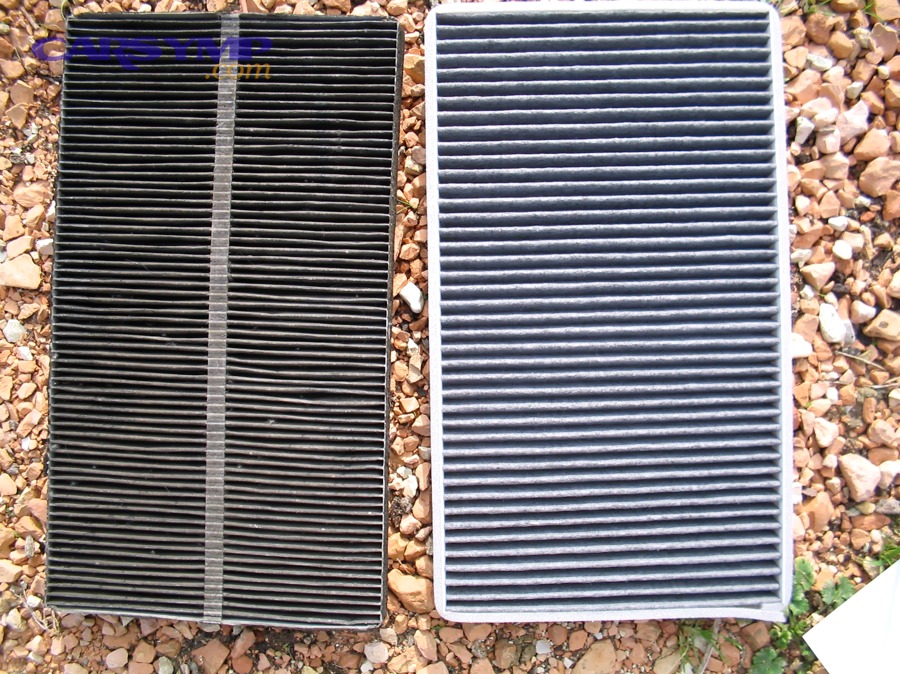
Turn Musty to Fresh: How to Replace Cabin Air Filter for Odor Drivers
Cabin air filter replacement for odor; replace cabin filter; activated carbon cabin filter; HVAC evaporator; condensate drain; musty smell; mold spores; recirculation mode; intake cowl debris; blower fan; odor troubleshooting; prevention steps If your car’s cabin smells musty, sour, or like “dirty socks,” a cabin air filter replacement for odor is often the fastest, lowest-cost first move because it removes the “odor-loaded” media and restores airflow. For many vehicles, you can replace cabin filter in 10–20 minutes with basic tools, and you’ll notice the biggest difference when the old filter is damp, clogged, or visibly dirty.
Daniel James Carter January 18, 2026 at 4:41 AM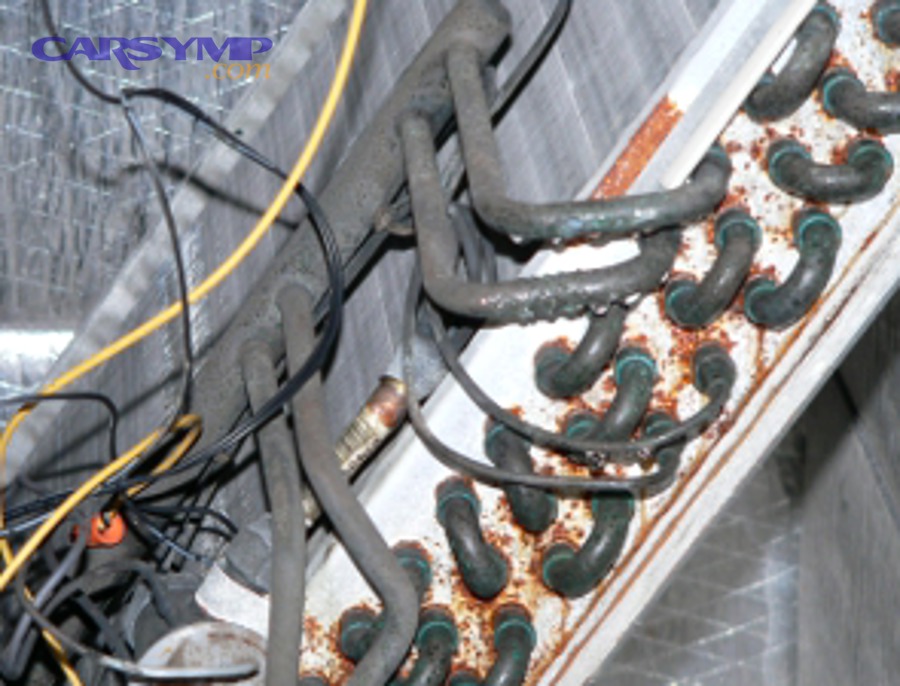
How to Clean an Evaporator Core at Home: DIY Car AC Coil Method
If your car’s A/C smells musty, the fastest at-home win is cleaning the evaporator core inside the HVAC box—because that’s where moisture, dust, and biofilm like to cling. This guide shows a practical, no-dashboard-removal approach so you can restore fresher air and better airflow without specialized shop equipment.
Daniel James Carter January 18, 2026 at 4:32 AM
Identify musty AC smell causes for drivers: mold vs dry air
A musty odor from your car’s air conditioner almost always comes down to moisture + organic buildup somewhere in the HVAC airflow path, which turns “cold air” into a moving carrier for stale, damp-smelling compounds. To get to the real root, you need to treat the smell like a symptom: when it happens, how it changes, and whether you’re dealing with mildew in vents or a deeper source that vents are only delivering.
Daniel James Carter January 18, 2026 at 4:25 AM
Reset and Relearn: How to ABS System Reset After Repair for DIYers
If your ABS light stays on after a fix, an ABS system reset and relearn after repair is often the missing step that restores normal braking control logic and clears the warning—safely and predictably. In practice, an ABS reset is not “one magic button,” but a sequence: power/voltage stability, fault memory handling, calibration checks, and a verification drive.
Daniel James Carter January 18, 2026 at 4:07 AM
Identify Common ABS Failures by Make/Model for Drivers: Causes vs Symptoms
Common ABS failure causes by make/model usually come down to the same few components—wheel speed sensing, wiring/connectors, hydraulic control units, and control modules—but each brand’s packaging and platform choices make certain failures show up more often than others. To narrow your diagnosis, you need a “pattern lens”: what your vehicle’s make/model is known to stress (rust-belt exposure, hub design, encoder type, harness routing, software sensitivity) and how that stress translates into specific ABS warning behaviors.
Daniel James Carter January 18, 2026 at 4:00 AM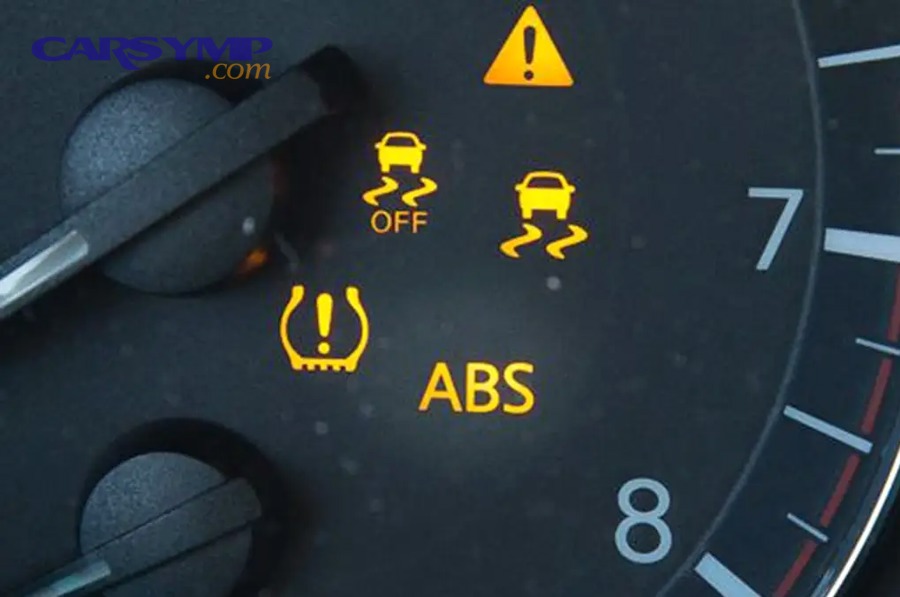
Is It Safe to Drive With ABS Light On or Off?
Yes—usually you can still drive because your normal (base) brakes typically keep working, but the car may lose anti-lock help during a hard stop, especially on wet, snowy, or loose surfaces. To be safer, treat the ABS light as a “drive with caution and diagnose soon” signal: reduce speed, increase following distance, and avoid panic braking until you know what failed.
Daniel James Carter January 18, 2026 at 3:53 AM
Estimate ABS Repair Cost: Price vs Replacement for Drivers
An ABS repair cost estimate usually falls into a predictable pattern: you pay for diagnosis first, then the bill depends on whether the fault is a simple sensor issue or a high-cost hydraulic/electronic component. Next, you’ll see how parts, labor, and vehicle design combine into an “all-in” number—and how to compare quotes without guessing.
Daniel James Carter January 18, 2026 at 3:46 AM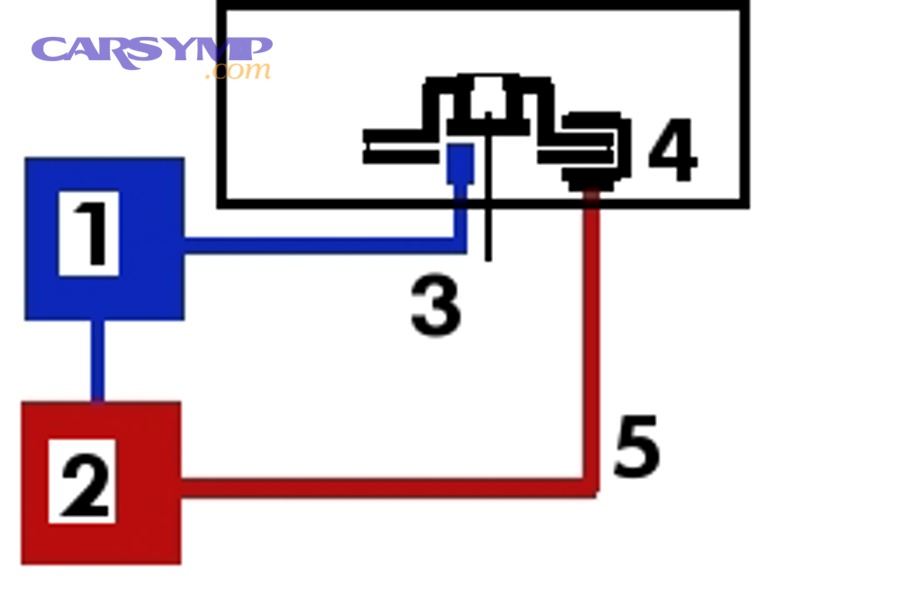
Master ABS Bleeding Procedure After Repair for DIYers: Manual vs Scan-Tool
ABS bleeding procedure after repair, ABS brake bleed steps, automated bleed, pressure vs vacuum bleeding, spongy pedal fixes ABS bleeding procedure after repair is a step-by-step way to purge air from the hydraulic system so the pedal is firm and the ABS modulator can meter pressure correctly under hard braking. To make an ABS brake bleed reliable, you also need to choose the right method (pedal, pressure, vacuum, or scan-tool) based on what was opened during the repair—calipers, hoses, master cylinder, or the hydraulic control unit.
Daniel James Carter January 18, 2026 at 3:37 AM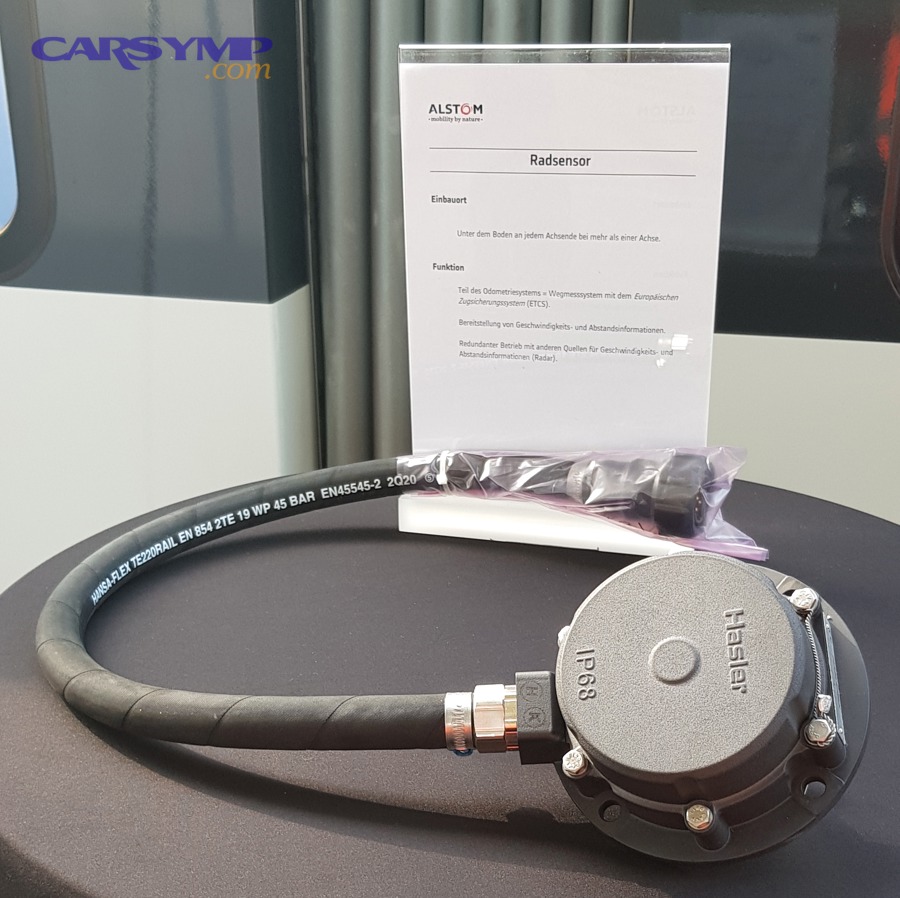
Replace ABS Wheel Speed Sensors: DIY Drivers’ Guide to Faulty vs Healthy Signals
Primary topic: ABS wheel speed sensor replacement (front/rear, hub-mounted or knuckle-mounted) with diagnosis, safe removal, installation, and post-repair verification. ABS wheel speed sensor replacement is a practical fix when your ABS/traction/stability lights turn on, scan data shows one wheel reading wrong, or braking feels normal but driver-assist systems become unavailable.
Daniel James Carter January 18, 2026 at 3:29 AM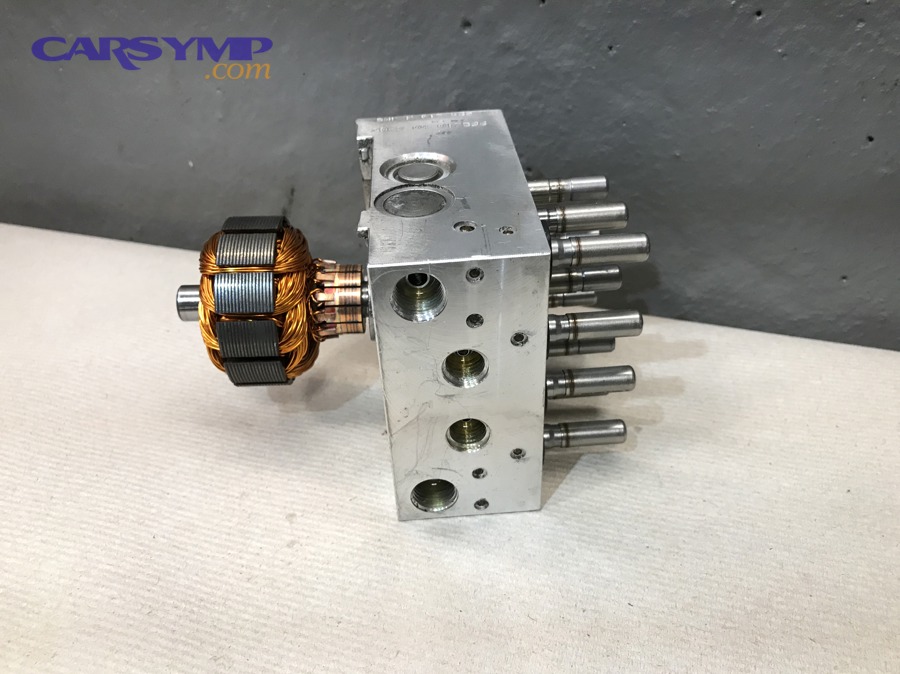
Understand an ABS Pump Replacement Overview for DIYers, Hydraulic Modulator Basics
ABS pump replacement overview means understanding what the ABS pump (often packaged with the hydraulic control unit and electronic module) actually does, why it fails, and what “replacement” realistically involves on modern vehicles. Many drivers first ask whether ABS pump repair is possible, and the short answer is: sometimes—depending on whether the failure is hydraulic, electrical, or software-related, and whether the unit can be rebuilt or must be replaced as an assembly.
Daniel James Carter January 18, 2026 at 3:22 AM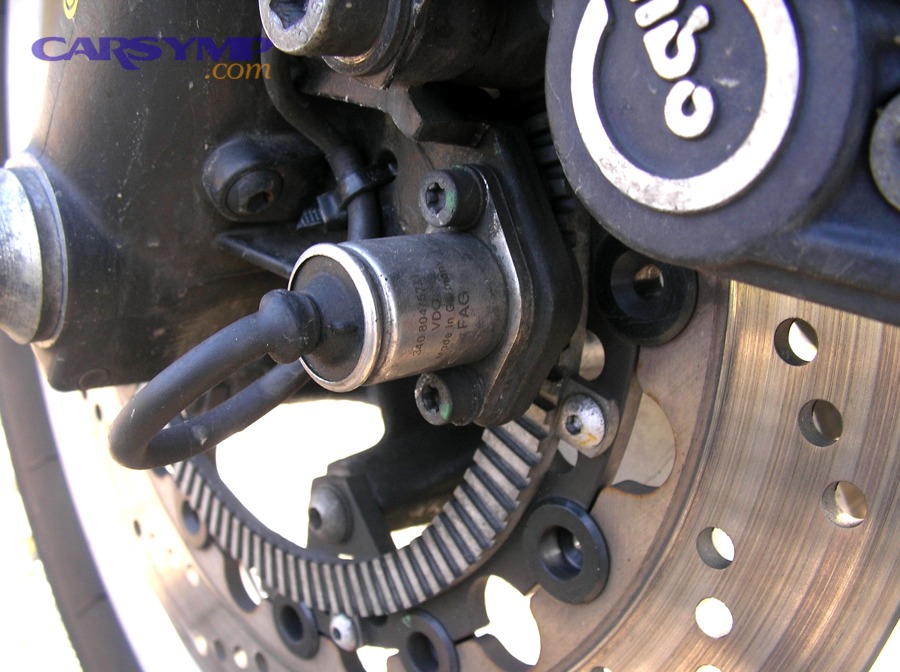
Compare ABS Module vs Wheel Speed Sensor Symptoms for DIY Drivers
If your ABS light pops on, the fastest way to stop guessing is to separate “single-wheel feedback problems” from “system-level control problems.” In most cases, a wheel speed sensor issue behaves like a localized signal drop, while an ABS module issue behaves like a broader communication or hydraulic-control fault that affects multiple functions.
Daniel James Carter January 18, 2026 at 3:16 AM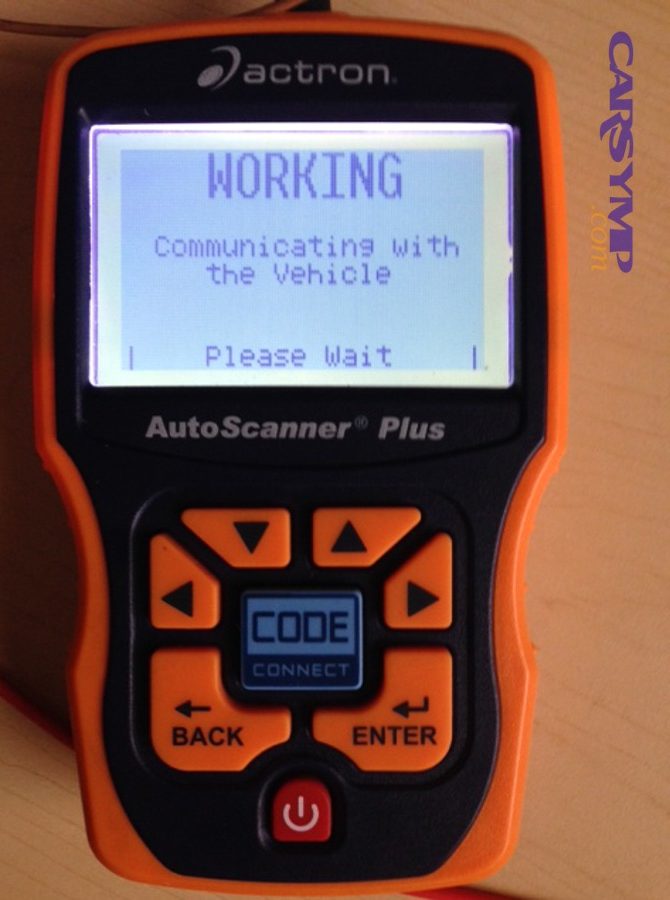
Diagnose ABS Warning Light Fast for Drivers: Sensor vs Module
ABS warning light diagnosis starts by treating the light as a system fault indicator: your base brakes can still work, but anti-lock control (and often traction/stability features) may be reduced or disabled until the cause is fixed. To narrow the problem quickly, focus on whether the ABS light on behavior is constant, intermittent, or triggered by speed, bumps, rain, or turning—those patterns usually map to sensors, wiring, wheel bearings, or power supply issues.
Daniel James Carter January 18, 2026 at 3:08 AM
Terms of Use
Terms of Use for CarSymp (carsymp.com) Welcome to CarSymp (“CarSymp,” “we,” “us,” or “our”). These Terms of Use (“Terms”) govern your access to and use of our website, carsymp.com (the “Site”), and any features, content, tools, forms, or services we provide through the Site (collectively, the “Services”). By accessing or using the Site, you agree...
Daniel James Carter January 16, 2026 at 12:31 AMPrivacy Policy
Privacy Policy for CarSymp (carsymp.com) This Privacy Policy explains how CarSymp (“CarSymp,” “we,” “our,” or “us”) collects, uses, discloses, and protects information when you visit carsymp.com (the “Website”), contact us, request automotive repair information, or interact with our content and services. We respect your privacy and are committed to handling personal information responsibly. By using...
Daniel James Carter January 16, 2026 at 12:27 AMAbout Us
About CarSymp: Trusted Auto Repair Guidance & Service Support in Fresno, CA Welcome to CarSymp (carsymp.com) — a practical, driver-first auto repair resource built for people who want clear answers, safe decisions, and reliable next steps when their vehicle starts acting up. From strange noises and warning lights to heating/AC problems, steering issues, brake concerns,...
Daniel James Carter January 16, 2026 at 12:22 AMContact
Daniel James Carter January 15, 2026 at 10:36 AM