Daniel James Carter
Lead Diagnostic Technician & Technical Content Author
Company / Organization
CarSymp
Experience / Skills
Check Engine Light diagnosis (OBD-II); engine performance & ignition/fuel systems; brake service; steering & suspension; AC/heater diagnostics; cooling system service; basic transmission diagnostics; electrical & battery/charging systems; maintenance schedules
About Daniel James Carter
Daniel James Carter (born July 14, 1988) is an Automotive Diagnostic & Repair Technician and the Lead Diagnostic Technician & Technical Content Author for this auto repair website. His work focuses on translating real shop-floor diagnostics into clear, step-by-step guidance for vehicle owners—especially around check-engine issues, climate control problems, brake safety, and steering/suspension wear.\n\nDaniel’s interest in mechanical systems started early, but his professional path became formal in 2006 when he began a structured apprenticeship in general automotive service. Between 2006 and 2008, he worked alongside senior technicians learning foundational skills—oil services, brake inspections, tire work, basic electrical checks, and service documentation. During this period, he also built the habits that still define his process today: verifying the customer’s concern, road-testing when safe, and confirming repairs with repeatable measurements.\n\nIn 2009, Daniel moved into a full-time automotive service technician role, where he handled a higher volume of maintenance and repair work (brakes, cooling systems, belts, ignition components, and driveline basics). By 2012, he shifted toward diagnostics, focusing on OBD-II fault tracing, fuel trim interpretation, misfire detection, smoke-testing intake leaks, and electrical circuit testing using wiring diagrams and voltage-drop methods.\n\nA major milestone came in 2015 when he began pursuing advanced professional credentials through the National Institute for Automotive Service Excellence (ASE). After completing multiple ASE exams and documenting the required hands-on experience, Daniel earned the ASE Master Automobile Technician designation in 2017. He continued building depth in drivability and emissions-related diagnostics and achieved the ASE L1 Advanced Engine Performance Specialist credential in 2019. He maintains his credentialing through ongoing study and periodic recertification, aligning his knowledge with modern engine management systems, updated scan-tool workflows, and evolving diagnostic standards.\n\nFrom 2018 to 2021, Daniel served as a senior technician in a busy service environment where his day-to-day work centered on complex complaints: intermittent stalling, hard starts, rough idle, overheating, vibration under braking, and AC systems that blow warm or smell musty. He became known for careful diagnosis before parts replacement, using a consistent checklist:\n\n\n Confirm the symptom and capture freeze-frame data.\n Test likely causes (air leaks, sensors, ignition, fuel delivery, charging system) with measurable evidence.\n Repair only after the failure is verified and the fix can be validated.\n Validate with a road test, live data review, and final inspection.\n\n\nIn 2022, Daniel began formalizing his field notes into consumer-friendly write-ups and troubleshooting guides. By 2023, he expanded that work into structured content for this website, combining real repair patterns with clear explanations of why failures happen (for example: how moisture and organic buildup can cause musty AC smell, why worn suspension joints can mimic wheel balance issues, or how vacuum leaks and weak ignition coils can trigger persistent misfires).\n\nToday, Daniel’s role on the website is to ensure every guide reflects practical repair reality—tools a shop actually uses, common misdiagnoses to avoid, and safety-first recommendations. He writes with the same standard he uses in the bay: the diagnosis must make sense, the repair must be verifiable, and the timeline from symptom to fix must be clear for the reader.

Related topics
Latest posts by Daniel James Carter


Reduce Bills: How to Save Money on Car AC Repairs DIY vs Pro
If your car’s A/C is weak or warm, the cheapest fix is rarely “add refrigerant.” The most reliable way to save money is to confirm the real failure, stop the leak-first causes, and only then pay for the correct repair once.
Daniel James Carter January 18, 2026 at 12:49 PM
Understand What’s Included in Evac-and-Recharge Service: A/C Meronymy
An evac and recharge service is a professional procedure that removes the old refrigerant, evacuates air and moisture, and refills the system to the correct specification so your vehicle’s A/C can cool reliably and safely. To begin, you’ll learn what “evacuation” actually accomplishes beyond “adding Freon,” and how technicians verify the system is sealed before charging it back up.
Daniel James Carter January 18, 2026 at 12:42 PM
Compare Repair vs Refill: Car A/C Leak Costs for Drivers
If your car A/C is blowing warm, the cheapest-looking option is often a recharge. But when the system is leaking, “recharge-only” is usually a temporary refill—not a lasting fix—and the long-run cost can be higher than repairing the leak once.
Daniel James Carter January 18, 2026 at 12:35 PM
Compare Dealer vs Independent A/C Repair Pricing for Drivers and Shops
Dealer vs independent A/C repair pricing usually comes down to labor rate, parts strategy, and diagnostic depth : dealerships tend to cost more per hour, while independents can be cheaper—but the best value depends on your car, symptoms, and how the quote is built. To choose confidently, you need a comparison framework: what “higher” buys you at a dealer (OEM parts pipelines, factory scan tools, nationwide warranty support), and where an independent often wins (lower overhead, flexible parts options, faster scheduling, tailored troubleshooting).
Daniel James Carter January 18, 2026 at 12:28 PM
Explain Labor Cost Drivers & Flat-Rate Times for Drivers: Hourly vs Fixed
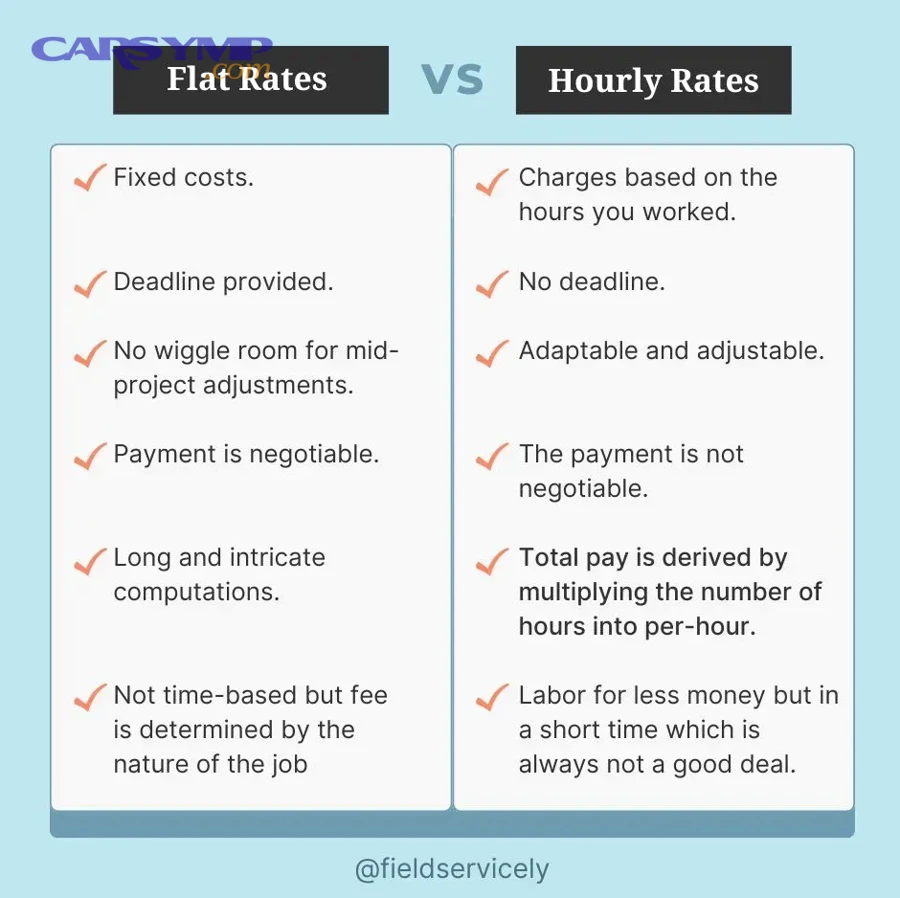
Labor cost drivers and flat-rate times determine why two people can get the same repair and still see different labor charges. In plain terms, you’re paying for a mix of standardized “book time” and real-world complexity—vehicle design, access, workflow, and shop operating reality.
Daniel James Carter January 18, 2026 at 12:21 PM
Compare Service Costs: R134a vs R1234yf for Drivers (Cheaper vs Costlier)
R134a service is usually cheaper, while R1234yf service is often costlier because the refrigerant itself is pricier and the service process typically requires dedicated A2L-rated handling equipment and stricter contamination control. To make the comparison useful, this guide breaks the bill into the parts you can actually verify: refrigerant price per unit, evacuate-and-recharge steps, shop labor time, equipment overhead, and the “hidden” add-ons that inflate quotes.
Daniel James Carter January 18, 2026 at 12:15 PM
Compare A/C Part Costs for Drivers: Compressor vs Condenser vs Evaporator
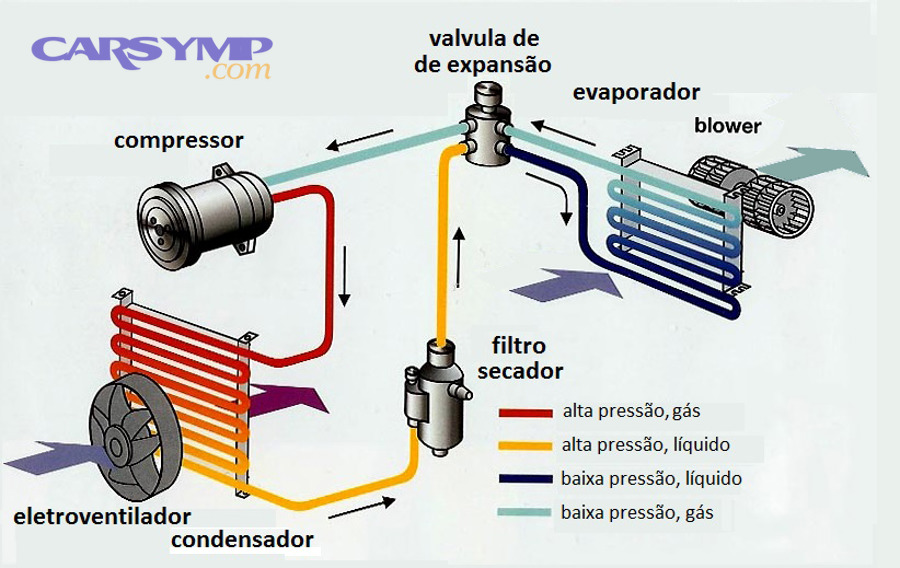
If your car’s A/C isn’t cooling, the most expensive “big three” suspects are often the compressor, condenser, and evaporator—and each fails in a different way that changes the final bill. The compressor usually drives the highest total cost when it fails mechanically, the evaporator tends to be labor-heavy because it’s buried in the dash, and the condenser is often the most straightforward to replace but can still add up.
Daniel James Carter January 18, 2026 at 12:07 PM
Understand AC Diagnostic Fees & Inspection Steps for Drivers: Diagnosis vs Repair
An AC diagnostic fee is what you pay to identify the root cause of weak or warm air—not to “guess-and-replace” parts. In most shops, the goal is simple: confirm the failure mode, document evidence, and map the cheapest path to cold air again without creating new problems.
Daniel James Carter January 18, 2026 at 12:03 PM
Estimate Car A/C Fix Cost by Issue for Drivers: Cheap vs Expensive
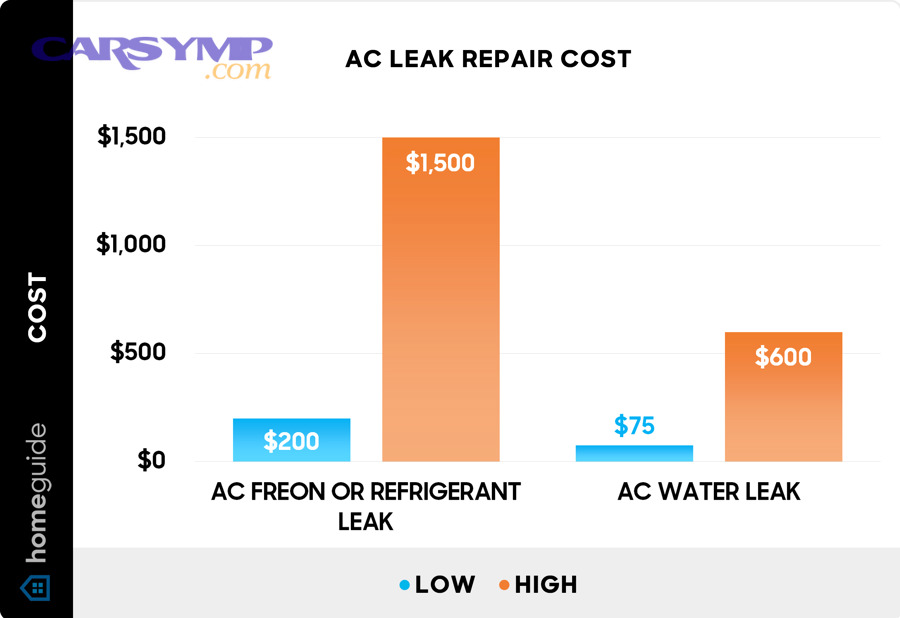
The AC fix cost depends less on “cold air vs no cold air” and more on which component failed, how the leak (or restriction) behaves under pressure, and how much disassembly your vehicle requires. To avoid overpaying, you need two things: a realistic “by-issue” price map and a quick way to tell whether you’re facing a small service job (like recharge + dye) or a labor-heavy replacement (like an evaporator core).
Daniel James Carter January 18, 2026 at 11:58 AM
Complying with Refrigerant Handling Laws for Technicians: Safe vs Illegal Venting
Legal and safety rules for refrigerant handling exist to prevent emissions, protect people from injury, and reduce fires or toxic byproducts—so compliance is both a legal duty and a practical survival skill on the job. Many violations happen unintentionally: wrong fittings, mixed refrigerants, missing records, or “quick” release practices that are prohibited under Clean Air Act requirements and related regulations.
Daniel James Carter January 18, 2026 at 11:42 AM
How to Optimize Post-Recharge Vent Temp Test for Drivers: Normal vs Hot
A Post-recharge vent temp test is the fastest way to confirm whether your air conditioner is actually delivering cold air after service, not just “feeling” better for a minute. Done correctly, it turns the cabin vent into a simple performance meter you can trust.
Daniel James Carter January 18, 2026 at 11:34 AM
Spot and Prevent A/C Overcharge Symptoms for Drivers vs Undercharge
Overcharging your car’s air conditioner means the system contains more refrigerant than the factory specification , and yes—this can reduce cooling, spike pressures, and shorten component life. To avoid it, the safest rule is simple: charge by weight with the exact spec , confirm airflow and condenser fan performance, and never “top off” blindly based on a single low-side gauge.
Daniel James Carter January 18, 2026 at 11:27 AM
Estimate A/C Recharge Cost for Drivers: DIY vs Professional Pricing
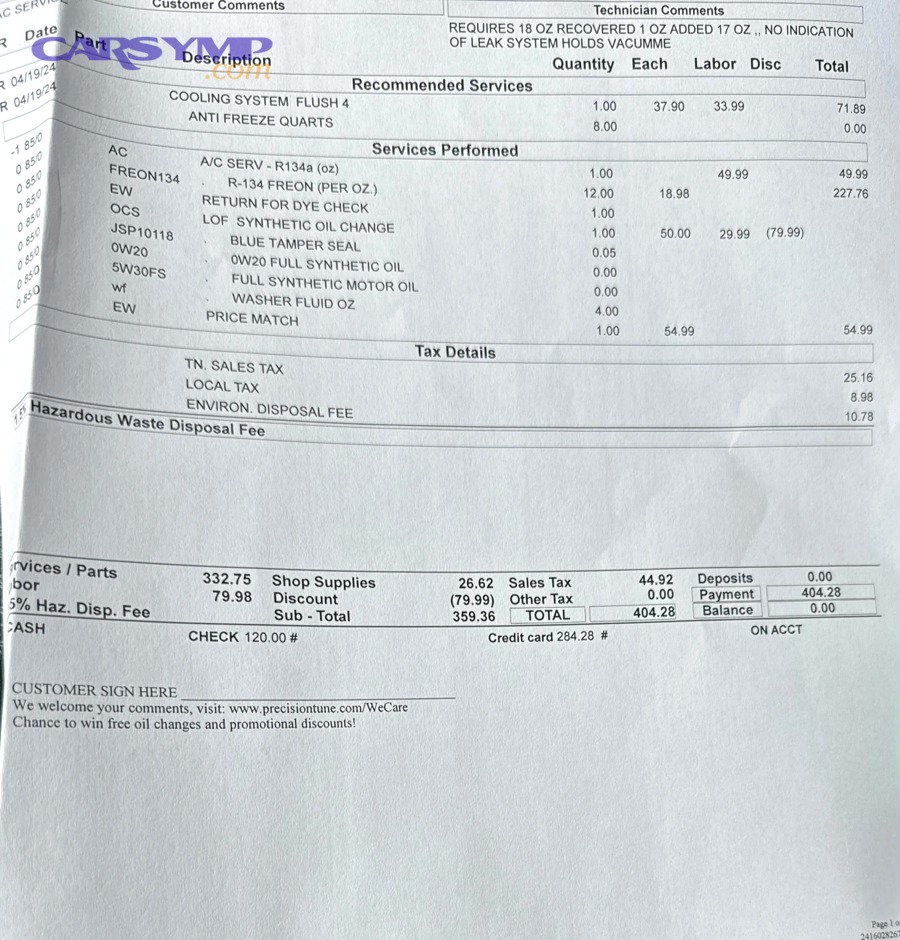
An accurate A/C recharge cost estimate usually lands in the mid-hundreds at a shop, but the “right” number depends on refrigerant type, how empty the system is, and whether the technician finds a leak that makes a simple refill pointless. To keep you from overpaying, you’ll learn what a fair quote includes, what line items should be on the invoice, and which add-ons are legitimate versus padded fees for the same work.
Daniel James Carter January 18, 2026 at 11:19 AM
Spot Leak Signs Before Recharging Car A/C for DIYers, Not Overfill
Yes—there are reliable signs you have a leak before recharging , and most of them show up as patterns: oil residue, pressure behavior, and repeat “cooling fade” that comes back too quickly after topping off. To avoid wasting refrigerant and risking component damage, you’ll learn how to tell the difference between a system that is simply low and one that is actively leaking—using quick visual checks, pressure clues, and confirmation methods.
Daniel James Carter January 18, 2026 at 11:12 AM
Calculate How Much Refrigerant to Add for DIYers: Capacity vs Overfill
To know how much refrigerant to add , you should follow the vehicle’s specified refrigerant capacity (usually in ounces/grams) and charge by weight , not guesswork. Because many systems are already partially charged (or leaking), the real task is identifying whether you need a top-off or a complete evacuate-and-weigh-in , then matching the correct amount to the exact vehicle and system configuration.
Daniel James Carter January 18, 2026 at 11:07 AM
Compare Vacuum Pump vs Top-Off AC Recharge for DIY Car Owners
A vacuum-pump service is a preparation step that removes air and moisture before you add refrigerant, while a “top-off” is simply adding refrigerant to whatever is already in the system—good, bad, or contaminated. If you want predictable cooling and fewer repeat failures, the difference matters most when you plan to evacuate and recharge after a repair or after the system has been open.
Daniel James Carter January 18, 2026 at 11:03 AM
Compare A/C Refill Kits vs Shop Service for Car Owners
If your cabin air isn’t getting cold, the real choice isn’t “cheap kit or expensive shop”—it’s whether you need a precise, leak-aware refrigerant service or only a temporary top-off to confirm a simple, small loss. A kit can sometimes restore cooling fast, but it can’t replace the full diagnostic and handling steps a shop is built around.
Daniel James Carter January 18, 2026 at 10:55 AM
Find Proper Refrigerant Type by Model for Drivers: R134a vs R1234yf
Proper refrigerant type by model means matching your exact vehicle to the refrigerant it was engineered to use, then verifying it on the car before you add or recover anything—because the “right gas” is a design spec, not a guess. To make that match fast, this guide shows the most reliable confirmation path for R134a vs R1234yf using the underhood label, service fittings, and factory charge information—so you can avoid cross-contamination and costly A/C damage.
Daniel James Carter January 18, 2026 at 10:47 AM
Recharge Car A/C Safely: DIY Drivers’ Guide, Recharge vs Repair
If you want cold air again without risking injury or damaging expensive components, the safest approach is to recharge your car A/C only after you’ve confirmed the correct refrigerant, verified basic system health, and followed a controlled, step-by-step process. For DIY AC recharge, the biggest win comes from safety discipline: eye/skin protection, stable engine-bay workflow, and “stop points” where you re-check pressures and vent temperature before adding more.
Daniel James Carter January 18, 2026 at 10:40 AM
Recognize When Drivers Need Professional Car A/C Service, Not DIY
When your car’s A/C stops cooling, smells odd, or behaves inconsistently, professional service is often the fastest path to a safe, lasting fix—because modern systems combine refrigerant control, electronics, sensors, and airflow doors that can’t be verified by “guesswork.” Beyond comfort, a struggling A/C can stress the compressor, raise under-hood heat, and hide leaks that worsen over time; that’s why symptom-based triage matters before you spend money on parts or refrigerant.
Daniel James Carter January 18, 2026 at 10:30 AM
Understand DIY Recharge Risks vs Safer Steps for Car Owners
DIY “recharge” can help only in a narrow, specific situation: a system that is slightly low on the correct refrigerant and has no major leak or airflow problem. Outside that window, adding refrigerant often hides the real fault, wastes money, and can damage expensive parts.
Daniel James Carter January 18, 2026 at 10:21 AM
Decode Ambient AC Pressure Charts for Quick, Normal vs Abnormal Checks
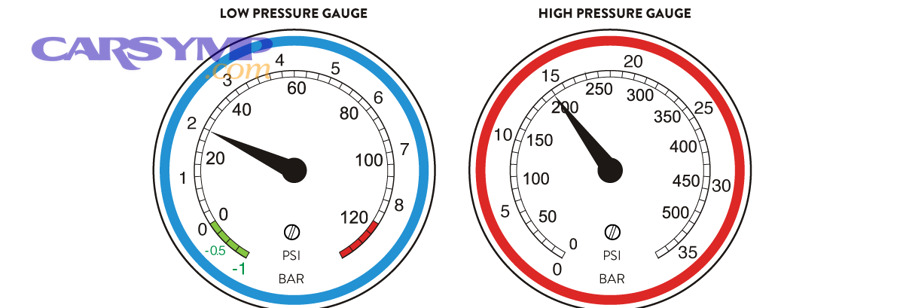
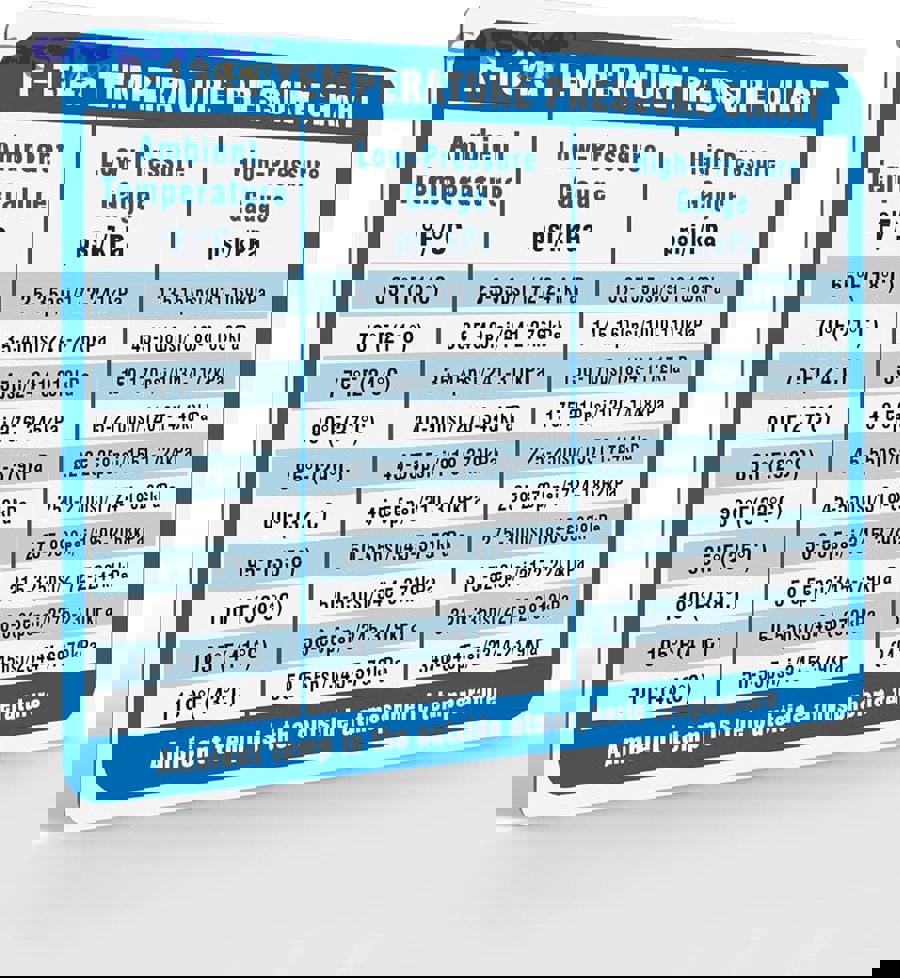
An AC pressure chart by ambient temp is a fast diagnostic reference that helps you decide whether your system pressures look reasonable for the outdoor temperature, or whether they are pointing toward an undercharge, restriction, airflow problem, or compressor control issue. Beyond “numbers on gauges,” you’ll learn how to take readings in a repeatable way so your chart comparisons actually mean something, including when to read static pressure versus running pressure and how fan speed and heat load shift the results.
Daniel James Carter January 18, 2026 at 10:13 AM
Diagnose and Fix Overcharged Car AC for Drivers, Not Undercharged
If your car’s A/C suddenly blows warmer after a “top-off,” cycles strangely, or shows unusually high pressure behavior, an overcharged system is a real possibility—and it has a clear, fixable path. Beyond comfort, correcting an overcharge matters because excessive head pressure can stress seals, hoses, the condenser, and the compressor—especially in hot weather or at idle.
Daniel James Carter January 18, 2026 at 10:07 AM
Diagnose Condenser Fan Not Running: Troubleshooting for Car Owners (Non-Spinning)
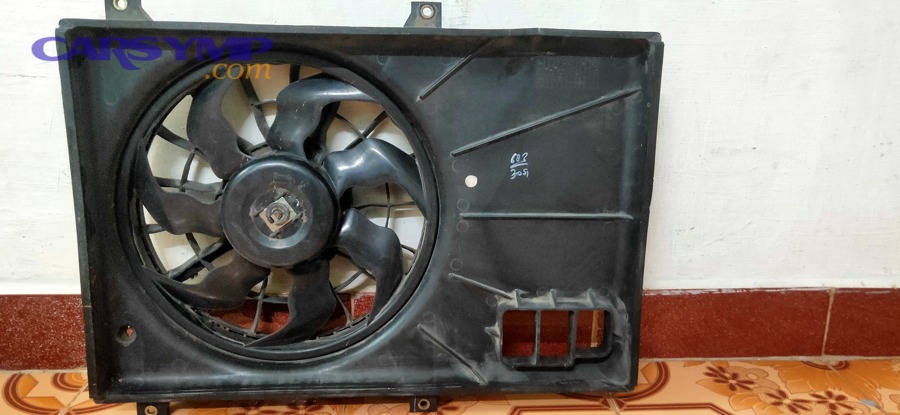
A condenser fan that won’t run is one of the fastest ways to turn a normal A/C day into rising pressures, weak cooling, and overheating risk—so the right diagnosis matters more than quick guesses. If you’re dealing with an AC fan issue , you can narrow it down logically by checking the command (is the fan being asked to run?
Daniel James Carter January 18, 2026 at 10:01 AM
Spot Blend Door Actuator Problem Signs for Drivers: Symptoms vs Normal
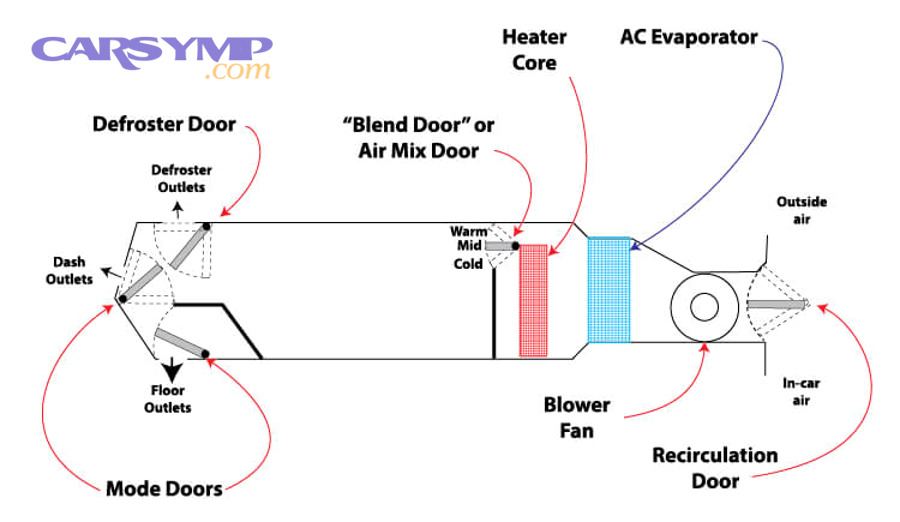
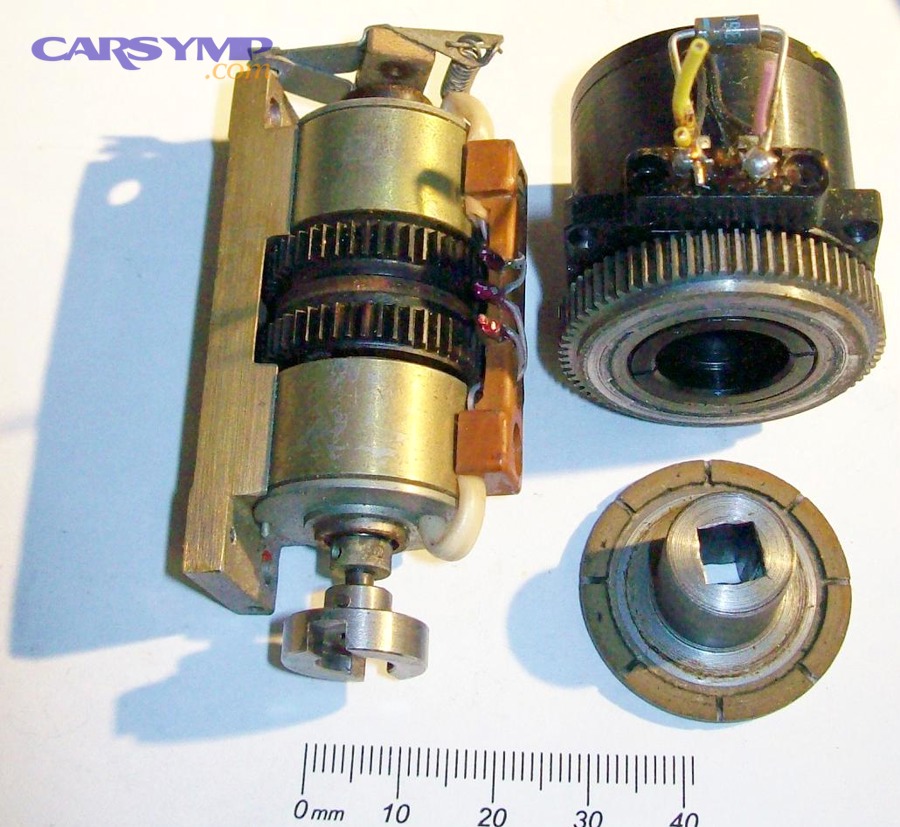
Blend door actuator problem signs usually show up as wrong air temperature , uneven cabin comfort , or a clicking/ticking sound behind the dash—often right when you change the temperature knob. If your vents can’t stay consistently hot or cold, a blend door issue is one of the most common “feels like AC is broken” causes.
Daniel James Carter January 18, 2026 at 9:55 AM
Improve Airflow How-To: Cabin Air Filter Checks for Drivers, Vents vs Ducts
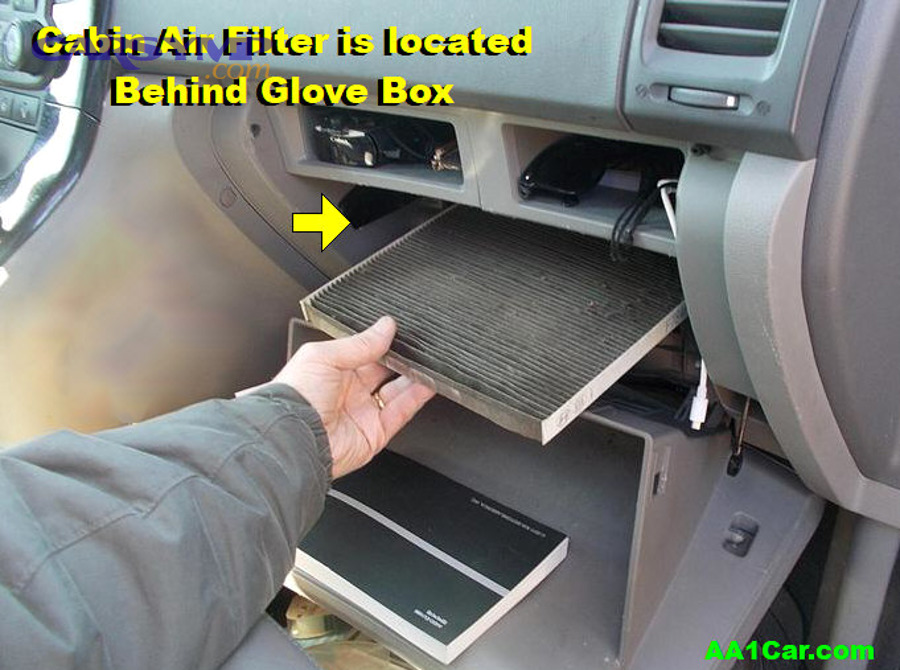
A practical cabin air filter and airflow check starts with one goal: restore steady, strong air coming out of the vents at the fan speeds you actually use—without guessing or replacing parts blindly. Next, you’ll learn how to confirm whether your filter is the restriction, or whether the restriction is upstream (fresh-air intake) or downstream (blower, doors, evaporator, ducts).
Daniel James Carter January 18, 2026 at 9:47 AM
Diagnose AC Clutch Not Engaging for Car Owners: Causes vs Fixes
If your A/C clutch won’t engage , the system is usually being blocked on purpose (low/high pressure protection, electrical control, or sensor logic) or the clutch hardware can’t pull in (coil, air gap, bearing). The fastest way to nail an AC clutch not engaging diagnosis is to test the command path first, then confirm refrigerant conditions, and only then blame the compressor.

Daniel James Carter January 18, 2026 at 9:38 AM
Diagnose Low Refrigerant vs Compressor Symptoms for Car Owners
Low refrigerant and a failing A/C compressor can both produce “not cold” cabin air, but they usually leave different clues in vent temperature stability, clutch behavior, and pressure patterns across the system. To narrow it down quickly, you’ll compare what you can feel and measure—vent outlet temperature, compressor engagement, line temperatures, and (if available) gauge readings—rather than guessing from a single symptom.
Daniel James Carter January 18, 2026 at 9:28 AM
Fix Fast: Quick Car AC Troubleshooting Checklist for Drivers Not a Shop
If your car’s air conditioner suddenly feels weak or inconsistent, a Quick AC troubleshooting checklist helps you confirm what’s normal, what’s suspicious, and what’s worth testing next—without guessing or replacing parts blindly. When AC blows warm , most drivers jump straight to “it needs refrigerant,” but the fastest wins usually come from airflow basics, simple control settings, and a few visual checks that cost nothing.
Daniel James Carter January 18, 2026 at 9:22 AM
Fix first: prioritizing multiple car A/C leaks for DIYers (patch vs repair)
If your car’s A/C keeps losing refrigerant and you suspect more than one leak, the smartest move is not “top off and hope” but repair triage : fix the leak that most quickly drains the system and most likely causes repeat failures. Next, you need a method to separate one major leak from several small ones , because the order of repairs changes depending on whether you’re dealing with a single “gross” leak or multiple seep points.
Daniel James Carter January 18, 2026 at 9:12 AM
Estimate Service-Life of AC Refrigerant for Car Owners: Lifespan vs Leaks
How long refrigerant should last; car air conditioning refrigerant; R-134a; R-1234yf; automotive HVAC; recharge; leak; pressure; vacuum; manifold gauge; compressor; condenser; evaporator; receiver-drier; accumulator; expansion valve; orifice tube. In a properly sealed car A/C system, refrigerant should last for years—often the life of the vehicle—because it is not “used up”; when the charge drops, the most common cause is a leak rather than normal consumption.
Daniel James Carter January 18, 2026 at 9:04 AM
Avoid AC Stop-Leak: Risks, Warnings, Sealant vs Repair for Drivers
AC stop-leak risks and warnings; AC sealant problems; car A/C leak repair; refrigerant recharge safety AC stop-leak products can seem like a fast fix, but the real-world AC stop-leak risks and warnings are serious: they may clog precision parts, contaminate service equipment, and turn a small leak into a costly, system-wide repair. Because many cans are marketed as “recharge + sealer,” AC sealant problems often start accidentally—drivers add refrigerant to restore cooling and unknowingly introduce chemicals that behave unpredictably inside a moisture-prone, already-leaking system.
Daniel James Carter January 18, 2026 at 8:59 AM
Spot, Compare Evaporator Leak Symptoms for Drivers vs Other A/C Leaks
Evaporator leaks often feel “mysterious” because the symptoms show up inside the cabin, while many other A/C leaks reveal themselves under the hood. In practice, you can separate an evaporator leak from condenser, hose, or compressor-area leaks by watching where the evidence appears, how fast cooling fades, and what the cabin air starts doing.
Daniel James Carter January 18, 2026 at 8:52 AM
Estimate Shop Leak-Detection Cost for Car Owners, Not a Recharge
If your A/C isn’t cooling, a shop’s leak check is usually a paid diagnostic service—most often a flat fee that covers time, tools, and a documented plan for what to fix next. Beyond the price itself, what you’re really buying is certainty: whether the system is simply low, actively leaking, or failing in a way that makes “just adding refrigerant” a short-lived (and sometimes wasteful) reset.
Daniel James Carter January 18, 2026 at 8:45 AM
Explain Vacuum Decay Test for A/C Leaks: Vacuum Hold Test Guide
A vacuum decay test explained: it is a controlled way to judge whether an automotive A/C system is tight enough to evacuate moisture and accept a proper refrigerant charge without immediately losing vacuum. To support real-world shop decisions, this guide also clarifies how a vacuum hold test fits into the workflow, what it can prove, and what it cannot prove when you are chasing a stubborn leak.
Daniel James Carter January 18, 2026 at 8:37 AM
Decode How-To AC Pressure Readings for Leak Clues vs Normal
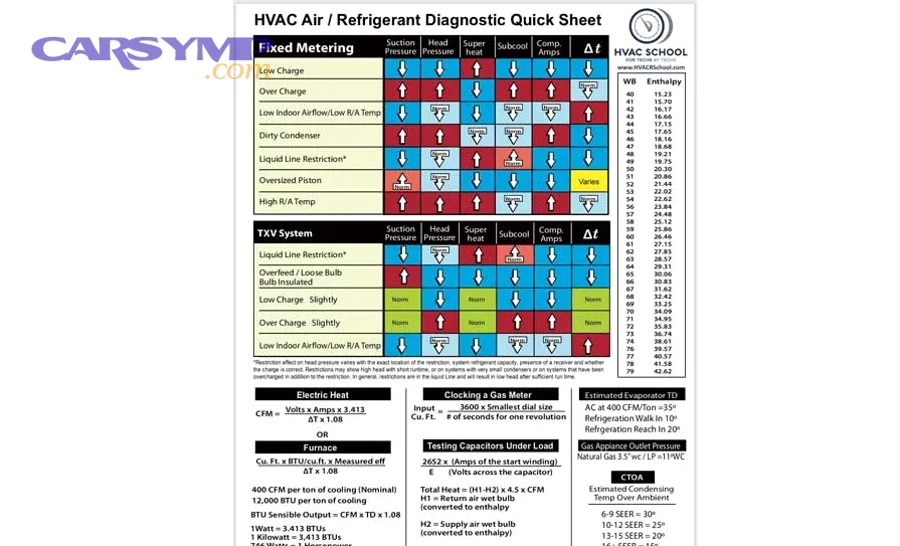
AC pressure readings can reveal leak clues fast: the low-side and high-side numbers, plus vent temperature and ambient temperature, form patterns that often separate “low refrigerant” from “something else.” A clean manifold gauge test doesn’t prove a leak by itself, but it tells you where to look and what to test next.
Daniel James Carter January 18, 2026 at 8:32 AM
Find Slow AC Leaks at Home: Micro vs Fast Leaks Guide
A slow car A/C leak is usually a tiny “micro-leak” that steals cooling over days or weeks, not a dramatic burst that empties the system overnight. You can often narrow it down at home with careful observation, safe inspection, and a couple of low-risk tests that don’t involve venting refrigerant.
Daniel James Carter January 18, 2026 at 8:18 AM
Identify Common AC Leak Points by Vehicle: O-rings vs Condenser
Common automotive A/C leak points cluster around seals , thin heat-exchanger cores , and high-vibration joints —but the “most likely” spot changes by vehicle layout (compact car vs pickup vs minivan), engine bay packaging, and whether the system has rear A/C or an electric compressor. To narrow the suspect list fast, you can combine where the refrigerant oil shows up with the vehicle’s typical weak links—then confirm using AC leak detection methods like UV dye, electronic sniffers, or nitrogen/trace-gas testing.
Daniel James Carter January 18, 2026 at 8:09 AM
Compare UV Dye vs Electronic Sniffer AC Leak Finder for DIY Techs
UV dye and an electronic sniffer solve the same problem—pinpointing where refrigerant is escaping—but they “see” leaks in totally different ways, so the best choice depends on your symptoms, access, and timeline. For an AC leak finder decision, dye tracing is often better for verifying the exact leak path after you’ve driven the car, while a sniffer is usually better for quick, real-time confirmation around fittings, seams, and service ports.
Daniel James Carter January 18, 2026 at 8:05 AM
Master How-To Post-Repair Pressure Test & Recharge for DIYers: Leak-Free vs Leaking
Post-repair pressure test and recharge is the fastest way to prove your A/C repair is truly sealed, dry, and correctly charged—before you waste refrigerant, risk compressor damage, or chase the same leak twice. Beyond confirming “no leaks,” the right method helps you find tiny seepage at O-rings, crimps, and service ports, where pressure behavior tells a clearer story than vent temperature alone.
Daniel James Carter January 18, 2026 at 7:47 AM
Diagnose Bent Fins vs Internal Leak in Your Car A/C Condenser
Bent condenser fins usually cause airflow restriction , while an internal leak causes refrigerant loss ; you can separate the two by combining a careful visual inspection with a few confirmatory tests. To reduce misdiagnosis, you’ll learn what “normal wear” looks like versus damage that actually changes pressures, vent temps, and fan behavior.
Daniel James Carter January 18, 2026 at 7:40 AM
Replace Receiver Drier with Condenser? Car Owner Guide to Accumulator Synonym
Yes— in most real-world repairs, you should replace the receiver drier when you replace a condenser , because opening the A/C circuit exposes the desiccant and internal surfaces to humidity and debris risk. The practical goal is simple: protect the compressor, keep moisture out, and reduce comeback leaks.
Daniel James Carter January 18, 2026 at 7:32 AM
Estimate Condenser Replacement Cost for Drivers: Cost vs Price Guide
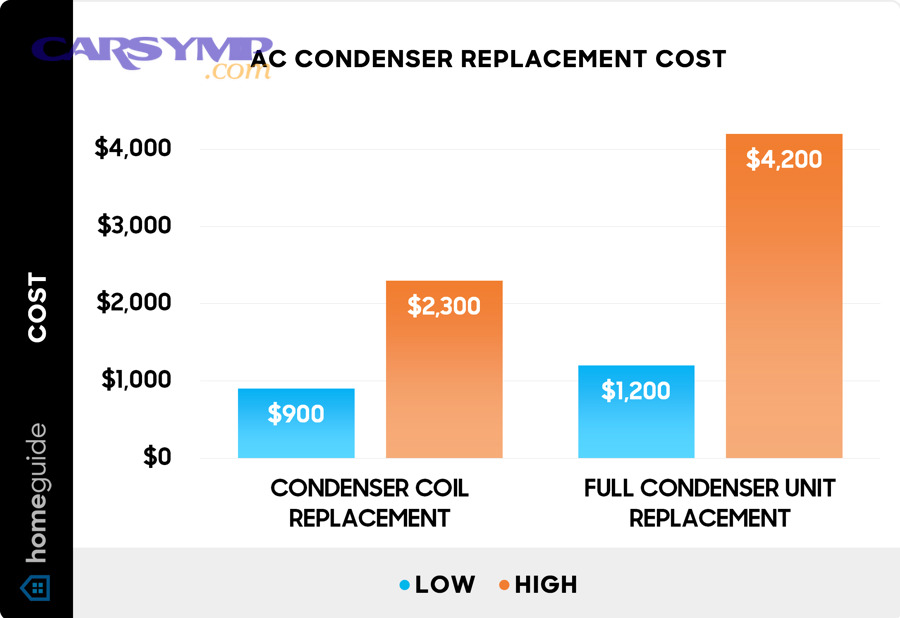
A realistic condenser replacement cost estimate usually lands in a mid-hundreds “typical” band, but the final bill can swing widely once labor access, vehicle design, and additional A/C work are factored in. Beyond the headline number, most people want a usable breakdown—what you’re paying for (parts, labor, refrigerant handling), and which line items are optional versus non-negotiable.
Daniel James Carter January 18, 2026 at 7:25 AM
Optimize How-To Car AC Performance After Condenser Replacement for Drivers, Better Not Worse
If your car’s cooling feels different after a condenser job, that’s normal—but it should trend toward colder, steadier, and faster once the system is sealed, evacuated, and charged correctly. In practice, “good performance” means stable vent temperature at idle and while cruising, predictable compressor cycling, and high-side/low-side pressures that make sense for your ambient conditions.
Daniel James Carter January 18, 2026 at 7:18 AM
Master How-To Parallel-Flow Condenser Flushing Rules for Techs, Not Myths
Parallel-flow condenser flushing rules are simple in theory: clean what can be cleaned, replace what cannot, and never let “almost clean” debris circulate back into a fresh system. In practice, the details decide whether your repair lasts one summer or one week.
Daniel James Carter January 18, 2026 at 7:13 AM
Explain debris road damage causes for car owners, not normal wear
Debris and road damage causes are the everyday ways foreign objects on the roadway strike, clog, or abrade vulnerable front-end parts—especially heat exchangers—until airflow and cooling efficiency drop, or a puncture creates a leak. Beyond “a rock hit it,” you’ll see patterns: gravel spray, tire throw, highway litter, insects and organic buildup, and the physics of speed that turns small objects into high-energy impacts.
Daniel James Carter January 18, 2026 at 7:04 AM
Estimate A/C Condenser Labor Time for Drivers: Hours, Not Minutes
If you’re searching for A/C condenser labor time , the practical answer is: most straightforward jobs land in a few hours , but packaging, rust, and extra steps can stretch it. This guide explains what a realistic clock looks like from pull-in to cold air again, so you can plan your day and your budget without guessing.
Daniel James Carter January 18, 2026 at 6:59 AM
Diagnose Condenser vs Evaporator vs Compressor Faults for Car Owners
If your cabin air isn’t cold, “condenser vs evaporator vs compressor diagnosis” is the fastest way to stop guessing and start isolating the real failed part. The three components fail differently because they live in different pressure/temperature zones of the same refrigerant circuit.
Daniel James Carter January 18, 2026 at 6:53 AM
Diagnose AC condenser leak symptoms for drivers, not compressor failure
AC condenser leak symptoms usually show up as weak cooling, longer time to get cold air, and A/C that works briefly then fades—because the system slowly loses refrigerant (and oil) from the front of the vehicle. If you suspect condenser leaking , the fastest win is to separate “low refrigerant from a leak” vs “electrical/control issues,” then narrow the leak’s location before you spend money on parts.
Daniel James Carter January 18, 2026 at 6:47 AM