Daniel James Carter
Lead Diagnostic Technician & Technical Content Author
Company / Organization
CarSymp
Experience / Skills
Check Engine Light diagnosis (OBD-II); engine performance & ignition/fuel systems; brake service; steering & suspension; AC/heater diagnostics; cooling system service; basic transmission diagnostics; electrical & battery/charging systems; maintenance schedules
About Daniel James Carter
Daniel James Carter (born July 14, 1988) is an Automotive Diagnostic & Repair Technician and the Lead Diagnostic Technician & Technical Content Author for this auto repair website. His work focuses on translating real shop-floor diagnostics into clear, step-by-step guidance for vehicle owners—especially around check-engine issues, climate control problems, brake safety, and steering/suspension wear.\n\nDaniel’s interest in mechanical systems started early, but his professional path became formal in 2006 when he began a structured apprenticeship in general automotive service. Between 2006 and 2008, he worked alongside senior technicians learning foundational skills—oil services, brake inspections, tire work, basic electrical checks, and service documentation. During this period, he also built the habits that still define his process today: verifying the customer’s concern, road-testing when safe, and confirming repairs with repeatable measurements.\n\nIn 2009, Daniel moved into a full-time automotive service technician role, where he handled a higher volume of maintenance and repair work (brakes, cooling systems, belts, ignition components, and driveline basics). By 2012, he shifted toward diagnostics, focusing on OBD-II fault tracing, fuel trim interpretation, misfire detection, smoke-testing intake leaks, and electrical circuit testing using wiring diagrams and voltage-drop methods.\n\nA major milestone came in 2015 when he began pursuing advanced professional credentials through the National Institute for Automotive Service Excellence (ASE). After completing multiple ASE exams and documenting the required hands-on experience, Daniel earned the ASE Master Automobile Technician designation in 2017. He continued building depth in drivability and emissions-related diagnostics and achieved the ASE L1 Advanced Engine Performance Specialist credential in 2019. He maintains his credentialing through ongoing study and periodic recertification, aligning his knowledge with modern engine management systems, updated scan-tool workflows, and evolving diagnostic standards.\n\nFrom 2018 to 2021, Daniel served as a senior technician in a busy service environment where his day-to-day work centered on complex complaints: intermittent stalling, hard starts, rough idle, overheating, vibration under braking, and AC systems that blow warm or smell musty. He became known for careful diagnosis before parts replacement, using a consistent checklist:\n\n\n Confirm the symptom and capture freeze-frame data.\n Test likely causes (air leaks, sensors, ignition, fuel delivery, charging system) with measurable evidence.\n Repair only after the failure is verified and the fix can be validated.\n Validate with a road test, live data review, and final inspection.\n\n\nIn 2022, Daniel began formalizing his field notes into consumer-friendly write-ups and troubleshooting guides. By 2023, he expanded that work into structured content for this website, combining real repair patterns with clear explanations of why failures happen (for example: how moisture and organic buildup can cause musty AC smell, why worn suspension joints can mimic wheel balance issues, or how vacuum leaks and weak ignition coils can trigger persistent misfires).\n\nToday, Daniel’s role on the website is to ensure every guide reflects practical repair reality—tools a shop actually uses, common misdiagnoses to avoid, and safety-first recommendations. He writes with the same standard he uses in the bay: the diagnosis must make sense, the repair must be verifiable, and the timeline from symptom to fix must be clear for the reader.

Related topics
Latest posts by Daniel James Carter


Used vs. Remanufactured Transmission: Pros, Cons & Which Is Worth Your Money
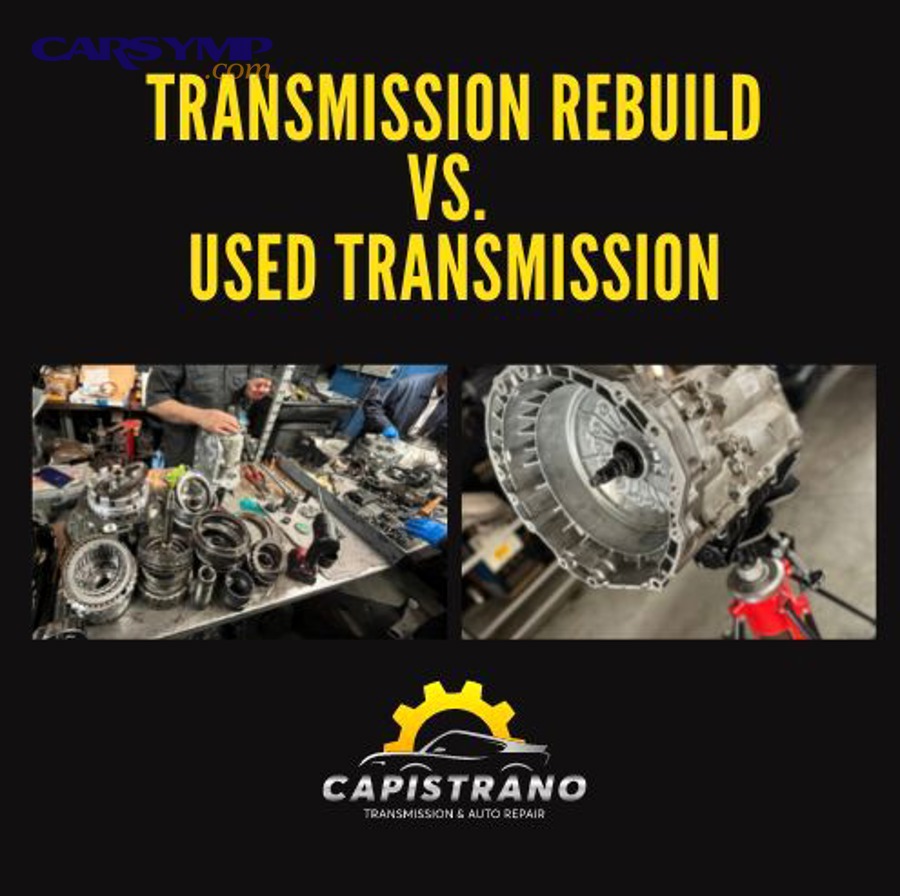
When your transmission fails, you face one of the most expensive repair decisions in automotive ownership — and the choice between a used transmission and a remanufactured (reman) transmission will directly determine how much you spend, how long the fix lasts, and whether you end up back in the shop six months later. A used transmission is pulled from a salvage vehicle and installed with no refurbishment, while a remanufactured transmission is completely disassembled, rebuilt to OEM specifications, and dyno-tested before it ever reaches your vehicle.
Daniel James Carter March 10, 2026 at 10:27 AM
How to Master the Diagnostic Process and Prevent Costly Misrepairs
Mastering the diagnostic process is the single most reliable method for preventing costly misrepairs in vehicle maintenance. A structured diagnosis — one that moves from symptom observation through root cause identification before any repair is authorized — eliminates the guesswork that drives unnecessary parts replacement, repeat shop visits, and compounding vehicle damage.
Daniel James Carter March 10, 2026 at 10:17 AM
Transmission Repair Warranties Explained: How to Choose the Right Coverage for Your Vehicle
When your transmission needs repair or replacement, the warranty attached to that work can mean the difference between a one-time expense and a recurring financial burden. A transmission repair warranty is a protection plan that covers the cost of parts and labor if the repaired or replaced transmission fails again within a defined period.
Daniel James Carter March 10, 2026 at 10:06 AM
Dealer vs. Independent Transmission Shop: Which Saves You More on Repair Costs?
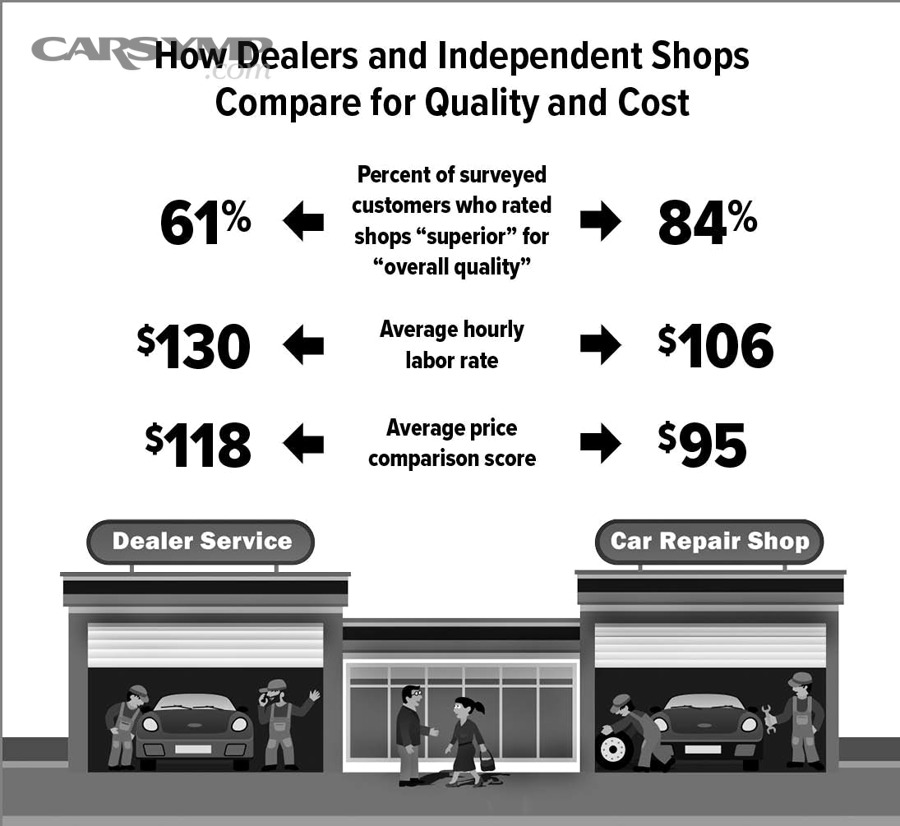
When comparing dealer vs. independent transmission shop pricing, independent specialists consistently charge 20–40% less than dealerships for the same repair — and in most out-of-warranty situations, that price gap is not offset by any meaningful difference in quality.
Daniel James Carter March 10, 2026 at 9:55 AM
Labor Hours and Removal Costs Explained: How Contractors and Homeowners Can Calculate, Understand, and Cut Workforce Expenses
Labor hours and removal costs are two of the most misunderstood line items in any home project or construction bid — and that misunderstanding routinely costs people hundreds, sometimes thousands, of dollars. Labor hours refer to the total measurable time workers spend on a job, including active work, loading, and site travel, while removal costs cover every expense tied to hauling, disposing of, or clearing materials and debris.
Daniel James Carter March 10, 2026 at 9:44 AM
Most Common Repairs and Price Ranges: The Ultimate Cost Breakdown for Homeowners and Drivers
When a pipe bursts at midnight or your car refuses to start on a Monday morning, the first question that comes to mind is rarely "what broke?" — it's "how much is this going to cost me?
Daniel James Carter March 10, 2026 at 9:34 AM
Transmission Rebuild vs. Replace: Real Cost Breakdown to Help You Choose the Smarter Fix
When your transmission starts failing, rebuilding typically costs $1,500–$7,000 while replacing it runs $800–$10,000 or more depending on whether you choose a used, remanufactured, or new OEM unit. For most drivers dealing with moderate internal wear, a professional rebuild is the smarter fix on price — but when damage is severe or hard parts are destroyed, replacement often wins on long-term value.
Daniel James Carter March 10, 2026 at 9:23 AMTransmission Repair Cost by Symptom: What Drivers Pay for Every Warning Sign
Transmission repair cost varies dramatically depending on one factor above all others: the specific warning sign your vehicle is showing right now. A transmission fluid leak caught early might cost as little as $50 to fix, while a grinding transmission ignored for months can escalate into a $5,000 rebuild.
Daniel James Carter March 10, 2026 at 9:13 AM
When to Stop Patching Leaks and Rebuild: Key Warning Signs Homeowners Must Know
Most homeowners reach a point where the same leak keeps coming back no matter how many times they patch it. Stopping the cycle of patching and committing to a rebuild is the right decision when the underlying system has deteriorated beyond what surface repairs can fix — when damage is widespread, structural integrity is compromised, or repair costs are accumulating faster than the fix holds.
Daniel James Carter March 10, 2026 at 8:52 AM
valve cover gasket replacement
How to Prevent Repeat Leaks After Repairs for Homeowners
A repeat leak usually happens because the first repair solved the symptom instead of the source. Homeowners prevent repeat leaks by tracing the real entry point, repairing the full damaged area, using compatible materials, and checking the repair before hidden moisture can spread into insulation, drywall, or framing.
Daniel James Carter March 16, 2026 at 8:49 AM
How to Set Fluid Levels Correctly After a Repair: A Step-by-Step Procedure for Technicians
Setting fluid levels correctly after a repair is a calibrated, condition-dependent procedure that goes far beyond simply topping off a reservoir. Unlike routine maintenance checks, post-repair fluid level setting must account for fluid displaced during disassembly, air introduced into the system, and temperature-dependent volume changes — all of which directly affect the accuracy of any reading.
Daniel James Carter March 10, 2026 at 8:33 AM
Seal Conditioner Myths Debunked: What Really Happens to Your Engine Seals
Seal conditioners are widely misunderstood — and that misunderstanding costs car owners real money. The core truth is this: seal conditioners are legitimate chemical additives that interact with rubber engine seals to restore elasticity and reduce seepage, but their effectiveness is conditional, their limitations are real, and the marketing language surrounding them frequently overstates what the chemistry can actually deliver.
Daniel James Carter March 10, 2026 at 8:21 AM
How to Diagnose a Torque Converter Seal Leak: Causes, Symptoms, and ATF Loss Fixes
Diagnosing a torque converter seal leak correctly is the most critical step before spending money on any transmission leak repair. A torque converter seal leak occurs when the rubber lip seal surrounding the converter hub wears out or becomes displaced, allowing automatic transmission fluid (ATF) to escape from the front of the transmission into the bell housing.
Daniel James Carter March 10, 2026 at 8:09 AM
Transmission Leak Repair Cost Breakdown: What You’ll Really Pay by Leak Type and Severity
Transmission leak repair costs range from $150 to over $2,000 , depending entirely on where the leak originates, how severe it has become, and how much labor it takes to reach the damaged component. A loose pan bolt or worn gasket sits at the affordable end of the spectrum, while a failed front pump seal that requires pulling the entire transmission can push labor costs alone past $800.
Daniel James Carter March 10, 2026 at 7:57 AM
Cooler Line Leak Repair Options: Best DIY Fixes vs. Full Replacement for Every Budget
When a cooler line starts leaking, you have more repair options than most drivers realize — ranging from a $10 rubber hose splice to a $250 aftermarket kit to a full professional line replacement. The right choice depends on where the leak is, how severe the damage is, and how long you plan to keep the vehicle.
Daniel James Carter March 10, 2026 at 7:47 AM
How to Fix an Axle Seal Leak: A Beginner’s Guide to Diagnosing and Stopping Drivetrain Fluid Loss
Fixing an axle seal leak is a repair most vehicle owners can tackle with basic tools and a clear step-by-step process — and acting quickly is what separates a $200 fix from a $2,000 drivetrain overhaul. An axle seal is the rubber or silicone ring that sits between the spinning axle shaft and the differential or transmission housing, and when it fails, gear oil or transmission fluid escapes directly into areas that can destroy bearings, contaminate brakes, and starve gears of lubrication.
Daniel James Carter March 10, 2026 at 7:35 AM
Pan Gasket and Filter Replacement: A Complete Step-by-Step Guide for DIY Mechanics
Replacing a pan gasket and filter is one of the most important maintenance tasks a DIY mechanic can perform to protect their vehicle's engine or transmission. The process involves draining fluid, removing the oil or transmission pan, scraping away the old gasket, installing a fresh seal and filter, and verifying the repair with a post-repair fluid level setting procedure.
Daniel James Carter March 10, 2026 at 7:24 AM
How to Diagnose a Transmission Leak Step by Step: A Complete Guide for Car Owners
Diagnosing a transmission leak step by step is the single most effective action a car owner can take to prevent a minor fluid loss from turning into a catastrophic — and expensive — transmission failure. The process follows a clear sequence: confirm that transmission fluid is actually leaking, identify the visual and behavioral symptoms, locate the exact source on the vehicle, and then decide on the appropriate repair path.
Daniel James Carter March 10, 2026 at 7:14 AM
Warning Signs a Transmission Leak Indicates Internal Damage (And What Drivers Should Do Next)
A transmission leak is never just a minor inconvenience — when specific warning signs appear alongside that fluid loss, it almost always means internal transmission damage is already underway. Drivers who recognize these signals early can prevent a repairable problem from escalating into a complete transmission failure.
Daniel James Carter March 10, 2026 at 6:51 AM
How to Prevent Costly Water Leaks with Routine Plumbing Maintenance
Routine plumbing maintenance is the most reliable way to prevent costly water leaks before they escalate into structural damage, mold growth, or emergency repair bills. A consistent schedule of inspections, pressure checks, and fixture upkeep allows homeowners to catch the early signs of pipe failure, worn seals, and appliance hose deterioration — problems that are inexpensive to fix early but devastating when ignored.
Daniel James Carter March 10, 2026 at 6:41 AM
How to Use a UV Dye Test to Find ATF Leaks Fast (Step-by-Step Guide for DIYers & Technicians)
A UV dye test for ATF leaks is the most reliable method to pinpoint exactly where your automatic transmission fluid is escaping — using a fluorescent dye that circulates through the transmission system and glows bright yellow-green under ultraviolet light. Unlike wiping down components and guessing, this method reveals even the smallest seep with precision, saving hours of diagnostic time.
Daniel James Carter March 10, 2026 at 6:29 AM
Low ATF Warning: How Insufficient Transmission Fluid Causes Overheating and Gear Slippage — and How to Fix It
Low ATF is one of the most silent and destructive threats to your vehicle's transmission. When automatic transmission fluid drops below the required level, the entire system loses its ability to lubricate, cool, and generate hydraulic pressure — triggering a chain reaction that leads directly to overheating and gear slippage.
Daniel James Carter March 10, 2026 at 6:20 AM
How to Add the Right Fluid to Your Car Safely: A Step-by-Step Guide for Every Driver
Adding the right fluid to your car safely is one of the simplest yet most impactful maintenance tasks any driver can perform. The process involves identifying the correct fluid type specified by your vehicle's manufacturer, checking the current fluid level using a dipstick or reservoir window, and topping off in small increments using a funnel — all while following a few critical safety precautions.
Daniel James Carter March 10, 2026 at 6:08 AM
Transmission Fluid Leak Repair Cost: What Drivers Need to Know Before Paying a Mechanic
Transmission fluid leak repair cost typically ranges from $150 to $2,000 or more , depending on where the leak originates and how severe it has become. A loose drain plug might cost as little as $10 to fix, while a failing torque converter can push the bill past $1,500.
Daniel James Carter March 10, 2026 at 5:57 AM
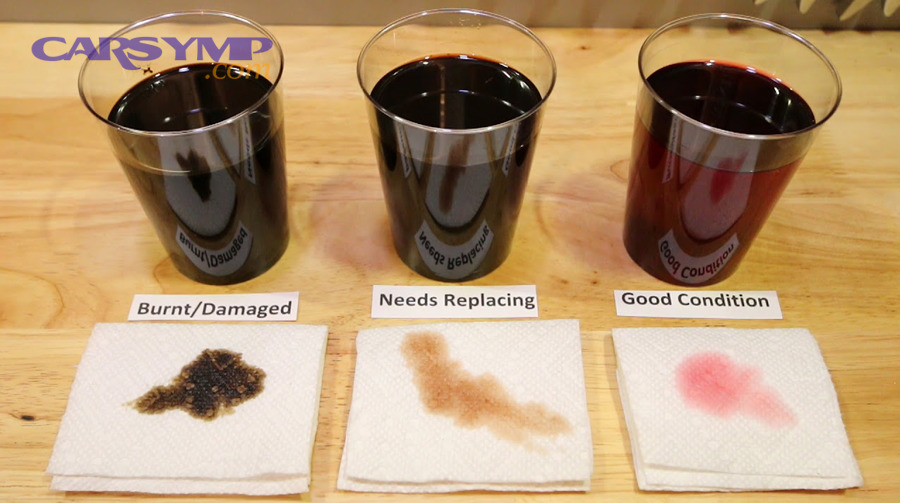
ATF Color and Smell Guide: How to Read Every Shade of Transmission Fluid and Know When to Act
Automatic transmission fluid is one of the most overlooked fluids in a vehicle — yet its color and smell are among the clearest early warning systems your car has. Fresh ATF should appear bright red or pink and carry a faintly sweet, oily scent.
Daniel James Carter March 10, 2026 at 5:47 AM
Can You Drive With a Transmission Fluid Leak? Risks, Safe Distance & What To Do
Driving with a transmission fluid leak is technically possible for a very short distance, but it is not safe and should never be treated as a long-term solution. The answer depends critically on the severity of the leak — a slow seep from a worn gasket behaves very differently from a sudden rupture in a fluid line.
Daniel James Carter March 10, 2026 at 5:36 AM
Oil Pan vs Axle Seal vs Cooler Line Leak: How to Diagnose the Exact Source (DIY Guide)
Diagnosing a fluid leak under your vehicle comes down to three common culprits — the oil pan gasket, the axle seal, and the transmission cooler line. Each one holds a different fluid, fails in a different way, and leaves behind different clues.
Daniel James Carter March 10, 2026 at 5:27 AM
How to Spot a Transmission Fluid Leak: 7 Warning Signs Every Car Owner Must Know
A transmission fluid leak is one of the most urgent mechanical issues a driver can face, and recognizing it early is the single most effective way to prevent catastrophic — and expensive — transmission failure. The seven warning signs covered in this guide span every category of detection: visual puddles, distinctive smells, audible noises, physical shifting sensations, and dashboard alerts.
Daniel James Carter March 10, 2026 at 5:15 AM
How to Prevent and Fix Transmission Fluid Leaks After a Service: Causes, Seals & Pro Tips
Transmission fluid leaks after a service are one of the most preventable — and most misunderstood — problems car owners face. In the majority of cases, a leak that appears in the days following a transmission fluid change is not a sign of a failing transmission.
Daniel James Carter March 10, 2026 at 4:52 AM
How Post-Service Behavioral Shifts Drive Lasting Adaptation in Employees and Organizations
Post-service behavioral shifts are the measurable changes in how employees think, feel, and act after an organization undergoes a significant transition — whether a service restructuring, a technology overhaul, or a change in working model. These shifts do not simply represent a temporary disruption; when properly understood and supported, they become the engine of lasting adaptation.
Daniel James Carter March 10, 2026 at 4:41 AM
DIY Transmission Fluid Change Risks Every Home Mechanic Must Know Before Draining
A DIY transmission fluid change carries far more risk than most home mechanics expect. Unlike an oil change, which tolerates minor imprecision, a transmission fluid service demands exact fluid specification, correct fill volume, proper sealing, and temperature-aware procedures — and getting any one of these wrong can trigger damage that costs thousands of dollars to repair.
Daniel James Carter March 10, 2026 at 4:30 AM
CVT Fluid Service Differences Explained: Types, Intervals, and What Your Transmission Actually Needs
CVT fluid service differences come down to three core variables: the type of fluid your transmission requires, the procedure used to replace it, and the interval at which service must occur. Unlike conventional automatic transmissions, continuously variable transmissions rely on a precisely formulated lubricant to maintain belt or chain tension, manage heat, and prevent shudder — and no two CVT systems are identical in what they demand.
Daniel James Carter March 10, 2026 at 4:18 AM
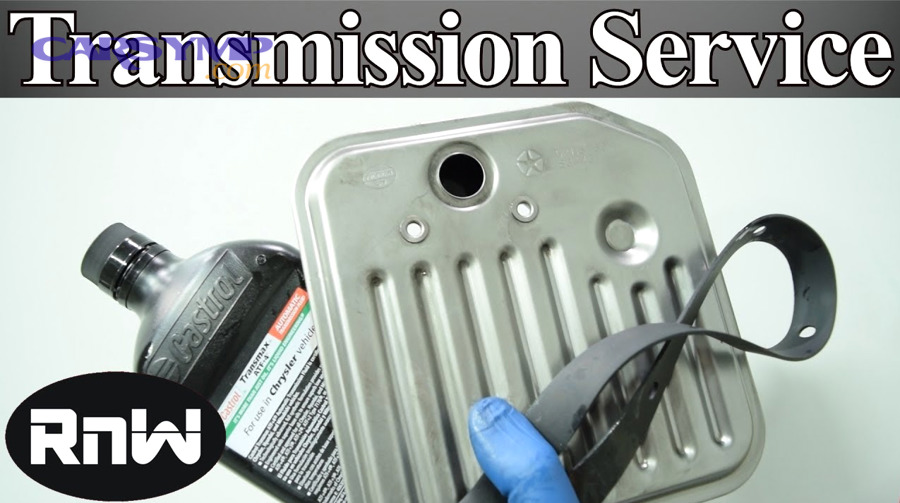
How to Replace Your Transmission Filter and Pan Gasket During a Service: A Complete Step-by-Step Guide
Replacing your transmission filter and pan gasket during a scheduled service is one of the most effective ways to protect your vehicle's drivetrain from premature wear and costly damage. Both components work together to keep transmission fluid clean and properly sealed inside the transmission housing — and when either one fails, the entire system suffers.
Daniel James Carter March 10, 2026 at 4:07 AM
Transmission Fluid Change Cost Estimate: What Car Owners Should Expect to Pay in 2026
A transmission fluid change costs between $80 and $250 at most professional shops in 2026, while a full transmission flush runs anywhere from $125 to $400 depending on your vehicle and service provider. These figures represent the realistic price range most car owners will encounter — not the lowest advertised rate and not the worst-case dealership bill.
Daniel James Carter March 10, 2026 at 3:46 AM
Why the Correct ATF Type Matters: How to Choose the Right Transmission Fluid and Protect Your Gearbox
Using the correct ATF type is one of the most consequential maintenance decisions a vehicle owner makes — yet it is one of the most frequently overlooked. Automatic Transmission Fluid is not a universal product.
Daniel James Carter March 10, 2026 at 3:37 AM
Transmission Flush vs. Drain and Fill: Which Method Actually Protects Your Car’s Transmission?
When it comes to protecting your transmission, a drain and fill wins for routine maintenance on well-kept vehicles, while a transmission flush is better suited for high-mileage or neglected systems — but choosing the wrong method for your situation can cause more harm than good. The difference is not simply about how much old fluid gets removed.
Daniel James Carter March 10, 2026 at 3:27 AM
When to Change Transmission Fluid: Recommended Intervals by Mileage, Type & Driving Habit
Knowing when to change transmission fluid is one of the most cost-effective maintenance decisions a vehicle owner can make. The recommended interval ranges from every 30,000 miles for manual transmissions under severe service to every 100,000 miles for modern automatics under normal driving conditions — but the right answer for your vehicle depends on transmission type, driving habits, and fluid condition.
Daniel James Carter March 10, 2026 at 3:18 AM
How to Prevent Converter Problems: Maintenance Tips to Avoid Costly Failures
Preventing converter problems is achievable through consistent maintenance, early symptom recognition, and understanding the root causes that put converters under stress in the first place. Whether you drive a vehicle with an automatic transmission, own an RV, or work with industrial electrical systems, the converter in your setup performs a critical function — and when it fails, the repair bill follows quickly.
Daniel James Carter March 10, 2026 at 2:58 AM
Can You Drive With Torque Converter Issues? Risks, Symptoms & When to Stop
Driving with torque converter issues is possible for a very short time, but it is never truly safe. The torque converter sits between your engine and automatic transmission, transferring power through hydraulic fluid.
Daniel James Carter March 10, 2026 at 2:47 AM
Torque Converter Repair Cost Estimate: Rebuild vs. Replace Guide for Car Owners
Torque converter repair costs typically range from $600 to $2,500 depending on whether you rebuild or replace the unit, your vehicle type, and local labor rates. For most car owners, the total bill breaks down into three components: diagnostic fees, replacement parts, and labor — with labor alone often accounting for more than half the final invoice.
Daniel James Carter March 10, 2026 at 2:37 AM
Repair vs. Rebuild vs. Replace: How to Choose the Right Option and Cut Costs
When an engine sputters or a machine breaks down, you face one of the most consequential decisions in asset management: repair it, rebuild it, or replace it entirely. Repair wins on speed and cost for isolated failures, rebuild is best when multiple systems are degraded but the asset still has structural value, and replacement is the right call when operating costs consistently outpace ownership value.
Daniel James Carter March 10, 2026 at 2:29 AM
How to Diagnose Torque Converter Problem Codes and Scan Data for Accurate Transmission Fault Detection
Diagnosing torque converter problems accurately requires more than simply reading a code off an OBD-II scanner. The torque converter sits at the heart of every automatic transmission system, and when it begins to fail, the powertrain control module generates a specific family of diagnostic trouble codes — most commonly in the P0740 through P0744 range — that point technicians and informed vehicle owners toward the root cause.

Daniel James Carter March 10, 2026 at 2:19 AM
What Metal Debris and Fluid Condition Clues Reveal About Hidden Mechanical Wear
Metal debris and fluid condition clues reveal hidden mechanical wear by acting as a direct window into the internal health of your engine or transmission — long before any audible symptom, dashboard warning, or catastrophic failure announces itself. When internal components begin to degrade, they shed particles into the circulating fluid, and that fluid simultaneously changes in color, smell, and texture.
Daniel James Carter March 10, 2026 at 2:06 AM
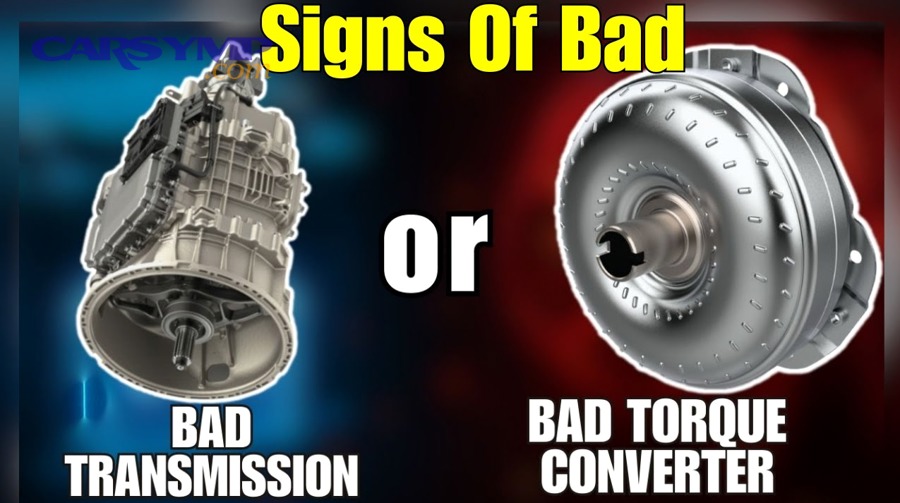
How to Diagnose Torque Converter vs. Transmission Slip: Key Symptoms and Tests for Every Driver
Diagnosing torque converter vs. transmission slip is one of the most challenging tasks any driver or technician faces, because both components share the same fluid system, occupy the same drivetrain space, and produce symptoms that feel nearly identical from behind the wheel.
Daniel James Carter March 10, 2026 at 1:54 AM
Lock-Up Clutch Problems Explained: Causes, Symptoms & Fixes for Automatic Transmission Drivers
Lock-up clutch problems are among the most misdiagnosed issues in automatic transmissions because the symptoms — shuddering, stalling, and fuel economy loss — overlap with several other drivetrain faults. The lock-up clutch, also known as the Torque Converter Clutch (TCC), is responsible for creating a direct mechanical connection between the engine and the transmission at cruising speed, eliminating the hydraulic slippage that wastes energy in a standard fluid coupling.
Daniel James Carter March 10, 2026 at 1:43 AM
How to Diagnose and Fix a Shudder at Cruise Speed: Causes, Codes & Proven Repairs for Car Owners
A shudder at cruise speed is a rhythmic vibration that occurs when your vehicle holds a steady highway speed — typically between 40 and 65 mph — under light throttle load. Unlike vibrations felt during hard acceleration or braking, cruise shudder is uniquely tied to the drivetrain's behavior at sustained speed, most commonly triggered by a failing torque converter clutch, degraded transmission fluid, worn U-joints, or engine misfire.
Daniel James Carter March 10, 2026 at 1:32 AM
7 Warning Signs of a Failing Torque Converter
A failing torque converter produces seven distinct warning signs that most drivers experience weeks — sometimes months — before complete transmission failure occurs. These signs include shuddering during acceleration, gear slippage, strange noises from the transmission area, overheating, delayed gear engagement, fluid leaks, and an illuminated Check Engine light.
Daniel James Carter March 10, 2026 at 1:20 AM
How Proper Tire Rotation Extends Tire Life: Patterns, Schedule & Money-Saving Tips for Every Driver
Proper tire rotation extends tire life by redistributing mechanical stress across all four tires, preventing any single tire from wearing down faster than the others. Every time you drive, your tires experience unequal forces — the front tires absorb steering input, braking load, and engine weight, while the rear tires handle different demands depending on your drivetrain.
Daniel James Carter March 10, 2026 at 12:57 AM
Why You Must Recheck Lug Nut Torque After Every Tire Rotation — And How to Do It Safely
Rechecking lug nut torque after every tire rotation is not optional — it is a fundamental safety requirement. When a wheel is removed and reinstalled, the lug nuts are tightened to specification at the shop, but the act of driving causes the wheel to settle against the hub face, redistributing clamping force and allowing torque to drop below the manufacturer's target.
Daniel James Carter March 10, 2026 at 12:46 AM