Daniel James Carter
Lead Diagnostic Technician & Technical Content Author
Company / Organization
CarSymp
Experience / Skills
Check Engine Light diagnosis (OBD-II); engine performance & ignition/fuel systems; brake service; steering & suspension; AC/heater diagnostics; cooling system service; basic transmission diagnostics; electrical & battery/charging systems; maintenance schedules
About Daniel James Carter
Daniel James Carter (born July 14, 1988) is an Automotive Diagnostic & Repair Technician and the Lead Diagnostic Technician & Technical Content Author for this auto repair website. His work focuses on translating real shop-floor diagnostics into clear, step-by-step guidance for vehicle owners—especially around check-engine issues, climate control problems, brake safety, and steering/suspension wear.\n\nDaniel’s interest in mechanical systems started early, but his professional path became formal in 2006 when he began a structured apprenticeship in general automotive service. Between 2006 and 2008, he worked alongside senior technicians learning foundational skills—oil services, brake inspections, tire work, basic electrical checks, and service documentation. During this period, he also built the habits that still define his process today: verifying the customer’s concern, road-testing when safe, and confirming repairs with repeatable measurements.\n\nIn 2009, Daniel moved into a full-time automotive service technician role, where he handled a higher volume of maintenance and repair work (brakes, cooling systems, belts, ignition components, and driveline basics). By 2012, he shifted toward diagnostics, focusing on OBD-II fault tracing, fuel trim interpretation, misfire detection, smoke-testing intake leaks, and electrical circuit testing using wiring diagrams and voltage-drop methods.\n\nA major milestone came in 2015 when he began pursuing advanced professional credentials through the National Institute for Automotive Service Excellence (ASE). After completing multiple ASE exams and documenting the required hands-on experience, Daniel earned the ASE Master Automobile Technician designation in 2017. He continued building depth in drivability and emissions-related diagnostics and achieved the ASE L1 Advanced Engine Performance Specialist credential in 2019. He maintains his credentialing through ongoing study and periodic recertification, aligning his knowledge with modern engine management systems, updated scan-tool workflows, and evolving diagnostic standards.\n\nFrom 2018 to 2021, Daniel served as a senior technician in a busy service environment where his day-to-day work centered on complex complaints: intermittent stalling, hard starts, rough idle, overheating, vibration under braking, and AC systems that blow warm or smell musty. He became known for careful diagnosis before parts replacement, using a consistent checklist:\n\n\n Confirm the symptom and capture freeze-frame data.\n Test likely causes (air leaks, sensors, ignition, fuel delivery, charging system) with measurable evidence.\n Repair only after the failure is verified and the fix can be validated.\n Validate with a road test, live data review, and final inspection.\n\n\nIn 2022, Daniel began formalizing his field notes into consumer-friendly write-ups and troubleshooting guides. By 2023, he expanded that work into structured content for this website, combining real repair patterns with clear explanations of why failures happen (for example: how moisture and organic buildup can cause musty AC smell, why worn suspension joints can mimic wheel balance issues, or how vacuum leaks and weak ignition coils can trigger persistent misfires).\n\nToday, Daniel’s role on the website is to ensure every guide reflects practical repair reality—tools a shop actually uses, common misdiagnoses to avoid, and safety-first recommendations. He writes with the same standard he uses in the bay: the diagnosis must make sense, the repair must be verifiable, and the timeline from symptom to fix must be clear for the reader.

Related topics
Latest posts by Daniel James Carter


How to Spot Signs of Incorrect Water Pump Installation After Replacement for Car Owners
A recently serviced cooling system should run smoothly, hold coolant, and maintain a stable temperature, so the clearest answer is this: if your vehicle shows fresh coolant leaks, abnormal noise, rising temperature, or weak cabin heat soon after a water pump replacement, incorrect installation is a realistic possibility. Those symptoms often point to sealing errors, trapped air, pulley misalignment, or refill mistakes rather than normal post-repair behavior.
Daniel James Carter March 16, 2026 at 5:53 PM
How to Bleed Air After Water Pump Replacement: Cooling System Burping Steps for DIY Car Owners
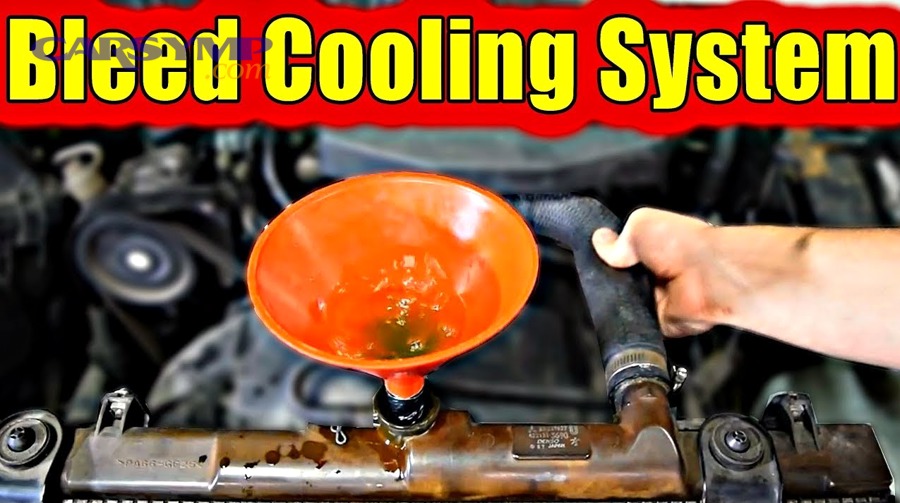
Bleeding air after water pump replacement means removing trapped air from the cooling system so coolant can circulate normally, the thermostat can react predictably, and the engine can maintain a stable operating temperature. In practical terms, the job is not finished when the new pump is bolted on and coolant is poured back in; the system also needs to be refilled and burped correctly so hidden air pockets do not cause overheating, weak cabin heat, or an erratic temperature gauge.
Daniel James Carter March 16, 2026 at 5:40 PM
When to Flush and Refill the Cooling System After Water Pump Replacement: A Practical Guide for Car Owners
Replacing a water pump does not always require a full cooling system flush, but it often does require more than simply topping off coolant. The right answer depends on why the pump was replaced, how clean the old coolant looks, whether debris or seal material entered the system, and whether the engine has a history of overheating.
Daniel James Carter March 16, 2026 at 5:23 PM
How to Choose OEM vs Aftermarket Water Pump Quality: Which Replacement Option Is Best for Car Owners?
Choosing between OEM and aftermarket water pump quality usually comes down to one practical conclusion: OEM is the safer default for exact fit and predictable performance, while a high-quality aftermarket pump can deliver equal or near-equal value when the manufacturer truly follows OE specifications and quality control. For most car owners, the smartest decision is not “OEM or aftermarket” in the abstract, but “which pump gives the right fit, flow, durability, and risk profile for this specific vehicle.
Daniel James Carter March 16, 2026 at 5:09 PM
Timing Belt/Chain-Driven Water Pump Considerations: When Car Owners Should Replace Related Components
Replacing a timing belt/chain-driven water pump is usually smartest when service access is already open, failure symptoms appear, or the engine design makes a delayed repair far more expensive than a preventive one. That is the core decision behind this topic: car owners are not simply replacing a pump, but managing risk across an entire timing system.
Daniel James Carter March 16, 2026 at 4:50 PM
When to Replace the Thermostat and Belts During a Water Pump Job: A Smart Preventive Guide for Car Owners
Replacing the thermostat and belts during a water pump job is often the smart preventive move, but the right answer depends on how the pump is driven, how old the parts are, and how much labor overlaps. When the water pump runs behind the timing cover or shares access with major front-engine components, replacing related parts together can cut repeat labor, reduce comeback risk, and protect long-term cooling and drive-system reliability.
Daniel James Carter March 16, 2026 at 4:37 PM
Estimate Water Pump Replacement Cost: Average Repair Price and Labor Guide for Car Owners
Estimating a water pump replacement cost starts with a practical answer: most car owners pay a mid-to-high three-figure amount, but the final number depends more on labor access, vehicle design, and part choice than on the pump alone. In current public estimators, average totals commonly land around the upper hundreds, while easier jobs can stay lower and tightly packaged engines can climb well past the average.
Daniel James Carter March 16, 2026 at 4:24 PM
Estimate Water Pump Replacement Labor Time and Repair Hours for Car Owners
Most drivers want a direct answer first: water pump labor time usually falls in a broad range because the same repair can be simple on one engine and time-intensive on another. On many vehicles, the job lands around one to three hours when the pump is accessible, but tightly packaged engines or designs that tie the pump to major front-engine disassembly can push the job much higher.
Daniel James Carter March 16, 2026 at 4:09 PM
How to Prevent Water Pump Failure in Cars: Maintenance Tips and Early Warning Signs for Drivers
A car water pump can often last for years, but yes, drivers can reduce the risk of failure through timely inspections, proper coolant maintenance, and fast action when early symptoms appear. In practice, preventing damage starts with understanding that the water pump is not an isolated part; it works inside the full cooling system, so neglecting coolant quality, belt condition, or overheating warnings usually shortens its life.
Daniel James Carter March 16, 2026 at 3:42 PM
When to Replace a Timing Belt and Water Pump Together: A Smart Maintenance Guide for Car Owners
Most car owners should replace the timing belt and water pump together when the water pump is driven by the timing belt, when the vehicle reaches the manufacturer’s replacement interval, or when the front of the engine is already apart for the job. That direct answer matters because a timing belt failure can cause severe engine damage on some engines, while a failing water pump can trigger coolant loss, overheating, and repeat labor if it is left behind during the same service.
Daniel James Carter March 16, 2026 at 3:28 PM
Understand the Typical Water Pump Repair Cost Range for Car Owners: Parts, Labor, and Replacement Factors
Typical water pump repair cost usually means water pump replacement cost, and for most car owners the common real-world range falls between about $400 and $1,100, with some simple jobs landing lower and some complex engines climbing well above that range. The biggest reasons for that spread are labor difficulty, vehicle design, and whether the quote includes related cooling-system parts.
Daniel James Carter March 16, 2026 at 3:15 PM
Can You Drive with a Failing Water Pump? Safety Risks, Overheating Signs, and What Drivers Should Do
If your car has a failing water pump, the safest answer is no: you should not keep driving unless you are only moving the vehicle a very short distance to get out of danger. A weak or damaged pump can stop coolant from circulating properly, and once coolant flow drops, engine temperature can rise fast enough to turn a manageable repair into major engine damage.
Daniel James Carter March 16, 2026 at 3:03 PM
Diagnose Water Pump vs Thermostat vs Radiator Problems in Your Car: Key Symptoms and Differences for Drivers
Diagnosing water pump vs thermostat vs radiator problems starts with one key idea: each part fails in a different way, even though all three can make an engine run hot. A water pump usually points to circulation loss, a thermostat often causes temperature-control problems, and a radiator typically shows heat-dissipation trouble.
Daniel James Carter March 16, 2026 at 2:44 PM
How Temperature Fluctuation and Poor Coolant Flow Reveal Cooling System Problems for Car Owners
Temperature fluctuation and poor coolant flow usually mean the cooling system is no longer moving heat away from the engine in a stable, controlled way. In most cars, that symptom pair points to a circulation problem rather than a random dashboard glitch, and the most common suspects are low coolant, trapped air, a sticking thermostat, a weak water pump, or a restricted radiator.
Daniel James Carter March 16, 2026 at 2:32 PM
How to Diagnose Grinding or Whining Noise From Water Pump Bearings for Car Owners
A grinding or whining noise can be a sign of bad water pump bearings, especially when the sound comes from the front of the engine, changes with engine speed, and appears with other water pump failure symptoms such as wobble, overheating, or coolant seepage. A worn water pump bearing often lets the pulley run rough instead of true, which is why the noise usually gets more noticeable before total failure.
Daniel James Carter March 16, 2026 at 2:19 PM
How to Recognize Overheating Patterns of a Bad Water Pump in Your Car Before Engine Damage
A bad water pump can absolutely make your car overheat, and the most useful clue is not just the temperature rising but how it rises. When overheating happens together with unstable gauge readings, coolant loss, steam, or unusual front-engine noise, the pattern often points to reduced coolant circulation rather than a random hot-running episode.
Daniel James Carter March 16, 2026 at 2:08 PM
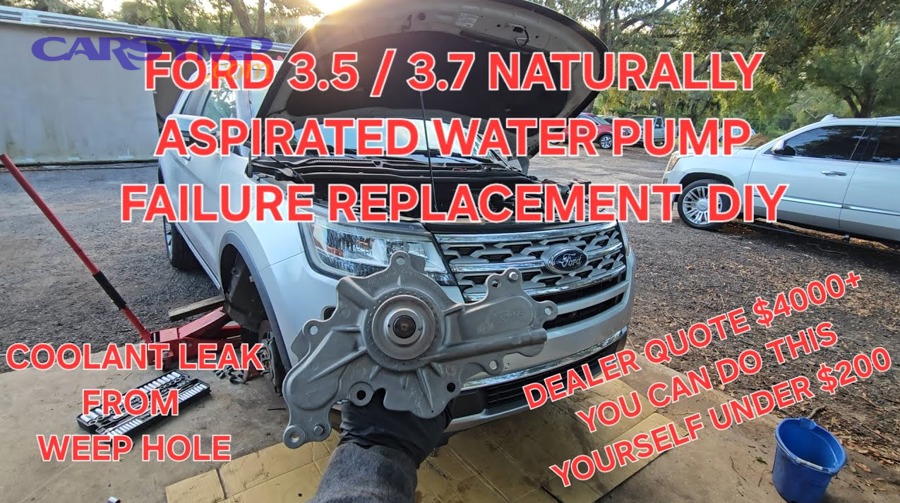
How to Diagnose a Coolant Leak at the Weep Hole: Signs of Water Pump Failure for Car Owners
A coolant leak at the weep hole usually means the water pump’s internal seal is wearing out or has already failed, so the leak should be treated as an early warning rather than a harmless drip. In most vehicles, that small hole exists to let escaping coolant show up outside the pump before the bearing or the pump body suffers more severe damage.
Daniel James Carter March 16, 2026 at 1:56 PM
Spot Early Water Pump Failure Signs and Overheating Symptoms in Your Car: A Driver’s Guide
A driver should treat early water pump failure signs as a direct warning that coolant circulation may be weakening, heat may start building inside the engine, and a small symptom can quickly turn into a breakdown. In most cases, the most important clues are a coolant leak, rising temperature, steam, and abnormal noise from the front of the engine, because the water pump moves coolant through the engine and radiator to control heat.
Daniel James Carter March 16, 2026 at 1:44 PM
How Long Should Auto Repairs Last for Car Owners? Repair Lifespan, Warranty Coverage, and Repeat-Fix Warning Signs
Auto repairs should last a reasonable amount of time after the problem is fixed, not just long enough to get the car out of the shop. In practical terms, a proper repair should resolve the original symptom under normal driving conditions, reflect solid workmanship, and match the expected life of the part or system involved.
Daniel James Carter March 16, 2026 at 1:22 PM
Understand Warranty Coverage for Brake Jobs and Common Repairs: Parts vs. Labor Guide for Car Owners
A warranty on brake jobs and common repairs usually covers defective parts, faulty workmanship, or both, but it does not automatically cover every future problem with the same system. In real-world auto repair, the most important point is simple: coverage depends on the written terms, the time or mileage limit, and whether the failure came from a defect or from normal wear.
Daniel James Carter March 16, 2026 at 1:10 PM
How to Get Warranty Terms in Writing: A Consumer Guide to Coverage, Exclusions, and Claims
Getting warranty terms in writing means turning a vague promise into a usable record of what a seller, dealer, or repair shop will actually do if something fails. A written warranty gives you a concrete basis for checking coverage, exclusions, time limits, labor obligations, and claim steps before you agree to a purchase or authorize work.
Daniel James Carter March 16, 2026 at 12:58 PM
Understand Extended Warranties and Repair Coverage Basics for Car Owners: What’s Covered, What’s Not, and How Service Contracts Work
Extended warranties and repair coverage basics help car owners understand a simple truth: these plans can reduce the cost of covered breakdowns after the factory warranty ends, but they only work well when you know exactly what is included, excluded, and required in the contract. That core idea matters because many people hear the phrase “extended warranty” and assume it protects every repair, when in reality the warranty on repairs depends on contract language, provider rules, and the type of vehicle systems covered.
Daniel James Carter March 16, 2026 at 12:47 PM
How to Choose an Auto Repair Shop With Strong Warranty Coverage and Parts-and-Labor Protection for Car Owners
Choosing an auto repair shop based on warranty strength means choosing the shop that gives you the clearest written coverage, includes both parts and labor, and makes claims easy when something fails. A strong warranty on repairs lowers your repeat-cost risk, shows that the shop stands behind its workmanship, and gives you a practical way to judge value instead of judging price alone.
Daniel James Carter March 16, 2026 at 12:37 PM
Understand Common Warranty Exclusions and Fine Print Before You Buy Coverage
Buying coverage is not really about the sales pitch; it is about the contract. Common warranty exclusions and fine print tell you what a plan actually pays for, what it refuses to cover, and what obligations you must meet before a claim can succeed.
Daniel James Carter March 16, 2026 at 12:26 PM
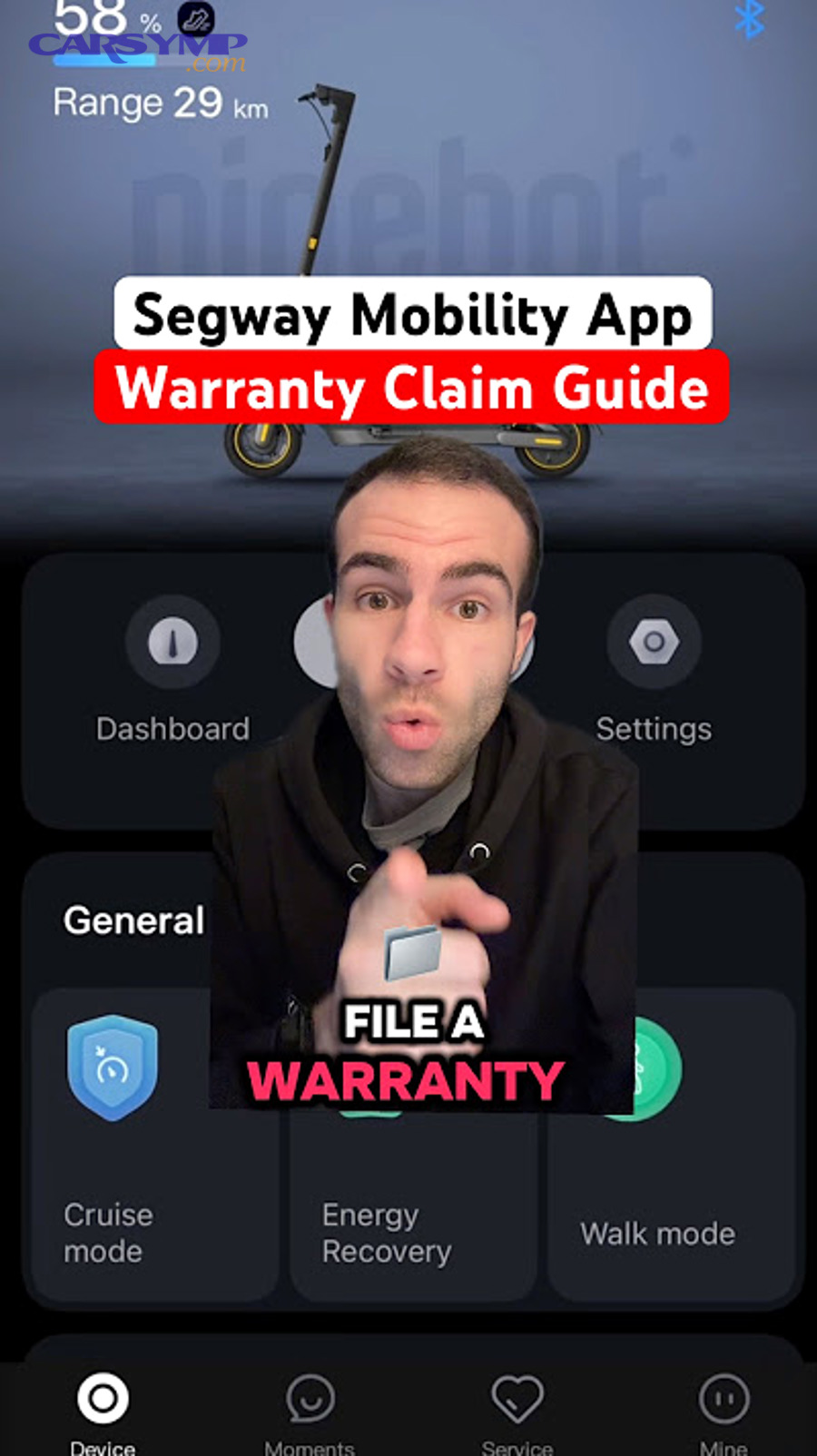
How to File a Warranty Claim on Repairs: Step-by-Step Guide for Homeowners and Drivers
Filing a warranty claim on repairs starts with one core action: review the coverage terms, collect proof, contact the warranty provider correctly, and get repair authorization before work moves forward. That direct process is what determines whether a claim is approved quickly, delayed for missing information, or denied because the repair did not follow the policy rules.
Daniel James Carter March 16, 2026 at 12:14 PM
Compare Dealer Warranty vs Independent Shop Warranty: Which Coverage Protects Drivers Best?
Choosing between a dealer warranty and an independent shop warranty depends on what kind of protection you need, what type of repair your car needs, and whether your vehicle is still under factory coverage. In most cases, dealer-backed coverage protects newer vehicles better for brand-specific repairs, while an independent shop warranty on repairs often gives drivers better value for common maintenance and out-of-warranty work.
Daniel James Carter March 16, 2026 at 11:56 AM
Understand Parts Warranty vs Labor Warranty Differences for Car Owners: Coverage, Costs, and Repair Terms
Car owners often assume a repair warranty covers everything, but that is rarely true. In most cases, a parts warranty covers the replacement component itself, while a labor warranty covers the technician’s work to install or redo that repair.
Daniel James Carter March 16, 2026 at 11:45 AM
Understand What Auto Repair Warranties Typically Cover for Car Owners: Parts, Labor, and Common Exclusions
Auto repair warranties typically cover the specific repair that was just performed, and in most real-world cases that means the replacement part, the labor used to install it, or both, for a defined period of time or mileage limit. For car owners, the practical meaning is simple: if the same covered part fails again or the original workmanship proves faulty within the stated warranty window, the shop may repair or replace it without charging you again for the same issue.
Daniel James Carter March 16, 2026 at 11:33 AM
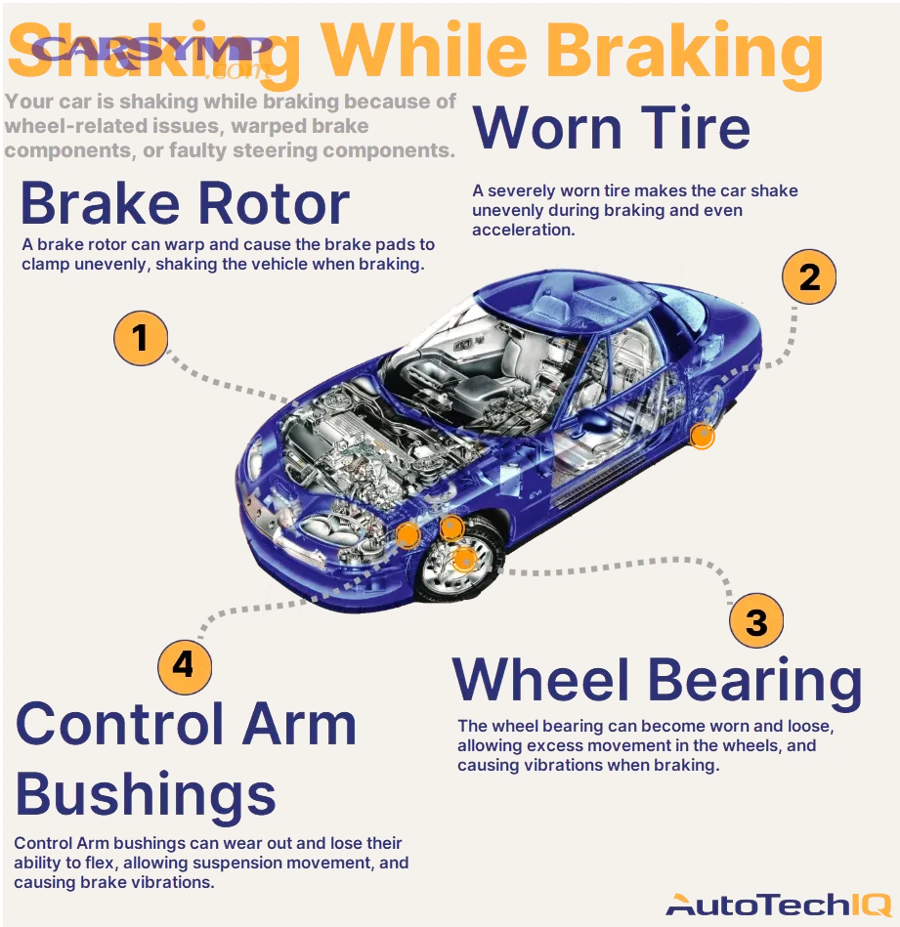
Prevent Vehicle Vibrations with Routine Maintenance: Tire, Brake, and Suspension Checks for Drivers
Vehicle vibrations can often be prevented with routine maintenance because the most common causes start as small tire, brake, suspension, or steering issues long before they become obvious shaking. When drivers keep tire pressure correct, rotate and balance tires on schedule, inspect brakes before pulsation starts, and catch worn suspension parts early, they reduce the chance that minor wear turns into a steering-wheel shimmy, seat shake, or body tremor.
Daniel James Carter March 16, 2026 at 11:09 AM
When Severe Car Vibrations Are Unsafe to Drive: Safety Guidance for Drivers
Severe car vibrations are often not safe to ignore because they can signal tire failure, brake problems, steering instability, or drivetrain faults that may reduce control of the vehicle. In practical terms, the more violent, sudden, or speed-sensitive the shaking becomes, the more likely the car needs to be pulled over and inspected instead of driven normally.
Daniel James Carter March 16, 2026 at 10:43 AM
Use a Road Test Checklist to Isolate Vehicle Vibration for Drivers and DIY Diagnosticians
A road test checklist is one of the most effective ways to isolate vehicle vibration because it turns a vague complaint into repeatable observations about speed, engine RPM, throttle load, braking, steering input, and road surface. When you record exactly when the shake begins, where you feel it, and what changes it, you stop guessing and start narrowing the fault to the tire and wheel assembly, brakes, suspension, mounts, or drivetrain.
Daniel James Carter March 16, 2026 at 10:31 AM
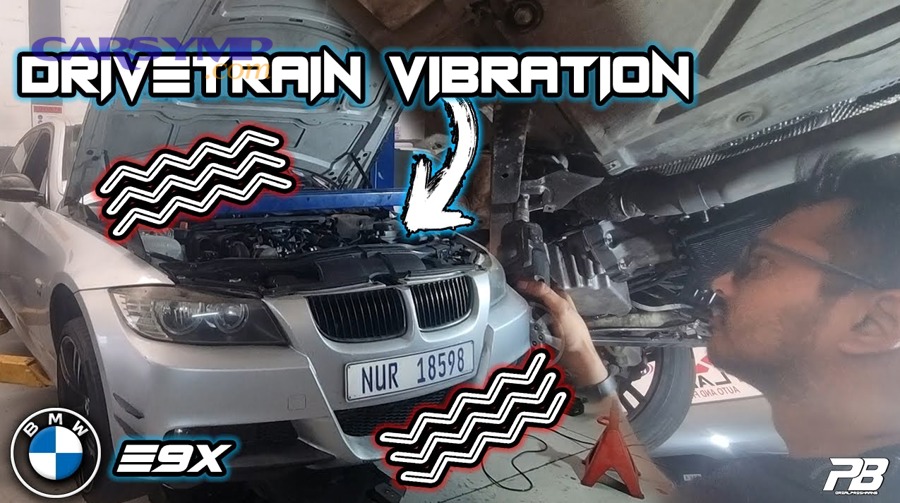
Diagnose Drivetrain Vibration: Causes, Driveshaft Problems, and Fixes for Drivers
Drivetrain vibration usually means a rotating or load-bearing part in the power-delivery system is no longer moving smoothly, so the correct starting point is to match the symptom to when it happens: under acceleration, at highway speed, during deceleration, or only under braking. In most cases, the real causes cluster around the driveshaft, U-joints, CV axle assemblies, driveline angles, mounts, or related hardware rather than a random shake with no pattern.
Daniel James Carter March 16, 2026 at 10:20 AM
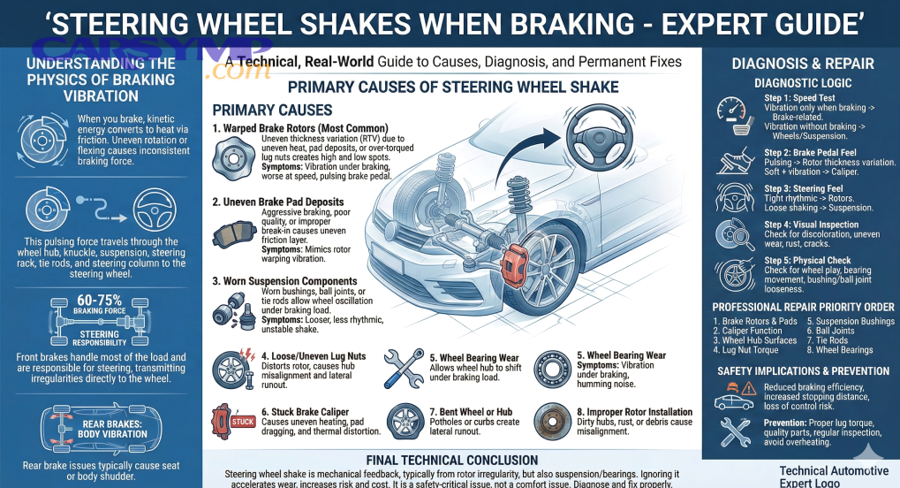
Diagnose Brake Rotor Vibration Under Braking Causes for Drivers: Warped Rotors, Brake Judder, and Related Faults
Brake rotor vibration under braking is usually caused by disc thickness variation, lateral runout, uneven pad deposits, overheating, or related brake hardware faults rather than a rotor that is simply “warped” in the casual sense. For drivers, the real goal is not just naming the symptom but understanding why the steering wheel, brake pedal, or floor starts shaking during a stop and which fault pattern is most likely.
Daniel James Carter March 16, 2026 at 10:05 AM
How to Diagnose Motor Mounts Causing Vibration at Idle for Car Owners: Symptoms, Tests, and Related Causes
Motor mounts can cause vibration at idle because they isolate engine movement from the chassis, and when they wear, crack, collapse, or leak, normal engine pulses travel into the cabin instead of being absorbed. To begin, the key is not just noticing a shake at a stoplight, but deciding whether the vibration comes from the mounts themselves or from an engine, exhaust, or drivetrain problem that feels similar.
Daniel James Carter March 16, 2026 at 9:52 AM
How to Identify Engine Misfire Vibration Symptoms in Cars Before They Get Worse
Engine misfire vibration symptoms usually show up as shaking, rough idle, jerking, hesitation, and uneven power delivery because one or more cylinders stop contributing normal combustion. When that happens, the engine no longer produces smooth, balanced power, so the car can tremble at idle, stumble during acceleration, or feel noticeably weaker on the road.
Daniel James Carter March 16, 2026 at 9:37 AM
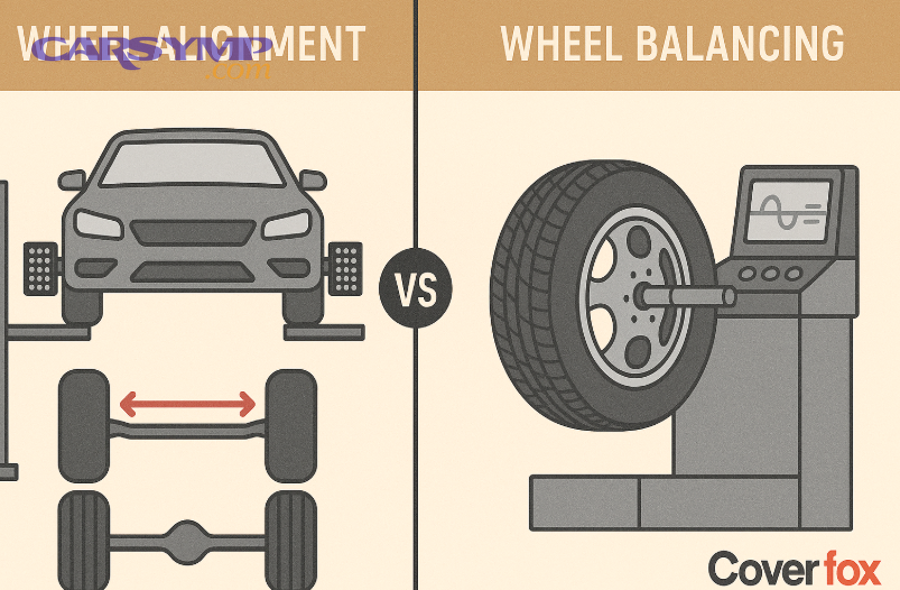
Diagnose Wheel Balance vs Alignment Vibration: Which Fix Your Car Needs for Everyday Drivers
A wheel balance vs alignment vibration comparison usually points to one practical answer: high-speed shake is more often a balance problem, while pulling, crooked steering, and uneven tread wear more often point to alignment . That core distinction matters because drivers often chase the wrong repair, spend money twice, and still live with the same symptom.
Daniel James Carter March 16, 2026 at 9:23 AM
Diagnose Vehicle Vibration at Speed, Idle, or Braking: A Troubleshooting Guide for Drivers
Vehicle vibration diagnosis starts with one simple rule: the moment when the vibration appears usually points to the system most likely at fault. A shake that shows up at road speed often comes from tires, wheels, hubs, or driveline parts, while a shake that appears at idle more often comes from the engine, ignition, fuel delivery, or mounts.
Daniel James Carter March 16, 2026 at 9:13 AM
valve cover gasket replacement
How to Perform a Post-Repair Leak Check and Torque Sequence After Gasket Repair for DIY Car Owners
A post-repair leak check and torque sequence after gasket repair is a practical verification process that helps DIY car owners confirm the seal is holding, the fasteners are loaded evenly, and the repair will not start leaking again after heat and vibration. In other words, the job is not finished when the cover goes back on; the job is finished when the engine runs clean and dry.
Daniel James Carter March 16, 2026 at 8:36 AM
valve cover gasket replacement
How to Clean Oil from Ignition Coils After a Valve Cover Leak for DIY Car Owners
Cleaning oil from ignition coils after a leak is possible in many cases, and the right method is to remove the oil carefully, clean the coil boots and surrounding plug wells, dry everything completely, and repair the source of the leak before contamination returns. This matters because oil in the ignition area can cause misfires, rough idle, weak spark delivery, and long-term damage to the coil boots if you ignore it.
Daniel James Carter March 16, 2026 at 8:22 AM
valve cover gasket replacement
Key Spark Plug Tube Seal Replacement Considerations for Car Owners: When to Replace Seals and Valve Cover Gaskets
Spark plug tube seal replacement matters when oil starts entering the spark plug wells, because the problem usually points to a failed sealing system rather than a dirty plug alone. In practical terms, car owners should think about leak confirmation, related gasket condition, ignition contamination, and engine design before ordering parts or starting the job.
Daniel James Carter March 16, 2026 at 8:11 AM
valve cover gasket replacement
How to Replace a Valve Cover Gasket Yourself: Step-by-Step DIY Guide for Car Owners
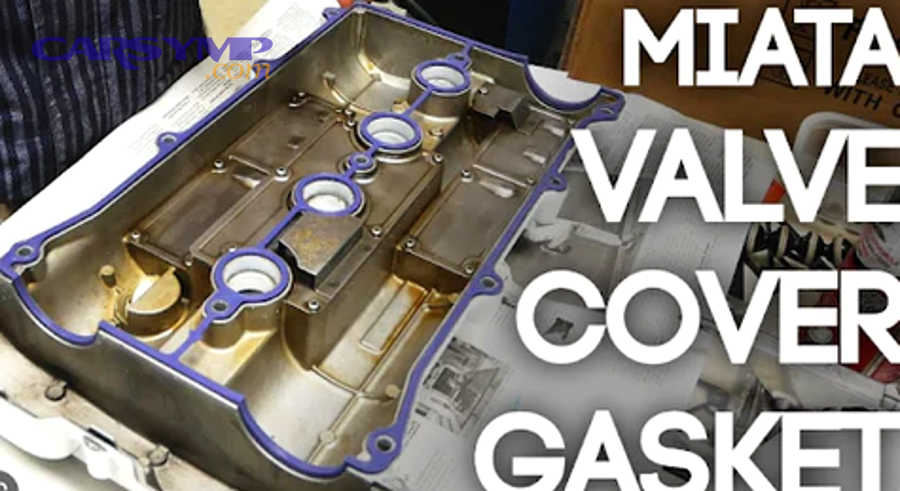
Replacing a valve cover gasket yourself is a realistic DIY repair for many car owners because the job usually follows a clear sequence: confirm the leak source, gain access to the cover, remove the old gasket, clean the sealing surfaces, install the new gasket correctly, and perform a careful leak inspection. When done methodically, this repair can stop oil seepage, reduce burning-oil smell, and prevent oil from reaching hot engine parts or spark plug wells.
Daniel James Carter March 16, 2026 at 7:58 AM
valve cover gasket replacement
How the PCV System Causes Valve Cover Leaks in Cars for Everyday Drivers
A bad PCV system can cause valve cover leaks because it allows crankcase pressure to rise, pushes oil mist and liquid oil toward weak sealing points, and turns a minor gasket weakness into a visible leak. In practical terms, many drivers think the valve cover gasket failed first, but the real chain often starts with restricted ventilation, trapped blow-by gases, and pressure that the engine can no longer relieve normally.
Daniel James Carter March 16, 2026 at 7:46 AM
valve cover gasket replacement
Estimate Valve Cover Gasket Replacement Cost for Car Owners: Labor, Parts, and Related Oil Leak Repairs
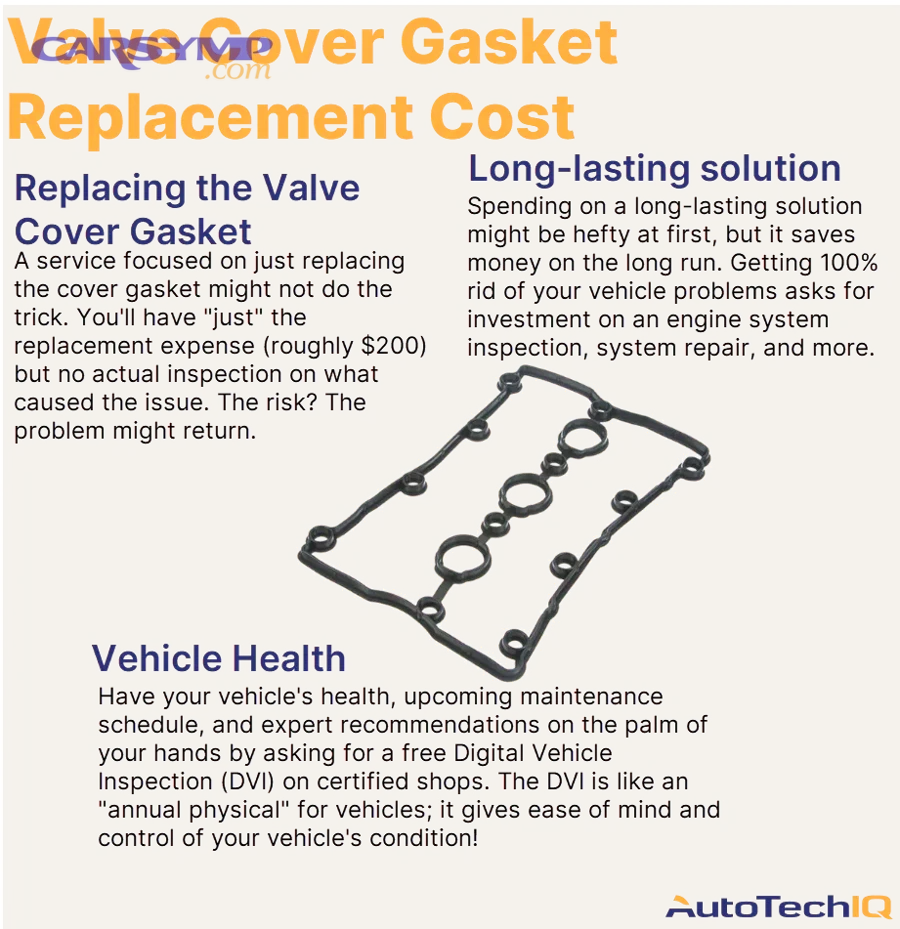
A typical valve cover gasket replacement cost estimate for car owners usually falls in the mid-hundreds, but the real number depends on labor access, engine layout, and whether the repair includes one cover or multiple sealing components. Current pricing references show a broad mainstream range, with RepairPal listing an average total of $336 to $461 for many vehicles, while J.
Daniel James Carter March 16, 2026 at 7:34 AM
valve cover gasket replacement
Estimate Valve Cover Gasket Replacement Labor Time and Repair Hours for Car Owners
Most car owners can expect valve cover gasket replacement labor time to fall into a moderate repair range, but the exact hours depend on engine layout, how much access the technician has, and whether the engine has one valve cover or two. In practical terms, simple inline engines can be relatively quick, while tightly packaged V6, V8, turbocharged, or transverse layouts often take longer because more parts must be removed to reach the cover and reseal it properly.
Daniel James Carter March 16, 2026 at 7:23 AM
valve cover gasket replacement
How to Diagnose a Burning Oil Smell From a Valve Cover Leak for Car Owners: Symptoms, Causes, and Fixes
A burning oil smell from the engine often does point to a valve cover leak, especially when oil escapes past an aging gasket and lands on hot metal surfaces. That is why the first job is not to guess, but to connect the smell to visible leak patterns, heat sources, and timing so the problem can be identified correctly.
Daniel James Carter March 16, 2026 at 7:10 AM
valve cover gasket replacement
How to Spot Valve Cover Gasket Leak Symptoms Early for Car Owners
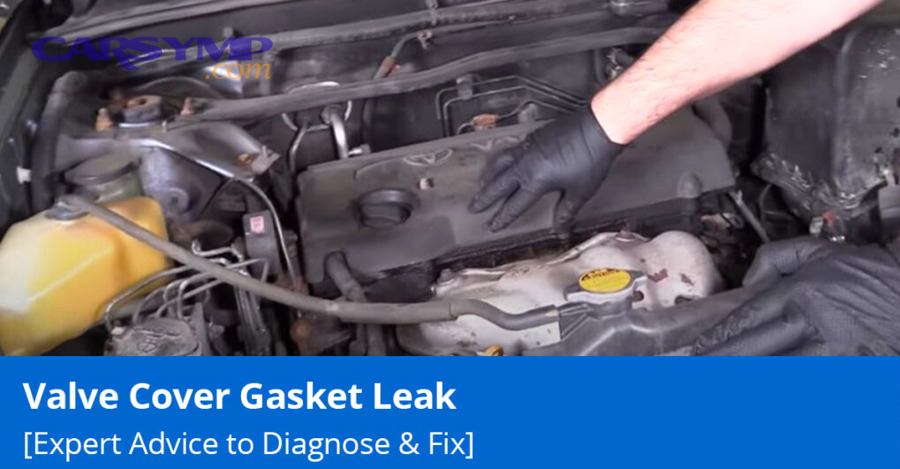
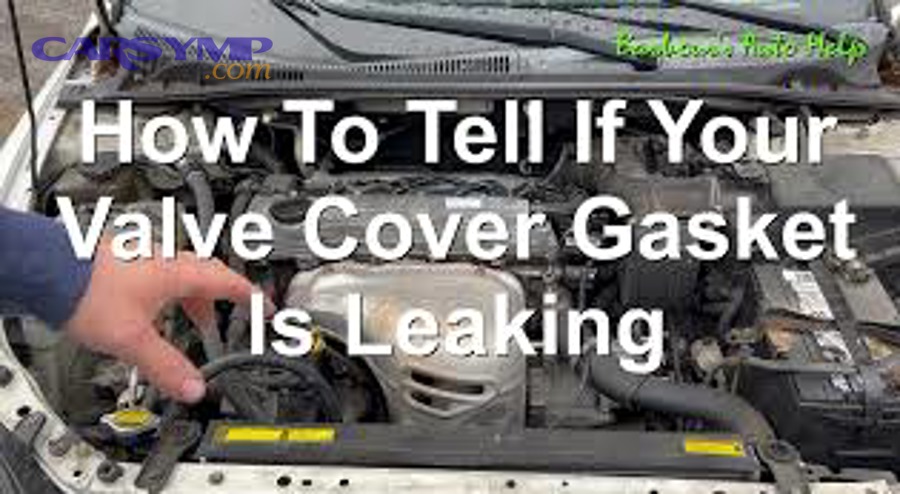
A valve cover gasket leak usually shows up early through a small set of repeatable warning signs: a fresh oil smell, damp oil around the top of the engine, light smoke from the engine bay, or oil finding its way into spark plug wells. Spotting those signs early matters because a small seep can grow into a more expensive problem if oil keeps reaching hot parts or ignition components.
Daniel James Carter March 16, 2026 at 6:59 AM
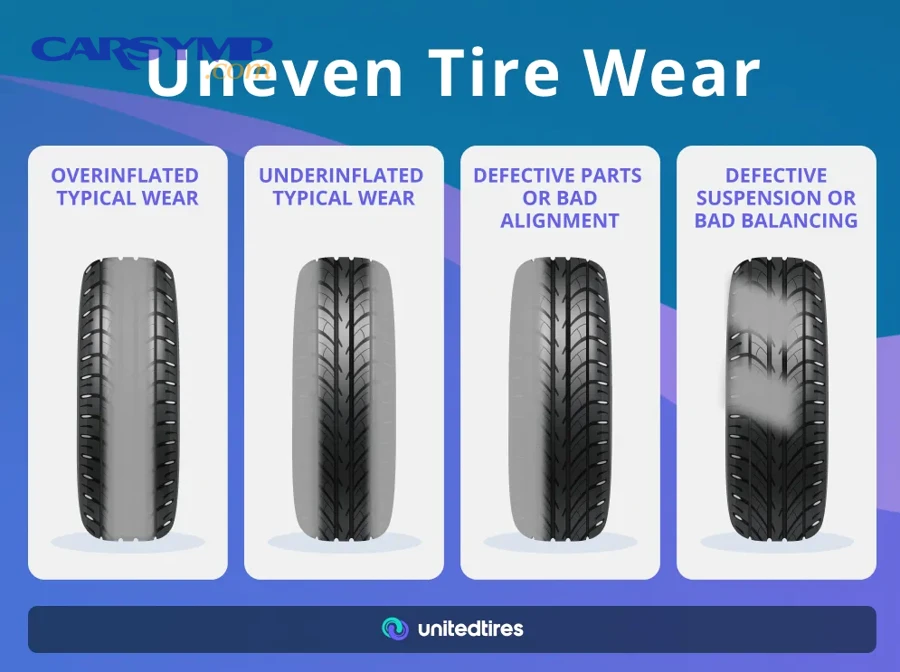
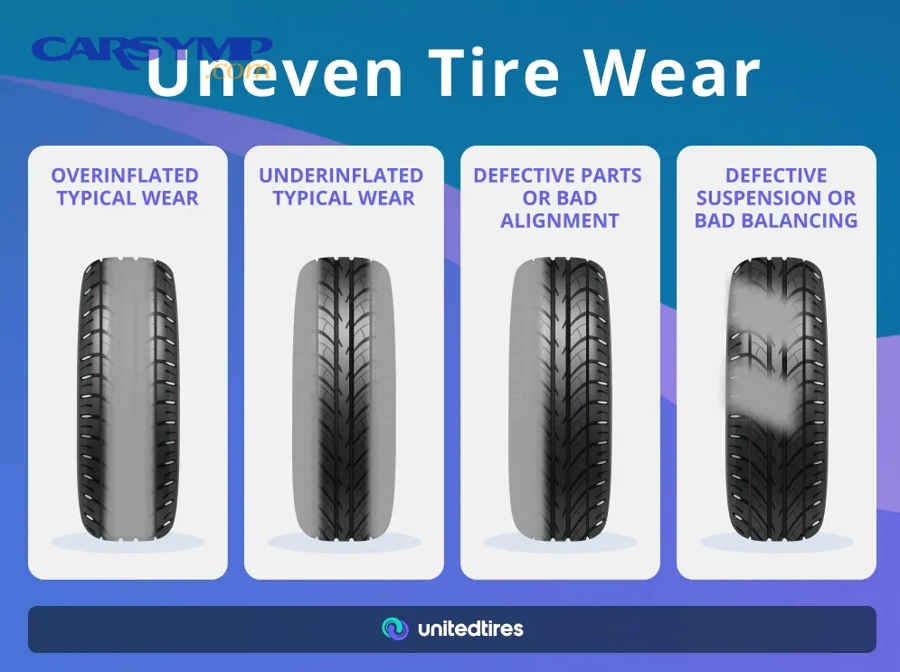
How to Prevent Future Uneven Tire Wear With Maintenance for Everyday Drivers
Uneven tire wear is preventable in most cases when drivers follow a maintenance routine that combines correct tire pressure, timely rotation, alignment checks, balancing, and suspension inspection. That is the central answer to this topic: tires usually do not wear unevenly by accident, but because one maintenance habit is missing, delayed, or applied after the wear pattern has already started.
Daniel James Carter March 16, 2026 at 6:33 AM
How to Decide When to Replace Tires vs Fix the Underlying Problem for Everyday Drivers
Replacing tires is the right move when the tire itself is no longer safe, but fixing the underlying problem comes first when the tire is mainly showing symptoms of misalignment, inflation error, imbalance, or suspension wear. In practice, the decision starts with three questions: Is the tire structurally safe, is there enough usable tread left, and is the wear pattern telling you something about the vehicle rather than the rubber alone?
Daniel James Carter March 16, 2026 at 6:20 AM
Estimate the Cost to Fix Uneven Tire Wear Causes for Car Owners: Alignment, Balance, and Suspension Issues
Uneven tire wear usually costs the least to fix when you catch it early, because the root problem is often limited to alignment, balancing, inflation correction, or a rotation rather than full tire replacement. In practice, the total bill rises when you ignore the wear pattern long enough for the tread to become noisy, unsafe, or too damaged to save, which is why the smartest uneven tire wear fix starts with diagnosis before parts are replaced.
Daniel James Carter March 16, 2026 at 6:08 AM