Daniel James Carter
Lead Diagnostic Technician & Technical Content Author
Company / Organization
CarSymp
Experience / Skills
Check Engine Light diagnosis (OBD-II); engine performance & ignition/fuel systems; brake service; steering & suspension; AC/heater diagnostics; cooling system service; basic transmission diagnostics; electrical & battery/charging systems; maintenance schedules
About Daniel James Carter
Daniel James Carter (born July 14, 1988) is an Automotive Diagnostic & Repair Technician and the Lead Diagnostic Technician & Technical Content Author for this auto repair website. His work focuses on translating real shop-floor diagnostics into clear, step-by-step guidance for vehicle owners—especially around check-engine issues, climate control problems, brake safety, and steering/suspension wear.\n\nDaniel’s interest in mechanical systems started early, but his professional path became formal in 2006 when he began a structured apprenticeship in general automotive service. Between 2006 and 2008, he worked alongside senior technicians learning foundational skills—oil services, brake inspections, tire work, basic electrical checks, and service documentation. During this period, he also built the habits that still define his process today: verifying the customer’s concern, road-testing when safe, and confirming repairs with repeatable measurements.\n\nIn 2009, Daniel moved into a full-time automotive service technician role, where he handled a higher volume of maintenance and repair work (brakes, cooling systems, belts, ignition components, and driveline basics). By 2012, he shifted toward diagnostics, focusing on OBD-II fault tracing, fuel trim interpretation, misfire detection, smoke-testing intake leaks, and electrical circuit testing using wiring diagrams and voltage-drop methods.\n\nA major milestone came in 2015 when he began pursuing advanced professional credentials through the National Institute for Automotive Service Excellence (ASE). After completing multiple ASE exams and documenting the required hands-on experience, Daniel earned the ASE Master Automobile Technician designation in 2017. He continued building depth in drivability and emissions-related diagnostics and achieved the ASE L1 Advanced Engine Performance Specialist credential in 2019. He maintains his credentialing through ongoing study and periodic recertification, aligning his knowledge with modern engine management systems, updated scan-tool workflows, and evolving diagnostic standards.\n\nFrom 2018 to 2021, Daniel served as a senior technician in a busy service environment where his day-to-day work centered on complex complaints: intermittent stalling, hard starts, rough idle, overheating, vibration under braking, and AC systems that blow warm or smell musty. He became known for careful diagnosis before parts replacement, using a consistent checklist:\n\n\n Confirm the symptom and capture freeze-frame data.\n Test likely causes (air leaks, sensors, ignition, fuel delivery, charging system) with measurable evidence.\n Repair only after the failure is verified and the fix can be validated.\n Validate with a road test, live data review, and final inspection.\n\n\nIn 2022, Daniel began formalizing his field notes into consumer-friendly write-ups and troubleshooting guides. By 2023, he expanded that work into structured content for this website, combining real repair patterns with clear explanations of why failures happen (for example: how moisture and organic buildup can cause musty AC smell, why worn suspension joints can mimic wheel balance issues, or how vacuum leaks and weak ignition coils can trigger persistent misfires).\n\nToday, Daniel’s role on the website is to ensure every guide reflects practical repair reality—tools a shop actually uses, common misdiagnoses to avoid, and safety-first recommendations. He writes with the same standard he uses in the bay: the diagnosis must make sense, the repair must be verifiable, and the timeline from symptom to fix must be clear for the reader.

Related topics
Latest posts by Daniel James Carter


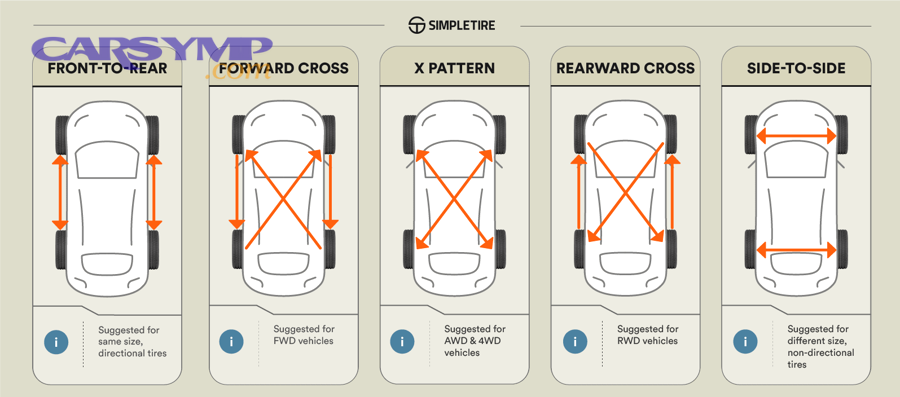
Best Tire Rotation Strategy to Prevent Uneven Wear for Everyday Drivers
Tire rotation is one of the most practical ways to reduce irregular tread loss, extend tire life, and improve day-to-day driving safety. For most everyday drivers, the best tire rotation strategy is not a single universal pattern but a schedule and pattern matched to drivetrain, tire design, and current wear condition.
Daniel James Carter March 16, 2026 at 5:43 AM
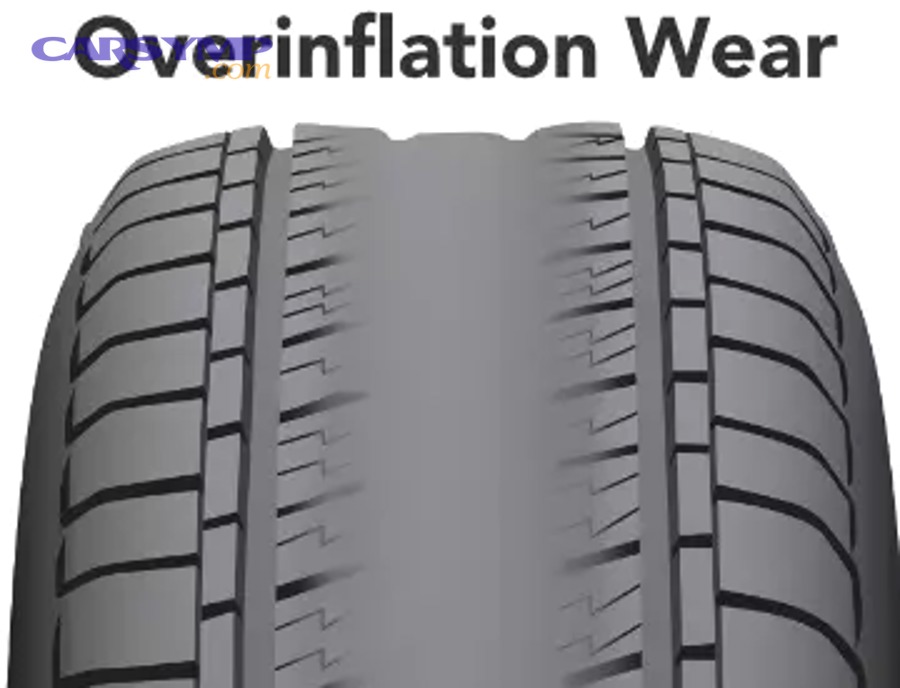
How to Diagnose Center Tire Wear From Overinflation vs Underinflation for Everyday Drivers
Center tire wear is usually a sign of overinflation, not underinflation, because too much air pressure crowns the tread and concentrates road contact in the middle. That direct diagnosis matters because it helps everyday drivers avoid a wrong repair path, reduce wasted tire life, and choose the right uneven tire wear fix before the problem spreads across the full tread surface.
Daniel James Carter March 16, 2026 at 5:31 AM
How Camber and Toe Cause Inner Edge Tire Wear: Diagnosis Guide for Car Owners
Inner edge tire wear usually means the tire is losing rubber on the inside shoulder because camber, toe, or both have moved the contact patch away from its ideal position. In practical terms, the tire no longer rolls flat and evenly, so one section of the tread does more work than it should.
Daniel James Carter March 16, 2026 at 5:20 AM
How Worn Shocks and Struts Cause Tire Cupping: Signs, Fixes, and Safety Tips for Drivers
Worn shocks and struts can cause tire cupping because weak damping lets the tire bounce, lose consistent road contact, and hit the pavement with uneven force. That repeated bounce creates the scalloped tread pattern drivers call cupping, and it often appears alongside vibration, road noise, longer stopping distances, and a less stable ride.
Daniel James Carter March 16, 2026 at 5:08 AM
How to Diagnose Alignment vs Balance vs Suspension Problems in Your Car
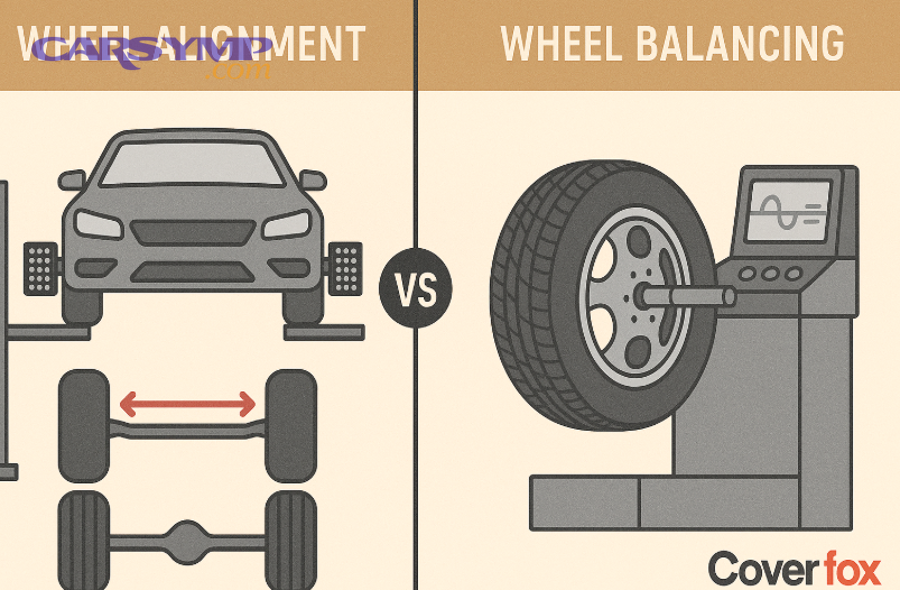
If your car pulls to one side, vibrates at speed, or starts wearing tires unevenly, the most likely causes are wheel alignment, wheel balance, or a suspension problem. These issues overlap in feel, but they do not affect the car in the same way: alignment changes wheel angles, balance affects how smoothly the tire and wheel spin, and suspension problems reduce the vehicle’s ability to keep the tires planted on the road.
Daniel James Carter March 16, 2026 at 4:57 AM
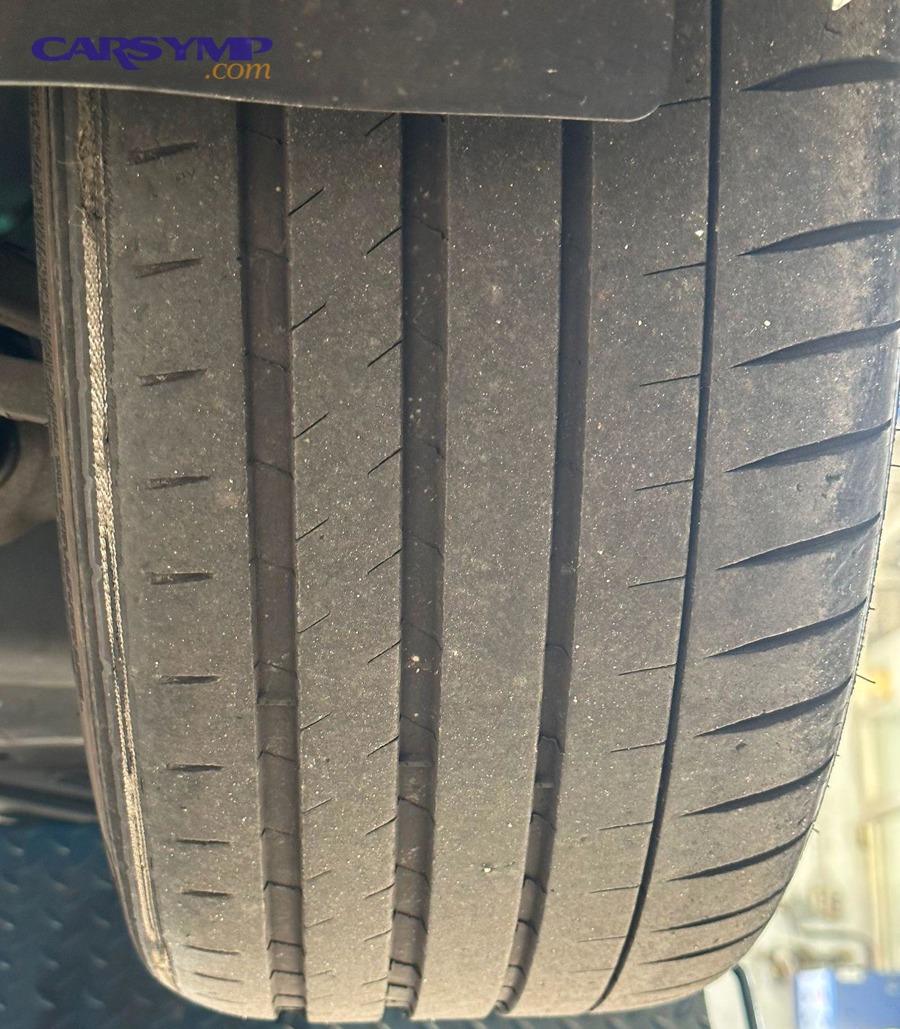
How to Diagnose Uneven Tire Wear Patterns and Causes for Everyday Drivers: From Cupping to Edge Wear
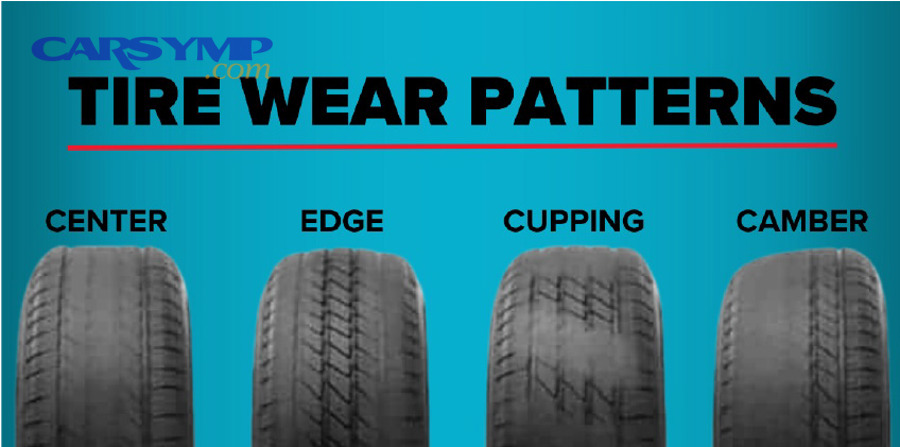
Diagnosing uneven tire wear starts with a simple truth: the tread pattern on your tires often reveals the problem underneath. When tread wears more on one edge, in the center, in scalloped patches, or in a feathered direction, the pattern usually points to a specific cause such as improper inflation, poor alignment, wheel imbalance, or worn suspension parts.
Daniel James Carter March 16, 2026 at 4:44 AM
How Drivers Can Avoid Unnecessary “Tune-Up” Upsells and Spot Optional Car Services
Drivers can avoid unnecessary “tune-up” upsells by checking the owner’s manual, matching recommendations to real symptoms, and asking for proof before approving extra work. A modern tune-up is not a vague bundle of add-ons.
Daniel James Carter March 16, 2026 at 4:20 AM
How Tune-Ups Restore MPG and Smooth Drivability for Everyday Drivers
A tune-up restores MPG and smooth drivability by correcting the maintenance-related issues that make an engine burn fuel less efficiently and respond less smoothly. When spark delivery weakens, airflow becomes restricted, or deposits disrupt the air-fuel balance, a car often idles rougher, accelerates less cleanly, and uses more fuel than it should.
Daniel James Carter March 16, 2026 at 4:08 AM
Easy DIY Tune-Up Tasks for Beginners: A Simple Car Maintenance Checklist for First-Time Drivers
A beginner-friendly DIY tune-up is a practical way to keep a car safer, smoother, and more predictable without jumping straight into advanced repairs. For first-time drivers, the best approach is to focus on simple maintenance tasks such as checking fluids, inspecting filters, testing lights, checking tire pressure, and reviewing battery condition in a clear sequence that lowers mistakes and builds confidence.
Daniel James Carter March 16, 2026 at 3:55 AM
Understand Throttle Body and Fuel System Services in Tune-Ups for Car Owners
A modern tune-up can include throttle body service and fuel system service, but not as automatic line items on every vehicle. In newer cars, a tune-up usually means inspecting and servicing wear items and performance-related components that affect ignition, airflow, fuel delivery, and emissions behavior rather than performing the old-style adjustments associated with carbureted engines.
Daniel James Carter March 16, 2026 at 3:43 AM
7 Warning Signs Your Car Needs a Tune-Up Before Bigger Engine Problems Start
Your car often tells you it needs a tune-up before it suffers a bigger engine problem. The most common warning signs are rough idling, hard starting, weak acceleration, poor fuel economy, hesitation, stalling, misfiring, and a check engine light that keeps coming back.
Daniel James Carter March 16, 2026 at 3:31 AM
Tune-Up vs Diagnostic Service Differences for Car Owners: Maintenance vs Troubleshooting Explained
A tune-up and a diagnostic service are not the same thing: a tune-up is preventive maintenance that replaces or inspects wear items, while a diagnostic service is a troubleshooting process that finds the root cause of a symptom, warning light, or performance problem. That distinction matters because many drivers spend money on maintenance when their car actually needs testing first.
Daniel James Carter March 16, 2026 at 3:19 AM
Estimate Car Tune-Up Costs for Drivers: What a Tune-Up Includes and What Affects the Price
Estimating a car tune-up cost starts with one simple truth: there is no single flat price because a tune-up is really a package of maintenance tasks whose cost changes with the vehicle, the parts required, and the labor needed to reach them. For most drivers, the real goal is not just to ask, “How much is a tune-up?
Daniel James Carter March 16, 2026 at 3:07 AM
What Fluids Are Included in a Tune-Up? A Modern Car Owner’s Guide
A modern tune-up usually includes fluid checks, and sometimes fluid top-offs, but it does not automatically include full fluid replacement for every system. In most late-model vehicles, the term tune-up has shifted from old-school ignition adjustments to a broader maintenance visit that combines inspection, wear-item replacement, basic diagnostics, and a review of essential fluids against the owner’s manual.
Daniel James Carter March 16, 2026 at 2:55 AM
Choose the Right Replacement Filters for Your Home: Air, Water & HVAC Options for Buyers
Choosing the right replacement filters for your home starts with one simple rule: match the filter to the system and the problem you want to solve. When buyers use “filters” as a broad search, they usually need a practical answer about which replacement filter fits their HVAC system, drinking water setup, or appliance, and which option offers the best balance of performance, compatibility, and cost.
Daniel James Carter March 16, 2026 at 2:42 AM
Understand Spark Plugs: How They Work, Warning Signs, and Replacement Tips for Car Owners
Spark plugs are small ignition components that create the spark a gasoline engine needs to start and keep running smoothly. In practical terms, they help turn the air-fuel mixture into usable power, which means they directly influence cold starts, idle quality, throttle response, and overall drivability for everyday car owners.
Daniel James Carter March 16, 2026 at 2:30 AM
Follow a Tune-Up Checklist by Mileage for Car Owners: What to Inspect, Replace, and Service at Every Interval
A tune-up checklist by mileage gives car owners a practical way to know what to inspect, replace, and service as mileage accumulates. In modern vehicles, the best version of this checklist is not a one-time “big tune-up,” but a structured schedule that combines recurring inspections, mileage-based replacements, and manufacturer-recommended service intervals.
Daniel James Carter March 16, 2026 at 2:07 AM
What a Modern Tune-Up Includes Today: Complete Car Service Checklist for Drivers
A modern tune-up includes inspection, testing, cleaning, and selective replacement of wear items that affect engine performance, drivability, and reliability. In today’s cars, that usually means spark plugs, filters, fluid checks, ignition-related components, belts, hoses, battery condition, and a scan for stored fault codes rather than the old-style manual adjustments associated with carburetors and distributors.
Daniel James Carter March 16, 2026 at 1:55 AM
transmission solenoid replacement
How to Prevent Transmission Solenoid Failures: Fluid, Wiring, and Maintenance Tips for Drivers
Transmission solenoid failures can often be reduced, though not always eliminated, by keeping transmission fluid clean, protecting the electrical circuit, controlling heat, and responding early to subtle shift problems. In practical terms, drivers prevent many avoidable failures when they follow the correct service schedule, use the right fluid, and do not ignore delayed, harsh, or inconsistent shifting.
Daniel James Carter March 16, 2026 at 1:31 AM
transmission solenoid replacement
Complete Post-Repair Adaptation and Road Test Checklist for Drivers: Final Checks After Transmission Service
A post-repair adaptation and road test checklist is the most reliable way to confirm that a vehicle actually performs correctly after transmission service, because it verifies fluid integrity, electronic adaptation, shift behavior, drivability, and final safety in a structured order rather than by guesswork alone. That core goal becomes more important when the repair involves electronic controls, clutch pressure learning, or transmission solenoid replacement, because the vehicle may leave the workshop with the repair technically completed but not yet fully validated under real driving conditions.
Daniel James Carter March 16, 2026 at 1:18 AM
transmission solenoid replacement
Avoid DIY Solenoid Replacement Risks: Transmission Repair Mistakes Car Owners Should Know
Replacing a transmission solenoid yourself can be risky for most car owners because the job often fails at the diagnosis stage, not the wrenching stage. A solenoid code or rough shifting symptom does not always mean the solenoid itself is bad; low or burnt fluid, wiring faults, TCM issues, valve body wear, and internal clutch damage can produce similar complaints.
Daniel James Carter March 16, 2026 at 1:04 AM
transmission solenoid replacement
Should You Change Transmission Fluid and Filter During Solenoid Replacement? A Practical Guide for Car Owners
Yes, you should often change the transmission fluid and, when the design allows, the filter during solenoid replacement because the repair commonly opens the same service area, old fluid can carry debris that affects hydraulic control, and bundled service reduces the chance of repeat labor. That direct answer matters for car owners because transmission solenoid replacement is not only an electrical or mechanical repair; it often intersects with fluid condition, filter restriction, and the overall health of the valve body.
Daniel James Carter March 16, 2026 at 12:47 AM
transmission solenoid replacement
Understand Pan-Drop vs Full Teardown Access Differences for Transmission Solenoid Repairs
Understanding pan-drop vs full teardown access matters because the two repair paths solve very different transmission problems. A pan drop usually gives limited, in-vehicle access to the transmission pan area, the filter, and in many designs part or all of the valve body, while a full teardown goes much deeper and is used when the fault sits beyond that service window or when wider internal damage is likely.
Daniel James Carter March 16, 2026 at 12:36 AM
transmission solenoid replacement
Estimate Transmission Solenoid Replacement Cost for Car Owners: Average Price, Labor, and Solenoid Pack vs Single Repair
Replacing a bad transmission solenoid usually costs less than major transmission work, but the final bill still varies enough that car owners need a clear estimate before approving the repair. In most cases, the total price depends on three core variables: the price of the solenoid itself, the labor required to access it, and the extra service items added during the job, such as fluid, gasket, filter, and diagnostic time.
Daniel James Carter March 16, 2026 at 12:23 AM
transmission solenoid replacement
Estimate Solenoid Replacement Labor Time and Repair Hours for Car Owners
Most car owners asking about solenoid replacement labor time want a practical answer: the job can be very short when the solenoid is external and easy to reach, but it becomes much longer when the part sits inside the transmission, requires pan or valve-body access, or needs extra diagnosis before replacement. For many variable valve timing jobs, labor can be as little as 30 minutes to an hour, while harder-access vehicles and internal transmission work usually take materially longer.
Daniel James Carter March 16, 2026 at 12:10 AM
transmission solenoid replacement
Choose Single Solenoid or Valve Body Repair: Best Transmission Fix Decision for Car Owners
Choosing between single solenoid repair and full valve body repair depends on one core question: is the fault isolated, or is the transmission control system wearing out as a larger assembly? In many vehicles, a single failed solenoid can cause one narrow shift problem, but repeated codes, pressure instability, contaminated fluid, or multi-gear complaints often point to a broader valve body issue instead.
Daniel James Carter March 15, 2026 at 11:57 PM
transmission solenoid replacement
Decode Solenoid-Related Codes and Meanings in Automatic Transmissions: Symptoms, Causes, and Fixes for Car Owners
Solenoid-related codes in an automatic transmission usually mean the control system has detected a problem in how a shift solenoid or pressure control solenoid is operating, electrically or hydraulically. In plain terms, these codes help explain why a vehicle may hesitate, shift hard, slip, stay in one gear, or trigger limp mode.
Daniel James Carter March 15, 2026 at 11:43 PM
transmission solenoid replacement
Recognize Shift Solenoid Failure Symptoms in Automatic Transmissions: Causes, Warning Signs, and Fixes for Car Owners
If you want to recognize shift solenoid failure symptoms in an automatic transmission, the most useful starting point is simple: a failing shift solenoid usually shows up through harsh shifting, delayed shifting, gear hesitation, stuck gears, warning lights, or limp mode. Those symptoms matter because the solenoid helps control hydraulic flow inside the transmission, so when it stops working correctly, the whole shift process becomes unstable.
Daniel James Carter March 15, 2026 at 11:29 PM
How Proper Fluid Service Helps Prevent Transmission Slipping for Car Owners: Fluid, Filter, and Early Warning Signs
Proper fluid service can help prevent transmission slipping because transmission fluid does more than lubricate parts. It also carries heat away, supports hydraulic pressure, and helps clutches and bands engage the way the transmission was designed to engage.
Daniel James Carter March 15, 2026 at 11:01 PM
When to Stop Driving to Prevent Damage: Warning Signs Every Car Owner Should Know
Stopping at the right moment can save an engine, protect a transmission, and keep a minor repair from turning into a major breakdown. In practical terms, you should stop driving when the car shows clear signs of overheating, brake failure, steering loss, severe vibration, smoke, a flashing check engine light, or transmission behavior so abnormal that continued driving could cause immediate damage.
Daniel James Carter March 15, 2026 at 10:48 PM
Estimate Slipping Transmission Repair Cost for Car Owners: Fix vs. Replacement Price Guide
A slipping transmission can sometimes be fixed for a few hundred dollars, but it can also climb into rebuild or replacement territory fast when internal wear, heat damage, or hydraulic problems are involved. For most car owners, the real answer is not one number but a cost range tied to the cause, the transmission type, and how long the problem has been ignored.
Daniel James Carter March 15, 2026 at 10:33 PM
Temporary Measures vs Real Fixes: How to Choose Lasting Solutions for Everyday Problems
When people compare temporary measures with real fixes, the core answer is simple: temporary measures reduce pain now, while real fixes remove the cause so the problem stays solved longer. That distinction matters because a fast workaround can feel productive even when it only delays a bigger failure.

Daniel James Carter March 15, 2026 at 10:20 PM
How to Diagnose a Slipping Transmission with Scan Data, Trouble Codes, and Live PID Checks for Car Owners
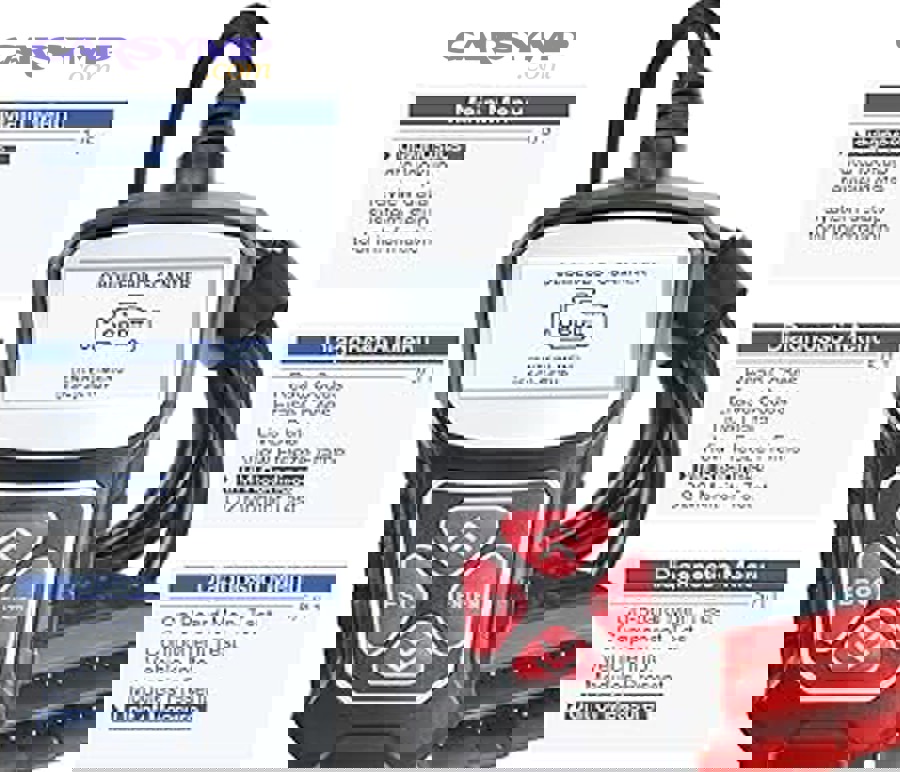
A slipping transmission is diagnosed most effectively when you combine three things: the driver’s symptoms, stored trouble codes, and live scan data captured during the exact moment the slip happens. That combination matters because transmission slip is not a single fault.
Daniel James Carter March 15, 2026 at 10:07 PM
Should You Use Additives for a Slipping Transmission? Risks, Limits, and Safer Fixes for Car Owners
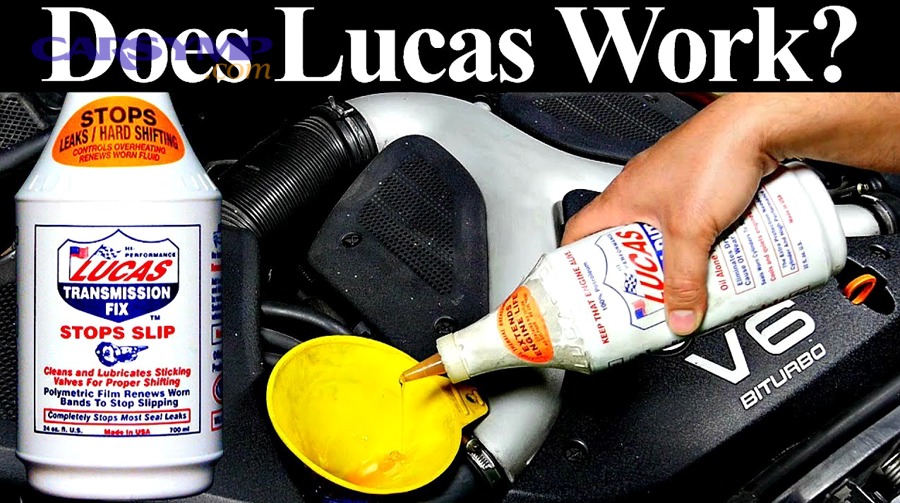
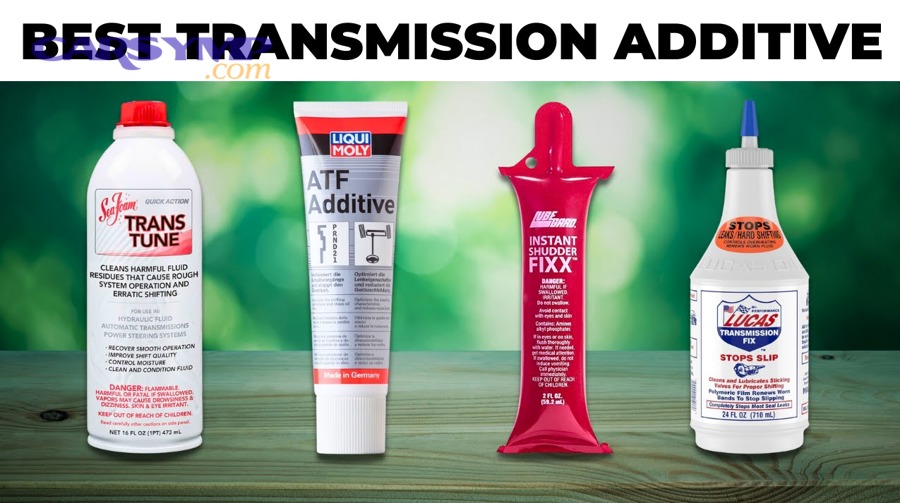
A slipping transmission is usually a warning sign, not an invitation to pour in a miracle bottle. In most cases, transmission additives do not repair the underlying fault; they may only change fluid behavior for a short time while the real cause—such as worn friction material, pressure loss, overheating, or an electrical control problem—continues to worsen.
Daniel James Carter March 15, 2026 at 9:54 PM
How to Diagnose Slipping in One Gear vs All Gears: Transmission Clues for Car Owners
Transmission slipping in one gear is usually a more localized fault, while slipping in all gears usually points to a broader pressure, fluid, or internal wear problem. That difference matters because the slip pattern itself is one of the strongest early clues a driver can use before paying for a teardown or chasing the wrong transmission slipping fix.
Daniel James Carter March 15, 2026 at 9:38 PM
Worn Clutches vs. Solenoid Issues: How to Diagnose the Real Cause of Your Transmission Problems
Worn clutches and solenoid issues are the two most common internal causes of automatic transmission failure — and distinguishing between them is the single most important step before spending a dollar on repairs. Both faults can produce nearly identical symptoms: slipping gears, harsh shifting, shuddering, and sluggish acceleration.
Daniel James Carter March 10, 2026 at 10:36 PM
How to Diagnose Low Transmission Fluid Causing Gear Slippage: A Step-by-Step Guide for Drivers
Diagnosing low transmission fluid as the cause of gear slippage is a process every driver can follow at home — and catching it early can prevent a minor fluid issue from becoming a costly transmission rebuild. When hydraulic pressure inside the transmission drops due to insufficient fluid, the clutch packs lose their grip on gear sets, causing the engine to rev freely while forward motion lags or stutters.
Daniel James Carter March 10, 2026 at 10:25 PM
Transmission Slipping Symptoms: How to Identify Warning Signs and Test Your Gearbox
A slipping transmission is one of the most disruptive mechanical failures a driver can experience — and one of the easiest to misdiagnose. At its core, transmission slipping means the gearbox is failing to maintain a consistent connection between the engine and the drivetrain, causing the vehicle to lose power unexpectedly, surge in RPM without accelerating, or shift erratically between gears.
Daniel James Carter March 10, 2026 at 10:13 PM
How to Prevent Shift Problems with Proactive Transmission Maintenance: A Complete Guide for Vehicle Owners
Transmission shift problems are among the most expensive and disruptive mechanical failures a vehicle owner can face — yet the majority of them are entirely preventable. Proactive transmission maintenance, carried out on a consistent schedule, is the single most effective strategy for keeping your gearbox shifting smoothly, extending drivetrain life, and avoiding four-figure repair bills.
Daniel James Carter March 10, 2026 at 9:52 PM
How Much Does It Cost to Fix Common Transmission Shift Faults? A Complete Repair Estimate Guide
Fixing common transmission shift faults typically costs between $150 and $3,500, depending on the specific component that has failed, your vehicle's transmission type, and whether the repair requires partial or full teardown. Shift cable replacements tend to fall at the lower end of that range, while synchronizer repairs and solenoid work on complex automatic transmissions push costs toward the higher end.
Daniel James Carter March 10, 2026 at 5:11 PM
Is It Safe to Drive With Transmission Shift Problems? What Every Driver Must Know
Driving with transmission shift problems is generally not safe, and in most cases, continuing to do so puts both you and your vehicle at serious risk. When your transmission fails to shift correctly, your car loses predictable, controlled power delivery — meaning you could stall in traffic, experience sudden lurching at highway speeds, or find yourself unable to accelerate out of a dangerous situation.
Daniel James Carter March 10, 2026 at 5:00 PM
How to Read Scan Codes Related to Shift Problems: Common DTCs, Causes & Fixes
Scan codes related to shift problems are OBD-II Diagnostic Trouble Codes (DTCs) stored by your vehicle's Transmission Control Module (TCM) when it detects an abnormality in how gears are being selected, engaged, or held. These codes are your car's way of flagging that something in the shift system — whether mechanical, electrical, or electronic — is not performing within factory-defined parameters.
Daniel James Carter March 10, 2026 at 4:50 PM
How to Reset TCM Adaptive Memory and Relearn Shift Patterns After Transmission Service
Resetting TCM adaptive memory after transmission service is essential to prevent harsh shifting, premature component wear, and recurring transmission fault codes. When a technician replaces solenoids, a valve body, clutch packs, or completes a full rebuild, the Transmission Control Module still holds learned pressure and timing values calibrated to the old hardware.
Daniel James Carter March 10, 2026 at 4:40 PM
Low or Wrong ATF: How Transmission Fluid Problems Cause Gear Shift Failures
Both low ATF level and the wrong ATF type are proven root causes of automatic transmission shift failures — and in most cases, correcting the fluid alone resolves the problem before any mechanical repair is needed. Automatic Transmission Fluid is not a passive lubricant; it is the hydraulic medium that physically moves every gear change your transmission makes.
Daniel James Carter March 10, 2026 at 11:58 AM
Shift Solenoid and Valve Body Issues: 9 Warning Signs, Causes & Repair Fixes for Automatic Transmission Drivers
Shift solenoid and valve body issues are among the most disruptive transmission shift problems an automatic transmission driver can face — and they rarely announce themselves with a single, obvious sign. These two components form the hydraulic heart of your automatic transmission: the shift solenoid acts as an electrically controlled gate that directs pressurized fluid on command from the Transmission Control Module (TCM), while the valve body serves as the master routing center that channels that fluid to the correct clutch packs and bands to execute each gear change.
Daniel James Carter March 10, 2026 at 11:47 AM
Shifting Flare vs. Transmission Slipping: How to Diagnose, Differentiate, and Fix Each Automatic Transmission Fault
Shifting flare and transmission slipping are two distinct automatic transmission faults that share overlapping symptoms but originate from entirely different mechanical and hydraulic failures. A shifting flare is a momentary RPM spike that occurs during a gear change — the engine briefly revs up before the next gear fully engages.
Daniel James Carter March 10, 2026 at 11:35 AM
How to Diagnose Delayed Engagement in Your Transmission: Causes, Symptoms, and Fixes
Delayed engagement in a transmission is a diagnosable condition — not a mystery. When you shift from Park to Drive and the vehicle hesitates, lurches, or simply refuses to move for one to three seconds, your transmission is signaling a hydraulic, mechanical, or electronic fault that requires a structured diagnostic approach to identify correctly.
Daniel James Carter March 10, 2026 at 11:22 AM
Hard Shifting Causes Checklist: 9 Transmission Problems Every Driver Should Diagnose
Hard shifting is one of the most telling signs that something is wrong inside your vehicle's transmission — and catching it early is the difference between a $150 fluid service and a $5,000 rebuild. When your car jolts, hesitates, or clunks between gears, the transmission is signaling a problem that deserves a structured, methodical diagnosis rather than guesswork.
Daniel James Carter March 10, 2026 at 11:11 AM
How to Evaluate a Transmission Repair Quote: Key Factors, Red Flags, and Fair Pricing Tips
Evaluating a transmission repair quote correctly can save you hundreds — sometimes thousands — of dollars and protect you from dishonest shop practices. The process comes down to knowing what a legitimate quote must contain, how to benchmark the price you're given against real market data, and how to verify that the recommended repair type is actually appropriate for your vehicle's condition.
Daniel James Carter March 10, 2026 at 10:47 AM