Daniel James Carter
Lead Diagnostic Technician & Technical Content Author
Company / Organization
CarSymp
Experience / Skills
Check Engine Light diagnosis (OBD-II); engine performance & ignition/fuel systems; brake service; steering & suspension; AC/heater diagnostics; cooling system service; basic transmission diagnostics; electrical & battery/charging systems; maintenance schedules
About Daniel James Carter
Daniel James Carter (born July 14, 1988) is an Automotive Diagnostic & Repair Technician and the Lead Diagnostic Technician & Technical Content Author for this auto repair website. His work focuses on translating real shop-floor diagnostics into clear, step-by-step guidance for vehicle owners—especially around check-engine issues, climate control problems, brake safety, and steering/suspension wear.\n\nDaniel’s interest in mechanical systems started early, but his professional path became formal in 2006 when he began a structured apprenticeship in general automotive service. Between 2006 and 2008, he worked alongside senior technicians learning foundational skills—oil services, brake inspections, tire work, basic electrical checks, and service documentation. During this period, he also built the habits that still define his process today: verifying the customer’s concern, road-testing when safe, and confirming repairs with repeatable measurements.\n\nIn 2009, Daniel moved into a full-time automotive service technician role, where he handled a higher volume of maintenance and repair work (brakes, cooling systems, belts, ignition components, and driveline basics). By 2012, he shifted toward diagnostics, focusing on OBD-II fault tracing, fuel trim interpretation, misfire detection, smoke-testing intake leaks, and electrical circuit testing using wiring diagrams and voltage-drop methods.\n\nA major milestone came in 2015 when he began pursuing advanced professional credentials through the National Institute for Automotive Service Excellence (ASE). After completing multiple ASE exams and documenting the required hands-on experience, Daniel earned the ASE Master Automobile Technician designation in 2017. He continued building depth in drivability and emissions-related diagnostics and achieved the ASE L1 Advanced Engine Performance Specialist credential in 2019. He maintains his credentialing through ongoing study and periodic recertification, aligning his knowledge with modern engine management systems, updated scan-tool workflows, and evolving diagnostic standards.\n\nFrom 2018 to 2021, Daniel served as a senior technician in a busy service environment where his day-to-day work centered on complex complaints: intermittent stalling, hard starts, rough idle, overheating, vibration under braking, and AC systems that blow warm or smell musty. He became known for careful diagnosis before parts replacement, using a consistent checklist:\n\n\n Confirm the symptom and capture freeze-frame data.\n Test likely causes (air leaks, sensors, ignition, fuel delivery, charging system) with measurable evidence.\n Repair only after the failure is verified and the fix can be validated.\n Validate with a road test, live data review, and final inspection.\n\n\nIn 2022, Daniel began formalizing his field notes into consumer-friendly write-ups and troubleshooting guides. By 2023, he expanded that work into structured content for this website, combining real repair patterns with clear explanations of why failures happen (for example: how moisture and organic buildup can cause musty AC smell, why worn suspension joints can mimic wheel balance issues, or how vacuum leaks and weak ignition coils can trigger persistent misfires).\n\nToday, Daniel’s role on the website is to ensure every guide reflects practical repair reality—tools a shop actually uses, common misdiagnoses to avoid, and safety-first recommendations. He writes with the same standard he uses in the bay: the diagnosis must make sense, the repair must be verifiable, and the timeline from symptom to fix must be clear for the reader.

Related topics
Latest posts by Daniel James Carter


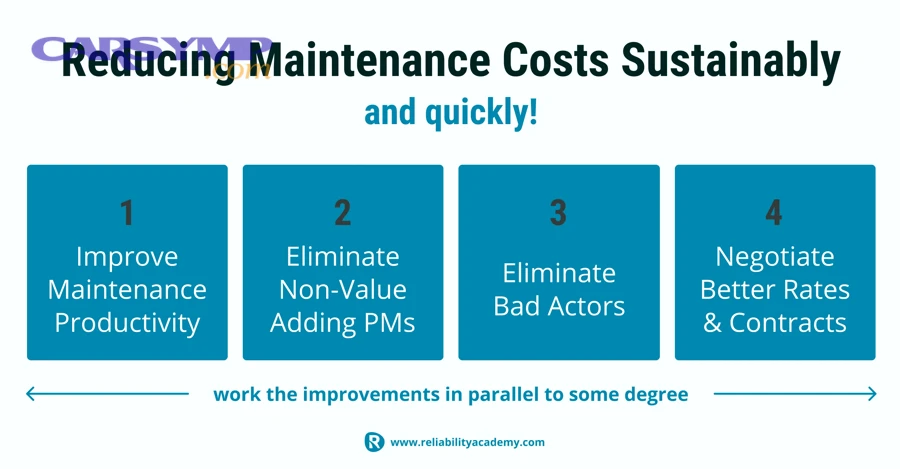
Reduce Car Maintenance Costs Safely: 15 Money-Saving Car Care Tips for Everyday Drivers (Oil, Tires, Brakes)
You can reduce car maintenance costs safely by focusing on the few maintenance habits that prevent expensive failures—especially in oil service, tires, and brakes—while avoiding “cheap fixes” that quietly increase risk and shorten component life. ) To make those savings real, you also need a simple way to prioritize which items protect safety the most, so you spend money where it matters and skip only what is truly unnecessary.
Daniel James Carter February 8, 2026 at 7:23 PM
Compare Written Estimates vs Quotes: A Step-by-Step Checklist for Homeowners & Car Owners
Comparing written estimates vs quotes is easiest when you force every provider to price the same scope, quality level, and terms—then you judge value using a simple checklist instead of guessing from a final number. Next, you’ll learn a fast “apples-to-apples” method you can repeat for any job or repair.
Daniel James Carter February 8, 2026 at 6:56 PM
How Regional Mechanic Labor Rates Drive Maintenance Costs (Repair Costs) — State-by-State Guide for Car Owners
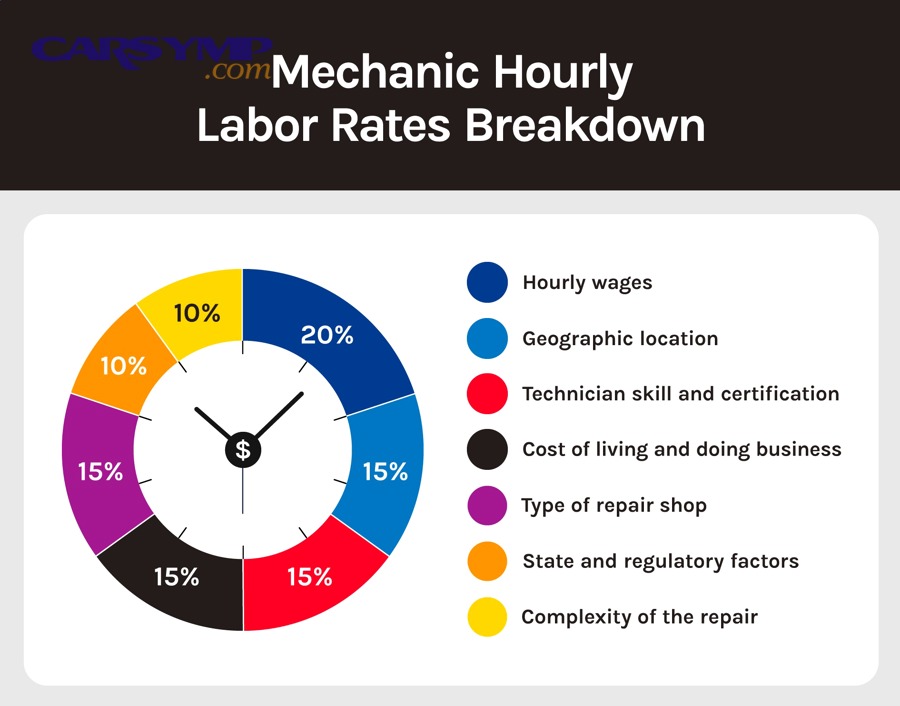
Regional mechanic labor rates drive maintenance costs because labor is the one part of your bill that changes dramatically by ZIP code, even when the car and the repair are identical. If you understand the labor rate per hour, the billed hours, and the fee structure, you can predict what you’ll pay before you book—and you can spot an estimate that looks “cheap” but becomes expensive at checkout.
Daniel James Carter February 8, 2026 at 6:46 PM
Analyze Service Records (Service History) to Forecast Maintenance & Repair Costs for Used-Car Buyers & Car Owners
Yes—you can use service records to forecast maintenance and repair costs by translating documented work (what was done, when, and at what mileage) into what’s due next, what’s overdue, and what patterns signal higher risk. The most accurate forecast isn’t a single number—it’s a practical plan: a prioritized list of upcoming jobs, a realistic cost range, and a confidence level based on how complete the records are.
Daniel James Carter February 8, 2026 at 6:36 PM
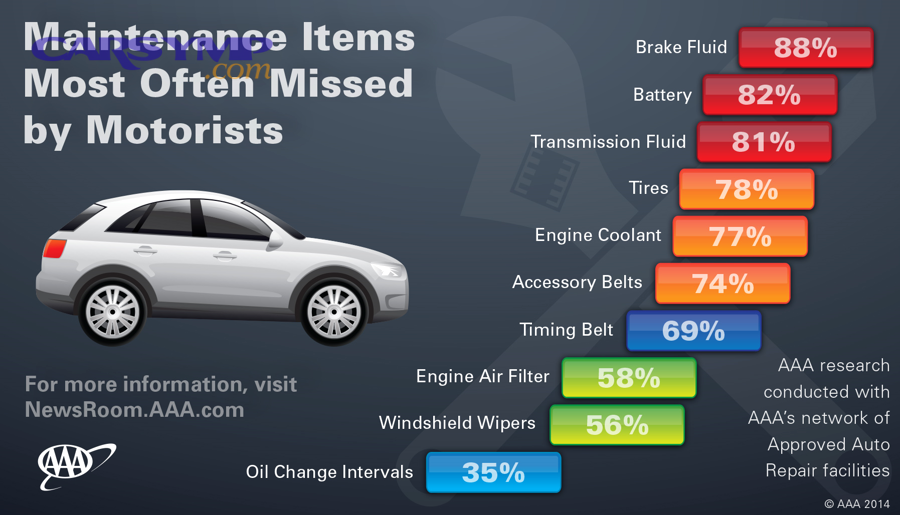
Identify Overlooked (Skipped) Car Maintenance Items — Fluids, Filters & Belts Checklist for Everyday Drivers
Skipping maintenance doesn’t usually feel like a decision—it feels like nothing happened , so it must be fine. The truth is simpler: the most commonly skipped car maintenance items are predictable, repeatable, and easy to catch if you use a checklist that focuses on fluids, filters, belts, brakes, tires, and basic inspections.
Daniel James Carter February 8, 2026 at 6:24 PM
Plan a Realistic Used-Car Maintenance Budget (Not Just Repairs) for Everyday Drivers
You can plan a realistic used-car maintenance budget by separating routine maintenance from unexpected repairs , then funding both with a simple monthly set-aside that matches your car’s age, mileage, and driving conditions. Next, you’ll learn how much to set aside per month using practical ranges (not a single “magic number”), plus how to create a clear maintenance cost estimate that won’t collapse the first time a real repair shows up.
Daniel James Carter February 8, 2026 at 6:14 PM
Compare Dealership Service Center vs Independent Shop Maintenance Pricing for Car Owners (Labor Rates, OEM vs Aftermarket, Hidden Fees)
Most drivers can compare dealership service center vs independent shop maintenance pricing accurately if they compare the total out-the-door cost —labor, parts, and fees—rather than staring at one number like the labor rate per hour. In practice, the “cheaper” option changes by service type, vehicle complexity, and how each shop writes the estimate.
Daniel James Carter February 8, 2026 at 6:06 PM
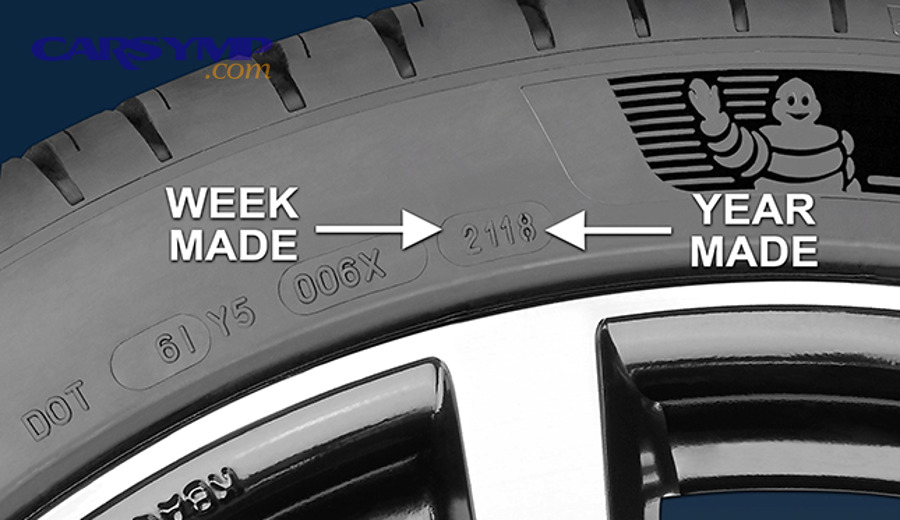
Check If 1-Year-Old Tires Are Still Fresh (Not Old): DOT Date Code & Storage Guide for Car Owners
Yes— most 1-year-old tires are still fresh enough to buy and safe to use , as long as you confirm their real manufacturing date and they show no signs of improper storage or damage. The key is to treat “one year old” as a starting point and verify freshness using the DOT date code and a quick condition check.
Daniel James Carter February 8, 2026 at 5:54 PM
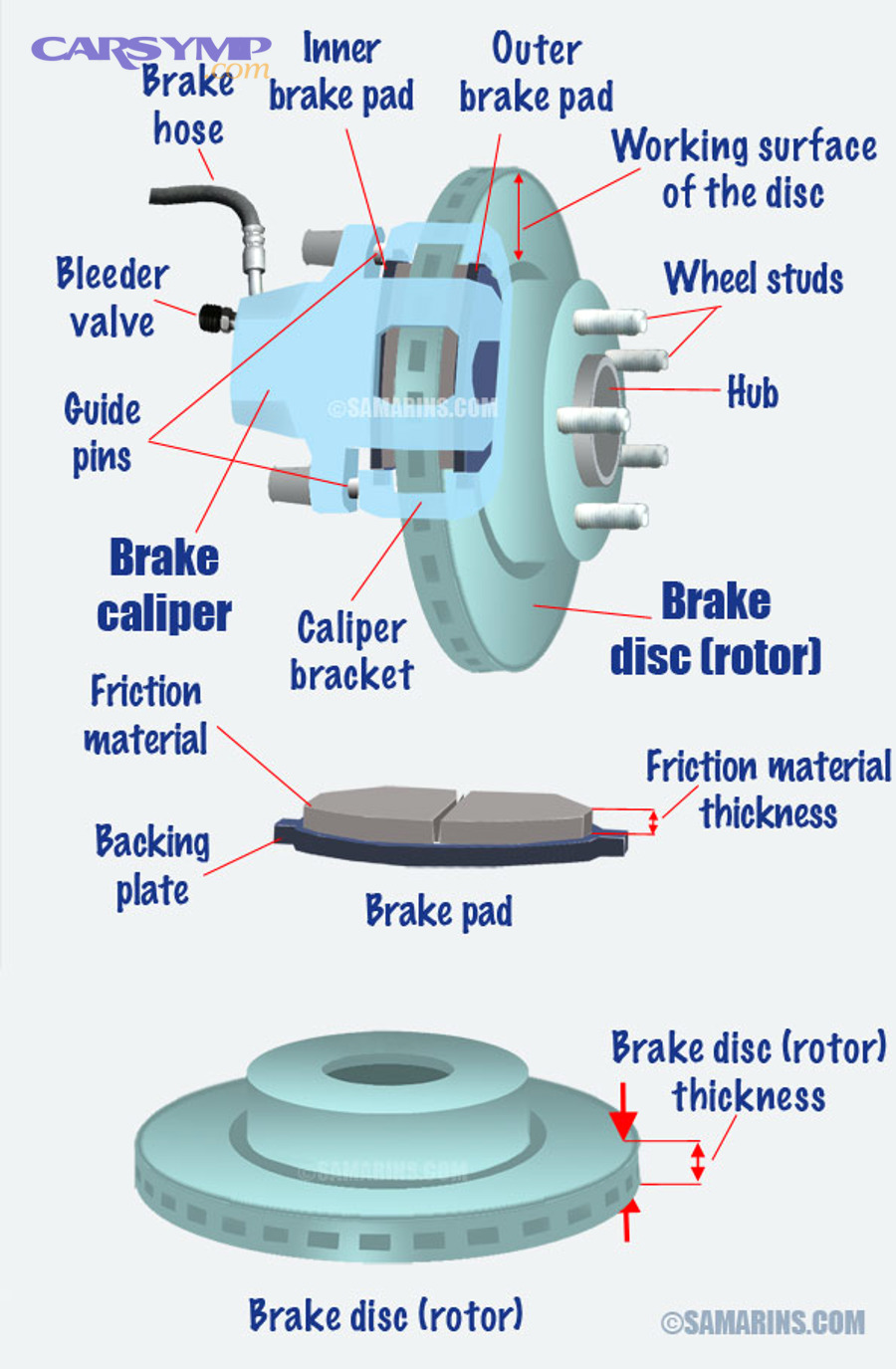
Compare Disc vs Drum Car Brakes: What to Service, Replace, and Buy (Pads, Rotors) for Everyday Drivers
If you drive a normal daily-route car, disc brakes win for consistent stopping and heat control , while drum brakes win on cost and packaging —and the right choice comes down to what’s on your car and what you’re trying to fix or buy. Next, you’ll learn exactly how to identify disc vs drum brakes (front and rear) and what each key component does so you can match symptoms to the correct service item.
Daniel James Carter February 8, 2026 at 5:43 PM
Compare Car Fluid Service Costs (Flush vs Change): Transmission, Brake, Coolant & Power Steering Prices for Car Owners
If you want a reliable way to compare car fluid service costs , start by separating what fluid you’re servicing from how the shop services it —because a “flush” and a “change” can be entirely different jobs with very different totals. This guide breaks down typical price ranges for transmission, brake, coolant, and power steering services, plus what’s usually included so you can judge a quote quickly.
Daniel James Carter February 8, 2026 at 5:31 PM
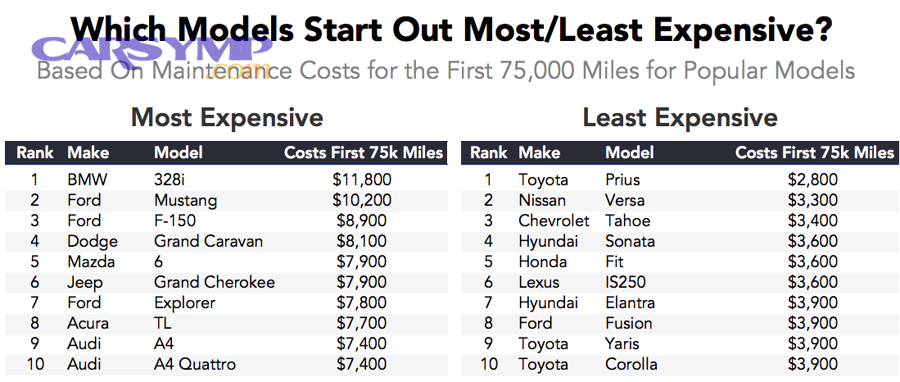
Estimate Car Maintenance Cost by Mileage Intervals (5k–100k): Service Checklist & Budget Guide for Drivers
Car maintenance cost by mileage intervals is predictable enough that you can build a practical maintenance cost estimate before you ever hit the next milestone—because most routine services repeat on a 5,000–10,000-mile rhythm, then “stack” into larger packages at 30k, 60k, and 100k miles. Next, this guide breaks down what’s typically included at each mileage interval (like oil service, tire rotation, filters, and fluid checks), so you can match the right checklist to your odometer instead of guessing—or overbuying a generic package.
Daniel James Carter February 8, 2026 at 5:21 PM
Calculate Routine Maintenance Costs: Build a Maintenance Budget (Upkeep Fund) Estimator for Homeowners
Routine home upkeep becomes affordable when you treat it like math instead of surprises: you create a maintenance cost estimate using a repeatable method, then fund it monthly so routine tasks never compete with your other bills. Next, you can choose between quick rules of thumb (fast baseline) and a line-item estimator (more accurate), depending on how new your home is, how much history you have, and how precise you need the number to be.
Daniel James Carter February 8, 2026 at 5:11 PM
How to Prevent Low Coolant Warning Lights From Coming Back — Coolant-Level Alert Checklist for Car Owners (Avoid vs Fix)
A low coolant warning light usually comes back for one simple reason: the cooling system is still losing coolant (or it thinks it is). The fastest way to prevent repeat warnings is to confirm the true coolant level, stop the loss at its source, and then monitor the system until the level stabilizes.
Daniel James Carter February 8, 2026 at 4:51 PM
Add the Safest Emergency Coolant Top-Up (Water vs Antifreeze/Coolant) for Car Owners
When you’re low on coolant and you need an emergency top-up, the safest rule is simple: add the safest available liquid to stabilize temperature now, then restore the correct coolant later —because preventing overheating today matters more than perfect chemistry in the moment. Next, you’ll learn how to decide whether you should top up at all (or stop driving), because the wrong move—like opening a hot cap—can be dangerous and can worsen overheating.
Daniel James Carter February 8, 2026 at 4:42 PM
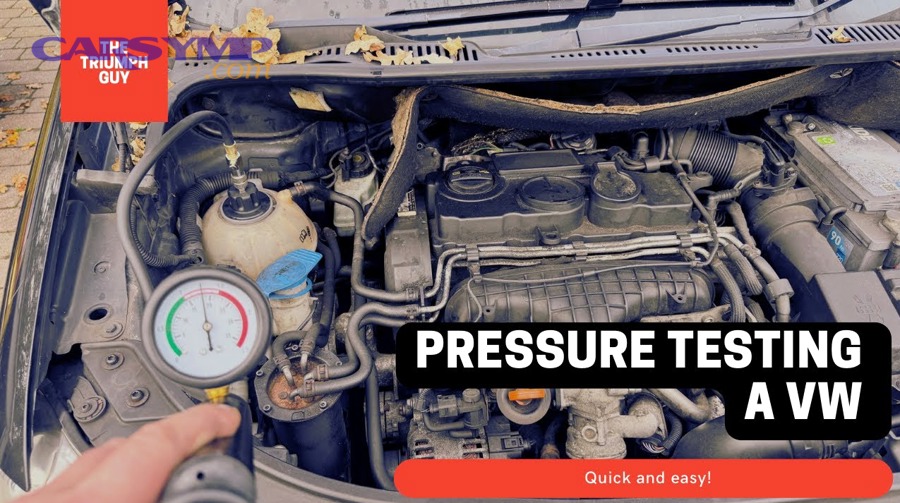
Diagnose Coolant Loss with a Cooling-System Pressure Test (Coolant Leak Test) — Step-by-Step for DIY Car Owners
If your coolant level keeps dropping, a cooling-system pressure test is the fastest DIY method to force a coolant leak to reveal itself by pressurizing the system to a safe, controlled value and then inspecting for seepage, drips, or spray. Next, you’ll get the exact tools, setup steps, and safety rules that prevent burns, protect components, and keep the test accurate—because most “failed” pressure tests are actually bad adapters, wrong pressure targets, or testing a warm system .
Daniel James Carter February 8, 2026 at 4:22 PM
Spot Early Overheating Warning Signs: Heat Exhaustion vs Heat Stroke Symptoms for Outdoor Workers & Families
Overheating warning signs are easiest to manage when you catch them early, because the body usually gives clear “first alerts” before heat illness becomes an emergency. The safest approach is to monitor a short list of symptoms—like dizziness, nausea, unusual fatigue, and behavior changes—then stop heat exposure and cool down before your core temperature keeps climbing.
Daniel James Carter February 8, 2026 at 4:11 PM
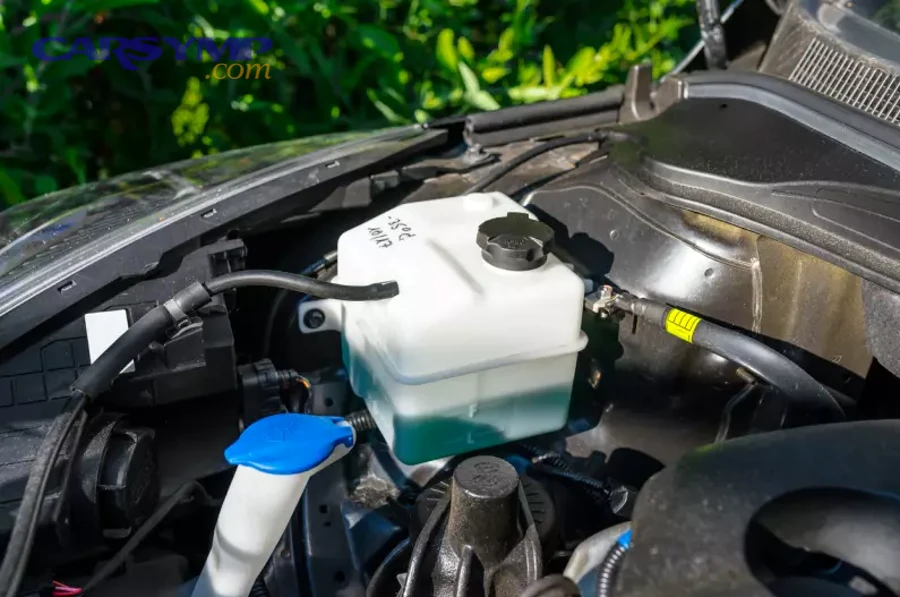
Troubleshoot Low Coolant Warnings: Coolant Reservoir (Expansion Tank) Cap + Float Sensor Issues for DIY Car Owners
A low-coolant message can be real, but it’s often misleading when the coolant reservoir (also called the expansion tank) looks full—especially if the cap isn’t holding pressure correctly or the float level sensor is sticking. This guide helps you troubleshoot both parts safely and methodically so you can stop guessing and start isolating the actual fault.
Daniel James Carter February 8, 2026 at 4:01 PM
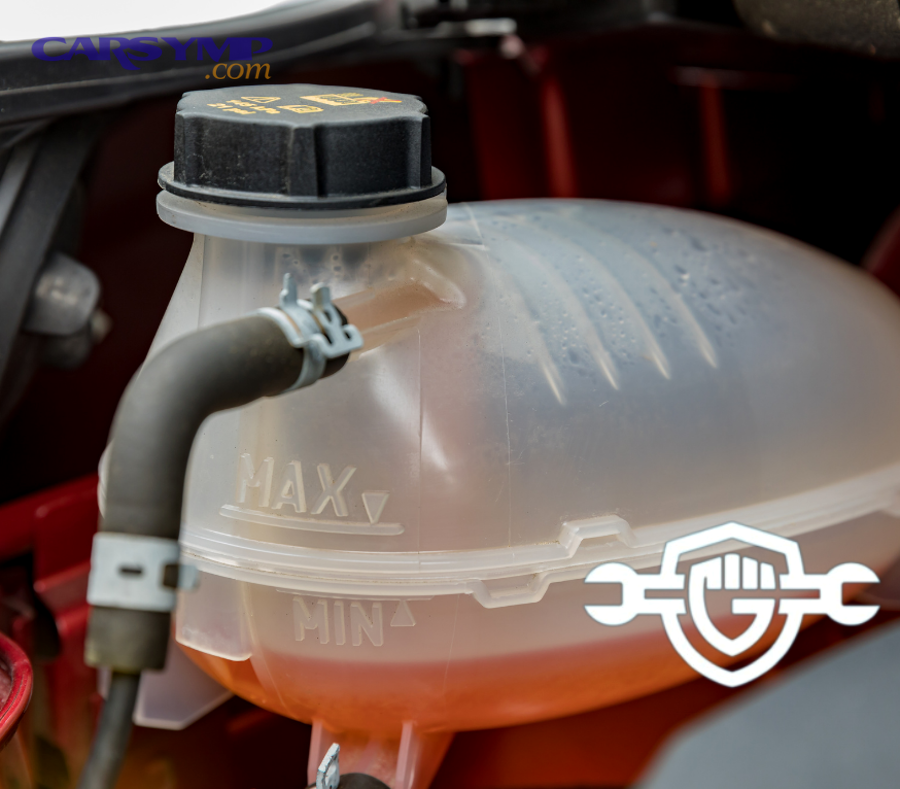
How to Check Coolant Level Properly: Cold-Engine Antifreeze (Coolant) Reservoir Steps for Car Owners
Checking coolant level properly is a cold-engine, reservoir-first process: park on level ground, let the system cool fully, locate the expansion/overflow tank, and confirm the fluid sits between the MIN and MAX (or FULL COLD) marks—then close the cap securely. Next, the “properly” part is mostly about safety and accuracy: a hot cooling system is pressurized, so you avoid opening caps when hot and you read the markings at eye level on a stable surface to prevent false “low” readings.
Daniel James Carter February 8, 2026 at 3:50 PM
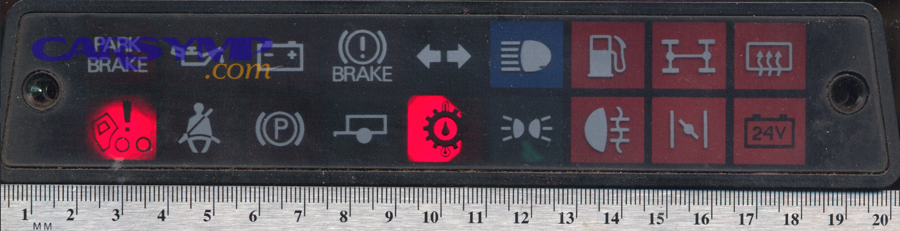
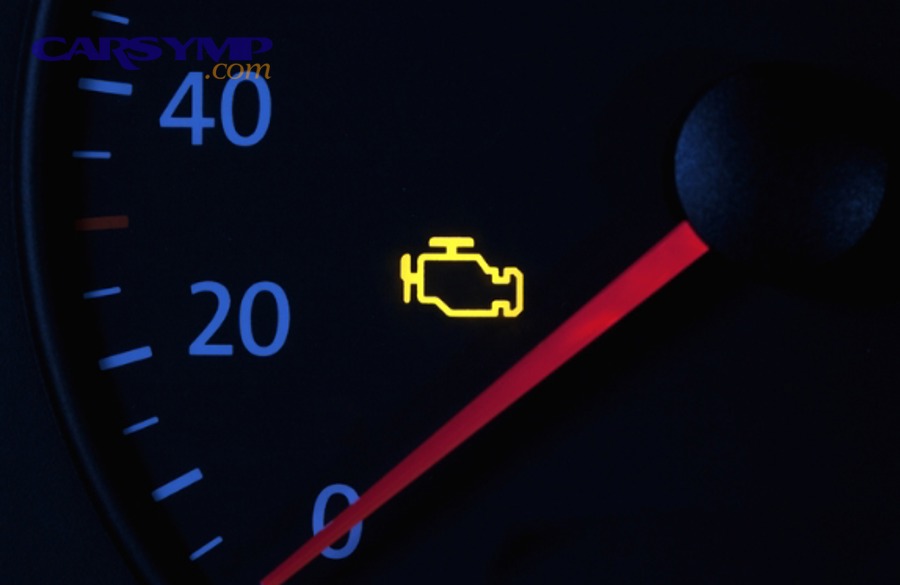
Decide If It’s Safe to Keep Driving When a Warning Light Comes On: Dashboard Indicator Guide for Car Owners
When a dashboard warning light comes on, it can be safe to keep driving only in specific, low-risk situations —but it can also be the exact moment you should pull over to prevent a crash or catastrophic engine damage. This article targets the main keyword focus “safe to keep driving when a warning light comes on,” uses the predicate “Decide” as the core action, and treats “warning light” and “dashboard indicator” as a synonym pair so you can match what you see on your cluster to the right decision fast.
Daniel James Carter February 8, 2026 at 3:41 PM
Diagnose Coolant (Antifreeze) Leak vs ECT/Level Sensor Fault — Fast Confirmation Checks for DIY Car Owners
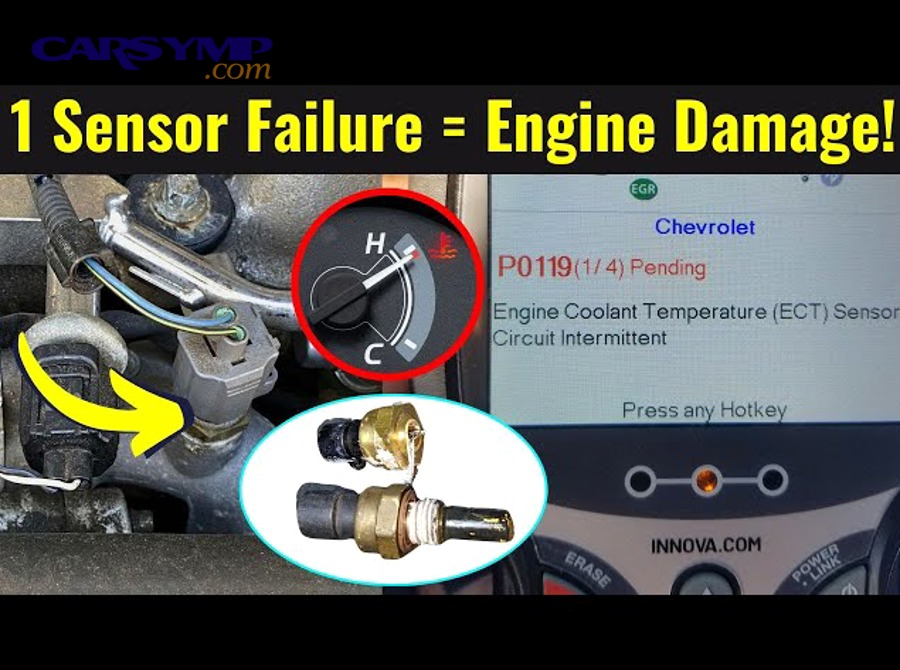
If you’re trying to diagnose a coolant (antifreeze) leak vs an ECT/coolant level sensor fault, the fastest accurate approach is to separate “physical coolant loss” evidence from “electrical signal” evidence , then confirm with one definitive test (usually a pressure test or a scan-data plausibility check). Next, you’ll learn the key symptom patterns that ECT sensor faults create—especially gauge swings, fan behavior, and implausible temperature readings—so you don’t chase a “leak” that isn’t there.
Daniel James Carter February 8, 2026 at 3:31 PM
Diagnose Low Coolant Light Causes + What to Do Next (Coolant Level Warning) for Car Owners
A low coolant light usually means the cooling system’s coolant level has dropped below a safe threshold, so your next job is to confirm the level safely, protect the engine from overheating, and identify why it dropped—most commonly a leak or a pressure/overheat-related loss. ( jdpower.
Daniel James Carter February 8, 2026 at 3:21 PM
Decide When Premium Mechanic Labor Rates Are Worth It vs Cheaper Shops — Value Checklist for Car Owners
Paying a higher shop rate is worth it when it reduces total risk and total cost , not when it simply raises the bill—because the real question is whether a higher labor rate per hour buys you better diagnostics, better execution, and fewer repeat repairs than a cheaper option. Next, the smartest way to judge “premium” is to look for value signals you can verify—process, documentation, tools, warranty terms, and clarity—so you’re not paying extra for a nicer lobby or a vague promise.
Daniel James Carter February 8, 2026 at 2:59 PM
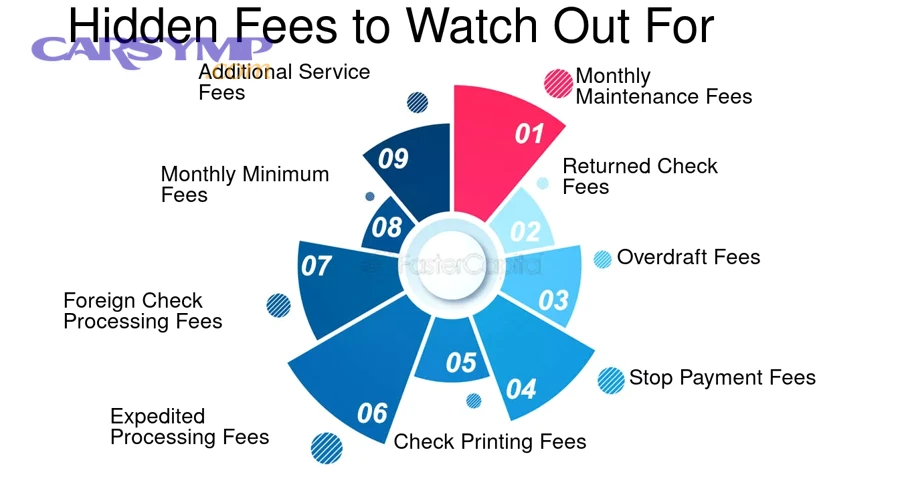
Spot & Avoid Hidden Fees (Surprise Charges) to Watch For — A Consumer Checklist for Everyday Purchases
Hidden fees are easiest to avoid when you treat every purchase like a “total price” problem: you don’t decide based on the advertised price—you decide based on the out-the-door total that includes every mandatory charge. That single habit helps you spot “surprise charges” before they land on your receipt.
Daniel James Carter February 8, 2026 at 2:49 PM
Compare Mechanic Labor Rates for European vs Domestic Cars (Euro vs American): Hourly Cost Differences for Car Owners
European cars often have higher mechanic labor rates than domestic cars, but the difference is not automatic—and the total bill depends on both the shop’s labor rate per hour and how many labor hours the job books. Then, the same repair can cost less at a specialist if they diagnose faster and avoid repeat work.
Daniel James Carter February 8, 2026 at 2:40 PM
Explained: Why Auto Repair Labor Rates Differ by Specialty (Specialist vs Generalist Shops) for Car Owners
Auto repair labor rates differ by specialty because “specialty” work usually requires more diagnostic certainty, higher technician skill, more expensive tools and software access, and greater risk management—so the shop has to price that capability into its hourly rate and workflow. Next, you’ll see what a labor rate actually means on an estimate, including how time is calculated and why the same repair can price differently depending on whether the shop is diagnosing a complex fault or simply replacing a known-failed part.
Daniel James Carter February 8, 2026 at 2:30 PM
How to Negotiate and Compare Auto Repair Quotes (Estimates) for a Fair Price: Parts, Labor & Fees Checklist for Car Owners
You can negotiate and compare repair quotes effectively by forcing every estimate to match the same scope, parts quality, and labor assumptions—then using that “apples-to-apples” baseline to ask for a better out-the-door price or better value (warranty, parts tier, turnaround). Next, you’ll learn what a proper quote must include so you can read an estimate line-by-line and immediately spot missing items, vague wording, or padded fees that make comparisons misleading.
Daniel James Carter February 8, 2026 at 2:21 PM
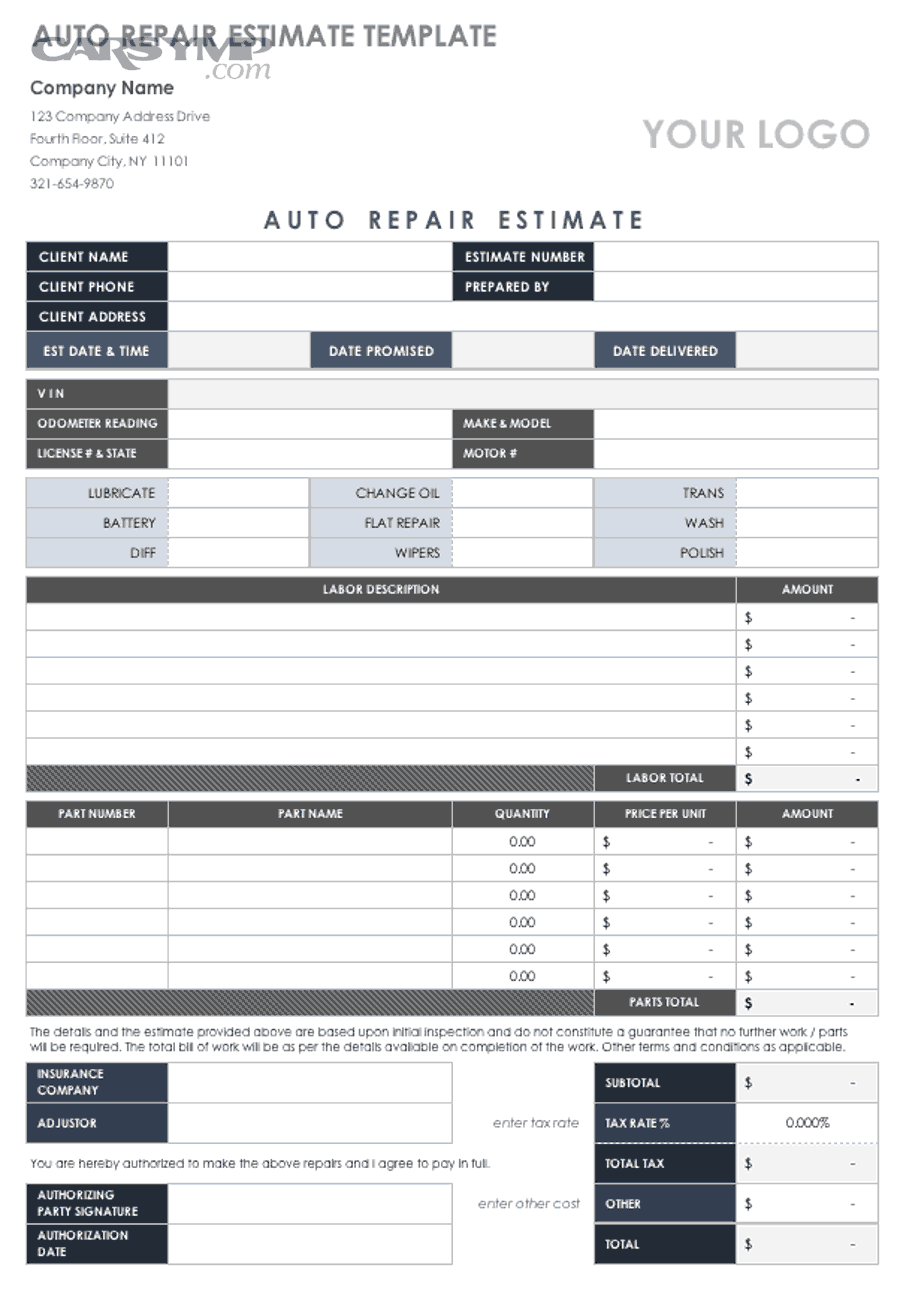
Decode an Auto Repair Labor Estimate Line by Line: Line-Item Breakdown Guide for Car Owners
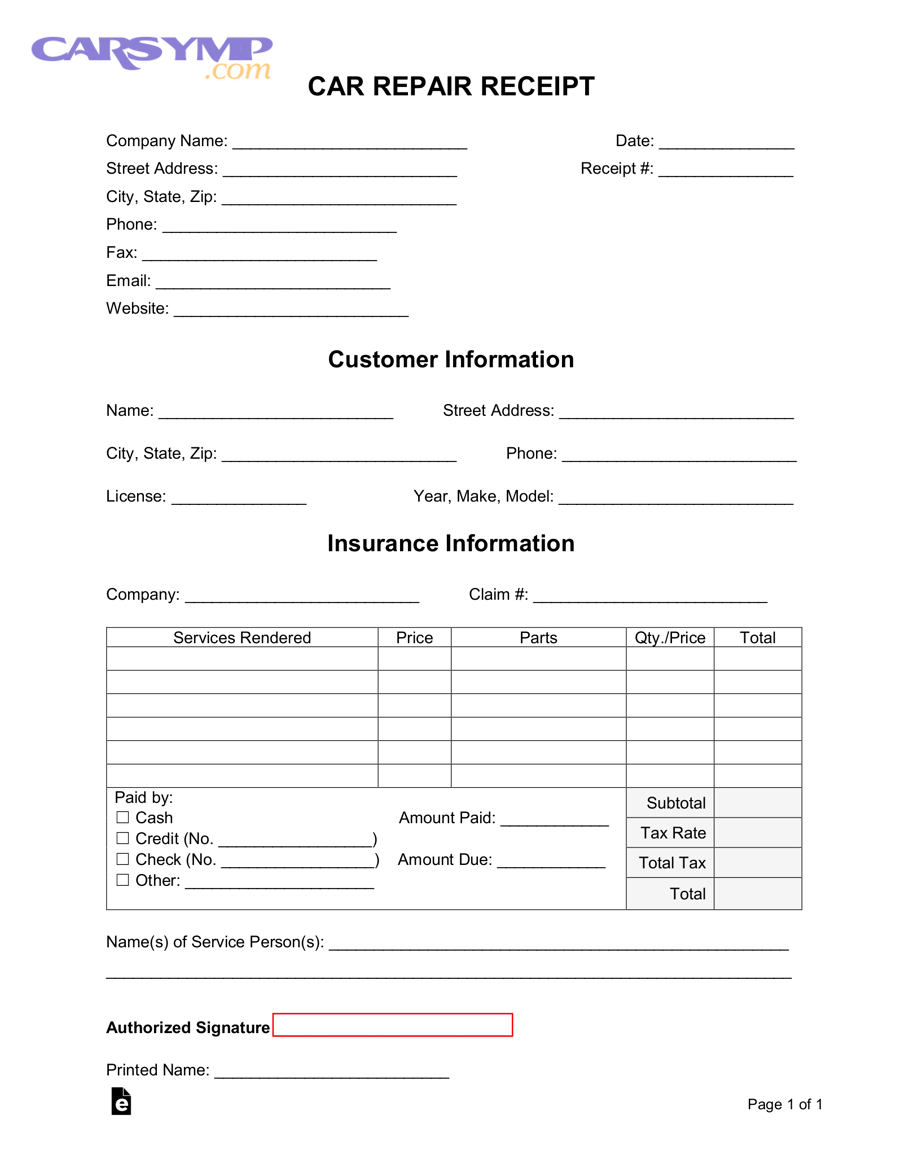
A labor estimate becomes readable the moment you treat it like a receipt made of “operations”: each line item describes a specific task, assigns labor time, applies a rate, and turns that into a labor charge you can verify. This guide shows you exactly how to decode every row so you know what you’re paying for and why.
Daniel James Carter February 8, 2026 at 2:11 PM
Decode What an Auto Repair Labor Rate Includes (Labor Charge): Overhead vs Parts & Fees for Car Owners
If you’ve ever stared at a repair invoice and wondered what you’re actually paying for when the shop lists “labor,” the answer is simple: it’s not just the mechanic’s hands-on time. The labor line is the shop’s way to price the skilled work and the operating costs required to diagnose, repair, and stand behind that work.
Daniel James Carter February 8, 2026 at 2:01 PM
Compare Flat-Rate vs Hourly Billing (Flat-Fee vs Time-Based) for Freelancers & Small Businesses: Pros, Cons, and When to Use Each
Flat-rate billing and hourly billing solve the same problem—how to charge for your work—but they do it with different trade-offs: flat-rate (flat-fee) optimizes for price certainty, while hourly (time-based) optimizes for flexibility when scope can change. Next, this guide breaks down how each model works in practice, what each one rewards, and why “fairness” depends more on scope clarity and incentives than on the billing method itself.
Daniel James Carter February 8, 2026 at 1:52 PM
Compare Dealership vs Independent Hourly Labor Rates for Car Owners: Shop-Rate Differences (Dealer vs Local Mechanic)
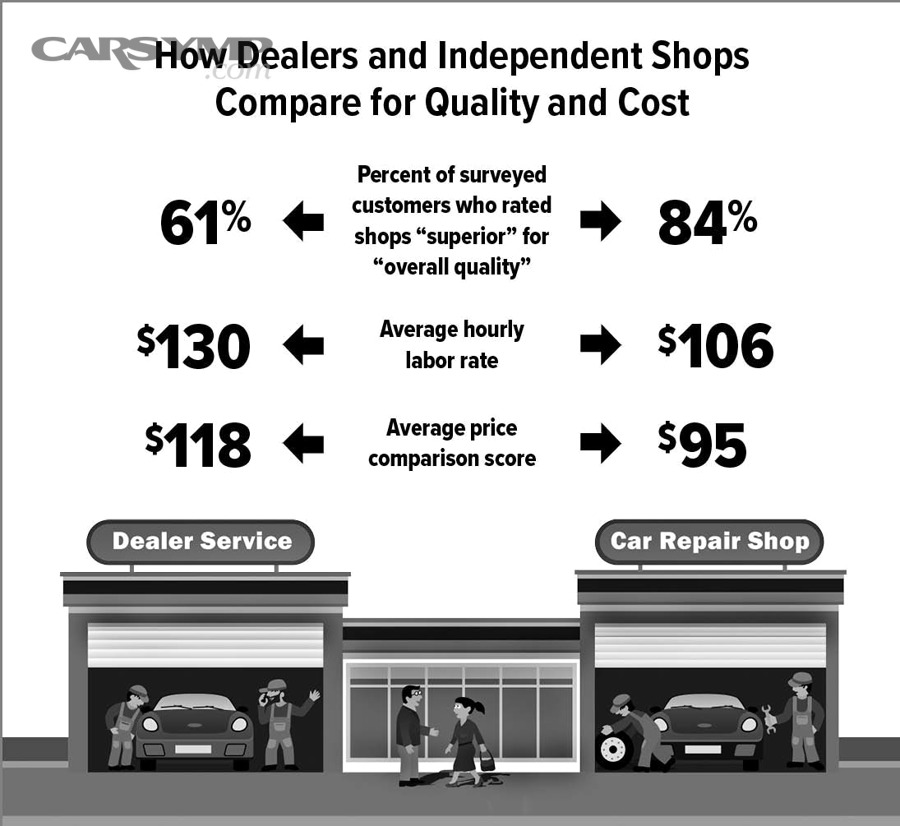
If you’re comparing a dealership to an independent shop, the simplest truth is this: dealership labor rates are often higher, but the “better deal” depends on the job, the billed hours, and what’s bundled into the estimate. The real comparison isn’t just the posted rate—it’s the total cost and the risk you’re trying to avoid.
Daniel James Carter February 8, 2026 at 1:43 PM
Compare Average Auto Repair Hourly Labor Rates by Region & State (High vs Low) — Benchmark Guide for Car Owners & Shop Managers
If you’re trying to compare average mechanic labor rates by region and state, the fastest way to get oriented is to treat the “labor rate per hour” as a benchmark, then compare your local quote against the typical high vs low patterns across the U.S.
Daniel James Carter February 8, 2026 at 1:33 PM
Prevent Engine Knock (Pinging/Detonation) With Routine Maintenance: A Practical Checklist for Everyday Drivers
Most engine knock can be prevented with routine maintenance because maintenance directly controls the three things that trigger abnormal combustion: fuel resistance to detonation, combustion temperature, and ignition accuracy. When you keep those three stable, the engine stays out of the “pinging” zone even under load.
Daniel James Carter February 8, 2026 at 1:16 PM
Estimate & Compare Repair Costs for Common Knocking (Clunking) Noises — Engine vs Suspension vs Steering for DIY Drivers
A realistic repair cost estimate for common knocking (clunking) noises starts by sorting the noise into the right system (engine, suspension, or steering) , then pricing diagnosis + parts + labor + required add-ons like alignments, so you can budget without guessing. Next, you’ll use “when it happens” clues— idle vs acceleration, bumps, or turning —to narrow the most likely culprit and avoid paying for the wrong repair.
Daniel James Carter February 8, 2026 at 1:06 PM
Decide If It’s Safe to Drive With Knocking (Clunking/Tapping) Sounds in Your Car — Risk Guide for Drivers
A knocking (clunking/tapping) sound can be safe to drive with only in narrow, low-risk cases , but it is not safe when the noise is sudden, loud, worsening, or paired with warning lights, overheating, vibration, or steering/brake changes—because those signs point to failures that can escalate quickly. Next, this guide gives you a practical “right now” plan: what to do in the first 60 seconds, what quick checks are safe to perform, and when to choose a tow instead of “limping” to a shop.
Daniel James Carter February 8, 2026 at 12:57 PM
Diagnose Car Noises With DIY Listening Tests & Inspection Steps (Sound-Check Checklist for Drivers)
Car-noise diagnosis is possible at home when you follow a repeatable sound-check: listen under controlled conditions, note the triggers, and confirm with simple inspection steps that narrow the problem to one system. You don’t need to guess—you need a method that turns “weird noise” into “noise happens when I brake at low speed and the right-front wheel area is louder,” which is actionable.
Daniel James Carter February 8, 2026 at 12:33 AM
Diagnose & Fix Exhaust Knock and Heat-Shield Rattle: Fast Exhaust-System Checks for DIY Car Owners
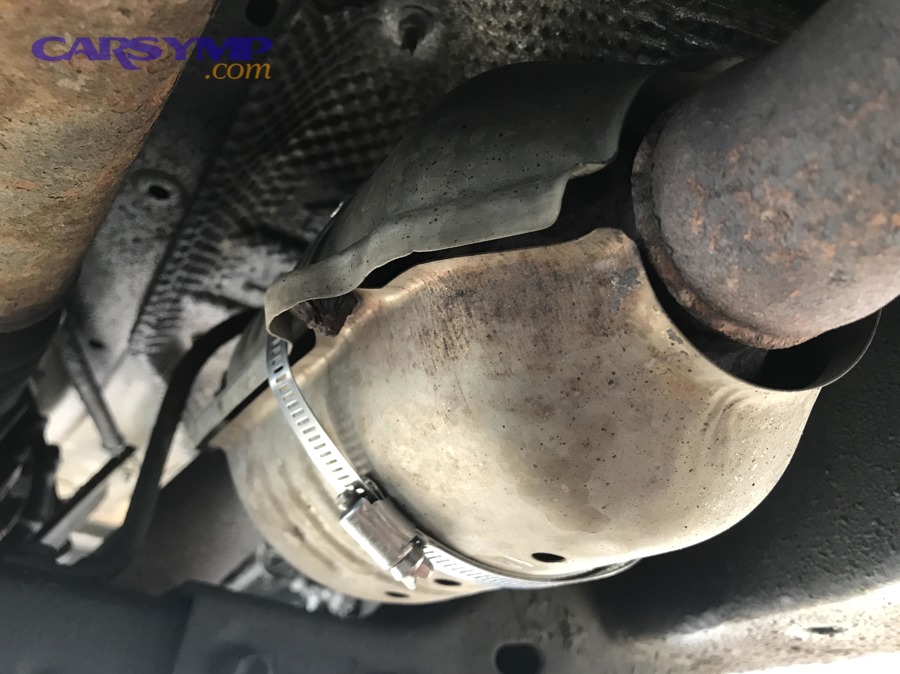
A rattling heat shield or a knocking exhaust can usually be diagnosed at home by matching the sound (buzz vs thud) to a repeatable trigger (idle, rev, bumps, or load) and then confirming the exact contact point with a short, safe inspection routine. If the noise turns out to be heat-shield related, the fix is often straightforward: restore tight mounting, restore clearance, and replace missing or rusted hardware so the shield can’t vibrate against the exhaust system again.
Daniel James Carter February 8, 2026 at 12:23 AM
Diagnose a Steering Knock (Clunk) When Turning: Causes & Quick Checks for Drivers (Tie Rods, CV Joints, Rack Bushings)
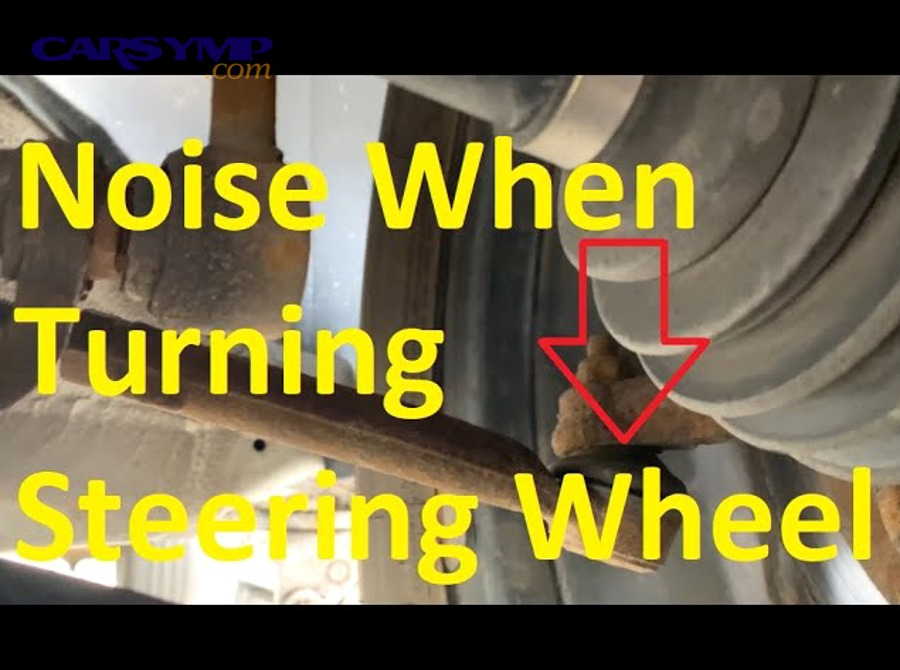
A steering knock (often described as a clunk) when turning is usually caused by looseness, wear, or shifting in the steering, suspension, or driveline—and you can often narrow it down quickly by matching when the noise happens to the part that’s most likely moving. Next, the fastest way to diagnose it is to sort the sound by conditions—low-speed parking vs highway turns, full-lock vs small inputs, and smooth pavement vs bumps—because each pattern points to a different set of components.
Daniel James Carter February 8, 2026 at 12:13 AM
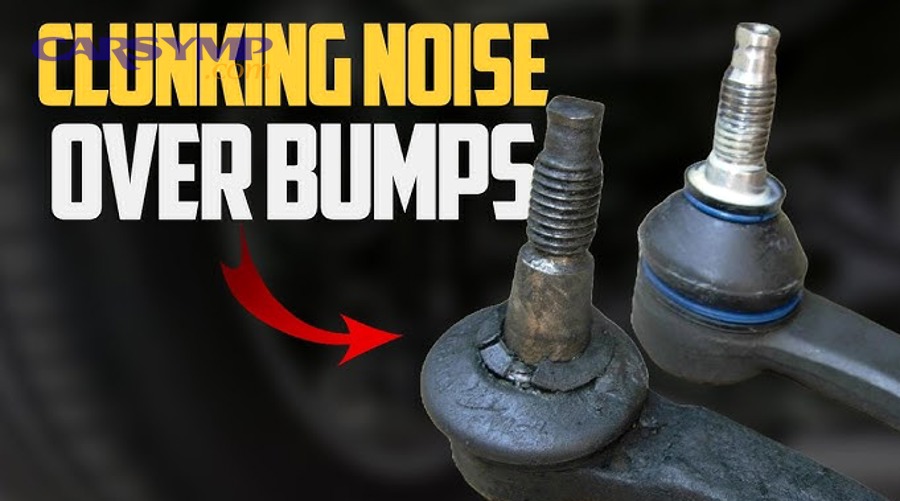
Diagnose & Fix a Suspension Knock Over Bumps (Clunking Noise): Parts Checklist for DIY Car Owners
A suspension knock over bumps is diagnosable when you treat it like a symptom with a repeatable test, then confirm the failing component with a simple checklist—starting with the most common looseness points (links, bushings, mounts, and joints) before you replace parts. Next, you’ll get a practical way to narrow the sound down by location—front vs rear and left vs right—so you’re not guessing.
Daniel James Carter February 8, 2026 at 12:02 AM
Diagnose Engine Knock vs Rod Bearing Knock (Spark Knock/Pinging): Sound Tests to Identify Rod Knock for DIY Drivers
If you’re trying to tell engine knock (spark knock/pinging) from a true rod bearing knock , the fastest path is to match the sound to the conditions : spark knock is typically a higher-pitched ping/rattle that shows up under load , while rod knock is a deeper, heavier knock that often follows RPM and can worsen as oil thins when warm . Next, it helps to understand what each noise means mechanically and financially: combustion knock usually points to fuel/ignition/heat issues you can often correct, but rod bearing knock often signals internal wear that can escalate quickly if you keep driving.
Daniel James Carter February 7, 2026 at 11:50 PM
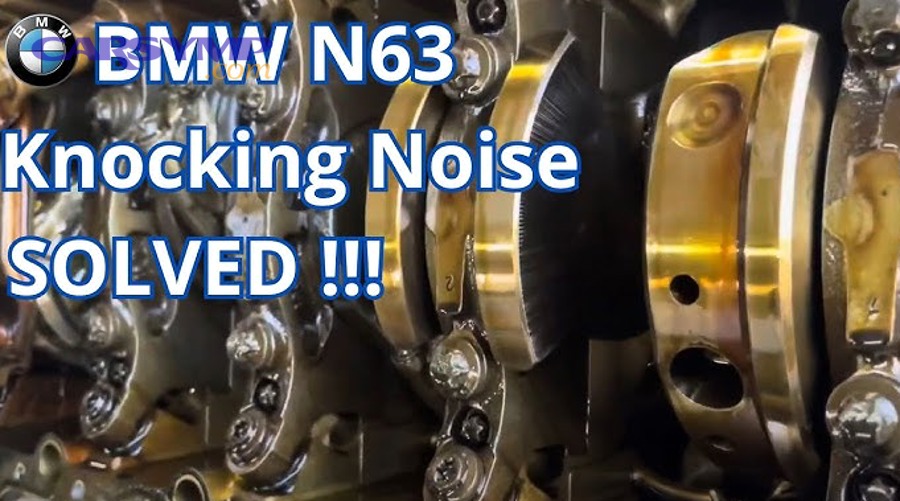
Diagnose Engine Knock: Idle vs Acceleration Clues (Lifter Tick vs Rod Knock) — A Troubleshooting Guide for Drivers
A knock that’s loud at idle but changes (or worsens) under acceleration is not random noise—it’s a diagnostic pattern. The fastest way to narrow the cause is to observe when it happens (idle vs load), how it changes with RPM, and where it seems to come from (top end vs bottom end).
Daniel James Carter February 7, 2026 at 11:40 PM
Pinpoint Knocking (Clunking) Noise Sources by Location in Your Car — Front, Rear & Under-Hood Guide for Drivers
A knocking or clunking sound becomes solvable when you treat it like a map: where you hear it (front, rear, under-hood, or center floor) points to the most likely parts that can move, loosen, or hit under load. ( jdpower.
Daniel James Carter February 7, 2026 at 11:28 PM
How to Start a Push-Button Car in an Emergency With a Dead (Flat) Key Fob Battery — Step-by-Step for Drivers
When your push-button car won’t start because the key fob battery is dead (flat), the fastest fix is usually the built-in emergency start method: put the fob right against the start/stop button or the backup reader spot so the car can detect it and authorize ignition. Next, if the car still won’t recognize the fob, the problem is often where you’re holding it—many vehicles have a specific sensor location (start button, steering column “key” icon area, or a console pocket) that acts as the backup reader.
Daniel James Carter February 7, 2026 at 11:06 PM
Diagnose & Fix “Car Not Detecting Key Fob” — Receiver Module (Keyless Entry Control Module / RF Hub) Guide for Drivers
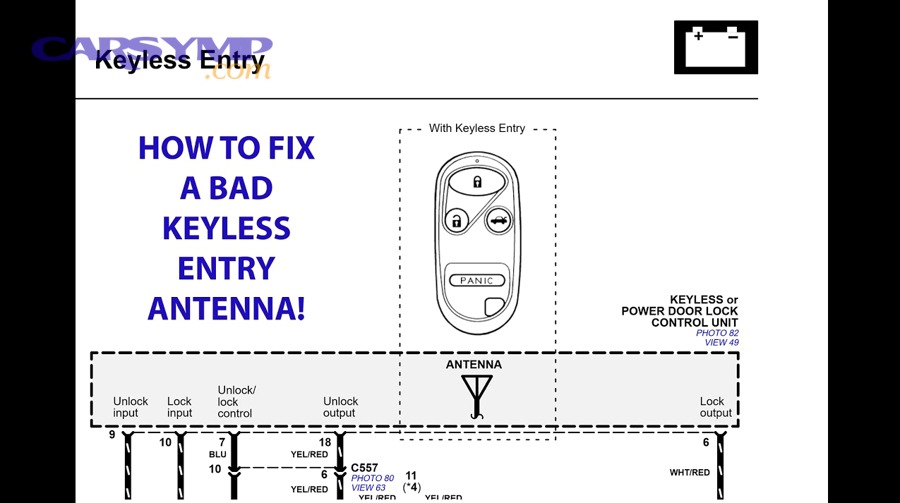
If your car is not detecting the key fob , the fastest way to stop guessing is to test the vehicle-side receiver module (also called the keyless entry control module or RF hub ) with a simple, repeatable diagnostic path—so you can confirm whether the module is truly at fault and fix the right part. Next, you’ll learn how to rule out the most common “false alarms” that make people think the receiver module is bad—like a weak fob battery, a low car battery, RF interference, a blown fuse, or a damaged antenna lead—before you spend money on parts.
Daniel James Carter February 7, 2026 at 10:53 PM
Estimate Your Key Fob Replacement Cost: Dealer vs Locksmith Pricing for Car Owners (Smart Key/Remote Fob)
If you want a realistic key fob replacement cost estimate, plan for a total that includes the fob (or smart key), programming, and service fees—because the final number is almost never “just the plastic remote.” Typical totals commonly land in the hundreds depending on vehicle and key type, with many mainstream replacements falling around $150–$500+ per KBB’s consumer guidance.
Daniel James Carter February 7, 2026 at 10:43 PM
Identify RF/EMI Interference: The Top Signal-Blocking Causes for Car Key Fobs (Drivers Checklist)
A car key fob can fail even when its battery is fine because RF/EMI interference can overwhelm the fob’s radio message or because signal blocking can physically weaken the signal before it reaches the vehicle’s receiver. This guide helps you identify the most likely cause fast—without guessing.
Daniel James Carter February 7, 2026 at 10:34 PM
Diagnose Water Damage & Corrosion (Rust) in a Car Key Fob: Battery-Contact Checklist for Drivers
If your key fob suddenly stops responding after rain, a wash cycle, or a splash, water intrusion and corrosion are a top diagnosis—because moisture can raise contact resistance, short fine components, and leave conductive residue that keeps failing even after the fob “dries.” You’ll also learn what to do immediately after the fob gets wet so you can limit damage before corrosion spreads across battery contacts or the circuit board.
Daniel James Carter February 7, 2026 at 10:24 PM
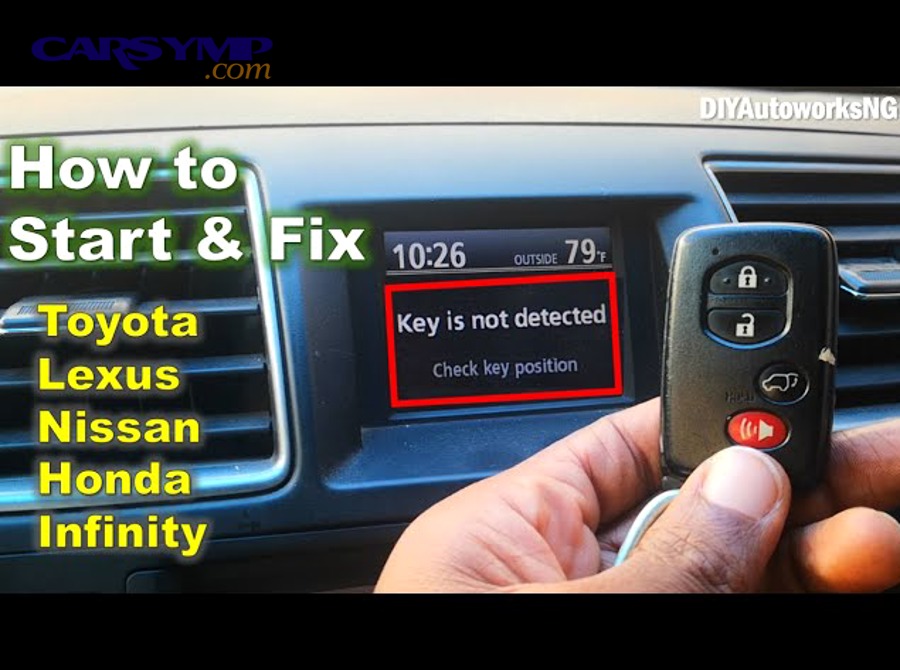
Fix “No Key Detected”: Troubleshooting a Car Not Detecting a Key Fob (Drivers’ Causes Checklist & Quick Starts)
If your car is not detecting the key fob and you’re staring at a “No Key Detected” message, you can usually get moving again by narrowing the problem to one of three buckets: the fob has weak power, the signal is being blocked, or the car isn’t receiving/authorizing the key. Most drivers want a clear causes checklist, not vague guesses—so this guide prioritizes the most common failures first (like a coin-cell battery) and then moves into less obvious scenarios such as interference, range issues, and vehicle-side faults.
Daniel James Carter February 7, 2026 at 10:14 PM
Diagnose & Fix Weak Key Fob Signal: Keyless Entry Range Issues Guide for Car Owners
A weak key fob signal is usually fixable once you diagnose whether the range problem is coming from the fob (battery, contacts, transmitter) or the vehicle (receiver/antenna/module), and you can confirm that in minutes with a structured test order instead of guessing. Next, you’ll use a “most-likely-first” checklist to isolate the cause—starting with the easiest, highest-probability fixes like Key fob battery replacement steps and interference checks, then moving to pairing and module-related possibilities.
Daniel James Carter February 7, 2026 at 10:04 PM
Reprogram (Program/Pair) a Key Fob: Step-by-Step Basics for Beginners + When DIY Won’t Work
If you need reprogramming a key fob basics , the fastest path is simple: confirm you have the right fob and a good battery, put the car into programming mode, then pair each fob in the same session and verify the locks (and start function if applicable) respond consistently. Next, you’ll learn how to tell whether your vehicle supports DIY programming or whether built-in security means you’ll need a locksmith, dealer, or a tool-assisted method—before you waste time repeating steps that will never work on your model.
Daniel James Carter February 7, 2026 at 9:52 PM