Daniel James Carter
Lead Diagnostic Technician & Technical Content Author
Company / Organization
CarSymp
Experience / Skills
Check Engine Light diagnosis (OBD-II); engine performance & ignition/fuel systems; brake service; steering & suspension; AC/heater diagnostics; cooling system service; basic transmission diagnostics; electrical & battery/charging systems; maintenance schedules
About Daniel James Carter
Daniel James Carter (born July 14, 1988) is an Automotive Diagnostic & Repair Technician and the Lead Diagnostic Technician & Technical Content Author for this auto repair website. His work focuses on translating real shop-floor diagnostics into clear, step-by-step guidance for vehicle owners—especially around check-engine issues, climate control problems, brake safety, and steering/suspension wear.\n\nDaniel’s interest in mechanical systems started early, but his professional path became formal in 2006 when he began a structured apprenticeship in general automotive service. Between 2006 and 2008, he worked alongside senior technicians learning foundational skills—oil services, brake inspections, tire work, basic electrical checks, and service documentation. During this period, he also built the habits that still define his process today: verifying the customer’s concern, road-testing when safe, and confirming repairs with repeatable measurements.\n\nIn 2009, Daniel moved into a full-time automotive service technician role, where he handled a higher volume of maintenance and repair work (brakes, cooling systems, belts, ignition components, and driveline basics). By 2012, he shifted toward diagnostics, focusing on OBD-II fault tracing, fuel trim interpretation, misfire detection, smoke-testing intake leaks, and electrical circuit testing using wiring diagrams and voltage-drop methods.\n\nA major milestone came in 2015 when he began pursuing advanced professional credentials through the National Institute for Automotive Service Excellence (ASE). After completing multiple ASE exams and documenting the required hands-on experience, Daniel earned the ASE Master Automobile Technician designation in 2017. He continued building depth in drivability and emissions-related diagnostics and achieved the ASE L1 Advanced Engine Performance Specialist credential in 2019. He maintains his credentialing through ongoing study and periodic recertification, aligning his knowledge with modern engine management systems, updated scan-tool workflows, and evolving diagnostic standards.\n\nFrom 2018 to 2021, Daniel served as a senior technician in a busy service environment where his day-to-day work centered on complex complaints: intermittent stalling, hard starts, rough idle, overheating, vibration under braking, and AC systems that blow warm or smell musty. He became known for careful diagnosis before parts replacement, using a consistent checklist:\n\n\n Confirm the symptom and capture freeze-frame data.\n Test likely causes (air leaks, sensors, ignition, fuel delivery, charging system) with measurable evidence.\n Repair only after the failure is verified and the fix can be validated.\n Validate with a road test, live data review, and final inspection.\n\n\nIn 2022, Daniel began formalizing his field notes into consumer-friendly write-ups and troubleshooting guides. By 2023, he expanded that work into structured content for this website, combining real repair patterns with clear explanations of why failures happen (for example: how moisture and organic buildup can cause musty AC smell, why worn suspension joints can mimic wheel balance issues, or how vacuum leaks and weak ignition coils can trigger persistent misfires).\n\nToday, Daniel’s role on the website is to ensure every guide reflects practical repair reality—tools a shop actually uses, common misdiagnoses to avoid, and safety-first recommendations. He writes with the same standard he uses in the bay: the diagnosis must make sense, the repair must be verifiable, and the timeline from symptom to fix must be clear for the reader.

Related topics
Latest posts by Daniel James Carter


How to Replace a Key Fob Battery Step-by-Step (Keyless Entry Remote / CR2032 Coin Cell) — DIY Guide for Car Owners
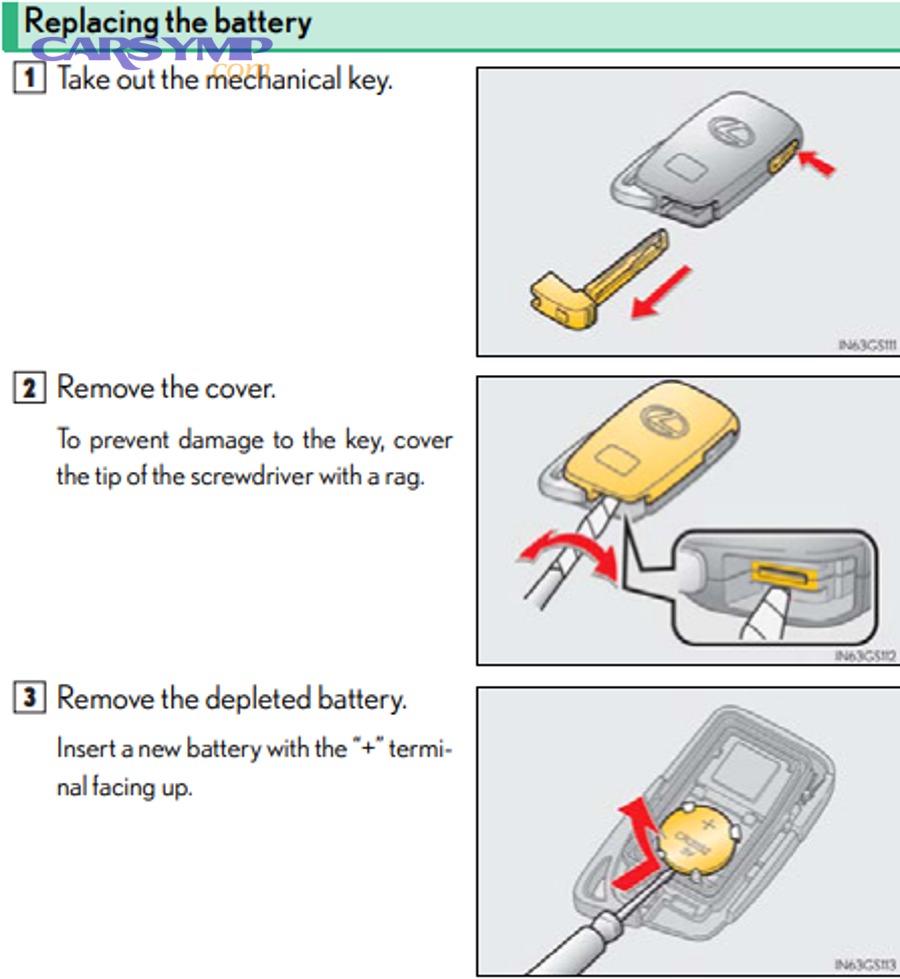
Replacing a key fob battery is a simple DIY fix: open the keyless entry remote carefully, swap in the correct coin-cell (often CR2032), and test the buttons and range so the remote works reliably again. Next, you’ll learn how to confirm the right battery type and tools before you start, because using the wrong thickness or prying tool is a common reason people crack the shell or create loose battery contacts.
Daniel James Carter February 7, 2026 at 9:31 PM
Prevent a Dead (Flat) Car Battery Again: The Future-Proof Checklist for Everyday Drivers
A dead (flat) car battery is preventable most of the time if you control three things: battery health , charging health , and battery drain . This guide gives you a future-proof checklist you can repeat every week and every season so you stop getting stranded.
Daniel James Carter February 7, 2026 at 9:10 PM
Prevent Fires Fast: 15 Spark (Arcing/Static-Discharge) Safety Hazards to Avoid — for Homeowners & Workers
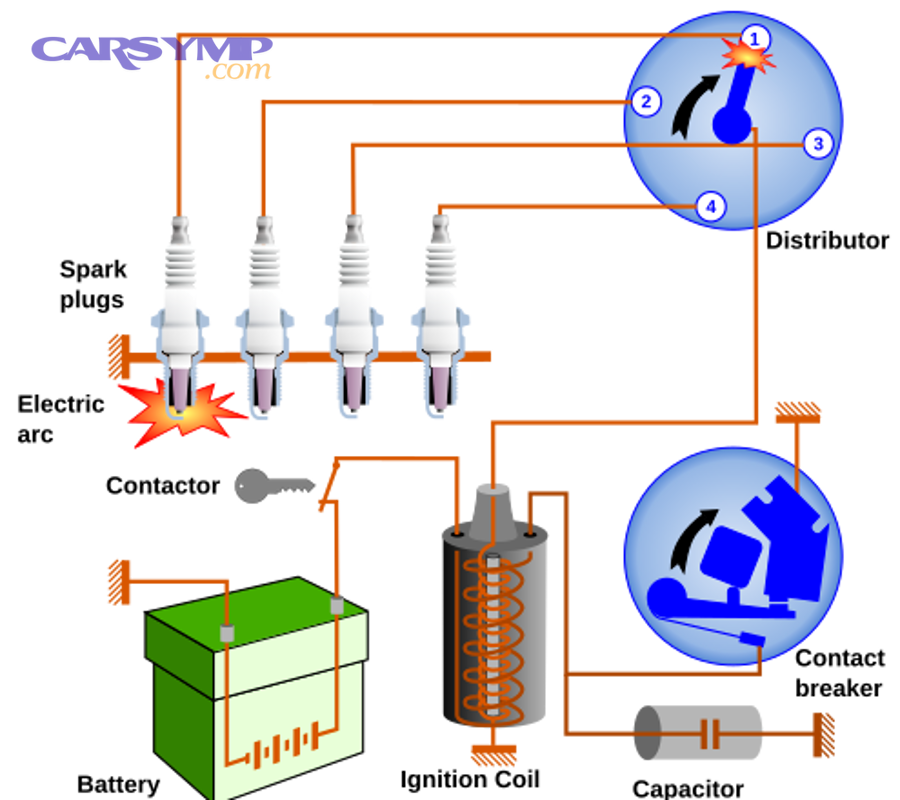
Most spark-related incidents are preventable when you treat every spark as a potential ignition source and remove what it needs to become a fire: fuel, oxygen flow, and time. This guide breaks down the most common spark hazards (including electrical arcing and static discharge) and shows exactly what to avoid so you can reduce fire and injury risk fast.
Daniel James Carter February 7, 2026 at 9:00 PM
How Long Should You Let Your Car Run After a Jump Start? Idle vs Drive Battery-Recharge Guide for Drivers
If you just jump-started a dead battery, you should keep the engine running long enough to restore “restart-ready” charge —for most drivers, that means at least 30 minutes of engine-on time , ideally with some steady driving rather than just sitting in place. Next, the real decision is idle vs drive : both can recharge the battery, but driving usually refills the battery faster and more reliably because the alternator tends to produce more usable output at higher engine speeds.
Daniel James Carter February 7, 2026 at 8:50 PM
Follow Safe Jump-Start Precautions for Hybrid & EV 12-Volt Batteries (Safety Tips vs Common Mistakes) – A Driver’s Guide
Yes—you can jump-start most hybrids and EVs safely as long as you target the 12-volt battery system (not the high-voltage pack) and follow a controlled, spark-minimizing connection sequence that protects electronics and people. Next, the “safe” part is not a vague warning label—it’s a practical set of checks that prevent the two biggest real-world failures: reverse polarity and sparks near battery gases , both of which can damage modules or cause injury.
Daniel James Carter February 7, 2026 at 8:40 PM
How to Check the Charging System (Alternator) After a Jump Start — Simple Voltage Tests for DIY Car Owners
If your car needed a jump start, you should check the charging system (alternator) because a dead battery can be the result of a weak alternator—not the cause. A quick multimeter check can confirm whether the alternator is actually recharging the battery while the engine runs, so you don’t get stranded again.
Daniel James Carter February 7, 2026 at 8:29 PM
Decide Fast: Jump-Start (Boost) vs Replace a Car Battery — A Simple Decision Tree for Drivers
If your car won’t start, the fastest correct decision is simple: jump-start (boost) only when the battery is temporarily discharged , and replace the battery when it’s aged, repeatedly fails, or can’t pass a basic test . This guide gives you a quick decision tree so you don’t waste time—or end up stranded again.
Daniel James Carter February 7, 2026 at 8:18 PM
Troubleshoot What to Do When a Jump-Start (Boost) Doesn’t Work: Battery vs Starter vs Alternator Checks for Drivers
If a jump-start doesn’t work, you should stop guessing and troubleshoot in a strict order : confirm safe, correct connections → allow a short “pre-charge” time → branch by what the car does (silence, clicks, slow crank, or cranks-but-won’t-start) so you can identify whether the battery, cables/grounds, starter circuit, or charging system is the real blocker. The next thing most drivers need is a fast way to separate battery failure from starter failure using only symptoms you can observe at the key (or start button), because “it won’t start” can mean “no crank,” “weak crank,” or “cranks fine but won’t run”—and each one points to a different fix.
Daniel James Carter February 7, 2026 at 8:07 PM
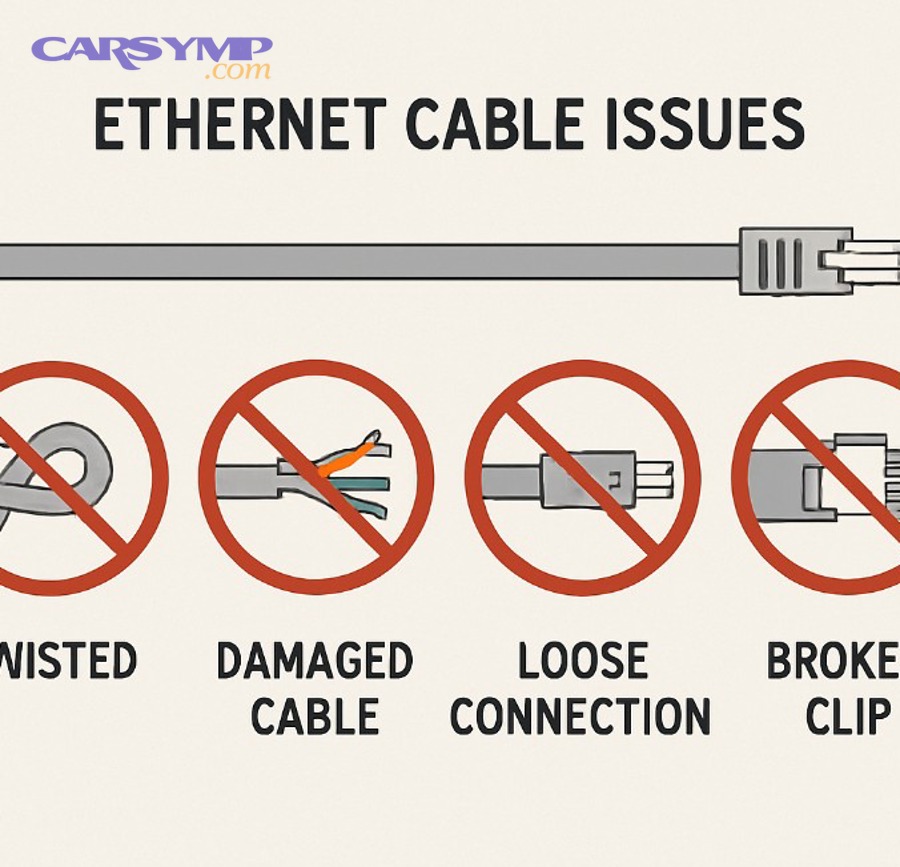
Verify the Correct RJ45 Ethernet Cable Wire Order (T568A vs T568B) + Avoid Common Termination Mistakes — DIY Home Network Installers
If you want a reliable home network, the fastest win is to verify the correct RJ45 Ethernet cable wire order and terminate both ends consistently as T568A–T568A or T568B–T568B. When you follow the right pin order, keep pairs intact, and seat conductors correctly, your cable is far more likely to link at full speed and stay stable.
Daniel James Carter February 7, 2026 at 7:58 PM
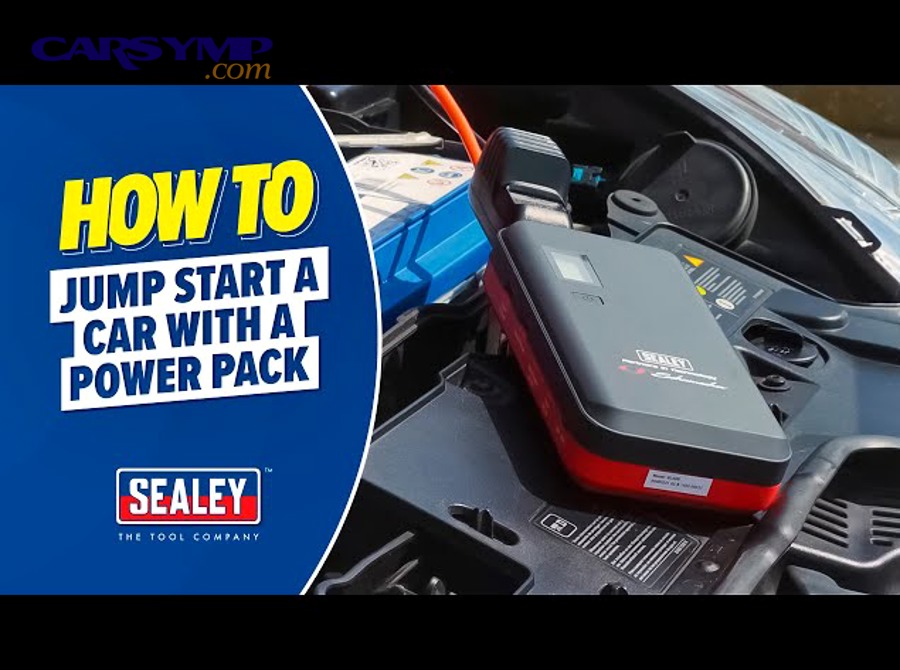
Jump-Start a Car Safely with a Portable Booster Pack (Jump Starter/Jump Box): Step-by-Step Guide for Drivers
A portable booster pack can safely start most dead-battery cars when you connect the clamps in the correct order, choose a solid ground point, crank in short bursts, and remove the clamps safely after the engine runs. This guide walks you through the exact sequence so you can start the car without guessing.
Daniel James Carter February 7, 2026 at 7:46 PM
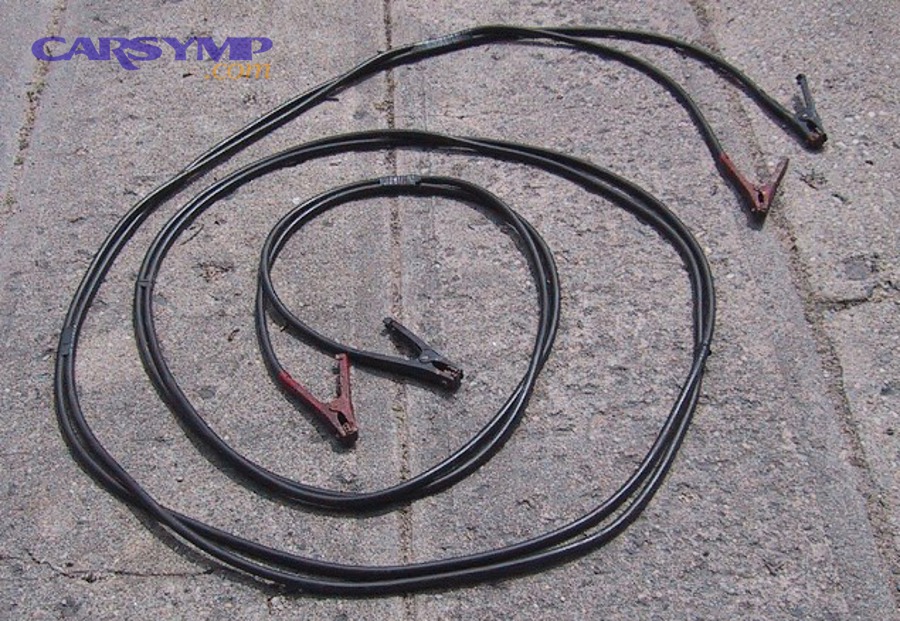
Follow These Safe Jump-Start Steps With Jumper Cables (Booster Cables) — Correct Clamp Order for First-Time Drivers
If your car won’t start because the battery is dead, you can safely jump-start it with jumper cables by following a correct clamp order, using a solid ground point, and keeping sparks away from the battery area—steps that reduce damage and injury risk. Next, you’ll prevent the most common jump-start problems by doing a quick safety checklist before you connect anything, because many “failed jumps” come from simple issues like corrosion, loose clamps, or a risky setup.
Daniel James Carter February 7, 2026 at 7:35 PM
Leverage Customer Reviews & Referrals to Grow Your Business: A Testimonials + Word-of-Mouth Playbook for Small Businesses
If you want predictable growth without depending entirely on ads, you can leverage customer reviews and referrals as one connected system: reviews build trust that converts strangers, and referrals bring warm leads that close faster. Next, you’ll learn a practical way to collect reviews consistently and turn them into testimonials that sell on your website, landing pages, and ads—so social proof keeps working long after the original customer clicked “submit.
Daniel James Carter February 7, 2026 at 7:15 PM
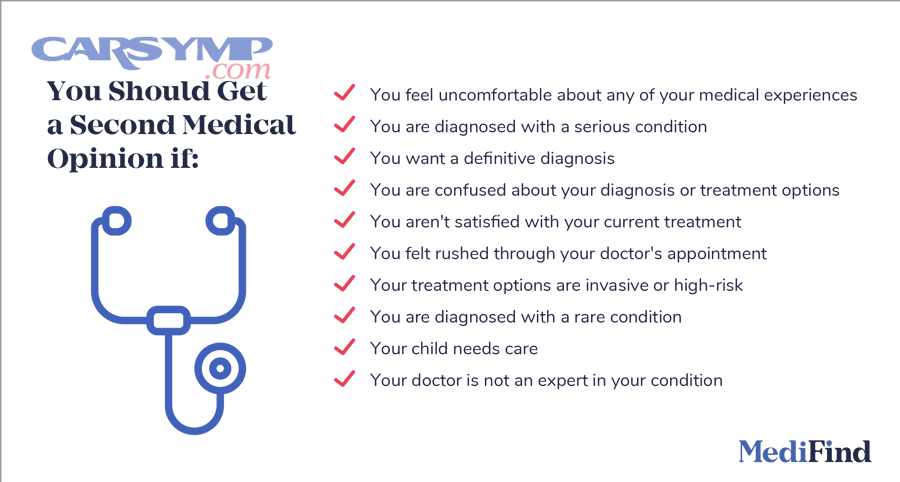
Decide When to Get a Second Medical Opinion vs a First Opinion: Key Signs for Patients & Caregivers
You should get a second medical opinion when the decision is high-stakes, the diagnosis is uncertain, or the plan doesn’t feel fully explained—because a fresh, independent review can confirm the first plan or surface a better-defined or different diagnosis. ( newsnetwork.
Daniel James Carter February 7, 2026 at 7:05 PM
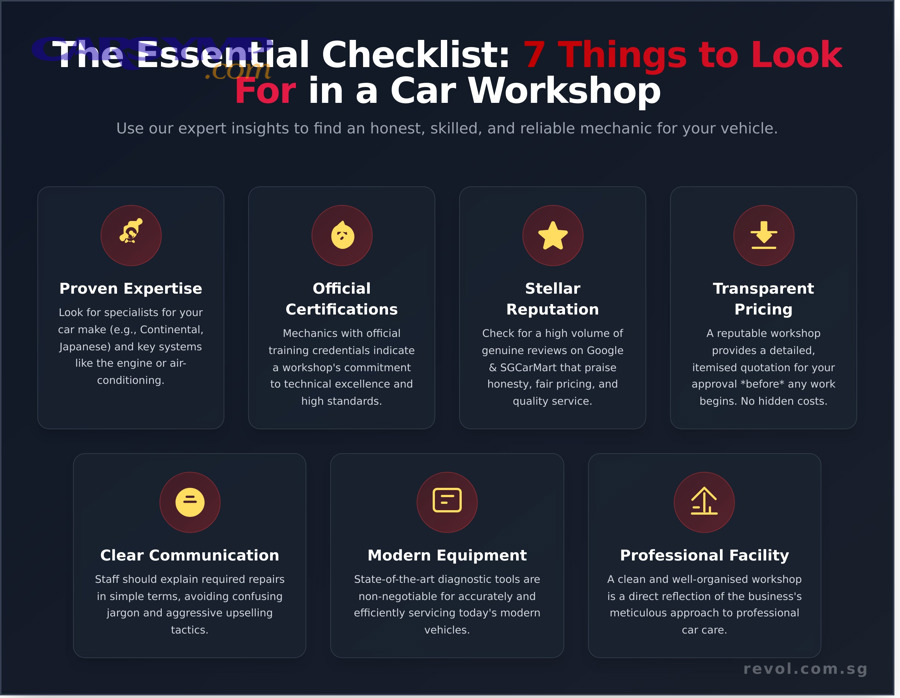
Build (and Strengthen) a Trusted Relationship With Your Mechanic: A Long-Term Car Care Guide for Drivers
A trusted relationship with your mechanic is built by choosing the right shop, communicating clearly, agreeing on approval rules, and keeping consistent records—so your car gets better diagnostics, fewer surprises, and smarter long-term maintenance decisions. Beyond “finding a good shop,” you also want to understand what trustworthy service looks like in the real world—how a mechanic explains problems, documents findings, and helps you prioritize safety and reliability without pressure.
Daniel James Carter February 7, 2026 at 6:55 PM
Choose the Certifications That Matter (Credentials vs Licenses) for Independent Contractors & Freelancers
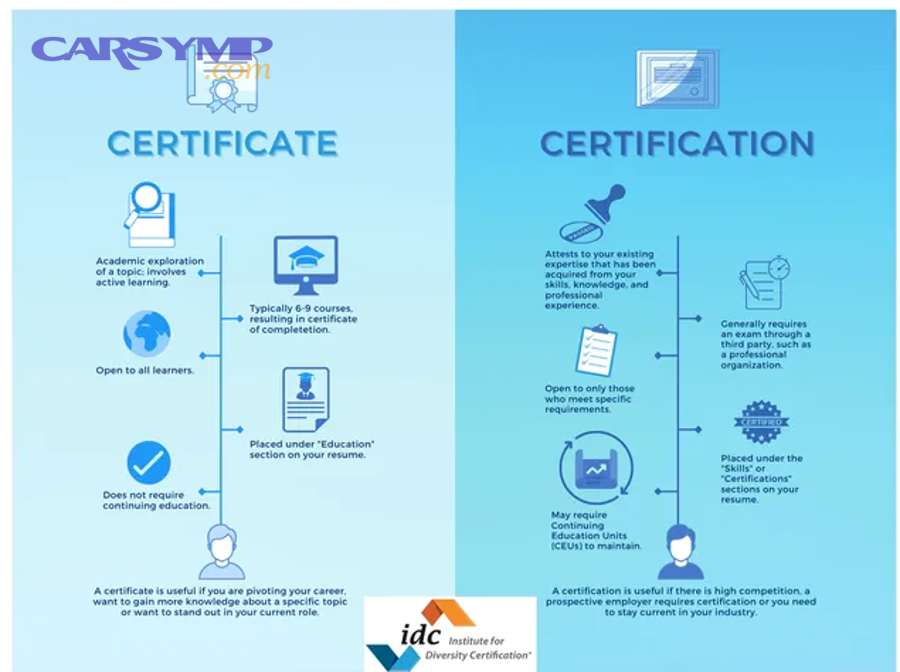
Certifications that matter for independents are the ones that buyers recognize, can verify, and use as a shortcut to trust—so the “right” credential is the one that directly maps to the work you sell and the clients you want to win. Next, this guide shows how to pick certifications with the highest ROI instead of collecting badges that don’t change your close rate.
Daniel James Carter February 7, 2026 at 6:44 PM
Prevent Repair Scams & Upsells at the Mechanic: A Car Owner’s Guide to Spotting Rip-Offs vs Honest Repairs
You can prevent most repair scams and upsells by controlling three things: proof , permission , and paperwork —asking for evidence of the problem, approving work in writing, and verifying the final invoice matches what you authorized. That simple system is what separates “I hope this is fair” from “I can prove what’s fair.
Daniel James Carter February 7, 2026 at 6:35 PM
Explain Labor Rate vs Flat-Rate Billing and Hourly Pricing — How Repair Shops Calculate Costs (For Car Owners)
Paying for auto repair labor gets confusing because the same job can be priced three different ways: a posted labor rate, a flat-rate (book-time) labor charge, or hourly time-and-materials. This guide explains exactly what each term means and how the math turns into the number on your estimate—so you can approve work with confidence instead of guessing.
Daniel James Carter February 7, 2026 at 6:25 PM
Find a Make-Specific (Brand-Specialist) Mechanic: How to Choose an OEM-Certified Repair Shop for Your Car Make (Car Owners)
If you’re trying to find a mechanic who truly understands your car make, the fastest path is to build a shortlist of brand-specialist shops, verify proof (tools, training, procedures), and then choose the best fit based on diagnostics quality, parts policy, and warranty clarity—not hype. Many owners also want to know whether an OEM-certified repair shop is “worth it,” what that certification really means, and which repairs actually benefit from it (especially when safety systems and calibrations are involved).
Daniel James Carter February 7, 2026 at 6:16 PM
Ask These 15 Questions to Verify Warranty (Guarantee) Coverage for Parts & Labor — A Checklist for Car Owners
If you want to avoid paying twice for the same repair, the fastest way is to ask the right questions before you approve the work—specifically questions that confirm the warranty (guarantee) coverage for parts and labor , the exclusions, and what proof you’ll need later. Next, the checklist below also helps you prevent “surprise” add-ons by locking down itemized pricing, part types (OEM/aftermarket/remanufactured), and authorization rules so the final invoice doesn’t drift away from the estimate.
Daniel James Carter February 7, 2026 at 6:06 PM
Vet a Local Mechanic Shop: 15-Point Checklist to Choose a Trustworthy Garage (and Avoid Bad Ones) for Car Owners
STEP 1 — Title & outline analysis (for intent-match and semantic SEO) - Main keyword (focus): how to evaluate a local mechanic shop - Predicate (main action): vet / evaluate / choose - Relations lexical used: Antonym (trustworthy vs bad), plus Synonym set (mechanic shop / auto repair shop / garage) - Search intent type (from outline): How-to + Grouping + Comparison + Boolean + Definition - Primary intent: evaluate/vet a local mechanic shop using a practical checklist before authorizing repairs - Secondary intent 1: spot red flags that signal a bad shop - Secondary intent 2: know what questions and proof to request (estimates, diagnostics, warranty) - Secondary intent 3: compare shop types (dealer vs independent vs chain vs specialist) to pick the best fit - Answering-formula map (H2 level): 1) Definition → “What does it mean to vet…?” 2) Boolean → “Is this shop trustworthy?
Daniel James Carter February 7, 2026 at 5:58 PM
Choose the Best Car Service Option: Independent Mechanic vs Dealership Comparison for Cost-Smart Drivers (Local Shop vs Dealer)
If you’re deciding between a dealership and an independent mechanic, the best choice depends on your car’s warranty status, the complexity of the problem, and how much you value OEM-only workflows versus flexible pricing and personalized service. The “best” option is the one that delivers a correct repair, documented clearly, at a fair total cost—not just the lowest estimate.
Daniel James Carter February 7, 2026 at 5:47 PM
Decide When to Call a Locksmith vs a Mechanic for Car Lock & Key Problems (Driver’s Guide)
If you’re dealing with a car lock or key problem, the fastest fix usually comes from calling the right professional first: a locksmith for mechanical access/key services, or a mechanic for electrical/module/actuator diagnosis. The goal is to avoid unnecessary towing, prevent damage, and get you back on the road with the least friction.
Daniel James Carter February 7, 2026 at 5:27 PM
Test & Troubleshoot a Spare (Backup) Car Key Fob: Battery, Signal & Reprogramming Checks for Car Owners
A spare (backup) car key fob can be tested and troubleshot reliably by running a simple, repeatable checklist—function test, battery/contact check, range/signal check, and then a pairing/programming decision—so you can quickly tell whether the problem is the spare key fob or the vehicle. Then, you’ll use the spare key fob as an “A/B test” tool against your primary key to isolate failure points (remote buttons vs transponder authorization) and avoid guessing your way into an unnecessary replacement.
Daniel James Carter February 7, 2026 at 5:18 PM
Estimate the Immobilizer Diagnostic Cost (Anti-Theft System Testing Fees) for Car Owners: Dealer vs Locksmith Pricing
STEP 1 — Title & Outline Analysis 1.1 Title analysis Main keyword (keyword focus): immobilizer diagnostic cost (anti-theft system testing fees) Predicate (main verb/action): estimate Relations Lexical used: Synonym (Immobilizer ↔ Anti-Theft System) 1.
Daniel James Carter February 7, 2026 at 5:08 PM
Reset & Relearn Immobilizers by Brand: Step-by-Step Anti-Theft Key Sync Guide for DIY Car Owners
If your vehicle won’t start because the security system won’t recognize the key, you can often restore starting by using a safe, brand-appropriate immobilizer reset or relearn workflow that re-establishes the key-to-vehicle handshake without guessing or damaging components. Next, it helps to understand what “reset,” “relearn,” and “key sync” actually mean, because choosing the wrong action is a common reason DIY attempts fail even when the key and vehicle are fine.
Daniel James Carter February 7, 2026 at 4:59 PM
Diagnose & Fix Immobilizer (Anti-Theft) Faults Caused by Aftermarket Car Alarms — Step-by-Step for Drivers & DIY Techs
Aftermarket alarms can absolutely create immobilizer problems—including “no crank,” “cranks but won’t start,” and random security lockouts—because many systems interrupt the starter or ignition circuit (or confuse the vehicle’s anti-theft logic) when wiring, relays, or power supply isn’t perfect. Next, this guide shows you how to confirm the alarm is truly the cause before you start cutting wires, because a weak battery, blown fuse, or a factory immobilizer/key issue can look identical from the driver’s seat.
Daniel James Carter February 7, 2026 at 4:49 PM
Diagnose No-Start (Won’t Start) Fast: Immobilizer vs Battery vs Fuel Issues Checklist for DIY Car Owners
A no-start problem becomes solvable the moment you classify the symptom correctly and follow a proof-based checklist that separates immobilizer/security lockout , battery/power delivery , and fuel delivery . This guide gives you a fast decision path so you can stop guessing and start testing.
Daniel James Carter February 7, 2026 at 4:37 PM
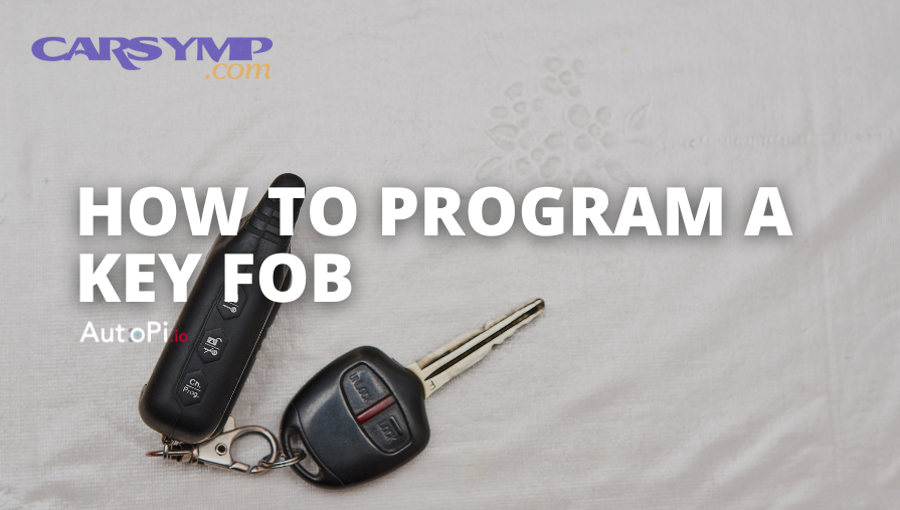
Learn Step-by-Step Key Programming & Reprogramming for Car Key Fobs — DIY Guide for Vehicle Owners (Remote/Transponder Keys)
If you want to program or reprogram a car key fob, the fastest path is to identify your key type (remote-only vs transponder vs smart key), confirm your vehicle supports onboard programming, then follow a proven step sequence to pair, verify, and avoid accidental key deletion. To make that work in real life, you also need a simple “success checklist” (fresh batteries, stable vehicle voltage, correct remote, and all keys present) because most programming failures come from preventable setup issues, not the actual pairing steps.
Daniel James Carter February 7, 2026 at 4:28 PM
Diagnose & Fix Key Not Recognized: Transponder Key + Immobilizer Antenna Ring (Reader Coil/PATS Transceiver) Issues for DIY Drivers
If your car says “Key Not Recognized” (or cranks but won’t start) and you suspect key transponder and antenna ring issues , the fastest solution is to confirm whether the immobilizer can read the chip and then fix the weak link—often the antenna ring/reader coil (transceiver) around the ignition barrel or its wiring. Next, you’ll learn how to interpret the symptoms you’re seeing—especially Immobilizer warning light meaning —so you don’t replace the wrong part when the real cause is low voltage, connector corrosion, or a failing transponder key.
Daniel James Carter February 7, 2026 at 4:19 PM
Diagnose & Fix “Car Starts Then Stalls”: Immobilizer (Anti-Theft) Causes—Key Fob/Transponder, Antenna Ring, ECU Sync—for DIY Drivers
If your car starts normally but stalls within a second or two, an immobilizer (anti-theft) block is one of the most common “it runs, then it dies” patterns—especially when the security light flashes or stays on and the engine never settles into an idle. The fastest way to solve this is to confirm the immobilizer is truly the cause, then fix the most likely trigger (key recognition, fob battery, antenna ring, or a sync issue) in a safe, repeatable order.
Daniel James Carter February 7, 2026 at 4:10 PM
Decode the Immobilizer (Anti-Theft) Warning Light Meaning for Car Owners: Normal vs Fault, Causes, and Fixes
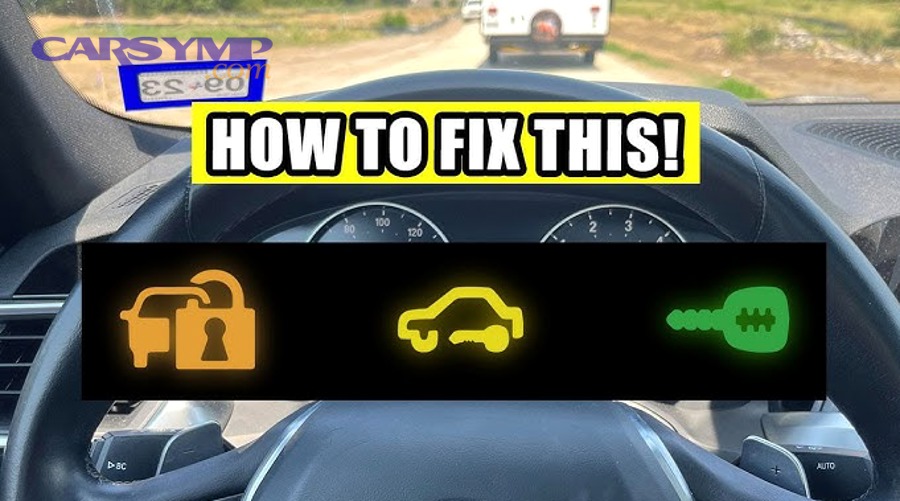
If your immobilizer warning light (often shown as a car-with-key or car-with-lock icon) turns on or flashes, it usually means the vehicle’s security system is either armed normally or is not accepting the key’s code , which can prevent starting. The fastest path is to read the light’s behavior (off/flashing/solid) and match it to what the car is doing (off/starting/running).
Daniel James Carter February 7, 2026 at 4:00 PM
How to Test (Check) an Ignition Switch with a Multimeter — Continuity & Voltage Steps for DIY Car Owners
If you want to test an ignition switch with a multimeter, the most reliable approach is to combine a power-off continuity/ohms test (to confirm the internal contacts open/close correctly) with a power-on voltage test (to confirm the switch actually delivers usable power in ACC/RUN/START). Next, you’ll also want a quick way to decide whether your readings point to a faulty ignition switch or to a different no-start cause—like a starter relay, neutral safety/clutch switch, wiring damage, or a weak battery—because those faults can look identical at first glance.
Daniel James Carter February 7, 2026 at 3:41 PM
Diagnose & Fix Anti-Theft (Immobilizer) Interaction With the Ignition Switch — No-Start Troubleshooting for Drivers
When a vehicle won’t start and the security light is acting up, the most effective fix is a structured diagnosis that separates a true immobilizer lockout from ordinary ignition switch problems , battery voltage drop, or starter circuit faults—so you repair the right part the first time. Many drivers also need a clear explanation of what the immobilizer actually does in the start chain (key → antenna ring → immobilizer/BCM → ECU/PCM), because that understanding makes symptoms like “crank/no-start” or “no-crank” instantly more predictable.
Daniel James Carter February 7, 2026 at 3:31 PM
Avoid Costly Mistakes: DIY Ignition Switch Replacement Safety Warnings & Precautions for Home Mechanics
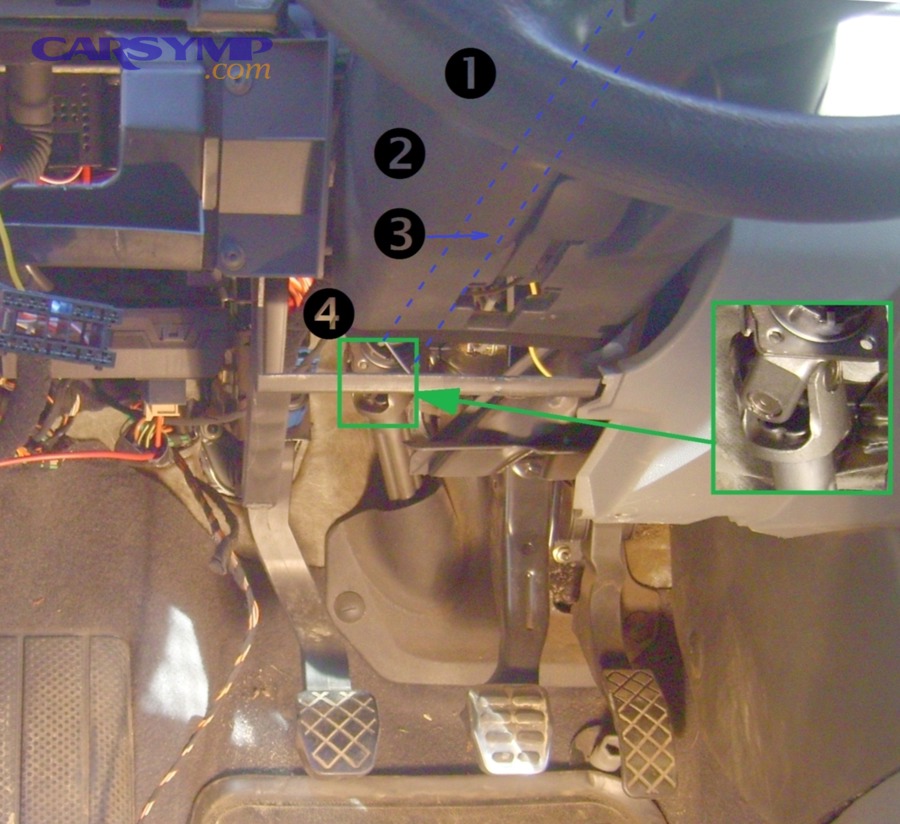
Replacing an ignition switch yourself can be safe and successful if you treat it as a safety-first electrical and steering-column job: you must isolate power, control airbag risk, protect wiring, and verify operation before reassembly—because the most expensive mistakes come from skipping precautions, not from turning the wrong screw. Next, you also need a clear DIY decision rule: some vehicles turn a “simple switch swap” into a programming or security-fastener problem, so the safest DIY plan includes early “stop and escalate” checkpoints before you get stuck with an immobilized car.
Daniel James Carter February 7, 2026 at 3:21 PM
Estimate the Price of Ignition Switch Replacement for Car Owners: Average Cost vs Lock Cylinder Repair
Replacing an ignition switch usually costs a few hundred dollars because the total price combines parts, labor time inside the steering column or dash, and sometimes anti-theft reprogramming —so the smartest “estimate” starts with a realistic range and the factors that push it up or down. ( repairpal.
Daniel James Carter February 7, 2026 at 3:11 PM
Unlock & Diagnose Steering Lock and Ignition Lock Cylinder Problems (Ignition Cylinder Failure Symptoms + Fixes) for Drivers & DIYers
A locked steering wheel and a key that won’t turn is usually fixable in minutes when you use the right “unlock + diagnose” sequence instead of forcing the key. The fastest safe method is to relieve steering lock tension first, then confirm basic interlocks (Park/Neutral, brake pedal), and only then evaluate whether the ignition lock cylinder is actually failing.
Daniel James Carter February 7, 2026 at 3:02 PM
Diagnose No-Crank Starts: Ignition Switch vs Starter Relay (Starting-Circuit Components) — DIY Drivers & Beginner Mechanics
A no-crank problem is most often solved by separating ignition switch vs starter relay faults using a simple logic chain: confirm it’s truly “no crank,” then check whether the START signal is leaving the ignition switch and whether the relay is passing that signal to the starter solenoid. Next, you’ll see how the starting circuit actually “hands off” electricity from a low-current command (your key or start button) to a high-current action (the starter motor turning the engine), so each symptom points to the right component instead of guesswork.
Daniel James Carter February 7, 2026 at 2:53 PM
Diagnose & Troubleshoot Intermittent Electrical Accessories Cutting Out in Your Car (DIY Drivers) — Fuses, Relays, Grounds & Alternator Checks
When electrical accessories cut out intermittently, you can diagnose the root cause by separating the problem into three buckets—power supply (battery/alternator), power distribution (fuses/relays/junctions), and control/command (ACC/ignition feed)—then testing each bucket under load until the failure point reveals itself. Next, you’ll learn how to interpret the most common symptom patterns (single accessory vs multiple, engine keeps running vs stalls, bumps/rain/heat triggers) so you stop guessing and start narrowing the fault to a shared circuit, a shared ground, or a shared control signal.
Daniel James Carter February 7, 2026 at 2:43 PM
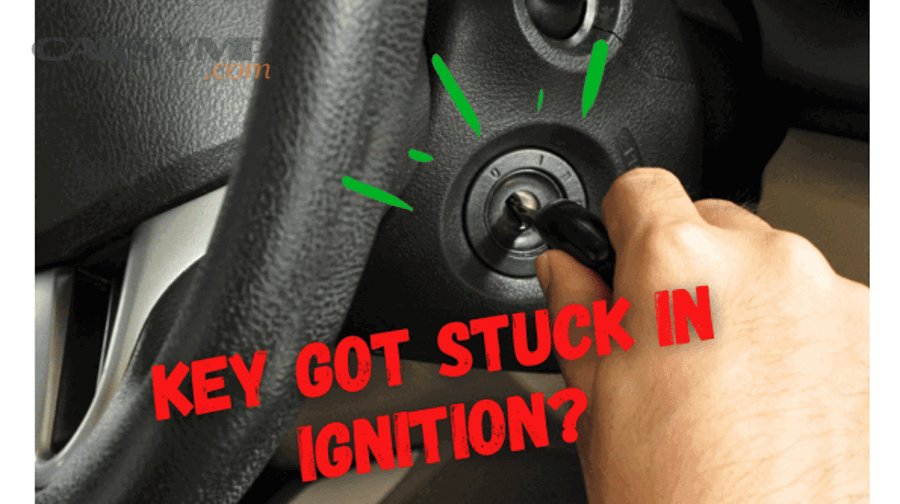
Diagnose & Fix Key Stuck in Ignition Causes (Ignition Lock Cylinder vs Shift-Interlock) — A Troubleshooting Guide for Drivers
A key stuck in the ignition is usually caused by a simple mechanical bind or an interlock not releasing, and you can often fix it safely by relieving steering-wheel tension, confirming the shifter is truly in Park, and gently working the key through the correct positions—without forcing the cylinder. Next, the fastest way to stop guessing is to narrow the fault to the steering lock, the ignition lock cylinder (wafers/tumblers and debris), or the shift-interlock system that ties key release to Park and the brake pedal.
Daniel James Carter February 7, 2026 at 2:33 PM
Diagnose No-Crank vs Crank-No-Start: Ignition & Starting-System Checklist for DIY Drivers (Battery, Starter, Relay, Switch)
If your car won’t start, you can diagnose it faster by first separating no-crank (the engine does not rotate) from crank-no-start (the engine rotates but won’t fire) and then following a proof-based checklist that targets the battery, starter, relay, and switch in the right order. Next, once you classify the symptom correctly, you can interpret the “small clues” that mislead most DIY drivers—like clicking noises, bright dash lights, or a jump start that “kind of works”—without skipping to the wrong conclusion.
Daniel James Carter February 7, 2026 at 2:24 PM
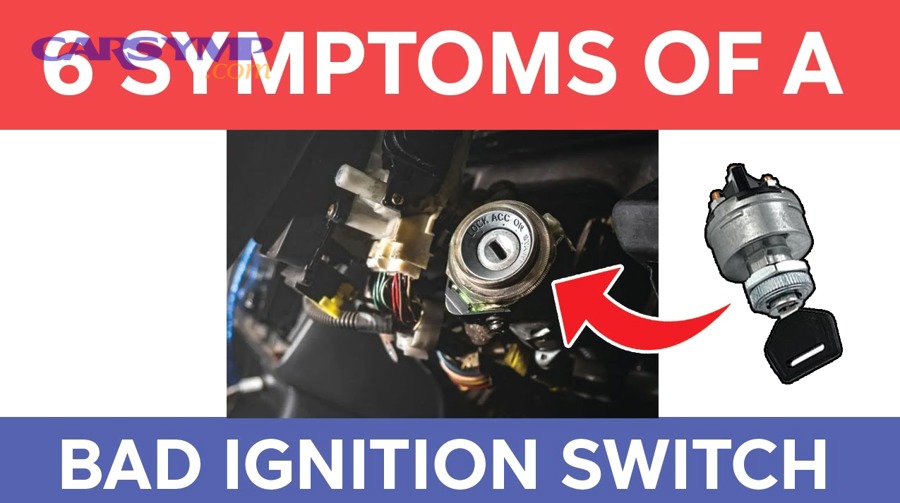
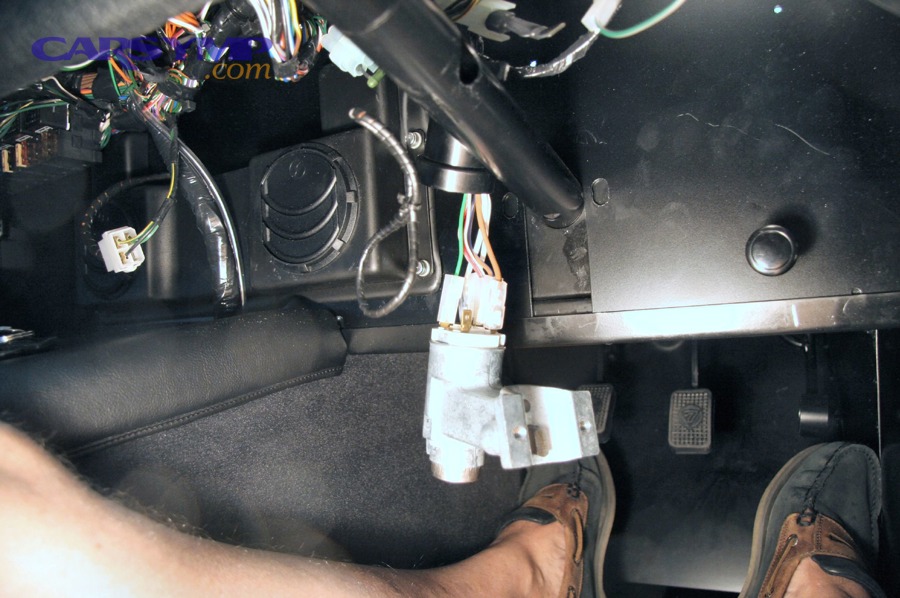
Identify the Warning Signs (Symptoms) of a Failing Ignition Switch for Drivers: No-Start, Stalling & Electrical Power Loss
A failing ignition switch usually shows up as a repeatable pattern: the car won’t crank or won’t start, it starts and immediately dies, or electrical power cuts in and out in ways that don’t match a weak battery. If you can spot that pattern early, you can prevent surprise no-start moments and reduce the risk of a stall at the wrong time.
Daniel James Carter February 7, 2026 at 2:14 PM
Diagnose the Humming (Droning) Noise Source: DIY Road Tests to Pinpoint Tire vs Wheel Bearing for Drivers
A humming or droning noise while driving can be diagnosed at home when you treat it like a controlled experiment: change one condition at a time (speed, steering load, road surface) and record what the sound does. This guide gives you safe DIY road tests that narrow the noise to the most common sources—tires or wheel bearings—without guessing or replacing parts blindly.
Daniel James Carter February 7, 2026 at 1:55 PM
Estimate Car Repair Costs by Likely Cause: Price Ranges and Diagnosis Guide for Drivers
When drivers try to estimate repair costs by likely cause, the most reliable approach is to move from symptom to probable fault and only then to a price range. A sound, vibration, leak, warning light, or performance change can point toward a low-cost fix such as a hose or sensor, a mid-range repair such as a wheel bearing or alternator, or a high-cost fault involving the drivetrain, cooling system, or engine internals.
Daniel James Carter March 17, 2026 at 4:25 AM
Assess If It’s Safe to Drive With a Humming (Droning) Noise in Your Car — Risk Checklist for Drivers
A humming or droning noise while driving is sometimes safe for a short, careful trip , but it can also be the early warning of a wheel bearing or tire failure —so the safest move is to classify the risk fast using symptom-based checks, then decide: stop now or drive carefully to service . Next, you’ll narrow the cause by matching the sound to patterns—does it change with speed, turning, braking, or road surface—so you can separate tire-related drone from wheel bearing growl and other rotating components that mimic them.
Daniel James Carter February 7, 2026 at 1:37 PM
Diagnose Exhaust Resonance (Drone) vs Wheel Hum (Bearing Noise): A Comparison Guide for Drivers
If you’re hearing a low, steady hum or boom in the cabin, you can usually pinpoint the source by testing what the sound “follows”: engine RPM and throttle (typical of exhaust resonance/drone) or vehicle speed and wheel load (typical of wheel hum from bearings/tires). The goal of this guide is to help you diagnose it quickly and confidently—before you replace parts that aren’t broken.
Daniel James Carter February 7, 2026 at 1:28 PM
Diagnose Humming Tire Noise: Wheel Alignment vs Wheel Balancing for Drivers (Whirring/Road-Noise Causes & Fixes)
A humming or whirring sound that rises with vehicle speed is most often tied to the rotating parts at the corners of your car—tires, wheels, and bearings—so the fastest path to a fix is figuring out whether the noise is coming from wheel alignment , wheel balancing , or a wheel bearing . The next step is to separate noise (a steady drone/roar that changes with road speed) from vibration (a shake you feel in the steering wheel, seat, or floor), because wheel balancing problems usually “announce” themselves by vibration before they become a true hum.
Daniel James Carter February 7, 2026 at 1:18 PM
Use the Steering-Input (Swerving) Noise Test to Diagnose Wheel Bearing vs Power Steering Issues — DIY Drivers
If you hear a steady noise that changes when you gently steer left or right, the steering-input (swerving) noise test can quickly narrow the source by using weight transfer to make one side of the car “work harder” than the other. Done correctly, it often points you toward a specific corner (like a wheel bearing) or away from the wheels and toward steering assist problems.
Daniel James Carter February 7, 2026 at 1:09 PM
Diagnose Differential (Final-Drive) Hum: Driveline Noise Clues to Pinpoint Bearings, U-Joints & Tire Lookalikes for DIY Drivers
A drivetrain hum is diagnosable if you treat it like a pattern: when the sound appears, how it changes, and where you feel it can usually narrow the cause to tires, wheel bearings, the driveline, or the differential itself. You don’t need to guess—you need a repeatable set of clues.
Daniel James Carter February 7, 2026 at 12:58 PM
Diagnose Road Noise From Tire Cupping (Scalloping): Identification Checklist for Drivers vs Wheel-Bearing Hum
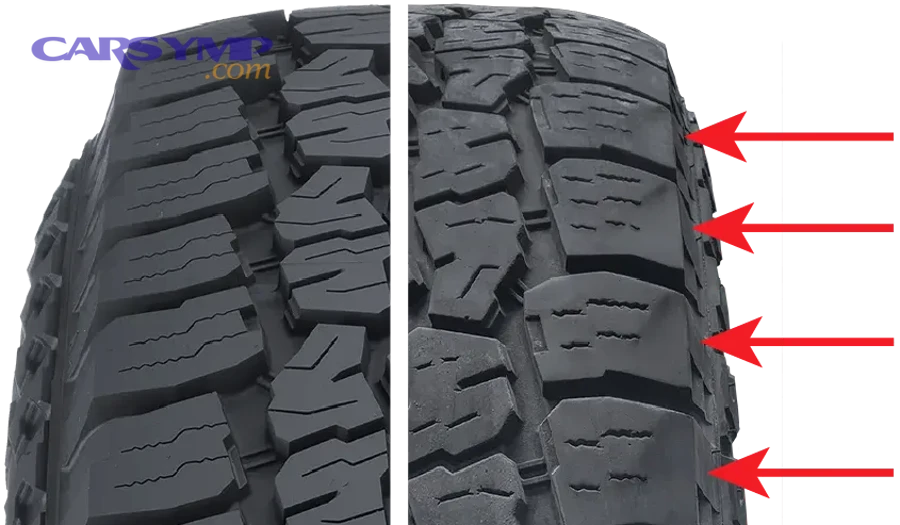
Road noise diagnosis is most accurate when you start with the wear pattern, not the sound alone: tire cupping (scalloping) usually creates a repeating, speed-linked drone that matches an uneven “dip-and-peak” tread surface you can often feel with your hand. Next, you can separate tire-related noise from a wheel-bearing hum by using a simple, driver-friendly checklist: how the sound changes with gentle lane loading, whether it migrates after tire rotation, and what your tread looks and feels like.
Daniel James Carter February 7, 2026 at 12:49 PM