Daniel James Carter
Lead Diagnostic Technician & Technical Content Author
Company / Organization
CarSymp
Experience / Skills
Check Engine Light diagnosis (OBD-II); engine performance & ignition/fuel systems; brake service; steering & suspension; AC/heater diagnostics; cooling system service; basic transmission diagnostics; electrical & battery/charging systems; maintenance schedules
About Daniel James Carter
Daniel James Carter (born July 14, 1988) is an Automotive Diagnostic & Repair Technician and the Lead Diagnostic Technician & Technical Content Author for this auto repair website. His work focuses on translating real shop-floor diagnostics into clear, step-by-step guidance for vehicle owners—especially around check-engine issues, climate control problems, brake safety, and steering/suspension wear.\n\nDaniel’s interest in mechanical systems started early, but his professional path became formal in 2006 when he began a structured apprenticeship in general automotive service. Between 2006 and 2008, he worked alongside senior technicians learning foundational skills—oil services, brake inspections, tire work, basic electrical checks, and service documentation. During this period, he also built the habits that still define his process today: verifying the customer’s concern, road-testing when safe, and confirming repairs with repeatable measurements.\n\nIn 2009, Daniel moved into a full-time automotive service technician role, where he handled a higher volume of maintenance and repair work (brakes, cooling systems, belts, ignition components, and driveline basics). By 2012, he shifted toward diagnostics, focusing on OBD-II fault tracing, fuel trim interpretation, misfire detection, smoke-testing intake leaks, and electrical circuit testing using wiring diagrams and voltage-drop methods.\n\nA major milestone came in 2015 when he began pursuing advanced professional credentials through the National Institute for Automotive Service Excellence (ASE). After completing multiple ASE exams and documenting the required hands-on experience, Daniel earned the ASE Master Automobile Technician designation in 2017. He continued building depth in drivability and emissions-related diagnostics and achieved the ASE L1 Advanced Engine Performance Specialist credential in 2019. He maintains his credentialing through ongoing study and periodic recertification, aligning his knowledge with modern engine management systems, updated scan-tool workflows, and evolving diagnostic standards.\n\nFrom 2018 to 2021, Daniel served as a senior technician in a busy service environment where his day-to-day work centered on complex complaints: intermittent stalling, hard starts, rough idle, overheating, vibration under braking, and AC systems that blow warm or smell musty. He became known for careful diagnosis before parts replacement, using a consistent checklist:\n\n\n Confirm the symptom and capture freeze-frame data.\n Test likely causes (air leaks, sensors, ignition, fuel delivery, charging system) with measurable evidence.\n Repair only after the failure is verified and the fix can be validated.\n Validate with a road test, live data review, and final inspection.\n\n\nIn 2022, Daniel began formalizing his field notes into consumer-friendly write-ups and troubleshooting guides. By 2023, he expanded that work into structured content for this website, combining real repair patterns with clear explanations of why failures happen (for example: how moisture and organic buildup can cause musty AC smell, why worn suspension joints can mimic wheel balance issues, or how vacuum leaks and weak ignition coils can trigger persistent misfires).\n\nToday, Daniel’s role on the website is to ensure every guide reflects practical repair reality—tools a shop actually uses, common misdiagnoses to avoid, and safety-first recommendations. He writes with the same standard he uses in the bay: the diagnosis must make sense, the repair must be verifiable, and the timeline from symptom to fix must be clear for the reader.

Related topics
Latest posts by Daniel James Carter


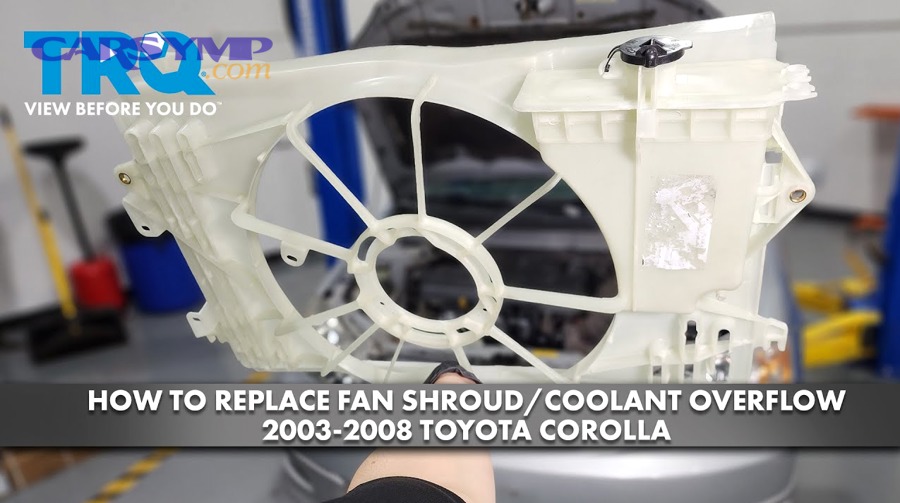
5 Warning Signs You Need to Replace Your Fan Shroud Assembly Before Engine Overheating
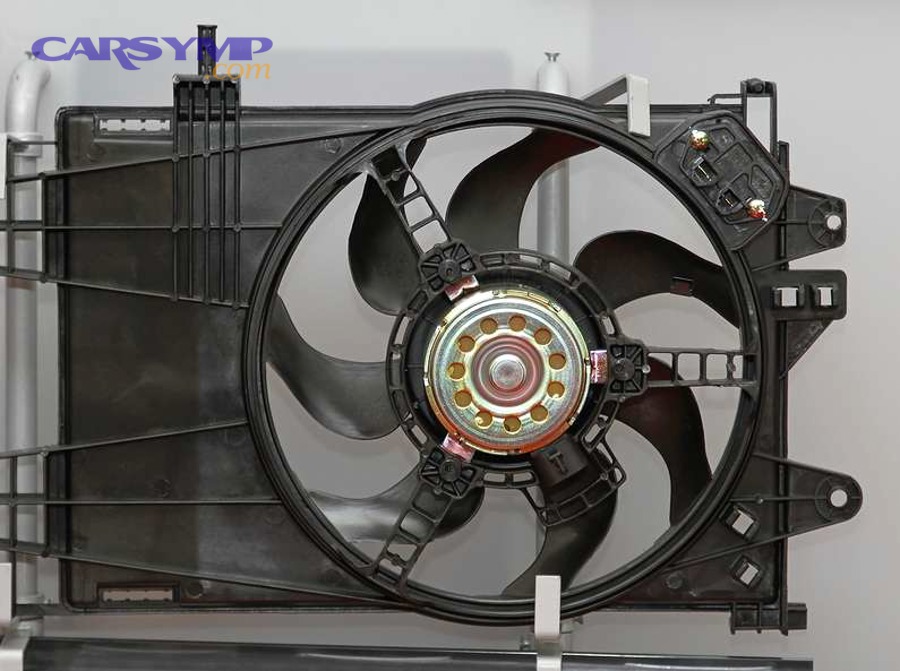
Your fan shroud assembly is one of the most overlooked components in your vehicle's cooling system — yet it is responsible for directing up to half of the airflow that keeps your engine from overheating. When this part cracks, warps, or breaks, the warning signs are unmistakable if you know what to look for.
Daniel James Carter February 14, 2026 at 9:14 AM
How to Prevent Fan Failures: 8 Maintenance Strategies to Eliminate Breakdowns
Fan failures are preventable when facility teams apply the right maintenance strategies before minor issues escalate into costly breakdowns. Whether you manage industrial exhaust systems, commercial HVAC units, or cooling fan assemblies, a structured approach to cleaning, inspection, lubrication, and electrical monitoring can eliminate the vast majority of unplanned downtime.
Daniel James Carter February 14, 2026 at 9:05 AM
How AC Fan Repairs Improve Cooling Performance, Efficiency & System Lifespan for Homeowners
AC fan repairs improve cooling performance by restoring proper airflow across condenser and evaporator coils, which directly enhances heat exchange, lowers energy consumption, and prevents cascading damage to critical components. When a fan motor malfunctions, the entire air conditioning system loses its ability to transfer heat efficiently, forcing the compressor to work harder and driving up monthly utility bills.
Daniel James Carter February 14, 2026 at 8:54 AM
How to Verify Fan-On Temperatures After Repair: A Complete Diagnostic Checklist for Technicians
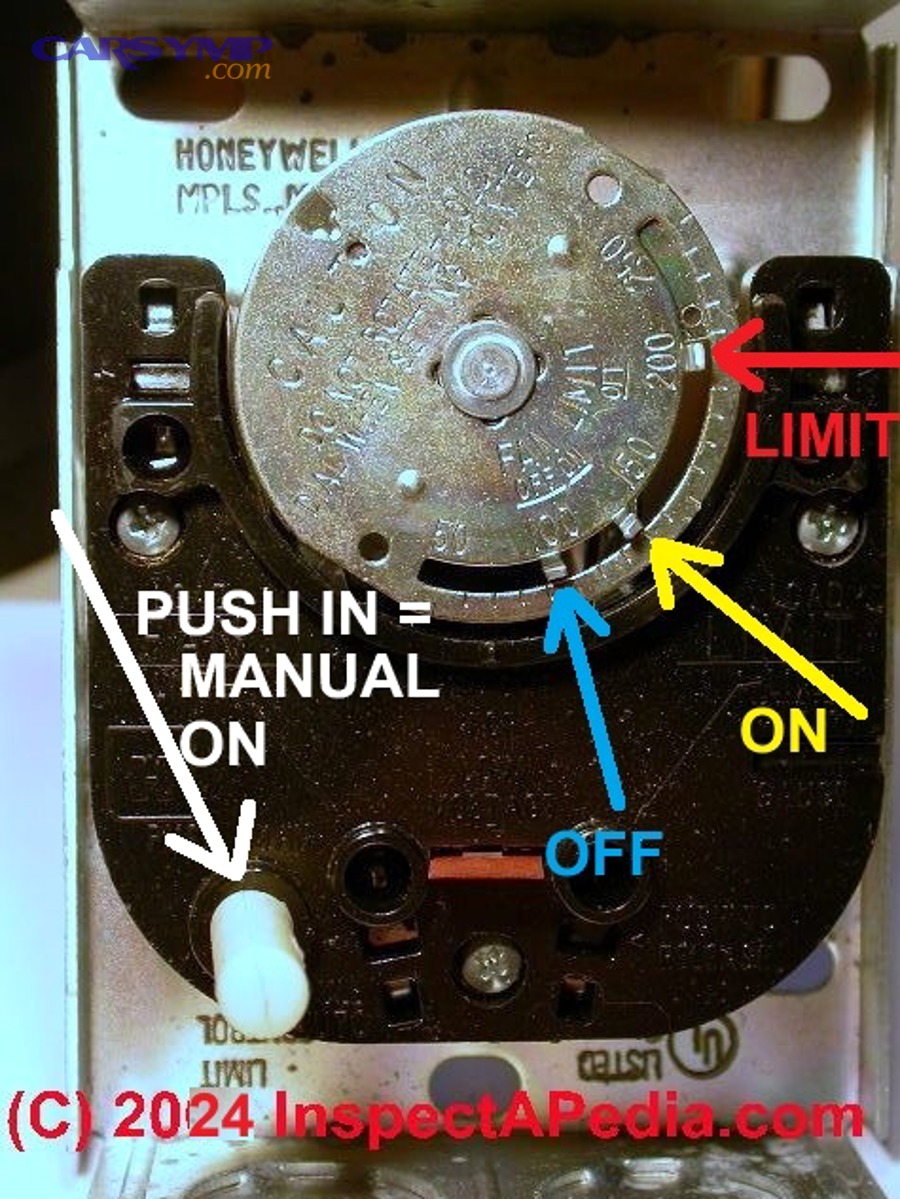
After completing a radiator fan repair or cooling system service, the single most important validation step is confirming that the cooling fan activates at the correct temperature. Verifying fan-on temperatures after repair involves monitoring coolant temperature data—either through a dashboard gauge or a scan tool—while the engine idles, and confirming the fan engages within the manufacturer-specified range of 200°F to 230°F.
Daniel James Carter February 14, 2026 at 8:42 AM
Radiator Fan Repair Labor Time: How Many Hours Does Replacement Cost You?
Radiator fan repair labor time typically ranges from 1 to 2.5 hours for most vehicles, though some models require up to 3 or even 4 hours when additional components must be removed for access.
Daniel James Carter February 14, 2026 at 8:23 AM
Wiring Repairs for Fan Circuit Faults: 9 Common Problems and Step-by-Step Solutions
A fan circuit fault occurs when an electrical disruption—such as a loose connection, damaged wire, or failed component—prevents your ceiling fan from operating correctly. Wiring repairs for fan circuit faults involve systematically diagnosing the root cause and restoring safe, reliable electrical flow through the fan's circuit.
Daniel James Carter February 14, 2026 at 8:14 AM
How to Diagnose a Bad Fan Control Module: Testing Methods for DIY Mechanics
Diagnosing a bad fan control module requires systematic testing using a multimeter, OBD-II scanner, and visual inspection to identify symptoms like fans failing to activate, running continuously, or operating intermittently. The diagnostic process involves checking power supply, ground connections, control signals, and verifying fan motor functionality to isolate whether the module itself has failed or if issues lie in related components like relays, wiring, or temperature sensors.
Daniel James Carter February 13, 2026 at 10:17 AM
Fan Relay and Resistor Repair vs. Replacement: 7 Options Every Car Owner Should Consider
When your vehicle's cooling fan stops working or your HVAC blower only operates at high speed, you face a critical decision: should you repair the fan relay and resistor, replace them entirely, or explore alternative solutions? The answer depends on three key factors—your diagnostic findings, budget constraints, and long-term reliability goals.
Daniel James Carter February 13, 2026 at 10:01 AM
Complete Radiator Fan Replacement Guide: Costs, DIY Steps & When to Replace for Car Owners
A radiator fan replacement involves removing the old cooling fan assembly and installing a new unit, typically costing between $200-$1,144 for professional service or $50-$400 for DIY replacement, with the process taking 1-3 hours depending on vehicle complexity and whether you replace just the motor or the entire assembly. This comprehensive guide covers everything car owners need to know about radiator fan replacement, from identifying failure symptoms to executing a successful installation and choosing between professional and DIY approaches.
Daniel James Carter February 13, 2026 at 9:33 AM
12 Fast-Acting Temporary Cooling Methods for Emergency Situations (Without AC)
When your air conditioning fails during a heatwave or a power outage strikes in summer, you need immediate cooling solutions to protect your health and property. The 12 fast-acting temporary cooling methods for emergency situations include DIY techniques like cold compresses and blocking sunlight, portable equipment such as spot coolers and battery-powered fans, strategic hydration practices, and professional emergency cooling rental services—all designed to reduce indoor temperatures quickly without relying on central AC.
Daniel James Carter February 13, 2026 at 9:01 AM
Can You Drive With a Broken Radiator Fan? Safety Risks & Emergency Guide for Car Owners
Driving with a broken radiator fan is technically possible but highly dangerous and not recommended for most situations. While your vehicle can move with a malfunctioning cooling fan, the risk of catastrophic engine damage increases exponentially, especially in stop-and-go traffic, hot weather, or when idling.
Daniel James Carter February 13, 2026 at 8:43 AM![Fix Dual-Fan Systems Not Working: 7 Common Problems & Solutions [DIY Guide]](https://carsymp.com/wp-content/uploads/2026/02/photo-1581092918056-0c4c3acd3789-3.jpg)
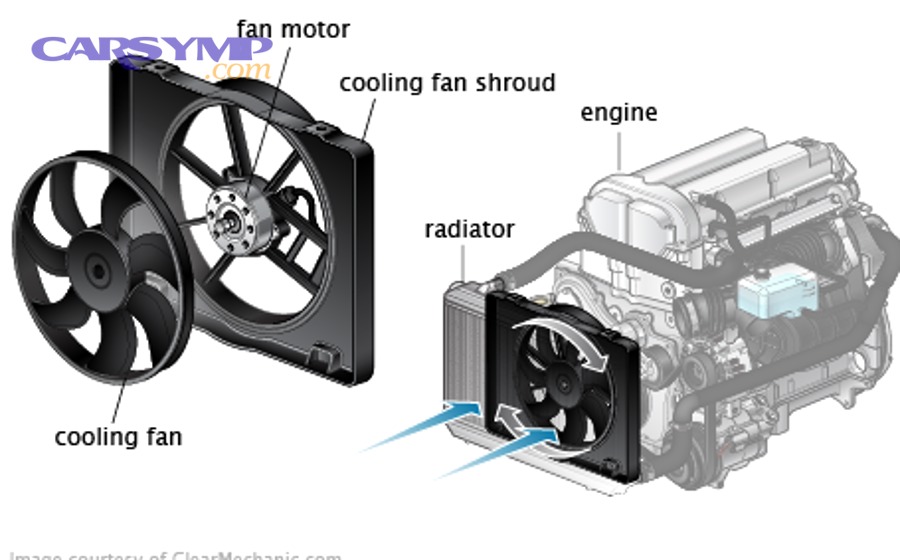
Fix Dual-Fan Systems Not Working: 7 Common Problems & Solutions [DIY Guide]
Dual-fan systems fail due to motor malfunctions, power supply issues, capacitor failures, bearing damage, wiring errors, control switch problems, and temperature sensor defects—each requiring specific diagnostic steps and targeted repair solutions. These cooling configurations appear in automotive radiators, computer cases, window units, and ceiling fans, where synchronized operation depends on multiple interconnected components working together flawlessly.
Daniel James Carter February 13, 2026 at 8:27 AM
Radiator Fan Repair Cost Estimate: Parts, Labor & Total Price Breakdown (2026)
A radiator fan repair cost estimate typically ranges from $100 to $1,600 or more, depending on whether you need a simple relay swap, a motor replacement, or a complete fan assembly replacement. On the low end, replacing a blown fan fuse or faulty relay can cost around $100 to $150, while a full radiator fan assembly replacement averages $1,022 to $1,144 when you factor in both parts and professional labor.
Daniel James Carter February 14, 2026 at 8:32 AM![7 Critical Signs of Fan Failure Causing Overheating [Before Complete Breakdown]](https://carsymp.com/wp-content/uploads/2026/02/How-to-Prevent-and-Fix-Engine-Overheating-1080x1080-1-4.webp)
7 Critical Signs of Fan Failure Causing Overheating [Before Complete Breakdown]
Fan failure causing overheating manifests through seven critical warning signs: unusual noises (grinding, rattling, buzzing), reduced airflow, consistently high temperature readings, burning smells, visible component damage, failure to engage, and irregular operation patterns. Detecting these signs early prevents complete system breakdown, costly repairs, and potentially dangerous equipment failure across automotive, industrial, and HVAC applications.
Daniel James Carter February 12, 2026 at 3:49 AM
How to Test a Radiator Fan Directly with Battery: 3 Simple Methods for Car Owners
Testing a radiator fan directly with a battery involves disconnecting the fan's electrical connector and applying 12-volt power from the car battery using jumper wires to verify motor functionality. This bypass method eliminates electrical system variables like relays, fuses, and wiring harnesses, allowing you to determine whether the fan motor itself is operational or faulty.
Daniel James Carter February 12, 2026 at 3:30 AM
How to Diagnose AC Fan Not Working: 8 Common Causes & Troubleshooting Steps for Homeowners
An AC fan not working typically results from eight primary causes: faulty capacitor, burnt-out motor, power supply interruptions, thermostat malfunctions, compressor contactor failure, debris obstruction, frozen evaporator coil, or damaged wiring. Homeowners can diagnose most issues through systematic troubleshooting that begins with simple visual and auditory inspections, progresses through safe electrical checks, and concludes with component-specific testing.
Daniel James Carter February 12, 2026 at 3:14 AM
How to Diagnose Fan Motor vs Temperature Sensor vs Control Module Failures for Car Owners
When your vehicle's cooling fan stops working properly, the culprit is typically one of three components: the fan motor, the temperature sensor, or the control module. Identifying which component has failed requires understanding the distinct symptoms each produces—fan motors fail mechanically and won't spin when directly powered, temperature sensors cause incorrect timing or no fan activation despite overheating, and control modules create erratic behavior like continuous running or complete system unresponsiveness.
Daniel James Carter February 12, 2026 at 2:52 AM
Complete Guide to OBD Connector Diagnosis and Repair for Automotive Technicians
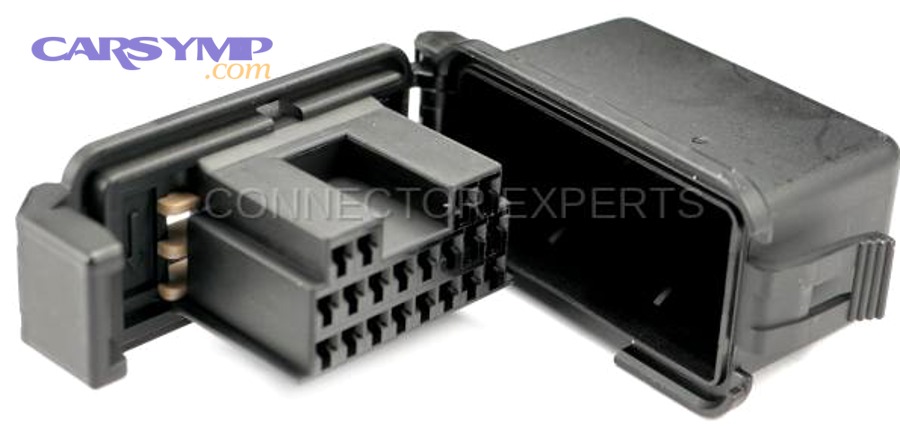
The OBD connector serves as the critical interface between diagnostic tools and a vehicle's electronic control systems, enabling technicians to identify malfunctions through standardized communication protocols. When this 16-pin diagnostic port fails due to corrosion, damaged pins, or electrical issues, vehicles cannot communicate error codes, making accurate troubleshooting impossible.
Daniel James Carter February 12, 2026 at 2:34 AM
Understanding Relays: Complete Guide to Types, Functions, and Applications for Engineers and Beginners
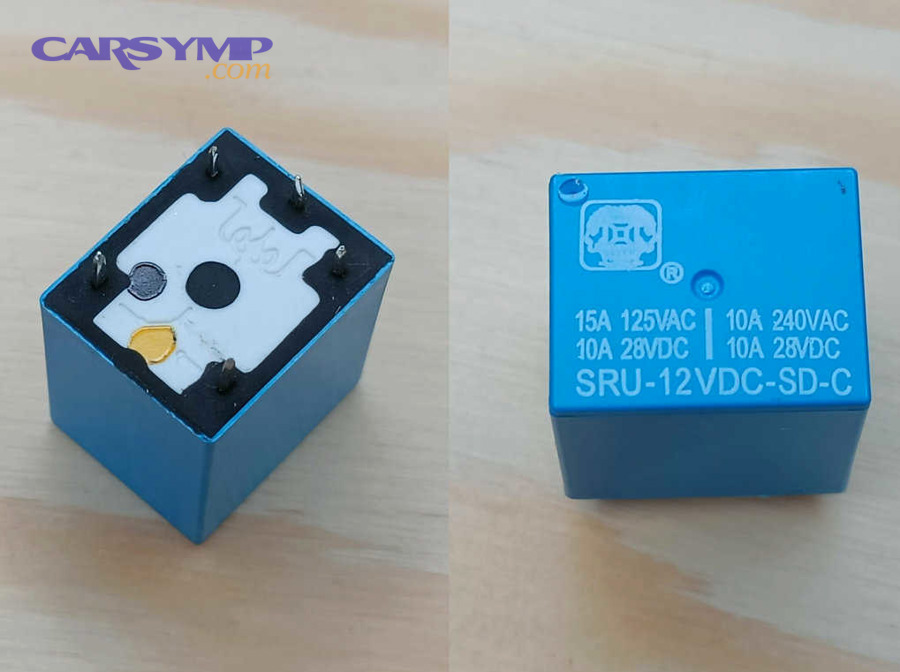
A relay is an electrically operated switch that uses a low-power signal to control a high-power circuit through electromagnetic induction, serving as a critical component in electrical systems for circuit isolation, protection, and automation. Relays function by energizing a coil that creates a magnetic field, which then moves an armature to open or close contacts, allowing safe control of large loads from small control signals.
Daniel James Carter February 12, 2026 at 2:20 AM![Complete Guide: Choose and Replace Fan Fuses for Box, Ceiling, and Motor Fans [2026]](https://carsymp.com/wp-content/uploads/2026/02/photo-1486262715619-67b85e0b08d3-26.jpg)
Complete Guide: Choose and Replace Fan Fuses for Box, Ceiling, and Motor Fans [2026]
Choosing the correct fan fuse requires matching three critical specifications: amperage rating (typically 2.5A-5A for household fans, 20A-40A for automotive), voltage rating (125V for standard fans, 250V for motors), and physical dimensions (most commonly 5x20mm glass tubes for box fans or thermal cutoffs for motor protection).
Daniel James Carter February 12, 2026 at 1:39 AM
7 Critical Radiator Fan Failure Symptoms Every Driver Must Recognize
Your vehicle's cooling system depends on a functioning radiator fan to prevent engine overheating, especially when idling or moving at low speeds. Recognizing radiator fan failure symptoms early—such as engine overheating at idle, the fan not spinning when the engine is hot, dashboard warning lights, poor air conditioning performance, unusual noises from the engine bay, blown fuses, and visible damage—can help you avoid costly engine damage and dangerous roadside breakdowns.
Daniel James Carter February 12, 2026 at 1:19 AM
7 Proven Ways to Prevent Window Regulator Failure in Your Car
Preventing window regulator failure requires seven essential practices: avoiding frozen window operation, maintaining clean tracks, lubricating components regularly, recognizing early warning signs, never forcing stuck windows, protecting against climate damage, and scheduling professional inspections. These preventive measures address the primary causes of regulator breakdown—wear from environmental factors, debris accumulation, improper use, and lack of maintenance—helping car owners extend their window regulator's lifespan and avoid costly repairs.
Daniel James Carter February 12, 2026 at 12:38 AM
How to Fix Intermittent Power Windows: 7 Wiring Issues Causing Failures
Intermittent power windows that work sporadically indicate underlying wiring problems in your vehicle's electrical system, with seven primary failure points causing these frustrating malfunctions. The most common culprits include broken wires in the door hinge area, corroded ground connections, faulty master switch wiring, damaged wire insulation, intermittent circuit breakers, loose connector terminals, and broken solder joints.
Daniel James Carter February 12, 2026 at 12:22 AM
How to Reset Your Auto-Up Window Feature: Step-by-Step Guide for All Car Owners
Resetting your auto-up window feature requires a simple 10-second procedure involving lowering and raising the window fully while holding the switch, which restores the power window control unit memory after battery disconnection or replacement. This reset process works for most vehicles and takes less than five minutes to complete, eliminating the need for expensive dealership visits or diagnostic tools.
Daniel James Carter February 12, 2026 at 12:05 AM
Calculate Power Window Repair Cost: Complete Price Guide for Car Owners (OE vs Aftermarket Options)
Power window repair costs range from $100 to $600 on average, depending on the component that needs replacement, your vehicle type, and whether you choose original equipment (OE) or aftermarket parts. The most common repairs include window motor replacement ($200-$300), regulator replacement ($250-$700), and switch replacement ($50-$300), with labor costs accounting for approximately 40-60% of the total bill.
Daniel James Carter February 11, 2026 at 11:38 PM
How to Fix Off-Track and Rattling Window Repairs: Complete DIY Guide for Car & Home Windows
Off-track and rattling window repairs require identifying the root cause—worn rollers, broken clips, damaged tracks, or loose hardware—then applying the appropriate fix based on whether you have car power windows, manual windows, or home sliding and double-hung windows. Most DIY repairs cost between $1 and $150 for parts and take 1-3 hours, while professional repairs range from $200 to $500 for cars and $175 to $1,000 for home windows depending on damage severity.
Daniel James Carter February 11, 2026 at 11:24 PM
How to Fix Slow Car Windows: 7 Lubrication Methods for Smooth Operation
Slow car windows frustrate drivers daily, but proper lubrication fixes most issues without expensive repairs. The seven essential lubrication methods include cleaning and lubricating window tracks, servicing weatherstripping, maintaining the regulator mechanism, deep cleaning channels, lubricating felt channels, servicing motor connections, and establishing preventive maintenance schedules.
Daniel James Carter February 11, 2026 at 11:05 PM
How to Diagnose Power Window Fuse and Switch Problems: Step-by-Step Troubleshooting for DIY Car Owners
Power window fuse and switch problems can be systematically diagnosed by checking the fuse first, then testing the switch with a multimeter or bypass method, and finally inspecting wiring connections for corrosion or damage. Most DIY car owners can complete this diagnostic process using basic tools like a test light, fuse puller, and screwdriver, resolving issues without expensive mechanic visits in approximately 60-90 minutes.
Daniel James Carter February 11, 2026 at 10:48 PM
How to Diagnose Window Regulator vs Motor Failures: Testing Methods for DIYers
When your car window stops working, the problem typically stems from either a failing window motor or a broken window regulator, and identifying which component has failed requires listening for specific sounds, observing movement patterns, and performing simple hands-on tests that separate electrical failures from mechanical breakdowns. The window motor converts electrical signals into rotational power, while the regulator translates that rotation into vertical glass movement—when one fails, your window becomes stuck, falls into the door, or moves erratically.
Daniel James Carter February 11, 2026 at 10:26 PM
10 Common Causes of Power Windows Not Working (Complete Diagnostic Checklist)
Power windows not working is typically caused by one of ten primary issues: blown fuses, faulty switches, burned-out motors, failed regulators, damaged wiring, engaged window locks, frozen components, obstructed tracks, disconnected regulator arms, or weak batteries. These malfunctions stem from electrical failures, mechanical wear, or environmental factors that interrupt the power delivery or movement mechanism within your vehicle's door panel.
Daniel James Carter February 11, 2026 at 10:13 PM
How to Perform Post-Repair Bleeding and Noise Checks: Complete Vehicle Inspection Guide
Post-repair bleeding and noise checks involve systematic verification of brake system repairs through fluid circulation testing and acoustic diagnostics to ensure complete air removal and identify component issues before returning a vehicle to service. Vehicle owners who skip these critical inspections risk driving with compromised braking performance, air-trapped hydraulic lines, or improperly installed components that produce warning sounds indicating safety hazards.
Daniel James Carter February 11, 2026 at 9:33 PM
Avoid These Critical DIY Repair Pitfalls: Essential Safety Guide for Home and Auto Projects
DIY repair pitfalls include electrical hazards causing electrocution and fires, gas line errors leading to carbon monoxide poisoning, improper plumbing causing thousands in water damage, and structural mistakes compromising building integrity—all stemming from inadequate knowledge, wrong tools, and underestimating complexity. Understanding these dangerous mistakes before attempting repairs protects you from injuries, prevents costly escalations where $100 fixes become $10,000 disasters, and helps you make informed decisions about when professional expertise is non-negotiable for safety and legal compliance.
Daniel James Carter February 11, 2026 at 9:01 PM
Electric vs Hydraulic Power Steering: 7 Critical Differences Every Driver Should Know
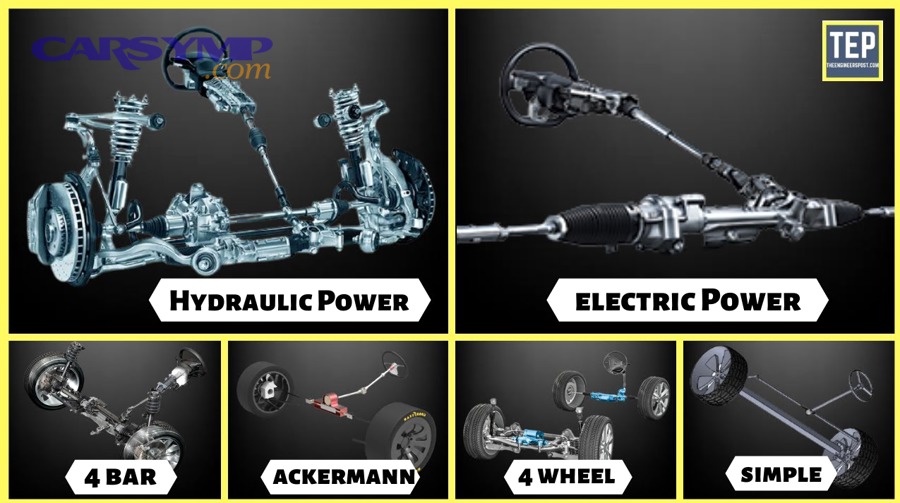
Electric power steering (EPS) differs from hydraulic power steering primarily in its power source, with EPS using an electric motor powered by the vehicle's battery while hydraulic systems rely on an engine-driven pump and pressurized fluid. The seven critical differences include energy efficiency (EPS consumes power only when steering, improving fuel economy by 2-3%), maintenance requirements (EPS eliminates fluid changes but risks electrical failures), steering feel (hydraulic provides superior road feedback), cost considerations (EPS has higher initial costs but lower maintenance expenses), weight and space efficiency (EPS is lighter and more compact), performance consistency across speeds, and technology integration capabilities that enable advanced driver assistance systems.
Daniel James Carter February 11, 2026 at 8:40 PM
Metal Debris in Food: 7 Critical Warning Signs Consumers Must Know in 2026
Metal debris in food represents one of the most serious physical contamination hazards facing consumers in 2026, with over 1.5 million bags of shredded cheese alone recalled in recent months due to metal fragment contamination.
Daniel James Carter February 11, 2026 at 8:23 PM
How to Properly Flush Your Plumbing System After Leak Repairs: Complete Homeowner Guide
Flushing your plumbing system after leak repairs is essential to remove debris, sediment, pipe compound residue, and air pockets that accumulate during the repair process, ensuring clean water flow and preventing damage to fixtures and appliances. The flushing procedure involves systematically running water through all pipes, starting from the lowest floor and progressing upward, while removing aerators and screens to allow contaminants to exit freely.
Daniel James Carter February 11, 2026 at 7:57 PM
Complete Power Steering Leak Repair Cost Breakdown: Parts, Labor & Price Comparison for Car Owners (2026)
Power steering leak repair costs range from $150 to $670 on average, with expenses varying based on the leak's location, required parts, labor rates, and vehicle type. The total cost breaks down into two main components: parts (ranging from $10 for O-rings to $500 for rack and pinion assemblies) and labor (typically $40 to $200 per hour depending on your location and shop type).
Daniel James Carter February 11, 2026 at 7:39 PM
How to Diagnose Pump Shaft Seal Leaks: 7 Common Causes & Troubleshooting Steps for Maintenance Engineers
Pump shaft seal leaks occur when the sealing mechanism between the rotating shaft and stationary pump housing fails, allowing excessive fluid escape due to wear, misalignment, dry running, vibration, improper installation, material incompatibility, or operating condition deviations. Maintenance engineers diagnose these leaks through systematic visual inspection, operating parameter verification, alignment checks, and vibration analysis to identify root causes and prevent costly downtime.
Daniel James Carter February 11, 2026 at 7:24 PM
Steering Rack Seal Leak: Repair vs Replacement Guide for Car Owners
When facing a steering rack seal leak, car owners should repair the seal if the leak is minor, accessible, and costs between $120-$400, but should replace the entire rack when dealing with severe internal seal failure, multiple leak points, or rack bar damage, with replacement costs ranging from $500-$2,500 depending on the vehicle. The decision between these two options fundamentally depends on leak severity, location accessibility, vehicle age, and long-term reliability needs, with seal repair offering immediate cost savings but rack replacement providing extended warranty protection and comprehensive system renewal.
Daniel James Carter February 11, 2026 at 7:03 PM
Compare Power Steering Hose Replacement Alternatives: Pressure vs. Return Lines for DIY Mechanics
Power steering hose replacements divide into two main categories—high-pressure lines and low-pressure return lines—with distinct construction, pressure ratings, and replacement costs that DIY mechanics must evaluate before purchase. High-pressure hoses handle 1,500 PSI with steel-braided reinforcement, while return hoses operate at 150-400 PSI using flexible rubber construction, creating fundamental differences in pricing, durability, and installation complexity that directly impact replacement decisions.
Daniel James Carter February 11, 2026 at 6:44 PM
7 Essential Steps to Diagnose Power Steering Leaks for DIY Car Owners
Diagnosing a power steering leak involves seven essential steps: recognizing warning signs, gathering proper tools, preparing your vehicle, inspecting key components systematically, performing dynamic tests, confirming the leak source, and interpreting what different leak locations reveal about underlying problems. These steps enable DIY car owners to identify leak sources accurately without professional equipment, saving diagnostic fees while determining whether repairs require immediate professional intervention or can be handled independently.
Daniel James Carter February 11, 2026 at 6:25 PM
7 Proven Maintenance Strategies to Prevent Power Steering Leaks for Car Owners
Power steering leaks can be prevented through seven essential maintenance strategies: regular fluid level checks, using the correct fluid type, scheduled fluid flushes, hose and connection inspections, proper driving habits, serpentine belt monitoring, and preventive seal conditioner applications. These proactive measures address the root causes of leaks—aging seals, pressure stress, and fluid degradation—before they escalate into costly repairs requiring pump replacements or rack and pinion overhauls.
Daniel James Carter February 11, 2026 at 5:54 PM
How to Replace Power Steering Hoses: Complete DIY Guide for Beginners
Replacing power steering hoses is a manageable DIY repair that involves removing old, worn hoses from the power steering pump and rack, installing new hoses with fresh O-rings, and bleeding the system to remove air. This complete guide walks you through the entire process step-by-step, from identifying when your hoses need replacement to refilling and testing your power steering system.
Daniel James Carter February 11, 2026 at 5:39 PM
Essential Guide to Temporary Top-Up Insurance: Risks, Benefits & Expert Guidance for Policyholders
Temporary top-up insurance is a supplemental health coverage policy that activates when your base insurance limits are exhausted, providing additional financial protection against high medical costs at a fraction of the premium you'd pay to increase your base coverage. This specialized insurance product works by requiring policyholders to meet a predetermined deductible—typically equal to their base policy's sum insured—before the top-up coverage kicks in to pay for additional medical expenses.
Daniel James Carter February 11, 2026 at 5:26 PM
Whining Transmission Noise & Low Fluid Connection: Causes, Symptoms & Solutions for Drivers
A whining transmission noise directly indicates low fluid levels in most cases, as insufficient fluid prevents proper lubrication, causes pump cavitation, and creates metal-on-metal contact that generates high-pitched sounds. When transmission fluid drops below optimal levels, the hydraulic pump begins sucking air instead of fluid, producing a distinctive whine that intensifies during acceleration or gear changes.
Daniel James Carter February 11, 2026 at 2:59 PM
Estimate Power Steering Leak Repair Cost: 2025 Price Guide for Car Owners
The average cost to repair a power steering leak in 2025 ranges from $150 to $670, with most repairs falling between $500 and $650 depending on the leak location and component requiring replacement. This comprehensive price guide helps car owners understand what they'll pay for inspection, diagnosis, parts, and labor when addressing power steering fluid leaks.
Daniel James Carter February 11, 2026 at 2:43 PM
How to Detect Power Steering Leaks Using UV Dye Testing: Complete Guide for DIY Mechanics
UV dye testing for power steering leaks is a fluorescent detection method that uses specially formulated dye and ultraviolet light to pinpoint the exact source of power steering fluid leaks, making it up to 10 times more accurate than visual inspection alone. This professional-grade diagnostic technique involves adding UV-reactive dye to your power steering system, allowing it to circulate, then using a UV lamp to scan for bright yellow-green fluorescence that reveals even the smallest leaks in hoses, seals, pumps, and rack-and-pinion assemblies.
Daniel James Carter February 11, 2026 at 2:30 PM
Can You Drive with a Power Steering Fluid Leak? Risks & Safety Guide for Car Owners
Yes, you can technically drive with a power steering fluid leak, but it's not recommended due to three critical safety concerns: progressive loss of steering control that makes maneuvering dangerous, potential pump damage from operating without lubrication, and increased accident risk during emergency situations. While your vehicle won't immediately stop functioning, continuing to drive transforms a manageable repair into a safety hazard that threatens both you and other drivers on the road.
Daniel James Carter February 11, 2026 at 2:12 PM
Choose the Right Power Steering Fluid: Complete Type and Compatibility Guide for Your Vehicle
Choosing the right power steering fluid requires understanding three main types—Automatic Transmission Fluid (ATF), synthetic, and mineral-based—and matching them to your vehicle's specific compatibility requirements based on make, model, and year. Using incompatible fluid can damage seals, destroy the power steering pump, and create costly repairs that easily exceed several hundred dollars.
Daniel James Carter February 11, 2026 at 1:58 PM
How to Diagnose Power Steering Leaks: Rack vs Pump vs Hose Identification Guide for DIYers
Power steering leaks originate from three main sources: the pump assembly, the hoses and lines, or the steering rack, with each component displaying distinct leak patterns and symptoms that DIYers can identify through systematic visual inspection. The pump typically leaks at the shaft seal where it connects to the pulley, creating drips directly below the front of the engine bay.
Daniel James Carter February 11, 2026 at 1:41 PM