Daniel James Carter
Lead Diagnostic Technician & Technical Content Author
Company / Organization
CarSymp
Experience / Skills
Check Engine Light diagnosis (OBD-II); engine performance & ignition/fuel systems; brake service; steering & suspension; AC/heater diagnostics; cooling system service; basic transmission diagnostics; electrical & battery/charging systems; maintenance schedules
About Daniel James Carter
Daniel James Carter (born July 14, 1988) is an Automotive Diagnostic & Repair Technician and the Lead Diagnostic Technician & Technical Content Author for this auto repair website. His work focuses on translating real shop-floor diagnostics into clear, step-by-step guidance for vehicle owners—especially around check-engine issues, climate control problems, brake safety, and steering/suspension wear.\n\nDaniel’s interest in mechanical systems started early, but his professional path became formal in 2006 when he began a structured apprenticeship in general automotive service. Between 2006 and 2008, he worked alongside senior technicians learning foundational skills—oil services, brake inspections, tire work, basic electrical checks, and service documentation. During this period, he also built the habits that still define his process today: verifying the customer’s concern, road-testing when safe, and confirming repairs with repeatable measurements.\n\nIn 2009, Daniel moved into a full-time automotive service technician role, where he handled a higher volume of maintenance and repair work (brakes, cooling systems, belts, ignition components, and driveline basics). By 2012, he shifted toward diagnostics, focusing on OBD-II fault tracing, fuel trim interpretation, misfire detection, smoke-testing intake leaks, and electrical circuit testing using wiring diagrams and voltage-drop methods.\n\nA major milestone came in 2015 when he began pursuing advanced professional credentials through the National Institute for Automotive Service Excellence (ASE). After completing multiple ASE exams and documenting the required hands-on experience, Daniel earned the ASE Master Automobile Technician designation in 2017. He continued building depth in drivability and emissions-related diagnostics and achieved the ASE L1 Advanced Engine Performance Specialist credential in 2019. He maintains his credentialing through ongoing study and periodic recertification, aligning his knowledge with modern engine management systems, updated scan-tool workflows, and evolving diagnostic standards.\n\nFrom 2018 to 2021, Daniel served as a senior technician in a busy service environment where his day-to-day work centered on complex complaints: intermittent stalling, hard starts, rough idle, overheating, vibration under braking, and AC systems that blow warm or smell musty. He became known for careful diagnosis before parts replacement, using a consistent checklist:\n\n\n Confirm the symptom and capture freeze-frame data.\n Test likely causes (air leaks, sensors, ignition, fuel delivery, charging system) with measurable evidence.\n Repair only after the failure is verified and the fix can be validated.\n Validate with a road test, live data review, and final inspection.\n\n\nIn 2022, Daniel began formalizing his field notes into consumer-friendly write-ups and troubleshooting guides. By 2023, he expanded that work into structured content for this website, combining real repair patterns with clear explanations of why failures happen (for example: how moisture and organic buildup can cause musty AC smell, why worn suspension joints can mimic wheel balance issues, or how vacuum leaks and weak ignition coils can trigger persistent misfires).\n\nToday, Daniel’s role on the website is to ensure every guide reflects practical repair reality—tools a shop actually uses, common misdiagnoses to avoid, and safety-first recommendations. He writes with the same standard he uses in the bay: the diagnosis must make sense, the repair must be verifiable, and the timeline from symptom to fix must be clear for the reader.

Related topics
Latest posts by Daniel James Carter


How to Rotate Directional Tires: Rules, Patterns & Common Mistakes to Avoid
Directional tires must always be rotated front-to-rear on the same side of the vehicle — never crossed from left to right without first dismounting them from the wheel. This single rule separates directional tire rotation from every other rotation pattern and is the most important thing any driver needs to understand before scheduling service.
Daniel James Carter March 10, 2026 at 12:23 AM
Should You Include Wheel Balancing During Every Tire Rotation? A Driver’s Decision Guide
Wheel balancing does not need to be included during every single tire rotation — but it should be included far more often than most drivers realize. The decision hinges on your mileage since the last balance, the road conditions you drive on, and whether you are noticing any symptoms in your vehicle's ride quality.
Daniel James Carter March 10, 2026 at 12:13 AM
Tire Rotation Cost vs. DIY: Which Option Really Saves Car Owners More Money?
Professional tire rotation costs between $20 and $75 per visit at most shops, while a DIY setup requires a one-time tool investment of $150 to $350 — but the real savings question goes far deeper than either number alone. When you factor in rotation frequency, long-term tire replacement costs, and the risk of doing it wrong, the math shifts considerably depending on your situation.
Daniel James Carter March 10, 2026 at 12:04 AM
Tire Rotation and TPMS: What Every Driver Must Know About Sensor Recalibration
Tire rotation and TPMS sensor recalibration are two maintenance tasks that are deeply connected — yet most drivers treat them as completely separate concerns. When you rotate your tires, the physical sensors move to new wheel positions, but your vehicle's computer still maps each sensor ID to its original corner.
Daniel James Carter March 9, 2026 at 11:54 PM
7 Clear Warning Signs Your Car Tires Are Overdue for a Rotation
Your car tires are overdue for a rotation when you notice uneven tread wear between the front and rear axles, feel steering wheel vibration at highway speeds, experience the vehicle pulling to one side, hear unusual road noise, or find one tire losing air faster than the others. These warning signs share a common root cause: tires wearing down at different rates because each wheel position carries a different load, handles a different amount of braking force, and absorbs a different degree of road stress.
Daniel James Carter March 9, 2026 at 11:43 PM
How Often to Rotate Tires: Recommended Intervals by Drivetrain to Maximize Tread Life
Most drivers should rotate their tires every 5,000 to 7,500 miles — or roughly every six months — to keep tread wear even and extend the life of all four tires. This interval is the universal baseline recommended by virtually every major tire manufacturer and vehicle OEM, though your exact schedule depends on how and where you drive.
Daniel James Carter March 9, 2026 at 11:33 PM
Complete Tire Rotation Pattern Guide: Choose the Right Method for Every Vehicle & Extend Tread Life
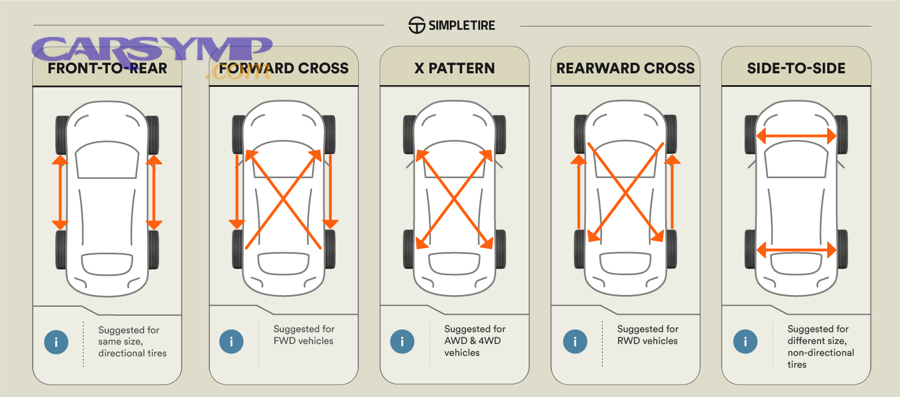
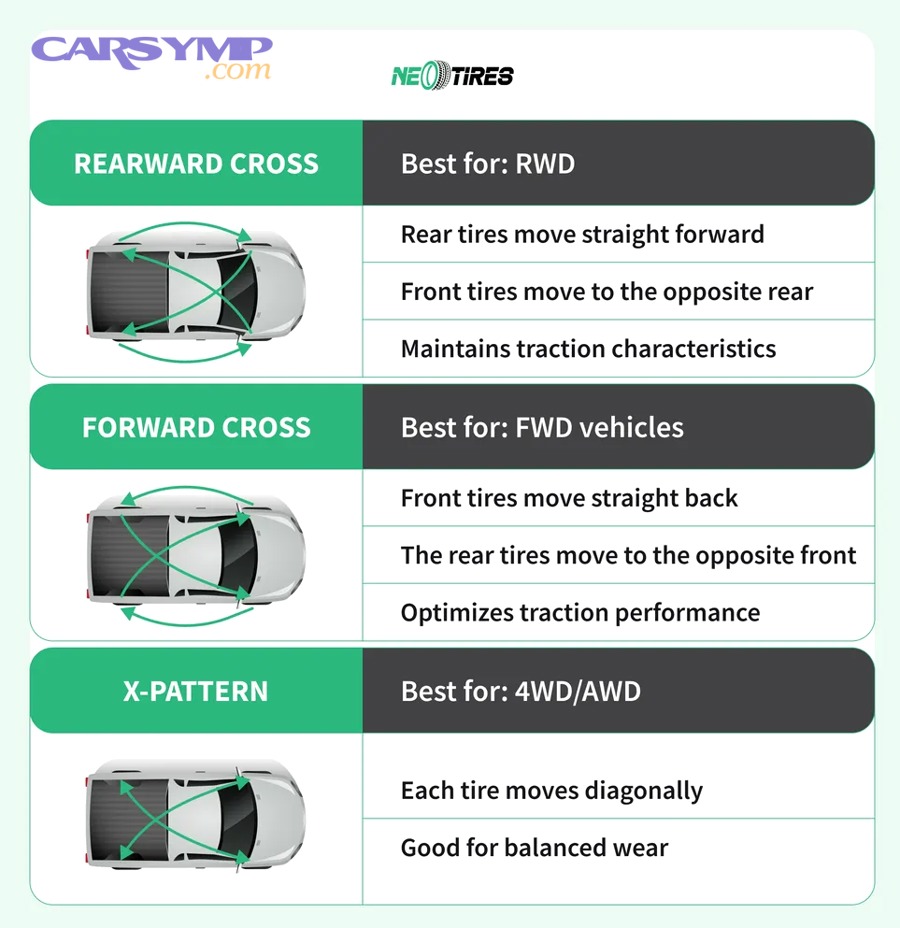
Tire rotation patterns are the specific sequences used to reposition each tire on your vehicle — and choosing the wrong one doesn't just waste your time, it accelerates uneven tread wear, compromises handling, and can void your tire warranty. The four primary patterns — Forward Cross, Rearward Cross, X-Pattern, and Front-to-Rear — each serve a distinct purpose based on your drivetrain, tire type, and whether your front and rear tires share the same size.
Daniel James Carter March 9, 2026 at 11:24 PM
How to Break In Your New Engine the Right Way: Essential Tips for the First 500 Miles
Breaking in a new engine correctly during the first 500 miles is the single most important thing you can do to protect your investment and maximize long-term performance. The break-in period works by allowing microscopic surface irregularities on pistons, rings, cylinder walls, and bearings to wear smooth under controlled conditions — and the outcome of those first miles will influence how your engine performs for the next 50,000 or more.
Daniel James Carter March 9, 2026 at 11:02 PM
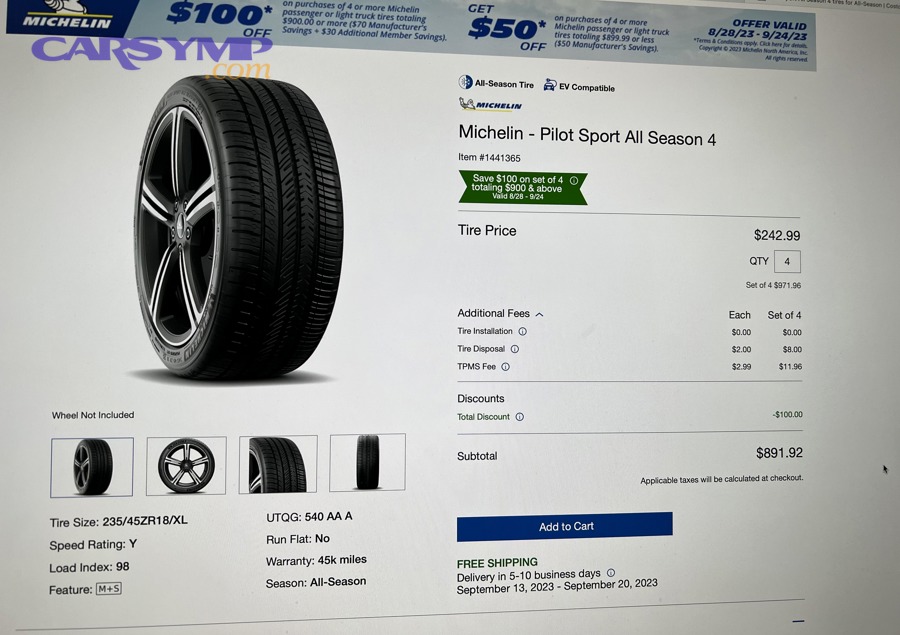
How to Read a Tire Quote: Understanding Every Fee, Charge, and Hidden Cost
When you get a tire quote, the number staring back at you is rarely what you'll actually pay at the register. A tire quote is an itemized estimate that breaks down the cost of tires plus every service and fee required to get them mounted, balanced, and road-ready on your vehicle.
Daniel James Carter March 9, 2026 at 10:52 PM
Replace 2 or 4 Tires? Best Practices Every Driver Should Know Before Buying
When a tire blows out or wears down unevenly, the question every driver faces is the same: do you replace just the damaged tire, swap out a pair, or replace all four at once? The answer depends on three key variables — your drivetrain type, your remaining tread depth, and how much tread mismatch your vehicle can safely tolerate.
Daniel James Carter March 9, 2026 at 10:42 PM
Why Mixing Tire Brands and Tread Patterns Is Dangerous: Key Risks Every Driver Should Avoid
Mixing tire brands and tread patterns is dangerous because it breaks the fundamental requirement that all four tires on a vehicle work as a unified, balanced system. When tires from different manufacturers or with different tread designs are installed together, they grip the road at inconsistent rates, brake with unequal force, and wear down at different speeds — creating a vehicle that behaves unpredictably precisely when predictability matters most.
Daniel James Carter March 9, 2026 at 10:31 PM
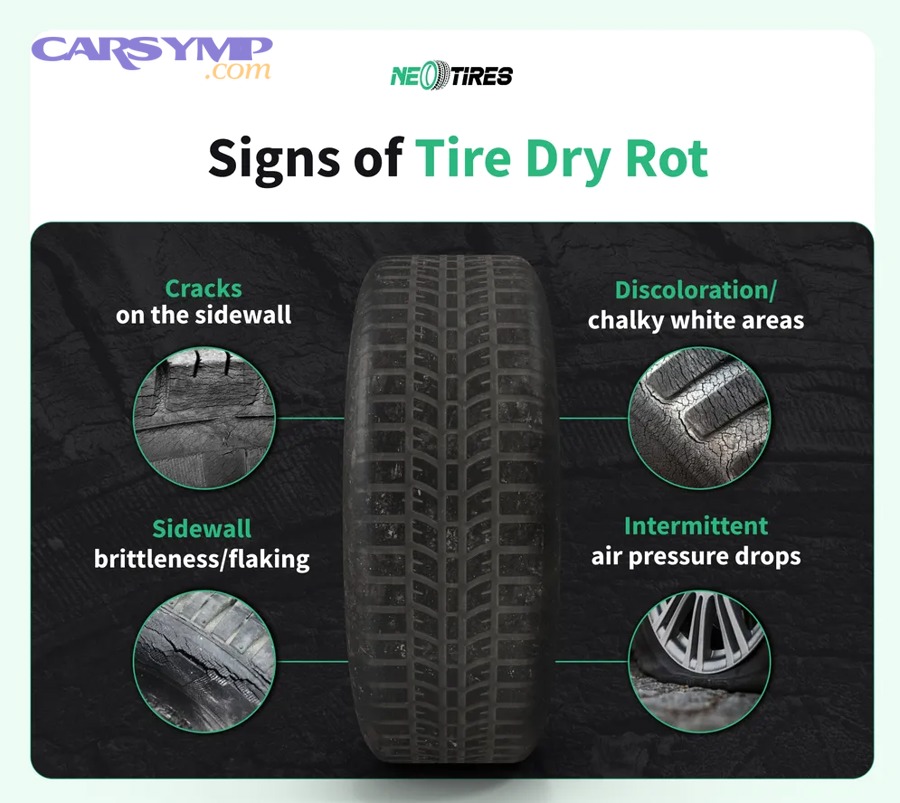
Tire Age and Dry Rot: 7 Warning Signs Your Tires Are Failing (And When to Replace Them)
Tire dry rot is one of the most dangerous and overlooked forms of tire deterioration — and it often goes unnoticed until a blowout forces the issue. Your tires can look acceptable from a distance while quietly losing the structural integrity needed to keep you safe at highway speeds.
Daniel James Carter March 9, 2026 at 10:21 PM
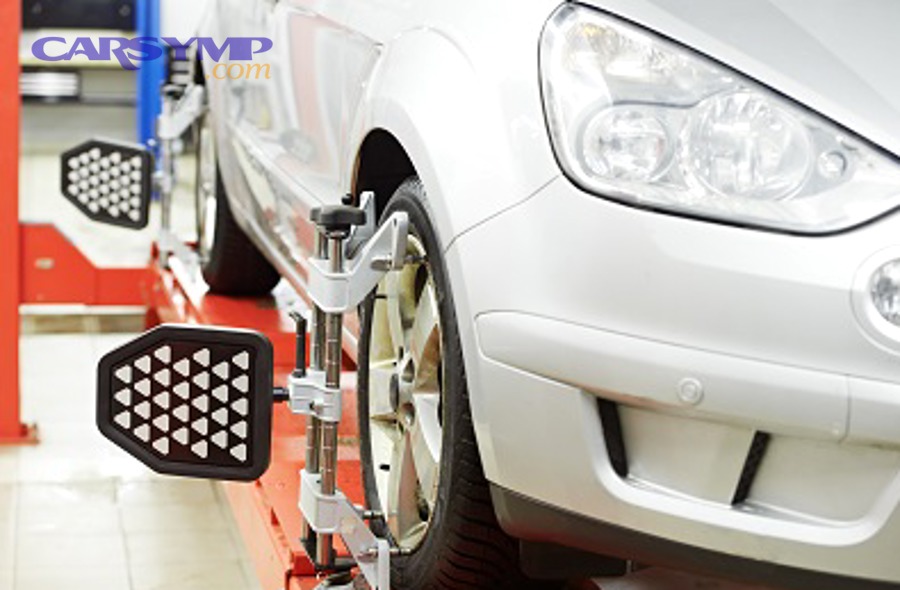
New Tires: Do You Need Balancing and Alignment? Expert Recommendations for Drivers
Yes, new tires absolutely need both balancing and alignment — and skipping either service is one of the most common and costly mistakes drivers make after a tire replacement. Even brand-new tires carry microscopic manufacturing imperfections that create uneven weight distribution from the very first mile.
Daniel James Carter March 9, 2026 at 10:10 PM
How Much Does Tire Replacement Really Cost? A Complete Estimate Breakdown for Car Owners
Tire replacement cost typically ranges from $460 to $1,280 for a full set of four tires , with individual tires priced anywhere from $50 to over $1,000 depending on type, brand, and vehicle class. Most car owners, however, are caught off guard not by the tire price itself but by what surrounds it — labor, balancing, disposal fees, and warranties that quietly inflate the final invoice.
Daniel James Carter March 9, 2026 at 9:59 PM
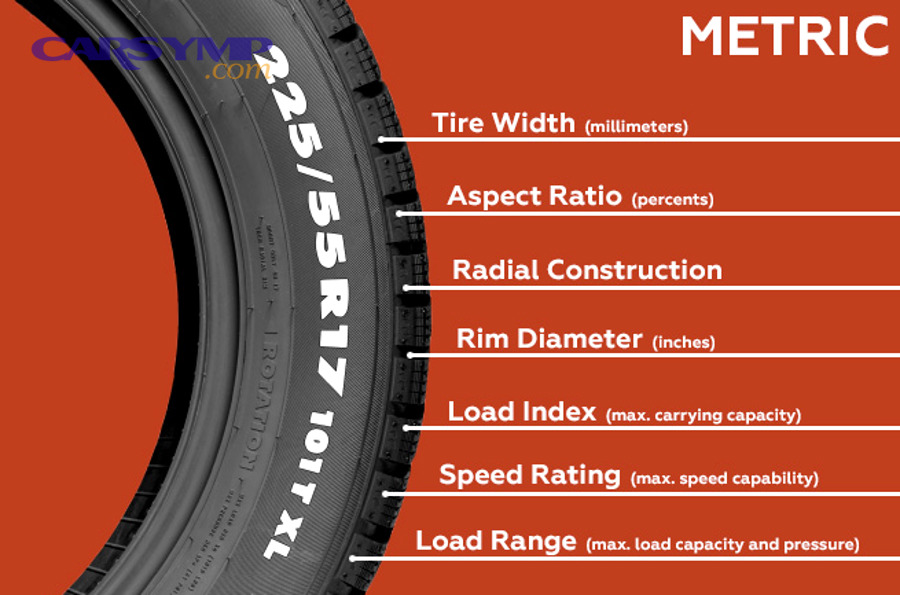
How to Read Tire Size and Load Rating: A Complete Guide for Car Owners
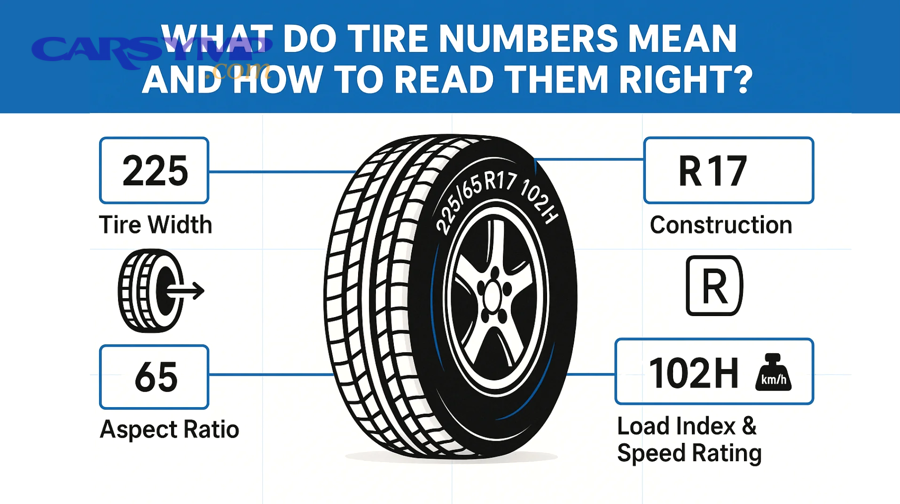
Reading the sidewall of a tire is one of the most practical skills a car owner can develop. Every tire carries a standardized alphanumeric code that tells you exactly what size it is, how much weight it can safely support, and how fast it is rated to travel.
Daniel James Carter March 9, 2026 at 9:49 PM
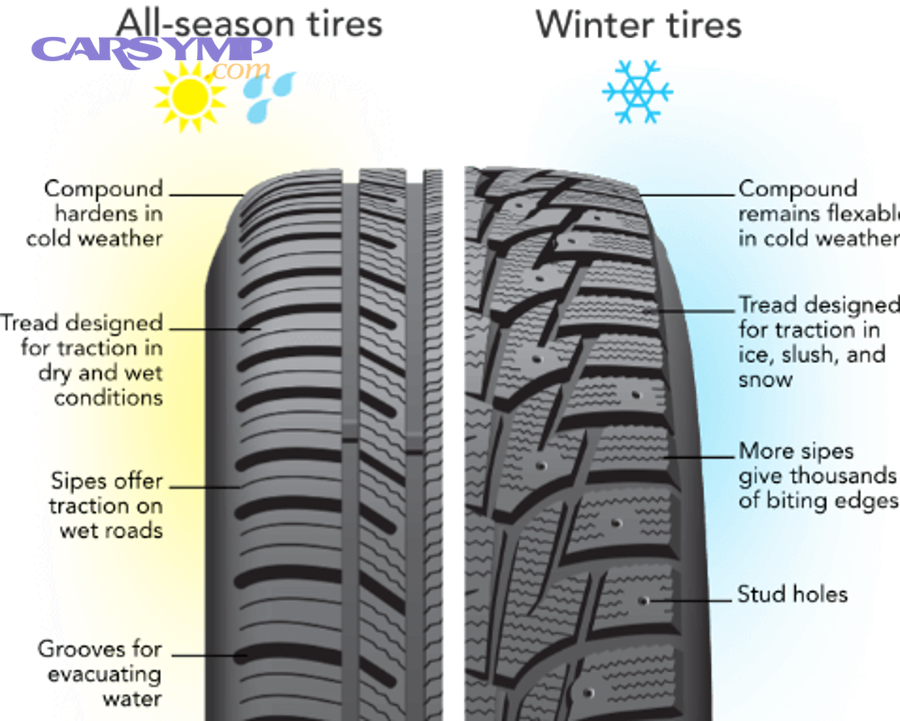
How to Choose the Right Tire: All-Season vs. Performance vs. Winter for Every Driver
Choosing the right tire is one of the most consequential decisions a driver makes — and the answer is never one-size-fits-all. All-season, performance, and winter tires each serve a distinct purpose, engineered for different temperatures, road surfaces, and driving demands.
Daniel James Carter March 9, 2026 at 9:38 PM
When to Replace Your Car Tires: Key Warning Signs Every Driver Should Know
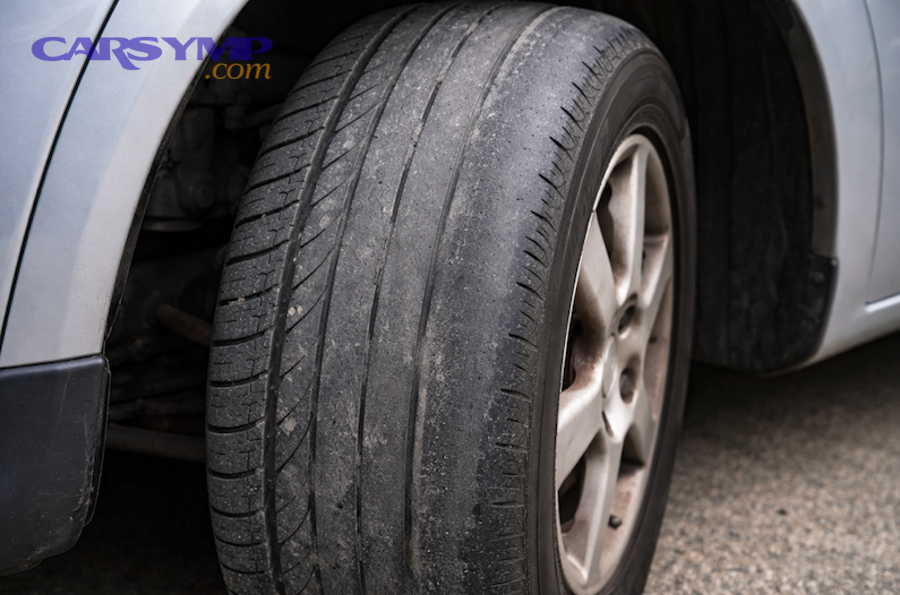
Your car tires need to be replaced when the tread depth falls to 2/32 of an inch or below, when the tires are 10 or more years old regardless of visible condition, or when you notice visible damage such as bulges, cracks, or sidewall cuts that compromise structural integrity. These are not arbitrary numbers — they are the safety thresholds established by leading tire manufacturers including Michelin, Bridgestone, and General Tire, backed by decades of engineering research and real-world crash data.
Daniel James Carter March 9, 2026 at 9:26 PM
Stop Getting Flat Tyres: Proven Methods for Preventing Future Punctures on Any Bike
Preventing future punctures is one of the most valuable investments any cyclist can make — not just in equipment, but in knowledge and habit. Flat tyres are not purely bad luck.
Daniel James Carter March 9, 2026 at 9:03 PM
How Long Does a Repaired Tire Last? Lifespan of Patches, Plugs & Combos Explained
A repaired tire can last anywhere from a few weeks to the full remaining life of the tire — but only if the right repair method is used, the damage qualifies for repair, and the work is done by a professional. A plug-patch combination repair, which is the gold standard endorsed by the U.
Daniel James Carter March 9, 2026 at 8:52 PM
TPMS After a Puncture Repair: What Every Driver Needs to Check, Reset, and Know
After a tyre puncture repair, your TPMS requires specific attention — not just a reinflation and a reset. The Tire Pressure Monitoring System in your vehicle is a safety-critical component, and the process of dismounting, repairing, and remounting a tyre introduces real risks to the sensor, the system's calibration, and the accuracy of future warnings.
Daniel James Carter March 9, 2026 at 8:43 PM
How to Check for Slow Tire Leaks After Repair: Signs the Fix Didn’t Hold
A tire repair that appears complete can still fail silently. Checking for slow tire leaks after repair is the critical final step that most drivers skip — and that omission is exactly why a freshly patched tire ends up flat again three days later.
Daniel James Carter March 9, 2026 at 8:33 PM
Tire Puncture Repair Cost: How Much Drivers Really Pay for a Patch or Plug
A tire puncture repair typically costs between $10 and $50 at most shops, though the final price depends heavily on the type of repair performed, the location of the damage, and where you take your vehicle. For a simple plug, drivers often pay as little as $5 to $20.
Daniel James Carter March 9, 2026 at 8:22 PM
What a DIY Puncture Repair Kit Can and Cannot Fix — Safety Rules Every Driver Must Know
A DIY puncture repair kit can safely fix a tyre puncture only when the damage sits within the central tread area and measures no more than 6mm (¼ inch) in diameter. These are the two non-negotiable gatekeepers.
Daniel James Carter March 9, 2026 at 8:12 PM
Complete Guide to Tire Puncture Repair at a Shop: Step-by-Step Process Every Driver Should Know
A tire puncture repair performed at a professional shop is the only method that delivers a safe, permanent fix — and understanding exactly what that process involves helps every driver make smarter decisions after a flat. When a nail, screw, or road debris punctures your tire, the instinct is often to grab a roadside plug kit and move on.
Daniel James Carter March 9, 2026 at 8:01 PM
Tire Puncture Location Rules: Which Zones Allow Safe Repair (And Which Don’t)
Where a nail lands on your tire matters far more than most drivers realize. Tire puncture location rules establish a clear boundary: only punctures within the central 75% of the tread width — a zone known as the "minor repair area" or crown — qualify for a safe, industry-approved repair.
Daniel James Carter March 9, 2026 at 7:51 PM
When a Puncture Is Not Repairable: Key Signs Your Tire Needs Replacing
A tire puncture is not repairable when the damage falls outside the tread's central repair zone, exceeds 6mm in diameter, or occurs alongside structural compromise such as sidewall cracking, exposed cords, or belt separation. These conditions cross the threshold defined by the Tire Industry Association (TIA) and British Standard BSAU159, beyond which no patch-plug combination can restore safe, long-term performance.
Daniel James Carter March 9, 2026 at 7:40 PM
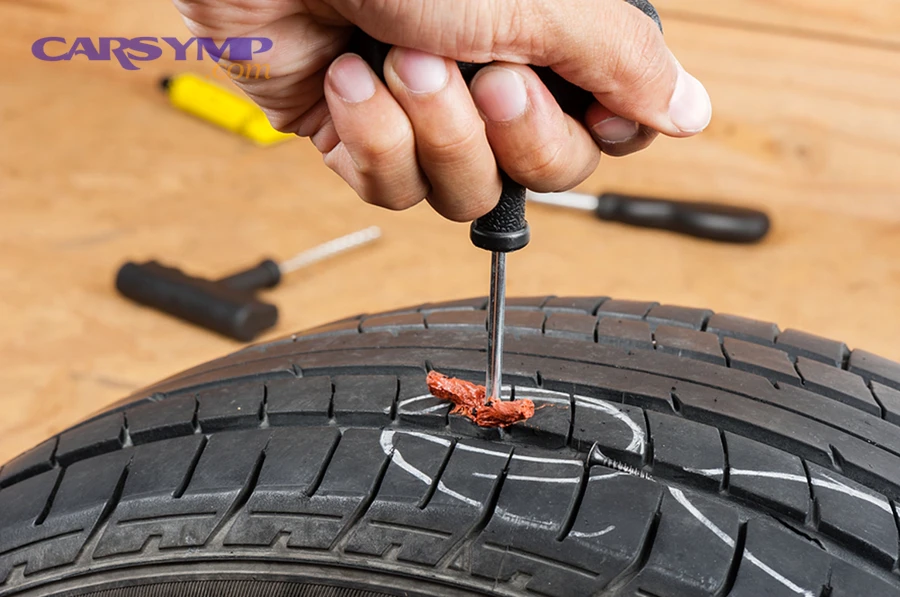
Tire Plug vs. Patch: Which Flat Tire Repair Actually Lasts Longer and When to Use Each
When a nail pierces your tire on the highway, the repair decision you make in the next few minutes — or at the shop — directly affects how long that tire will safely carry you down the road. A tire plug wins for speed and roadside convenience, a tire patch delivers a stronger and more durable seal, and a plug-patch combo is the only method that industry authorities consider a complete, permanent repair.
Daniel James Carter March 9, 2026 at 7:30 PM
tire pressure monitoring system service
DIY vs. Professional TPMS Service: Key Considerations Every Car Owner Should Know Before Deciding
When it comes to tire pressure monitoring system service, the decision between doing it yourself and paying a professional is rarely black and white. Both routes are legitimate — but each comes with trade-offs in cost, complexity, and risk that can significantly affect the outcome.
Daniel James Carter March 9, 2026 at 7:09 PM
tire pressure monitoring system service
Why Seasonal Temperature Changes Trigger TPMS Alerts — and How Drivers Can Respond
Seasonal temperature changes trigger TPMS alerts because the air inside your tires physically contracts in cold weather and expands in heat, causing tire pressure to rise or fall enough to cross the monitoring system's warning threshold. This is not a malfunction — it is a predictable, physics-driven response that affects virtually every vehicle equipped with a Tire Pressure Monitoring System.
Daniel James Carter March 9, 2026 at 6:59 PM
tire pressure monitoring system service
How Long Does a TPMS Sensor Battery Last? Lifespan, Key Factors & Replacement Guide
A TPMS sensor battery typically lasts between 5 and 12 years, with most drivers seeing an average of 7 to 10 years before a sensor needs full replacement. Because the battery is permanently sealed inside the sensor housing, there is no way to swap out just the cell — when the battery dies, the entire sensor unit must be replaced.
Daniel James Carter March 9, 2026 at 6:49 PM
tire pressure monitoring system service
How to Check Tire Pressure Correctly: A Step-by-Step Guide for Car Owners
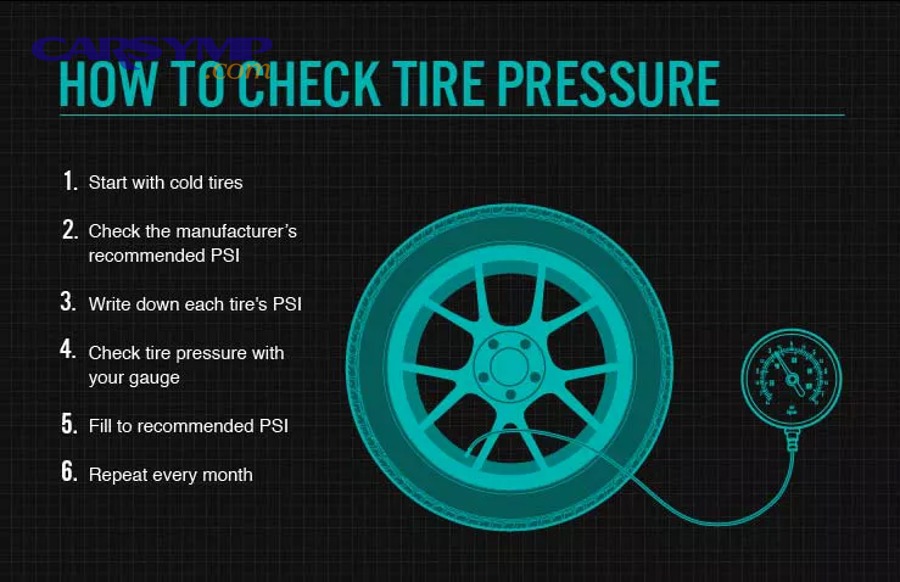
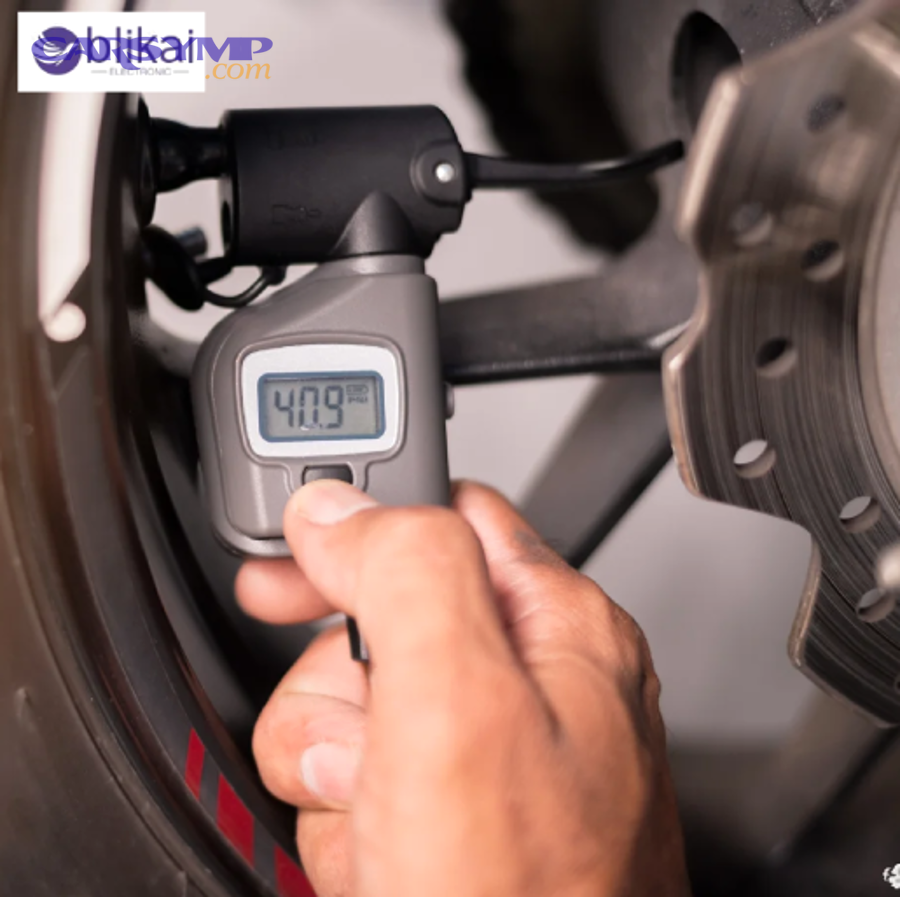
Checking tire pressure correctly means using a cold-tire reading with a reliable gauge, comparing your result against the manufacturer's recommended PSI, and adjusting inflation before every long trip and at least once a month. This single habit protects your safety, extends tire life, and keeps your fuel costs in check — yet surveys consistently show that most drivers skip it entirely until a warning light appears.
Daniel James Carter March 9, 2026 at 6:39 PM
tire pressure monitoring system service
TPMS Issues After Tire Rotation or Replacement: Why It Happens and How to Fix It Fast
TPMS issues after tire rotation or replacement are among the most common and misunderstood problems drivers face after routine tire service. In most cases, the warning light or incorrect pressure reading is not a sign of a failing system — it is the system doing exactly what it was designed to do: detect that something has changed.
Daniel James Carter March 9, 2026 at 6:29 PM
tire pressure monitoring system service
Metal vs. Rubber TPMS Valve Stem Sensors: Key Differences Every Driver Should Know
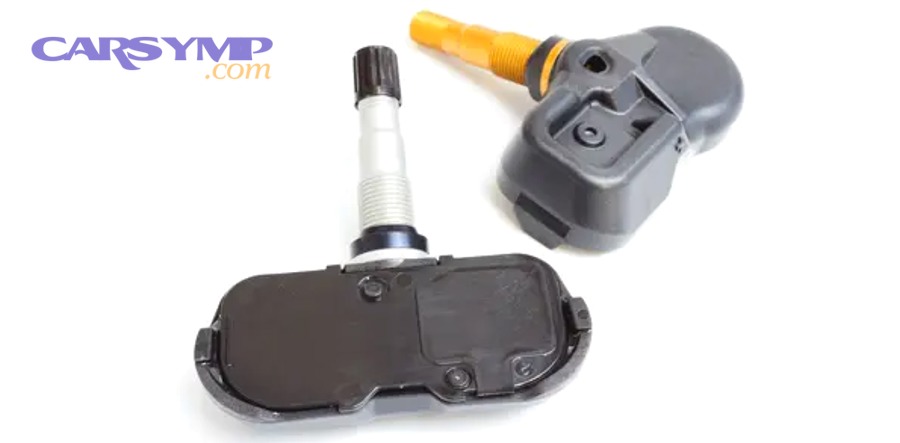
Metal and rubber TPMS valve stem sensors differ in material, construction, durability, and installation method — and choosing the wrong type can lead to air leaks, sensor failure, or a persistent TPMS warning light. Metal stems use a rigid clamp-in design secured through the wheel rim with a nut and sealing grommet, while rubber stems snap directly into the rim hole using a molded EPDM rubber body.
Daniel James Carter March 9, 2026 at 6:18 PM
tire pressure monitoring system service
How Much Does TPMS Sensor Replacement Really Cost? A Fair-Price Guide for Car Owners
TPMS sensor replacement costs between $50 and $350 per sensor , including parts and labor — but the total you pay depends heavily on where you go, what vehicle you drive, and what the service actually includes. Most car owners receive a quote without fully understanding the line items behind it, which makes it nearly impossible to judge whether the price is reasonable or inflated.
Daniel James Carter March 9, 2026 at 6:08 PM
tire pressure monitoring system service
How to Complete TPMS Relearn Procedures by Vehicle: Stationary, OBD & Auto Methods for Every Make and Model
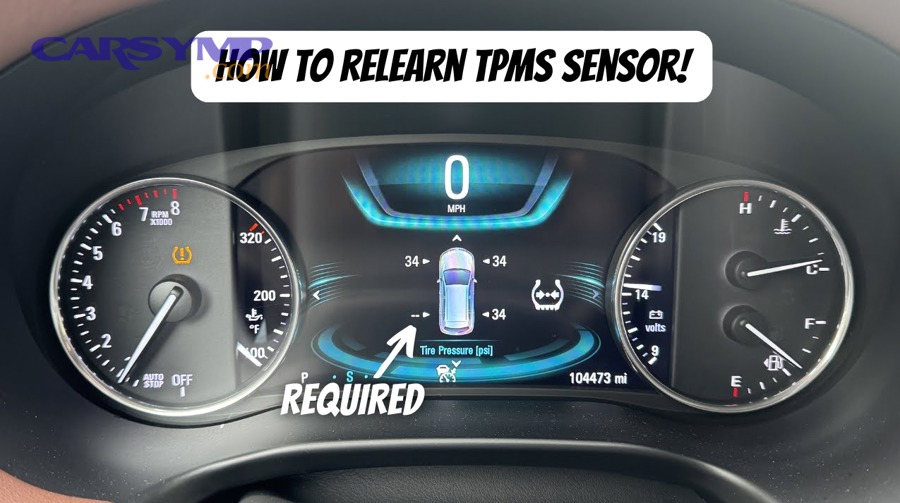
Every time a tire pressure sensor is replaced, rotated, or remounted, the vehicle's computer loses track of which sensor belongs to which wheel — and that is precisely when a TPMS relearn procedure becomes mandatory. A TPMS relearn is the process of re-registering each sensor's unique ID into the vehicle's electronic control unit (ECU), restoring the tire pressure monitoring system's ability to alert the driver to low pressure or a system fault.
Daniel James Carter March 9, 2026 at 5:57 PM
tire pressure monitoring system service
TPMS Sensor Replacement: Complete Guide to Cost, Process & DIY Tips for Car Owners
TPMS sensor replacement is the process of removing a failed or depleted tire pressure sensor from inside a wheel assembly and installing a new one — followed by a mandatory system relearn so the vehicle's onboard computer can recognize the new unit. Most car owners will need to replace at least one TPMS sensor within the life of their vehicle, because the sealed internal battery that powers each sensor has a finite lifespan of five to ten years.
Daniel James Carter March 9, 2026 at 5:45 PM
tire pressure monitoring system service
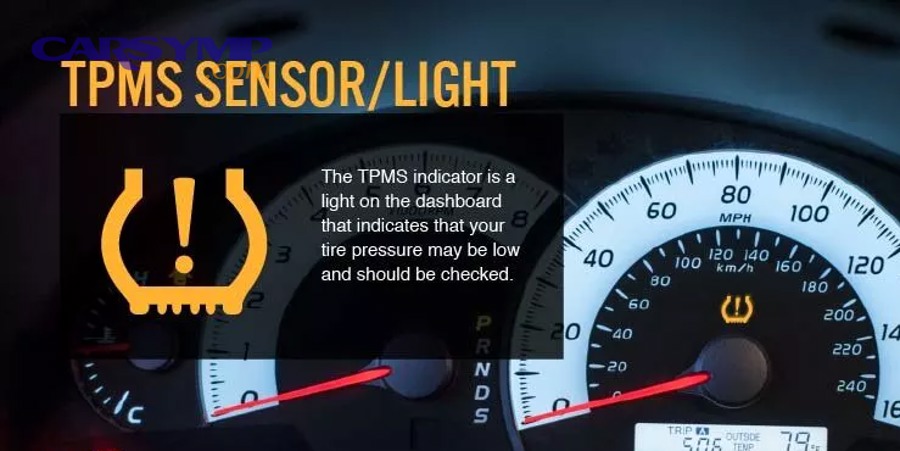
TPMS Warning Light On? 7 Common Causes and How to Fix Each One
The TPMS warning light turns on when your Tire Pressure Monitoring System detects that one or more tires are at least 25% below — or significantly above — the manufacturer's recommended PSI. This federal safety standard, mandatory on all U.
Daniel James Carter March 9, 2026 at 5:35 PM
How to Prevent Tire Noise: Essential Maintenance Tips for a Quieter, Smoother Ride
Preventing tire noise with proper maintenance is not only possible — it is one of the most cost-effective ways to protect your vehicle and improve your daily driving experience. The sounds your tires produce are direct feedback from the road, and when those sounds grow louder or change character, they almost always trace back to a maintenance step that was delayed or skipped.
Daniel James Carter March 9, 2026 at 5:12 PM
Is It Safe to Drive with Tire Noise? Warning Signs Every Driver Must Know
Driving with tire noise is not automatically dangerous, but it is never something to ignore. Whether it is safe to continue driving depends entirely on the type of sound you hear, its source, and how your vehicle behaves alongside it.
Daniel James Carter March 9, 2026 at 3:42 PM
How to Rotate Tires to Diagnose and Confirm the Source of Car Noise
Rotating your tires is one of the most effective and underused methods for tire noise diagnosis — and yes, it can directly confirm whether an annoying hum, roar, or grind is coming from your tires or from a deeper mechanical component. When a tire is moved to a new wheel position and the noise travels with it, the tire itself is the confirmed source.
Daniel James Carter March 9, 2026 at 3:31 PM
How Tire Pressure Affects Road Noise — And How to Fix It for a Quieter Ride
Tire pressure directly affects road noise by changing how much of your tire contacts the road and how stiffly your sidewall absorbs vibration. Under-inflated tires create a wider, softer contact patch that deforms excessively as it rotates, generating a low-frequency roar and vibration-type noise inside the cabin.
Daniel James Carter March 9, 2026 at 3:20 PM
Does Misalignment Cause Tire Noise? Symptoms, Sounds, and Fixes for Car Owners
Yes, wheel misalignment directly causes tire noise — and it does so in ways that are specific, progressive, and often mistaken for other problems. When your tires are not aligned to the manufacturer's specified angles, they no longer roll cleanly across the road surface.
Daniel James Carter March 9, 2026 at 3:09 PM
What Tire Noise Changes on Different Road Surfaces Reveal About Your Tires’ Health
Tire noise that shifts in pitch, volume, or character as you move from one road surface to another is one of the most reliable — and most overlooked — diagnostic signals available to any driver. When your tires roll from smooth asphalt onto rough concrete and the sound dramatically changes, that acoustic shift is not random.
Daniel James Carter March 9, 2026 at 2:55 PM
Wheel Bearing vs. Tire Noise: How to Tell the Difference (+ 5 DIY Diagnostic Tests)
Wheel bearing noise and tire noise are two of the most commonly confused vehicle sounds — and telling them apart is the difference between a $30 tire rotation and a $300+ bearing replacement. The key differentiator is simple: wheel bearing noise changes when you turn the steering wheel, while tire noise generally does not.
Daniel James Carter March 9, 2026 at 2:44 PM
How to Diagnose Tire Cupping and Uneven Tread Noise: Causes, Symptoms, and Fixes for Car Owners
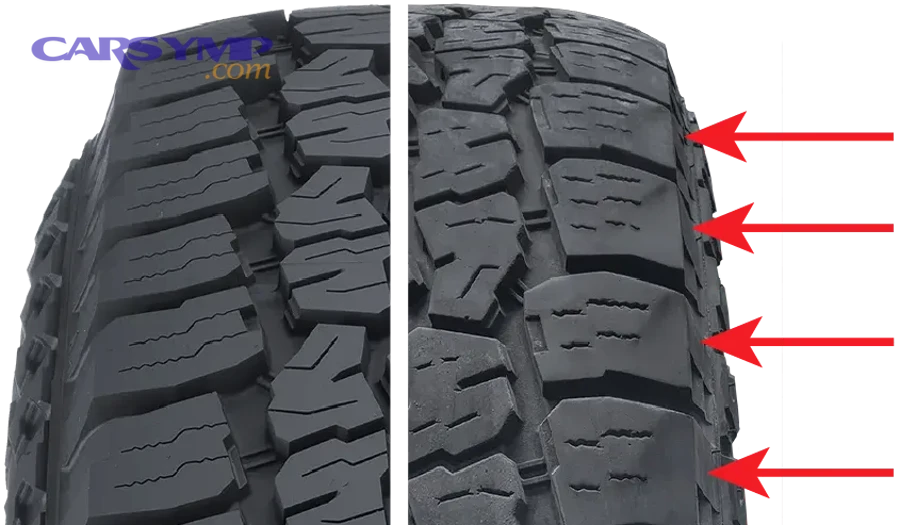
Tire cupping is a specific form of irregular tread wear where shallow, scalloped craters form at repeating intervals around the circumference of a tire — and it is almost always the direct cause of that mysterious rumbling or thumping noise drivers begin to notice at highway speeds. Unlike ordinary tread wear that fades uniformly across the surface, cupping creates alternating high and low contact points that strike the road unevenly with every rotation, generating a rhythmic noise that grows louder the faster you drive.
Daniel James Carter March 9, 2026 at 2:33 PM
What Does Whine Mean? The Complete Guide to Understanding Complaining, Crying Out, and Grumbling
Whine is a word that carries two distinct but connected meanings: a prolonged, high-pitched sound made by a person, animal, or machine, and the act of complaining in a petulant, self-pitying way. Most people encounter "whine" first as a behavior — a child dragging out a request, a coworker who gripes endlessly — but the word's acoustic dimension is equally rich, describing everything from jet engines to power saws.
Daniel James Carter March 9, 2026 at 2:22 PM
How Katy Perry’s “Roar” Empowers Listeners to Find Their Inner Champion
Katy Perry's "Roar" is more than a pop song — it is a declaration of self-reclamation that has resonated with hundreds of millions of listeners since its release in August 2013. At its core, "Roar" empowers listeners to find their inner champion by mapping a deeply personal transformation: from a person who suppressed their voice to protect a relationship, to someone who stands tall, speaks loudly, and refuses to disappear.
Daniel James Carter March 9, 2026 at 2:12 PM
Tire Humming Noise: Types, Causes, and How to Diagnose the Drone While Driving
Tire humming noise is a low-frequency, continuous droning sound generated by the friction and vibration between your tire tread and the road surface. Unlike a sudden squeal or an occasional thump, a tire hum is persistent — it travels with you at every speed, growing louder as you accelerate, and it rarely disappears on its own.
Daniel James Carter March 9, 2026 at 12:58 PM
How to Prevent Timing Chain Failure: Essential Maintenance Tips to Protect Your Engine
Preventing timing chain failure is entirely achievable through consistent, proactive maintenance — specifically regular oil changes, scheduled inspections, and timely replacement of worn components before they cause cascading engine damage. The timing chain is one of the most critical components in your engine, and unlike many parts that give obvious warnings, a failing chain can move from early symptoms to catastrophic engine seizure with very little notice.
Daniel James Carter March 9, 2026 at 12:35 PM