Daniel James Carter
Lead Diagnostic Technician & Technical Content Author
Company / Organization
CarSymp
Experience / Skills
Check Engine Light diagnosis (OBD-II); engine performance & ignition/fuel systems; brake service; steering & suspension; AC/heater diagnostics; cooling system service; basic transmission diagnostics; electrical & battery/charging systems; maintenance schedules
About Daniel James Carter
Daniel James Carter (born July 14, 1988) is an Automotive Diagnostic & Repair Technician and the Lead Diagnostic Technician & Technical Content Author for this auto repair website. His work focuses on translating real shop-floor diagnostics into clear, step-by-step guidance for vehicle owners—especially around check-engine issues, climate control problems, brake safety, and steering/suspension wear.\n\nDaniel’s interest in mechanical systems started early, but his professional path became formal in 2006 when he began a structured apprenticeship in general automotive service. Between 2006 and 2008, he worked alongside senior technicians learning foundational skills—oil services, brake inspections, tire work, basic electrical checks, and service documentation. During this period, he also built the habits that still define his process today: verifying the customer’s concern, road-testing when safe, and confirming repairs with repeatable measurements.\n\nIn 2009, Daniel moved into a full-time automotive service technician role, where he handled a higher volume of maintenance and repair work (brakes, cooling systems, belts, ignition components, and driveline basics). By 2012, he shifted toward diagnostics, focusing on OBD-II fault tracing, fuel trim interpretation, misfire detection, smoke-testing intake leaks, and electrical circuit testing using wiring diagrams and voltage-drop methods.\n\nA major milestone came in 2015 when he began pursuing advanced professional credentials through the National Institute for Automotive Service Excellence (ASE). After completing multiple ASE exams and documenting the required hands-on experience, Daniel earned the ASE Master Automobile Technician designation in 2017. He continued building depth in drivability and emissions-related diagnostics and achieved the ASE L1 Advanced Engine Performance Specialist credential in 2019. He maintains his credentialing through ongoing study and periodic recertification, aligning his knowledge with modern engine management systems, updated scan-tool workflows, and evolving diagnostic standards.\n\nFrom 2018 to 2021, Daniel served as a senior technician in a busy service environment where his day-to-day work centered on complex complaints: intermittent stalling, hard starts, rough idle, overheating, vibration under braking, and AC systems that blow warm or smell musty. He became known for careful diagnosis before parts replacement, using a consistent checklist:\n\n\n Confirm the symptom and capture freeze-frame data.\n Test likely causes (air leaks, sensors, ignition, fuel delivery, charging system) with measurable evidence.\n Repair only after the failure is verified and the fix can be validated.\n Validate with a road test, live data review, and final inspection.\n\n\nIn 2022, Daniel began formalizing his field notes into consumer-friendly write-ups and troubleshooting guides. By 2023, he expanded that work into structured content for this website, combining real repair patterns with clear explanations of why failures happen (for example: how moisture and organic buildup can cause musty AC smell, why worn suspension joints can mimic wheel balance issues, or how vacuum leaks and weak ignition coils can trigger persistent misfires).\n\nToday, Daniel’s role on the website is to ensure every guide reflects practical repair reality—tools a shop actually uses, common misdiagnoses to avoid, and safety-first recommendations. He writes with the same standard he uses in the bay: the diagnosis must make sense, the repair must be verifiable, and the timeline from symptom to fix must be clear for the reader.

Related topics
Latest posts by Daniel James Carter


Prevent Air Ingress Best Practices for Brake Bleeding DIYers: Antonym Errors
Best practices to avoid air in system focus on one goal: keep a sealed, steady flow of brake fluid so no bubbles enter the hydraulic circuit while you bleed or flush. Beyond technique, the next priority is preparation—tools, fittings, and a consistent workflow that reduces “open time” and prevents the master cylinder from running low during a brake fluid change.
Daniel James Carter January 20, 2026 at 4:08 AM
Avoid Air Traps: ABS Fluid Service Guide for DIY Drivers, Bleed Not Drain
ABS considerations during fluid service matter because anti-lock systems hide extra valves, pump passages, and small cavities where air and old fluid can linger, even when the pedal “seems fine.” Beyond a firm pedal, the real goal is stable pressure control under panic stops—so the ABS can modulate each wheel without delay, noise, or unexpected warning lights.
Daniel James Carter January 20, 2026 at 4:03 AM
Master DIY Brake Fluid Flush Steps for Home Mechanics vs Quick Top-Off
DIY brake fluid flush steps are a repeatable, safety-focused process: exchange old, moisture-contaminated fluid with fresh fluid until each bleeder runs clean and bubble-free, then confirm a firm pedal and stable braking on a cautious test drive. Beyond “how,” you also need to know “what to watch”: protecting paint, preventing air entry, and avoiding stripped bleeders are the difference between a confident pedal and a frustrating re-bleed.
Daniel James Carter January 20, 2026 at 3:52 AM
Spot Symptoms of Old Brake Fluid for Drivers: Causes vs Fresh
Symptoms of old brake fluid usually show up as inconsistent braking feel, longer stopping distances, and heat-related fade—because moisture and contamination change how hydraulic pressure behaves under load. If you’re noticing a spongy pedal , old fluid is one of the highest-yield suspects to check.
Daniel James Carter January 20, 2026 at 3:41 AM
Estimate Brake Fluid Change Cost for Drivers: Price vs Quote
A typical brake fluid service usually costs about $90–$220 at most independent shops, while some dealerships and high-end or complex brake systems can land closer to $180–$300+ depending on labor time, fluid spec, and the bleed procedure required. If you’re comparing estimates, focus on what’s included—full system exchange at all four corners, correct DOT specification, and proper bleeding—because a low number can sometimes reflect a partial drain-and-top-up rather than a complete service.
Daniel James Carter January 20, 2026 at 3:33 AM
Explain Difference: Brake Fluid Flush vs Bleed for DIY Drivers
A brake fluid flush and a brake bleed are related, but they are not the same job: a flush is about replacing old fluid throughout the system, while a bleed is about removing trapped air so the hydraulics can build firm pressure. Next, you’ll learn how to choose the right procedure based on symptoms, recent repairs, and safety risk—so you don’t waste time “bleeding” when the real need is fresh fluid, or flushing while air is still trapped.
Daniel James Carter January 20, 2026 at 3:23 AM
Test Brake Fluid Moisture for Drivers: Wet vs Dry Braking Safety
A brake fluid moisture test tells you, in seconds, whether the hydraulic fluid in your braking system is still reliable or quietly aging toward a boiling-point problem. In practical terms, it’s a quick “go/no-go” check that helps prevent spongy pedal feel, longer stopping distances, and heat-related fade.
Daniel James Carter January 20, 2026 at 3:12 AM
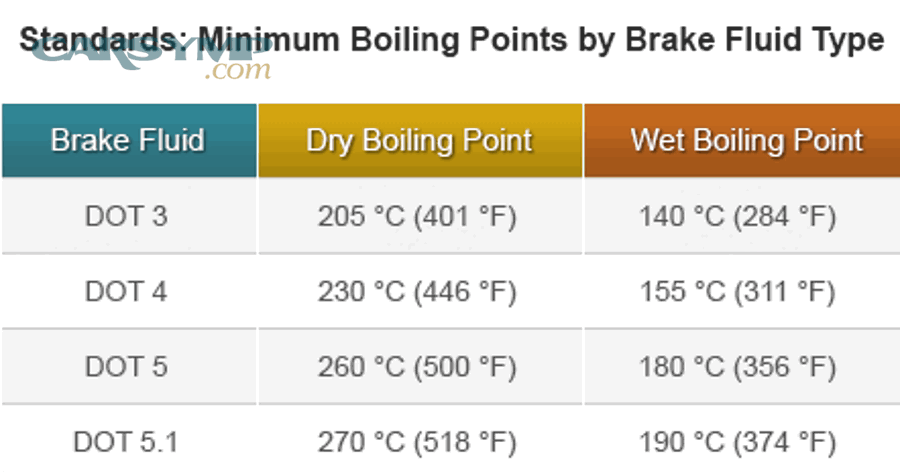
Compare DOT 3, DOT 4, DOT 5.1 Brake Fluids: Glycol-Ether Grades
DOT 3, DOT 4, and DOT 5.1 are glycol-based brake fluid grades that look similar in the bottle but behave differently under heat, moisture, and cold-flow demands.
Daniel James Carter January 20, 2026 at 3:04 AM
Decide Brake Fluid Change Interval Guide for Drivers: Signs vs Schedule
Change brake fluid based on the earliest of two triggers: the factory schedule or clear warning signs (dark fluid, soft pedal, moisture contamination). That approach protects braking performance because brake fluid is hygroscopic and degrades over time, even if the car “feels fine.
Daniel James Carter January 20, 2026 at 2:57 AM
Master How-To Brake Break-In for Drivers: Bedding vs Glazing
Break-in procedure after brake work is a controlled “bedding” routine that mates pads to rotors, stabilizes friction, and reduces the risk of noise, vibration, and uneven bite right after service. Many drivers want a simple routine that works for daily roads without guessing speeds, temperatures, or stop counts—and they also want to know which brake jobs actually require a break-in and which do not.
Daniel James Carter January 20, 2026 at 2:44 AM
How-To Slide Pin Service & Lubrication for DIY Brakes: Synonyms
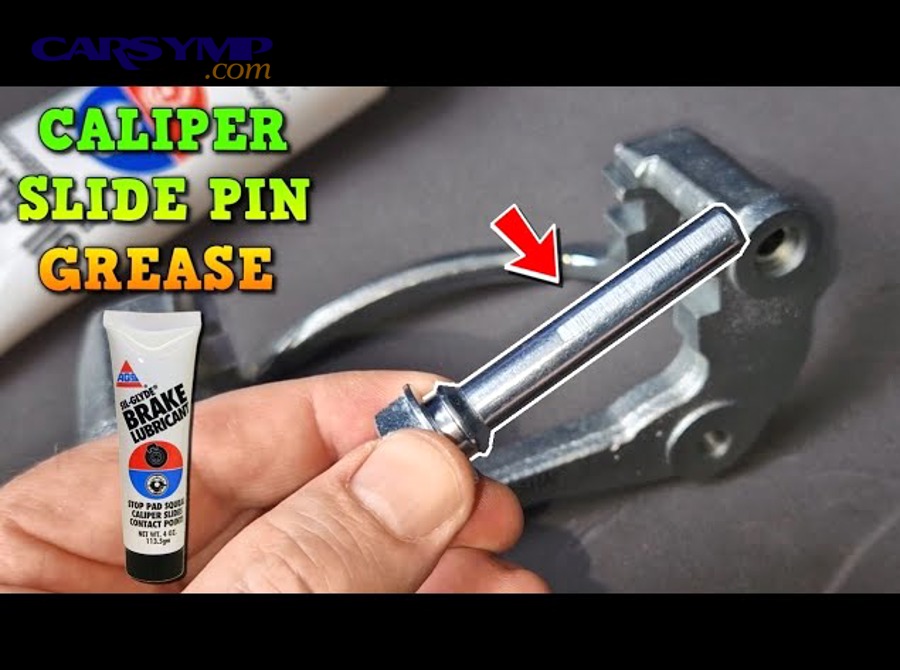
Slide pin service and lubrication is a practical brake maintenance procedure that keeps a floating (sliding) caliper moving smoothly, so the pads clamp evenly and release cleanly after you let off the pedal. It matters because neglected pins often cause drag, uneven pad wear, heat, and noise—problems that can look like bigger failures even when the rest of the system is fine.
Daniel James Carter January 20, 2026 at 2:34 AM
Diagnose & Fix Uneven Brake Pad Wear for Drivers: Causes vs Symptoms
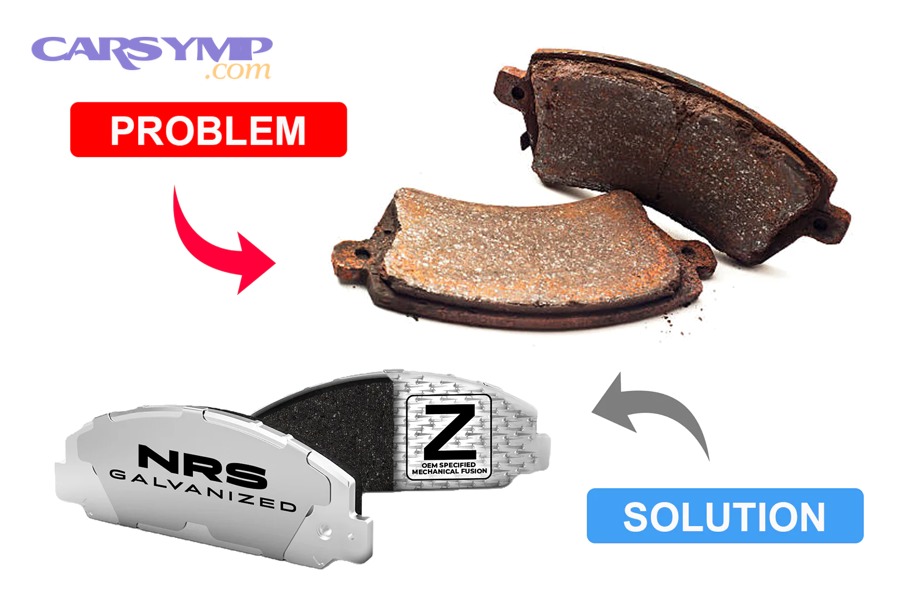
Uneven brake pad wear usually means one or more wheels are not applying (or releasing) braking force evenly, so the pads don’t share the workload the way the system was designed to. Next, the practical goal is to match the wear pattern (inner/outer, tapered, one-wheel hot) to the most likely mechanical “root cause” so you can stop guessing and stop replacing good parts.
Daniel James Carter January 20, 2026 at 2:28 AM
Estimate Brake Caliper Replacement Cost for Owners: Cost vs Price
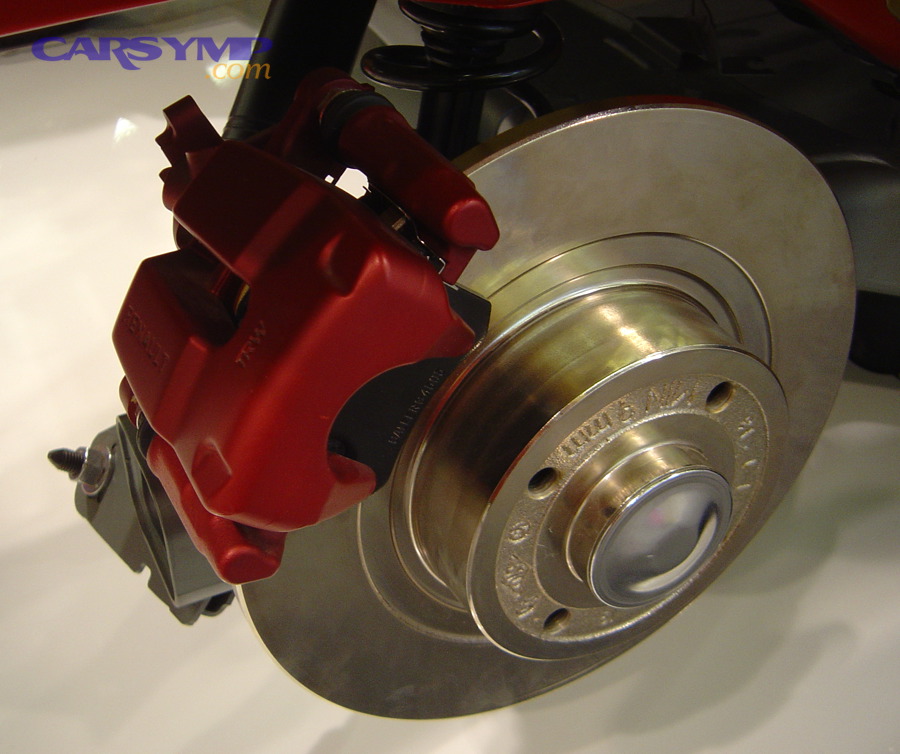
If you’re searching for a caliper replacement cost estimate , the practical answer is a range—because parts type, axle location, labor rate, rust, and related brake work change the final bill. Beyond the headline number, most drivers want to know what’s included (parts, labor, fluid, shop fees), and which line items are optional versus required for safety.
Daniel James Carter January 20, 2026 at 2:21 AM
Master How-To Brake Bleeding After Caliper Replacement for DIYers: Guide vs Shortcut
If you opened the hydraulic system during a caliper job, you should bleed the brakes—because even a small air pocket can turn a firm pedal into a long, unpredictable one. The goal is simple: move incompressible fluid through the lines until bubbles stop and the pedal stays solid.
Daniel James Carter January 20, 2026 at 2:14 AM
Compare Rebuilt vs New Brake Calipers for DIYers: Pros and Cons
If you’re weighing rebuilt vs new caliper pros/cons, the “best” answer depends on what failed, how the part was remanufactured, and what you want from the repair: lowest cost, longest corrosion resistance, or maximum confidence in a safety-critical component. Beyond price, your decision should account for reliability signals (piston/bore condition, seal-groove integrity, slide hardware quality), warranty terms, and whether your vehicle has special constraints like an electronic parking brake (EPB) rear caliper.
Daniel James Carter January 20, 2026 at 2:03 AM
Estimate Caliper Replacement Labor Time for DIYers: Duration vs Flat-Rate
Caliper replacement labor time is the practical window you need to plan a safe brake repair, whether you’re doing one corner at home or booking a bay at a shop. In most cases, the clock is driven less by the bolt count and more by access, rust, and bleeding needs.
Daniel James Carter January 20, 2026 at 1:53 AM
Diagnose Caliper Leaks for Drivers: Leaking vs Sticking Signs
How to tell if caliper is leaking comes down to one thing: fresh brake fluid showing up where it should never be—around the caliper, hose connection, or inside the wheel—and the brake pedal or stopping feel changing soon after. Next, many drivers also want to separate a true hydraulic leak from look-alikes such as grease, water, or road oil, because the wrong conclusion wastes time and can hide a real safety risk.
Daniel James Carter January 20, 2026 at 1:47 AM
Pinpoint Diagnosis: Caliper vs Hose vs Master Cylinder for Drivers (Meronymy)
If your brakes feel wrong—pulling, dragging, a sinking pedal, or uneven stopping—the fastest fix starts with identifying which part of the hydraulic chain is failing: the caliper at the wheel, the flexible brake hose feeding it, or the master cylinder creating pressure. Beyond the “it feels soft” description, you can narrow the culprit by watching where the symptom shows up (one wheel vs all wheels), when it appears (cold vs hot, first press vs repeated presses), and how it changes (improves after pumping, worsens after a long drive, or only happens after braking).
Daniel James Carter January 20, 2026 at 1:37 AM
Diagnose Sticking Brake Caliper Symptoms for Drivers: Seized Caliper Signs
Sticking caliper symptoms usually feel like brake drag —your car doesn’t roll freely, one wheel runs hotter, and stopping feels uneven. If you’re searching for seized caliper signs , the goal is simple: spot the pattern early before heat and friction snowball into bigger brake damage.
Daniel James Carter January 20, 2026 at 1:31 AM
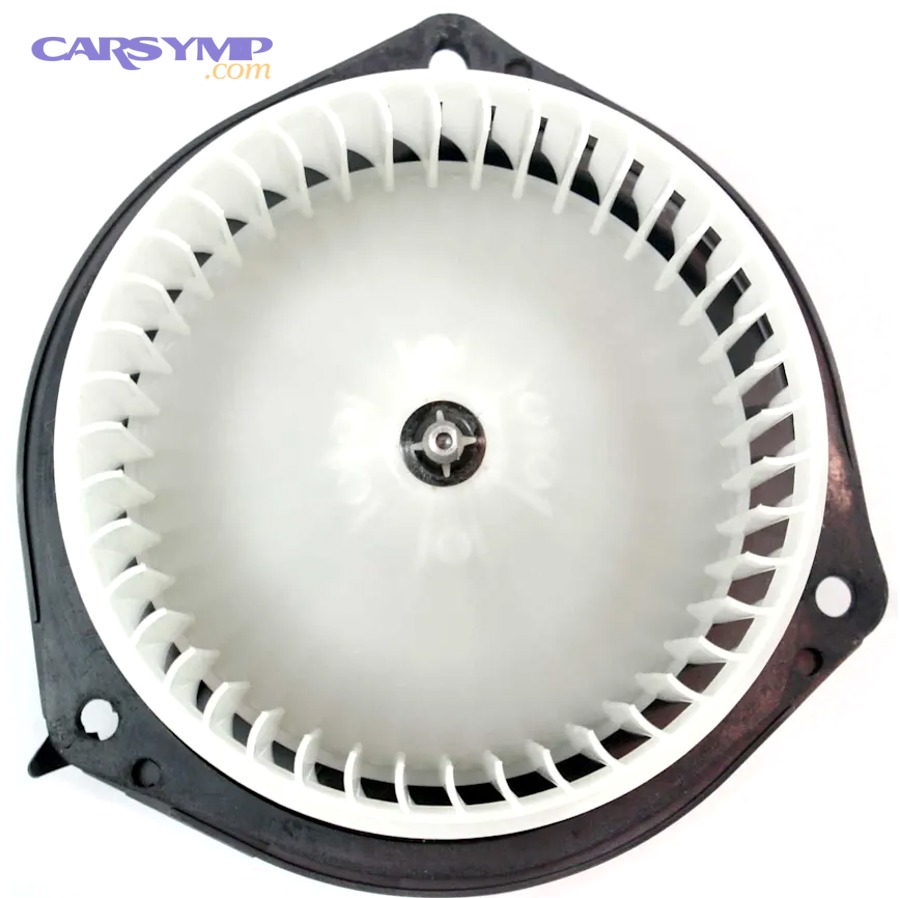
Prevent Blower Motor Burnout: How-To HVAC Fan Care for Drivers (Synonym)
Preventing blower motor burnout is mostly about lowering heat, friction, and electrical stress so the motor can spin freely without overworking. If you keep airflow easy, power clean, and moisture out, the motor lasts longer and stays quieter.
Daniel James Carter January 20, 2026 at 1:12 AM
Diagnose and Fix Electrical Connector and Fuse Checks for Drivers: Failure vs Normal
Electrical connector and fuse checks are the fastest way to confirm whether a “no power” complaint is real, localized, and repeatable—before you replace parts or chase guesses. Done correctly, they tell you if current can flow, where it stops, and why it stops.
Daniel James Carter January 20, 2026 at 1:02 AM
Fix Weak HVAC Airflow: Troubleshooting for Drivers, Low vs Strong
HVAC airflow weak troubleshooting works best when you follow a simple “air path” logic: verify the vents and settings, confirm the blower is actually moving air, then check for restrictions (filters, debris, blocked ducts) before chasing deeper HVAC box problems. Next, you’ll isolate whether the issue is constant or intermittent, because airflow that fades with heat, bumps, or speed changes often points to electrical control, fan speed regulation, or a binding fan rather than a sealed duct blockage.
Daniel James Carter January 20, 2026 at 12:51 AM
Estimate Blower Motor Replacement Cost for Drivers: DIY vs Professional Range
A practical blower motor replacement cost estimate usually falls into a predictable range once you separate parts, labor, and the “hidden” add-ons that many quotes don’t spell out. Beyond the headline number, the real question is what’s driving your price: labor access (easy under-glovebox vs.
Daniel James Carter January 20, 2026 at 12:45 AM
Access Blower Motor by Vehicle: DIY Guide to Heater Fan Locations
To access a blower motor on your specific vehicle, you first identify its mounting zone (passenger footwell, behind the glove box, center console side, or under-hood firewall) and then remove only the trim or fasteners that directly block the motor flange. Next, you match your vehicle layout to a practical access path—some cars are a “drop the under-dash panel” job, while others require glove box removal, a splash shield drop, or an engine-bay reach from the passenger side.
Daniel James Carter January 20, 2026 at 12:36 AM
Improve Blower Airflow: How-To Cabin Air (Pollen) Filter for Drivers
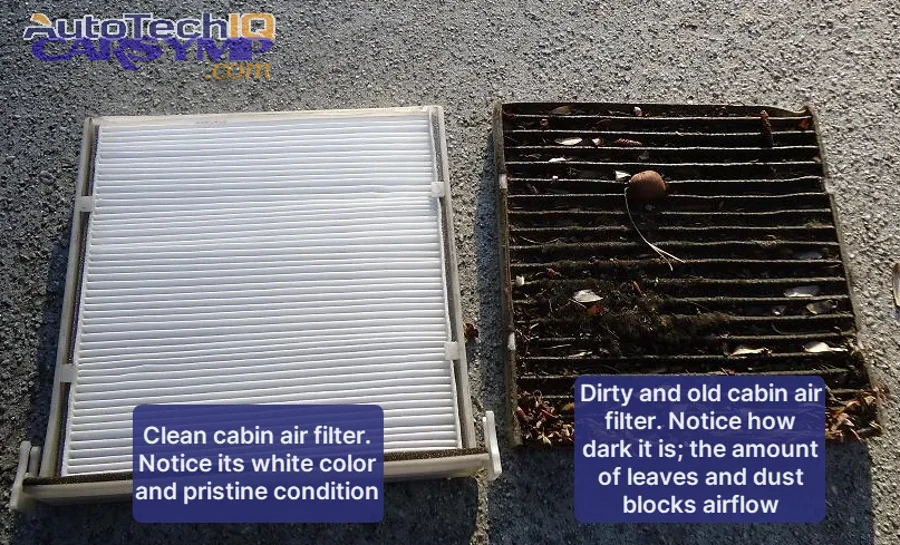
The Cabin filter impact on blower performance is real: a restricted filter raises airflow resistance, so the fan has to work harder while you feel less air at the vents—especially at lower speeds. Beyond comfort, the same restriction can change how evenly air distributes across vents, how fast the cabin cools or heats, and how effective defogging feels on humid days.
Daniel James Carter January 20, 2026 at 12:24 AM
Estimate Repair Time for Blower Motor Labor Hours: HVAC Fan Guide
If you’re searching for Blower motor replacement labor time , the practical answer is: most jobs land in the 0.5–2.
Daniel James Carter January 20, 2026 at 12:15 AM
Diagnose Noisy Blower Motor Causes for Drivers: Squeal vs Rattle
Noisy blower motor causes are usually traceable, and yes—you can diagnose most of them by matching the sound (squeal, chirp, rattle, thump, or hum) to the condition that triggers it (fan speed, temperature, turns, bumps, or A/C on). The most common culprits are bearing wear, debris in the squirrel-cage fan, fan imbalance, and housing contact, all of which amplify into cabin noise because the HVAC case acts like a resonator.
Daniel James Carter January 20, 2026 at 12:03 AM
Pinpoint Diagnosis of Blower Resistor vs Motor for Drivers: Cause vs Symptom
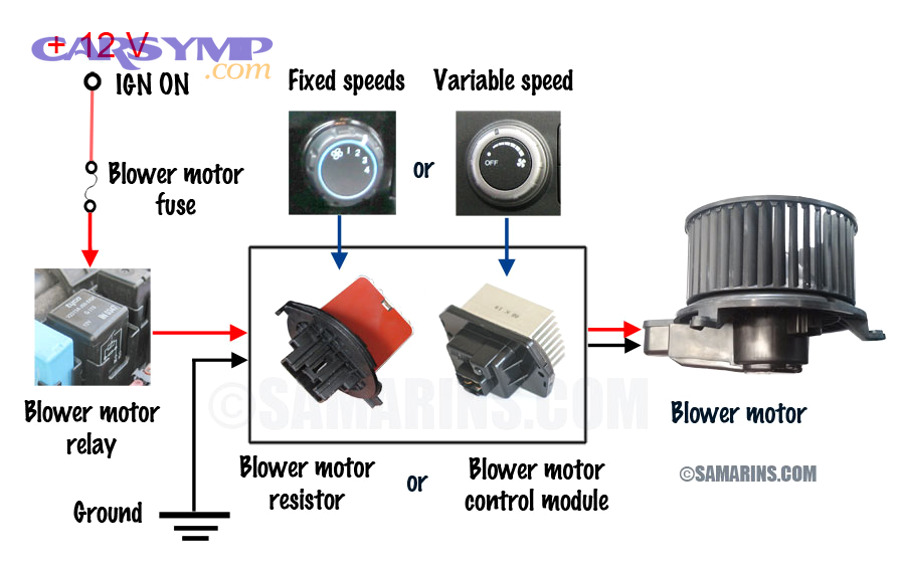
A failing blower resistor and a failing blower motor can look similar, but the pattern of speed control is the quickest separator: resistors usually lose specific lower speeds, while motors usually struggle across multiple speeds or make noise and draw excess current. Next, you’ll confirm with simple, low-risk checks—fuse/relay behavior, connector heat, voltage at the motor, and whether “high speed” bypasses the resistor path.
Daniel James Carter January 19, 2026 at 11:58 PM
Diagnose Blower Motor Failure Symptoms for Drivers: HVAC Fan Synonym Clues
Blower motor failure symptoms usually show up as no airflow , weak airflow , odd noises , or intermittent fan behavior —and they often appear suddenly when you most need heat, A/C, or defrost. If you’re dealing with a blower not working situation, the key is to separate a dead motor from a power, control, or airflow restriction problem.
Daniel James Carter January 19, 2026 at 11:53 PM
Prevent Risks: Home Brake Bleeding Safety Tips for DIYers (Checklist)
To bleed brakes safely at home, you need stable vehicle support, correct fluid handling, and a controlled bleeding sequence so you don’t introduce air or contaminate brake components. Beyond safety basics, you also need to protect your paint and skin from brake fluid, manage spills, and verify pedal feel before any real road speed.
Daniel James Carter January 19, 2026 at 11:37 PM
Decide When DIYers Use an ABS Scan Tool for Bleeding vs Manual
You should use a scan tool to bleed ABS when there’s a realistic chance air is trapped inside the ABS hydraulic unit, or when the vehicle’s procedure explicitly requires an automated routine to cycle the pump and solenoid valves. Besides “air-in-module” situations, you’ll also reach for a scan tool when stability-control systems, electronic brake assist, or brake-by-wire logic can change how valves behave during bleeding, making traditional corner bleeding incomplete.
Daniel James Carter January 19, 2026 at 11:30 PM
Verify Post-Bleed Pedal Feel Checks for DIY Drivers: Soft vs Firm
Post-bleed pedal feel checks confirm your brake pedal is firm, consistent, and safe before normal driving, by separating “normal settling” from real problems like trapped air, leaks, or booster issues. They also help you pinpoint where the issue lives—pedal mechanics, hydraulic sealing, caliper movement, rear adjustment, or booster assist—so you fix the right thing instead of repeating the same steps.
Daniel James Carter January 19, 2026 at 11:18 PM
Avoid Air Introduction Guide for Brake Bleeding Mistakes: Causes vs Fixes
Air enters a brake hydraulic system when the circuit is opened, the fluid level drops too low, or a bleeding method creates a path for suction—leading to a soft pedal, longer stopping distances, and inconsistent braking response. This guide explains the most common mistakes that let air back in while you’re trying to remove it, so you can keep the fluid column sealed, move bubbles in the right direction, and finish with a firm, predictable pedal.
Daniel James Carter January 19, 2026 at 11:10 PM
Compare Brake Fluid Types for Drivers: DOT 3 and DOT 4 Hyponyms
Brake fluid type and compatibility determine how safely your braking system builds pressure, resists heat, and protects internal parts from moisture and corrosion. If you choose the wrong type—or mix incompatible fluids—you can reduce braking performance, damage seals, and shorten the life of expensive components.
Daniel James Carter January 19, 2026 at 11:01 PM
Identify warning signs of air in brake lines for drivers: soft vs firm
Signs of air in brake lines show up as a brake pedal that feels longer, softer, and less predictable because tiny bubbles compress under pressure instead of transmitting force cleanly to the calipers. When that happens, you may notice spongy brakes , extra pedal travel, or a pedal that needs pumping before it feels “normal,” especially after recent brake work or a low-fluid event.
Daniel James Carter January 19, 2026 at 10:52 PM
Master ABS Brake Bleeding Requirements for DIYers: Procedure vs Shortcut
ABS brake bleeding requirements depend on where air can get trapped: if air stays only in the brake lines and calipers, many vehicles bleed like a non-ABS system; if air enters the ABS hydraulic control unit (HCU/modulator), you may need a scan-tool “automated bleed” to cycle valves and the pump. Beyond the “do I need a scan tool?
Daniel James Carter January 19, 2026 at 10:43 PM
Choose Bleeding Order by Vehicle Type for DIY Drivers: Sequence vs Reverse
Bleeding order by vehicle type is the fastest way to get a firm pedal without guessing, because different drivetrains and hydraulic “split” designs move trapped air to different places. The correct order removes air efficiently while protecting the master cylinder from over-travel and keeping the ABS system happy.
Daniel James Carter January 19, 2026 at 10:31 PM
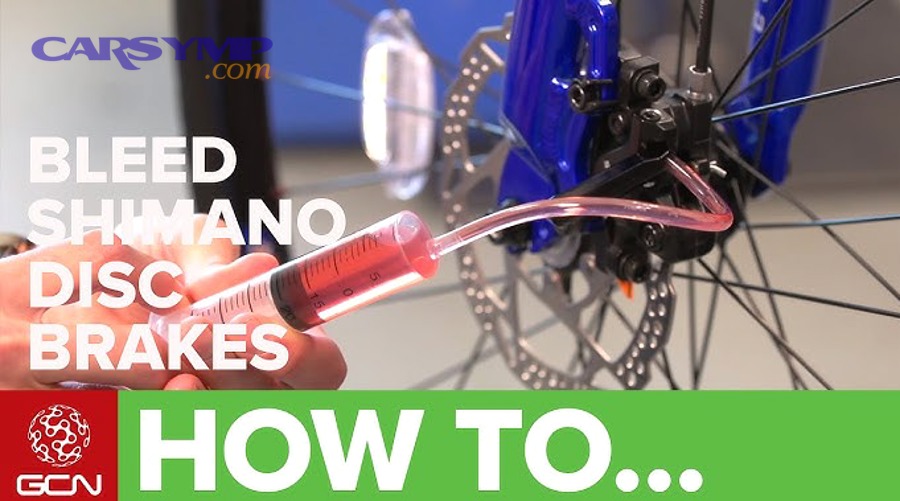
How-To Bleed Brakes Without a Helper: Solo DIY Home Mechanics
If your brake pedal feels spongy after a repair or fluid change, you can remove trapped air by bleeding the hydraulic system yourself—no second person needed. The key is choosing a one-person method that keeps air from being pulled back through the bleeder screw while you work.
Daniel James Carter January 19, 2026 at 10:22 PM
Compare Brake Bleeding Methods for DIYers: Gravity vs Vacuum vs Pump
Brake bleeding methods compared comes down to how each technique moves fluid and evacuates trapped air—because air compresses, your pedal feel and stopping performance depend on how completely you remove it. In practical terms, the “best” method is the one that fits your tools, your vehicle, and how much air you think is in the system.
Daniel James Carter January 19, 2026 at 10:12 PM
Spot Trustworthy Neighborhood Mechanics: Honest vs Shady Signs for Drivers
A trustworthy neighborhood mechanic is someone who fixes what’s needed, explains why, and proves it with clear documentation—so you leave safer, not simply poorer. In practice, the most reliable “signs” show up in how the shop communicates, estimates, and stands behind its work.
Daniel James Carter January 19, 2026 at 9:54 PM
Pack a Checklist for Your First Auto Repair Visit, Not Surprises
Primary intent: A practical, bring-it-with-you checklist for a first visit to an auto repair shop. Secondary intents: Avoid delays, describe symptoms clearly, understand estimates, and protect warranty/insurance coverage.
Daniel James Carter January 19, 2026 at 7:37 AM
Guide to Finding a Shop for Your Car Make, Brand-Specific vs Generic
Finding a shop for your car make means choosing a repair facility that can service your brand with the right tools, data, parts knowledge, and quality controls—so repairs are correct the first time, not “close enough.” To reduce surprises, you’ll want a repeatable way to validate competence for your make (diagnostics, programming, service procedures) before you hand over keys or approve a big job.
Daniel James Carter January 19, 2026 at 7:27 AM
Compare Local Auto Repair Labor Rates for Drivers: Fair vs Inflated
To compare labor rates locally, you need one simple rule: match the same job, the same car, and the same scope , then compare what you’re truly buying—time, skill, tooling, and warranty—not just the dollar number on the wall. Beyond the posted hourly rate, you’ll want to evaluate how hours are calculated (flat-rate vs actual time), what “shop supplies” cover, and whether diagnostic time is credited into the final bill.
Daniel James Carter January 19, 2026 at 7:18 AM
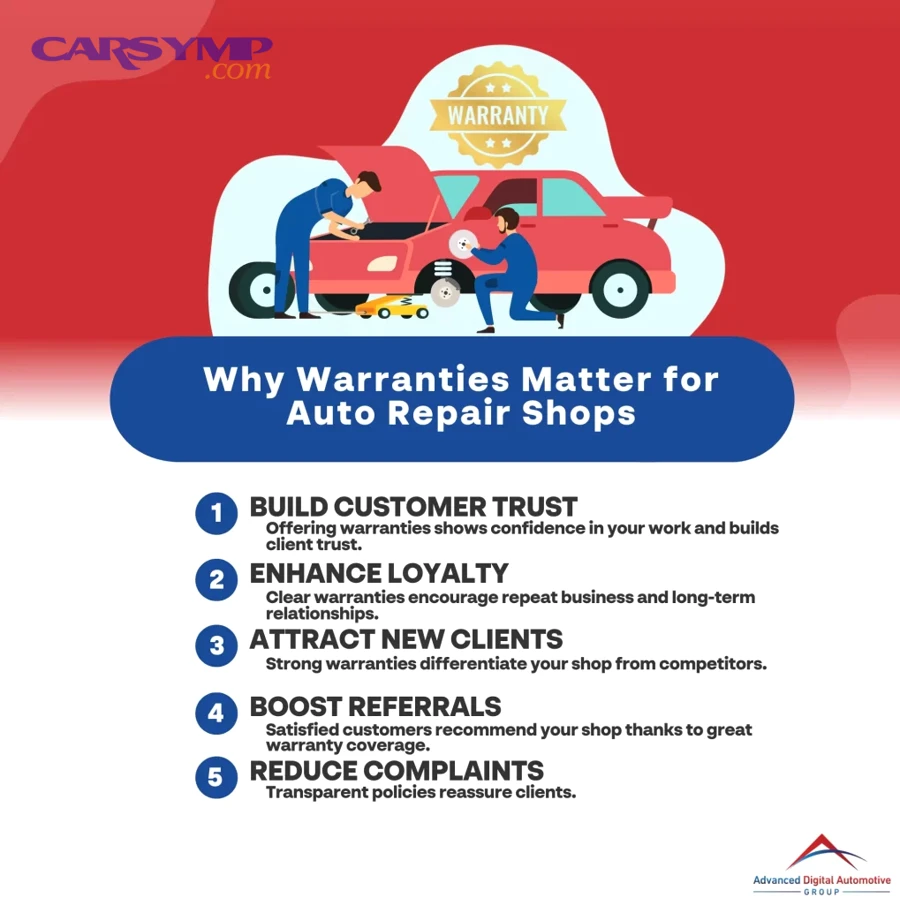
Decode Repair Warranty Policies for Car Owners: Coverage vs Exclusions
Warranty policies that matter are the ones you can actually use when something fails—without arguing, surprise fees, or “that’s not covered” loopholes. In practice, the best warranty is clear about what’s covered, how long it lasts, and what proof you need to make a claim.
Daniel James Carter January 19, 2026 at 7:10 AM
Compare Dealer vs Independent Repair Shops for Drivers: OEM vs Aftermarket
Choosing between a dealership service department and an independent repair shop is mainly a comparison of value: cost, accuracy, convenience, warranty coverage, and long-term vehicle reliability. Dealerships tend to shine when the job is brand-specific, software-heavy, warranty/recall-related, or requires factory procedures and parts traceability.
Daniel James Carter January 19, 2026 at 7:01 AM
Decode Repair Estimates, Avoid Upsells, Approve Only Needed Work
Reading estimates and avoiding upsells is a practical skill: you compare what’s recommended to what’s required , verify how the price is built, and approve only the work that matches your symptoms, safety needs, and budget. You’ll learn how to interpret parts, labor, and shop fees so the estimate becomes a clear checklist instead of a vague promise, which helps you stay confident during phone calls, texts, or digital inspection links.
Daniel James Carter January 19, 2026 at 6:54 AM
Choose Certifications to Look For: Certified vs Uncertified Shops for Owners
Certifications to look for are the fastest way to separate “tested competence” from marketing claims, especially when a shop’s website and reviews all look the same. In practice, prioritize ASE credentials for technicians and confirm the shop’s state licenses for legal operation and consumer protections.
Daniel James Carter January 19, 2026 at 6:46 AM
Ask Before Booking: Auto Repair Shop Questions for New Drivers, Red-Flag Checks
Questions to ask a shop before booking are your fastest way to reduce surprises: you’re not “being difficult,” you’re protecting your car, your time, and your budget by making the shop explain the plan before the wrench turns. You’ll also use these questions to confirm whether the diagnosis is evidence-based, whether the estimate is truly itemized, and whether approvals are handled cleanly—so you don’t get nudged into repairs you didn’t authorize.
Daniel James Carter January 19, 2026 at 6:38 AM
Choose vs Avoid: Best Local Repair Shop for Car Owners
Choosing the best local repair shop is a HOW-TO decision: you want reliable diagnostics, fair pricing, and repairs that last—without guesswork or pressure. To make that choice practical, you also need a repeatable way to shortlist options, then verify quality with the same filters every time you search for a top rated mechanic .
Daniel James Carter January 19, 2026 at 6:26 AM