Daniel James Carter
Lead Diagnostic Technician & Technical Content Author
Company / Organization
CarSymp
Experience / Skills
Check Engine Light diagnosis (OBD-II); engine performance & ignition/fuel systems; brake service; steering & suspension; AC/heater diagnostics; cooling system service; basic transmission diagnostics; electrical & battery/charging systems; maintenance schedules
About Daniel James Carter
Daniel James Carter (born July 14, 1988) is an Automotive Diagnostic & Repair Technician and the Lead Diagnostic Technician & Technical Content Author for this auto repair website. His work focuses on translating real shop-floor diagnostics into clear, step-by-step guidance for vehicle owners—especially around check-engine issues, climate control problems, brake safety, and steering/suspension wear.\n\nDaniel’s interest in mechanical systems started early, but his professional path became formal in 2006 when he began a structured apprenticeship in general automotive service. Between 2006 and 2008, he worked alongside senior technicians learning foundational skills—oil services, brake inspections, tire work, basic electrical checks, and service documentation. During this period, he also built the habits that still define his process today: verifying the customer’s concern, road-testing when safe, and confirming repairs with repeatable measurements.\n\nIn 2009, Daniel moved into a full-time automotive service technician role, where he handled a higher volume of maintenance and repair work (brakes, cooling systems, belts, ignition components, and driveline basics). By 2012, he shifted toward diagnostics, focusing on OBD-II fault tracing, fuel trim interpretation, misfire detection, smoke-testing intake leaks, and electrical circuit testing using wiring diagrams and voltage-drop methods.\n\nA major milestone came in 2015 when he began pursuing advanced professional credentials through the National Institute for Automotive Service Excellence (ASE). After completing multiple ASE exams and documenting the required hands-on experience, Daniel earned the ASE Master Automobile Technician designation in 2017. He continued building depth in drivability and emissions-related diagnostics and achieved the ASE L1 Advanced Engine Performance Specialist credential in 2019. He maintains his credentialing through ongoing study and periodic recertification, aligning his knowledge with modern engine management systems, updated scan-tool workflows, and evolving diagnostic standards.\n\nFrom 2018 to 2021, Daniel served as a senior technician in a busy service environment where his day-to-day work centered on complex complaints: intermittent stalling, hard starts, rough idle, overheating, vibration under braking, and AC systems that blow warm or smell musty. He became known for careful diagnosis before parts replacement, using a consistent checklist:\n\n\n Confirm the symptom and capture freeze-frame data.\n Test likely causes (air leaks, sensors, ignition, fuel delivery, charging system) with measurable evidence.\n Repair only after the failure is verified and the fix can be validated.\n Validate with a road test, live data review, and final inspection.\n\n\nIn 2022, Daniel began formalizing his field notes into consumer-friendly write-ups and troubleshooting guides. By 2023, he expanded that work into structured content for this website, combining real repair patterns with clear explanations of why failures happen (for example: how moisture and organic buildup can cause musty AC smell, why worn suspension joints can mimic wheel balance issues, or how vacuum leaks and weak ignition coils can trigger persistent misfires).\n\nToday, Daniel’s role on the website is to ensure every guide reflects practical repair reality—tools a shop actually uses, common misdiagnoses to avoid, and safety-first recommendations. He writes with the same standard he uses in the bay: the diagnosis must make sense, the repair must be verifiable, and the timeline from symptom to fix must be clear for the reader.

Related topics
Latest posts by Daniel James Carter


Step-by-Step Post-Repair Coolant Flush & Engine Run-In (Break-In) Checklist for DIY Drivers
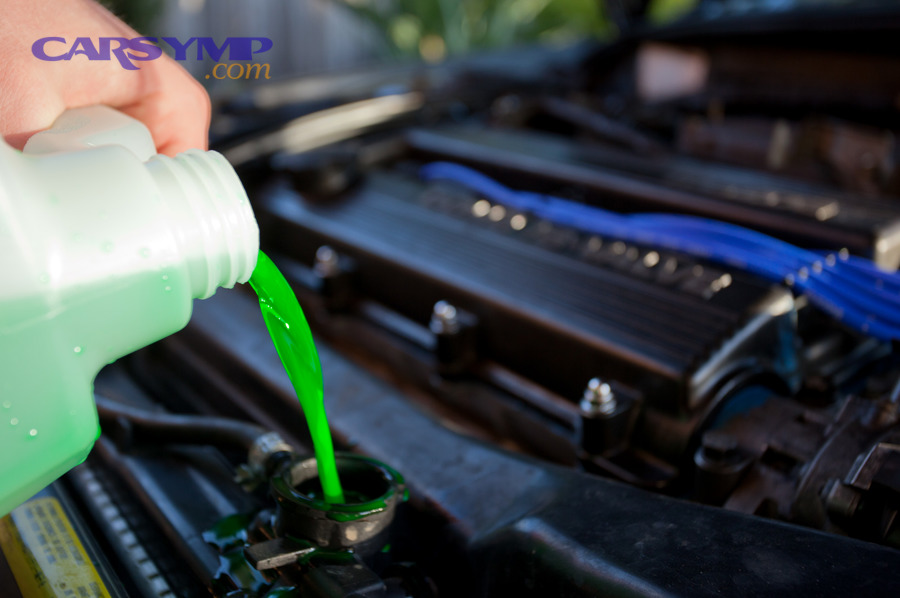
A post-repair coolant flush and a careful engine run-in (break-in) matter because they prevent the two problems that ruin fresh work: trapped air that triggers overheating, and early-use stress that turns minor seepage into major leaks. Done in the right order, this workflow stabilizes temperature control and confirms your repair actually fixed the root cause.
Daniel James Carter February 4, 2026 at 7:50 AM
Choose the Right Option: Repair vs Rebuild vs Replace an Engine (Fixing Alternatives) for Car Owners
If you’re stuck deciding between engine repair, engine rebuild, or engine replacement, the “right” choice is the one that matches your engine’s damage severity, your budget, and how long you plan to keep the vehicle—because each path wins under different conditions. Next, you’ll see what these options actually mean in real shop terms, so you can translate quotes and mechanic recommendations into a clear scope of work instead of guessing based on labels alone.
Daniel James Carter February 4, 2026 at 7:34 AM
Avoid Catastrophic Engine Damage: Risks of Driving With a Bad (Blown) Head Gasket for Everyday Drivers
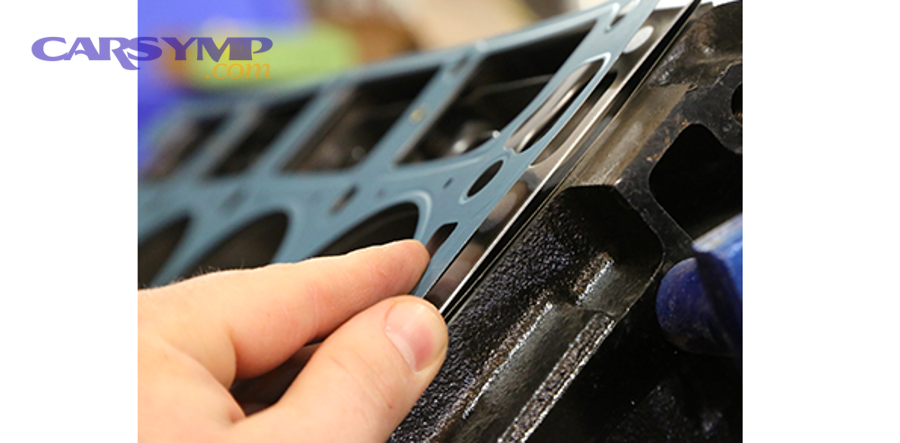
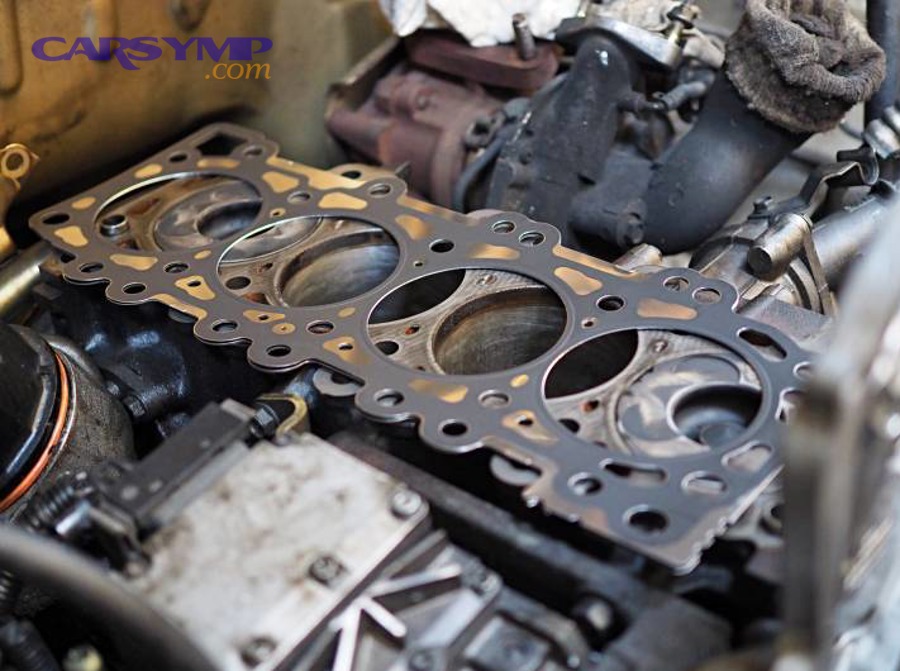
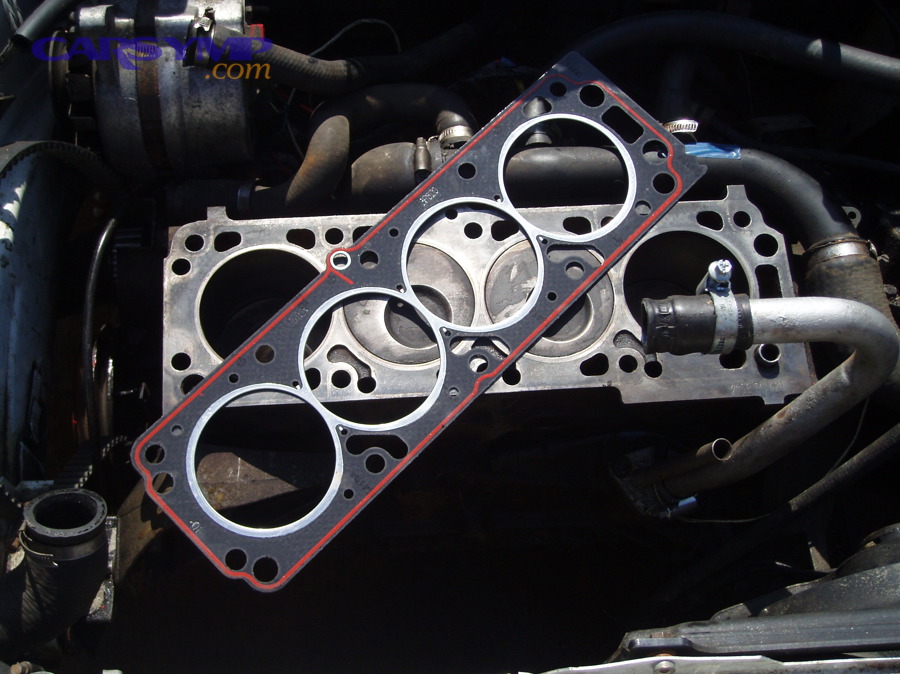
Driving with a bad (blown) head gasket is not safe because it can turn a manageable sealing problem into catastrophic engine damage through rapid overheating, loss of compression, and oil/coolant contamination that destroys lubrication. Next, the most important decision is whether you can move the car at all, because “it still runs” does not mean it’s safe to keep driving—even a short trip can escalate damage if the temperature spikes or coolant starts mixing with oil.
Daniel James Carter February 4, 2026 at 7:20 AM
Calculate a Head Gasket Replacement Cost Estimate (Labor + Parts) for Car Owners
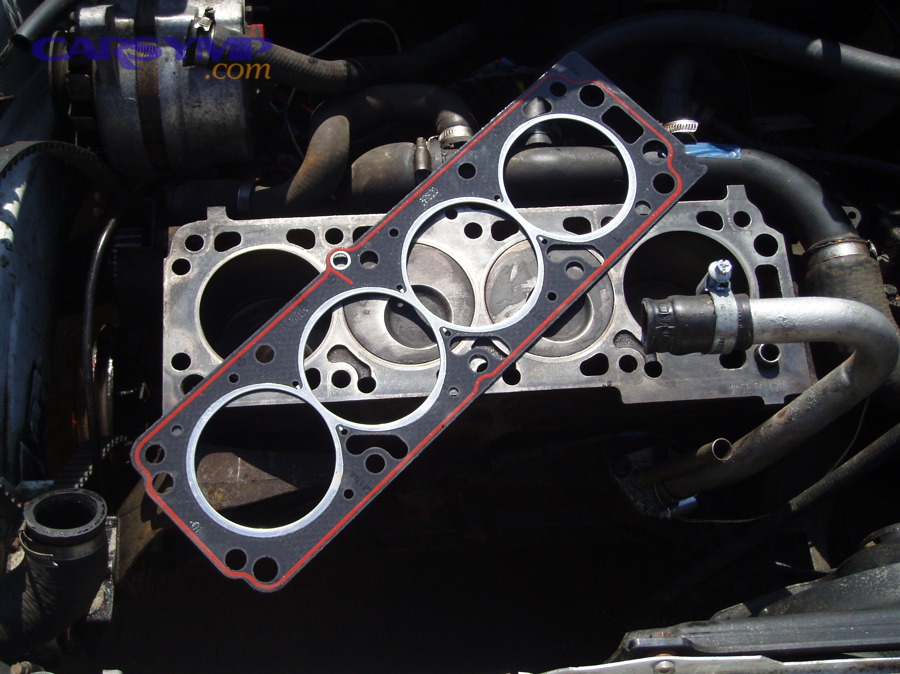
If you’re trying to calculate a head gasket replacement cost estimate , start by thinking in two buckets: labor hours × shop rate plus parts and fluids —then add a realistic buffer for teardown findings. Most owners can build a usable “ballpark” estimate in minutes, even before calling a shop, as long as they account for the job’s labor-heavy nature and common add-ons.
Daniel James Carter February 4, 2026 at 7:09 AM
Estimate Head Gasket Replacement Labor Time & Step-by-Step Process for Car Owners (Repair vs Replace)
Most head gasket replacement jobs take about 6–12 labor hours , but the real number depends on engine layout, access, and whether the cylinder head needs machine-shop work. That’s why two quotes for “the same head gasket repair” can land days apart on the schedule.
Daniel James Carter February 4, 2026 at 6:58 AM
Understand the Combustion Gas Test in Coolant (Block Test / Exhaust Gas Test) — Overview & Result Guide for DIY Car Owners
A combustion gas test in coolant (often called a block test or exhaust gas test ) is a fast, practical way to confirm whether exhaust gases are leaking into your cooling system—an early warning sign of problems like a head gasket leak, a warped cylinder head, or a cracked casting. If you learn what the test detects and how the color change works, you can move from “I think I have a problem” to “I have evidence.
Daniel James Carter February 4, 2026 at 6:45 AM
Explain & Compare Compression vs Leak-Down Tests (Cylinder Differential Test) for Car Owners: What They Reveal, Results Meaning, and When to Use Each
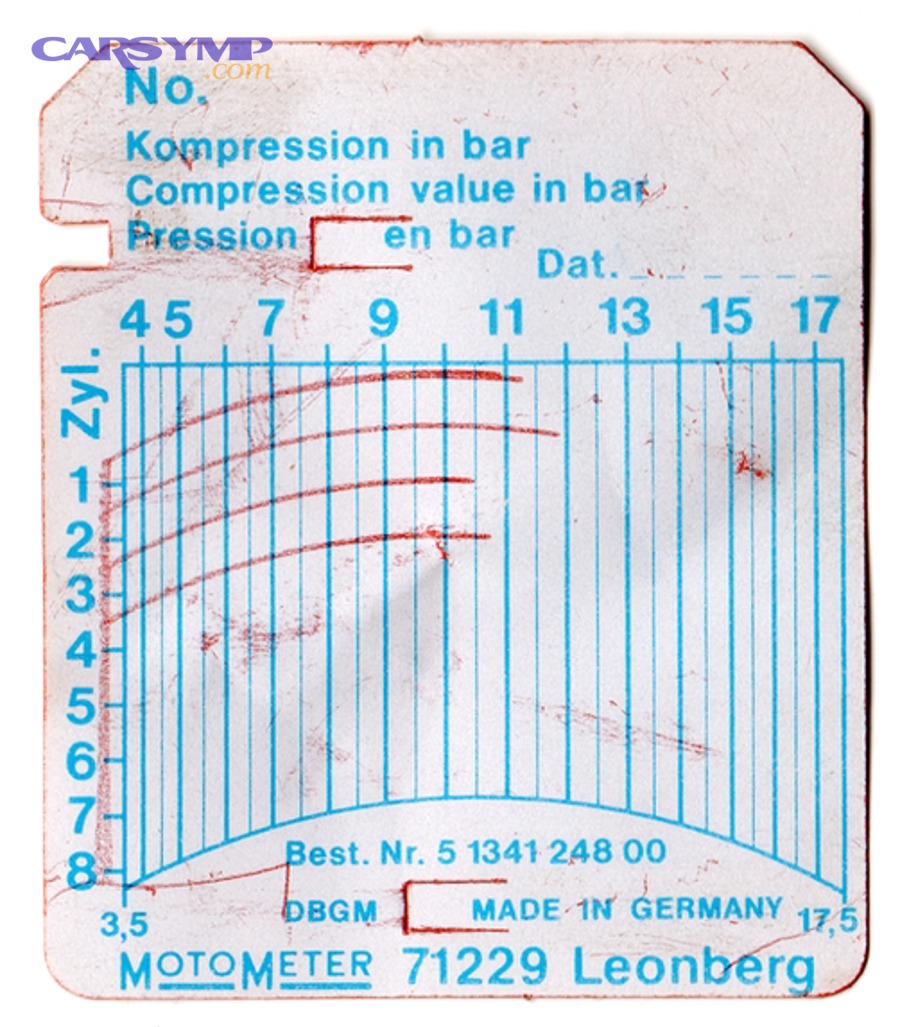
If your engine is misfiring, down on power, or burning oil, compression and leak-down tests are the fastest way to confirm whether the problem is loss of sealing inside a cylinder —and to decide what to do next based on evidence, not guesses. To better understand which test fits your situation, this guide explains what each test measures, how the results are created (PSI/bar vs % leakage), and why the two tests are complements rather than substitutes —one screens quickly, the other pinpoints the leak path.
Daniel James Carter February 4, 2026 at 6:33 AM
Diagnose Coolant Loss & Engine Overheating: External Coolant Leak vs Internal Head Gasket Tests for Drivers
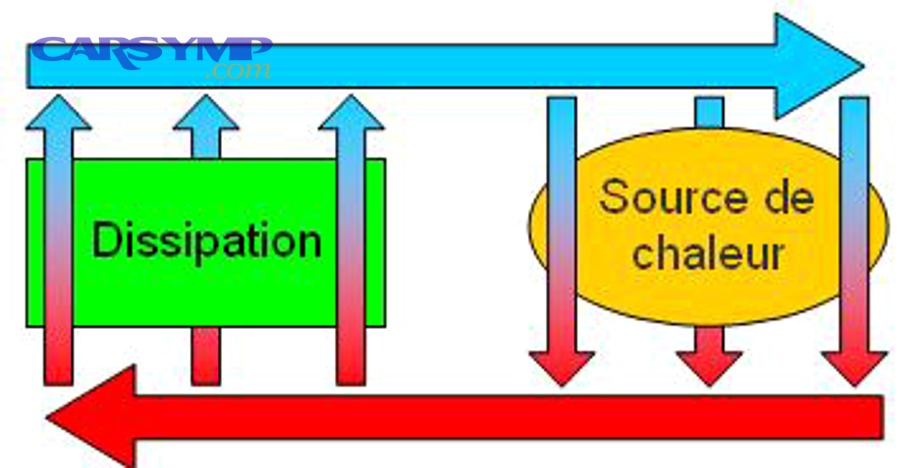
Coolant loss and engine overheating are linked in most real-world cases because the cooling system needs the right coolant volume and the right pressure to keep temperatures stable; when coolant drops or pressure control fails, heat transfer collapses and the engine temperature climbs fast. Next, the fastest way to reach a correct diagnosis is to separate external coolant leaks (coolant escaping the system) from internal failures (combustion gases or coolant crossing the head gasket boundary), because those two paths lead to very different tests and repairs.
Daniel James Carter February 4, 2026 at 6:19 AM
Spot Head Gasket Failure Symptoms (Blown Head Gasket Signs) — A Diagnosis Checklist for Drivers
Head gasket failure symptoms usually show up as a repeatable pattern : the engine runs hotter than normal, coolant disappears without an obvious puddle, exhaust turns persistently white after warm-up, or fluids begin to mix. This guide gives you a driver-focused checklist so you can recognize the most telling signs early and avoid guessing.
Daniel James Carter February 4, 2026 at 6:07 AM
Prevent Brake Grinding Noise With Regular Inspections: A Brake Pad & Rotor Maintenance Checklist for Car Owners
Brake grinding noise is usually preventable when you treat brake inspections like a routine, not a reaction. This guide gives you a practical pad-and-rotor checklist, a simple schedule, and clear “what to do next” actions so you can stop grinding from ever reaching metal-on-metal.
Daniel James Carter February 4, 2026 at 5:39 AM
Diagnose & Fix Grinding (Scraping) Noise After New Brake Pads and Rotors — Top Causes for DIY Drivers
Grinding or scraping after a fresh brake job is not automatically normal , but it is almost always diagnosable if you focus on when the noise happens, which wheel it comes from, and whether there are heat, vibration, or braking-performance changes . This guide explains the most likely causes and the exact fixes so you can stop the noise without guesswork.
Daniel James Carter February 4, 2026 at 5:25 AM
Calculate a Repair Cost Estimate for Grinding Brakes (Pads vs Rotors vs Calipers) — Pricing Guide for Car Owners
Grinding brakes usually cost more than a standard pad swap because the noise often means the friction material is gone and metal is contacting metal—so your estimate needs to account for pads, rotor condition, and the chance of a sticking caliper rather than just “new pads.” ( repairpal.
Daniel James Carter February 4, 2026 at 5:13 AM
Diagnose Grinding Noises at Home: DIY Inspection Checklist for Everyday Drivers (Grind vs Squeal)
If you hear a grinding noise, you can usually narrow it down at home by (1) identifying when it happens, (2) doing a safety-first visual check, and (3) inspecting the three most common sources—brakes, wheel bearings, and CV joints—before you spend money on parts or labor. Next, you’ll learn how to decide whether the car is safe to move at all, because some grinding noises mean rapid damage or a sudden loss of braking.
Daniel James Carter February 4, 2026 at 5:00 AM
Is It Safe to Drive With Grinding Brakes? Stop-Driving Guidance for Everyday Drivers (Brake Pads & Rotors)
If you’re hearing a harsh grind, it is not safe to keep driving with grinding brakes because the sound often means braking force is compromised and metal parts may be contacting each other. Your safest move is to reduce speed, avoid hard stops, and get the car inspected immediately —towing is often the best option when the noise is loud or stopping power feels reduced.
Daniel James Carter February 4, 2026 at 4:48 AM
Rotor Scoring Severity and Fixes: Diagnose, Decide Repair, and Stop Grinding for Everyday Drivers
Title analysis (Step 1.1): Main keyword focus: rotor scoring severity and fixes ; Predicate: diagnose / fix ; Relations Lexical used: Meronymy (rotor scoring as a surface-condition “part” of the broader brake system health and repair decision).
Daniel James Carter February 4, 2026 at 4:36 AM
Diagnose & Fix Grinding Brakes From a Seized (Sticking) Brake Caliper — Symptoms, Causes & Safe-to-Drive Advice for Car Owners
If your car makes a harsh grinding sound and one wheel seems “draggy,” a seized (sticking) brake caliper is a top suspect—because it can keep one pad pressed against the rotor, turning normal braking friction into constant heat and rapid wear. The fastest way to confirm it is to look for a one-corner pattern: pull to one side, a single wheel running hotter than the others, and uneven inner/outer pad wear.
Daniel James Carter February 4, 2026 at 4:24 AM
Diagnose the Causes of Rock/Debris Caught in the Brake Rotor Shield (Dust Shield/Backing Plate) — Driver & DIY Guide
A rock or road debris gets “caught in the brake rotor shield” when a small stone wedges between the spinning brake rotor and the nearby metal shield (also called the dust shield or backing plate), creating a sudden scraping, groaning, or metallic rubbing noise that typically tracks wheel speed. If you understand why it happens—clearance, debris entry paths, and shield alignment—you can diagnose it quickly instead of assuming the worst.
Daniel James Carter February 4, 2026 at 4:12 AM
Diagnose Metal-on-Metal Brake Pad Wear (Grinding vs Wear-Indicator Squeal): A Step-by-Step Guide for Drivers
STEP 1 — Title & outline analysis (quick but complete) - Main keyword (focus): metal-on-metal brake pad wear diagnosis - Predicate (main action): diagnose - Relations Lexical used: Synonym + Hyponym - Synonym: “metal-on-metal” ≈ “grinding” - Hyponym (related subtype for contrast): “wear-indicator squeal” as a specific brake-noise category distinct from grinding - Search intent type(s) in the outline: - H2 #1: Boolean (Is it a sign? Should you…?
Daniel James Carter February 4, 2026 at 4:00 AM
Diagnose Grinding Brakes: Causes, How Urgent It Is, and When to Stop Driving (Grinding vs Squealing) for Everyday Drivers
Grinding brakes are almost never “normal,” and the urgency depends on what’s actually rubbing—because metal-on-metal brake contact can destroy rotors fast and reduce braking confidence. If you hear a grinding noise when braking, assume you’re losing braking margin until proven otherwise, and plan inspection immediately.
Daniel James Carter February 4, 2026 at 3:50 AM
Estimate Repair Cost Ranges for Common Gearbox Noises (Whine, Grind, Clunk) — A Transmission Noise Cost Guide for Car Owners
Gearbox noise repair costs usually fall into predictable ranges once you match the sound (whine, grind, clunk) to the likely failure area and the repair tier (service, external parts, internal repair, rebuild, replacement). This guide estimates those ranges and explains what each noise typically points to, so you can budget realistically without guessing.
Daniel James Carter February 4, 2026 at 3:27 AM
Break Down Diagnostic Fees: Car Diagnostic Test Cost & Next Steps for Car Owners (OBD2 Scan vs Full Diagnosis)
A car diagnostic fee is the cost you pay for a technician to confirm why a symptom is happening—not just what code shows up—so you can understand the likely repair, the risk of waiting, and the realistic total cost before you approve work. Next, you’ll learn what a diagnostic fee usually covers (time, testing, expertise, equipment), why a “free code scan” can’t replace real diagnosis, and how to tell whether you’re paying for a quick scan or a complete troubleshooting process.
Daniel James Carter February 4, 2026 at 3:12 AM
Decide If It’s Safe to Drive With Gearbox (Transmission) Noise: Whine vs Grind vs Clunk Guidance for Everyday Drivers
If you hear a new gearbox (transmission) noise, it can be safe to drive briefly in limited cases , but it is not safe when the sound is loud, worsening, paired with slipping/overheating, or accompanied by a leak—because those signs can signal imminent loss of drive or major damage. A smart next step is to identify the sound family —whine, grind, or clunk—because each points to different failure paths and different urgency, which is the core of practical Transmission/gearbox noise types and meanings .
Daniel James Carter February 4, 2026 at 2:59 AM
Diagnose Differential vs Gearbox Noise: How to Tell Whine, Grind, and Clunk Apart (Driver Guide)
When you hear a new drivetrain noise, you can usually diagnose differential vs gearbox noise by matching when it happens (acceleration, coasting, turning, shifting) to how it sounds (whine, grind, clunk) and what changes it (vehicle speed, engine RPM, gear selection). Next, you’ll learn a simple road-test workflow that isolates the noise source in minutes—without disassembly—so your gearbox noise diagnosis is based on repeatable clues instead of guesses.
Daniel James Carter February 4, 2026 at 2:42 AM
Verify Low-Fluid Whine or Groan: How to Confirm Transmission & Power Steering Fluid Levels (Drivers’ Guide)
A whining or groaning noise can come from low fluid, and you can usually confirm it by matching when the noise happens (turning vs shifting), then checking the fluid level and condition for the system that matches those triggers. If the noise clearly changes with steering input, power steering fluid (or air in that system) is the most likely cause; if it tracks shift events or transmission load, low transmission fluid (or internal wear) becomes more likely.
Daniel James Carter February 4, 2026 at 2:27 AM
Identify Automatic Transmission Pump Whine Symptoms — Normal vs Failing Signs for Drivers
Automatic transmission pump whine is sometimes normal , but it becomes a warning sign when the noise is new, getting louder, or paired with shift or engagement symptoms —because the pump is the transmission’s hydraulic “heart,” and sound changes often track pressure or fluid problems. Next, you’ll learn what pump whine actually is , why it tends to follow engine RPM , and how fluid flow issues like aeration (air in fluid) or restriction can make a healthy pump sound sick.
Daniel James Carter February 4, 2026 at 2:14 AM
Identify Manual Gearbox Bearing Noise Symptoms (Manual Transmission/Stick Shift) — Whine vs Grind Guide for Drivers
If you’re hearing a new whine, growl, rumble, or grind in a manual transmission, the fastest way to avoid guessing is to match the sound to when it happens: in neutral or in gear, on-throttle or coasting, cold or warm, and whether the clutch pedal changes it. Those patterns are the most reliable manual gearbox bearing noise symptoms because bearings “announce” themselves with repeatable triggers long before the gearbox stops driving.
Daniel James Carter February 4, 2026 at 1:57 AM
Diagnose Neutral vs In-Gear Gearbox Noise Clues for Drivers: Whine & Rattle Symptoms, Bearing vs Clutch Causes
A noise that changes between neutral and in gear is one of the fastest ways to narrow down where a problem lives—because neutral often reduces driveline load while “in gear” adds load paths through the clutch, shafts, gears, mounts, and (on automatics) the torque converter. If you track what the sound follows— engine RPM or vehicle speed —you can usually isolate the top suspects without guessing.
Daniel James Carter February 4, 2026 at 1:41 AM
Diagnose Whine vs Grind vs Clunk Noises in Your Car: A Practical Noise Guide for Everyday Drivers
A whine , grind , or clunk is not “just a noise”—it’s often your car telling you which system is under stress and when the failure mode is happening . The fastest way to diagnose it is to match sound character (whine vs grind vs clunk) with timing (idle, accelerating, cruising, decelerating, braking, turning, bumps, shifting).
Daniel James Carter February 3, 2026 at 10:21 PM
Decode Gearbox Noise Types and Meanings for Car Owners: Whine vs Grind vs Clunk Diagnosis Guide
Unusual transmission sounds usually mean one of two things: something has changed in how parts mesh (gears, bearings, clutches), or something has changed in how the transmission is lubricated and hydraulically controlled (fluid level/condition, pump, valve body). This guide helps you decode the most common transmission/gearbox noise types and meanings so you can judge seriousness and choose the smartest next step.
Daniel James Carter February 3, 2026 at 10:02 PM
When to Visit a Repair Shop for Car Electrical Faults (Problems) — Warning Signs for Drivers (Wiring, Battery, Alternator)
If you’re seeing electrical faults in your car, yes—there are clear moments when you should see a repair shop , especially when the problem threatens safety, damages expensive modules, or can leave you stranded without warning. The fastest way to decide is to match your symptoms to urgency: smoke/burning smells and charging loss are “now,” while intermittent glitches are often “soon, but scheduled.
Daniel James Carter February 3, 2026 at 9:23 PM
Avoid Electronics-Damaging Mistakes: Protect Phones, Laptops, and Gadgets for Everyday Users
Most electronics don’t “randomly die”—they get pushed past their design limits by a few repeatable, preventable habits like heat stress, liquid exposure, dirty power, and rough handling. This guide helps everyday users avoid the most common mistakes that damage electronics so your devices stay reliable longer.
Daniel James Carter February 3, 2026 at 9:03 PM
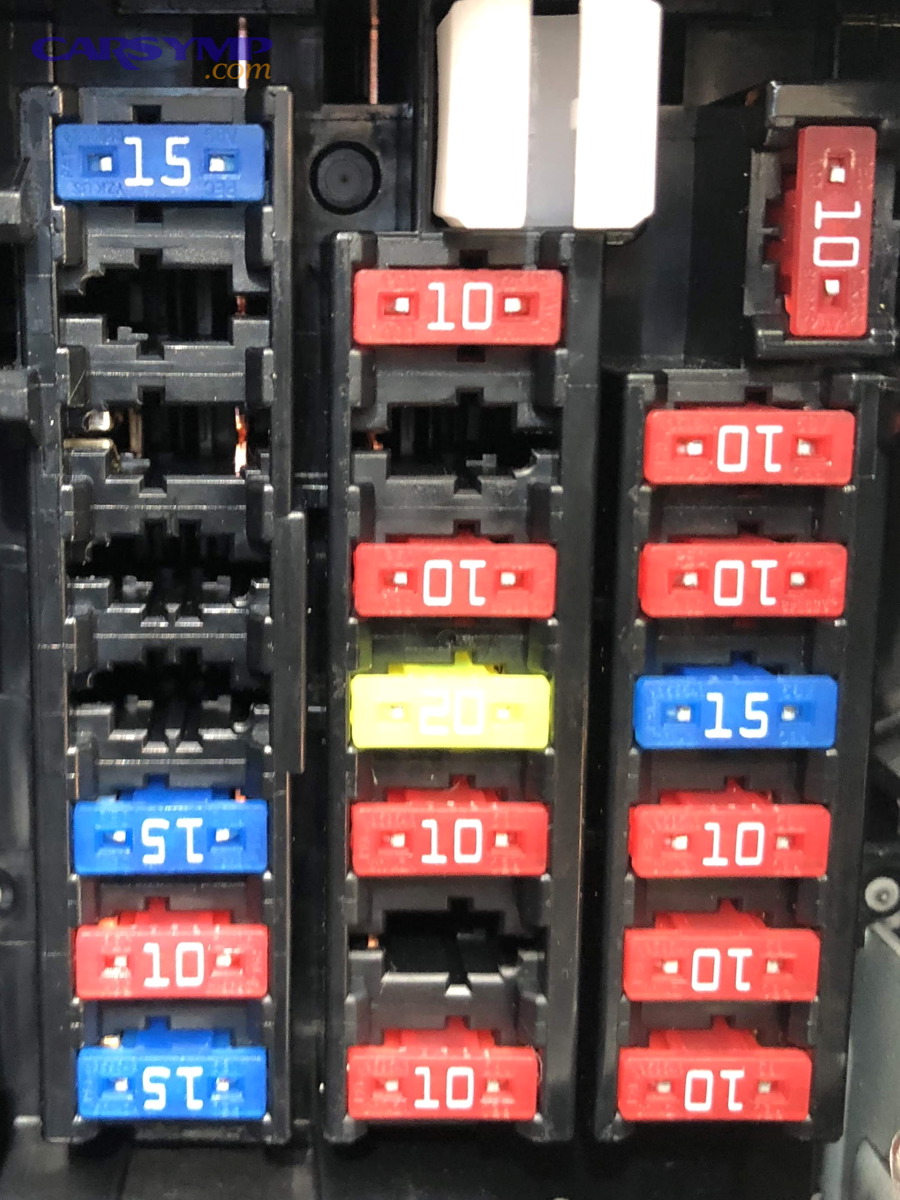
Find Fuse Box (Fuse Panel) Diagrams for Your Car: Cover, Owner’s Manual & Online Layouts for DIY Owners
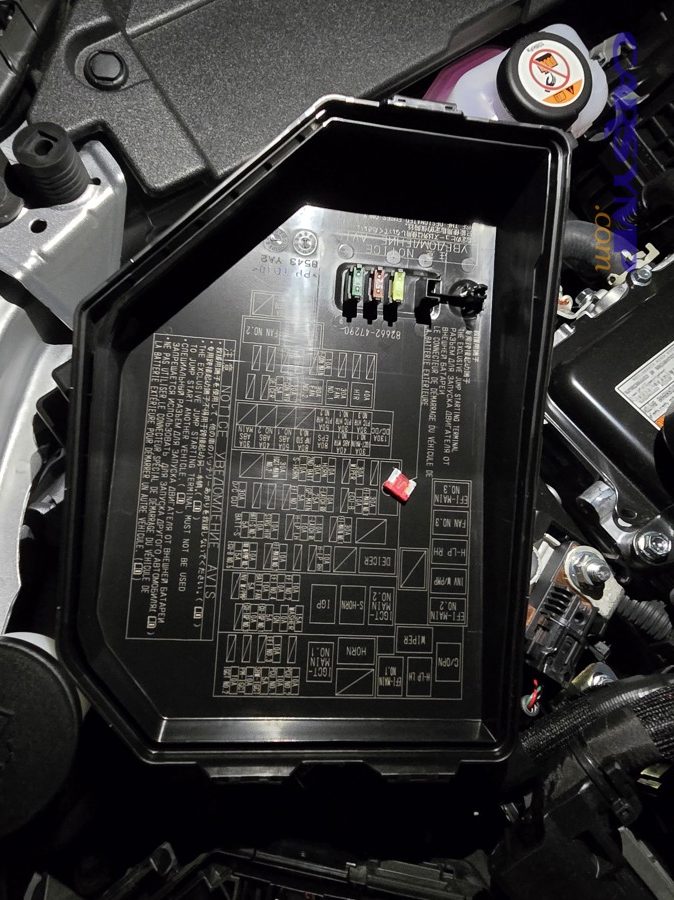
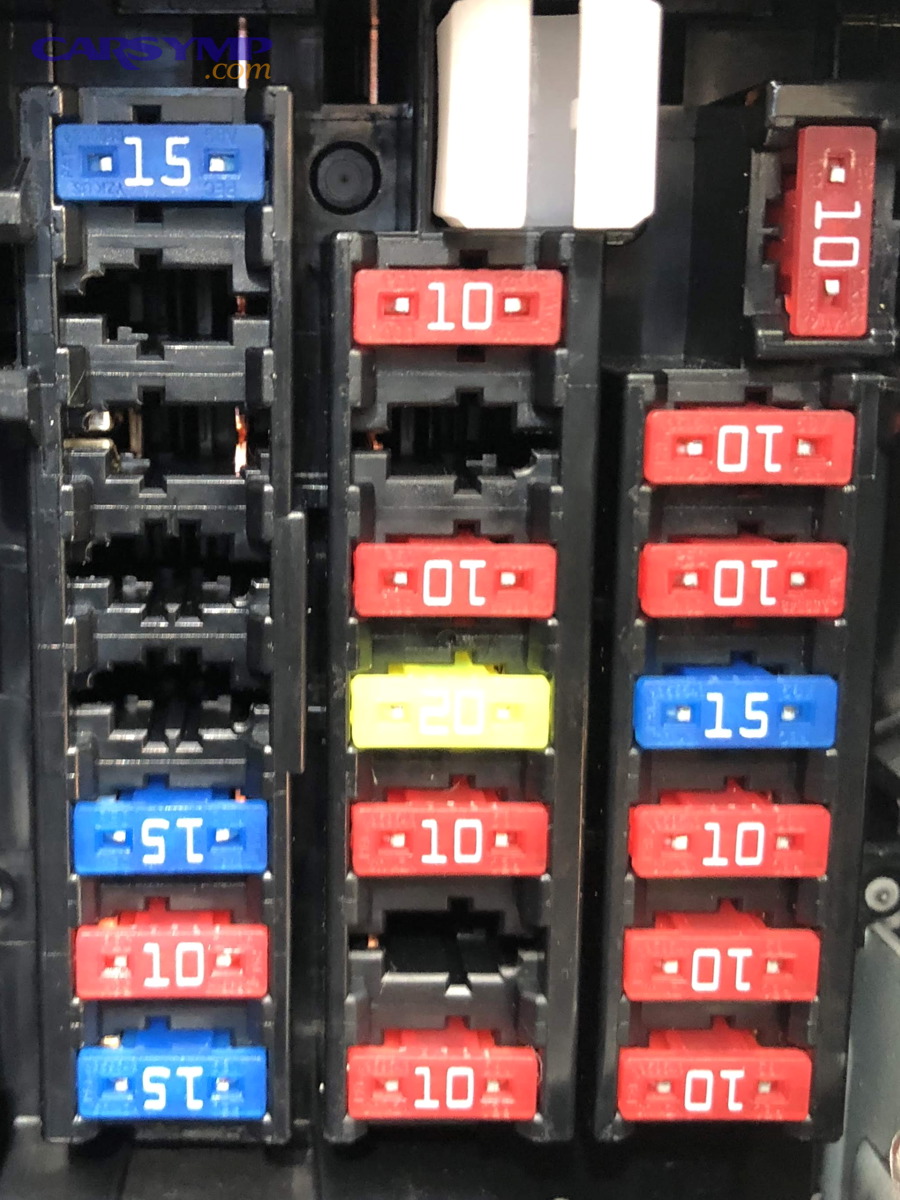
If you’re searching where to find fuse box diagrams , the fastest reliable path is to match your exact vehicle (year + model + trim/engine) and then pull the diagram from three “gold” sources in order: the fuse box cover , the owner’s manual , and a trusted online layout that clearly states the same year/variant. Next, you’ll want to confirm which fuse box you’re looking at —most cars have at least an interior fuse panel and an under-hood power distribution box , and each has its own diagram and labeling approach.
Daniel James Carter February 3, 2026 at 8:43 PM
Safely Replace a Blown Fuse: Do’s & Don’ts for DIY Homeowners and Car Owners
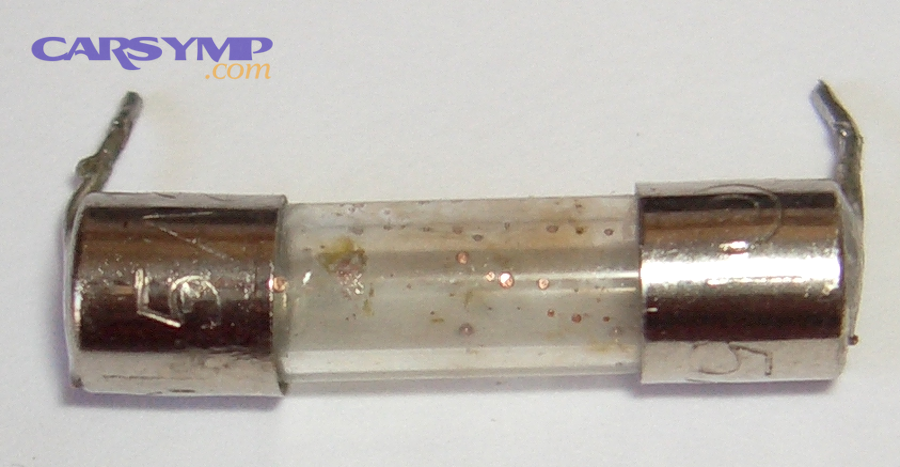
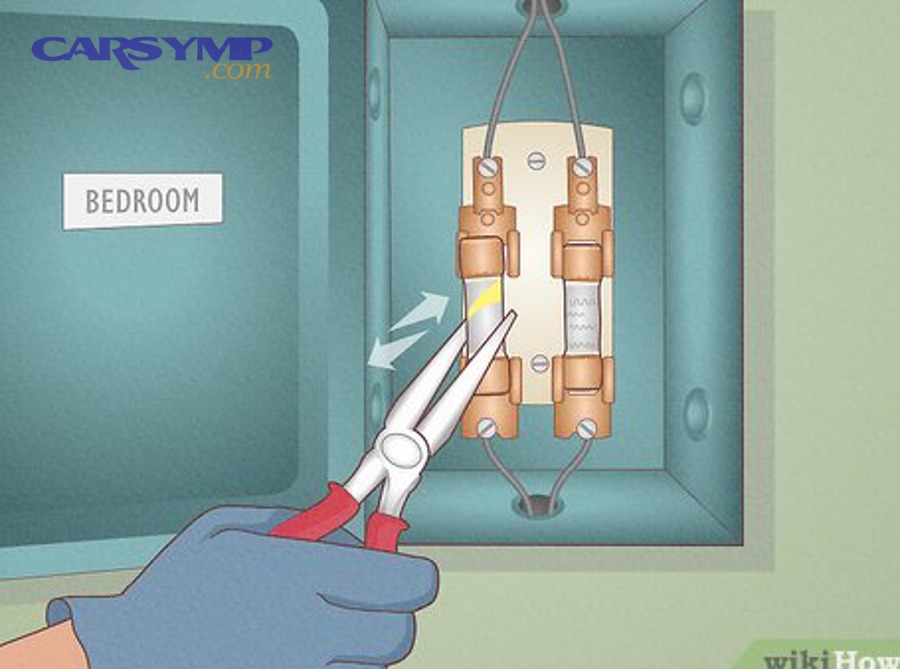
When a circuit suddenly goes dead, the safest fix is to replace the blown fuse with the correct, matching fuse —because the fuse is designed to fail first to protect wiring and devices from overheating. Done correctly, a safe replacement restores power without bypassing the protection that prevents shocks, melted wiring, and fires.
Daniel James Carter February 3, 2026 at 7:30 PM
Relay vs Fuse Troubleshooting Basics: How to Diagnose Switching vs Protection Failures for DIY Car Owners
If you’re stuck deciding whether an electrical problem is a relay issue or a blown fuse , start with the simplest truth: a fuse protects the circuit , while a relay switches power to a load —and that difference changes what you test, what you replace, and what symptoms you trust. Next, you’ll learn how to spot classic fuse failure patterns (dead circuit, visible break, correct rating matters) versus classic relay failure patterns (intermittent operation, clicking, heat-related issues), so you don’t waste time swapping good parts.
Daniel James Carter February 3, 2026 at 7:13 PM
Diagnose a Fuse That Keeps Blowing (Keeps Popping): Step-by-Step Short-Circuit Checks for DIY Car Owners
A fuse that keeps blowing (keeps popping) is telling you one thing: the circuit is drawing more current than it should , and the fuse is sacrificing itself to protect the wiring and electronics. This guide walks you through a repeatable, step-by-step diagnostic workflow to pinpoint whether you’re dealing with a short-to-ground, an overloaded component, or a wiring fault—so you stop guessing and start isolating.
Daniel James Carter February 3, 2026 at 6:56 PM
Test a Fuse With a Multimeter: Step-by-Step Continuity Check for DIY Car & Home Owners
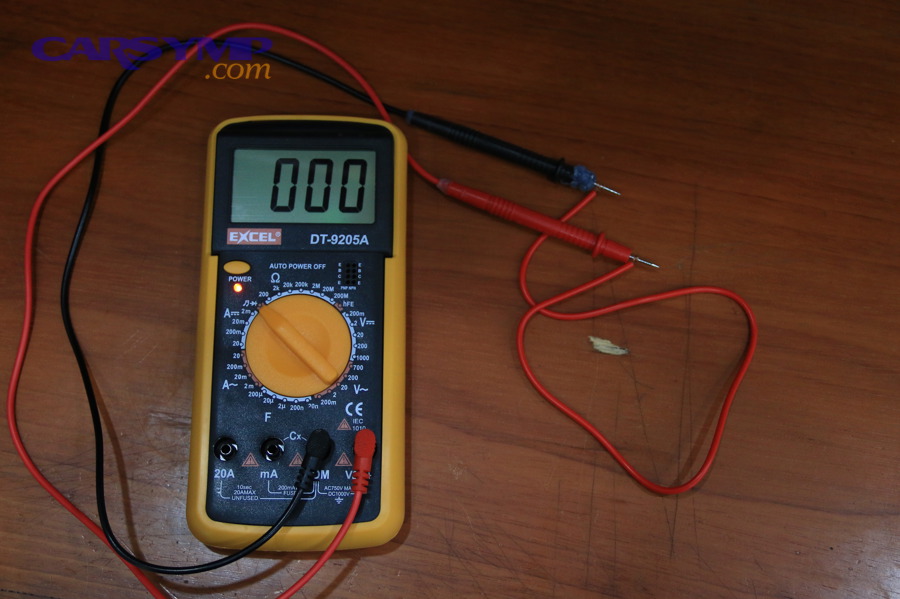
Testing a fuse with a multimeter is the fastest way to confirm whether the fuse is truly blown or if the problem is somewhere else in the circuit. The basic method is a continuity test (or resistance/ohms test) that tells you if current can still pass through the fuse element.
Daniel James Carter February 3, 2026 at 6:37 PM
Diagnose Symptoms of a Blown Car Fuse by System: Signs, Tests, and Safe Fuse Replacement for Drivers
A blown fuse usually shows up as a specific system suddenly stopping—like one headlight, the power windows, the radio, the wipers, or the HVAC blower—while the rest of the car seems fine. The fastest way to diagnose symptoms of a blown fuse by system is to match the dead feature to its fuse label, then confirm with a quick visual check and a continuity test.
Daniel James Carter February 3, 2026 at 6:21 PM
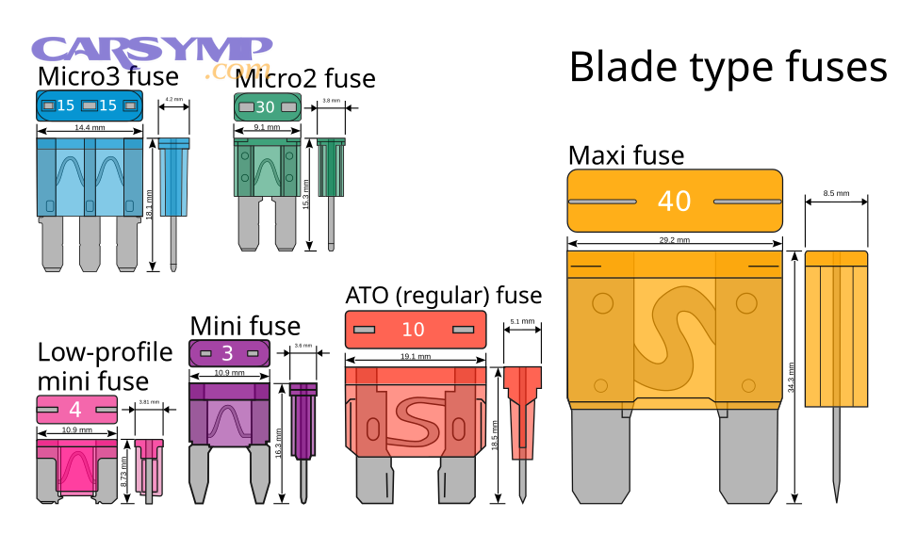
Understand Fuse Types & Rating Specs: Amp, Voltage & Interrupting Capacity Explained for DIYers and Technicians
Most “blown fuse” problems are not about luck—they’re about matching the fuse type and its rating specs to how a circuit actually behaves. This guide explains the core fuse types you’ll see, what each rating really means (amp, voltage, interrupting capacity), and how those specs work together to protect wiring and components.
Daniel James Carter February 3, 2026 at 6:06 PM
How to Choose the Right Fuse for a Circuit (Not the Wrong One): A Step-by-Step Sizing Guide for DIYers & Technicians
The right fuse for a circuit is the smallest fuse that will survive normal operation (including start-up surges) while still opening fast enough to protect the wiring and equipment when a fault happens—so you prevent melted insulation, damaged parts, and repeat failures. Next, you’ll learn the core principle that separates safe fuse sizing from guesswork: you don’t “match the fuse to the device” by habit—you choose a fuse that protects the most vulnerable part of the circuit, which is often the wire, connector, or PCB trace.
Daniel James Carter February 3, 2026 at 5:48 PM
How to Prevent Fuel Pump Failure: A Practical Maintenance Checklist for Everyday Drivers (Avoid vs Cause)
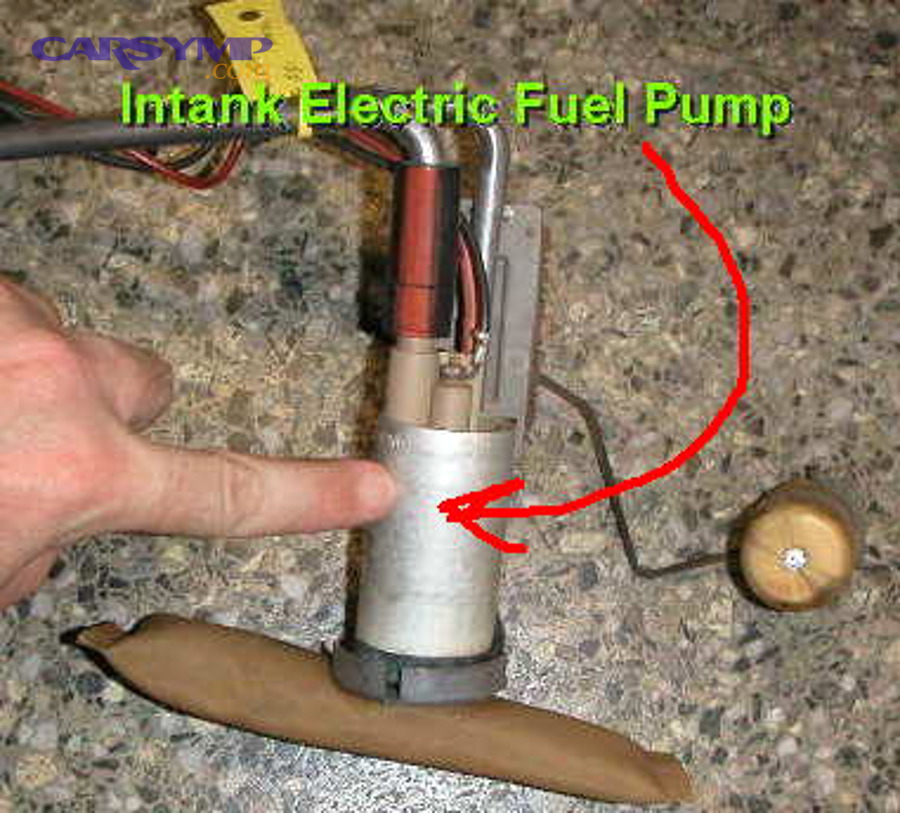
Fuel pump failure is preventable in many cases because most pumps don’t “suddenly die”—they wear out faster when heat, restriction, contamination, or electrical resistance forces them to work harder than designed. The simplest prevention plan is to keep fuel flowing cleanly at the right pressure and keep the pump supplied with stable voltage so it runs cooler and quieter.
Daniel James Carter February 3, 2026 at 5:13 PM
Calculate a Fuel Pump Replacement Cost Estimate (Parts + Labor Price Range) for Car Owners
Replacing a fuel pump is expensive mainly because the total is a parts + labor equation , and both sides move depending on your vehicle and the repair approach. A good fuel pump replacement cost estimate starts with a realistic price range, then narrows it using your pump type, access method, and local labor rates.
Daniel James Carter February 3, 2026 at 4:59 PM
Drive or Stop? Can You Drive With a Weak (Failing) Fuel Pump — Risks, Symptoms & Next Steps for Car Owners
Yes—you can sometimes drive with a weak fuel pump, but you should only do it briefly because a weak pump can trigger loss of power, stalling, or a no-start at the worst possible moment. The safest intent behind “Drive or Stop?
Daniel James Carter February 3, 2026 at 4:43 PM
Diagnose Fuel Delivery Issues: Fuel Pump vs Injectors vs Fuel Filter Symptoms for DIY Car Owners (Troubleshooting Checklist)
If your car hesitates, loses power, or won’t start, you can diagnose a fuel delivery issue by matching symptoms to how fuel pressure, fuel volume, and flow restriction behave—then confirming with a simple checklist that narrows the cause to the fuel pump, fuel injectors, or the fuel filter. You’ll get the clearest answers by looking at when the problem happens (cold start, idle, acceleration, highway load) and whether it feels consistent or intermittent, because those patterns often separate a weak pump from a clogged filter or injector imbalance.
Daniel James Carter February 3, 2026 at 4:26 PM
Diagnose a Whining (Humming) Noise from the Fuel Tank: Fuel Pump vs EVAP Causes for Car Owners
A whining (humming) noise from the fuel tank is diagnosable if you treat it like a systems problem: confirm when the sound happens, match it to fuel-demand events, and then prove (or eliminate) the fuel pump with a few targeted checks. Many drivers immediately assume “fuel pump,” but that’s only one branch of the decision tree; some tank-area noises are normal, intermittent, or caused by EVAP components and pressure changes rather than a failing pump.
Daniel James Carter February 3, 2026 at 4:10 PM
Diagnose a Cranks-But-Won’t-Start: Fuel Pump Checklist (Relay, Fuse, Voltage & Pressure) for DIY Drivers
A crank-no-start often can be diagnosed quickly by treating the fuel pump system like a simple chain: power → command → pump → pressure → injectors . This checklist walks you through that chain so you can confirm (or rule out) a fuel delivery failure without guessing or swapping parts.
Daniel James Carter February 3, 2026 at 3:55 PM
Troubleshoot Fuel Pump Relay and Fuse for No-Start Cars: Relay vs Fuse Checklist for DIY Drivers
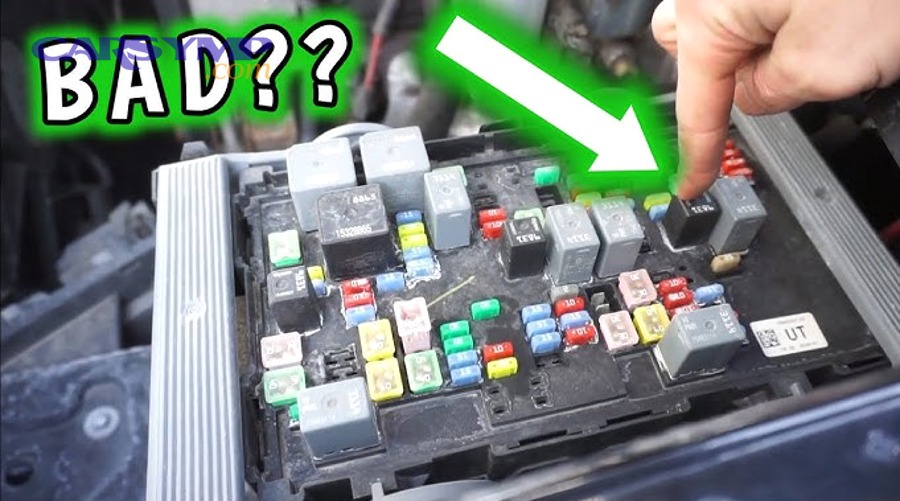
A fuel pump relay or fuel pump fuse problem can absolutely cause a no-start—but the fastest fix is not “replace parts until it runs.” The fastest fix is a simple power-path check that proves whether the relay is switching, the fuse is feeding, and the pump is actually receiving voltage and ground.
Daniel James Carter February 3, 2026 at 3:39 PM
How to Perform a Fuel Pressure Test (Fuel Pressure Check) for Beginners: Tools, Steps, and Normal PSI
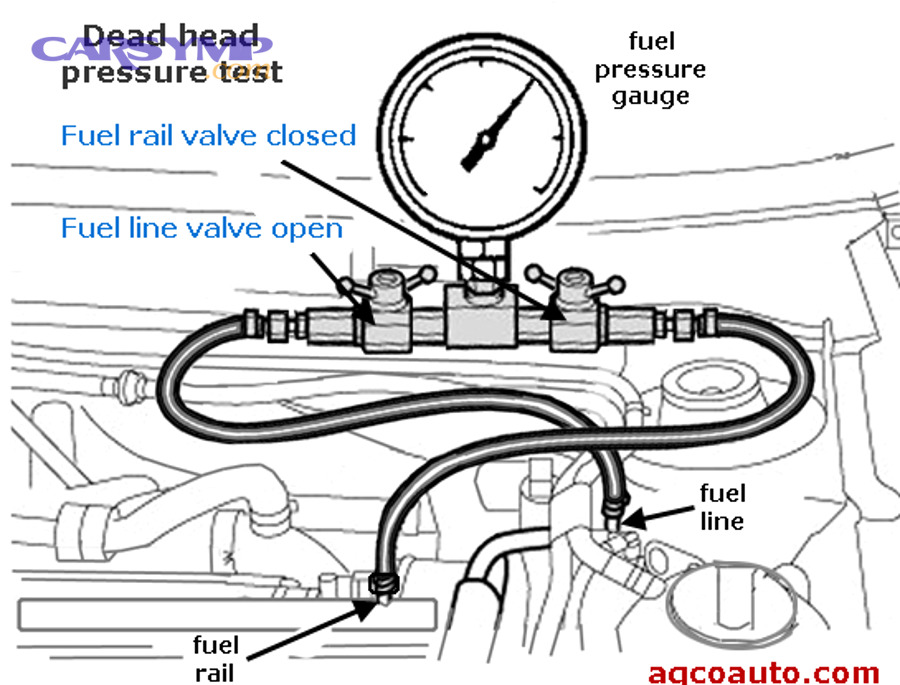
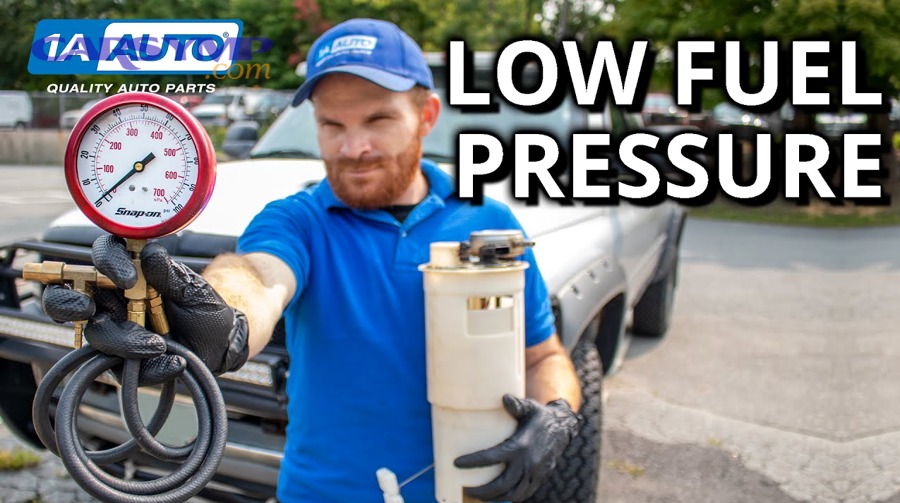
A fuel pressure test is the fastest “basics-first” way to confirm whether your fuel system can build and hold the pressure your engine needs—using a simple gauge, a safe connection point, and a spec comparison that tells you if the numbers are truly normal. Next, you’ll learn how to connect a fuel pressure gauge correctly, run the key-on and engine-running checks, and avoid the common mistakes that create misleading readings or unsafe fuel spills.
Daniel James Carter February 3, 2026 at 12:21 PM
Hard Start & Stalling Fuel Delivery Diagnosis: Step-by-Step Checklist for DIY Drivers (Pump vs Filter)
A hard start followed by stalling is often a fuel delivery problem, but it’s only “fuel starvation” when the engine isn’t getting the right fuel pressure and volume at the right time —so the fastest fix is to diagnose, not guess. Next, you’ll learn how to separate fuel delivery faults from look-alike ignition and sensor issues, so you don’t replace parts that were never broken in the first place.
Daniel James Carter February 3, 2026 at 12:09 PM
Identify Fuel Pump Failure Symptoms: 10 Bad Fuel Pump Signs for Drivers (Good vs Bad Clues)
A fuel pump that’s starting to weaken usually gives you warning signs—especially during hard starts, acceleration, and hot-weather driving—and you can spot them early if you know what “normal” fuel delivery feels like versus “bad” clues. The fastest way to protect your engine (and avoid a sudden no-start) is to recognize the symptom pattern, not just one symptom.
Daniel James Carter February 3, 2026 at 11:58 AM