Avatar of Daniel James Carter

Daniel James Carter

Lead Diagnostic Technician & Technical Content Author

Company / Organization

CarSymp

Experience / Skills

Check Engine Light diagnosis (OBD-II); engine performance & ignition/fuel systems; brake service; steering & suspension; AC/heater diagnostics; cooling system service; basic transmission diagnostics; electrical & battery/charging systems; maintenance schedules

Connect

About Daniel James Carter

Daniel James Carter (born July 14, 1988) is an Automotive Diagnostic & Repair Technician and the Lead Diagnostic Technician & Technical Content Author for this auto repair website. His work focuses on translating real shop-floor diagnostics into clear, step-by-step guidance for vehicle owners—especially around check-engine issues, climate control problems, brake safety, and steering/suspension wear.\n\nDaniel’s interest in mechanical systems started early, but his professional path became formal in 2006 when he began a structured apprenticeship in general automotive service. Between 2006 and 2008, he worked alongside senior technicians learning foundational skills—oil services, brake inspections, tire work, basic electrical checks, and service documentation. During this period, he also built the habits that still define his process today: verifying the customer’s concern, road-testing when safe, and confirming repairs with repeatable measurements.\n\nIn 2009, Daniel moved into a full-time automotive service technician role, where he handled a higher volume of maintenance and repair work (brakes, cooling systems, belts, ignition components, and driveline basics). By 2012, he shifted toward diagnostics, focusing on OBD-II fault tracing, fuel trim interpretation, misfire detection, smoke-testing intake leaks, and electrical circuit testing using wiring diagrams and voltage-drop methods.\n\nA major milestone came in 2015 when he began pursuing advanced professional credentials through the National Institute for Automotive Service Excellence (ASE). After completing multiple ASE exams and documenting the required hands-on experience, Daniel earned the ASE Master Automobile Technician designation in 2017. He continued building depth in drivability and emissions-related diagnostics and achieved the ASE L1 Advanced Engine Performance Specialist credential in 2019. He maintains his credentialing through ongoing study and periodic recertification, aligning his knowledge with modern engine management systems, updated scan-tool workflows, and evolving diagnostic standards.\n\nFrom 2018 to 2021, Daniel served as a senior technician in a busy service environment where his day-to-day work centered on complex complaints: intermittent stalling, hard starts, rough idle, overheating, vibration under braking, and AC systems that blow warm or smell musty. He became known for careful diagnosis before parts replacement, using a consistent checklist:\n\n\n Confirm the symptom and capture freeze-frame data.\n Test likely causes (air leaks, sensors, ignition, fuel delivery, charging system) with measurable evidence.\n Repair only after the failure is verified and the fix can be validated.\n Validate with a road test, live data review, and final inspection.\n\n\nIn 2022, Daniel began formalizing his field notes into consumer-friendly write-ups and troubleshooting guides. By 2023, he expanded that work into structured content for this website, combining real repair patterns with clear explanations of why failures happen (for example: how moisture and organic buildup can cause musty AC smell, why worn suspension joints can mimic wheel balance issues, or how vacuum leaks and weak ignition coils can trigger persistent misfires).\n\nToday, Daniel’s role on the website is to ensure every guide reflects practical repair reality—tools a shop actually uses, common misdiagnoses to avoid, and safety-first recommendations. He writes with the same standard he uses in the bay: the diagnosis must make sense, the repair must be verifiable, and the timeline from symptom to fix must be clear for the reader.


Latest posts by Daniel James Carter

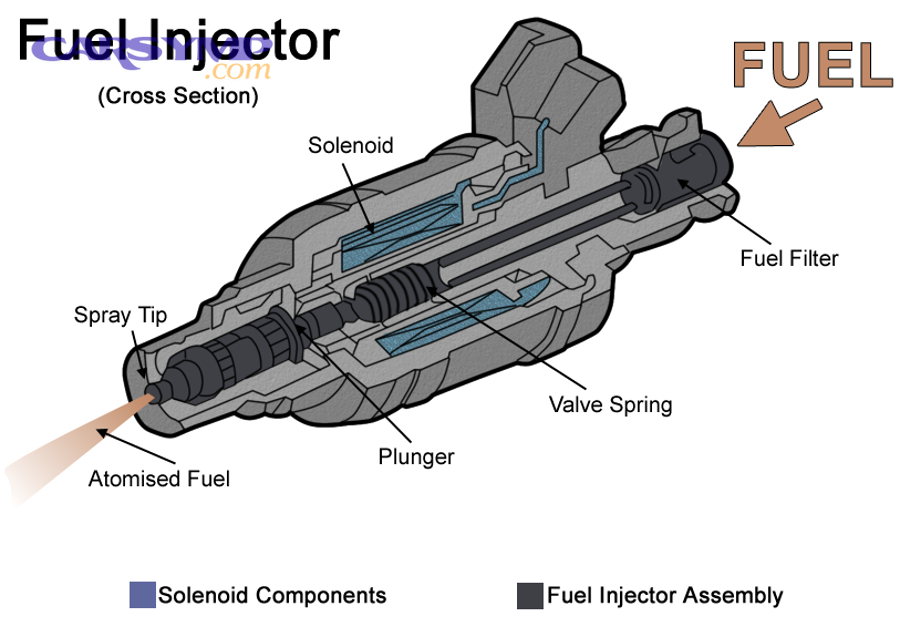
Avoid DIY Fuel Injector Cleaning Risks: Safe At-Home Methods for DIY Car Owners (What to Do vs What to Avoid)

Avoid DIY Fuel Injector Cleaning Risks: Safe At-Home Methods for DIY Car Owners (What to Do vs What to Avoid)

Improve Fuel Injector Health: Fuel-Quality Tips for Drivers (Clean vs Dirty Fuel, Detergents & Filters)

Improve Fuel Injector Health: Fuel-Quality Tips for Drivers (Clean vs Dirty Fuel, Detergents & Filters)

Know When to Replace (Not Clean) Fuel Injectors: A Decision Guide for Everyday Drivers

Know When to Replace (Not Clean) Fuel Injectors: A Decision Guide for Everyday Drivers

Diagnose Misfire & Rough Idle Caused by Clogged Fuel Injectors (Injector Nozzles): Tests & Fixes for DIY Drivers

Diagnose Misfire & Rough Idle Caused by Clogged Fuel Injectors (Injector Nozzles): Tests & Fixes for DIY Drivers

Compare On-Car vs Off-Car (Ultrasonic Bench) Fuel Injector Cleaning — Choose the Best Method for Car Owners & DIY Mechanics

Compare On-Car vs Off-Car (Ultrasonic Bench) Fuel Injector Cleaning — Choose the Best Method for Car Owners & DIY Mechanics

Compare Fuel Injector Cleaning Methods: Additives vs Pressurized Service vs Ultrasonic Cleaning for DIY Car Owners

Compare Fuel Injector Cleaning Methods: Additives vs Pressurized Service vs Ultrasonic Cleaning for DIY Car Owners

Prevent Post-Service Fluid Leaks: Leak-Free Checks for Drain Plug, Filter Gasket & Lines (Car Owners & DIYers)

Prevent Post-Service Fluid Leaks: Leak-Free Checks for Drain Plug, Filter Gasket & Lines (Car Owners & DIYers)

Get Accurate Cost Estimates for Common Car Fluid Services (Oil, Coolant, Brake & Transmission) for Everyday Drivers

Get Accurate Cost Estimates for Common Car Fluid Services (Oil, Coolant, Brake & Transmission) for Everyday Drivers

Choose the Right Transmission Service: Fluid Flush (Full Exchange) vs Drain-and-Fill for Car Owners

Choose the Right Transmission Service: Fluid Flush (Full Exchange) vs Drain-and-Fill for Car Owners

Schedule Differential & Transfer Case Fluid Service (Gear Oil): Intervals, Symptoms, and Cost for 4WD/AWD Drivers

Schedule Differential & Transfer Case Fluid Service (Gear Oil): Intervals, Symptoms, and Cost for 4WD/AWD Drivers

Compare & Choose: Transmission Fluid Service Options Explained (Flush vs Drain-and-Fill vs Pan Drop) for Car Owners

Compare & Choose: Transmission Fluid Service Options Explained (Flush vs Drain-and-Fill vs Pan Drop) for Car Owners

Understand Brake, Coolant & Power Steering Fluid Service (Flush vs Exchange) — What It Includes & When You Need It (Car Owners)

Understand Brake, Coolant & Power Steering Fluid Service (Flush vs Exchange) — What It Includes & When You Need It (Car Owners)

Plan Mileage-Based Fluid Service Intervals (Fluid Change Schedule) for Car Owners

Plan Mileage-Based Fluid Service Intervals (Fluid Change Schedule) for Car Owners

Explain the Essential Car Fluids and What They Do for Everyday Drivers: Engine Oil, Coolant, Brake & Transmission Fluids

Explain the Essential Car Fluids and What They Do for Everyday Drivers: Engine Oil, Coolant, Brake & Transmission Fluids

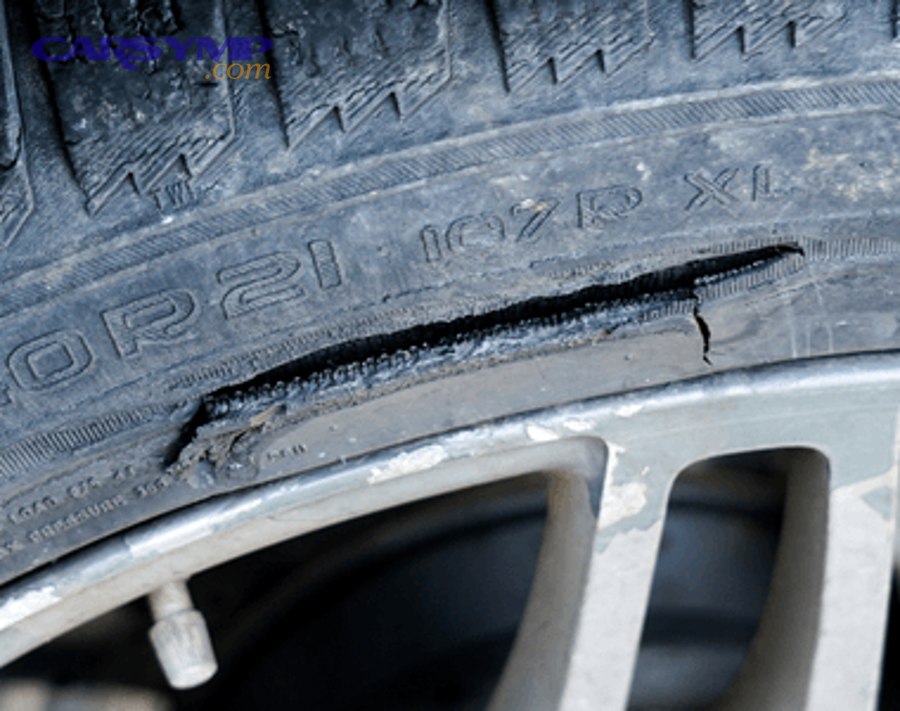
Assess Tire Sidewall Damage for Drivers: Blowout Risk Signs (Bulges, Cuts, Cracks) + When to Replace

Assess Tire Sidewall Damage for Drivers: Blowout Risk Signs (Bulges, Cuts, Cracks) + When to Replace

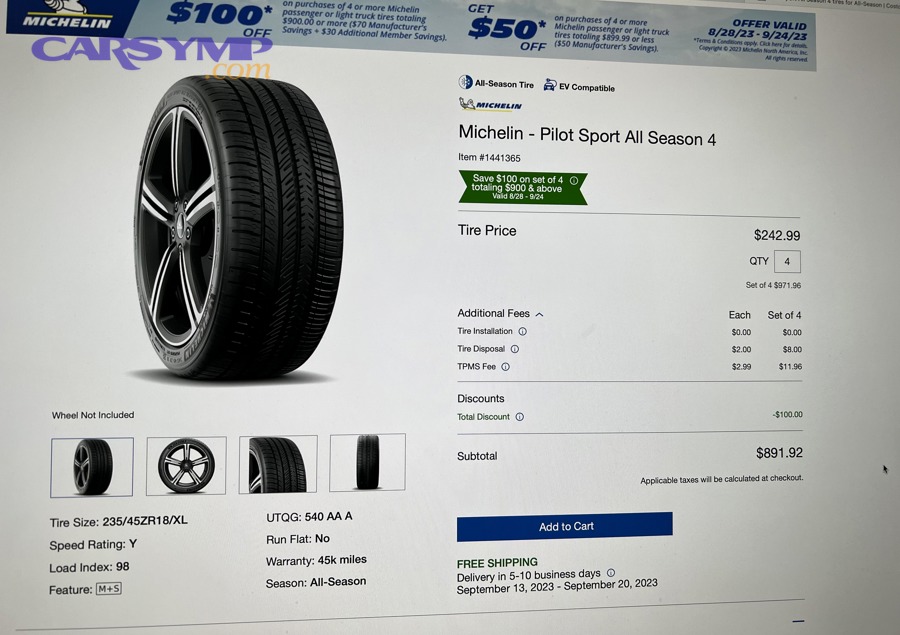
Calculate a Tire Repair Cost Estimate for Drivers: Patch vs Plug Pricing (Repair vs Replace)

Calculate a Tire Repair Cost Estimate for Drivers: Patch vs Plug Pricing (Repair vs Replace)

How to Reset (Relearn) TPMS After Fixing a Flat Tire — Step-by-Step for DIY Drivers

How to Reset (Relearn) TPMS After Fixing a Flat Tire — Step-by-Step for DIY Drivers

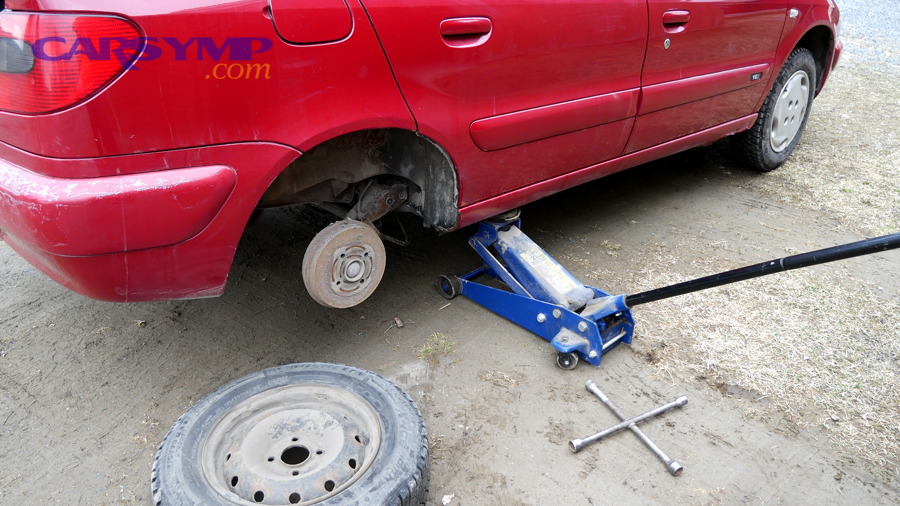
How to Change a Spare Tire Step-by-Step (Flat Tire) for Beginners: Donut Spare, Jack Points & Lug-Nut Safety

How to Change a Spare Tire Step-by-Step (Flat Tire) for Beginners: Donut Spare, Jack Points & Lug-Nut Safety

Replace, Don’t Repair: When a Puncture Can’t Be Repaired (Tire Safety Guide for Everyday Drivers)

Replace, Don’t Repair: When a Puncture Can’t Be Repaired (Tire Safety Guide for Everyday Drivers)

Decide the Safest Tire Fix: Plug Kit vs Patch vs Replace for Drivers & DIYers (Temporary vs Permanent)

Decide the Safest Tire Fix: Plug Kit vs Patch vs Replace for Drivers & DIYers (Temporary vs Permanent)

Follow Safety Steps for a Flat Tire (or Blowout) on the Road: Checklist for Drivers

Follow Safety Steps for a Flat Tire (or Blowout) on the Road: Checklist for Drivers

Build a Preventive Maintenance Filter Schedule: Inspection & Replacement Intervals for Facility Maintenance Teams

Build a Preventive Maintenance Filter Schedule: Inspection & Replacement Intervals for Facility Maintenance Teams

Avoid Wrong Filter Fitment: How to Choose the Right Oil Filter for DIYers (Wrong vs Right Compatibility)

Avoid Wrong Filter Fitment: How to Choose the Right Oil Filter for DIYers (Wrong vs Right Compatibility)

Step-by-Step DIY Filter Replacement Checklist for Everyday Drivers (Oil, Engine Air, Cabin Air & Fuel Filters)

Step-by-Step DIY Filter Replacement Checklist for Everyday Drivers (Oil, Engine Air, Cabin Air & Fuel Filters)

Understand Transmission Filter Service: What’s Included in an ATF & Filter Change for Car Owners (Pan, Gasket, Fluid)

Understand Transmission Filter Service: What’s Included in an ATF & Filter Change for Car Owners (Pan, Gasket, Fluid)

Choose the Right Oil Filter: Selection Basics for DIY Drivers (Avoid the Wrong Fit)

Choose the Right Oil Filter: Selection Basics for DIY Drivers (Avoid the Wrong Fit)

Identify Fuel Filter Symptoms & Replacement Timing for Everyday Drivers: Clogged vs Clean Filter Signs

Identify Fuel Filter Symptoms & Replacement Timing for Everyday Drivers: Clogged vs Clean Filter Signs

When to Replace Common Car Filters: Engine Air, Cabin Air, Oil & Fuel Filter Replacement Schedule for Everyday Drivers (Checklist)

When to Replace Common Car Filters: Engine Air, Cabin Air, Oil & Fuel Filter Replacement Schedule for Everyday Drivers (Checklist)

Engine Air Filter vs Cabin Air Filter Differences for Drivers: Functions, Symptoms, and Replacement Guide

Engine Air Filter vs Cabin Air Filter Differences for Drivers: Functions, Symptoms, and Replacement Guide

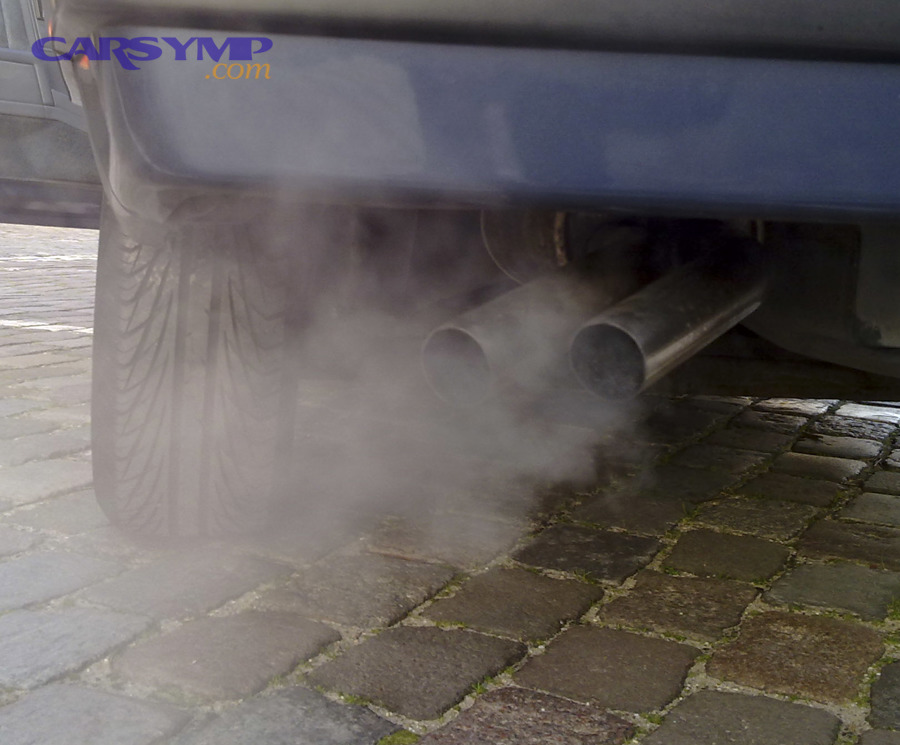
Repair Cost Estimate by Smoke Type: Blue vs White vs Black Exhaust Smoke Fix (Drivers & DIYers)

Repair Cost Estimate by Smoke Type: Blue vs White vs Black Exhaust Smoke Fix (Drivers & DIYers)

Can You Drive With Exhaust Smoke? Safety Guide for Car Owners

Can You Drive With Exhaust Smoke? Safety Guide for Car Owners

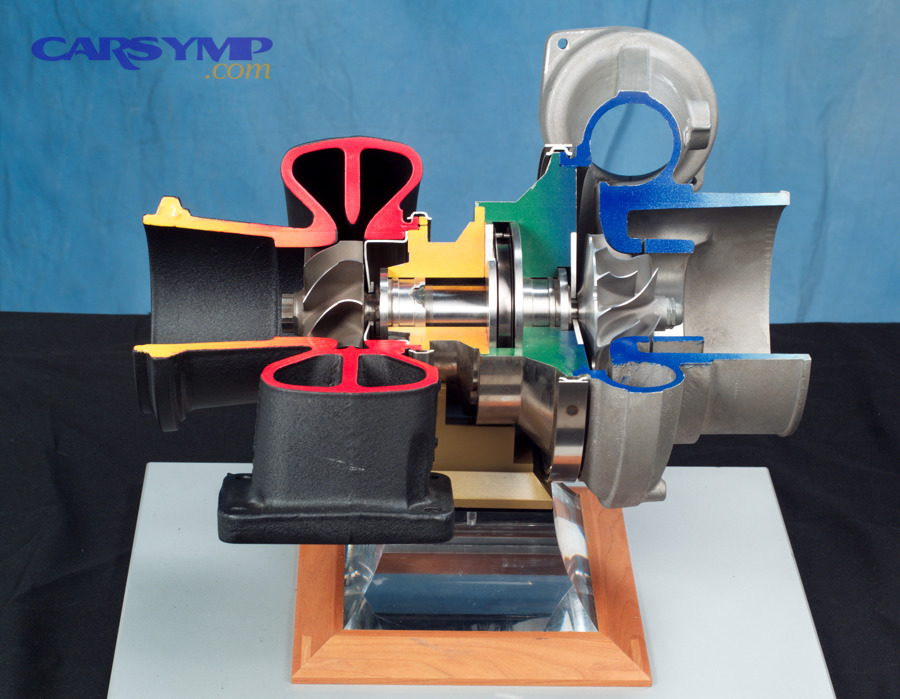
Diagnose Turbocharger Smoke Symptoms (Blue, White, Black) for DIY Drivers: Causes, Tests, and Fixes

Diagnose Turbocharger Smoke Symptoms (Blue, White, Black) for DIY Drivers: Causes, Tests, and Fixes

Diagnose Exhaust Smoke Timing: Cold-Start vs Under-Load Clues for Drivers (Valve Seals, Rings & Turbo)

Diagnose Exhaust Smoke Timing: Cold-Start vs Under-Load Clues for Drivers (Valve Seals, Rings & Turbo)

Diagnose a Rich Fuel Mixture Causing Black Smoke: Causes, Tests, and Fixes for DIY Drivers

Diagnose a Rich Fuel Mixture Causing Black Smoke: Causes, Tests, and Fixes for DIY Drivers

Diagnose Coolant-Burning (White Smoke) From the Exhaust: Causes, Tests & Fix Costs for DIY Drivers

Diagnose Coolant-Burning (White Smoke) From the Exhaust: Causes, Tests & Fix Costs for DIY Drivers

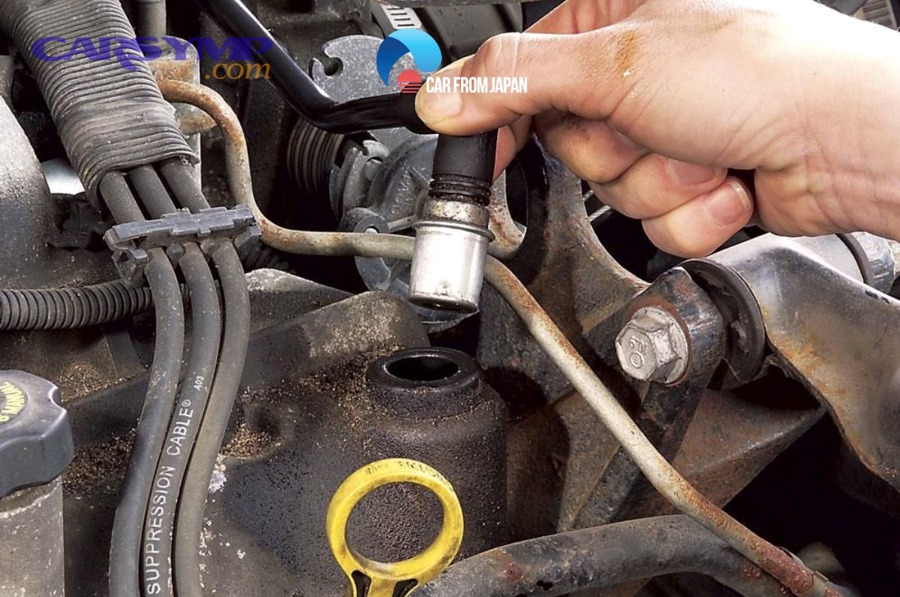
Diagnose Oil-Burning Blue Exhaust Smoke for Car Owners: DIY Checks for Valve Seals, Piston Rings & PCV Problems

Diagnose Oil-Burning Blue Exhaust Smoke for Car Owners: DIY Checks for Valve Seals, Piston Rings & PCV Problems

Diagnose Blue vs White vs Black Exhaust Smoke Causes: What Each Color Means for Car Owners (Oil vs Coolant vs Fuel)

Diagnose Blue vs White vs Black Exhaust Smoke Causes: What Each Color Means for Car Owners (Oil vs Coolant vs Fuel)