Daniel James Carter
Lead Diagnostic Technician & Technical Content Author
Company / Organization
CarSymp
Experience / Skills
Check Engine Light diagnosis (OBD-II); engine performance & ignition/fuel systems; brake service; steering & suspension; AC/heater diagnostics; cooling system service; basic transmission diagnostics; electrical & battery/charging systems; maintenance schedules
About Daniel James Carter
Daniel James Carter (born July 14, 1988) is an Automotive Diagnostic & Repair Technician and the Lead Diagnostic Technician & Technical Content Author for this auto repair website. His work focuses on translating real shop-floor diagnostics into clear, step-by-step guidance for vehicle owners—especially around check-engine issues, climate control problems, brake safety, and steering/suspension wear.\n\nDaniel’s interest in mechanical systems started early, but his professional path became formal in 2006 when he began a structured apprenticeship in general automotive service. Between 2006 and 2008, he worked alongside senior technicians learning foundational skills—oil services, brake inspections, tire work, basic electrical checks, and service documentation. During this period, he also built the habits that still define his process today: verifying the customer’s concern, road-testing when safe, and confirming repairs with repeatable measurements.\n\nIn 2009, Daniel moved into a full-time automotive service technician role, where he handled a higher volume of maintenance and repair work (brakes, cooling systems, belts, ignition components, and driveline basics). By 2012, he shifted toward diagnostics, focusing on OBD-II fault tracing, fuel trim interpretation, misfire detection, smoke-testing intake leaks, and electrical circuit testing using wiring diagrams and voltage-drop methods.\n\nA major milestone came in 2015 when he began pursuing advanced professional credentials through the National Institute for Automotive Service Excellence (ASE). After completing multiple ASE exams and documenting the required hands-on experience, Daniel earned the ASE Master Automobile Technician designation in 2017. He continued building depth in drivability and emissions-related diagnostics and achieved the ASE L1 Advanced Engine Performance Specialist credential in 2019. He maintains his credentialing through ongoing study and periodic recertification, aligning his knowledge with modern engine management systems, updated scan-tool workflows, and evolving diagnostic standards.\n\nFrom 2018 to 2021, Daniel served as a senior technician in a busy service environment where his day-to-day work centered on complex complaints: intermittent stalling, hard starts, rough idle, overheating, vibration under braking, and AC systems that blow warm or smell musty. He became known for careful diagnosis before parts replacement, using a consistent checklist:\n\n\n Confirm the symptom and capture freeze-frame data.\n Test likely causes (air leaks, sensors, ignition, fuel delivery, charging system) with measurable evidence.\n Repair only after the failure is verified and the fix can be validated.\n Validate with a road test, live data review, and final inspection.\n\n\nIn 2022, Daniel began formalizing his field notes into consumer-friendly write-ups and troubleshooting guides. By 2023, he expanded that work into structured content for this website, combining real repair patterns with clear explanations of why failures happen (for example: how moisture and organic buildup can cause musty AC smell, why worn suspension joints can mimic wheel balance issues, or how vacuum leaks and weak ignition coils can trigger persistent misfires).\n\nToday, Daniel’s role on the website is to ensure every guide reflects practical repair reality—tools a shop actually uses, common misdiagnoses to avoid, and safety-first recommendations. He writes with the same standard he uses in the bay: the diagnosis must make sense, the repair must be verifiable, and the timeline from symptom to fix must be clear for the reader.

Related topics
Latest posts by Daniel James Carter


Inspect & Diagnose Engine (Motor) Mounts Visually: Crack/Leak Checklist for DIY Car Owners
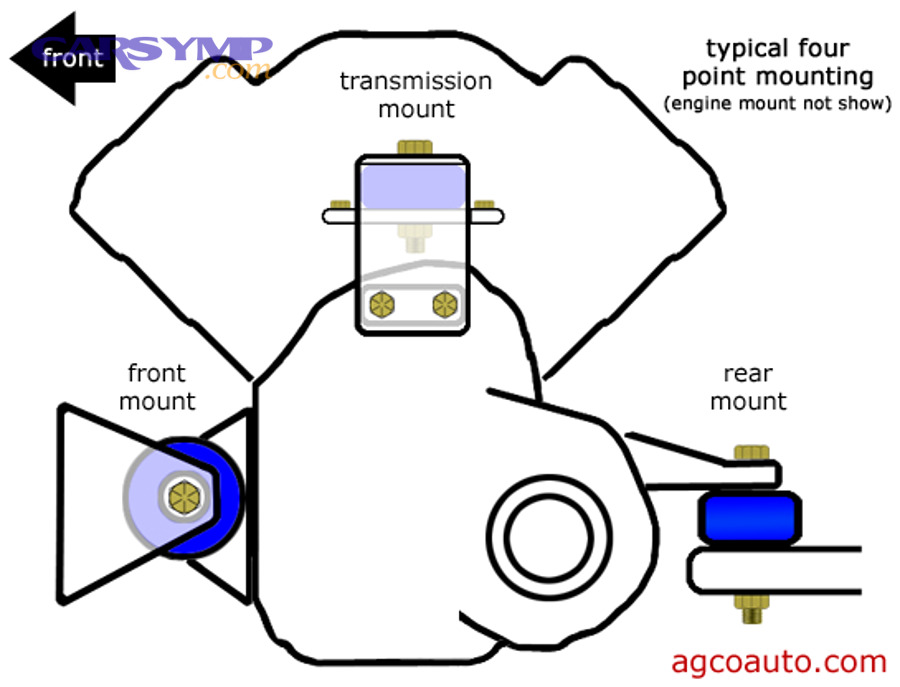
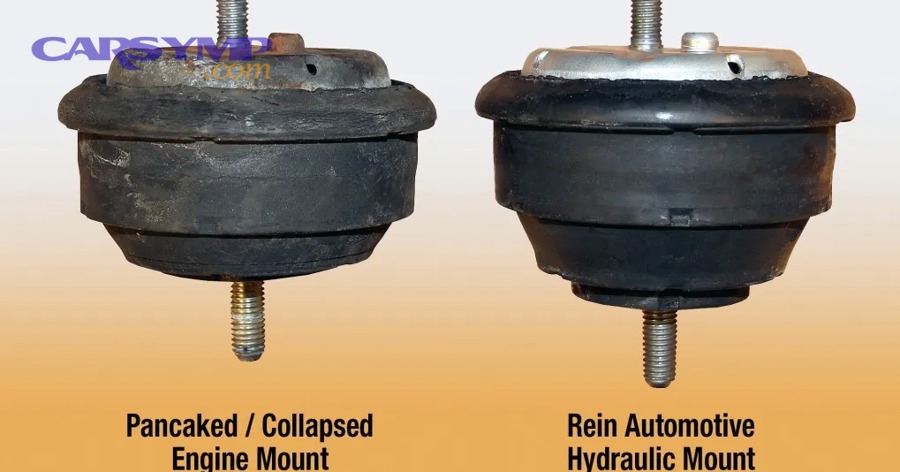
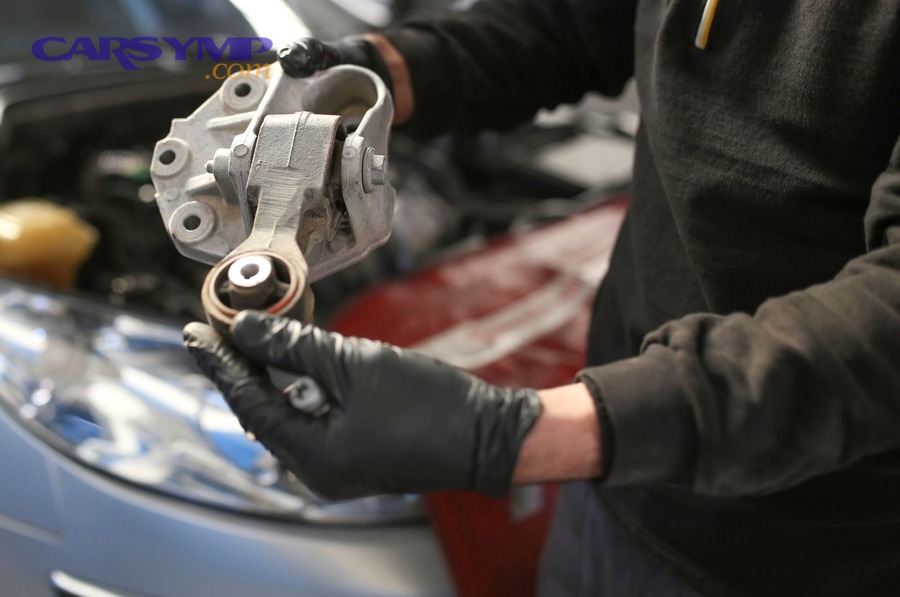
You can inspect engine mounts visually by locating each mount, lighting it clearly, and checking for three telltale failure signs—rubber separation, collapse/sag, and fluid leakage—so you can decide whether the mount is “good,” “suspect,” or “failed” before spending money. Next, you’ll learn how the most common Bad engine mount symptoms connect to what you see, so you can interpret Car Symptoms like shaking, clunking, or harshness without guessing.
Daniel James Carter February 1, 2026 at 7:50 PM
Prevent Damage & Injury: Safety Checklist for DIY Engine (Motor) Mount Replacement for Home Mechanics
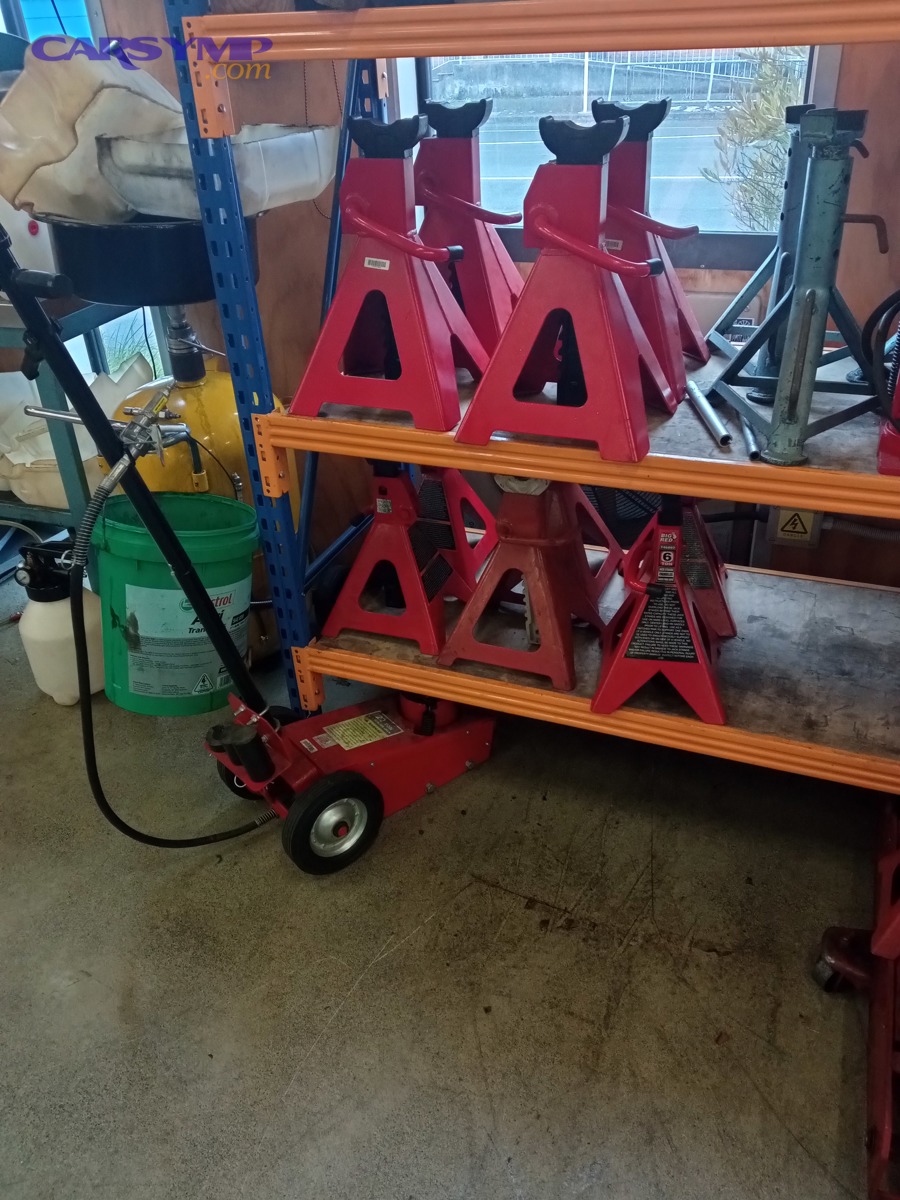
Replacing an engine mount at home can be safe when you control three big risks: the vehicle falling, the engine shifting, and nearby parts getting stretched or crushed. The checklist in this guide focuses on rated support equipment, correct load placement, and a step-by-step sequence that keeps the powertrain stable.
Daniel James Carter February 1, 2026 at 7:36 PM
Diagnose Motor (Engine) Mount vs Transmission Mount Issues: Symptom Checklist + Quick Tests for DIY Drivers
If your car suddenly feels rough, clunks when you shift, or shakes the cabin, you can diagnose whether the problem is the engine mount (motor mount) or the transmission mount by matching when the symptom happens with how the powertrain moves under load. This guide breaks down the most reliable symptom patterns—what you feel at idle, during acceleration, and when selecting Drive/Reverse—so you can separate mount-related NVH from other problems and avoid replacing the wrong part first.
Daniel James Carter February 1, 2026 at 7:22 PM
Calculate Engine (Motor) Mount Replacement Cost: Parts vs Labor Estimate for Car Owners (Price Range + Factors)
If you’re looking for an engine mount replacement cost estimate, the fastest accurate approach is to split the total into parts vs labor , then adjust for how many mounts your vehicle uses and how hard the mount is to access —because those two variables usually move the price more than anything else. Next, this guide breaks down the biggest pricing drivers—like mount type, vehicle layout, shop rate, and “single mount vs set” strategies—so you can predict what a quote should look like before you approve the repair.
Daniel James Carter February 1, 2026 at 7:09 PM
Compare Hydraulic vs Solid Engine Mounts: Key Differences in Comfort vs Control for Car Owners
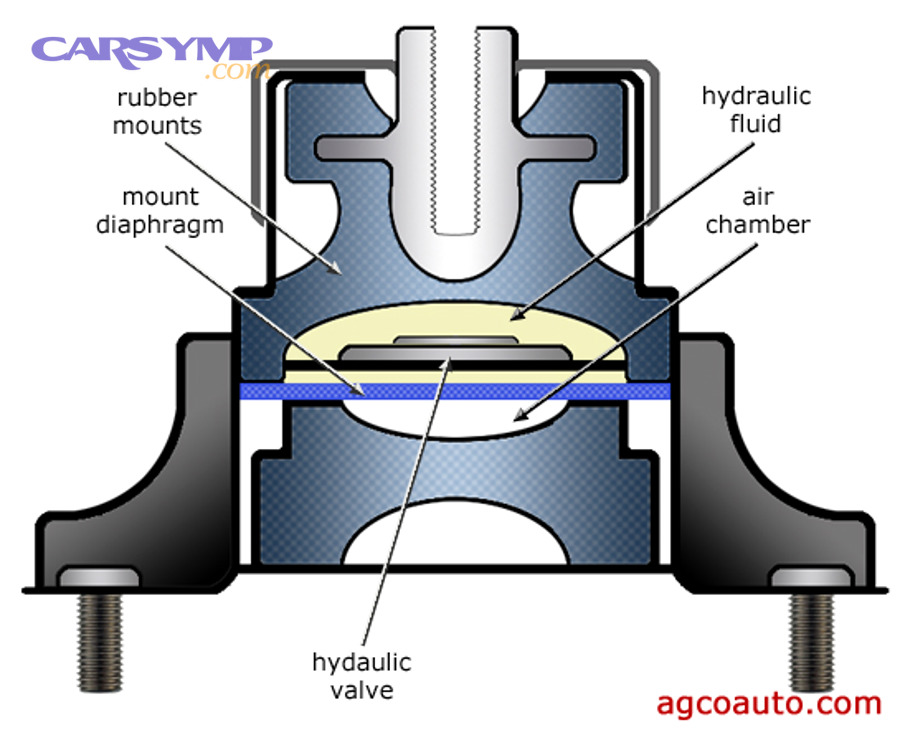
Hydraulic and solid engine mounts differ mainly in how they trade vibration isolation for drivetrain stability : hydraulic mounts prioritize comfort by damping small vibrations, while solid mounts prioritize control by limiting engine movement, and the “best” choice depends on your tolerance for NVH and your driving goals. Next, if you’re unsure what these parts actually do, the article clarifies what an engine mount is , how hydraulic mounts work internally, and what “solid” really means in the real world (solid rubber, polyurethane, or reinforced designs).
Daniel James Carter February 1, 2026 at 6:57 PM
Calculate Engine/Motor Mount Replacement Labor Time (Book Time / Flat-Rate Hours) for Car Owners & DIY Mechanics
If you want a trustworthy labor-time estimate, start with the “book time” idea: most shops price mount jobs by standardized flat-rate hours, then adjust for access, corrosion, and powertrain layout. You can usually get within a realistic range by identifying the mount count, the hardest-to-reach mount, and whether the subframe or major components must move.
Daniel James Carter February 1, 2026 at 6:44 PM
Diagnose Vibration at Idle From Engine (Motor) Mounts: Tests & Fixes for Car Owners
A vibration at idle from mounts usually happens when the rubber (or hydraulic) inside an engine mount can’t isolate normal engine pulses anymore, so you feel a steady shake through the steering wheel, seat, or dash—especially at stop lights. If you’re trying to confirm whether the mounts are the cause, you can narrow it down fast by matching the vibration “pattern” (idle vs in-gear vs on throttle) with a few safe checks, including a careful visual inspection and controlled load tests.
Daniel James Carter February 1, 2026 at 6:33 PM
Diagnose Clunking on Acceleration: Motor Mounts vs CV Axles vs Driveline Lash for DIY Drivers
A clunk (or thud) when you step on the gas is usually a load-shift problem : torque suddenly moves an engine, transmission, axle, or suspension component until it hits a limit—then you hear the impact. A good clunking on acceleration diagnosis focuses on what shifts under load and where the impact is happening .
Daniel James Carter February 1, 2026 at 6:20 PM
Spot Bad Engine Mount Symptoms vs Normal Vibration: Diagnosis Guide for Everyday Drivers
Bad engine mount symptoms usually show up as new vibration, clunks, or drivetrain “thumps” that weren’t there before—especially when shifting, accelerating, or idling in gear. The fastest way to match your symptom to the likely mount problem is to notice when it happens (idle, takeoff, braking, shifting) and what kind of movement/noise you feel (buzzing, banging, rocking, jerking).
Daniel James Carter February 1, 2026 at 6:07 PM
Diagnose and Fix a Misfire After Repairs: Post-Repair Engine Misfire Troubleshooting Guide for DIY Drivers & Techs (Misfire vs No-Start)
A misfire after repairs is usually fixable when you troubleshoot in the right order: confirm what changed, pull scan data, and test the system that was touched first. The fastest path is to treat it like a post-repair verification problem —you’re proving whether the repair introduced a new fault, exposed an old one, or simply left something disconnected.
Daniel James Carter February 1, 2026 at 5:42 PM
Estimate the Cost to Fix Common Engine Misfire Causes (Spark Plugs vs Ignition Coils vs Fuel Injectors) for Car Owners — A Parts-by-Parts Breakdown
An engine misfire fix can cost anywhere from “under a hundred bucks” to “painfully expensive,” and the difference usually comes down to which part is actually failing and how much testing is needed to prove it. You’ll get the clearest answer when you treat misfire repair like a parts-by-parts equation: diagnostics + the most likely component + labor complexity.
Daniel James Carter February 1, 2026 at 5:29 PM
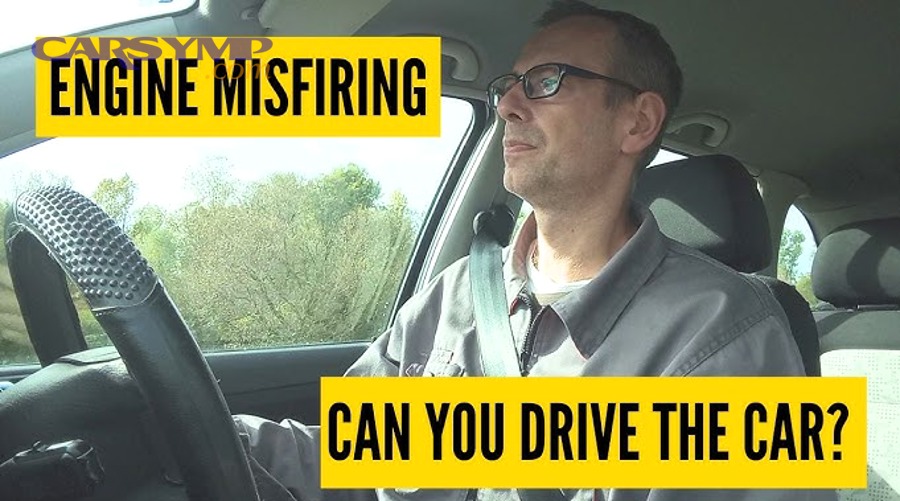
Determine If You Can Drive Safely With an Engine Misfire: Drive vs Tow Guide for Everyday Drivers
Title analysis (Step 1.1): - Main keyword (focus): can you drive safely with an engine misfire - Predicate (main action): determine - Relations lexical used: Antonym (“Drive vs Tow”) Search intent type from the outline (Step 1.
Daniel James Carter February 1, 2026 at 5:18 PM
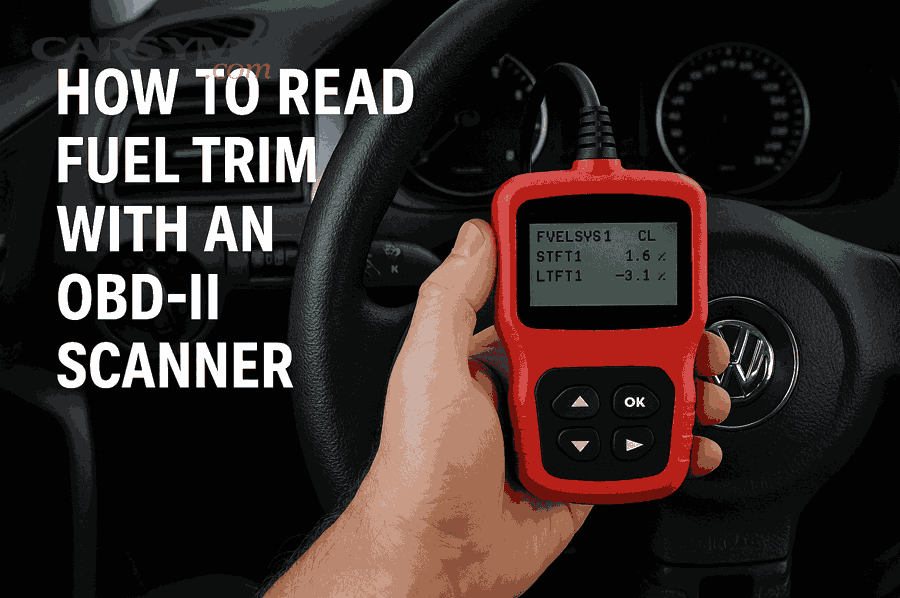
Decode Fuel Trim Data to Pinpoint Misfires: STFT/LTFT Patterns for DIY Diagnosticians (Lean vs Rich Clues)
Fuel trim data interpretation for misfires works because STFT and LTFT show how hard the ECU is “correcting” the air–fuel mixture , and misfires often create a predictable correction pattern. If you learn what “positive” and “negative” trims mean—then compare how trims behave at idle vs.
Daniel James Carter February 1, 2026 at 5:06 PM
Diagnose Engine Misfire Clues: Idle vs Under Load (Ignition vs Fuel vs Compression) — A DIY Troubleshooting Guide
A misfire that shows up at idle vs under load is not random noise—it’s a diagnostic clue that helps you narrow the fault to air/vacuum , ignition , fuel delivery , or mechanical compression without guessing. Next, you’ll learn how to translate that “when it happens” pattern into a short list of likely causes, so your checks stay focused and you avoid replacing parts that aren’t broken.
Daniel James Carter February 1, 2026 at 4:52 PM
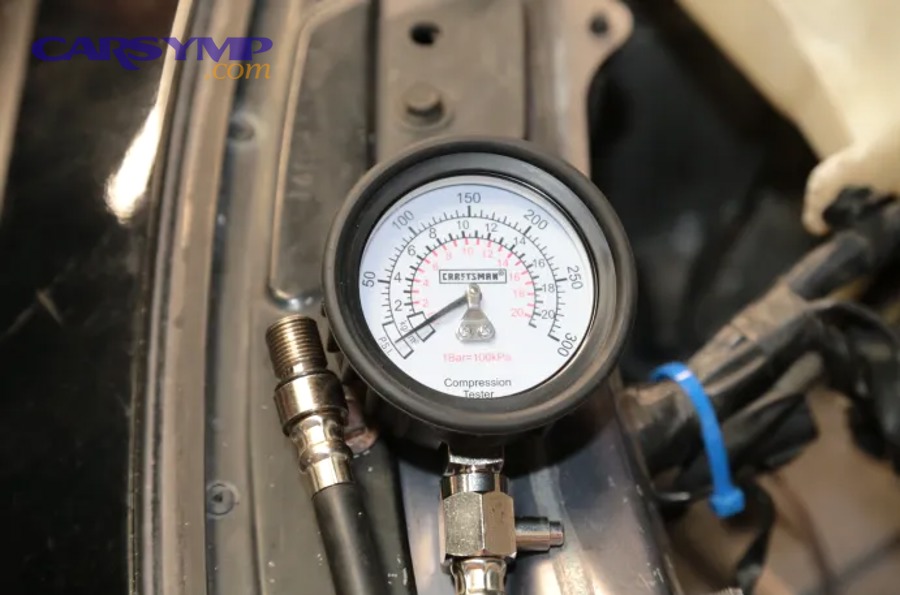
How to Perform a Compression Test for Misfire Diagnosis (Cylinder Pressure Check) — Beginner DIY Guide
A compression test is one of the fastest ways to confirm whether a misfire is caused by a mechanical sealing problem inside a cylinder, because it turns “guessing” into measurable cylinder pressure numbers you can compare in minutes. Next, once you have numbers, the real value comes from interpretation: the pattern of readings (one low cylinder, two adjacent low, or all low) tells you which direction to take in a proper engine misfire diagnosis .
Daniel James Carter February 1, 2026 at 4:41 PM
Identify Vacuum Leak Misfire Signs: Symptoms & Quick Checks for DIY Drivers (Unmetered-Air Leak)
A vacuum leak misfire usually shows up as a rough idle, random or cylinder-specific misfire codes, and fuel trims that climb positive because “unmetered air” sneaks in after the MAF sensor and forces a lean mixture. The fastest way to spot it is to connect the symptoms (idle quality + smell/sound) with one or two quick checks (fuel trims, spray test, or smoke test) before you start swapping parts.
Daniel James Carter February 1, 2026 at 4:27 PM
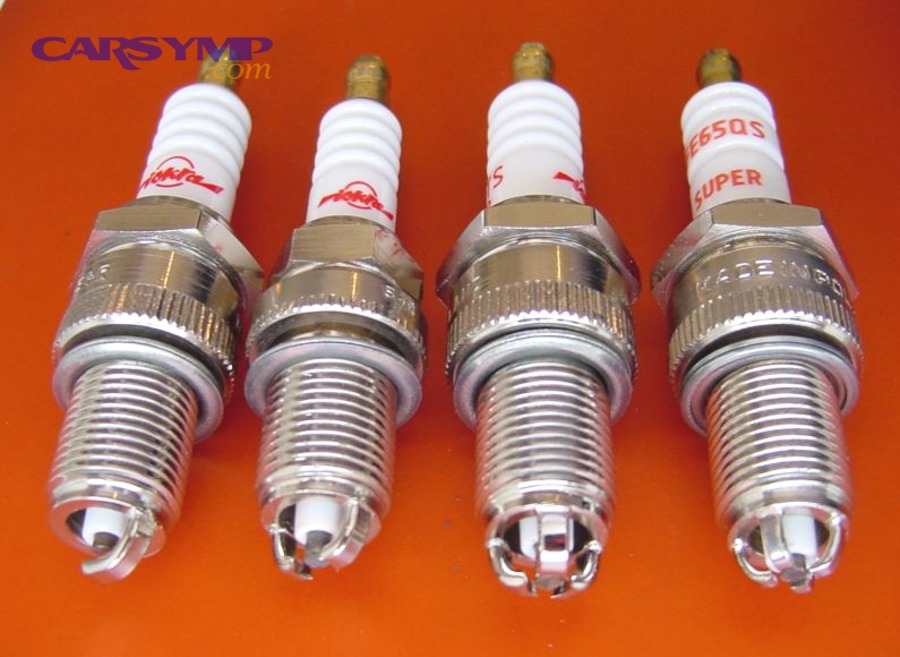
Diagnose Misfires Fast: Spark Plug vs Ignition Coil vs Fuel Injector Troubleshooting for DIY Drivers (Ignition vs Fuel Causes)
If your engine is shaking, stumbling, or flashing a check-engine light, the fastest way to stop guessing is to diagnose the misfire by system: ignition (spark plugs/ignition coils) vs fuel (fuel injectors). That split tells you what to test first, what to swap, and what not to replace “just in case.
Daniel James Carter February 1, 2026 at 4:17 PM
Misfire Codes P0300–P030x Explained: Diagnose Random vs Single-Cylinder Misfires for DIY Drivers
A P0300–P0308 misfire code means your engine computer detected combustion events that didn’t contribute normal power—either across multiple cylinders (P0300) or in a specific cylinder (P0301–P0308). The goal isn’t to “clear the code,” but to pinpoint why combustion is failing so you can fix the root cause and prevent catalytic converter damage.
Daniel James Carter February 1, 2026 at 4:01 PM
Spot Engine Misfire Signs Fast: 10 Quick Checks for DIY Car Owners (Symptoms vs Causes)
You can spot most engine misfire symptoms fast by paying attention to when the problem happens (idle, load, cold start, hot restart), what it feels like (rhythmic shake, stumble, hesitation), and what the car tells you (check-engine light behavior). The goal is simple: confirm a misfire and avoid guesswork by using quick checks that narrow the cause in minutes—not days.
Daniel James Carter February 1, 2026 at 3:48 PM
Prevent Engine Knock with Routine Maintenance: Anti-Detonation Checklist for Everyday Drivers
Engine knock is usually preventable with routine maintenance that keeps combustion stable and engine temperatures controlled. If you stay on top of fuel quality, ignition parts, oil condition, and cooling system health, you can reduce (or eliminate) the pinging/knocking sounds that show up under acceleration.
Daniel James Carter February 1, 2026 at 3:24 PM
Compare Car Repair Options and Cost Ranges: OEM vs Aftermarket vs Reman Parts for Everyday Drivers
Car repair “options” and “cost range” aren’t guesswork—most repair bills follow predictable rules based on diagnosis time, labor hours, parts type, and the risk a shop takes on with warranties. If you know what you’re comparing, you can usually narrow any repair into a realistic range before you authorize work.
Daniel James Carter February 1, 2026 at 3:12 PM
Should You Drive With Engine Knocking? Safety Guide to Pinging vs Rod Knock for Everyday Drivers
No—you generally should not keep driving with engine knocking, because the sound can signal either abnormal combustion that worsens under load or a mechanical failure that can turn into catastrophic engine damage with very little warning. The safest approach is to treat knocking as a “reduce load now, diagnose fast” situation and decide quickly whether you can limp home or need a tow.
Daniel James Carter February 1, 2026 at 2:59 PM
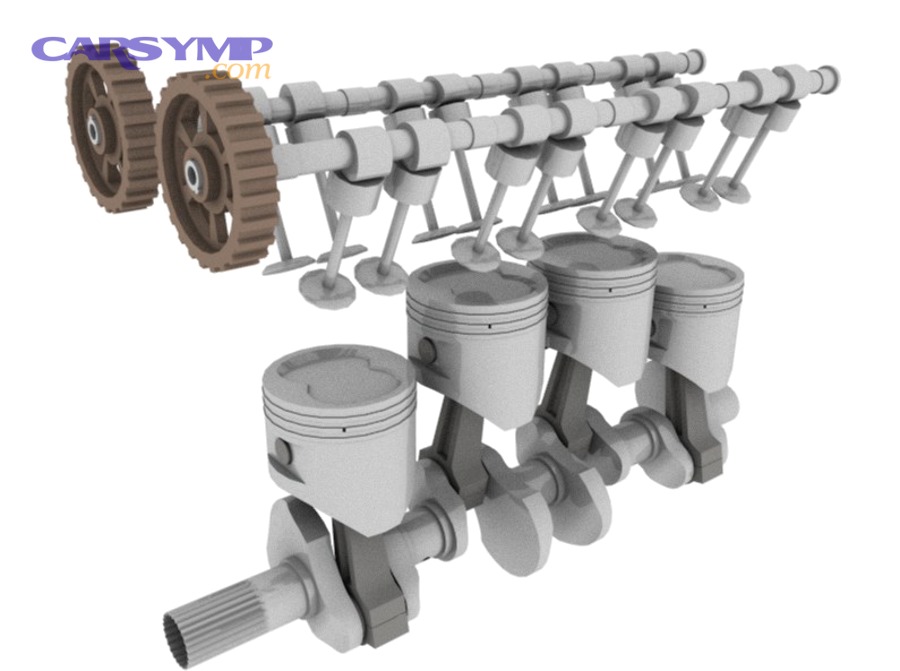
Perform Pre-Teardown Engine Diagnostics: Compression & Leak-Down Checks for DIY Mechanics (Before You Tear It Down)
If you want to avoid tearing down an engine unnecessarily, the fastest path is to test before you disassemble : run a compression test and a leak-down test to confirm whether the problem is truly mechanical and to narrow the likely failure area. Next, you’ll learn exactly how to perform these tests as a DIY mechanic—what tools you need, what prep steps make results trustworthy, and how to run each cylinder the same way so your readings actually mean something.
Daniel James Carter February 1, 2026 at 2:47 PM
Fuel Quality and Timing-Related Knock: Diagnose & Fix Pinging for Everyday Drivers (Fuel vs Timing Clues)
Fuel quality and timing-related knock is usually fixable once you confirm it’s true spark knock (not a mechanical knock) and then isolate whether the trigger is low knock resistance from the fuel or spark timing/engine control pushing combustion too hard . If the knock is fuel-driven, your fastest path is to verify octane and fuel condition, rule out lean conditions, and confirm the noise changes when fuel quality changes—without “band-aid” additives that hide a bigger issue.
Daniel James Carter February 1, 2026 at 2:36 PM
Diagnose Knock Sensor Issues Using OBD-II Live Data (Scan Data): Knock Retard & Timing PIDs Guide for DIY Mechanics
If you want to diagnose knock sensor issues using scan data, focus on one thing first: does the ECU consistently pull ignition timing (knock retard) under repeatable load conditions —and does that behavior make sense when you look at RPM, load, fuel trims, and misfire data? Next, you’ll need to know which PIDs actually matter for knock diagnosis, because generic OBD-II scanners often don’t show “knock sensor voltage,” and different tools rename the same concepts (KR, spark retard, ignition advance) in confusing ways.
Daniel James Carter February 1, 2026 at 2:25 PM
Diagnose Engine Knock Under Load vs at Idle: Key Clues for DIY Drivers (Rod Knock vs Spark Knock)
If you’re hearing knocking under load vs at idle , the clue that matters most is when it happens: knock only under acceleration often points to combustion-related pinging (spark knock) , while a knock at idle that worsens with revs can signal mechanical clearance problems (like bearings or valvetrain). The keyword focus is “knock under load vs at idle clues” ; the main predicate is diagnose ; and the title uses a lexical relation of comparison/antonym (“under load” vs “at idle”) plus a practical hyponym split (rod knock vs spark knock vs valvetrain tick).
Daniel James Carter February 1, 2026 at 2:15 PM
Diagnose Rod Knock Symptoms and Severity (Rod Bearing Knock) — What Car Owners Should Do Next
Rod knock symptoms and severity usually point to excessive clearance at a connecting-rod bearing , which lets the rod “hammer” on the crank journal and creates a deep, heavy knock that gets worse under load. The severity matters because a true rod knock can escalate from “barely audible” to “engine-ending” surprisingly fast if you keep driving.
Daniel James Carter February 1, 2026 at 2:03 PM
Diagnose Low Oil Pressure Knock Causes—from Low Oil Level to Rod Knock—for DIY Car Owners
Low oil level and low oil pressure can both create the same scary outcome: a deep knocking sound that signals metal parts are losing their oil film and starting to collide. The safest interpretation is simple—treat “oil pressure light + knock” as an urgent lubrication failure until proven otherwise.
Daniel James Carter February 1, 2026 at 1:52 PM
Diagnose Engine Noise Differences: Knock (Rod Knock) vs Pinging (Spark Knock) vs Lifter Tick for DIY Car Owners
If your engine suddenly makes a “knock,” you can usually narrow it down fast by when it happens (idle vs load), what it sounds like (deep thud vs metallic rattle vs light tick), and where it seems to come from (bottom end vs combustion vs top end) —and that’s exactly what this guide helps you do. Next, you’ll see what each sound means mechanically , so you don’t treat a serious bottom-end problem like a harmless valvetrain noise—or chase “bad gas” when the real issue is heat, timing, or mixture.
Daniel James Carter February 1, 2026 at 1:41 PM
When a Tune-Up Helps You Pass a Smog Test: Emissions Tune-Up vs Repair Guide for Car Owners
A tune-up can help you pass an emissions (smog) test when the failure is driven by “maintenance-level” problems—weak ignition, dirty airflow sensing, minor vacuum leaks, aging filters, or overdue basic service that pushes fuel control out of range. In those cases, restoring clean combustion and stable air/fuel control often lowers pollutants and prevents the check-engine light from returning long enough for a legitimate retest.
Daniel James Carter February 1, 2026 at 1:18 PM
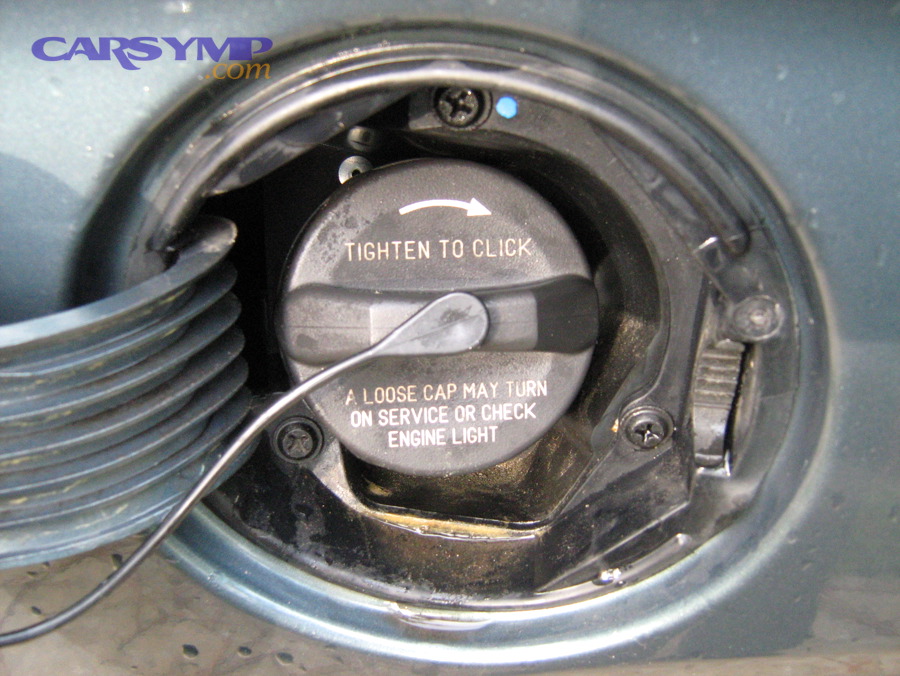
Test & Replace Your Gas Cap (Fuel Cap): Step-by-Step EVAP Leak & Check-Engine Fix for DIY Drivers
A gas cap (fuel cap) fix is often the fastest way to stop an EVAP leak and clear a check-engine light—because the cap is the EVAP system’s first sealing point and a loose or failing seal can trigger leak detection. The goal of this guide is simple: test the cap correctly, replace it only when the evidence supports it, and confirm the repair without guessing.
Daniel James Carter February 1, 2026 at 1:08 PM
Get an Emissions Repair Cost Estimate: Pricing Breakdown for O2 Sensors, EVAP Leaks & Catalytic Converters (For Car Owners)
If you need an emissions repair cost estimate , the fastest way to get a realistic number is to separate the job into diagnosis + parts + labor and then map your likely fault (O2 sensor, EVAP leak, catalytic converter, etc.) to real-world price ranges.
Daniel James Carter February 1, 2026 at 12:59 PM
Prepare Legally for an Emissions Retest: Re-Inspection Checklist for Drivers After a Failed Smog Test
If you failed a smog test, the fastest way to pass the emissions retest legally is to treat the failure like a compliance checklist: confirm the failure type, fix the underlying cause, verify readiness monitors, keep the right paperwork, then retest with zero “last-minute resets” that trigger rejection. Next, you’ll learn what an emissions retest (re-inspection) actually checks—OBD-II readiness, tailpipe numbers, or both—so you can stop guessing and start preparing for the exact standard your vehicle must meet.
Daniel James Carter February 1, 2026 at 12:48 PM
Misfire & Fuel Trim Causes of Emissions Failure: Diagnose Lean/Rich Problems and Fix What Makes You Fail
A misfire and abnormal fuel trims can absolutely cause an emissions failure because they directly increase tailpipe pollutants, prevent OBD readiness from setting, or trigger monitor failures that the inspector’s scan tool reads as “not ready” or “failed.” Next, if you’re trying to figure out why the misfire or fuel trim problem happened, the fastest path is to read the pattern: when it misfires (idle vs load), which bank/cylinder is affected, and whether trims go strongly positive (lean correction) or negative (rich correction).
Daniel James Carter February 1, 2026 at 12:37 PM
Set Incomplete (Not-Ready) OBD-II Readiness Monitors: Drive-Cycle Troubleshooting for Emissions-Test Drivers
If your scan tool shows “Not Ready” or “Incomplete,” you can usually fix it by meeting the monitor prerequisites and completing a structured drive cycle that lets the car run its built-in emissions self-tests—then rechecking readiness before you head to inspection. ( dmv.
Daniel James Carter February 1, 2026 at 12:26 PM
Diagnose O2 Sensor Issues vs Catalytic Converter Failure for P0420 and Emissions Test Retests
A P0420 (“catalyst efficiency below threshold”) does not automatically mean your catalytic converter is dead; it means the ECU thinks the converter is no longer smoothing the exhaust the way it should, based largely on upstream vs downstream oxygen-sensor behavior. ( identifix.
Daniel James Carter February 1, 2026 at 12:15 PM
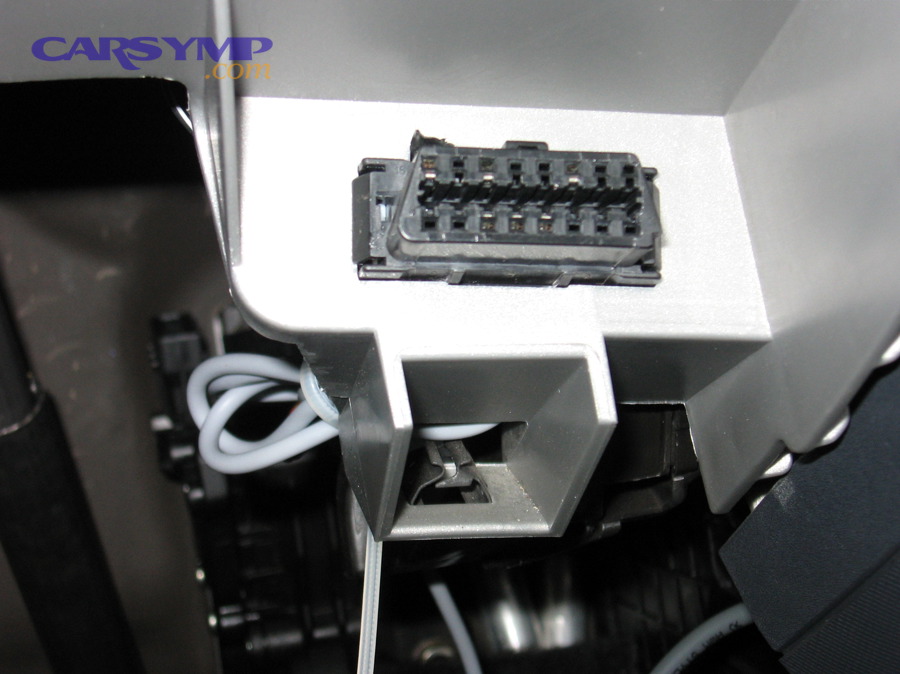
Diagnose P0420/P0430 Catalytic Converter Efficiency Codes: Step-by-Step Root-Cause Checklist for DIYers (O2 Sensor vs Cat)
A P0420 or P0430 code is best diagnosed with a root-cause checklist —not a parts cannon—because the ECM sets these codes when catalyst monitoring data suggests the converter isn’t storing/using oxygen effectively, even when the real problem is upstream . ( tomorrowstechnician.
Daniel James Carter February 1, 2026 at 12:04 PM
Fix EVAP Leak Codes Fast: Quick Checks & Repairs for P0440–P0456 (DIY Guide)
EVAP leak codes (like P0440, P0442, P0455, and P0456) usually mean your car’s fuel-vapor system can’t hold pressure or vacuum the way the computer expects—so vapors may be escaping somewhere between the fuel tank, hoses, valves, and charcoal canister. The fastest “quick fix” mindset is simple: start with the easy, high-probability leaks (cap, filler neck seal, cracked lines), then only move to parts after you’ve proven what’s actually leaking.
Daniel James Carter February 1, 2026 at 11:53 AM
Identify Common Reasons Emissions Tests Fail: Top Causes and Fixes for Drivers
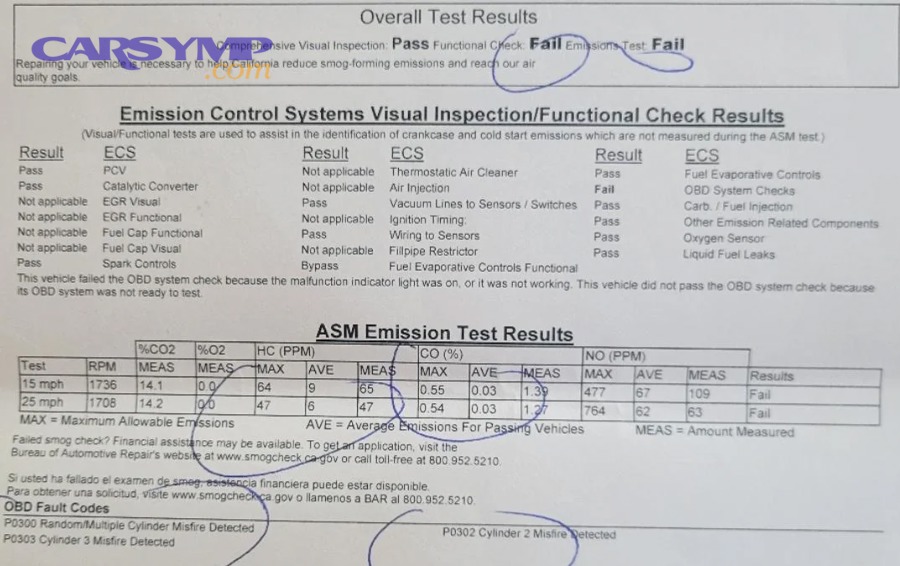
Emissions tests usually fail for a small set of repeatable reasons: the vehicle is emitting too much pollution, the onboard diagnostics (OBD-II) system detects a fault, or the test can’t be completed because readiness monitors aren’t set. The fastest path to a pass is to understand which “lane” you’re in—tailpipe numbers, OBD trouble codes, or readiness—and fix the root cause instead of guessing.
Daniel James Carter February 1, 2026 at 8:39 AM
Avoid Emergency Auto Repair Scams: A Driver Checklist to Spot Rip-Offs, Towing Traps & Fake Roadside Help
When you need help right now , you can still avoid emergency auto repair scams by using a simple checklist: verify who’s touching your car, lock pricing in writing, set approval limits, and require proof before you pay. That process turns “panic buying” into controlled decision-making.
Daniel James Carter February 1, 2026 at 8:17 AM
Pack the Must-Have Emergency Car Kit Essentials for Every Driver (Roadside Safety Kit Checklist)
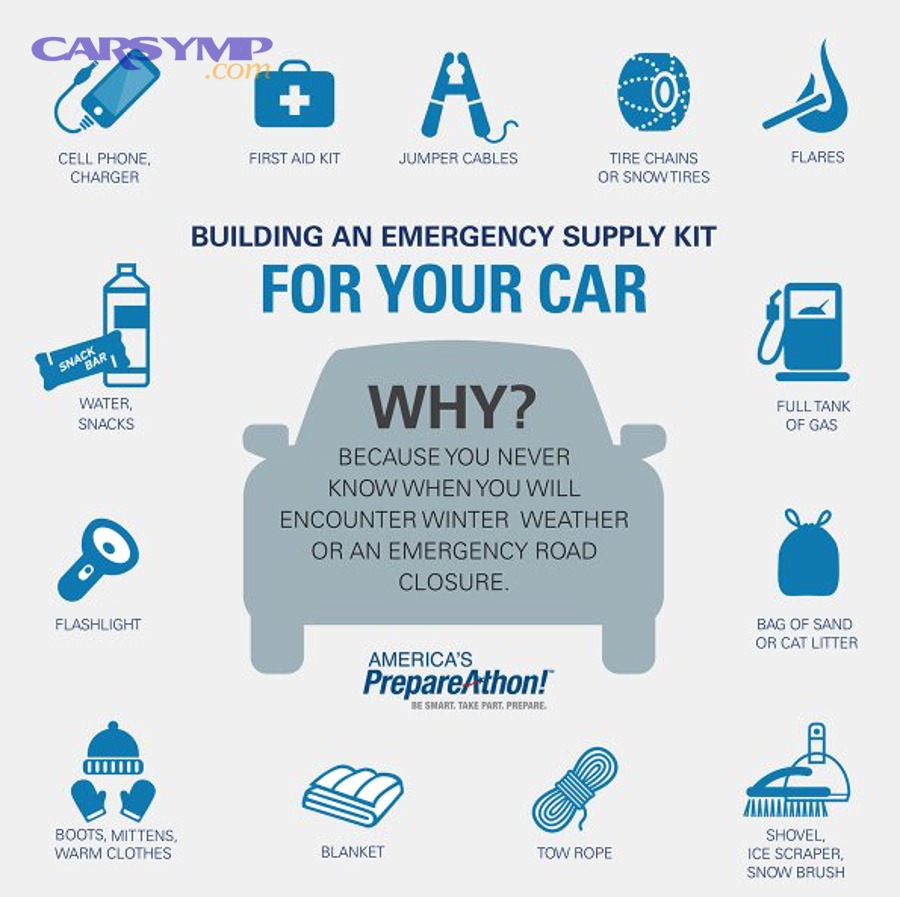
An emergency car kit is the small set of tools and supplies that helps you stay safe, visible, and in control when your vehicle can’t keep going—whether it’s a dead battery, a flat tire, extreme heat, or a winter breakdown. The smartest kits focus on the essentials first: visibility, power, tire help, basic first aid, warmth, and communication , because those are the needs that show up in real roadside scenarios.
Daniel James Carter February 1, 2026 at 8:07 AM
Get an Emergency Car Repair Estimate Fast: Line-Item Quote Checklist for Drivers (Labor, Parts, Towing)
When you need a repair right now , the fastest way to get an accurate estimate is to request a line-item quote using a consistent checklist: symptoms, photos, basic scan info, and clear authorization limits—so the shop can price labor, parts, and timeline without guessing. Next, you’ll learn exactly what information to collect in minutes, how to describe the problem so a mechanic can quote quickly, and which details prevent a vague “come in and we’ll see” response that slows everything down.
Daniel James Carter February 1, 2026 at 7:54 AM
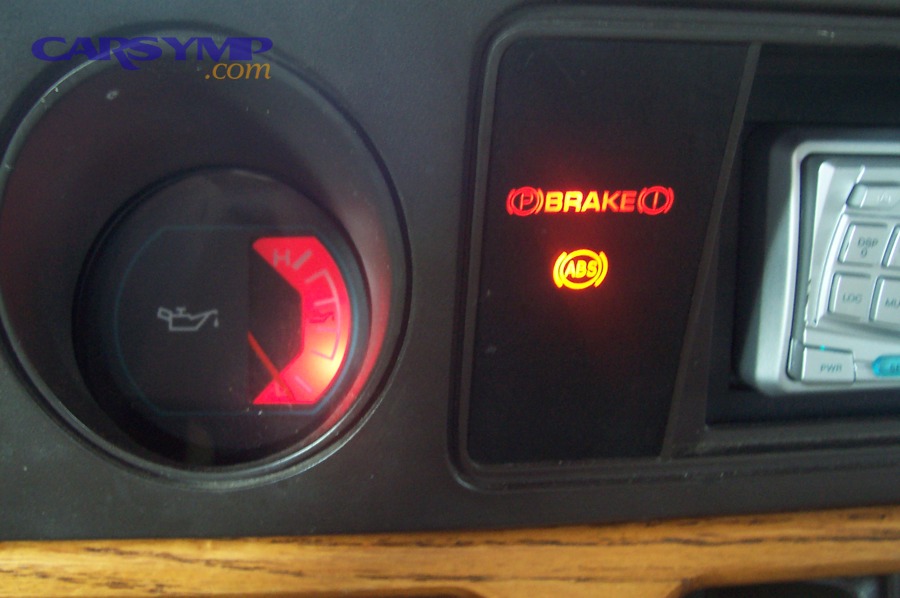
Brake Failure Warning Signs and Actions: How to Recognize Trouble and Stop Safely
Brake failure is an emergency because it reduces—or sometimes eliminates—your ability to slow down on demand, and the safest outcome depends on recognizing the earliest warning signs and choosing the right stopping actions in the next few seconds. Most drivers don’t experience “instant total brake loss” without any clues; instead, the car usually gives you escalating signals like a soft or sinking pedal, pulling to one side, longer stopping distance, strange smells, or a brake warning light.
Daniel James Carter February 1, 2026 at 7:42 AM
Take Immediate Overheating Emergency Steps When Your Engine Temperature Spikes: A Driver Safety Guide
An overheating warning light or a rapidly climbing temperature gauge usually means your engine is running outside its safe range, and the fastest way to prevent expensive damage is to treat it like an “act now” situation. Then, the right response is not one heroic move—it’s a sequence: reduce load, get safely off the road, cool down the situation, and only inspect once heat and pressure drop to safe levels.
Daniel James Carter February 1, 2026 at 7:31 AM
Diagnose Emergency No-Start On-Site: No-Crank vs Crank-No-Start Troubleshooting Checklist for Drivers
When you’re stuck with an emergency no-start on site, the fastest win is diagnosing the type of no-start first—because no-crank and crank-no-start are opposite problems with different fixes. This guide gives you a simple, roadside-safe checklist that turns confusion into clear next steps.
Daniel James Carter February 1, 2026 at 4:17 AM
Towing vs Driving Decision Checklist: Decide When to Tow or Drive After a Breakdown
When your car starts acting up, the safest choice usually comes down to one question: can the vehicle move under its own power without risking a crash or turning a small problem into a major repair? This towing vs driving decision checklist helps you make that call fast—using symptoms, warning lights, location risk, and how the car feels.
Daniel James Carter February 1, 2026 at 4:05 AM
Compare Emergency Mobile Mechanic Pros & Cons vs Tow Truck — A Decision Guide for Stranded Drivers
When you’re broken down, a mobile mechanic can be the best first call if the car is safely off the road and the issue is likely fixable on-site—because you may avoid towing, save time, and get back moving faster. Next, this guide clarifies what a mobile mechanic can and can’t realistically do in an emergency , so you don’t waste precious minutes (or money) on a service that can’t finish the job.
Daniel James Carter February 1, 2026 at 3:53 AM
24/7 vs After-Hours Auto Shop Options: What’s Truly Available (and the Fastest Choice for Drivers)
A true 24/7 auto shop is the right choice when you need repairs performed immediately —not just a place to park your car—because it has a technician workflow that can diagnose and fix urgent issues overnight, not merely accept drop-offs. However, many “after-hours shop options” are intake systems (key drop, night drop box, tow-yard receiving) that keep your repair moving forward by securing the vehicle and starting paperwork, even if no wrench turns until morning.
Daniel James Carter February 1, 2026 at 12:27 AM
Identify Emergency vs Non-Emergency Car Repairs: What Qualifies as an “Emergency” for Drivers?
An emergency car repair is any mechanical or safety failure that can immediately cause a crash, a fire, a loss of control, or severe engine damage if you keep driving. In practical terms, “emergency” means stop driving now, make the scene safe, and decide whether you need a tow or an urgent mechanic —not just that the repair is expensive or inconvenient.
Daniel James Carter February 1, 2026 at 12:13 AM