Daniel James Carter
Lead Diagnostic Technician & Technical Content Author
Company / Organization
CarSymp
Experience / Skills
Check Engine Light diagnosis (OBD-II); engine performance & ignition/fuel systems; brake service; steering & suspension; AC/heater diagnostics; cooling system service; basic transmission diagnostics; electrical & battery/charging systems; maintenance schedules
About Daniel James Carter
Daniel James Carter (born July 14, 1988) is an Automotive Diagnostic & Repair Technician and the Lead Diagnostic Technician & Technical Content Author for this auto repair website. His work focuses on translating real shop-floor diagnostics into clear, step-by-step guidance for vehicle owners—especially around check-engine issues, climate control problems, brake safety, and steering/suspension wear.\n\nDaniel’s interest in mechanical systems started early, but his professional path became formal in 2006 when he began a structured apprenticeship in general automotive service. Between 2006 and 2008, he worked alongside senior technicians learning foundational skills—oil services, brake inspections, tire work, basic electrical checks, and service documentation. During this period, he also built the habits that still define his process today: verifying the customer’s concern, road-testing when safe, and confirming repairs with repeatable measurements.\n\nIn 2009, Daniel moved into a full-time automotive service technician role, where he handled a higher volume of maintenance and repair work (brakes, cooling systems, belts, ignition components, and driveline basics). By 2012, he shifted toward diagnostics, focusing on OBD-II fault tracing, fuel trim interpretation, misfire detection, smoke-testing intake leaks, and electrical circuit testing using wiring diagrams and voltage-drop methods.\n\nA major milestone came in 2015 when he began pursuing advanced professional credentials through the National Institute for Automotive Service Excellence (ASE). After completing multiple ASE exams and documenting the required hands-on experience, Daniel earned the ASE Master Automobile Technician designation in 2017. He continued building depth in drivability and emissions-related diagnostics and achieved the ASE L1 Advanced Engine Performance Specialist credential in 2019. He maintains his credentialing through ongoing study and periodic recertification, aligning his knowledge with modern engine management systems, updated scan-tool workflows, and evolving diagnostic standards.\n\nFrom 2018 to 2021, Daniel served as a senior technician in a busy service environment where his day-to-day work centered on complex complaints: intermittent stalling, hard starts, rough idle, overheating, vibration under braking, and AC systems that blow warm or smell musty. He became known for careful diagnosis before parts replacement, using a consistent checklist:\n\n\n Confirm the symptom and capture freeze-frame data.\n Test likely causes (air leaks, sensors, ignition, fuel delivery, charging system) with measurable evidence.\n Repair only after the failure is verified and the fix can be validated.\n Validate with a road test, live data review, and final inspection.\n\n\nIn 2022, Daniel began formalizing his field notes into consumer-friendly write-ups and troubleshooting guides. By 2023, he expanded that work into structured content for this website, combining real repair patterns with clear explanations of why failures happen (for example: how moisture and organic buildup can cause musty AC smell, why worn suspension joints can mimic wheel balance issues, or how vacuum leaks and weak ignition coils can trigger persistent misfires).\n\nToday, Daniel’s role on the website is to ensure every guide reflects practical repair reality—tools a shop actually uses, common misdiagnoses to avoid, and safety-first recommendations. He writes with the same standard he uses in the bay: the diagnosis must make sense, the repair must be verifiable, and the timeline from symptom to fix must be clear for the reader.

Related topics
Latest posts by Daniel James Carter


Extend CVT (Continuously Variable Transmission) Life: Maintenance Tips for Car Owners (Fluid, Cooling & Driving Habits)
A CVT lasts the longest when you protect the belt-and-pulley system from the two biggest killers—dirty/incorrect fluid and excessive heat—while keeping engine torque delivery smooth and predictable through smart driving habits. Then, the most powerful longevity lever is CVT fluid care: using the correct specification, changing it at the right interval for your driving conditions, and avoiding “quick fixes” that mask wear until you’re forced into CVT repair.
Daniel James Carter January 30, 2026 at 10:33 AM
Identify the Signs of a Bad Torque Converter Clutch (TCC) in a CVT: Symptoms & Diagnosis for Car Owners
A bad torque converter (or, more often, a failing torque converter clutch—TCC) in a CVT usually announces itself with repeatable shudder, abnormal RPM behavior, and heat-related drivability changes—especially during light throttle cruising when lockup should be smooth and stable. To make the diagnosis reliable, you need to understand what the torque converter and its lockup clutch are supposed to do in a CVT-equipped vehicle, and why certain failures show up at specific speeds, gears, and loads.
Daniel James Carter January 30, 2026 at 10:20 AM
Estimate the Lifespan: How Long a Belt-and-Pulley CVT Transmission Should Last for Car Owners (Miles, Years & What Affects Service Life)
Most belt-and-pulley CVT transmissions should last about 100,000–200,000 miles (8–15 years) in typical daily use, with the real number rising or falling based on heat, fluid condition, and how hard the vehicle is driven. Next, the biggest reason some CVTs die early is not “bad luck”—it’s usually a pattern of high heat and high load , which accelerates belt/pulley wear and breaks down CVT fluid long before owners expect.
Daniel James Carter January 30, 2026 at 10:09 AM
Compare Rebuild vs Remanufactured (Reman) CVT Transmissions for Car Owners: Costs, Warranty & Best Choice
Choosing between a CVT rebuild and a remanufactured (reman) CVT comes down to one thing: which option gives you the best mix of reliability, total installed cost, and downtime for your specific car and timeline. This guide compares both paths so you can decide with confidence.
Daniel James Carter January 30, 2026 at 9:55 AM
Compare CVT Repair vs Replacement Costs: Repair or New Transmission for Car Owners
Repairing a CVT can cost less upfront, while replacing a CVT can reduce the risk of repeat breakdowns—so the “best” choice depends on failure type, vehicle value, and how long you plan to keep the car. To decide quickly, compare a verified diagnosis against quotes that separate parts, labor, programming, and cooler service.
Daniel James Carter January 30, 2026 at 9:41 AM
Decode Common CVT Fault Codes & Diagnose the Real Cause for Car Owners (P0700–P0868 and More)
CVT fault codes don’t “tell you what part to buy”—they tell you which system noticed something wrong (pressure control, ratio control, temperature, communication, or sensors). The fastest path to a correct fix is to decode the code family, confirm the symptom with live data, and then test the likely root causes in order.
Daniel James Carter January 30, 2026 at 9:29 AM
Diagnose CVT Overheat Causes & Prevent Overheating Damage in Your Car: Complete Guide for Drivers (Overheat vs Overcool)
CVT overheating usually happens when heat generation inside the transmission outpaces heat removal through fluid circulation and the cooler, so the fluid thins or oxidizes, pressure control gets unstable, and the CVT protects itself by limiting torque. In practice, prevention starts with keeping the right fluid condition, keeping airflow and cooling hardware clear, and changing how you load the drivetrain.
Daniel James Carter January 30, 2026 at 9:17 AM
Decide Between a CVT Fluid Service or Transmission Repair: Change vs Rebuild Guide for Car Owners
If you’re stuck choosing between a CVT fluid service and a bigger fix, the most accurate answer is: start with the option that matches your symptoms, fluid condition, and failure risk—not your hopes. A fluid service can help early-stage problems, but it cannot “heal” belt/pulley wear, hard internal slip, or severe debris.
Daniel James Carter January 30, 2026 at 9:03 AM
Identify CVT Slipping & Shudder (Judder) Symptoms: Early Warning Signs for Daily Drivers
CVT slipping and shudder (also called judder) symptoms usually mean the transmission is losing smooth, consistent grip between its belt/chain and pulleys—or the control system can’t hold the right pressure at the right time. If the car feels like it “flares” in RPM without matching acceleration, vibrates on takeoff, or bucks at steady speed, you’re likely dealing with real CVT problems (not just normal CVT feel).
Daniel James Carter January 30, 2026 at 8:51 AM
coolant temperature sensor replacement
How to Clear (Erase) OBD-II Trouble Codes and Verify the Repair: Drive-Cycle & Readiness Monitor Checklist for DIY Car Owners
Clearing (erasing) OBD-II trouble codes is only “correct” when it’s done after a real fix—and when you immediately confirm the problem is gone by re-scanning, checking live data, and completing the drive conditions that prove monitors will pass. This guide shows the exact workflow DIY car owners use to clear codes without losing clues, then verify the repair with confidence.
Daniel James Carter January 30, 2026 at 8:28 AM
coolant temperature sensor replacement
Boost Fuel Economy & Fix Hard Starts: ECT (Coolant Temp) Sensor Effects Explained for Car Owners
Title & Outline Analysis (Step 1) - Main keyword (focus): effects on fuel economy and starting (reframed to ECT/coolant temperature sensor impacts, which is the practical “entity” behind the intent) - Predicate (main action): Boost / Fix / Explain (actionable diagnosis + improvement) - Relations Lexical used: Synonym (ECT sensor = coolant temperature sensor) + Meronymy (ECT signal as a part of ECU fueling/starting logic) - Search-intent types in outline: Boolean + Definition + Grouping + How-to + Comparison (diagnose → differentiate → decide next steps) If your fuel economy suddenly dropped and your engine feels harder to start—especially when cold—an engine coolant temperature (ECT) sensor can be the hidden trigger because it tells the ECU how “warm” the engine is and how much fuel it should add. Next, you’ll see why short-trip MPG often gets hit the hardest when the sensor falsely reports “cold,” and how that same error can create long cranking, rough idle, or a gassy smell after start-up.
Daniel James Carter January 30, 2026 at 8:16 AM
coolant temperature sensor replacement
Refill & Bleed (Burp/Deaerate) the Cooling System After Coolant Temp Sensor Replacement — Step-by-Step Guide for DIY Drivers
If you’ve just serviced your cooling system, refilling and bleeding it correctly is the fastest way to restore stable engine temperature, reliable cabin heat, and consistent coolant circulation—without chasing “phantom overheating” caused by trapped air. Next, you’ll learn when bleeding is truly necessary (and when it isn’t), so you don’t overcomplicate a simple job or miss the one step that prevents hot spots after a coolant service.
Daniel James Carter January 30, 2026 at 8:02 AM
coolant temperature sensor replacement
Diagnose Wiring Harness & Connector Issues vs Coolant Temperature Sensor Failure (ECT) for DIY Car Owners
Wiring and connector issues can look exactly like a bad coolant temperature sensor because both problems distort the same signal the ECU relies on; the fastest way to separate them is to verify the sensor’s temperature response and prove the circuit’s power/ground/signal integrity under load. Next, you’ll learn what the ECU means by a “sensor circuit” fault (open, short-to-ground, short-to-voltage, or unstable signal) and why codes like P0115–P0119 often point to wiring/connector resistance, poor terminal tension, or intermittent opens—not just a failed sensor.
Daniel James Carter January 30, 2026 at 7:49 AM
coolant temperature sensor replacement
Estimate ECT (Coolant Temp) Sensor Replacement Cost: Parts & Labor Breakdown for Car Owners
Most drivers can expect an ECT (engine coolant temperature) sensor replacement cost estimate to land in a predictable range once you separate parts from labor and confirm what the quote includes (diagnostics, coolant, seals, and taxes). In practice, the “right” estimate is the one that matches your vehicle’s access difficulty and your local labor rate—not a single universal number.
Daniel James Carter January 30, 2026 at 7:37 AM
coolant temperature sensor replacement
Locate Bank 1 Sensor 1 Fast: Oxygen Sensor Location & Access by Engine Layout (DIY Owners)
If your scan tool or parts listing says “Bank 1 Sensor 1” , the fastest way to find it is to identify Bank 1 by cylinder #1 , then follow that bank’s exhaust path to the first sensor upstream of the catalytic converter . That single rule matches what most OEM service information means by the label.
Daniel James Carter January 30, 2026 at 7:26 AM
coolant temperature sensor replacement
Estimate ECT Sensor Replacement Labor Time (Book Time vs Actual Time) for Car Owners & DIYers
Most ECT (engine coolant temperature) sensor jobs land in a predictable labor window once you know the sensor’s location and the cooling-system steps involved: book time is often around 1–2.5 hours , while real-world time can be shorter or longer depending on access and surprises.
Daniel James Carter January 30, 2026 at 7:14 AM
coolant temperature sensor replacement
Diagnose Overheating Reading vs Actual Temp Mismatch in Your Car (For Drivers): Gauge vs Live Data vs Sensor Faults
STEP 1 — Title & outline analysis (required) - Main keyword (keyword focus): Overheating reading vs actual temp mismatch - Predicate (main action): Diagnose (then Fix) - Relations lexical used: Comparison / Meronymy (“gauge + ECT sensor + wiring” are parts of the temperature-reporting system) If your dashboard says “overheating” but the engine doesn’t feel hot (or an OBD scan tool shows normal coolant temperature), you’re dealing with an overheating reading vs actual temperature mismatch —and the fastest way to prevent real damage is to verify actual temperature first, then isolate whether the problem is the gauge circuit, the ECT sensor signal, or a real cooling-system event. Next, you’ll learn the practical meaning of “actual engine temperature” and why different sources (gauge, warning light, scan data, IR thermometer) can disagree even when nothing is “wrong” mechanically.
Daniel James Carter January 30, 2026 at 7:02 AM
coolant temperature sensor replacement
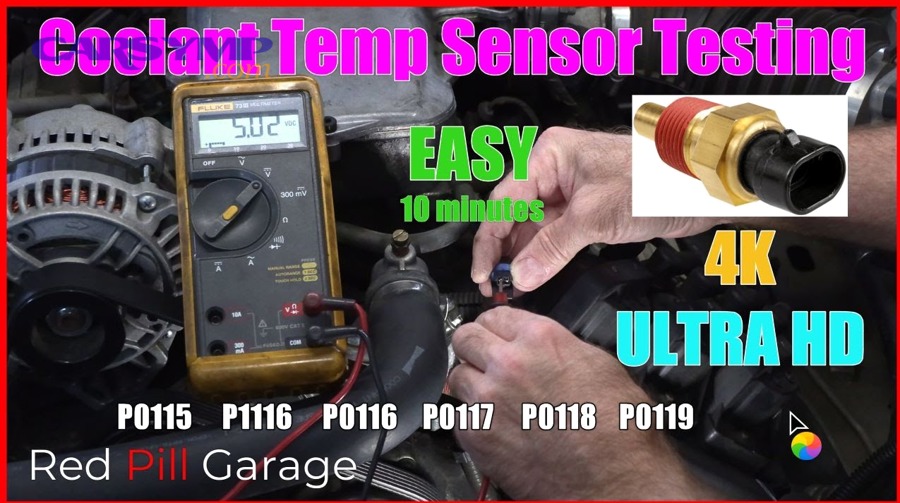
Diagnose P0115–P0119 Codes: ECT Sensor Troubleshooting Basics for DIY Drivers (P0115 vs P0119)
STEP 1: ANALYZE THE TITLE AND OUTLINE 1.1.
Daniel James Carter January 30, 2026 at 6:51 AM
coolant temperature sensor replacement
Identify Bad Coolant Temp Sensor Symptoms (ECT Sensor) for Drivers: Signs, Causes, and Cooling-System Clues
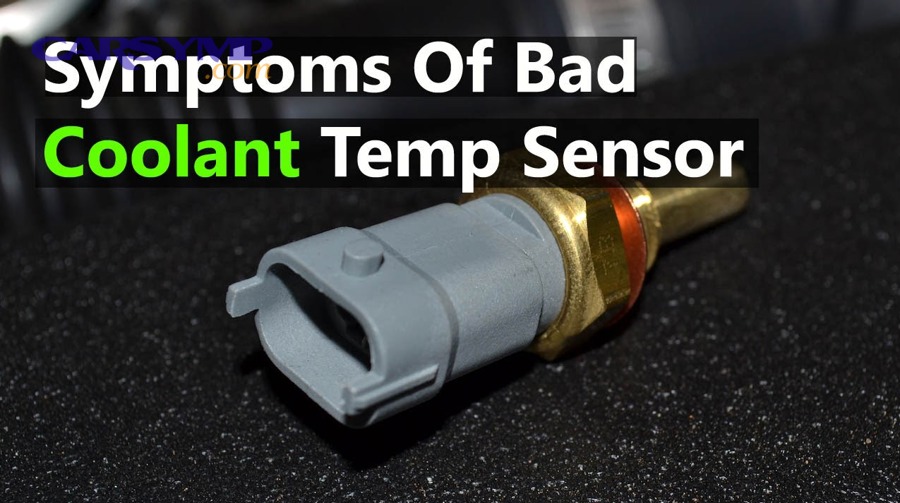
A bad coolant temperature sensor can make your engine act like it’s freezing cold, boiling hot, or switching between both—so the fastest way to identify it is to connect the symptoms you feel (hard starts, rough idle, poor MPG, fan chaos, Check Engine Light) to what the computer thinks the coolant temperature is. Next, you’ll learn what the coolant temperature sensor (often called the ECT sensor ) actually controls so the warning signs make sense instead of feeling random—because the same sensor influences fueling, idle strategy, and when the radiator fans are commanded.
Daniel James Carter January 30, 2026 at 6:38 AM
Estimate Typical Repair Costs by Leak Source for Homeowners & Drivers: Plumbing, Roof, and Coolant System Leaks
Leak repair costs are “typical” only when you tie them to the leak source , because the source (the exact component that’s leaking) determines the tools, labor time, parts, access difficulty, and how much secondary damage you’re trying to stop. Next, you’ll see homeowner-focused cost ranges by leak source (plumbing, roof, HVAC condensate, appliances, foundation seepage), so you can quickly tell whether you’re dealing with a minor fix or a repair that can snowball into restoration work.
Daniel James Carter January 30, 2026 at 6:16 AM
Stop Driving Immediately: Critical Warning Signs Every Driver Should Never Ignore
If you’re wondering when to stop driving immediately , the rule is simple: pull over and shut the vehicle down the moment you see (or feel) a condition that threatens control, braking, visibility, or rapid engine damage —because the “extra minute” you try to nurse it home is often the minute the situation escalates. ( acg.
Daniel James Carter January 30, 2026 at 6:04 AM
Interpret Blood Pressure Test Results: What Systolic vs Diastolic Numbers Mean for Adults Using Home Monitors
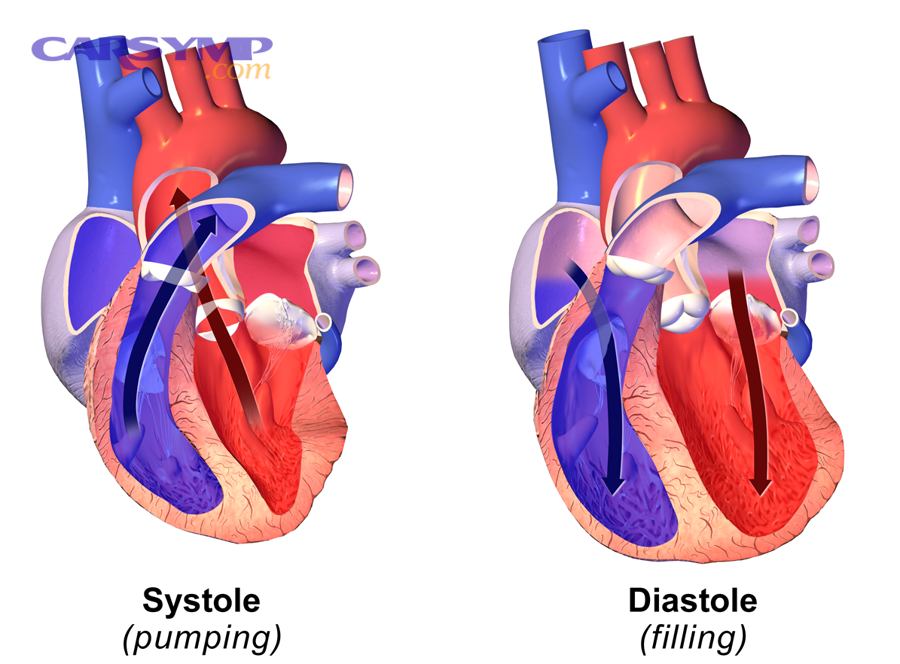
Blood pressure test results are a two-number snapshot of how hard your blood pushes against artery walls— systolic (top) during heart beats and diastolic (bottom) between beats—so you can tell whether your reading is normal, trending high, or high enough to need action. ( heart.
Daniel James Carter January 30, 2026 at 5:52 AM
Diagnose Coolant Loss With No Visible Leak: Hidden Causes vs True Leaks for Car Owners
Coolant loss with no visible leak is serious because the coolant is still leaving the system—either through a hidden external seep, an internal leak, or pressure/boiling venting—and any of those can trigger overheating and engine damage if the level drops far enough. Next, you need to separate “normal level changes” from “abnormal loss,” then decide how urgent it is based on how fast the level drops and whether you see temperature spikes, sweet smells, or wetness inside/outside the cabin.
Daniel James Carter January 30, 2026 at 5:39 AM
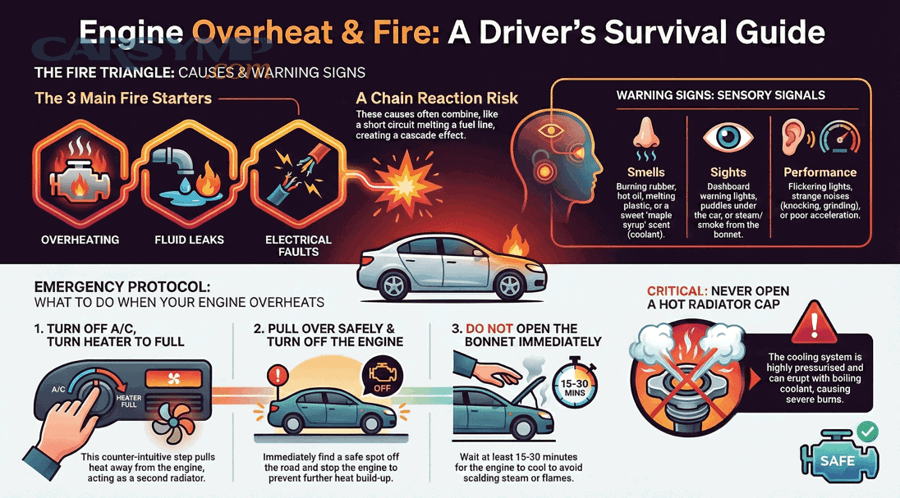
Diagnose Real Overheating vs a Bad Temperature Gauge: Cooling-System Causes (Thermostat, Sensor, Radiator) for Drivers
If your car “feels” hot but the temperature gauge looks normal—or the gauge swings around while the engine seems fine—you can’t rely on guesswork. The safest approach is to separate real overheating from inaccurate temperature readings using consistent signs, simple cross-checks, and a clear troubleshooting order.
Daniel James Carter January 30, 2026 at 5:29 AM
Identify Coolant Puddle Color: A Practical Guide for Drivers (Green vs Orange vs Pink vs Yellow)
A coolant puddle color guide starts with one simple goal: confirm whether the puddle is actually coolant (antifreeze) by using location, smell/feel, residue, and a quick level check—because color alone can mislead. Next, you’ll learn what common coolant puddle colors typically suggest (green, orange/red/pink, yellow, and “clear/brown-ish”), plus what those colors can and can’t tell you about the coolant type inside your car.
Daniel James Carter January 30, 2026 at 5:17 AM
White Exhaust Smoke vs Coolant Leak Clues: How to Diagnose the Difference Before Engine Damage
White exhaust smoke is not always a coolant leak—sometimes it’s harmless condensation—but the right clues (smell, persistence, coolant level change, and overheating behavior) tell you when it’s coolant entering the exhaust. Next, you’ll learn how to separate normal water vapor from coolant-burning smoke by watching what the plume does after warm-up, how it behaves under load, and what it leaves behind.
Daniel James Carter January 30, 2026 at 5:04 AM
Explain What the Low Coolant (Coolant Level) Warning Light Means for Car Owners: Causes, Risk Level, and What to Do Next
A low coolant (coolant level) warning light means your engine cooling system may not have enough coolant to control temperature safely, so you should treat it as an early “protect the engine now” signal—not a light to ignore until the next oil change. Next, you’ll want to understand why the warning appeared in the first place, because the most common reason is coolant leaving the system (often a leak), and the “cause” determines whether a quick top-up is enough or whether you need repairs.
Daniel James Carter January 30, 2026 at 4:51 AM
Diagnose a Sweet Coolant Smell: Cabin vs Engine Bay Leak Checks (Heater Core vs Radiator) for Drivers
A sweet, syrupy smell in or around your car usually points to coolant (antifreeze), and the fastest way to diagnose it is to follow the smell’s location — cabin vs engine bay —because that single clue narrows the likely leak source more than any guesswork. Next, if the odor is strongest inside the cabin , you can confirm (or rule out) a heater core or heater-hose leak by checking for the classic trio: smell from vents, glass film/fogging, and damp carpet—plus coolant level changes.
Daniel James Carter January 30, 2026 at 4:41 AM
Identify Coolant Leak Warning Signs While Driving: Key Symptoms and When to Stop Driving Immediately
A coolant leak while driving is serious because it can quietly drain your cooling system, spike engine temperature, and turn a “small drip” into rapid overheating within minutes—so your first job is to recognize the warning signs early and treat them as a safety decision, not just a maintenance issue. Next, you’ll want to decide whether you can limp to a safe spot or whether you should shut the engine down right away, because the “right” move depends on how fast the temperature is rising, how much coolant is escaping, and whether you’re seeing signs of internal engine trouble.
Daniel James Carter January 30, 2026 at 4:27 AM
How to Prevent Future Coolant Leaks: A Practical Cooling-System Checklist for Car Owners (Hoses, Radiator, Water Pump)
Preventing future coolant leaks means fixing today’s leak and removing the conditions that make the same spot—or a nearby weak point—fail again, such as wrong pressure, poor clamping, contaminated coolant, or a warped sealing surface. Next, you’ll learn the repeat-leak patterns that cause “it’s leaking again” scenarios (especially after a recent coolant leak repair ), so you can spot the real root cause instead of chasing symptoms.
Daniel James Carter January 30, 2026 at 4:05 AM
How to Identify Heater Core Leak Symptoms (Warning Signs) — A Diagnosis Guide for Car Owners
A heater core leak usually announces itself with a tight cluster of cabin-only clues—coolant odor, interior moisture, and film on glass—because the leak happens inside the HVAC box under the dashboard, not out in the engine bay where drips are easy to spot. This guide helps you identify heater core leak symptoms quickly so you can protect visibility, prevent coolant loss, and avoid overheating.
Daniel James Carter February 4, 2026 at 10:45 AM
Replace a Hose and Hose Clamp (Hose Clip): DIY Basics for Car Owners & Home DIYers
Replacing a hose and hose clamp (often called a “hose clip”) is a straightforward DIY job when you match the right hose to the right fitting, pick the correct clamp style, and tighten it correctly—so the connection seals without cutting or crushing the hose. Next, it helps to understand what the clamp actually does (and what it doesn’t do), because most repeat leaks come from mismatch errors: wrong hose size, wrong clamp type, wrong clamp position, or a dirty/damaged sealing surface.
Daniel James Carter January 30, 2026 at 3:37 AM
Identify Coolant (Antifreeze) Leaks by Smell and Puddle Color Clues: Quick Diagnosis Guide for Drivers
A coolant leak often announces itself before your temperature gauge does: a sweet smell after shutdown, a damp spot where you park, or a colored puddle that doesn’t match plain water. The fastest way to act is to treat smell + puddle color + location as a single set of clues and follow them in order.
Daniel James Carter January 30, 2026 at 3:24 AM
Drive or Tow? Determine Safe-to-Drive Risk for an Overheating Engine — Emergency Steps for Drivers
If your engine is overheating, it is usually not safe to keep driving —because temperature spikes can escalate fast, warning systems can lag behind real damage, and a single extra mile can turn a minor cooling issue into a major engine failure. The safest decision is the one that protects you first and your engine second: pull over, reduce risk, and choose drive vs tow based on clear stop-now signals .
Daniel James Carter January 30, 2026 at 3:10 AM
Stop-Leak Product Risks Explained: What “Coolant Stop Leak” Can Damage (and When Proper Repair Is Safer) for Car Owners
Stop-leak products can be risky because they don’t “fix” the failed part—they mask a leak by changing what’s flowing through the system , and that can create new problems (clogs, heat-transfer loss, sensor contamination, and harder diagnostics) if you use them in the wrong situation. Next, it helps to understand how coolant stop leak works (and why some formulas behave very differently), because the mechanism—particulates vs.
Daniel James Carter January 30, 2026 at 2:57 AM
Pressure-Test for Leaks: Step-by-Step Cooling System Pressure Test for DIY Car Owners (Radiator & Cap Guide)
A cooling system pressure test is the most direct DIY method to find external coolant leaks because it pressurizes the system (safely, on a cold engine) and forces weak seals, hoses, and seams to show themselves as drips, wet spots, or a measurable pressure drop. Next, you’ll get the tool-and-setup side right—choosing a pressure tester, matching the correct adapter to your radiator neck or pressurized expansion tank, and using the cap’s rated pressure as your hard limit so you don’t create a new problem while hunting the old one.
Daniel James Carter January 30, 2026 at 2:44 AM
Estimate Coolant Leak Repair Cost for Car Owners: Hose vs Radiator vs Water Pump Price Breakdown
A coolant leak repair cost estimate is easiest to predict when you match the leak to the most likely part—because a loose clamp and a failing water pump live in completely different labor-and-parts worlds. The goal of this guide is to help you ballpark costs by component (hose vs radiator vs water pump) and avoid the “surprise invoice” problem.
Daniel James Carter January 30, 2026 at 2:33 AM
Diagnose the Source of a Coolant Leak: Radiator vs Hose vs Water Pump (Cooling-System Parts) for Car Owners
A coolant leak diagnosis is about one thing: identifying the exact component that’s losing coolant—radiator, hose, or water pump—before you replace parts or risk overheating. You can usually narrow the source quickly by combining leak location, residue patterns, and when the leak appears (cold, hot, or under pressure).
Daniel James Carter January 30, 2026 at 2:19 AM
Identify Coolant Leak Locations Fast: Common Cooling-System Leak Points Guide for Car Owners (Hoses, Radiator, Water Pump)
A coolant leak location is easiest to identify when you stop chasing the puddle and start tracing the leak origin —the highest point where fresh coolant first appears—because coolant can travel along plastics, brackets, splash shields, and airflow before it drips. Next, you’ll get a prioritized checklist of the most common cooling-system leak points (hoses/clamps, radiator, reservoir, water pump, thermostat housing, cap area) so you can inspect the highest-probability spots first instead of searching randomly.
Daniel James Carter January 30, 2026 at 2:07 AM
Prevent Overheating With Proper Coolant Maintenance: A Practical Cooling-System Guide for Car Owners (Coolant Care vs Neglect)
Engine overheating is rarely “bad luck”—it’s usually a predictable outcome when coolant level, coolant quality, or coolant flow stops doing its job. Proper coolant maintenance prevents overheating by keeping heat transfer efficient, raising boiling protection, and reducing internal corrosion that quietly blocks passages over time.
Daniel James Carter January 30, 2026 at 1:42 AM
Dispose of Used Coolant (Antifreeze) Legally & Safely: Recycling and Drop-Off Rules for DIY Car Owners
Old coolant (also called antifreeze) should be disposed of legally and safely by collecting it in a sealed container, keeping it uncontaminated, and taking it to an approved drop-off or recycling program—never dumping it into drains, onto soil, or into stormwater systems. Next, it helps to know why disposal rules exist, because toxicity and contamination risk explain why many areas treat used coolant as household hazardous waste and why acceptance rules can be strict at drop-off sites.
Daniel James Carter January 30, 2026 at 1:30 AM
How to Check Thermostat & Radiator Cap During Cooling System Service (Inspection + Pressure-Test Checklist for DIY Car Owners & Techs)
A thermostat and radiator cap check during cooling system service is a fast, evidence-based way to prevent overheating, boil-over, and repeat coolant loss—because these two small parts control temperature regulation and system pressure . Next, you’ll learn what each component actually does and how their normal behavior looks during warm-up and steady driving, so your inspection isn’t just “guessing from the gauge.
Daniel James Carter January 30, 2026 at 1:18 AM
Identify the Signs of Contaminated or Rusty Coolant (Dirty vs Clean) — A Car Owner’s Guide
Contaminated or rusty coolant is a practical warning sign: it often means the cooling system can’t protect metal surfaces, transfer heat efficiently, or stay chemically stable the way “clean” coolant should. The fastest win is learning what “bad-looking” coolant really indicates—because some appearances are minor, while others predict overheating or expensive internal corrosion.
Daniel James Carter January 30, 2026 at 1:05 AM
Bleed Trapped Air After a Coolant Flush: Proper Cooling-System “Burping” Steps for DIY Car Owners
After a coolant refill, the safest way to prevent temperature spikes is to bleed (burp) trapped air until coolant circulation is steady, the heater is hot, and the level stays stable through a full warm-up and cool-down cycle. Next, you’ll learn what “bleeding” really means in a pressurized cooling system, what trapped air does to circulation, and how to spot it before it becomes an overheating problem.
Daniel James Carter January 30, 2026 at 12:51 AM
Estimate Coolant Flush (Radiator Flush) Cost: Typical Price Range + Key Factors for Car Owners
Most car owners can estimate a coolant flush within a practical range by matching the service type to their vehicle and confirming what the quote includes. Across mainstream vehicles, a standard coolant flush often lands in the low hundreds, but the “right” estimate depends on labor rates, coolant specification, and cooling-system complexity.
Daniel James Carter January 30, 2026 at 12:38 AM
How to Perform a Safe DIY Coolant Flush: Step-by-Step Engine Cooling System Guide for Car Owners (Flush vs Drain-and-Fill)
A safe DIY coolant flush is a practical way to restore cooling performance, remove degraded coolant, and protect your engine—if you follow the correct steps, use the right coolant, and treat hot/used coolant as a serious safety hazard. To do it correctly, you need to understand what a “coolant flush” actually means, when it’s appropriate, and which risks matter most (pressure burns, spills, and mixing the wrong coolant chemistry).
Daniel James Carter January 30, 2026 at 12:23 AM
Understand the Difference Between a Coolant Flush vs Drain-and-Fill: Which Cooling System Service Is Right for Your Car?
A coolant flush vs drain-and-fill difference comes down to how completely each service removes old coolant and contaminants : a flush actively pushes fluid through the system to replace more of what’s inside, while a drain-and-fill mainly replaces what drains out by gravity. Next, the decision usually depends on the car’s maintenance history and what problem you’re trying to solve—routine protection, mixed/incorrect coolant, visible contamination, overheating, or post-repair refilling.
Daniel James Carter January 30, 2026 at 12:09 AM
Choose the Right Coolant Type and Avoid Mixing Incompatible Formulas: IAT vs OAT vs HOAT Compatibility Guide for Car Owners
Most coolant problems come from one simple mismatch: the coolant’s inhibitor chemistry doesn’t match the metals, seals, and service-life design of your cooling system. Coolant compatibility means the coolant and its additive package can coexist with what’s already in the system—without forming deposits, changing pH, depleting inhibitors too fast, or accelerating corrosion.
Daniel James Carter January 29, 2026 at 11:54 PM
Determine the Right Coolant Flush Interval for Your Car Owners: Service Schedule vs Warning Signs
Most vehicles don’t need a coolant flush every year—but they do need coolant service on a real interval, because antifreeze additives get used up, pH can drift, and corrosion risk rises if you push past the coolant’s design life. The practical answer is: use your owner’s manual interval first , then shorten it if your driving conditions or test results show the coolant is aging faster.
Daniel James Carter January 29, 2026 at 11:36 PM