Daniel James Carter
Lead Diagnostic Technician & Technical Content Author
Company / Organization
CarSymp
Experience / Skills
Check Engine Light diagnosis (OBD-II); engine performance & ignition/fuel systems; brake service; steering & suspension; AC/heater diagnostics; cooling system service; basic transmission diagnostics; electrical & battery/charging systems; maintenance schedules
About Daniel James Carter
Daniel James Carter (born July 14, 1988) is an Automotive Diagnostic & Repair Technician and the Lead Diagnostic Technician & Technical Content Author for this auto repair website. His work focuses on translating real shop-floor diagnostics into clear, step-by-step guidance for vehicle owners—especially around check-engine issues, climate control problems, brake safety, and steering/suspension wear.\n\nDaniel’s interest in mechanical systems started early, but his professional path became formal in 2006 when he began a structured apprenticeship in general automotive service. Between 2006 and 2008, he worked alongside senior technicians learning foundational skills—oil services, brake inspections, tire work, basic electrical checks, and service documentation. During this period, he also built the habits that still define his process today: verifying the customer’s concern, road-testing when safe, and confirming repairs with repeatable measurements.\n\nIn 2009, Daniel moved into a full-time automotive service technician role, where he handled a higher volume of maintenance and repair work (brakes, cooling systems, belts, ignition components, and driveline basics). By 2012, he shifted toward diagnostics, focusing on OBD-II fault tracing, fuel trim interpretation, misfire detection, smoke-testing intake leaks, and electrical circuit testing using wiring diagrams and voltage-drop methods.\n\nA major milestone came in 2015 when he began pursuing advanced professional credentials through the National Institute for Automotive Service Excellence (ASE). After completing multiple ASE exams and documenting the required hands-on experience, Daniel earned the ASE Master Automobile Technician designation in 2017. He continued building depth in drivability and emissions-related diagnostics and achieved the ASE L1 Advanced Engine Performance Specialist credential in 2019. He maintains his credentialing through ongoing study and periodic recertification, aligning his knowledge with modern engine management systems, updated scan-tool workflows, and evolving diagnostic standards.\n\nFrom 2018 to 2021, Daniel served as a senior technician in a busy service environment where his day-to-day work centered on complex complaints: intermittent stalling, hard starts, rough idle, overheating, vibration under braking, and AC systems that blow warm or smell musty. He became known for careful diagnosis before parts replacement, using a consistent checklist:\n\n\n Confirm the symptom and capture freeze-frame data.\n Test likely causes (air leaks, sensors, ignition, fuel delivery, charging system) with measurable evidence.\n Repair only after the failure is verified and the fix can be validated.\n Validate with a road test, live data review, and final inspection.\n\n\nIn 2022, Daniel began formalizing his field notes into consumer-friendly write-ups and troubleshooting guides. By 2023, he expanded that work into structured content for this website, combining real repair patterns with clear explanations of why failures happen (for example: how moisture and organic buildup can cause musty AC smell, why worn suspension joints can mimic wheel balance issues, or how vacuum leaks and weak ignition coils can trigger persistent misfires).\n\nToday, Daniel’s role on the website is to ensure every guide reflects practical repair reality—tools a shop actually uses, common misdiagnoses to avoid, and safety-first recommendations. He writes with the same standard he uses in the bay: the diagnosis must make sense, the repair must be verifiable, and the timeline from symptom to fix must be clear for the reader.

Related topics
Latest posts by Daniel James Carter


How to Remove Rusted Bolts Without Breaking Them: Step-by-Step Tips for DIY Car Owners & Home Mechanics
Rusted bolts can be removed safely without snapping them if you use a staged approach: confirm the fastener is truly seized, clean exposed threads, apply penetrant correctly, add controlled shock/heat when needed, and only escalate to extraction or drilling after simpler methods fail. Next, you’ll learn what “seized” actually means (so you don’t over-torque a fastener that was simply over-tightened), how to tell when you can still save the bolt, and which tools give you the best odds on the first attempt.
Daniel James Carter January 29, 2026 at 10:48 PM
Avoid the Biggest Risks & Dangers of DIY Control Arm Replacement (Safety Guide for Home Mechanics)
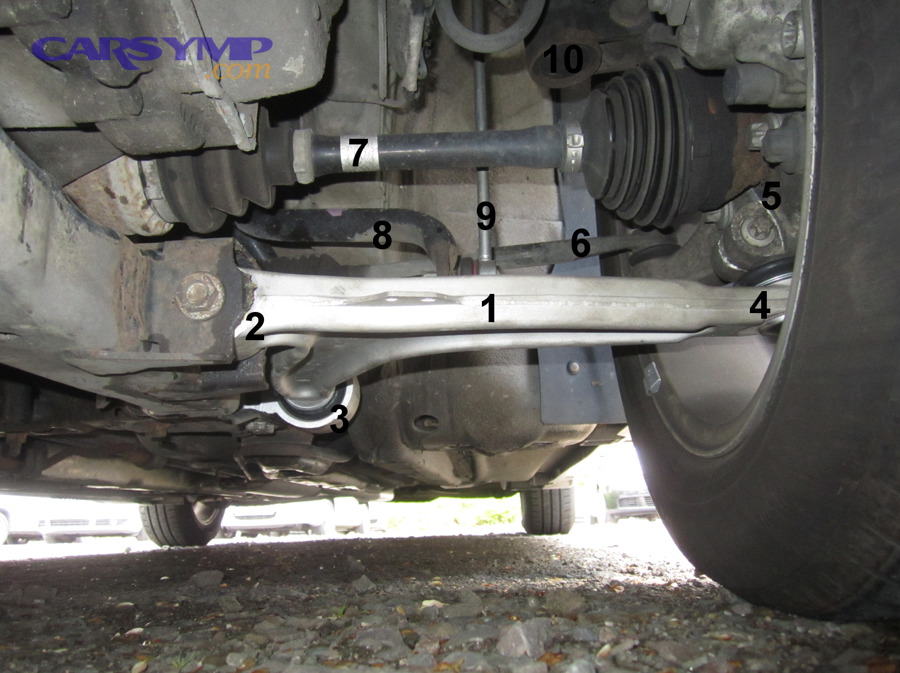
DIY suspension work can be safe and successful, but control arms sit on the “high consequences” list because they directly affect steering stability, braking feel, and tire contact with the road. The biggest dangers usually come from three places: unsafe lifting, incorrect fastener clamping (torque), and geometry mistakes that feel “fine” at first but become unstable or destroy tires later.
Daniel James Carter January 29, 2026 at 10:31 PM
Diagnose Clunking & Wandering (Loose) Steering Causes for Car Owners: Tie Rods vs Ball Joints vs Steering Rack
If your car clunks over bumps or during turns and also wanders at speed, the fastest path to a correct fix is to diagnose the looseness first —because the same worn joint can create both noises and vague steering feel. This guide helps you narrow the causes to the most common culprits: tie rods, ball joints, and the steering rack (or its mounts/bushings) .
Daniel James Carter January 29, 2026 at 10:12 PM
Control Arm Replacement Cost Estimate: True Cost Breakdown & Price Ranges for Car Owners (Parts, Labor, Dealer vs Independent)
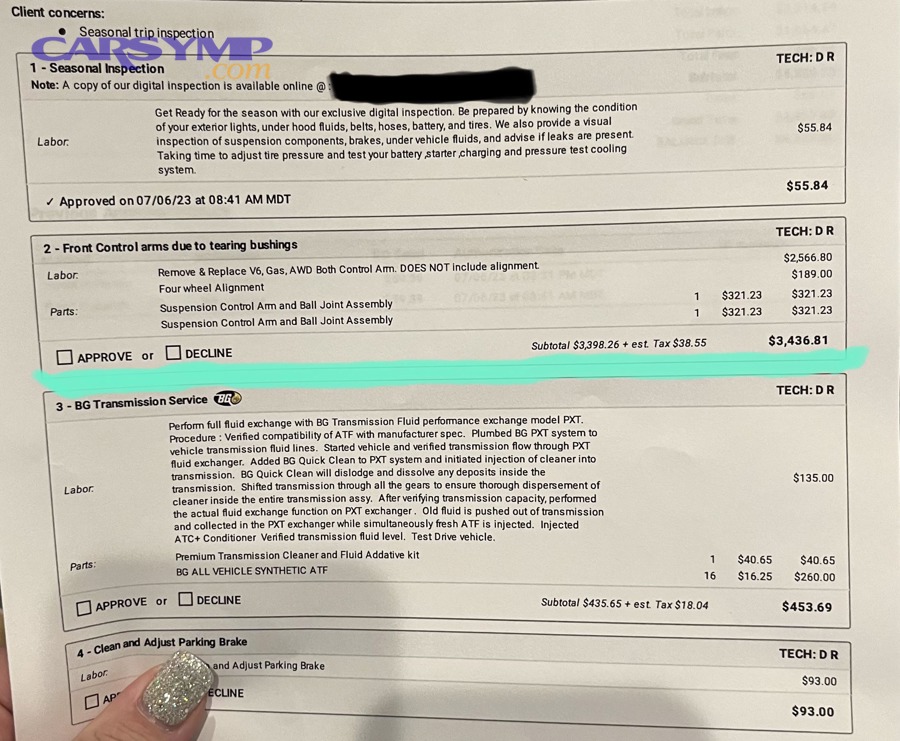
When it comes to keeping your car in top shape, one important aspect to consider is control arm replacement. The control arm is a crucial part of your vehicle’s suspension system, ensuring that your wheels stay aligned while driving.
Daniel James Carter January 29, 2026 at 8:08 AM
Choose Press-In Control-Arm Bushings vs New Control Arms: Cost & Labor Decision Guide for DIY Car Owners (Bushings = Key Arm Components)
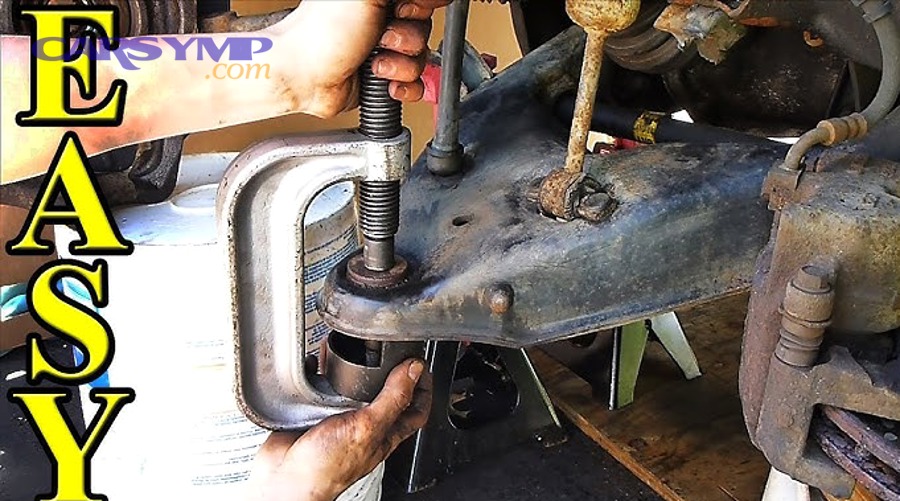
If you’re choosing between press-in control arm bushings and a full control arm replacement , the best option is the one that minimizes total cost and rework risk for your arm condition: press bushings when the arm is healthy and you can press accurately; replace the whole arm when labor, corrosion, or an aging ball joint makes redoing the job likely. The fastest way to decide is to match your symptoms to what’s actually failing (bushing vs ball joint vs bent/corroded arm), because the wrong diagnosis turns a “cheap bushing” into a repeat repair with another alignment bill.
Daniel James Carter January 29, 2026 at 8:12 AM
Schedule a Front-End (Wheel) Alignment After Control Arm Replacement: Toe–Camber–Caster Checklist for DIYers & Daily Drivers
STEP 1 — Title & outline analysis (requested) Main keyword (keyword focus): alignment required after control arm replacement Predicate (main verb/action): schedule (a front-end / wheel alignment) Relations Lexical used: Synonym (front-end alignment = wheel alignment) + Meronymy (toe–camber–caster are parts of alignment) Search intent types found in the outline: - Boolean: “Do you need…?”, “Can…?
Daniel James Carter January 29, 2026 at 6:48 AM
Calculate Control Arm Replacement Labor Time (Flat-Rate Hours) for Car Owners & DIYers
If you’re searching for control arm replacement labor time , you want one thing: a reliable way to estimate flat-rate hours (book time) for your specific vehicle so you can judge how long the job should be billed and whether a quote makes sense. Then, you also want to know what “normal” looks like—typical labor-hour ranges for front vs rear , upper vs lower , and one side vs both sides —so you can sanity-check your expectations before you call a shop or start wrenching.
Daniel James Carter January 29, 2026 at 4:29 AM
Diagnose Suspension Clunks & Steering Play: Ball Joint vs Control Arm Bushing vs Control Arm (Parts vs Whole) for DIY Drivers
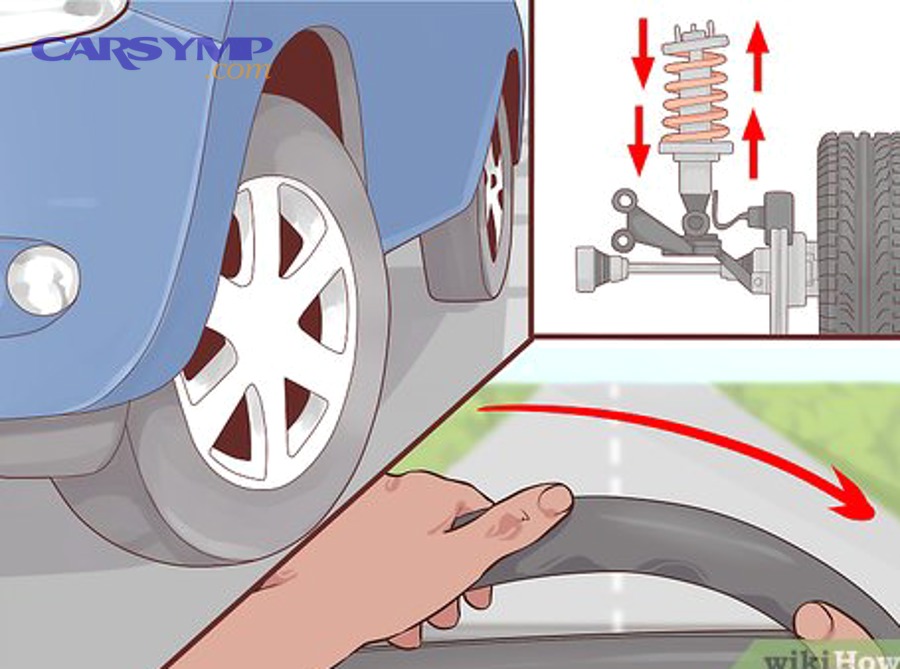
A clunk over bumps or a loose steering wheel usually comes from play (looseness) in a ball joint , excess movement in a control arm bushing , or damage/wear in the control arm assembly —and you can separate them by matching when the symptom happens to what direction the joint or bushing can move . Next, you’ll learn a clear symptom map—what “clunk,” “wander,” “pull,” and “uneven tire wear” tend to mean—so you’re not guessing or replacing parts blindly.
Daniel James Carter January 29, 2026 at 4:16 AM
Diagnose Control Arm Failure Symptoms: 9 Warning Signs for Drivers (Bushings & Ball Joint Clues)
If you want to diagnose control arm failure symptoms accurately, you should focus on three high-signal clues: repeatable clunks over bumps, steering that wanders or pulls under load, and tire wear that suddenly stops matching your alignment history. Next, you also need a safety-first decision: some symptoms mean “drive gently to a shop,” while others mean “stop driving” because the wheel can shift enough to compromise control.
Daniel James Carter January 29, 2026 at 4:02 AM
Diagnose Clutch vs Gearbox Issues: Symptoms & Simple Tests for Manual-Transmission Drivers
You can usually diagnose clutch vs gearbox (manual transmission) issues by watching for three high-signal patterns: whether symptoms change with the clutch pedal, whether RPM rises without speed, and whether grinding is gear-specific rather than constant. Next, you’ll learn the most reliable clutch failure clues —what “slip” and “drag” really mean, how pedal feel fits in, and which noises tend to point to the release system versus the friction surfaces.
Daniel James Carter January 29, 2026 at 3:35 AM
Spot the Signs of Throwout Bearing Failure (Clutch Release Bearing) for Manual-Transmission Drivers
A failing throwout bearing (also called a clutch release bearing) usually announces itself through a predictable “sound + pedal feel + shift quality” pattern—most often a chirp, squeal, or whir that changes when you press the clutch pedal. If you catch these signs early, you can often avoid collateral damage to the pressure plate fingers, clutch fork, or even the transmission input shaft area.
Daniel James Carter January 29, 2026 at 3:23 AM
Diagnose Clutch Hydraulic System Bleeding Needs: Master-to-Slave Checklist for DIY Drivers
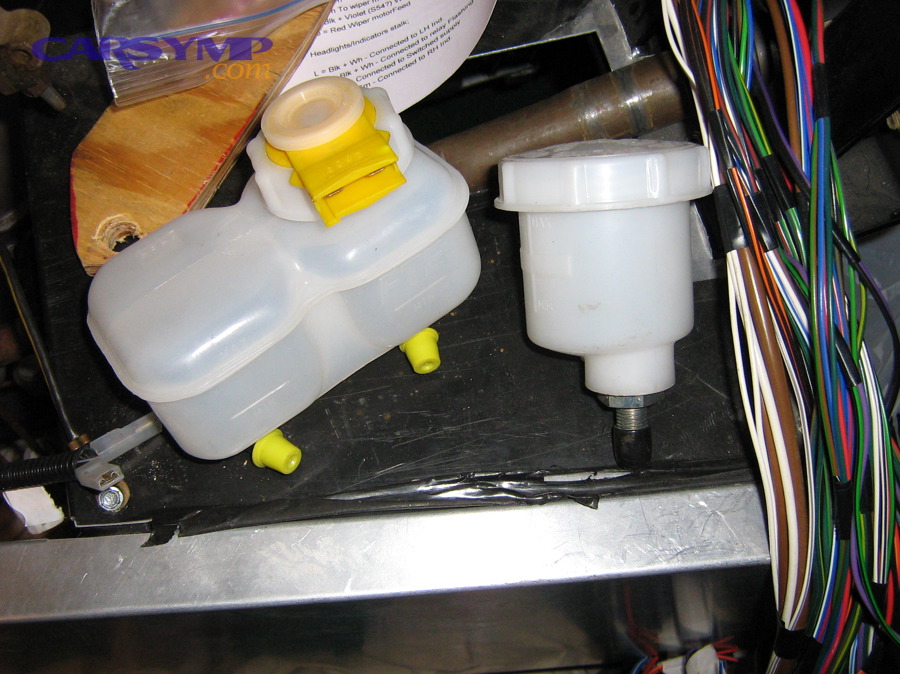
If your clutch pedal feels soft, inconsistent, or won’t disengage cleanly, your clutch hydraulic system may need bleeding —because trapped air compresses, steals hydraulic pressure, and prevents full slave-cylinder travel. The fastest way to know is to use a simple “master-to-slave” checklist: confirm fluid level/condition, look for leaks, then test whether the pedal improves after a controlled bleed.
Daniel James Carter January 29, 2026 at 3:10 AM
How to Break In (Bed In) a New Clutch: 500-Mile Run-In Procedure for Manual-Transmission Drivers
A correct clutch break-in (also called bedding-in or run-in) is a simple 500-mile driving routine that seats the friction disc evenly against the flywheel and pressure plate so the clutch grips predictably and lasts longer. If you follow the procedure below—smooth engagement cycles, controlled heat, and no high-torque abuse—you dramatically reduce the risk of glazing, hotspots, chatter, and early slip.
Daniel James Carter January 29, 2026 at 2:56 AM
Calculate Your Clutch Replacement Cost Estimate (Price, Labor & Parts Breakdown) for Car Owners
A practical clutch replacement cost estimate usually lands in a wide range because the total is driven by two big variables: how long it takes to remove the transmission (labor) and what parts must be replaced once everything is apart (parts). If you know those two numbers, you can build a realistic budget in minutes.
Daniel James Carter January 29, 2026 at 2:41 AM
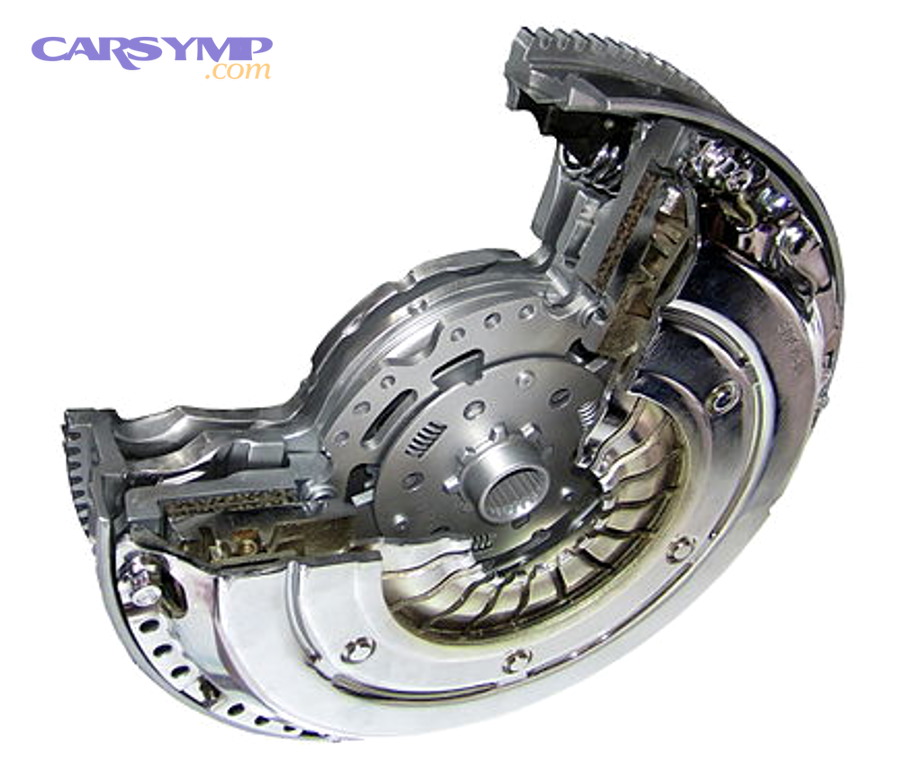
Diagnose Dual-Mass Flywheel (DMF) Problems: Symptoms, Replacement Cost & Single-Mass Alternatives for Car Owners
If you suspect dual-mass flywheel issues, you can usually confirm it by matching a few high-signal symptoms (idle rattle, shutdown clunk, takeoff shudder) with simple rule-outs—and then budgeting realistically for parts and labor before the problem escalates. Most owners also want to know whether a DMF must be replaced during a clutch replacement , because the transmission is already out and redoing labor is expensive—so a smart “replace or reuse” decision matters as much as the diagnosis.
Daniel James Carter January 29, 2026 at 2:25 AM
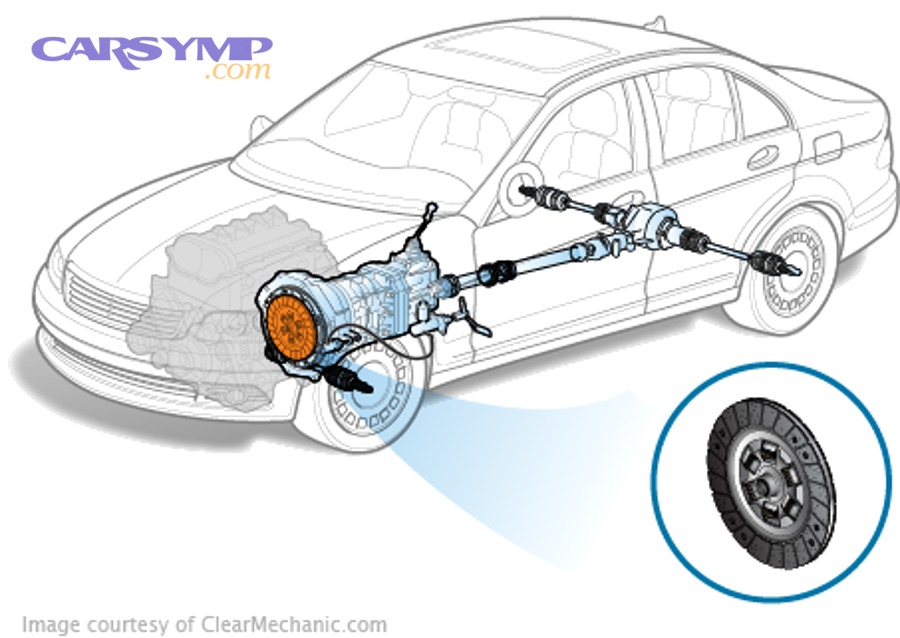
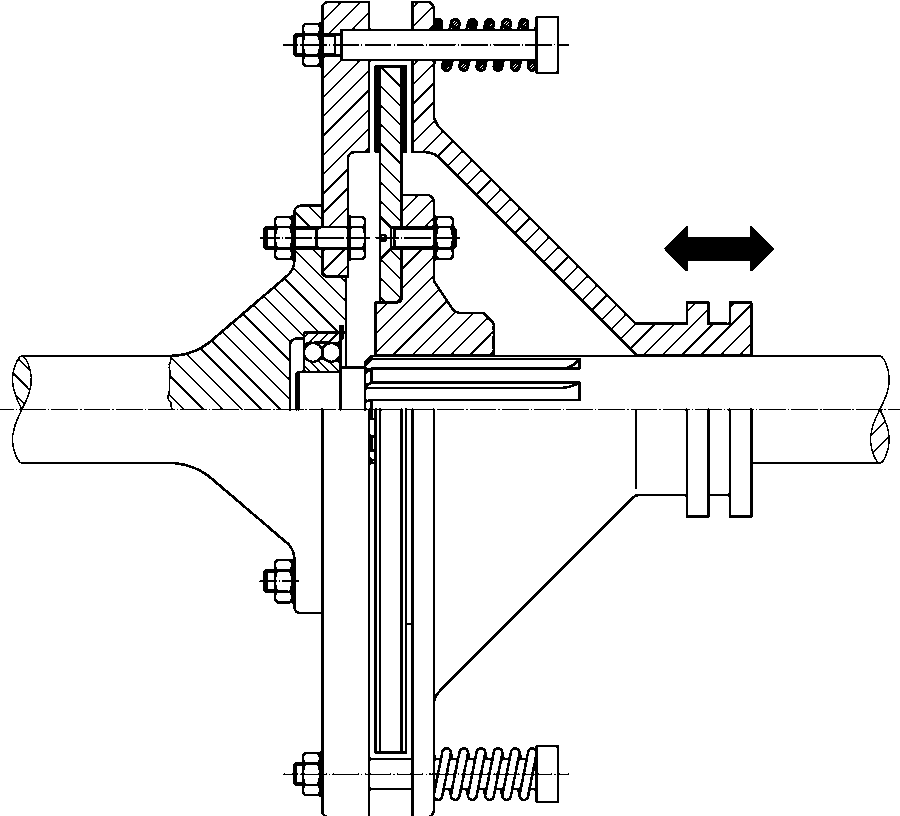
Explain Clutch Kit Parts: Components (Disc, Pressure Plate & Throw-Out Bearing) Explained for DIY Drivers & Beginner Mechanics
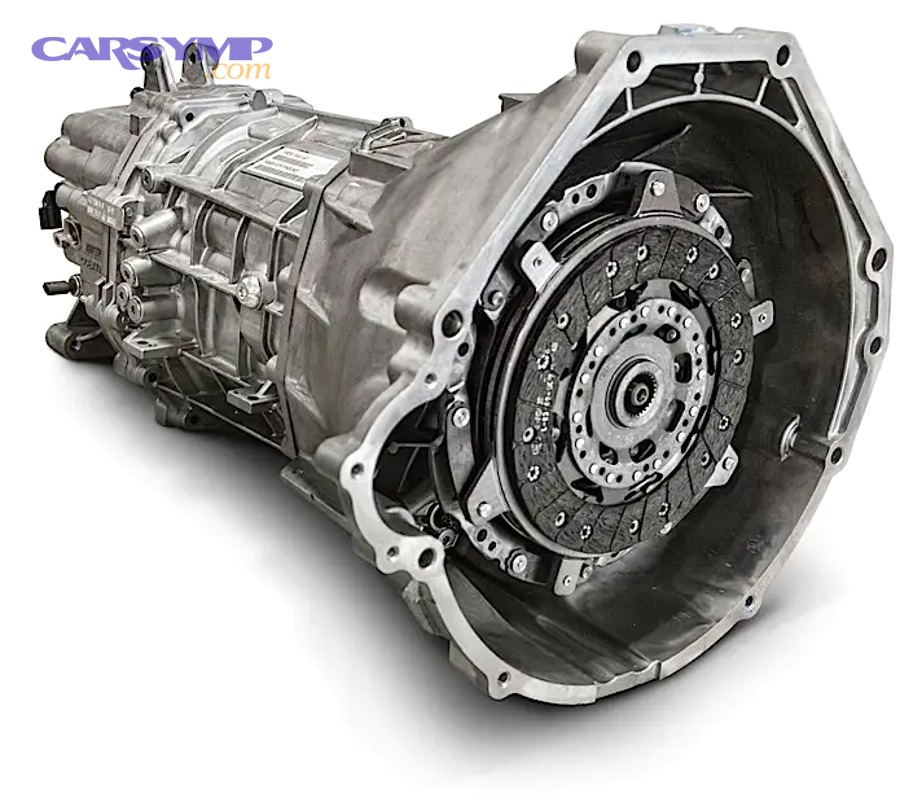
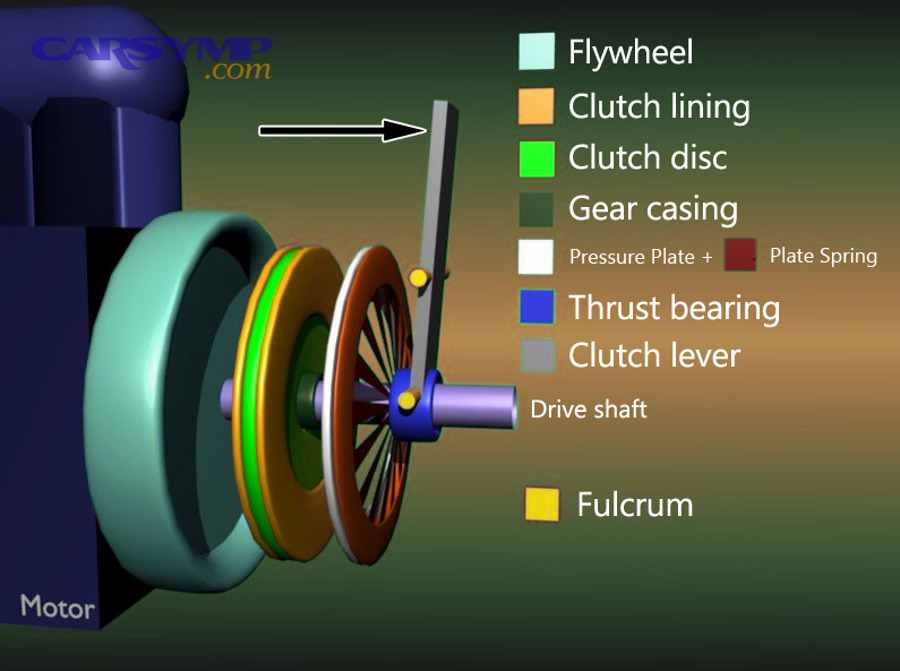
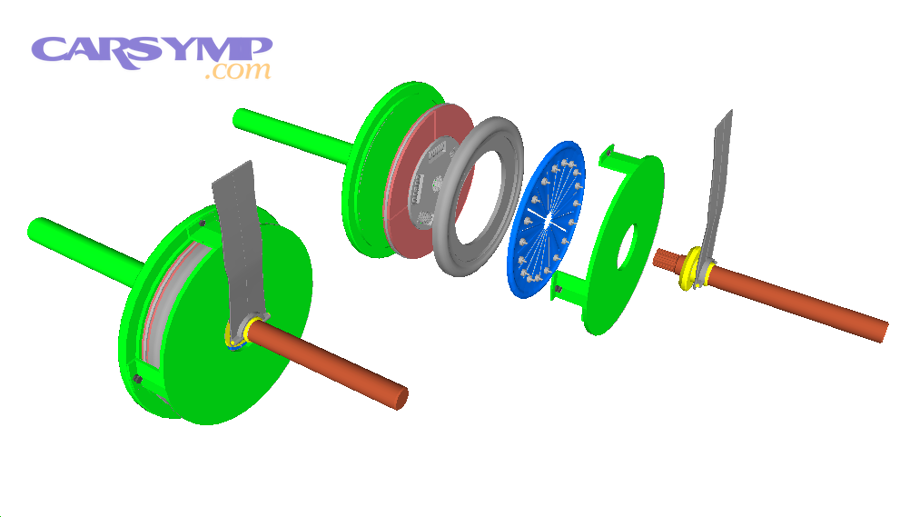
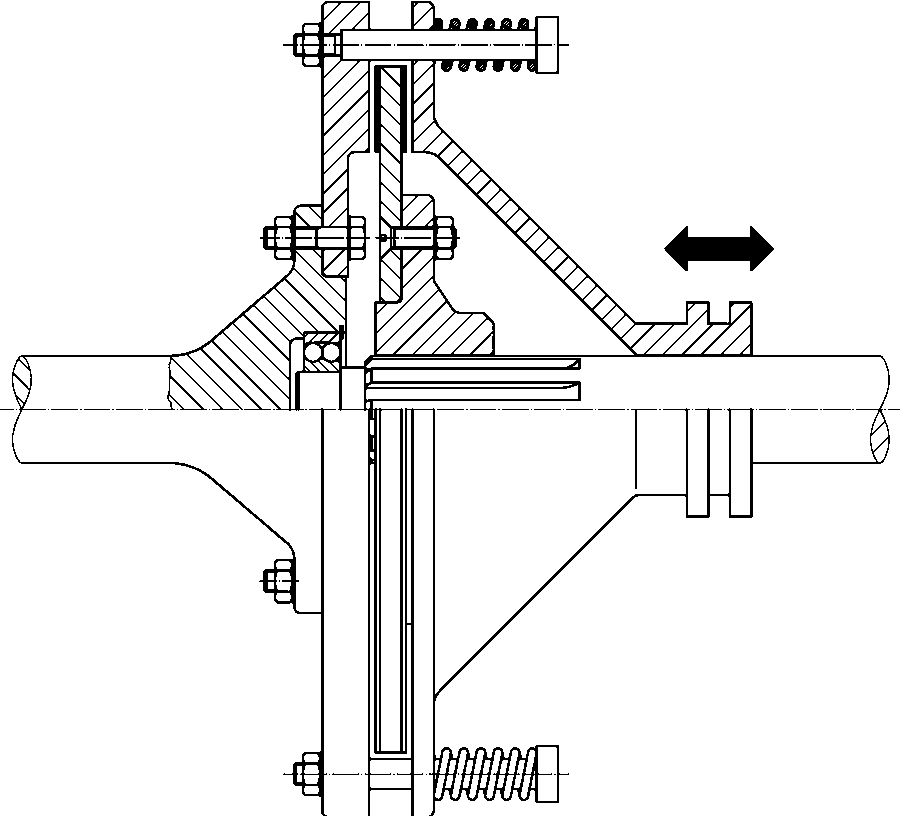
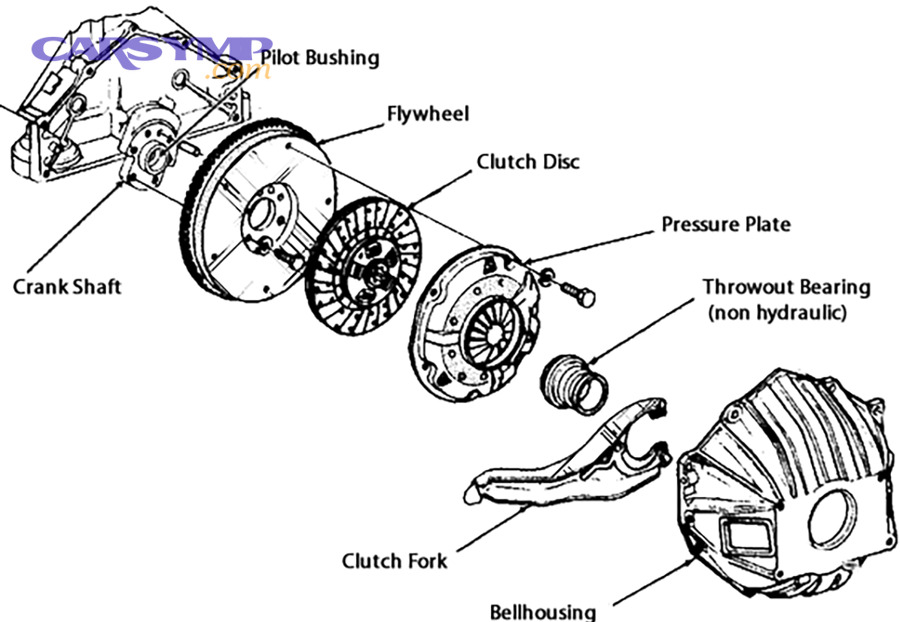
A clutch kit is a packaged set of wear parts that restores smooth power transfer between your engine and manual transmission, and this guide explains what each component is, what it does, and why it matters when your clutch starts acting up. Next, you’ll learn what’s “normally included” versus what’s optional in different kits, so you can avoid buying too little (and pulling the transmission twice) or buying parts you don’t actually need.
Daniel James Carter January 29, 2026 at 2:06 AM
Decide Whether to Resurface (Machine) or Replace (New) Your Flywheel — A Clutch-Job Guide for Car Owners & DIY Mechanics
Your best flywheel decision during a clutch job is simple: inspect, measure, and then choose resurface (machine) or replace (new) based on damage severity, spec limits, and how much repeat labor you can tolerate if the clutch chatters or slips after reassembly. Next, the key is knowing what “good enough” looks like in real terms— hot spots, scoring, cracks, runout, warpage, and thickness/step height —because a flywheel can look fine yet still be out of spec and cause engagement problems.
Daniel James Carter January 29, 2026 at 1:46 AM
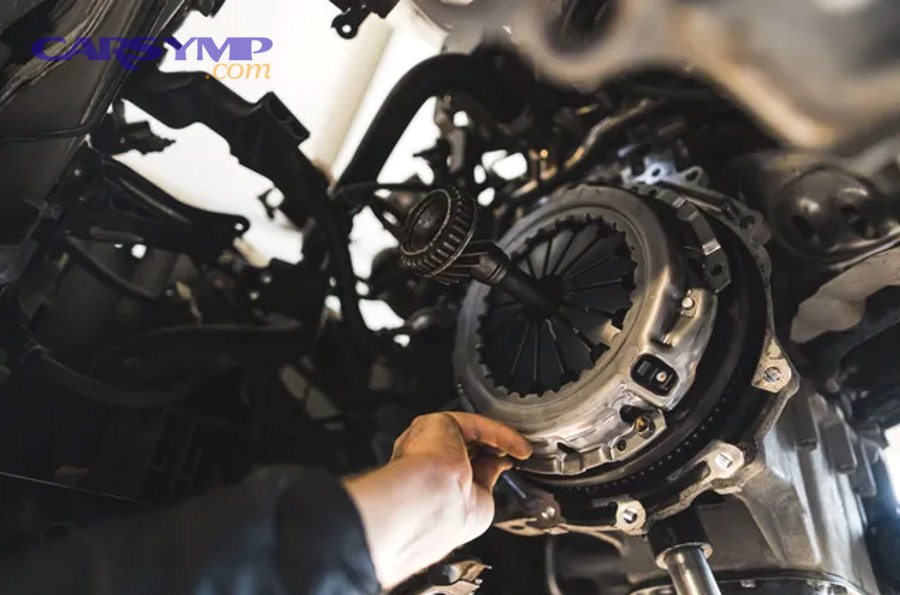
Estimate Clutch Replacement Labor Time & Step-by-Step Clutch Job Process for DIYers and Car Owners
Clutch replacement labor time is usually driven by one big reality: the transmission has to come out, and that single requirement determines whether your job is a half-day appointment or a full-day shop slot. If you’re trying to plan your downtime (or your budget), you need a realistic hour range plus the specific factors that push your car toward the “fast” or “slow” end of that range.
Daniel James Carter January 29, 2026 at 1:24 AM
Diagnose Clutch Slippage: Symptoms & At-Home Tests for Manual-Transmission Drivers (Slipping Clutch Guide)
A slipping clutch (clutch slippage) is when the clutch disc can’t hold engine torque firmly against the flywheel, so RPM rises faster than vehicle speed—especially under load. If you recognize the symptoms early and run a few safe tests, you can confirm the problem before it escalates into overheating, glazing, or collateral damage.
Daniel James Carter January 29, 2026 at 1:03 AM
Diagnose a Clunk/Knock After Suspension Work: Mounts, End Links & Torque Checks for DIY Car Owners
A clunk or knock that shows up right after suspension work is usually fixable with a structured diagnosis: confirm the noise pattern, re-check the “touch points” (mounts, links, bolts), and verify torque where it matters most so the suspension can’t shift under load. Next, the fastest way to get results is a prioritized checklist that starts with the most common post-repair culprits—top mounts, sway bar end links, and under-torqued or mis-seated hardware—before you chase rarer issues.
Daniel James Carter January 29, 2026 at 12:18 AM
Know When a Clunking (Knocking) Noise Is Safe vs Unsafe to Drive — A Safety Checklist for Car Owners
A clunking (knocking) noise is “safe” only in a narrow set of situations; in many others it is unsafe to drive because the noise can come from parts that affect steering, braking, or wheel control and can fail without much warning. If the clunk is new, loud, worsening, or paired with a change in how the car steers or stops, treat it like a stop/tow situation and protect yourself first.
Daniel James Carter January 28, 2026 at 11:52 PM
Estimate Repair Costs for Common Clunks: Sway Bar Links, Ball Joints & Control Arms (Car Owners Guide)
A realistic repair cost estimate for common clunks starts with matching the noise to the most likely suspension or steering part, then pricing parts + labor + alignment (if needed) —because “clunk” is a symptom, not a single repair. Using widely referenced estimator benchmarks, typical ranges often land around $123–$186 for stabilizer (sway) bar links , $305–$471 for a ball joint , and $766–$912 for a control arm assembly , before taxes/fees and location differences.
Daniel James Carter January 28, 2026 at 11:26 PM
Inspect Car Suspension Safely at Home: DIY Checklist for Shocks, Struts & Ball Joints for Beginners
Inspecting your suspension at home can be safe and genuinely useful when you focus on stability first, use the right support points, and stop the moment you see a “don’t-touch-this” warning sign like a loose joint, broken mount, or severe play. The goal isn’t to become a mechanic in one afternoon—it’s to confidently spot safety issues early and know what needs attention now.
Daniel James Carter January 28, 2026 at 10:58 PM
Diagnose & Fix Exhaust Hanger Clunk Over Bumps: Rubber Isolator Checks for DIY Car Owners
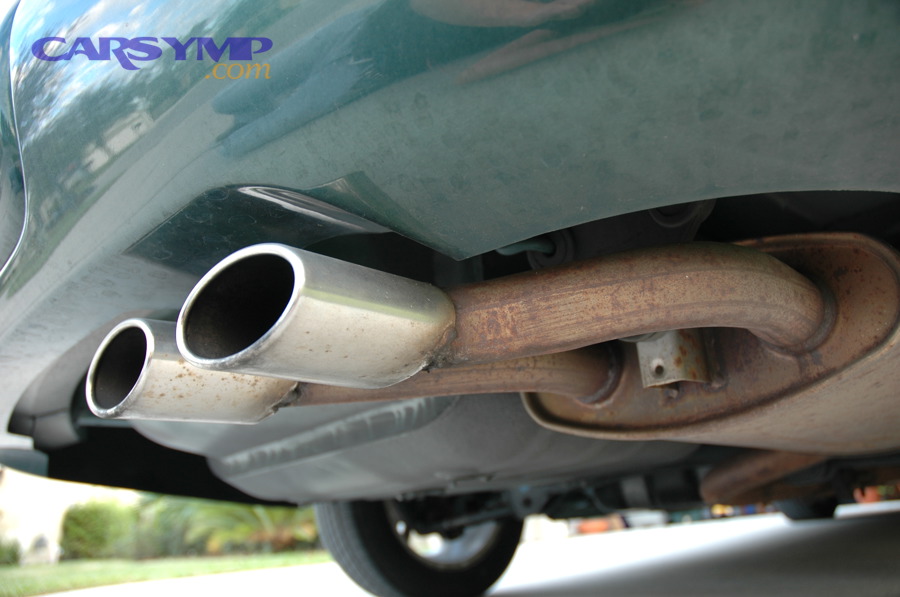
A clunk from the rear or mid-underside when you hit bumps is often an exhaust hanger problem: the exhaust swings, sags, or contacts the body because a rubber isolator has stretched, torn, or the system is misaligned. This guide shows you how to confirm it quickly and fix it reliably.
Daniel James Carter January 28, 2026 at 10:31 PM
Diagnose Clunking (Knocking) Symptoms in the Steering Rack & Tie Rods — A Driver’s Guide
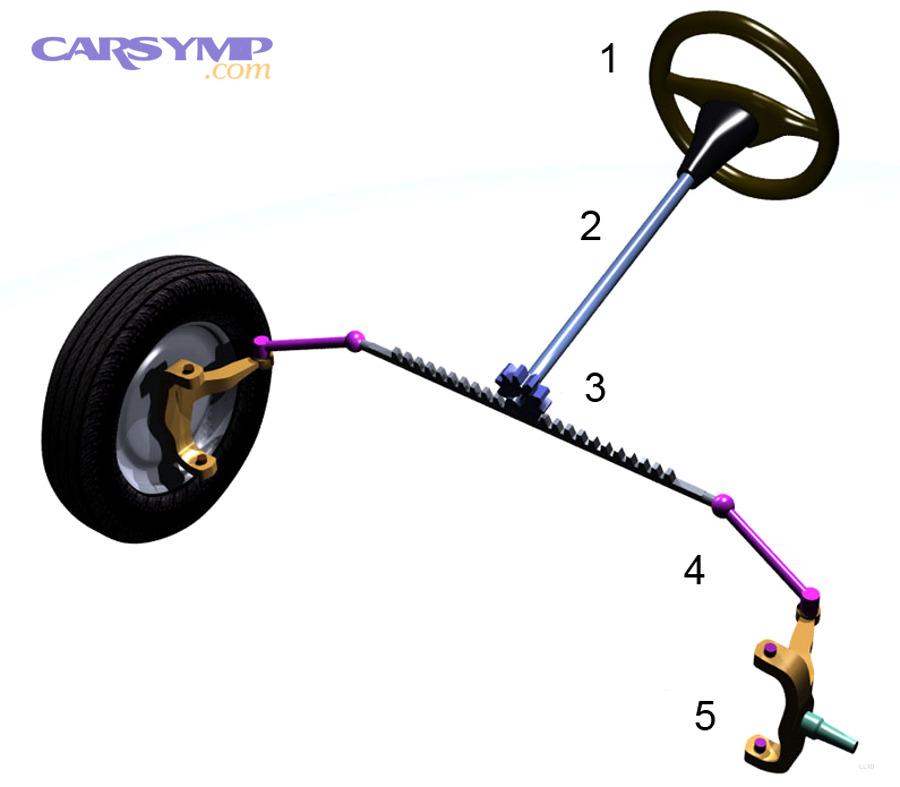
A clunking (knocking) symptom in the steering system usually means something has developed measurable play —most often a worn tie rod joint, a loose rack mount/bushing, or internal steering rack lash—so the parts “shift” before they actually steer the wheels. This guide helps you pinpoint the most likely source quickly and safely , using symptom patterns and simple confirmation checks.
Daniel James Carter January 28, 2026 at 10:11 PM
Diagnose Brake Caliper Clunk & Rattle: Top Causes of Loose Hardware (Anti-Rattle Clips, Slide Pins, Bracket Bolts) for DIY Car Owners
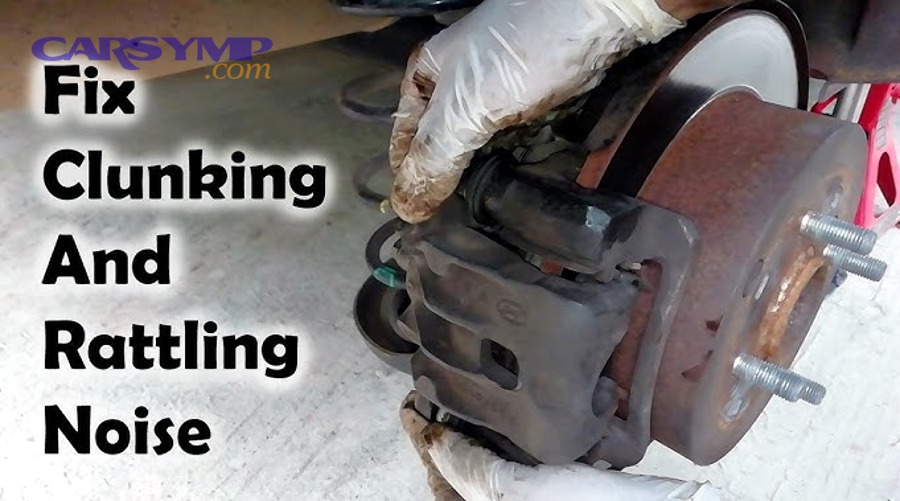
A brake caliper clunk or rattle is usually diagnosable at home because the sound typically comes from one of three places: loose pad hardware, loose caliper slide hardware, or loose caliper bracket bolts—and each has a repeatable test that confirms it before you buy parts. Next, once you identify the exact loose component, the fix is rarely mysterious: re-seat or replace the hardware kit, clean and lubricate slide pins correctly, and torque fasteners to spec so the caliper can’t shift under load.
Daniel James Carter January 28, 2026 at 9:45 PM
Diagnose Control Arm Bushing Clunk (Knock) Symptoms for DIY Car Owners
Control arm bushing clunk symptoms usually show up as a dull knock from the suspension—most often during braking, acceleration, or when the wheel hits a bump—because the bushing can no longer hold the control arm firmly in its designed position. Next, you’ll learn what a control arm bushing does and why it’s specifically capable of creating a clunk instead of just a squeak or vibration.
Daniel James Carter January 28, 2026 at 9:21 PM
Diagnose Stabilizer (Sway Bar) Link vs Strut Mount Noise: Clunk vs Creak Comparison for DIY Car Owners
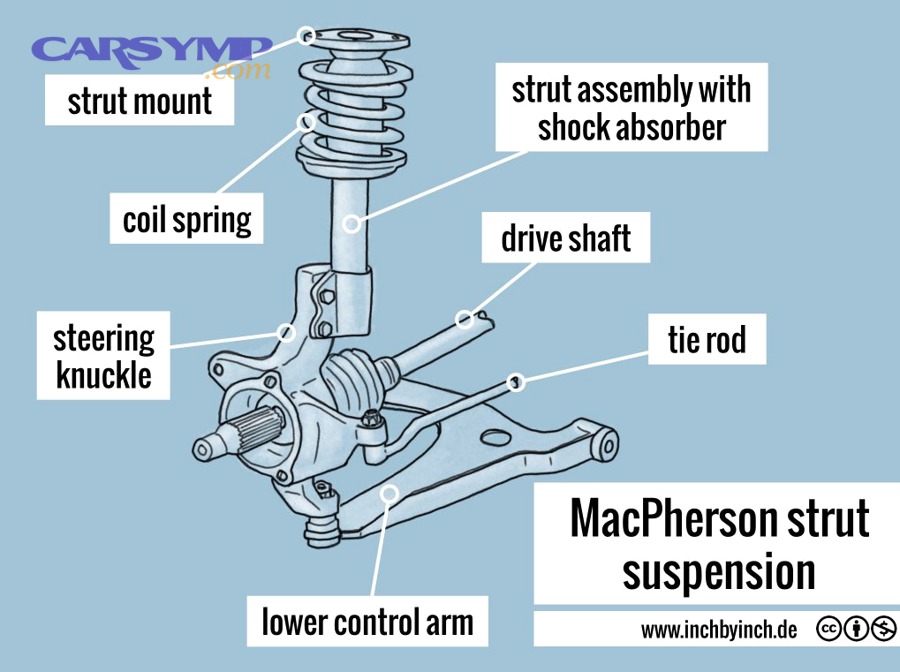
If you’re trying to pin down a front-end (or rear) suspension noise, the fastest path is to match the trigger to the component : sway bar end links usually clunk on sharp, one-wheel bumps, while strut mounts (and their bearings) more often creak/pop during steering input or when the spring loads and unloads near the top of the strut. Next, you’ll get a practical way to interpret when the noise happens—over bumps, during turns, or at low speed—because those conditions load sway bars and top mounts differently, and the sound pattern is often more diagnostic than the volume.
Daniel James Carter January 28, 2026 at 8:55 PM
Diagnose Suspension Clunks Over Bumps: A Step-by-Step Clunk/Knock Checklist for DIY Drivers
A suspension clunk diagnosis checklist helps you narrow a clunk to a specific component by checking the easiest, most common causes first, then validating play or movement before you buy parts. That’s the fastest way to turn a vague noise into a confident diagnosis.
Daniel James Carter January 28, 2026 at 8:31 PM
Explaining Common Home Repairs and Typical Costs for Homeowners
Owning a home inevitably means dealing with repairs, and the most important question homeowners ask is how much those repairs usually cost. Common home repairs follow predictable patterns, and understanding their typical costs helps homeowners budget realistically, avoid surprises, and make informed decisions before problems escalate.
Daniel James Carter January 28, 2026 at 2:19 PM
Explain HVAC Scan Tool Tests for Climate Control Modules for Technicians
Modern vehicle HVAC systems rely heavily on electronic control, which means accurate diagnosis depends on understanding scan tool tests for climate control modules. These tests reveal how the HVAC module interprets sensor data, controls actuators, and reports faults, allowing technicians to identify problems efficiently rather than relying on guesswork.
Daniel James Carter January 28, 2026 at 2:12 PM
Understanding Climate Control Diagnostic Fee Expectations for Car Owners
Owning a car means eventually dealing with air conditioning or heating problems, and when that happens, one of the first costs drivers encounter is the climate control diagnostic fee. In simple terms, car owners should expect to pay a professional fee that covers the time, expertise, and tools required to accurately identify faults in the vehicle’s heating, ventilation, and air conditioning system.
Daniel James Carter January 28, 2026 at 2:05 PM
How to Diagnose & Fix Air Distribution Stuck in Your HVAC System: Causes, Symptoms & Solutions for Homeowners
Air distribution stuck in an HVAC system means airflow cannot change direction as intended, and the most effective way to resolve it is by diagnosing airflow control components, identifying the root cause, and applying the correct fix before secondary damage occurs. Homeowners usually encounter this issue when air blows from only one location—often defrost only , floor only, or ceiling only—regardless of settings.
Daniel James Carter January 28, 2026 at 1:57 PM
Identify and Fix Vacuum-Controlled HVAC Problems: Causes, Symptoms, and Solutions for Homeowners
A vacuum-controlled HVAC problem can be identified and fixed by understanding how vacuum pressure controls airflow, recognizing failure symptoms early, and applying targeted repairs to the affected components. When vacuum supply is interrupted, the HVAC system loses its ability to direct air correctly.
Daniel James Carter January 28, 2026 at 1:49 PM
Diagnose Common HVAC Sensor Issues Affecting Home Comfort and System Accuracy
Modern HVAC systems rely heavily on sensors to maintain accurate temperatures and consistent comfort. When those sensors fail, even a high-quality system can behave unpredictably—blowing hot air when cooling is needed, cycling too often, or failing to reach the desired temperature.
Daniel James Carter January 28, 2026 at 1:42 PM
Common Causes of Dual-Zone Temperature Mismatch in Car Climate Control Systems (Hot vs Cold Explained for Drivers)
A dual-zone temperature mismatch happens when a car’s climate control system delivers noticeably different temperatures on the driver and passenger sides due to mechanical, electronic, or environmental factors affecting how air is mixed and distributed. This issue most often signals an imbalance in how the system interprets or executes temperature commands.
Daniel James Carter January 28, 2026 at 1:36 PM
How to Identify Climate Control Panel Failure Symptoms in Cars Before HVAC System Damage
Modern vehicles rely heavily on electronic controls, and the climate control panel plays a central role in managing comfort inside the cabin. Climate control panel failure symptoms often appear subtly at first, but they can quickly escalate into full HVAC system damage if ignored.
Daniel James Carter January 28, 2026 at 1:29 PM
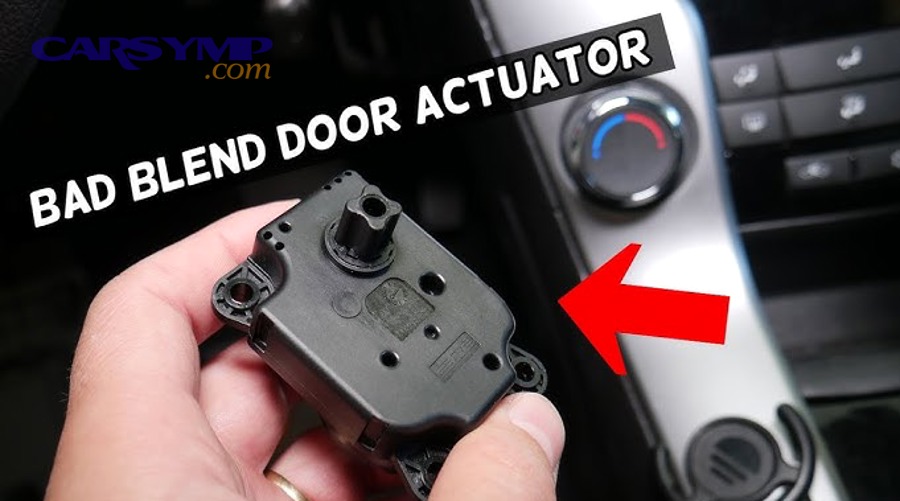
How to Diagnose a Blend Door Actuator Failure in Car HVAC Systems (DIY Guide)
When a car’s interior refuses to heat up, cool down, or switch airflow properly, the most likely culprit is often hidden deep inside the dashboard: the blend door actuator. Diagnosing a blend door actuator failure in car HVAC systems means confirming whether this small motorized component can still control temperature and airflow as commanded.
Daniel James Carter January 28, 2026 at 1:21 PM
How to Troubleshoot No Hot or No Cold Climate Control Issues for Car & HVAC Owners
When a climate control system blows air but fails to deliver either heat or cooling, the problem is almost never random. In most cases, no hot or no cold output points to a breakdown in temperature regulation, control logic, or airflow direction rather than a total system failure.
Daniel James Carter January 28, 2026 at 1:15 PM
Diagnose Clicking Wheel Noise After Tire Work: Causes, Fixes & How Mechanics Interpret Symptoms for Car Owners
A clicking wheel noise after tire or wheel work usually indicates that a component disturbed during service is now interacting abnormally with another part, such as a brake shield, wheel hardware, or suspension joint. In most cases, the noise is not random—it follows clear mechanical logic that can be diagnosed systematically.
Daniel James Carter January 28, 2026 at 1:02 PM
Perform At-Home (DIY) Pre-Mechanic Checks: A Car Inspection Checklist for Drivers Before the Repair Shop
If you want to save time and money at a repair shop, you should do a short set of at-home pre-mechanic checks that confirm basic safety, capture symptoms accurately, and surface obvious issues like low fluids, tire problems, or visible leaks—without “guessing parts” or making risky repairs. Next, you’ll learn how to document what you see and feel (lights, smells, noises, conditions) so you can describe the problem clearly and help the technician diagnose faster, especially when the issue is intermittent.
Daniel James Carter February 4, 2026 at 5:52 PM
How to Calculate Repair Cost Estimates for the Most Common Causes of Damage
Calculating a repair cost estimate accurately is the single most important step between discovering damage and handing over money for a fix. A repair cost estimate is a projected total of parts, labor, and fees that tells you — before any work begins — what a repair is likely to cost.
Daniel James Carter March 9, 2026 at 4:59 PM
Is It Safe to Drive With a Clicking Noise While Driving? Causes, Risks & Expert Guidance for Car Owners
A clicking noise while driving is not automatically dangerous , but it is never something to ignore . In some cases, you can continue driving briefly without immediate risk; in others, the sound signals a component that could fail suddenly and compromise safety.
Daniel James Carter January 28, 2026 at 10:40 AM
Diagnose Clicking Front Suspension Components: Common Parts Causing Noise for Car Owners
A clicking sound from the front of your car is not random—it is a mechanical signal. Clicking front suspension components can be diagnosed by identifying which moving parts are under load, when the noise occurs, and how steering or road input triggers it.
Daniel James Carter January 28, 2026 at 10:33 AM
Inspect a Torn CV Axle Boot: A Step-by-Step Inspection Checklist for DIY Car Owners
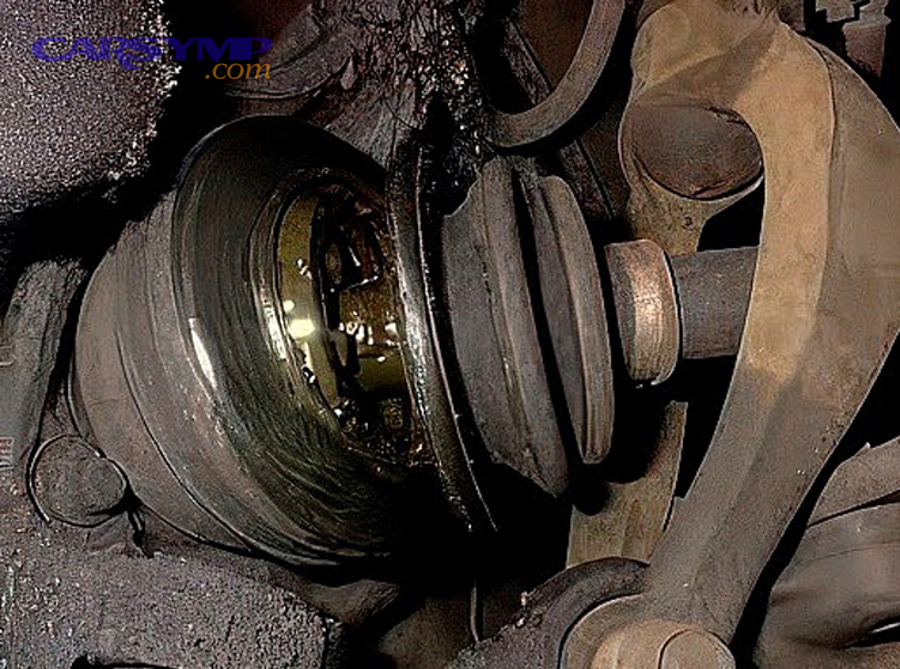
A torn CV axle boot should be inspected as soon as possible using a structured checklist because early detection prevents grease loss, joint contamination, and full axle failure. This article gives you a clear, step-by-step inspection process designed specifically for DIY car owners who want accurate answers before costly repairs.
Daniel James Carter January 28, 2026 at 10:27 AM
Explain Low Power Steering Fluid Noise Confusion: Symptoms vs Pump Problems for Drivers
Power steering noise caused by low fluid is confusing because the sound often mimics serious mechanical failure even when the system is still functional. In most cases, the noise comes from pressure instability, air intrusion, or temporary pump strain—not immediate pump failure.
Daniel James Carter January 28, 2026 at 10:20 AM
Diagnosing Clicking at Full Lock vs Mild Turns: Steering Noise Clues for Car Owners
A clicking sound when you turn the steering wheel is one of those car symptoms that instantly raises concern, especially when it happens at full lock or during mild turns. In most cases, clicking at full lock and clicking during mild turns do not mean the same thing, and understanding the difference is the key to accurate diagnosis.
Daniel James Carter January 28, 2026 at 10:14 AM
How to Diagnose Wheel Bearing vs CV Joint Noise: A Sound-by-Sound Comparison for Car Owners
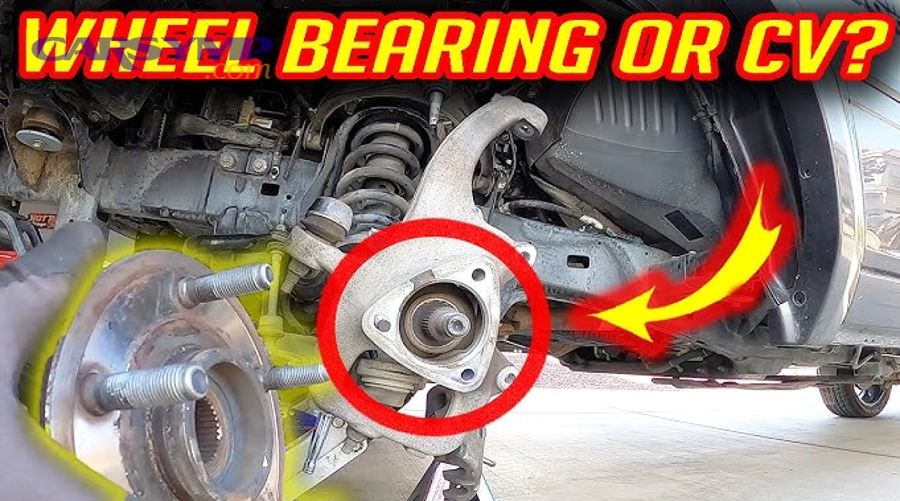
Car noises often sound similar, but they rarely mean the same thing. Wheel bearing vs CV joint noise diagnosis is one of the most common challenges car owners face because both problems create front-end sounds that can confuse even experienced drivers.
Daniel James Carter January 28, 2026 at 10:09 AM
How to Diagnose CV Joint Clicking Noise Before Axle Failure
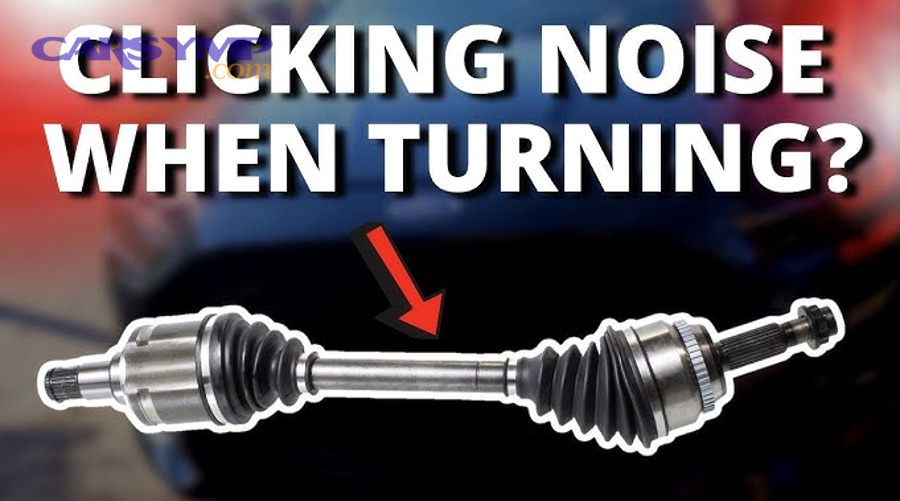
A clicking noise coming from the front of your vehicle is not random—it is usually an early mechanical warning. In most real-world cases, that sound points to wear inside the CV joint long before the axle fails completely.
Daniel James Carter January 28, 2026 at 10:03 AM