Daniel James Carter
Lead Diagnostic Technician & Technical Content Author
Company / Organization
CarSymp
Experience / Skills
Check Engine Light diagnosis (OBD-II); engine performance & ignition/fuel systems; brake service; steering & suspension; AC/heater diagnostics; cooling system service; basic transmission diagnostics; electrical & battery/charging systems; maintenance schedules
About Daniel James Carter
Daniel James Carter (born July 14, 1988) is an Automotive Diagnostic & Repair Technician and the Lead Diagnostic Technician & Technical Content Author for this auto repair website. His work focuses on translating real shop-floor diagnostics into clear, step-by-step guidance for vehicle owners—especially around check-engine issues, climate control problems, brake safety, and steering/suspension wear.\n\nDaniel’s interest in mechanical systems started early, but his professional path became formal in 2006 when he began a structured apprenticeship in general automotive service. Between 2006 and 2008, he worked alongside senior technicians learning foundational skills—oil services, brake inspections, tire work, basic electrical checks, and service documentation. During this period, he also built the habits that still define his process today: verifying the customer’s concern, road-testing when safe, and confirming repairs with repeatable measurements.\n\nIn 2009, Daniel moved into a full-time automotive service technician role, where he handled a higher volume of maintenance and repair work (brakes, cooling systems, belts, ignition components, and driveline basics). By 2012, he shifted toward diagnostics, focusing on OBD-II fault tracing, fuel trim interpretation, misfire detection, smoke-testing intake leaks, and electrical circuit testing using wiring diagrams and voltage-drop methods.\n\nA major milestone came in 2015 when he began pursuing advanced professional credentials through the National Institute for Automotive Service Excellence (ASE). After completing multiple ASE exams and documenting the required hands-on experience, Daniel earned the ASE Master Automobile Technician designation in 2017. He continued building depth in drivability and emissions-related diagnostics and achieved the ASE L1 Advanced Engine Performance Specialist credential in 2019. He maintains his credentialing through ongoing study and periodic recertification, aligning his knowledge with modern engine management systems, updated scan-tool workflows, and evolving diagnostic standards.\n\nFrom 2018 to 2021, Daniel served as a senior technician in a busy service environment where his day-to-day work centered on complex complaints: intermittent stalling, hard starts, rough idle, overheating, vibration under braking, and AC systems that blow warm or smell musty. He became known for careful diagnosis before parts replacement, using a consistent checklist:\n\n\n Confirm the symptom and capture freeze-frame data.\n Test likely causes (air leaks, sensors, ignition, fuel delivery, charging system) with measurable evidence.\n Repair only after the failure is verified and the fix can be validated.\n Validate with a road test, live data review, and final inspection.\n\n\nIn 2022, Daniel began formalizing his field notes into consumer-friendly write-ups and troubleshooting guides. By 2023, he expanded that work into structured content for this website, combining real repair patterns with clear explanations of why failures happen (for example: how moisture and organic buildup can cause musty AC smell, why worn suspension joints can mimic wheel balance issues, or how vacuum leaks and weak ignition coils can trigger persistent misfires).\n\nToday, Daniel’s role on the website is to ensure every guide reflects practical repair reality—tools a shop actually uses, common misdiagnoses to avoid, and safety-first recommendations. He writes with the same standard he uses in the bay: the diagnosis must make sense, the repair must be verifiable, and the timeline from symptom to fix must be clear for the reader.

Related topics
Latest posts by Daniel James Carter


Calculate an Oil Change Cost Estimate: Average Prices (Cost vs Price) for Conventional, Synthetic Blend & Full Synthetic — For Car Owners
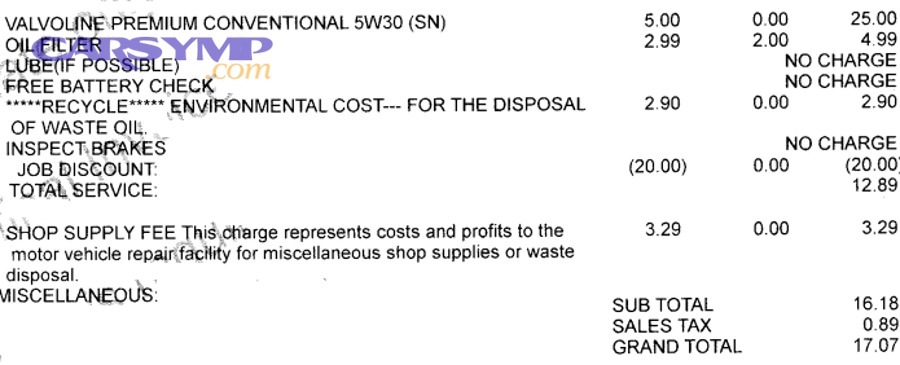
An accurate oil change cost estimate is a range you can predict before you book, based on your oil type, oil capacity, filter choice, labor rate, and the fees your shop adds—so you can budget and avoid “surprise” line items. Next, you’ll see how a typical estimate is built from the same core parts (oil + filter + labor + fees), so you can tell whether a quote is complete, comparable, and truly “out the door.
Daniel James Carter February 9, 2026 at 5:32 PM
Compare Oil Filter Quality Differences: Filter Media, Micron Ratings & Valves for DIY Car Owners
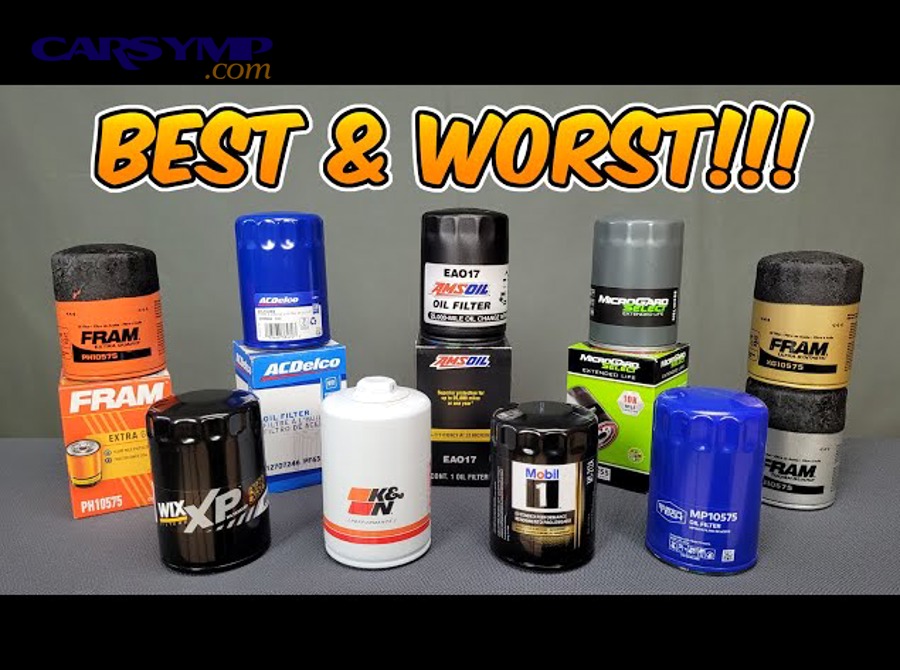
Oil filter quality differences come down to three practical outcomes: how well the filter captures damaging particles, how consistently it keeps oil flowing (especially on cold starts), and how reliably its internal parts—media and valves—hold up through your maintenance cycle. Those differences are measurable, and once you know what to look for, “good” stops being a brand debate and becomes a performance choice.
Daniel James Carter February 9, 2026 at 5:17 PM
Choose the Correct Engine Oil Viscosity (Oil Weight): SAE Grade Guide for Everyday Drivers
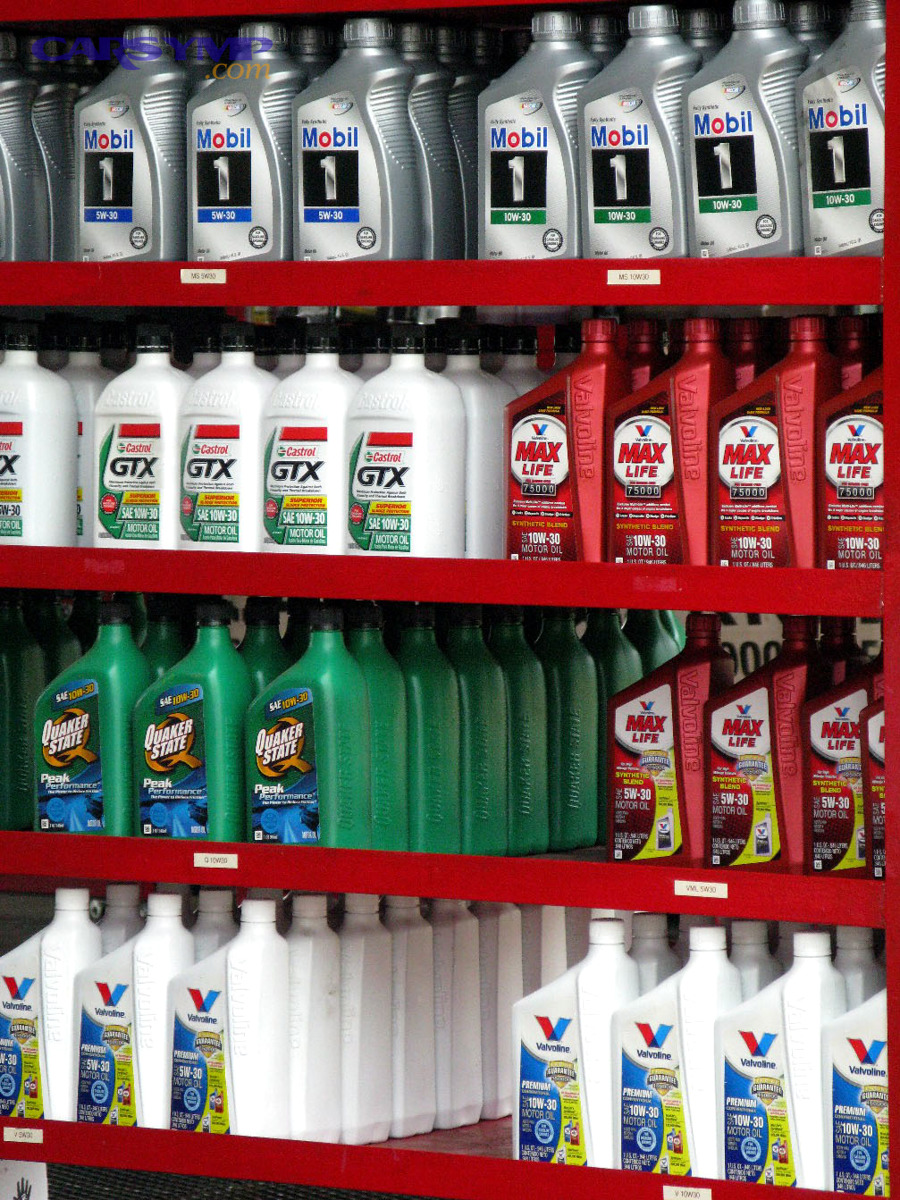
Choosing the correct engine oil viscosity is simple when you follow one rule: use the SAE grade your manufacturer specifies first, then adjust only if your manual explicitly allows alternatives for temperature or driving conditions. That single decision protects cold-start lubrication, maintains the right oil film when hot, and keeps modern systems like VVT and turbo bearings happy.
Daniel James Carter February 9, 2026 at 5:04 PM
Compare Synthetic vs Conventional Motor Oil: Viscosity, Protection, Cost & Change-Interval Guide for Car Owners
Choosing between synthetic and conventional motor oil is mostly about matching your engine’s needs (viscosity + required spec) and your driving reality (cold starts, heat, towing, short trips)—then deciding whether synthetic’s added stability is worth the extra money. In practice, synthetic oil is usually the safer “set-and-forget” choice for modern engines and harsher conditions, while conventional oil can be perfectly fine when you follow the right interval and the oil meets the manufacturer’s specification.
Daniel James Carter February 9, 2026 at 4:48 PM
Calculate the Right Oil Change Interval by Driving Conditions (Normal vs Severe Service) — A Practical Guide for Everyday Drivers
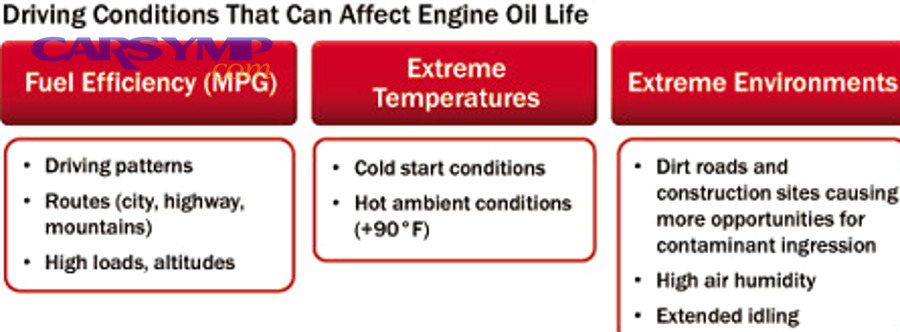
Most drivers can calculate the right oil change interval by doing three things: start with the factory baseline, classify their real-world driving as normal or severe, and then follow the shorter limit between miles and months so the engine doesn’t run on oil that has aged out. Next, the fastest way to avoid guesswork is to learn what “severe service” actually means in practice—because many daily routines (short trips, stop-and-go, long idling, extreme temperatures) quietly push you into shorter intervals even if your mileage looks low.
Daniel James Carter February 9, 2026 at 4:33 PM
Decode the OBD2 Freeze Frame “Snapshot” to Diagnose Check-Engine Issues (DIY Car Owners Guide)
Freeze frame data is the fastest way to turn a vague check-engine light into a specific, testable hypothesis, because it captures a “snapshot” of key engine conditions at the moment a diagnostic trouble code (DTC) set—so you can diagnose the scenario , not just the symptom. Freeze frame also answers the next question DIYers always ask: what is this data, when was it recorded, and what does it actually include?
Daniel James Carter February 9, 2026 at 4:03 PM
Avoid the Most Common Mistakes When Interpreting OBD2 Diagnostic Trouble Codes (Check Engine Codes) — For DIY Car Owners
Interpreting OBD2 diagnostic trouble codes correctly is less about memorizing code definitions and more about avoiding predictable thinking traps—especially the “code = bad part” mistake that leads to unnecessary replacements and repeat check-engine lights. Next, you’ll learn what OBD2 codes actually mean (and what they don’t), so you can read the code description in context instead of guessing at the first component name you see.
Daniel James Carter February 9, 2026 at 3:48 PM
Compare OBD2 Scan Costs: Free Parts-Store Code Scans vs Paid Shop Diagnostics (Pricing Guide for Car Owners)
If you’re trying to figure out what an OBD2 scan costs, the fastest, most accurate answer is this: many auto parts stores will read your check-engine codes for free, while repair shops typically charge a diagnostic fee that’s often around one hour of labor (commonly about $50–$150+, depending on location and complexity). ( oreillyauto.
Daniel James Carter February 9, 2026 at 3:33 PM
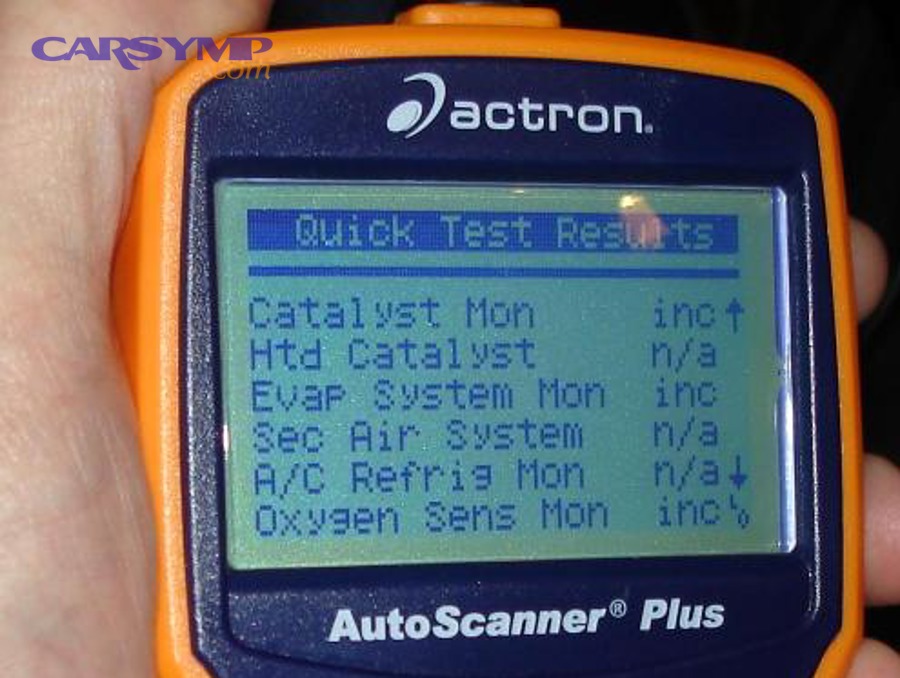
Complete OBD-II Readiness Monitors for Emissions Inspection: Drive-Cycle Checklist for Vehicle Owners (Ready vs Not Ready)
Getting “inspection-ready” with OBD-II is mostly about one thing: your readiness monitors must be set to Ready , meaning your car’s computer has completed required self-tests on emissions systems while you drive. When those tests haven’t run yet, the status stays Not Ready , and many inspection programs will reject or fail the vehicle—even if the check engine light is off.
Daniel James Carter February 9, 2026 at 3:17 PM
Clear (Erase) OBD2 Codes Safely: When to Reset the Check Engine Light—and When NOT To (DIY Drivers)
Clearing OBD2 codes is safe only when you use it as the final step of a repair-verification process , not as a shortcut to make the Check Engine Light disappear—because clearing resets valuable diagnostic information and can create new problems like “Not Ready” emissions monitors. Next, you’ll learn what clearing codes actually resets (including freeze-frame snapshots and monitor status), so you understand exactly what you’re trading away every time you press “Erase.
Daniel James Carter February 9, 2026 at 3:02 PM
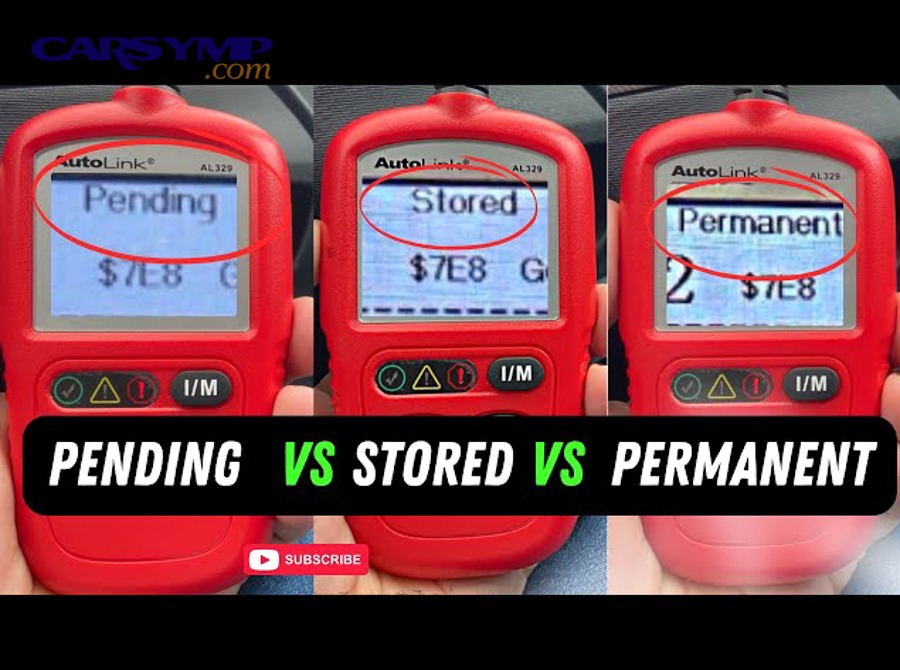
Explain Pending vs Stored OBD2 Trouble Codes for DIY Drivers: Early-Warning vs Confirmed DTCs
If your scanner shows a pending code and a stored (confirmed) code , the difference is simple: pending codes are early warnings the computer has detected but not fully “proven,” while stored codes are confirmed faults the computer has decided are real enough to keep on record (often with the MIL logic behind them). That one distinction changes how urgently you react and how you plan your next diagnostic step.
Daniel James Carter February 9, 2026 at 2:47 PM
Learn to Read Real-Time OBD2 Live Data (PIDs): Beginner Basics + Normal Ranges (Live Data vs Trouble Codes)
Reading real-time OBD2 live data (PIDs) is the fastest way for beginners to understand what the engine computer “sees” right now—so you can interpret numbers like coolant temperature, fuel trims, and airflow as evidence, not guesswork, and make smarter next checks. Next, you’ll learn which live data items matter most first and how to use practical “normal range” baselines without falling into the trap of expecting one perfect number that applies to every vehicle and every driving condition.
Daniel James Carter February 9, 2026 at 2:34 PM
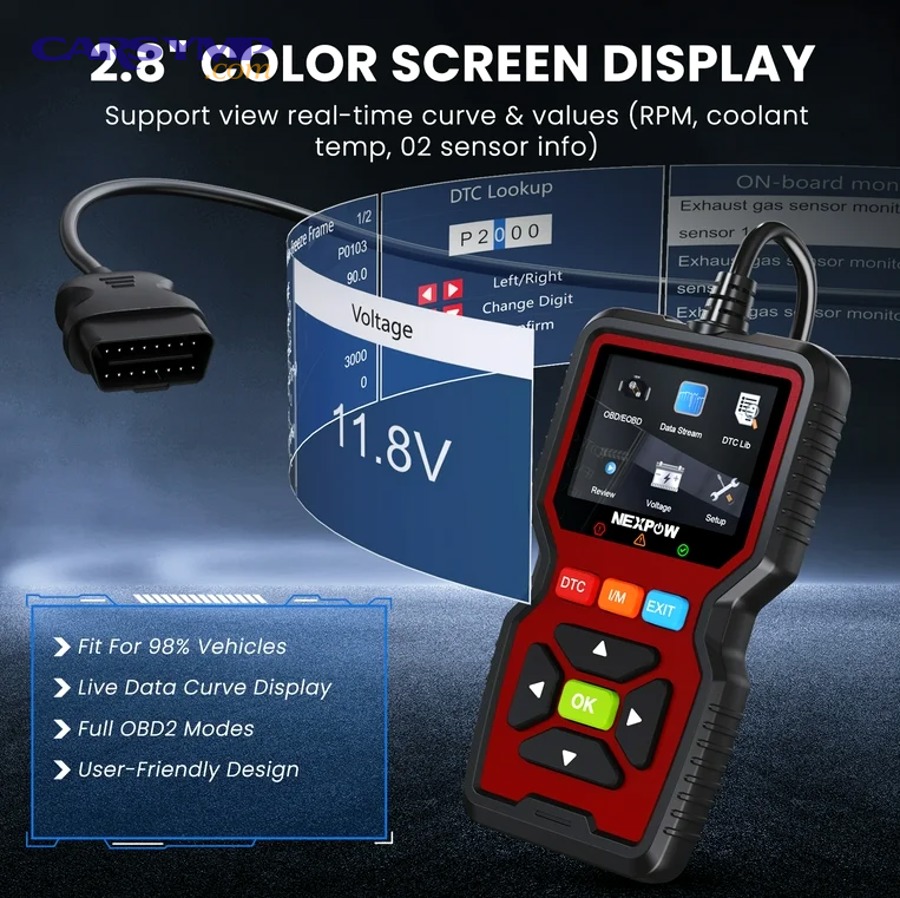
Choose the Right OBD2 Scanner for DIY Car Diagnostics: Feature Checklist, Compatibility, and Code Reader vs Scan Tool Differences
Choosing the right OBD2 scanner for DIY car diagnostics comes down to one thing: matching the tool’s capabilities to the problems you actually want to solve, on the vehicles you actually own. If you buy for features you’ll never use, you overpay; if you buy too basic, you lose the data that makes diagnosis possible.
Daniel James Carter February 9, 2026 at 2:19 PM
Compare a Free Code Scan (OBD2 Scan) vs a Full Diagnostic: What Car Owners Get—and What They Don’t
A free code scan and a full diagnostic are not the same service: a free scan typically retrieves fault codes and basic status, while a full diagnostic confirms why the fault happened through data analysis and hands-on testing so you can fix the root cause instead of guessing. Next, you’ll learn when a free scan is a smart first step—and when it’s a waste of time because the symptoms, risks, or repeat failures demand real diagnostic work before you buy parts.
Daniel James Carter February 9, 2026 at 2:07 PM
Understand What an OBD2 Scan Can and Can’t Tell You — Codes vs Diagnosis for DIY Car Owners
An OBD2 scan can tell you what the car’s computer noticed —and it can’t tell you the exact part to replace without follow-up testing. The scan is a powerful starting point because it shows fault codes, snapshots of conditions, and basic operating data, but it still stops short of proving root cause.
Daniel James Carter February 9, 2026 at 1:54 PM
Prevent No-Start Problems With Maintenance: A Starting-System Checklist for Car Owners (Battery, Starter, Alternator)
Preventing a car from refusing to start is mostly about keeping the starting system healthy—because a battery that can’t deliver high current, cables that add resistance, or a weak charging system will eventually create a “no crank” moment when you least expect it. This guide gives you a practical maintenance checklist focused on the battery, starter, alternator, and the connections that tie them together so your car starts reliably.
Daniel James Carter February 9, 2026 at 7:23 AM
Estimate Car Diagnosis Cost & Common Repairs for Drivers: Troubleshooting Fees vs Fixes Explained
Car diagnosis typically costs about one hour of labor , and for many drivers that lands in a predictable range—but the “right” price depends on what you’re actually buying: a quick code read, or true troubleshooting that finds the root cause. ( repairpal.
Daniel James Carter February 9, 2026 at 4:06 AM
Decide When to Tow vs Keep Troubleshooting a No-Start Car: A Safety-First Checklist for Drivers
A no-start situation becomes a “tow now” decision when safety risk is present, when symptoms point to serious mechanical damage, or when repeated cranking will likely make the problem worse. The fastest way to decide is to run a short danger-first checklist before you touch anything else.
Daniel James Carter February 9, 2026 at 3:55 AM
Decode Scan Tool Live Data for No-Start Diagnosis: Key OBD2 PIDs for DIY Car Owners
STEP 1 — Title & Outline Analysis (for SEO alignment) - Main keyword (focus): scan tool live data / OBD2 PIDs for a no-start - Predicate (main action): Decode - Relations lexical used: Meronymy (OBD2 PIDs are “parts” of scan tool live data) - Search intent types present in the outline: Definition + Grouping + Comparison + Boolean + How-to - Primary intent (from Title): identify the most useful live data items and interpret them during a no-start event - Secondary intents (from outline order): confirm scanner reliability during cranking; interpret patterns to isolate the fault system; run a repeatable capture workflow; handle “no comm” and missing data limitations If your engine cranks but won’t start, scan tool live data can quickly separate “signal missing” problems from “command present but outcome missing” problems—so you stop guessing and start testing the right system first. Next, you’ll learn how to judge whether your scanner’s live data is reliable during cranking, what readings typically mean in that moment, and how to avoid getting fooled by slow refresh rates or dropouts.
Daniel James Carter February 9, 2026 at 3:43 AM
Diagnose Security & Immobilizer No-Start Causes: Anti-Theft Lockout Symptoms and Fixes for Car Owners
If your car won’t start and the security/immobilizer light is on or flashing, you can usually pinpoint the cause by matching the light behavior + the type of no-start (no-crank vs crank-no-start) + key recognition clues . This guide walks you through that diagnosis so you stop guessing and start proving what’s wrong.
Daniel James Carter February 9, 2026 at 3:31 AM
Diagnose No-Spark Fast: Spark Test (Ignition Spark Check) + Coil & Module Checks for DIY Car Owners
A spark test and ignition checks let you confirm—quickly and safely—whether your engine has the ignition “fire” it needs, and they also tell you what to test next when the spark is weak or missing. When you follow a simple order (spark → power/ground → command/trigger → components), you can turn a confusing crank-no-start into a clear diagnosis.
Daniel James Carter February 9, 2026 at 3:18 AM
How to Test a Fuel Pump Relay and Fuel Pump Circuit Basics (Multimeter/Test Light) — A Beginner Diagnostic Guide
To test a fuel pump relay and the fuel pump circuit basics, you verify three things in order: the relay’s power feed, the relay’s control (command) side, and the relay’s output to the pump—using a multimeter or a simple test light to confirm what is (and isn’t) actually getting voltage. Next, you’ll learn how to recognize the most common patterns that cause confusion during no-start diagnosis—especially when the engine cranks but won’t fire—so you don’t replace a relay when the real issue is power supply, wiring, or a pump that can’t run under load.
Daniel James Carter February 9, 2026 at 3:07 AM
Diagnose Starter Click vs Silent No-Start: A Step-by-Step No-Crank Guide for Everyday Drivers (Click vs Silence)
A single starter click and a totally silent no-crank can feel like the same failure, but they usually point to different “break points” in the starting circuit. The fastest way to match the symptom to the cause is to treat “click vs silence” as a comparison test : the sound (or lack of it) tells you whether power is reaching the starter solenoid, whether the solenoid can pull in, and whether the high-current path can actually turn the engine.
Daniel James Carter February 9, 2026 at 2:54 AM
Diagnose No Crank vs Crank No Start: Key Differences for Car Owners (Starter vs Fuel/Spark)
If your car “won’t start,” the fastest way to get the right fix is to separate no crank (the engine doesn’t turn) from crank-no-start (the engine turns but never fires). These two symptoms look similar from the driver’s seat, but they point to opposite subsystems —either the starting circuit (battery, cables, starter, switches) or the engine-running requirements (fuel, spark, air, compression, timing).
Daniel James Carter February 9, 2026 at 2:42 AM
Apply & Start Delivering: How the Walmart Spark Driver App Works for New Delivery Drivers (Gig Delivery Platform)
If you’re searching for “Spark” because you want to start delivering for Walmart, the Walmart Spark Driver app is the platform that lets you apply, accept delivery offers, and get paid for completed trips—so you can go from curious to delivering with a clear, step-by-step understanding of how it works. Next, you’ll learn whether you can sign up (and what approval really depends on), what you need to prepare before you apply, and how to avoid the most common slowdowns during onboarding so you don’t lose momentum before you ever take your first offer.
Daniel James Carter February 9, 2026 at 2:29 AM
Explain What Fuel Means: Definition + Types of Fuels (Fossil, Diesel, Biofuel) for Students & Drivers
Fuel means any substance (or energy source) that releases usable energy to power heat, motion, or electricity—and in everyday life it most often refers to what makes engines and heaters run. In practice, “fuel” is the reason your car moves, your furnace heats, and many machines keep working.
Daniel James Carter February 9, 2026 at 2:18 AM
Estimate & Compare Starter Replacement Cost for Car Owners: Starter Motor vs Starter Solenoid
Replacing a car starter typically costs hundreds of dollars , and the only reliable way to estimate it is to split the quote into parts + labor + “extras” and then compare those line items to common market ranges. For example, AAA notes an average total starter replacement range of about $700–$1,200 , depending on vehicle and labor factors.
Daniel James Carter February 9, 2026 at 2:06 AM
Diagnose a No-Start Fast: Car Battery Checklist for Drivers (Dead Battery vs Loose Terminals)
A car that won’t start is usually a battery problem you can confirm (or rule out) in minutes by checking power symptoms, terminal condition, and how the car reacts when you try to crank. This guide gives you a battery-first checklist so your next move is based on evidence—not guesses.
Daniel James Carter February 9, 2026 at 1:56 AM
Stop Exhaust Rust & Corrosion: Prevention Tips for Your Car’s Muffler & Pipes (Drivers in Wet/Snowy Climates)
Exhaust rust and corrosion are preventable if you control three things: salt exposure, trapped moisture, and protective barriers —because these are the main forces that thin your muffler seams, weaken pipe joints, and eventually create leaks and loud noise. Next, you also need to understand where exhaust rust starts and how to spot it early , because surface discoloration is normal, but flaking metal, soot marks, and loud changes are often the first “Muffler failure symptoms” that predict a coming perforation.
Daniel James Carter February 9, 2026 at 1:33 AM
Plan & Safely Install a Do-It-Yourself Muffler Replacement: Tools, Costs, and Common Mistakes for First-Time Car Owners
Replacing a muffler yourself can be a safe, money-smart project when you plan it like a small job—not a quick hack—because the right preparation protects you from unstable lifting, incorrect fitment, and new exhaust leaks that can make the car louder or unsafe. Most first-timers succeed when they focus on the “before you turn a wrench” details: confirming fitment, gathering the right clamps and hangers, and building a simple safety setup that lets you work calmly under the vehicle.
Daniel James Carter February 9, 2026 at 1:20 AMStay Legal: Sound-Level Limits for Aftermarket Mufflers (Aftermarket Exhaust) for U.S. Car Owners
If you’re wondering whether an aftermarket muffler is legal from a sound standpoint, the safest answer is: it depends on your state and city rules, plus how your exhaust is measured and enforced . Some places set a hard cap (often discussed around 95 dB(A) for certain vehicles), while others use broader language like “excessive or unusual noise,” which can be interpreted during a traffic stop.
Daniel James Carter February 9, 2026 at 1:08 AM
How to Tell If You Need Exhaust Hanger & Mount Replacement (Rubber Isolators): Signs for Car Owners
STEP 1 — Title & outline analysis (Contextual Flow Content setup) - Main keyword (focus): exhaust hanger & mount replacement needs - Predicate (main action): How to tell / identify - Relations lexical used: Meronymy (part–whole) via rubber isolators as a core component of the exhaust mounting system - Search intent types present in the outline: - Boolean (Yes/No): “Do you need replacement right now?” “Is it safe to drive?
Daniel James Carter February 9, 2026 at 12:55 AM
Choose the Best Exhaust Repair Method: Weld vs Clamp Options for DIY Car Owners (Permanent vs Temporary Fix)
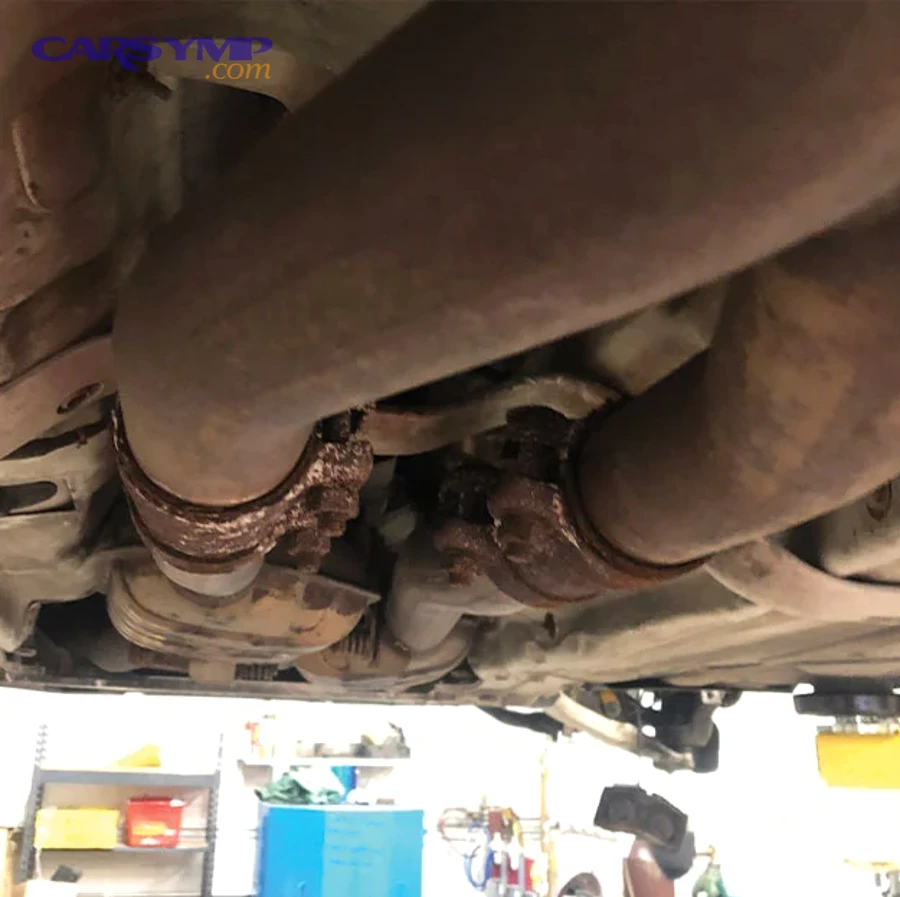
If you’re deciding between welding and clamping an exhaust joint, the right answer depends on what you want most: a long-lasting seal, a fast budget fix, or a connection you can easily take apart later. The best method is the one that matches your pipe condition, tools, and how “permanent” you really need the repair to be.
Daniel James Carter February 9, 2026 at 12:43 AM
Estimate Muffler Replacement Cost & Price Range (Parts + Labor) for Car Owners
If you’re trying to estimate what it will cost to replace a muffler, the most reliable approach is to treat the price as a range built from three pieces: parts + labor + “condition risk” (rust, broken hardware, extra exhaust work). For example, RepairPal lists an overall average range for an exhaust muffler replacement of $1,077–$1,143 , while also showing that the same job can be hundreds on some vehicles and thousands on others depending on model and configuration.
Daniel James Carter February 9, 2026 at 12:31 AM
Estimate Muffler Replacement Labor Time (Hours): Muffler Swap vs Full Exhaust Repair for Everyday Drivers
Most muffler replacement labor time estimates fall into a simple range: a straightforward, direct-fit muffler swap can take about 30–60 minutes , while jobs that involve upstream pipes or harder-to-reach sections often take longer. ( midas.
Daniel James Carter February 9, 2026 at 12:17 AM
Inspect a Rusted Muffler for Exhaust Leaks: DIY Checks & Safety Signs for Everyday Drivers
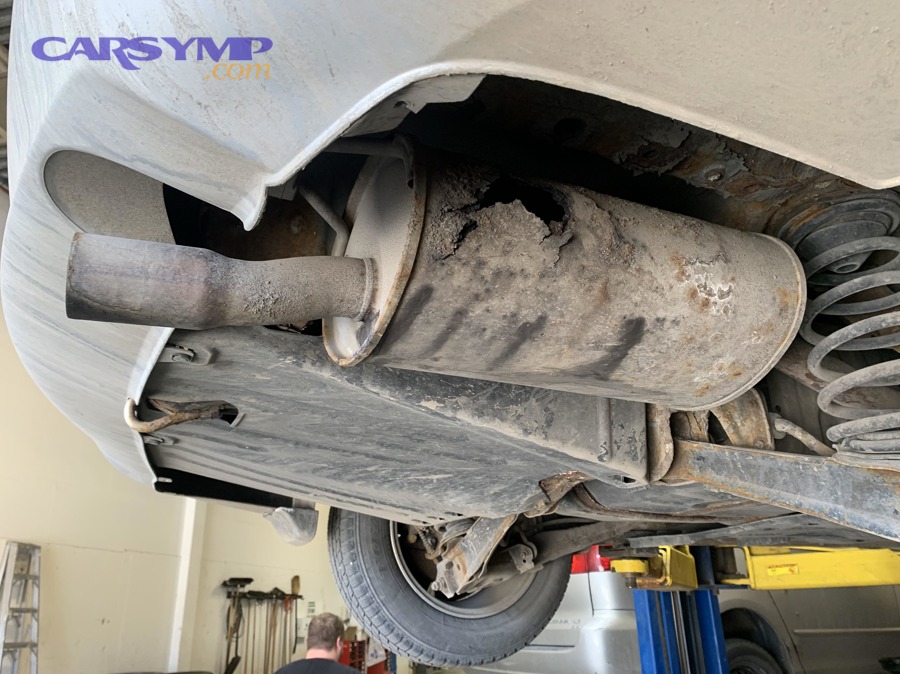
If your muffler is rusted, you can still inspect it safely and accurately by following a simple DIY flow: look for thinning metal and holes, confirm leak clues like soot and sound direction, and then validate your suspicion with a careful, repeatable check that pinpoints where exhaust is escaping. Next, the fastest way to avoid guessing is to learn the most reliable leak signs—what a muffler leak sounds like, how soot marks form, and why a “new loud exhaust” can mean a small hole that will grow if you ignore it.
Daniel James Carter February 9, 2026 at 12:05 AM
Compare Muffler vs Resonator vs Catalytic Converter Roles in the Exhaust System (Silencer vs Tone Tuner vs Emissions Cleaner) for Everyday Drivers
If you’re trying to understand your exhaust system, the simplest way to get it right is to separate the jobs: the muffler acts as a silencer that reduces overall loudness, the resonator acts as a tone tuner that targets specific frequencies (often the annoying “drone”), and the catalytic converter acts as an emissions cleaner that reduces harmful pollutants before they leave the tailpipe. Next, sound confusion is common because a resonator can look like a small muffler and both can change how the car sounds.
Daniel James Carter February 8, 2026 at 11:53 PM
Identify Muffler Failure Symptoms: Signs & Warning Noises of a Bad Exhaust Silencer for Car Owners
If your car suddenly develops a loud exhaust , persistent rattling, or an exhaust smell that wasn’t there before, you can usually identify muffler failure by combining three simple signals: how the noise changed , where it seems to come from , and what you can see underneath . This guide helps you recognize the most reliable muffler failure symptoms and connect them to likely causes—without guessing blindly.
Daniel James Carter February 8, 2026 at 11:41 PM
Decide When to Tow vs Drive: 9 Signs a Repair Shop Is the Better Choice for Car Owners
Deciding whether to tow or drive comes down to one thing: can the car be operated safely without multiplying damage? If you have any sign that control, cooling, braking, or structural integrity is compromised, towing to a repair shop is usually the safer and cheaper outcome.
Daniel James Carter February 8, 2026 at 11:18 PM
Spot and Avoid Scam Red Flags: 15 Warning Signs and Scam-Proof Steps for Everyday Consumers
Scam red flags are predictable warning signs—like urgency, secrecy, and unusual payment demands—and you can avoid most scams by pausing, verifying independently, and refusing to pay or share sensitive information until the story checks out. Next, you’ll learn the 15 most common warning signs scammers use across phone calls, texts, emails, social media, and even in-person situations, so you can recognize the pattern before you react emotionally.
Daniel James Carter February 8, 2026 at 11:05 PM
Prepare for an On-Site Mobile Mechanic Visit: 12-Step Car-Ready Checklist for Drivers
Preparing for an on-site mobile mechanic visit is simple: make the car accessible, make the work area safe, and gather the right information so the mechanic can start immediately and finish without avoidable delays. Next, you’ll learn the practical access and workspace requirements that matter most—where to park, how much room to leave, what to unlock, and what safety issues can instantly stop a driveway repair.
Daniel James Carter February 8, 2026 at 10:54 PM
Follow At-Home (Driveway) Safety Considerations for Mobile Mechanic & DIY Car Repairs — A Practical Guide for Everyday Drivers
Working on a car at home is safe when you control three things: the worksite, the vehicle’s stability, and the people/tools around it. This guide shows you exactly how to reduce risk before any wrench turns—so a driveway repair doesn’t turn into a rollaway, a fall, a fire, or a preventable injury.
Daniel James Carter February 8, 2026 at 10:41 PM
Understand Mobile Mechanic Warranty & Parts Policy: Parts vs Labor Coverage, Exclusions, and Customer-Supplied Parts (Car Owners’ Guide)
A mobile mechanic warranty and parts policy tells you, in plain terms, what the provider promises to fix again if the same repair fails—usually separating workmanship (labor) from the parts installed, and spelling out how long that promise lasts. This guide explains what coverage typically includes, what it usually does not include, and how to read the policy without guessing.
Daniel James Carter February 8, 2026 at 10:27 PM
Book a Mobile Mechanic for No-Start (Car Won’t Start) Diagnosis & On-Site Repair — For Stranded Drivers
A mobile mechanic for a no-start situation is the fastest way to get a real diagnosis where your car is parked, because the technician can test the starting, charging, fuel, and ignition systems on-site and then quote the repair you actually need. Next, you’ll also want to recognize the main no-start patterns (no-crank vs crank-but-won’t-start vs starts-then-stalls) so you can describe symptoms clearly and avoid wasted time, repeat visits, or “guess-and-replace” parts.
Daniel James Carter February 8, 2026 at 8:51 PM
Explained: Diagnostics (Diagnostic Tests) in Healthcare — Lab Tests & Imaging Guide for Patients
Diagnostics in healthcare are the tests and clinical tools used to find the “why” behind symptoms, confirm or rule out a condition, and guide the next medical decision. This guide explains what diagnostic tests are, how they fit into real-life care, and how patients can use results to make safer, clearer choices.
Daniel James Carter February 8, 2026 at 8:39 PM
Choose the Right Car Battery for Everyday Drivers: Lead-Acid vs AGM (Fit, Price, Lifespan)
Choosing the right car battery is mostly a decision about fit, price, and lifespan : you need the correct physical size and terminals, enough starting power for your climate, and a battery type that matches how you drive so it doesn’t fail early. Next, it helps to understand what you’re actually buying: flooded lead-acid and AGM batteries are both lead-acid, but they behave differently under vibration, short trips, and heavy electrical loads.
Daniel James Carter February 8, 2026 at 8:27 PM
Understand Common Brake Services (Pads, Rotors, Fluid) for Everyday Drivers: Inspection vs Replacement Explained
Most “brake service” visits boil down to three core items—pads, rotors, and brake fluid—plus an inspection that tells you whether you’re simply checking wear or actually fixing a safety problem. This guide breaks down the common brake services you’ll hear at a shop, what each one includes, and how they connect to real-world symptoms like squealing, vibration, or a soft pedal.
Daniel James Carter February 8, 2026 at 8:15 PM
Verify a Mobile Mechanic’s Credentials: License, Insurance & ASE Certification Checks for Car Owners
Hiring a mobile mechanic is safest when you verify credentials first—confirm identity, check licensing/registration where applicable, validate insurance coverage, and verify relevant certifications like ASE before you authorize repairs. Next, you’ll learn a practical, document-based checklist you can run in minutes, so you can hire confidently instead of guessing.
Daniel James Carter February 8, 2026 at 8:04 PM
Compare Total Costs: Mobile Mechanic Pricing vs Repair Shop Rates for Everyday Drivers (At-Home vs In-Shop)
Most of the time, mobile mechanic pricing vs shop pricing comes down to total cost , not the posted labor rate: mobile can be cheaper for straightforward, driveway-safe repairs, while shops often win when a job needs heavy diagnostics, specialized equipment, or a lift. Next, the real difference is how each bill is built —labor model, trip/service-call fees, parts markup, diagnostic time, and overhead—because those line items determine whether a quote that “looks cheaper” actually costs less.
Daniel James Carter February 8, 2026 at 7:53 PM