Daniel James Carter
Lead Diagnostic Technician & Technical Content Author
Company / Organization
CarSymp
Experience / Skills
Check Engine Light diagnosis (OBD-II); engine performance & ignition/fuel systems; brake service; steering & suspension; AC/heater diagnostics; cooling system service; basic transmission diagnostics; electrical & battery/charging systems; maintenance schedules
About Daniel James Carter
Daniel James Carter (born July 14, 1988) is an Automotive Diagnostic & Repair Technician and the Lead Diagnostic Technician & Technical Content Author for this auto repair website. His work focuses on translating real shop-floor diagnostics into clear, step-by-step guidance for vehicle owners—especially around check-engine issues, climate control problems, brake safety, and steering/suspension wear.\n\nDaniel’s interest in mechanical systems started early, but his professional path became formal in 2006 when he began a structured apprenticeship in general automotive service. Between 2006 and 2008, he worked alongside senior technicians learning foundational skills—oil services, brake inspections, tire work, basic electrical checks, and service documentation. During this period, he also built the habits that still define his process today: verifying the customer’s concern, road-testing when safe, and confirming repairs with repeatable measurements.\n\nIn 2009, Daniel moved into a full-time automotive service technician role, where he handled a higher volume of maintenance and repair work (brakes, cooling systems, belts, ignition components, and driveline basics). By 2012, he shifted toward diagnostics, focusing on OBD-II fault tracing, fuel trim interpretation, misfire detection, smoke-testing intake leaks, and electrical circuit testing using wiring diagrams and voltage-drop methods.\n\nA major milestone came in 2015 when he began pursuing advanced professional credentials through the National Institute for Automotive Service Excellence (ASE). After completing multiple ASE exams and documenting the required hands-on experience, Daniel earned the ASE Master Automobile Technician designation in 2017. He continued building depth in drivability and emissions-related diagnostics and achieved the ASE L1 Advanced Engine Performance Specialist credential in 2019. He maintains his credentialing through ongoing study and periodic recertification, aligning his knowledge with modern engine management systems, updated scan-tool workflows, and evolving diagnostic standards.\n\nFrom 2018 to 2021, Daniel served as a senior technician in a busy service environment where his day-to-day work centered on complex complaints: intermittent stalling, hard starts, rough idle, overheating, vibration under braking, and AC systems that blow warm or smell musty. He became known for careful diagnosis before parts replacement, using a consistent checklist:\n\n\n Confirm the symptom and capture freeze-frame data.\n Test likely causes (air leaks, sensors, ignition, fuel delivery, charging system) with measurable evidence.\n Repair only after the failure is verified and the fix can be validated.\n Validate with a road test, live data review, and final inspection.\n\n\nIn 2022, Daniel began formalizing his field notes into consumer-friendly write-ups and troubleshooting guides. By 2023, he expanded that work into structured content for this website, combining real repair patterns with clear explanations of why failures happen (for example: how moisture and organic buildup can cause musty AC smell, why worn suspension joints can mimic wheel balance issues, or how vacuum leaks and weak ignition coils can trigger persistent misfires).\n\nToday, Daniel’s role on the website is to ensure every guide reflects practical repair reality—tools a shop actually uses, common misdiagnoses to avoid, and safety-first recommendations. He writes with the same standard he uses in the bay: the diagnosis must make sense, the repair must be verifiable, and the timeline from symptom to fix must be clear for the reader.

Related topics
Latest posts by Daniel James Carter


Diagnose Humming (Droning) Noise at Speed: Causes Checklist for Drivers (Tires vs Wheel Bearings)
A humming noise that rises with vehicle speed almost always comes from something that rotates or “loads” as you drive—most commonly tires or wheel bearings—so the fastest way to solve it is to run a simple, repeatable checklist that ties the sound to speed, road surface, and steering load. Next, the key fork in the road is separating tire-related drone from wheel-bearing hum, because both can sound like a steady “womp” at highway speeds but they react differently when you change lanes, drive on different pavement, or rotate tires.
Daniel James Carter February 7, 2026 at 12:29 PM
How to Bleed (Burp) the Cooling System After a Hose Replacement: Step-by-Step for DIY Drivers
Bleeding the cooling system after a hose replacement is the safest way to remove trapped air, restore steady coolant flow, and prevent overheating—because even a “full” reservoir can hide air pockets that interrupt circulation and cabin heat. Next, you’ll learn whether you actually need to burp your specific system (radiator cap vs.
Daniel James Carter February 7, 2026 at 12:09 PM
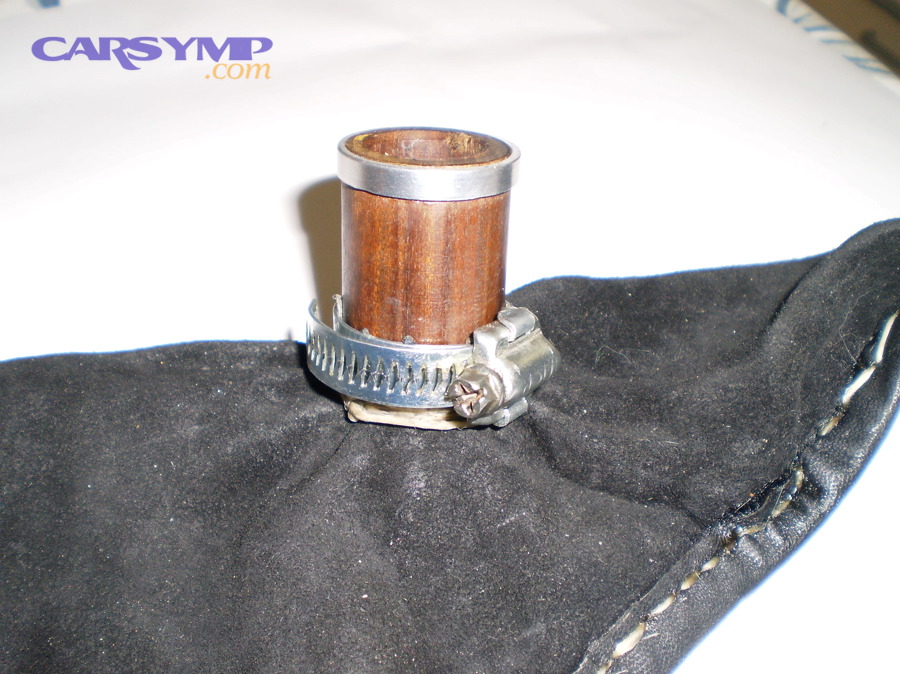
How to Temporarily Fix a Leaking Hose: Emergency Stopgap Measures (Temporary vs Permanent) for Drivers & DIYers
A temporary emergency hose repair is a stopgap approach that can slow or stop a leak long enough to get you safely home or to a shop—by sealing, clamping, or bypassing the damaged spot until a permanent repair is possible. The key is to stabilize the leak without creating a bigger hazard from heat, pressure, or flammable fluids.
Daniel James Carter February 7, 2026 at 11:59 AM
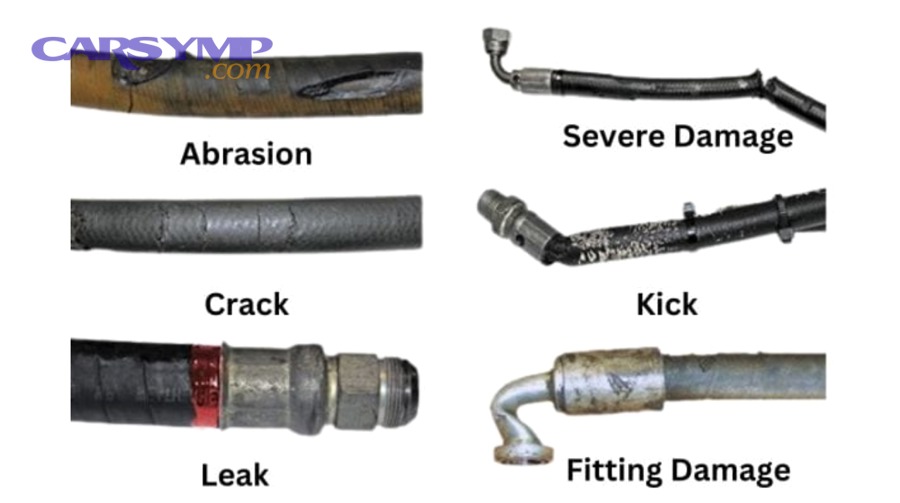
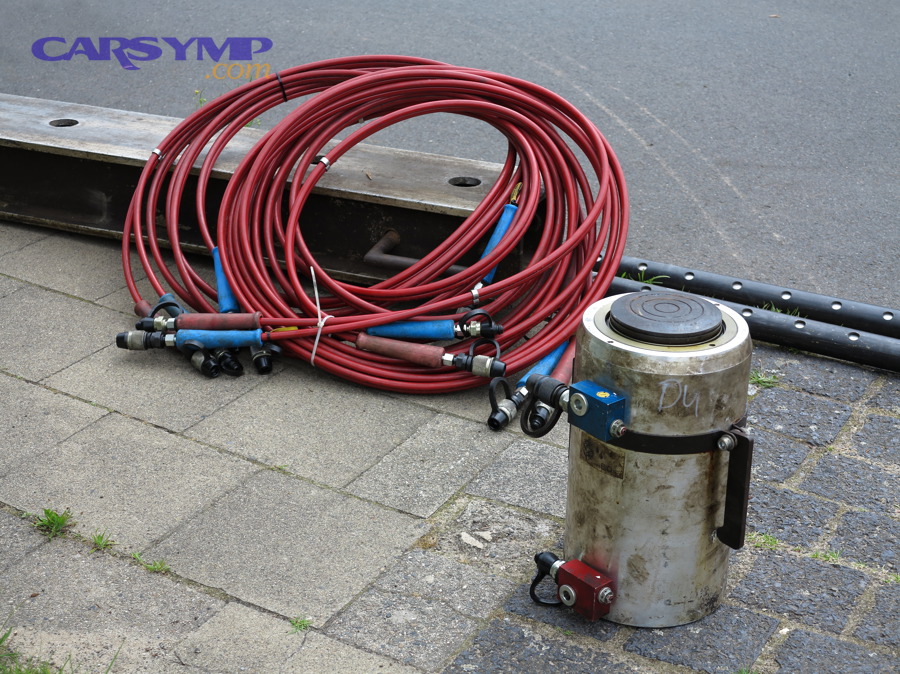
Prevent Hydraulic Hose Failures: Causes, Inspection Checklist & Routing Tips for Maintenance Teams
Preventing hydraulic hose failures is mainly about controlling the big five risk drivers—abrasion, bend radius violations, pressure spikes, temperature extremes, and poor assembly—so hoses stay sealed, stable, and safe throughout their service life. This guide gives you a practical prevention playbook you can apply on real equipment, not just in a catalog.
Daniel James Carter February 7, 2026 at 11:49 AM
Get a Hose Replacement Cost Estimate: Radiator & Heater Hoses for Car Owners (Cooling-System Hose Price + Labor Guide)
A realistic hose replacement cost estimate for most car owners is a parts-and-labor total that changes with the hose type, vehicle access, and what the shop must do to restore a sealed, air-free cooling system . In other words, your “estimate” is really a bundle: the hose, clamps or fittings, coolant handling, and the labor steps needed to prevent leaks and overheating.
Daniel James Carter February 7, 2026 at 11:39 AM
Choose the Right Hose Material: A Selection Guide to Rubber, PVC & PTFE for DIYers and Industrial Buyers
Choosing the correct hose material is easiest when you treat it like a matching game: match the fluid (or gas), temperature, pressure, and environment to a material whose tube and cover can survive those conditions without softening, cracking, swelling, or leaking. Next, you’ll learn the selection factors to check first—what to measure, what to look up in a datasheet, and what usually gets people into trouble—so you can narrow options fast and avoid costly misapplications.
Daniel James Carter February 7, 2026 at 11:30 AM
Choose the Right Hose Clamp Types & Best Practices for Leak-Free Hose Connections (DIYers & Mechanics)
You can choose the right hose clamp types and best practices by matching clamp design to the job (pressure, temperature, vibration, and serviceability), then sizing and tightening correctly so the hose seals without being cut, crushed, or loosened by heat cycling. Next, you’ll see how the most common clamp styles—worm-drive (band/screw), spring clamps, ear clamps, and heavy-duty options—differ in clamping behavior, reusability, and leak resistance, so you stop guessing and start selecting with intent.
Daniel James Carter February 7, 2026 at 11:21 AM
Diagnose & Fix Vacuum Hose Leaks Causing Rough (Unstable) Idle — DIY Guide for Car Owners
If your engine idles rough, surges, or feels like it’s about to stall, a vacuum hose leak is one of the most common “small problems” that creates a big drivability headache—especially at idle. The fastest path to a stable idle is to confirm the leak pattern, locate the leaking hose or connection, repair it correctly, and verify the fix with a simple re-test.
Daniel James Carter February 7, 2026 at 11:12 AM
Complete Overview: How to Replace a Heater Hose (Coolant Hose) — Steps, Signs & Cost for DIY Car Owners
Replacing a heater hose is one of the most practical cooling-system repairs a DIY car owner can learn because it follows a repeatable pattern: identify the correct hose, remove it safely, install the replacement without creating new leaks, and confirm the cooling system is air-free and stable. This guide gives you a complete overview you can apply to most vehicles, even if your engine bay layout looks different.
Daniel James Carter February 7, 2026 at 11:03 AM
How to Replace (Swap) an Upper or Lower Radiator Hose: Step-by-Step DIY Guide for Car Owners
Replacing an upper or lower radiator hose is a practical DIY repair when you follow a safe sequence: let the engine cool, relieve pressure, drain coolant below the hose level, swap the hose and clamps, then refill and bleed the system so the engine runs at normal temperature without leaks. Next, you also need to decide whether your situation is truly “DIY-safe,” because a hot, pressurized cooling system can spray coolant and because some vehicles use plastic necks or tight packaging that makes a simple hose replacement turn into broken fittings.
Daniel James Carter February 7, 2026 at 10:54 AM
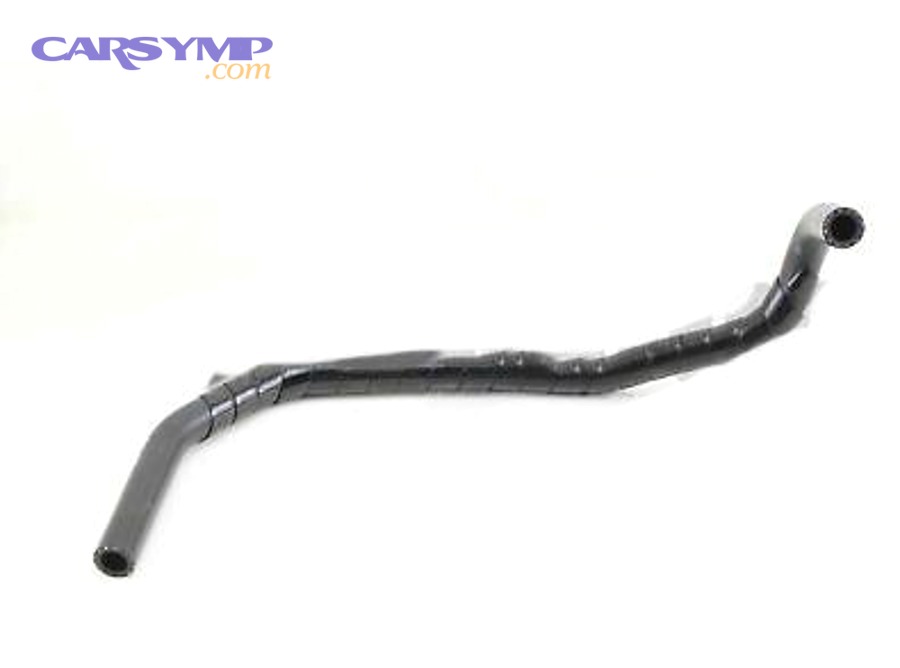
Identify & Inspect Coolant Hose Leaks: Radiator Hose Symptoms Checklist for DIY Car Owners (Cracks, Bulges & Loose Clamps)
If you suspect a coolant hose leak, the fastest way to protect your engine is to identify the symptoms and inspect the hoses and clamps in a safe, repeatable order . You’re looking for a pattern: coolant loss + heat/pressure changes + visible evidence on hoses, connections, or nearby parts.
Daniel James Carter February 7, 2026 at 10:44 AM
Prevent Recurring Weak (Poor) Heater Complaints: A Maintenance & Inspection Checklist for Car Owners
Recurring weak (poor) cabin heat is preventable when you treat it as a system problem—not a one-time annoyance—by maintaining coolant health, protecting airflow, and confirming the HVAC temperature doors actually deliver heat where you select it. This guide gives you a practical checklist that reduces repeat complaints and keeps heat consistent at idle, on the highway, and during defrost.
Daniel James Carter February 5, 2026 at 6:36 AM
Estimate the Cost to Improve Car Heater Performance for Drivers: Heater Core Flush vs Replacement, Thermostat & Blend Door Actuator Fixes
If you’re trying to figure out the cost to improve heater performance , the fastest path is to match your symptom pattern to the most likely repair category —because a $30–$200 fix and a $900–$2,500 fix can both feel like “weak heat” from the driver’s seat. Then, you need to understand what you’re actually paying for : diagnosis time, labor access (easy vs dashboard-level), parts quality, coolant service, and the post-repair bleed/test that determines whether your cabin heat and defrost are truly restored.
Daniel James Carter February 5, 2026 at 6:27 AM
Diagnose Rear HVAC Heat Problems in SUVs: Step-by-Step Troubleshooting for SUV Owners (Rear Heater Core & Blend Door Checks)
Rear heat that suddenly turns lukewarm or cold is usually diagnosable in one session because the rear HVAC system fails in predictable ways: either airflow is restricted or hot coolant isn’t transferring heat through the rear heater core —and each path has clear, testable signs you can confirm in minutes. Then, once you know which path you’re on, the “rear heat blows cold” problem narrows fast to a short list of common culprits like trapped air after coolant service, low coolant, restricted rear heater core flow, a stuck rear blend door actuator, or a heater control valve that isn’t opening .
Daniel James Carter February 5, 2026 at 6:17 AM
Improve Windshield Defrost (Defog) Performance Faster: Settings + Fixes for Car Owners
If you want faster windshield clearing, the most reliable defrost performance improvement tip is to run Defrost + A/C (dehumidify) + high fan + warm temperature + fresh air —because dry, moving air clears condensation and haze far quicker than warm-but-humid air. Next, if your defrost is “on” but the windshield still stays foggy or clears slowly, you’re usually dealing with either restricted airflow (often a cabin filter or blower issue) or excess cabin moisture (wet mats, leaks, fog-prone glass film).
Daniel James Carter February 5, 2026 at 6:07 AM
Reset & Relearn: Step-by-Step Blend Door Actuator Recalibration (HVAC Air-Mix Door) for DIY Car Owners
If your cabin temperature is stuck on hot, stuck on cold, or makes a repeated clicking noise after a battery disconnect or actuator replacement, a blend door actuator reset-and-relearn is often the fastest way to restore correct HVAC door positions without replacing parts. Next, you’ll learn how to tell whether you truly need recalibration or whether you’re facing a mechanical problem like a binding blend door or stripped actuator gears—because the fix (and the risk of repeated failure) changes depending on the root cause.
Daniel James Carter February 5, 2026 at 5:56 AM
Restore Cabin Heat After Thermostat Replacement: Causes, Fixes & Thermostat-Temp Choices for Car Owners
Cabin heat often gets weaker after a thermostat replacement because the engine is no longer reaching (or holding) normal operating temperature, or because air trapped during the repair reduces coolant flow through the heater core. The fastest path to restore normal heater output is to confirm operating temperature, verify coolant level, and bleed the cooling system correctly.
Daniel James Carter February 5, 2026 at 5:46 AM
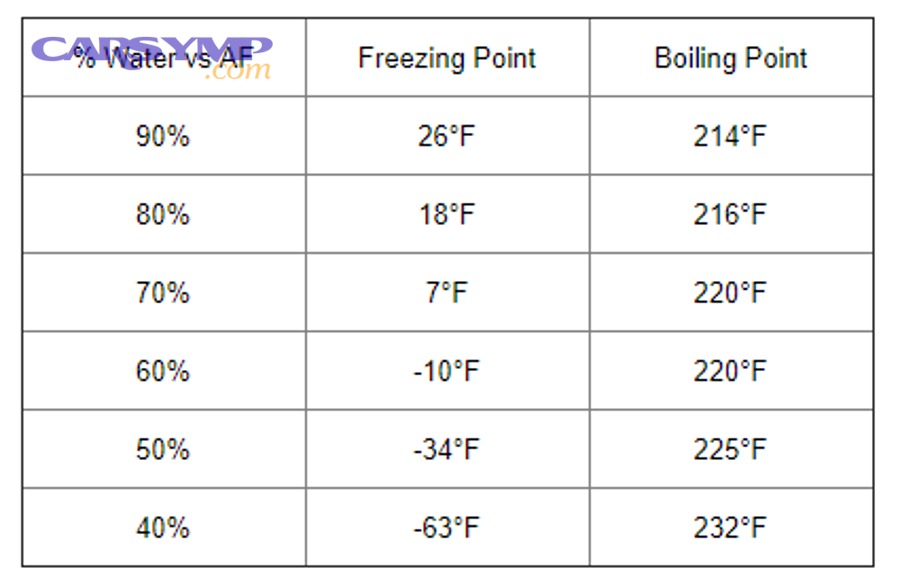
Optimize Coolant-to-Water (Antifreeze) Mix Ratio to Improve Heater Performance — 50/50 vs Too-Watery Mixes for DIY Car Owners
A correct coolant-to-water (antifreeze) mix ratio improves heater performance because it stabilizes engine operating temperature, maintains reliable coolant flow through the heater core, and prevents freeze/boil issues that interrupt cabin heat—so most DIY drivers should target the manufacturer-recommended concentration (often 50/50) and confirm it with a simple test. Next, if your heater is still weak or blows cold, you can troubleshoot the most coolant-related causes—low coolant level, trapped air, poor circulation, or a restricted heater core—because those problems can overpower even a perfect mix ratio.
Daniel James Carter February 4, 2026 at 7:38 PM
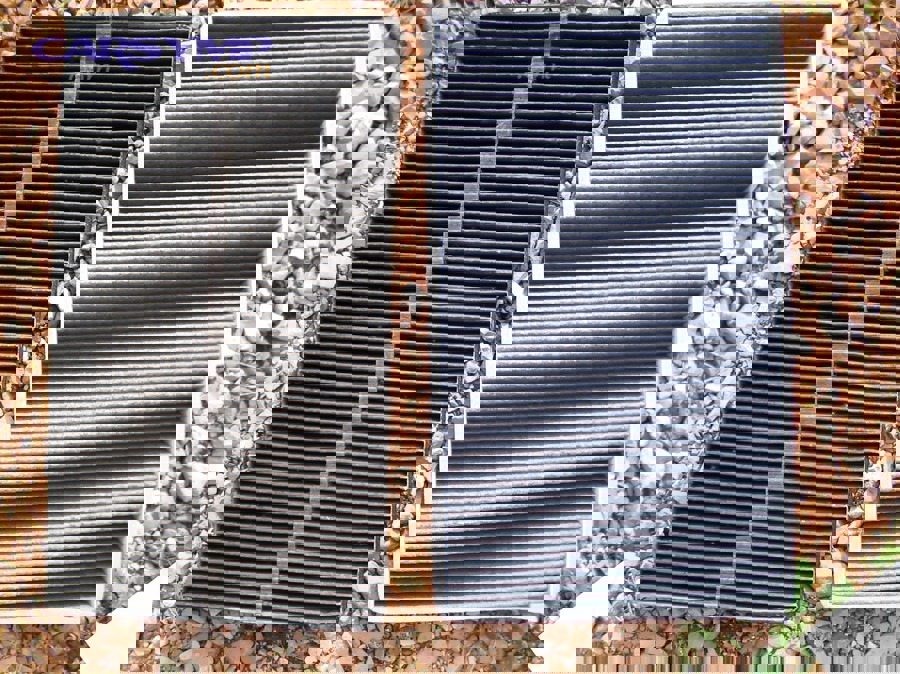
Diagnose & Fix Restricted Vent Airflow: Cabin (Pollen) Filter Checks for Car Owners
Restricted vent airflow is usually a volume problem —your fan is on, but the air coming out of the vents feels weak—and the fastest, most accurate first step is to check the cabin (pollen) filter , because a clogged filter commonly creates a real airflow restriction. Next, you’ll learn the symptom pattern that points to a dirty cabin filter versus other HVAC problems, so you don’t waste time replacing parts that aren’t causing the restriction.
Daniel James Carter February 4, 2026 at 7:22 PM
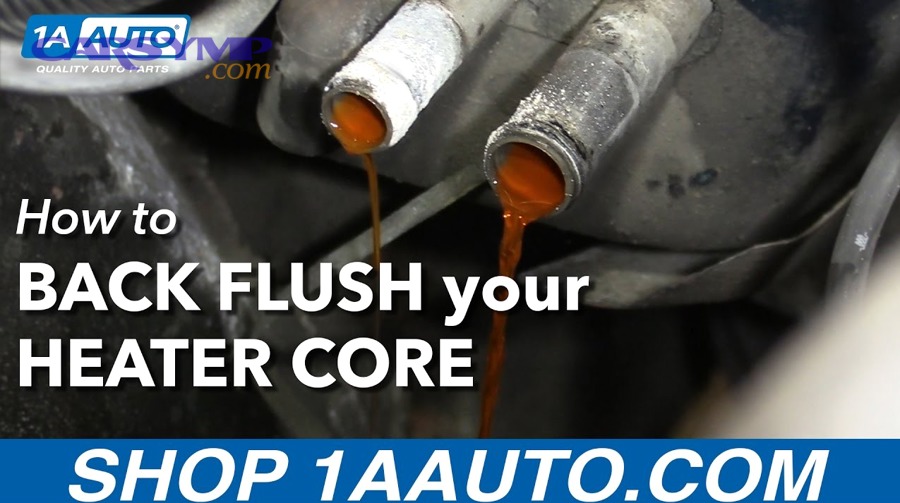
Step-by-Step Heater Core Back-Flush Procedure (Heater Core Flush Guide) for DIY Car Owners
A heater core back-flush procedure is the most direct DIY way to restore cabin heat when the heater core is restricted, because it reverses coolant flow through the core to push sediment out instead of packing it tighter. If you’re not sure the heater core is the problem, you can still diagnose quickly by combining vent behavior with hose temperatures and coolant level checks, so you don’t waste time flushing a system that actually needs a thermostat, coolant top-off, or HVAC door repair.

Daniel James Carter February 4, 2026 at 7:07 PM
Fix Weak Heat Output (Lukewarm Air): Causes, Diagnosis & Proven Solutions for Car Heaters — DIY Drivers
Weak heat output from your car heater usually happens because the cabin air isn’t picking up enough heat from the heater core—even though the HVAC system is “on.” This guide shows you the most common causes, how to pinpoint the right one quickly, and the fixes that actually restore strong, stable heat.
Daniel James Carter February 4, 2026 at 6:52 PM
Stop a Windshield Crack From Spreading: Quick Temporary Fixes vs Permanent Repair (and What Not to Do) for Drivers
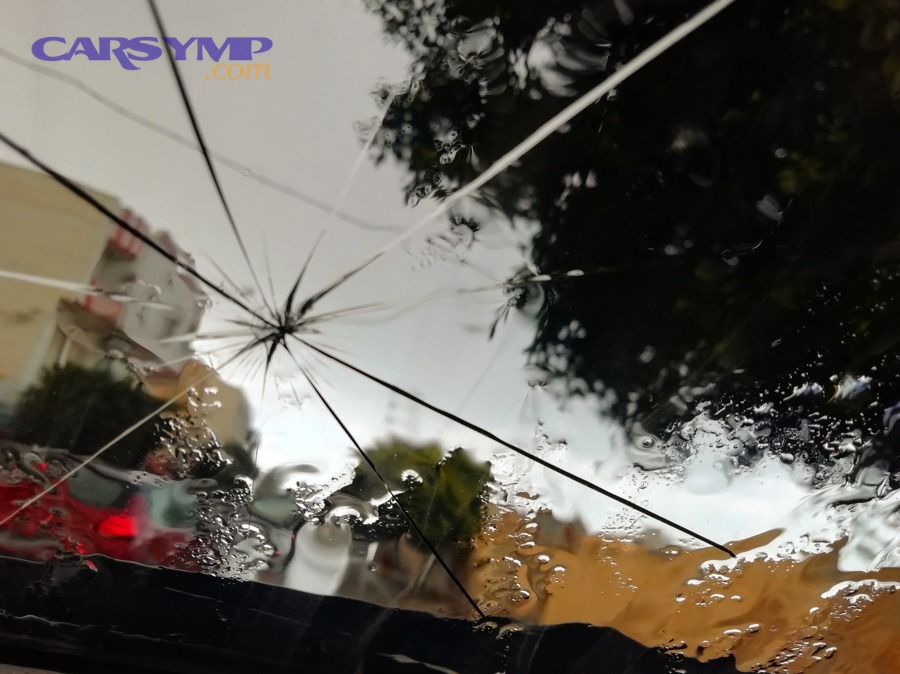
A windshield crack can often be slowed down (and sometimes stabilized) if you act quickly, keep the damage clean and dry, and reduce stress on the glass until you can get a proper repair. The goal of a quick temporary fix is not to “make it like new,” but to prevent contamination and limit the conditions that make cracks run.
Daniel James Carter February 4, 2026 at 6:21 PM
Estimate Car Heater Repair Costs: Price Ranges for Heater Core, Thermostat & Blend Door Fixes (Vehicle Owners)
A realistic car heater repair cost estimate usually falls into a few predictable buckets—thermostat, blend door actuator, coolant/air-in-system issues, or the heater core—and you can narrow the range fast by matching symptoms to the most likely repair path. If your heater not working problem comes with clues (engine warms up slowly, sweet smell, foggy windows, clicking behind the dash, heat only while driving), you can turn “I have no idea” into a practical cost bracket before you approve any work.
Daniel James Carter February 4, 2026 at 6:06 PM
Diagnose Why Your Engine Runs Cold: Causes of Not Reaching Operating Temperature for Car Owners (Thermostat, Coolant, P0128)
If your engine temperature not reaching normal keeps happening, you can diagnose it logically—starting with the most common cause (a thermostat that won’t regulate) and confirming it with simple checks like coolant level, hose temperature patterns, and a scan-tool coolant temperature reading. ( pro-cat.
Daniel James Carter February 4, 2026 at 5:36 PM
Diagnose HVAC Control Panel Failures (Control Board Issues): Symptoms, Causes & Fixes for Homeowners
HVAC control panel failures usually trace back to the system’s “brain” (the control board/control panel assembly) misreading inputs, failing to power outputs, or shutting the system down for safety. If your heating or cooling becomes intermittent, unresponsive, or stuck in a lockout, a failing control panel is a top suspect—but it’s not the only one.
Daniel James Carter February 4, 2026 at 5:22 PM
Identify Clogged Heater Core Symptoms: Fast Diagnosis of Heater-Core Blockage for Car Owners (Hot vs Cold Heater Hoses)
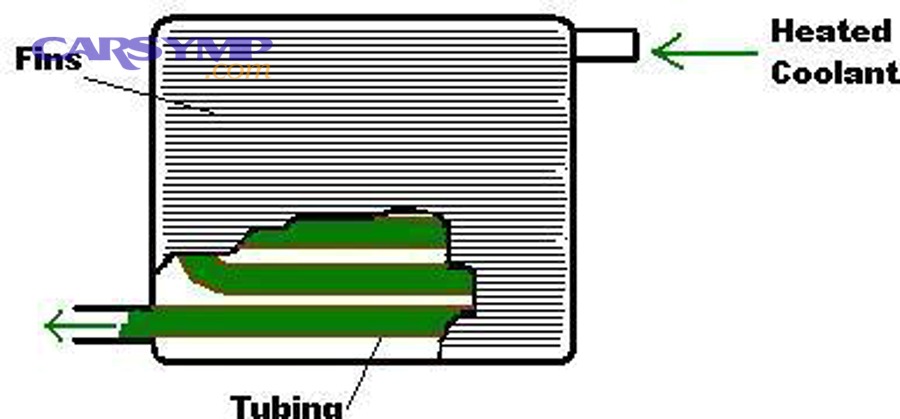
A clogged heater core usually shows up as weak, inconsistent, or no cabin heat even when the engine is fully warm , because restricted coolant flow prevents the heater core from transferring enough heat into the HVAC air stream. The fastest confirmation is a heater-hose temperature check : the inlet hose is hot, while the outlet hose is noticeably cooler when the heater is commanded on.
Daniel James Carter February 4, 2026 at 5:07 PM
Diagnose & Fix No-Heat Issues from a Blend Door Actuator (Heater Door Motor) — A Practical Guide for Car Owners & DIYers
If your cabin suddenly has no heat, a failing blend door actuator is one of the most common “heat is available but not delivered” problems, and you can usually confirm it with a short set of checks before buying parts or tearing into the dash. You’ll also learn the symptom patterns that strongly point to the actuator—like clicking behind the dash, temperature stuck on full cold, or one-side-only heat in dual-zone systems—so you don’t confuse it with coolant or heater-core problems.
Daniel James Carter February 4, 2026 at 4:53 PM
7 Warning Signs Your Car Thermostat is Stuck Open (+ Fix Guide)
A stuck open thermostat prevents your engine from reaching optimal operating temperature, causing seven distinct warning signs: persistently low temperature gauge readings, extended engine warm-up times, insufficient cabin heat, reduced fuel economy, check engine light activation with code P0128, rough cold-start idling, and increased emissions during cold operation. These thermostat stuck symptoms occur because continuous coolant circulation through the radiator keeps the engine runs cold, disrupting the thermal management system designed to bring your vehicle to its ideal 195-210°F operating range within minutes of startup.
Daniel James Carter March 3, 2026 at 2:57 AM
Diagnose Low Coolant No-Heat Symptoms (Not a Clogged Heater Core): Step-by-Step Checklist for Car Owners
If your heater suddenly blows cold, low coolant can absolutely be the direct cause —because the heater core can’t transfer heat if coolant isn’t flowing through it. This guide helps you diagnose that link quickly and safely, so you don’t chase the wrong part first.
Daniel James Carter February 4, 2026 at 4:21 PM
Diagnose No Heat in Your Car: Causes Checklist for Car Owners (No Heat vs Hot Air—Thermostat, Coolant, Heater Core)
When you have no heat in your car , the fastest way to fix it is to treat it like a diagnosis—not a guessing game: confirm the engine reaches normal temperature, confirm coolant is full and circulating, then confirm the heater core and HVAC air-mix system can actually deliver that heat into the cabin. Next, you’ll follow a causes checklist that starts with the highest-probability, lowest-effort checks (coolant level, warm-up behavior, heater hose temperature) and only then moves toward deeper HVAC faults like actuator problems behind the dash.
Daniel James Carter February 4, 2026 at 1:00 PM
Prevent Heater Core Failure with a Coolant-Flush Checklist for Car Owners (Avoid Leaks & Clogs)
If you want to prevent heater core failure, the most reliable strategy is simple: keep coolant clean, correctly mixed, and moving—because the heater core is a small radiator with narrow passages that clog easily and corrode fast when coolant maintenance slips. Next, it helps to understand what “failure” really means in daily driving, because a heater core usually fails in only two ways—leaks or clogs—and each one has a different prevention path that starts with the cooling system, not the dashboard.
Daniel James Carter February 4, 2026 at 12:35 PM
How to Bleed (Air-Purge) the Cooling System After Heater Core Replacement: Step-by-Step Guide for Car Owners
Bleeding the cooling system after a heater core replacement is the fastest way to remove trapped air so coolant circulates normally, cabin heat returns, and the engine avoids hot spots that can trigger overheating. Next, you’ll learn whether bleeding is always required, what can go wrong if you skip it, and how to do a quick safety check before you touch the radiator cap or reservoir.
Daniel James Carter February 4, 2026 at 12:23 PM
Troubleshoot Cabin Damp Carpet in Your Car: Wet Carpet Diagnosis Checklist for Drivers (AC Drain vs Heater Core)
A cabin damp carpet diagnosis is fastest when you treat it like a pattern problem: where the wet carpet shows up, when it happens, and what the liquid actually is. This guide walks you through a practical checklist that helps you pinpoint the most likely source—especially the two common offenders: an AC drain issue or a heater core leak .
Daniel James Carter February 4, 2026 at 12:09 PM
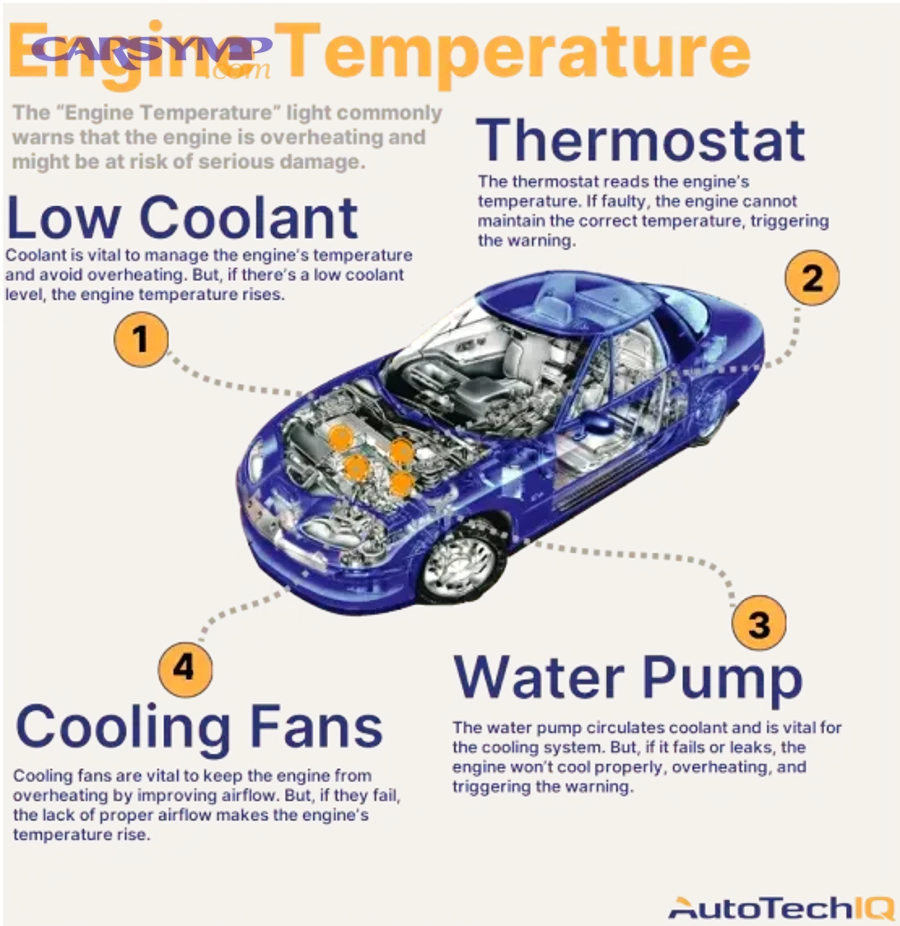
Explain the Connection Between Coolant Loss and Engine Overheating for Car Owners: Causes, Symptoms & Fixes
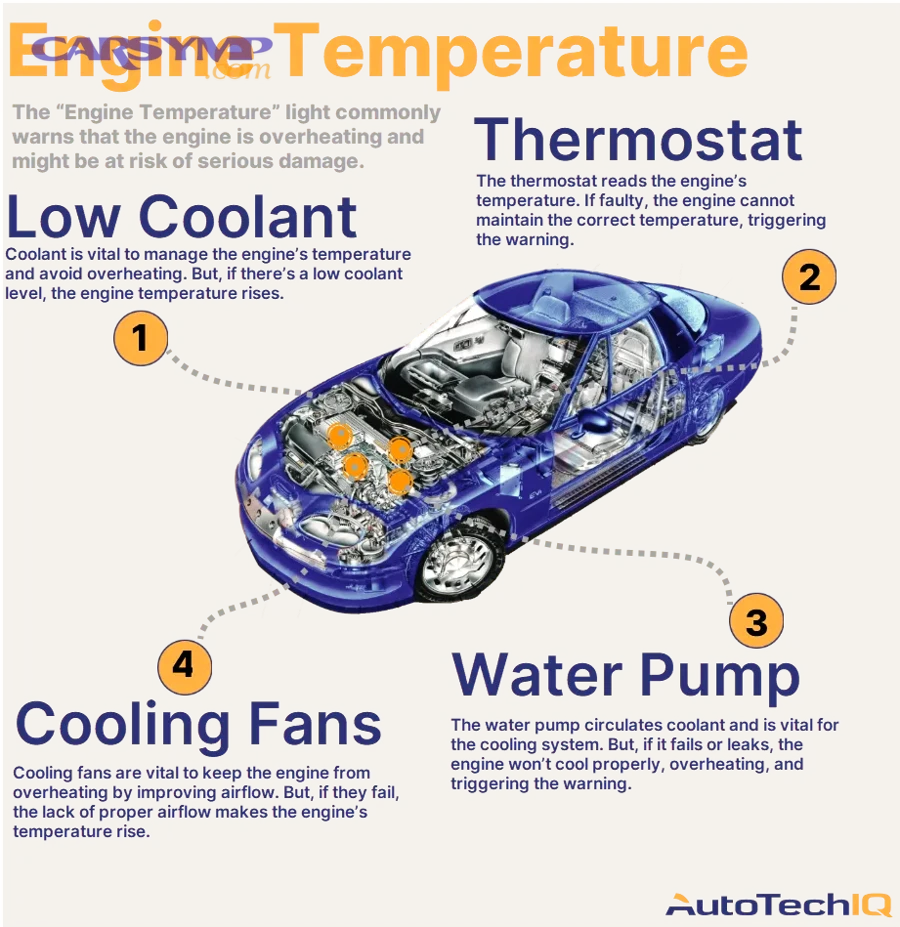
Coolant loss and engine overheating are linked because coolant is the engine’s primary heat-transfer fluid, and when the system loses coolant (or can’t hold pressure), the engine cannot move enough heat out of the cylinder head and block to stay within a safe temperature range. The result is a predictable chain: reduced coolant volume or pressure creates steam pockets and hot spots, the temperature gauge climbs, and the engine can quickly enter a damaging overheat cycle.
Daniel James Carter February 4, 2026 at 11:54 AM
Flush or Replace a Heater Core? Symptom-Based Decision Guide for Car Owners (Back-Flush vs New Core)
If your cabin heat is weak, inconsistent, or suddenly cold, the best first move is to decide whether you’re dealing with a restriction that a back-flush can clear or a leak that demands heater core replacement —because those two failure modes behave differently and the wrong fix wastes time and coolant. Next, you’ll want a reliable way to separate “no heat” causes (like low coolant, thermostat issues, or HVAC blend-door problems) from true heater-core faults, since the symptoms overlap and a quick test can prevent guesswork.
Daniel James Carter February 4, 2026 at 11:42 AM
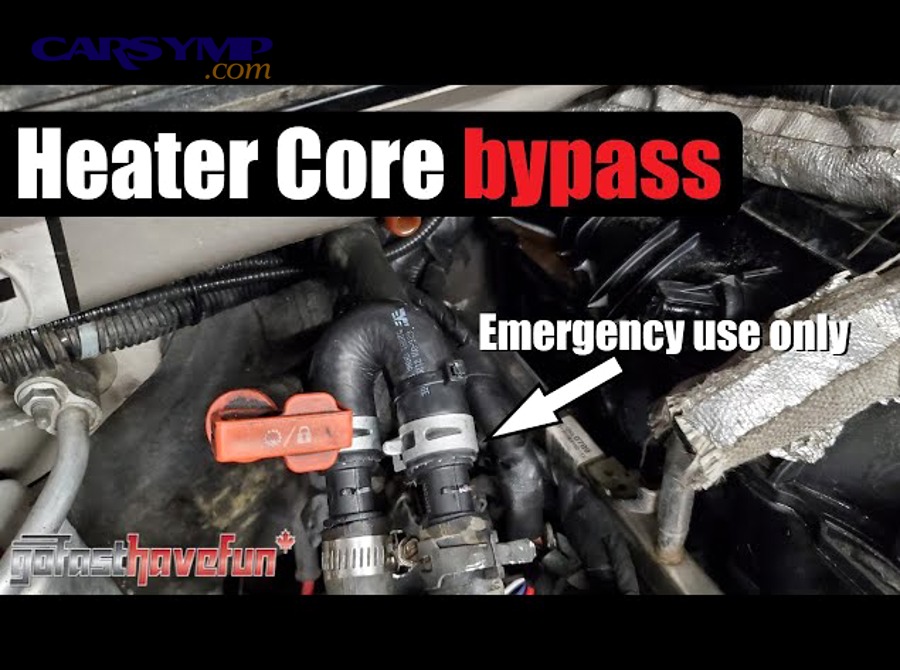
Assess the Risks of a Temporary Heater Core Bypass (Heater-Hose Loop) for DIY Car Owners
STEP 1 — Title & outline analysis (semantic + intent alignment) - Main keyword (focus): bypassing heater core temporarily risks - Predicate (main action): assess - Relations lexical used: Synonym — “heater-hose loop” is a commonly used synonymous phrase for a temporary heater core bypass - Search intent types in the outline: Definition + Boolean + Grouping + Comparison You can bypass a leaking heater core temporarily and drive in many cases, but the risk is real when the bypass introduces coolant loss, trapped air, hose restriction, or you lose defrost in conditions where windshield visibility matters. Then, the bypass stops being a “temporary workaround” and becomes a safety and engine-protection problem.
Daniel James Carter February 4, 2026 at 11:29 AM
Estimate Heater Core Replacement Cost: Price Range + Labor/Parts Breakdown for Car Owners (Car Heater Repair)
A heater core replacement cost estimate is usually a parts + labor price range that reflects how much work it takes to access the heater core—often deep behind the dashboard—so you can budget realistically before authorizing the repair. Typical totals can swing widely because labor time and vehicle design do most of the price moving.
Daniel James Carter February 4, 2026 at 11:19 AM
Calculate Heater Core Replacement Labor Hours: Shop vs DIY Time for Car Owners
Most vehicles need several labor hours to replace a heater core because technicians must access the HVAC case behind interior panels, and many models require partial or full dashboard removal. If you’re trying to plan downtime or verify a quote, focus on labor hours billed and what’s included in that number.
Daniel James Carter February 4, 2026 at 11:07 AM
Diagnose No Heat vs a Clogged (Blocked) Heater Core: Fast Hose-Temperature Checklist for DIY Drivers
If your car has no cabin heat , you can usually diagnose the cause in under 30 minutes by verifying the engine reaches normal temperature, then checking heater-hose temperatures and coolant flow to confirm (or rule out) a clogged/blocked heater core . Next, you’ll learn the symptom patterns that strongly point to heater-core restriction—like one hot hose and one cool hose, weak heat at idle, or heat that improves with RPM—so you don’t replace parts based on guesswork.
Daniel James Carter February 4, 2026 at 10:56 AM
Avoid Failing Safety Inspection: What Headlight Faults Mean (Burned-Out Bulb vs Misalignment) for Car Owners
A headlight fault can absolutely affect your safety inspection outcome because inspections typically treat headlights as “critical safety equipment” that must turn on, aim correctly enough, and not create unsafe glare . If your low beams are out, your beams are wildly misaligned, or your lens/housing is damaged in a way that changes the beam pattern, you’re risking a fail—and you’re also reducing what you can see (and what others can see of you) at night.
Daniel James Carter February 4, 2026 at 10:21 AM
How to Upgrade to Street-Legal Brighter Headlight Bulbs (DOT/SAE-Compliant Options) for Everyday Drivers
STEP 1 — Title & outline analysis (for Semantic SEO alignment) - Main keyword (keyword focus): upgrading to brighter bulbs legally - Predicate (main action): upgrade - Relations Lexical used: Synonym — “street-legal” = “legal,” reinforcing compliance intent without changing meaning - Outline intent mix: Definition + Boolean + Grouping + Comparison If you want brighter headlights and you want to stay street-legal, the safest path is to prioritize a compliant beam pattern, correct aim, and DOT/SAE-marked components—because legality is usually judged by performance and glare control , not marketing claims about lumens. Next, you’ll learn what “street-legal” actually means in headlight terms (DOT/SAE markings, beam pattern, and why a “brighter” bulb can still be a bad—or illegal—upgrade) so you can make decisions that hold up in real-world driving.
Daniel James Carter February 4, 2026 at 10:08 AM
Estimate Repair Costs for Common Headlight Problems (Bulbs, Wiring, Ballasts & LED Drivers) for Car Owners
Headlight repair costs vary wildly because “a headlight problem” can mean anything from a simple bulb swap to an electronics module failure inside a sealed LED unit. This guide helps you estimate the likely price range by matching your symptom to the part that’s actually failing—and the labor needed to access it.
Daniel James Carter February 4, 2026 at 9:55 AM
Diagnose & Fix Headlight Switch and Wiring Issues: Symptoms, Voltage Tests, and Connector Repairs for DIY Drivers
If your headlights flicker, go dark, or only work in certain positions, you can usually diagnose headlight switch and wiring issues with a structured set of voltage and continuity checks—then fix the real fault instead of guessing parts. The fastest way to get certainty is to match your symptom pattern to the most likely failure point (switch, connector, relay/fuse, ground, or harness damage) and then confirm it with a simple test sequence.
Daniel James Carter February 4, 2026 at 9:43 AM
Fix Headlight Condensation: Remove Moisture Inside the Headlight Housing for DIY Car Owners (Dry, Diagnose & Reseal)
Moisture inside a headlight housing is fixable in most cases: dry the assembly safely, diagnose whether you have normal condensation or a true water leak, then reseal or replace the failed component so the moisture doesn’t return. Manufacturer service guidance commonly uses a “clearing test” with the headlamps on to separate normal fogging from sealing failure.
Daniel James Carter February 4, 2026 at 9:30 AM
How to Align Headlights After Headlight Repair for Car Owners: Step-by-Step Guide to Fix Misalignment vs Proper Aim
Proper headlight alignment after repair is the fastest way to turn “new parts” into real nighttime visibility. If your beams are even slightly off after a headlight repair, you can lose useful road illumination, create glare for oncoming drivers, and still feel like the lights are “weak” even when the bulbs are fine.
Daniel James Carter February 4, 2026 at 9:15 AM
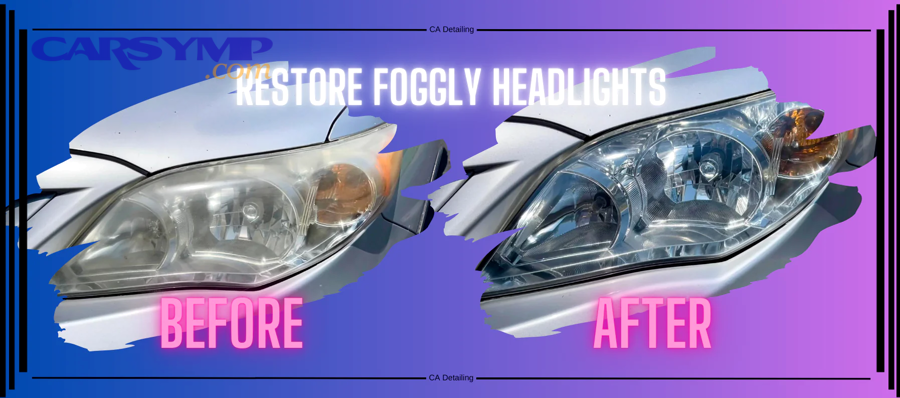
Restore or Replace Cloudy Headlights: Cost, Durability & Best Choice for Car Owners (Refurbish vs New Lenses)
Cloudy headlights are usually fixable, but the “best” choice depends on what’s actually damaged: restore when the haze is mostly surface oxidation, and replace when the lens is cracked, delaminated, leaking, or hazy on the inside—because sanding can’t repair structural or internal failure. Next, cost and convenience matter just as much as clarity: restoration is typically the faster, lower-cost route for most daily drivers, while replacement tends to cost more but can deliver like-new optics and sealing—especially when internal components or mounting points are compromised.
Daniel James Carter February 4, 2026 at 9:04 AM
Diagnose Headlights Not Working: Headlight Fuse & Relay Troubleshooting for DIY Car Owners (Low-Beam/High-Beam Circuit Checklist)
If your headlights aren’t working, the fastest way to diagnose the problem is to follow a fuse-and-relay checklist that confirms power in → protection (fuse) → switching (relay) → power out → ground , so you don’t waste time replacing parts that aren’t broken. To support that diagnosis, you’ll also learn how to test a headlight relay reliably—starting with a safe swap test, then stepping up to multimeter checks that separate “relay not commanded” from “relay internally failed.
Daniel James Carter February 4, 2026 at 8:52 AM
Diagnose Bulb (Lamp) vs Ballast vs LED Driver Failure: Symptoms, Quick Tests & Fixes for Homeowners
If one headlight is flickering, dim, or dead, you can usually diagnose whether the bulb (lamp), HID ballast, or LED driver is failing by matching the symptom pattern and running a few safe “swap and isolate” tests—so you replace the right part the first time instead of guessing. Next, understanding what each component actually does (bulb makes light, ballast starts/regulates HID, driver regulates LED power) explains why similar symptoms can have different root causes, especially when modern cars mix halogen, HID, and LED tech in different trims.
Daniel James Carter February 4, 2026 at 8:38 AM
Diagnose a Headlight That Won’t Turn On: Bulb–Fuse–Relay Checklist for DIY Drivers
A headlight that won’t turn on is usually a simple electrical path problem—either the lamp isn’t getting power , it doesn’t have a solid ground , or the circuit isn’t being commanded on —and you can isolate which one it is with a fast bulb → fuse → relay → connector test sequence. If you diagnose by pattern first (one headlight out vs both; low beams vs high beams), you can skip unnecessary steps and go straight to the most probable failure point—saving time and avoiding parts swapping that doesn’t fix the issue.
Daniel James Carter February 4, 2026 at 8:26 AM