catalytic converter replacement

Daniel James Carter (born July 14, 1988) is an Automotive Diagnostic & Repair Technician and the Lead Diagnostic Technician & Technical Content Author for this auto repair website. His work focuses on translating real shop-floor diagnostics into clear, step-by-step guidance for vehicle owners—especially around check-engine issues, climate control problems, brake safety, and steering/suspension wear.\n\nDaniel’s interest in mechanical systems started early, but his professional path became formal in 2006 when he began a structured apprenticeship in general automotive service. Between 2006 and 2008, he worked alongside senior technicians learning foundational skills—oil services, brake inspections, tire work, basic electrical checks, and service documentation. During this period, he also built the habits that still define his process today: verifying the customer’s concern, road-testing when safe, and confirming repairs with repeatable measurements.\n\nIn 2009, Daniel moved into a full-time automotive service technician role, where he handled a higher volume of maintenance and repair work (brakes, cooling systems, belts, ignition components, and driveline basics). By 2012, he shifted toward diagnostics, focusing on OBD-II fault tracing, fuel trim interpretation, misfire detection, smoke-testing intake leaks, and electrical circuit testing using wiring diagrams and voltage-drop methods.\n\nA major milestone came in 2015 when he began pursuing advanced professional credentials through the National Institute for Automotive Service Excellence (ASE). After completing multiple ASE exams and documenting the required hands-on experience, Daniel earned the ASE Master Automobile Technician designation in 2017. He continued building depth in drivability and emissions-related diagnostics and achieved the ASE L1 Advanced Engine Performance Specialist credential in 2019. He maintains his credentialing through ongoing study and periodic recertification, aligning his knowledge with modern engine management systems, updated scan-tool workflows, and evolving diagnostic standards.\n\nFrom 2018 to 2021, Daniel served as a senior technician in a busy service environment where his day-to-day work centered on complex complaints: intermittent stalling, hard starts, rough idle, overheating, vibration under braking, and AC systems that blow warm or smell musty. He became known for careful diagnosis before parts replacement, using a consistent checklist:\n\n\n Confirm the symptom and capture freeze-frame data.\n Test likely causes (air leaks, sensors, ignition, fuel delivery, charging system) with measurable evidence.\n Repair only after the failure is verified and the fix can be validated.\n Validate with a road test, live data review, and final inspection.\n\n\nIn 2022, Daniel began formalizing his field notes into consumer-friendly write-ups and troubleshooting guides. By 2023, he expanded that work into structured content for this website, combining real repair patterns with clear explanations of why failures happen (for example: how moisture and organic buildup can cause musty AC smell, why worn suspension joints can mimic wheel balance issues, or how vacuum leaks and weak ignition coils can trigger persistent misfires).\n\nToday, Daniel’s role on the website is to ensure every guide reflects practical repair reality—tools a shop actually uses, common misdiagnoses to avoid, and safety-first recommendations. He writes with the same standard he uses in the bay: the diagnosis must make sense, the repair must be verifiable, and the timeline from symptom to fix must be clear for the reader.


catalytic converter replacement
Warranty coverage for catalytic converters depends on who issued the warranty, how the converter failed, and whether the part is considered an emissions-critical component under your vehicle’s coverage rules. Beyond the basics, most drivers want to know what’s actually covered (parts, labor, diagnosis), what actions can void coverage, and what paperwork a shop or dealer will require before approving a claim.
Daniel James Carter January 21, 2026 at 12:14 PM
catalytic converter replacement
Emissions test implications and fixes come down to one practical goal: identify what your inspection is actually checking, then repair the specific fault that caused the failure instead of replacing parts blindly. Most drivers fail for a small set of root causes—unready OBD monitors, an active malfunction indicator, or out-of-range exhaust gases—so the fastest path is matching the failure type to the right diagnostic flow.
Daniel James Carter January 21, 2026 at 12:09 PM
catalytic converter replacement
Yes, can you drive with a bad catalytic converter —but it depends on what “bad” means in your case, because the line between “limp it home” and “risk a breakdown or damage” can be thin. Next, the practical question is how to tell whether you can drive today versus whether you should stop and tow, especially when symptoms feel vague at first (a little power loss, an occasional smell, a light on the dash).
Daniel James Carter January 21, 2026 at 12:01 PM
catalytic converter replacement
Break-in and readiness monitors after replacement matter because your vehicle can be mechanically “fixed” yet still fail an OBD-based inspection until the computer finishes its self-tests and reports “Ready.” Beyond passing an inspection, understanding readiness helps you avoid pointless parts-swapping, repeated code-clears, and the frustration of seeing “Not Ready” even after lots of driving.
Daniel James Carter January 21, 2026 at 11:52 AM
catalytic converter replacement
A realistic catalytic converter replacement cost estimate starts with one truth: the same “bad cat” warning can lead to a four-figure bill in one car and a mid-three-figure bill in another, even before taxes and shop fees. To budget accurately, you need to separate parts cost from labor, then layer in the factors that quietly move the quote—emissions certification, where the converter sits on your exhaust, and whether bolts are likely to fight back.
Daniel James Carter January 21, 2026 at 11:42 AM
catalytic converter replacement
Replacement options: OEM vs aftermarket legality depends on where the vehicle is registered, how it’s used, and whether the part keeps the emissions system working as designed. In most cases, aftermarket is legal when it meets the right performance, labeling, and application rules—while OEM is often the least controversial route when rules are strict or inspections are picky.
Daniel James Carter January 21, 2026 at 11:33 AM
catalytic converter replacement
Why catalytic converters get stolen and prevention comes down to one simple reality: thieves want the precious metals inside, and the part sits in an easy-to-reach spot under many vehicles. Beyond the “why,” drivers usually need two practical answers: which cars are most likely to be targeted and what daily habits reduce risk without turning your life into a security routine.
Daniel James Carter January 21, 2026 at 11:26 AM
catalytic converter replacement
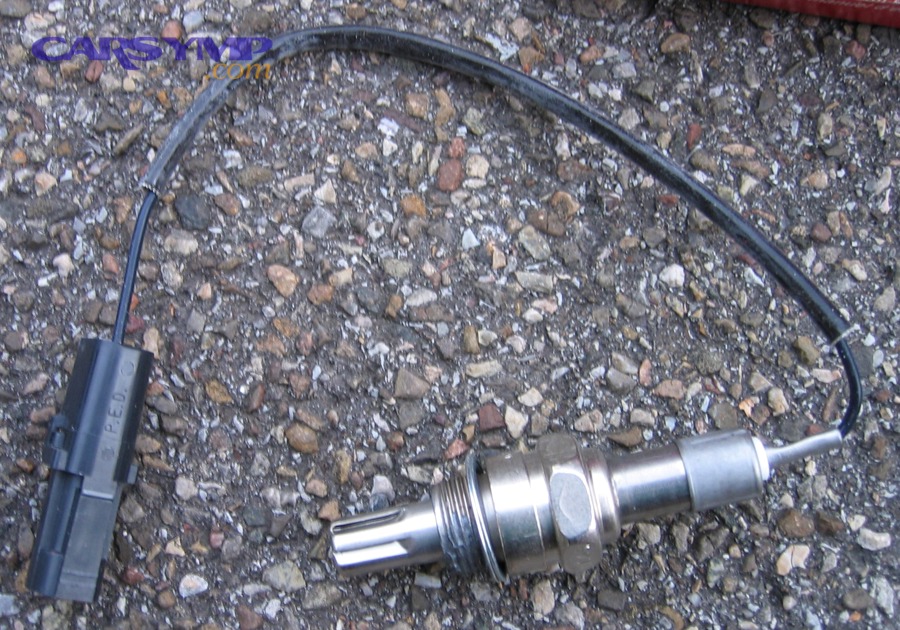
A fast, accurate diagnosis separates three look-alike problems: a weak catalytic converter, a biased O2 sensor, and an exhaust leak that “fakes” sensor readings. The goal is to decide which one is the true root cause before you buy parts.
Daniel James Carter January 21, 2026 at 11:17 AM
catalytic converter replacement
P0420/P0430 code diagnosis is about proving whether the catalytic converter is truly underperforming or whether another issue is impersonating a weak converter—especially oxygen-sensor bias, exhaust leaks, misfires, or fuel-control problems. Most drivers want three things quickly: a clear meaning of the code, a fast path to confirm the real root cause, and a repair plan that won’t waste money or trigger repeat failures after the check-engine light turns off.
Daniel James Carter January 21, 2026 at 11:11 AM
catalytic converter replacement
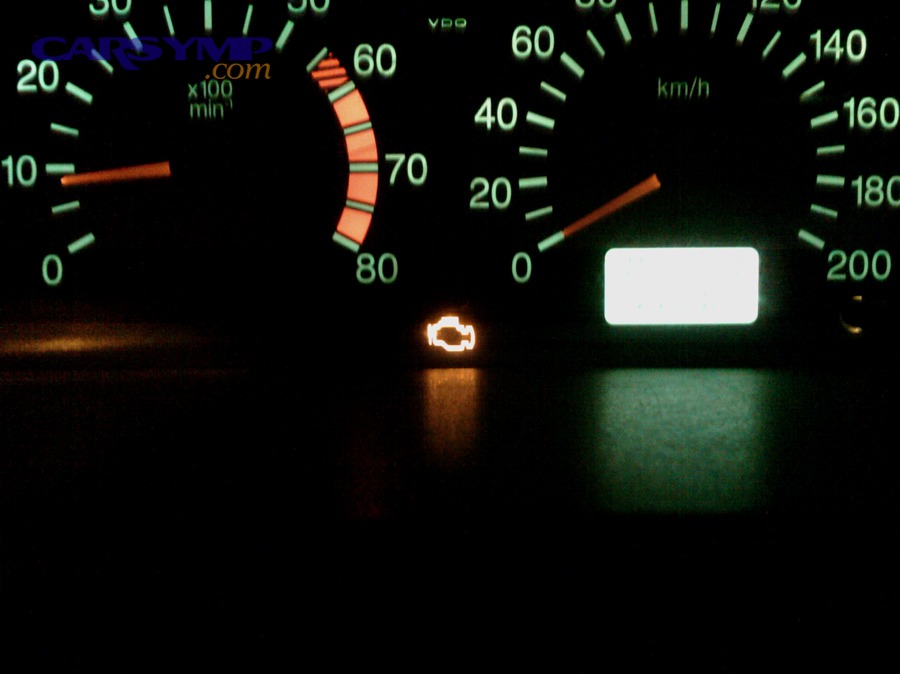
Catalytic converter failure symptoms usually show up as a mix of power loss, a persistent check-engine light, a sulfur/rotten-egg exhaust odor, and heat-related behavior like hesitation after a highway run. Beyond those obvious bad cat signs, drivers often notice fuel economy slipping, a “restricted” feeling under load, and inconsistent performance that changes with temperature and speed.
Daniel James Carter January 21, 2026 at 11:02 AM
Most drivers should schedule preventive inspections on a simple cadence: a quick check every few months, a deeper check twice a year, and a comprehensive review once a year—then adjust upward if mileage, weather, or vehicle age increases risk. Beyond the baseline, the smart move is to match inspection timing to how you actually drive: stop-and-go commuting, rough roads, towing, and extreme heat or cold all shorten the “safe window” between checks.
Daniel James Carter January 21, 2026 at 10:46 AM
A mobile inspection and a shop inspection can both protect you from buying a problem car, but they win in different ways: mobile shines for convenience and quick screening, while shop inspections often reach deeper systems and underbody access. Beyond “which is better,” the smarter question is which option reduces your specific risk—hidden collision damage, deferred maintenance, or safety-critical wear—based on where the car is, how urgent the purchase is, and what tools the inspector can use.
Daniel James Carter January 21, 2026 at 10:41 AM
Preparing your car for inspection is a how-to process: confirm the same core safety items inspectors verify, fix the easy failures early, and show up with a vehicle that’s clean, predictable, and ready to pass on the first try. Beyond that main goal, you’ll also want to reduce surprises by doing a short pre-test drive and catching noise, vibration, warning lights, or tire/brake wear before you arrive.
Daniel James Carter January 21, 2026 at 10:33 AM
Inspection report red flags to watch are the small details that reveal big risks: hidden safety issues, inconsistent findings, vague language, and missing measurements that make a “clean” report look better than the car really is. Beyond spotting problems, you also want to understand how a report was produced—what was actually tested, what was skipped, and whether the conclusions match the evidence, photos, and numbers.
Daniel James Carter January 21, 2026 at 10:28 AM
Inspectors look for one thing first: whether your brakes and tires can stop, steer, and stabilize the car predictably in real traffic—not just whether they “still work.” That means they evaluate wear, damage, and measurable limits that signal loss of friction, loss of grip, or a high risk of sudden failure.
Daniel James Carter January 21, 2026 at 10:20 AM
How long an inspection takes depends on the inspection type, the vehicle’s condition, and how the technician sequences checks, but most drivers should plan for a predictable “hands-on” window plus some waiting time. To make planning easier, this guide breaks inspection duration into practical blocks—check-in, physical checks, road test, and reporting—so you can estimate time before you arrive.
Daniel James Carter January 21, 2026 at 10:12 AM
How much a car inspection costs depends on what kind of inspection you mean: a state-required safety/emissions check, a “courtesy” multi-point inspection, or a deeper pre-purchase evaluation that functions like a mini diagnostic session. Beyond the dollar amount, most drivers want clarity on what the inspection actually covers so they can judge whether the quote is fair and whether it reduces real risk (missed safety issues, surprise repairs, or failed registration).
Daniel James Carter January 21, 2026 at 10:03 AM
Safety inspection vs emissions inspection differences come down to one core idea: safety inspections focus on whether your vehicle is safe to operate on the road, while emissions inspections focus on whether your vehicle’s pollution controls are working within legal limits. Beyond that headline, most drivers want to know what parts get checked, what “fail” actually means, and how each test affects registration—because the consequences can be very different depending on where you live.
Daniel James Carter January 21, 2026 at 9:57 AM
A pre-purchase inspection checklist is a step-by-step way to confirm a used car’s real condition before money changes hands, so you can spot safety risks, predict near-term repairs, and decide whether the deal is truly worth it. Beyond the obvious dents and a smooth idle, this checklist helps you validate hidden-value details like maintenance evidence, wear patterns, and warning signs that often appear only during a careful walkaround and test drive.
Daniel James Carter January 21, 2026 at 9:48 AM
A car inspection service is a structured evaluation of your vehicle’s safety, mechanical condition, and (when applicable) compliance items, documented in a report that highlights what’s normal, what needs attention, and what is urgent. For most drivers, the next goal is clarity: which systems are checked, how findings are graded, and what “pass” or “fail” actually means for repair decisions and budgeting.
Daniel James Carter January 21, 2026 at 9:38 AM
Typical repair costs for common causes are best understood as a range , not a single number: diagnosis fee + parts + labor + any required programming or retesting. The goal is to help you budget realistically and approve the right repair the first time.
Daniel James Carter January 21, 2026 at 9:24 AM
If your car won’t run safely or reliably, calling a mobile mechanic is often the fastest way to turn an unknown problem into a clear plan: diagnose on-site, fix what’s practical, and tell you when towing is the smarter next step. A mobile visit makes the most sense when the issue is likely “serviceable where it sits” (battery/starting, minor electrical, sensors, belts, overheating prevention steps, or a quick parts swap) and you need an expert to confirm the root cause without moving the vehicle.
Daniel James Carter January 21, 2026 at 9:13 AM
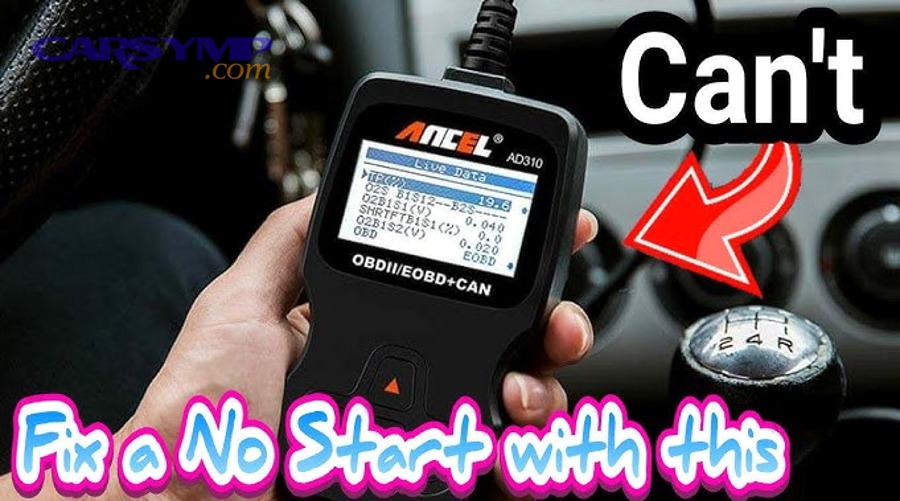
If you’re stuck on a no-start, scan codes that help no-start diagnosis can turn a frustrating guess-fest into a short list of likely faults and the next best test. The goal is not to “fix by code,” but to use codes as direction : what system lost power, which signal disappeared, and what the engine computer believes went wrong.
Daniel James Carter January 21, 2026 at 9:08 AM
Starter speed and battery voltage during cranking reveal whether your problem is mainly power supply (battery, cables, grounds) or power demand (starter, engine drag). The key is reading them together, not separately.
Daniel James Carter January 21, 2026 at 8:59 AM
A flooded engine happens when too much fuel enters the cylinders and the air–fuel mix becomes overly rich, so the spark can’t ignite it efficiently. The result is a no-start or hard-start condition that often feels sudden, but it follows predictable patterns you can confirm in minutes.
Daniel James Carter January 21, 2026 at 8:54 AM
Fuel pump relay and fuse checks are the fastest way to confirm whether your fuel delivery circuit is being powered the moment you turn the key. If power never reaches the pump, the engine may crank strongly yet never actually start, even though everything “sounds normal.
Daniel James Carter January 21, 2026 at 8:43 AM
Bad crank sensor symptoms often show up as sudden stalling, rough running, or a crank no start that appears without warning, because the engine computer can’t reliably “see” crankshaft speed and position. Beyond the obvious “won’t start,” the same fault can create misfire-like behavior, unstable RPM, and intermittent power loss that seems random until you connect it to heat, vibration, and wiring movement patterns.
Daniel James Carter January 21, 2026 at 8:37 AM
If your dashboard security light stays on or flashes and the engine refuses to run, the immobilizer system is one of the first suspects: it may be blocking fuel, spark, or starter authorization because it does not “recognize” the key. Beyond the immobilizer itself, the same warning lamp can appear when the vehicle’s body electronics detect a communication, power, or module “handshake” problem—so the right path is to separate a true anti-theft lockout from look-alike electrical and engine faults.
Daniel James Carter January 21, 2026 at 8:30 AM
If an engine won’t fire, you can usually sort the cause fast by treating fuel, spark, and compression as three linked “parts” of the same start event—and testing the easiest, safest part first. The quickest wins come from ruling out “no spark” or “no fuel delivery” with simple checks that don’t require deep disassembly, so you stop guessing and start isolating.
Daniel James Carter January 21, 2026 at 8:21 AM
If your engine spins over normally but never catches, you need a methodical Cranks but won’t start diagnostic checklist that separates “no fuel,” “no spark,” “no compression,” and “no permission to start” (security/ECU) without guessing. Next, you’ll learn how to protect the starter, battery, and catalytic converter while you narrow the fault fast—because repeated cranking can overheat wiring, flood cylinders, and create misleading symptoms.
Daniel James Carter January 21, 2026 at 8:11 AM
Preventing blower motor strain with clean filters is one of the simplest ways to keep your cabin fan quiet, consistent, and reliable—because the blower works hardest when it has to pull air through unnecessary resistance. A clean airflow path also helps you keep steady airflow at lower fan speeds, which reduces heat buildup in the blower circuit and lowers the chance of intermittent fan behavior that feels “random” but is often predictable.
Daniel James Carter January 21, 2026 at 7:56 AM
Incorrect cabin filter installation is real and common: yes, it can reduce airflow, let dust bypass the media, and create new noises or odors even right after you “did everything right.” Beyond comfort, the bigger issue is diagnosis: many symptoms of a bad filter look identical to HVAC problems, so the fastest fix is learning the installation-specific clues that separate “filter mistake” from “system fault.
Daniel James Carter January 21, 2026 at 7:49 AM
Allergies and air quality benefits inside a vehicle are real because a car cabin is a small, sealed micro-environment where irritants can concentrate quickly—then hit your eyes, nose, throat, and lungs at close range. Beyond simple comfort, cleaner cabin air can reduce the frequency of sneezing fits, watery eyes, and that “tight chest” feeling that turns a normal commute into a stressful one—especially for people with asthma or seasonal allergies.
Daniel James Carter January 21, 2026 at 7:40 AM
AC and heater performance impact means how quickly—and how evenly—your vehicle can cool, heat, and clear the glass while staying quiet and comfortable at real-world speeds, idle, and stop-and-go traffic. Beyond comfort, it also affects safety: slow defogging, a windshield that won’t clear in wet weather, and distracted driving from noisy fans or persistent odors can all trace back to the same airflow-and-heat-exchange story.
Daniel James Carter January 21, 2026 at 7:31 AM
If you’re pricing the cost to replace cabin air filter at a shop , the short answer is: most drivers pay a modest service fee, but the final number swings based on labor access, filter type, and whether the shop bundles an inspection. Beyond the number, you also want to know what you’re actually buying: a clean-air HVAC pathway, restored airflow, and less strain on the blower motor—plus a quick check for debris that can create bigger HVAC issues later.

Daniel James Carter January 21, 2026 at 7:26 AM
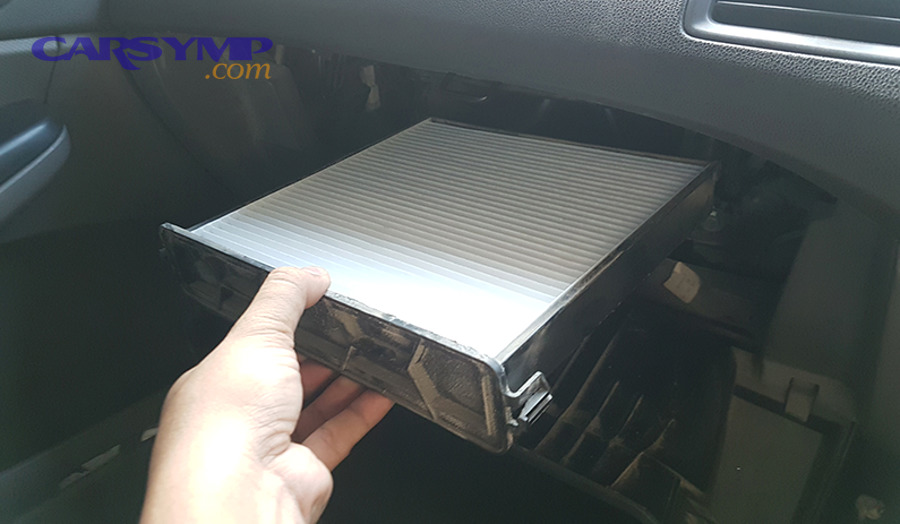
If you’re searching for DIY cabin air filter replacement steps , the fastest win is a clean, repeatable process: find the access door, remove the old filter neatly, install the new one with correct airflow direction, then verify airflow and odor changes in minutes. Beyond the basic swap, many drivers also want to avoid cracked glove-box tabs, blown fuses, and that “still-stuffy” cabin feeling—so this guide adds practical checks that keep the job simple and clean.
Daniel James Carter January 21, 2026 at 7:17 AM
If you’re doing a HEPA vs charcoal cabin filter comparison , the core tradeoff is simple: HEPA-style media is built to capture fine particles, while activated charcoal is built to adsorb odors and certain gases. The “best” choice depends on what you want to remove most—and what your vehicle’s HVAC can comfortably push air through.
Daniel James Carter January 21, 2026 at 7:10 AM
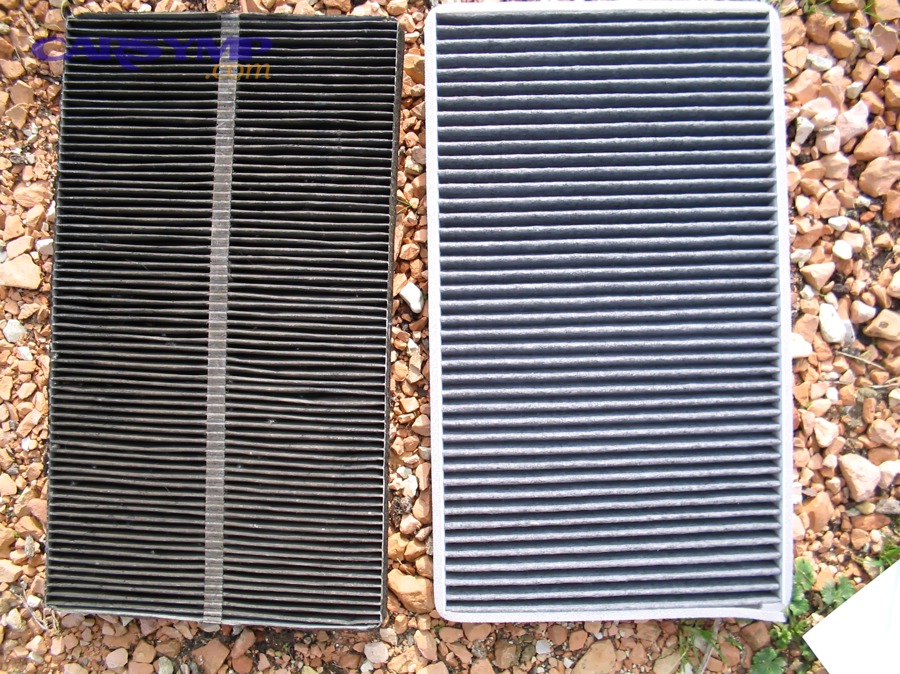
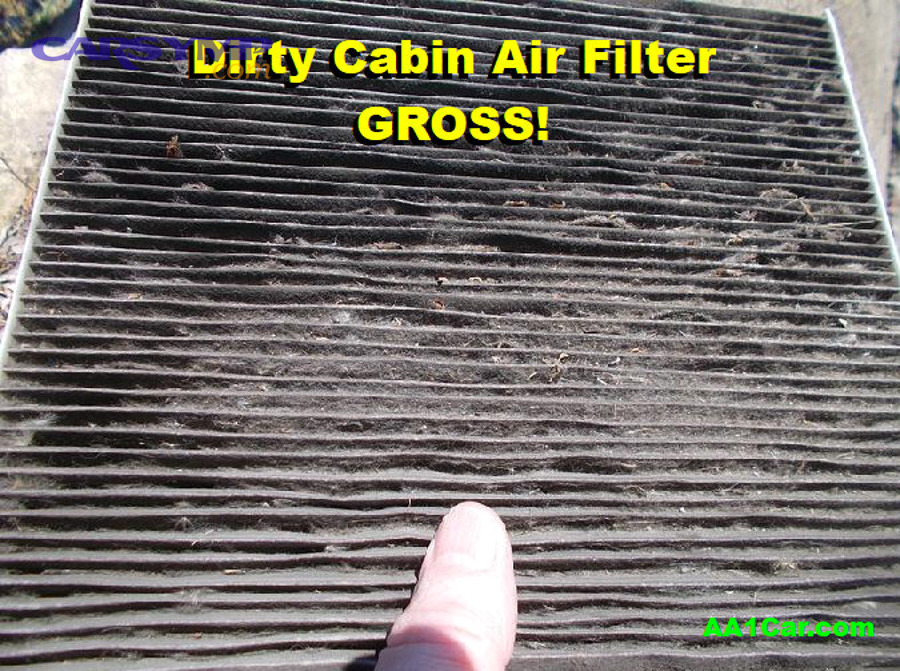
How often to replace cabin air filter is usually every 12 months or 15,000–30,000 miles for normal driving, but the real interval depends on where and how you drive, plus how sensitive you are to odors and airflow changes. Most drivers can treat it like a “check-and-decide” service: inspect the filter at least twice a year, then replace sooner if it shows heavy loading, musty smell, or a noticeable drop in HVAC airflow.
Daniel James Carter January 21, 2026 at 7:01 AM
If you’re trying to identify a cabin air filter location by car type, the fastest answer is this: most vehicles hide it either behind the glove box, under the passenger-side dash, or under the cowl at the base of the windshield. Beyond that quick rule, the “why” matters: the filter sits between the fresh-air intake and the blower motor, so the physical layout of your dashboard, firewall, and HVAC box determines which access door engineers can realistically give you.
Daniel James Carter January 21, 2026 at 6:53 AM
Cabin filter symptoms usually show up as musty smell from the vents, weak airflow , and a noticeable drop in cabin comfort—especially when you first turn on the fan or A/C. These signals are your HVAC system’s way of saying the intake path is restricted or the filter media is saturated.
Daniel James Carter January 21, 2026 at 6:46 AM
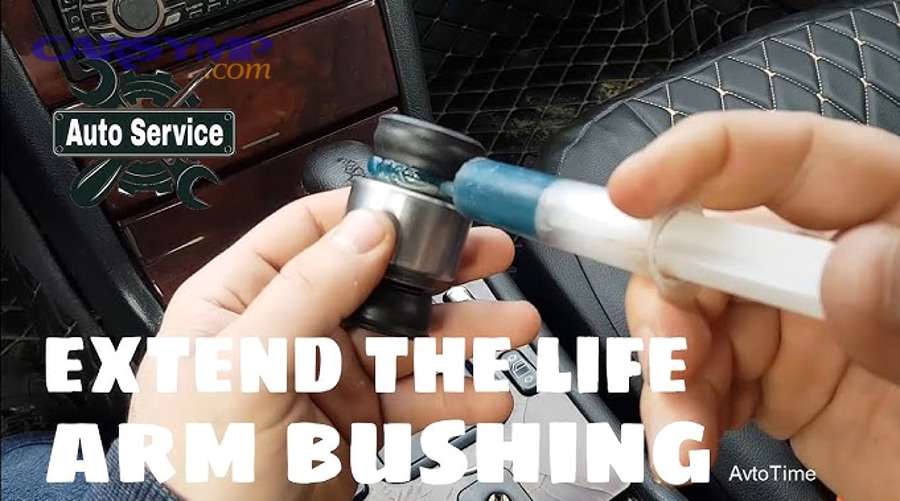
To extend bushing life , focus on three levers: reduce impact loads, keep suspension geometry in spec, and slow rubber aging from heat, chemicals, and salt. Done consistently, you’ll cut the stress cycles that create cracks, tears, and looseness over time.
Daniel James Carter January 21, 2026 at 6:30 AM
DIY bushing replacement risks are real: the job can be safe for some vehicles and skill levels, but it can also become unsafe fast when lifting, pressing, or reassembling changes suspension geometry in ways you can’t “feel” until the car is back on the road. Beyond immediate injury hazards, the bigger long-term danger is hidden: a bushing installed crooked, torqued at the wrong ride height, or paired with damaged hardware can quietly create pulling, wandering, vibration, and accelerated tire wear that shows up days later.
Daniel James Carter January 21, 2026 at 6:23 AM
Bushing replacement costs between $170 and $430 on average in 2025, with labor accounting for $145 to $280 and parts ranging from $10 to $150 depending on the bushing type and vehicle specifications. This comprehensive cost breakdown varies significantly based on whether you're replacing control arm bushings, stabilizer bar bushings, or suspension bushings, with each type requiring different labor hours and part specifications that directly impact your final bill.
Daniel James Carter January 27, 2026 at 8:54 AM
If you’re wondering about alignment needs after bushing work , the practical answer is: often yes —because bushings can shift the suspension’s resting position and let the wheels point or lean differently than before. Beyond whether you “should,” the more useful question is which bushing location was serviced and how that location influences toe, camber, and caster (the core geometry that keeps your car stable and your tires alive).
Daniel James Carter January 21, 2026 at 6:09 AM
Press-in bushing replacement overview means understanding how a suspension bushing is removed and installed by pressing it in and out of its housing—without damaging the control arm, subframe, or knuckle bore—so the joint regains proper compliance, alignment stability, and noise control. Beyond “what it is,” most readers also want a clear mental model of where press-fit bushings live , what symptoms point to failure, and what tools and steps separate a clean job from a bent arm or torn new bushing.
Daniel James Carter January 21, 2026 at 6:03 AM
Labor time for replacing suspension bushings is usually measured in billed hours, but the real duration you’re without the car depends on access, rust, tooling, and whether the job includes follow-up checks like alignment. Most drivers want one clear answer: “How many hours will this take at a shop?
Daniel James Carter January 21, 2026 at 5:58 AM
If you’re searching for a Polyurethane vs rubber bushing comparison , the core tradeoff is simple: polyurethane usually sharpens control and reduces deflection, while rubber usually filters noise and vibration better for day-to-day comfort. Beyond that headline, the “right” choice depends on how your suspension is used: commuting, spirited canyon runs, towing, or off-road articulation each pushes bushings in different ways—and the material responds differently under heat, load, and contamination.
Daniel James Carter January 21, 2026 at 5:48 AM
Clunking and vibration from bushings usually means a rubber or polyurethane joint in your suspension has lost its ability to isolate movement, so metal parts start shifting and transmitting shock into the body. Many drivers want to know whether the noise is “safe to ignore” or a sign of something that can quickly damage tires, steering stability, or other joints—so the key is matching when the clunk happens to which bushing is loaded at that moment.
Daniel James Carter January 21, 2026 at 5:37 AM
If your car clunks, knocks, squeaks, or vibrates over bumps, the fastest way to stop guessing is to separate control arm bushing problems from sway bar bushing problems using a location-first, symptom-second diagnostic flow. Many “front-end noise” complaints feel identical from the driver’s seat, but the root cause often isn’t—control arm bushings usually change wheel geometry under load, while sway bar bushings more often create play and noise when the bar twists.
Daniel James Carter January 21, 2026 at 5:32 AM
Worn suspension bushing symptoms usually show up as new noises, vague steering feel, and a “loose” reaction over bumps—because the bushing can no longer isolate movement the way it should. Beyond comfort, the bigger risk is control: bad bushings can let suspension geometry shift under load, which may translate into uneven tire wear, longer stopping distances, or a car that feels unsettled mid-corner.
Daniel James Carter January 21, 2026 at 5:23 AM