Daniel James Carter
Lead Diagnostic Technician & Technical Content Author
Company / Organization
CarSymp
Experience / Skills
Check Engine Light diagnosis (OBD-II); engine performance & ignition/fuel systems; brake service; steering & suspension; AC/heater diagnostics; cooling system service; basic transmission diagnostics; electrical & battery/charging systems; maintenance schedules
About Daniel James Carter
Daniel James Carter (born July 14, 1988) is an Automotive Diagnostic & Repair Technician and the Lead Diagnostic Technician & Technical Content Author for this auto repair website. His work focuses on translating real shop-floor diagnostics into clear, step-by-step guidance for vehicle owners—especially around check-engine issues, climate control problems, brake safety, and steering/suspension wear.\n\nDaniel’s interest in mechanical systems started early, but his professional path became formal in 2006 when he began a structured apprenticeship in general automotive service. Between 2006 and 2008, he worked alongside senior technicians learning foundational skills—oil services, brake inspections, tire work, basic electrical checks, and service documentation. During this period, he also built the habits that still define his process today: verifying the customer’s concern, road-testing when safe, and confirming repairs with repeatable measurements.\n\nIn 2009, Daniel moved into a full-time automotive service technician role, where he handled a higher volume of maintenance and repair work (brakes, cooling systems, belts, ignition components, and driveline basics). By 2012, he shifted toward diagnostics, focusing on OBD-II fault tracing, fuel trim interpretation, misfire detection, smoke-testing intake leaks, and electrical circuit testing using wiring diagrams and voltage-drop methods.\n\nA major milestone came in 2015 when he began pursuing advanced professional credentials through the National Institute for Automotive Service Excellence (ASE). After completing multiple ASE exams and documenting the required hands-on experience, Daniel earned the ASE Master Automobile Technician designation in 2017. He continued building depth in drivability and emissions-related diagnostics and achieved the ASE L1 Advanced Engine Performance Specialist credential in 2019. He maintains his credentialing through ongoing study and periodic recertification, aligning his knowledge with modern engine management systems, updated scan-tool workflows, and evolving diagnostic standards.\n\nFrom 2018 to 2021, Daniel served as a senior technician in a busy service environment where his day-to-day work centered on complex complaints: intermittent stalling, hard starts, rough idle, overheating, vibration under braking, and AC systems that blow warm or smell musty. He became known for careful diagnosis before parts replacement, using a consistent checklist:\n\n\n Confirm the symptom and capture freeze-frame data.\n Test likely causes (air leaks, sensors, ignition, fuel delivery, charging system) with measurable evidence.\n Repair only after the failure is verified and the fix can be validated.\n Validate with a road test, live data review, and final inspection.\n\n\nIn 2022, Daniel began formalizing his field notes into consumer-friendly write-ups and troubleshooting guides. By 2023, he expanded that work into structured content for this website, combining real repair patterns with clear explanations of why failures happen (for example: how moisture and organic buildup can cause musty AC smell, why worn suspension joints can mimic wheel balance issues, or how vacuum leaks and weak ignition coils can trigger persistent misfires).\n\nToday, Daniel’s role on the website is to ensure every guide reflects practical repair reality—tools a shop actually uses, common misdiagnoses to avoid, and safety-first recommendations. He writes with the same standard he uses in the bay: the diagnosis must make sense, the repair must be verifiable, and the timeline from symptom to fix must be clear for the reader.

Related topics
Latest posts by Daniel James Carter


Perform a Safety Check for Pedal Pulsation Drivers Call “Pulsing” (Synonym)
If you’re searching for a Safety check if pedal pulsates , treat it like a short, structured triage: confirm you still have safe stopping power, decide whether it’s normal ABS feedback or a mechanical problem, and choose the lowest-risk next move. After that first safety decision, the next goal is practical: identify the conditions that trigger the pulsing (speed, pedal pressure, road surface, temperature) so you can avoid repeating the same risk and shorten the diagnosis time.
Daniel James Carter January 20, 2026 at 11:17 AM
Choose Repair: Resurface vs Replace Brake Rotors for DIY Drivers
If your steering wheel or chassis shakes under braking, the fix usually comes down to one decision: machine the rotors (resurface) or install new ones (replace). The right choice depends on measurable rotor condition, not guesses about “warping.
Daniel James Carter January 20, 2026 at 11:08 AM
Step-by-Step How-To Measure Rotor Runout for Vibration Diagnosis
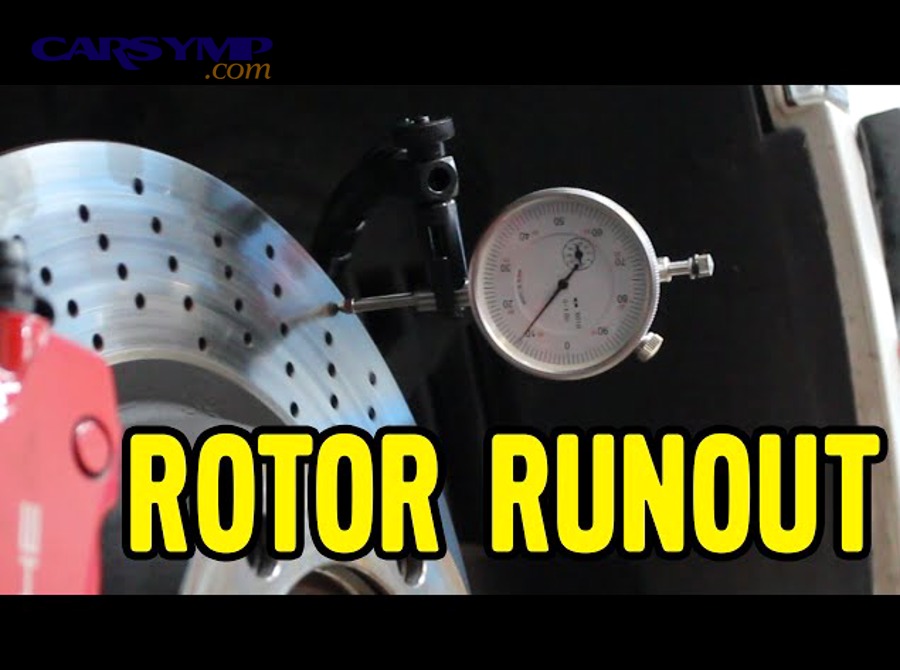
To measure rotor runout correctly, use a dial indicator on a secured hub, rotate the rotor, and compare total indicator reading to a realistic tolerance so you can confirm whether the rotor is actually “warped” or something else is causing pulsation. Beyond the measurement itself, the most common “false positives” come from rust or debris trapped between the rotor and hub, uneven lug torque, or a hub with its own runout—so the process must control those variables before you trust the number.
Daniel James Carter January 20, 2026 at 11:01 AM
Diagnose Brake-Like Vibration from Suspension Parts for Everyday Drivers
Suspension issues that mimic brake vibration are common, especially when the car’s weight shifts forward and small amounts of play become big forces. The goal is to pinpoint whether the shake is coming from moving suspension/steering parts, tires/wheels, or the brake system itself—before you buy parts twice.
Daniel James Carter January 20, 2026 at 10:56 AM
Explain Brake Pad Material Transfer for Drivers: Deposits vs Rotor Warp
Brake pad material transfer explanation starts with a simple truth: most modern disc brakes stop best when a thin, even “transfer layer” of pad material lives on the rotor face. That film is not dirt—it’s part of how friction becomes stable and predictable.
Daniel James Carter January 20, 2026 at 10:49 AM
Diagnose Wheel Lug Torque Issues After Brake Work for Drivers: Over vs Under
Wheel lug torque issues after brake work usually come down to one thing: the wheel was not tightened evenly to the correct specification, so the wheel-to-hub clamp load is wrong and the assembly can shift, distort, or vibrate under braking and cornering. Beyond the immediate shake or noise, torque mistakes can quietly damage studs, warp rotor hat-to-hub contact, and create repeat comebacks that feel like “bad brakes” even when the pads and rotors are fine.
Daniel James Carter January 20, 2026 at 10:41 AM
Diagnose Speed-Specific Vehicle Vibration for Drivers: High vs Low-Speed Clues
Speed range is one of the fastest “filters” for narrowing vibration causes, because different components create shake at different rotational frequencies and loads. If your vibration shows up mostly at highway speeds, you’ll usually chase tires, wheels, and alignment geometry first—then confirm if braking changes the feel.
Daniel James Carter January 20, 2026 at 10:33 AM
Diagnose Warped Rotors vs ABS Activation Pulsation: True vs False
Warped rotors vs ABS activation diagnosis is mostly about pattern : when the pulsation happens, how regular it feels, and what else the car is doing at the same moment. To narrow it down fast, you’ll compare the “repeat rate” of the pulse, the conditions that trigger it, and whether the vehicle behaves like it’s on low traction (ABS) or like it’s being pushed back by a rotating thickness/runout problem (rotor-related).
Daniel James Carter January 20, 2026 at 10:23 AM
Diagnose Vibration When Braking Causes: Brake Shudder vs Smooth Stops
Vibration when braking causes usually trace back to uneven friction surfaces, runout, or looseness somewhere in the wheel–brake–hub stack, and the fastest way to diagnose it is to match the vibration’s “feel” (speed-related, brake-pressure-related, or intermittent) to the component that creates that pattern. Many drivers describe the same symptom as brake shudder , but the root cause can differ depending on whether the shake is felt in the steering wheel, the seat, or the whole body.
Daniel James Carter January 20, 2026 at 10:13 AM
Uncover Hidden Brake Service Extras for Drivers: Sensors and Hardware Add-Ons
Hidden costs like sensors and hardware are the most common reason a “simple brake service” quote grows once the wheels come off—because modern braking systems rely on wear sensors, clips, shims, pins, and fasteners that aren’t always included in the first number you hear. Beyond the parts themselves, many shops follow safety and warranty policies that require replacing certain one-time-use hardware, cleaning and lubricating sliding components, and verifying electronic systems, which can add both parts and labor line items.
Daniel James Carter January 20, 2026 at 10:01 AM
Compare DIY vs Shop Cost for Brake Jobs: Drivers’ Pros and Cons
DIY cost vs shop cost is not just “parts versus labor.” It’s a trade-off between money, time, risk, and the confidence that your brakes will perform the same way every single stop—hot, cold, wet, and on a steep downhill.
Daniel James Carter January 20, 2026 at 9:50 AM
Understand Brake Pad Warranty Coverage for Drivers: Parts vs Labor
Warranty on brake pads and labor is a written promise that defines what’s covered, for how long, and under which conditions if your brake pads (and the work to install them) fail, squeal, wear unusually fast, or trigger a comeback visit. Beyond the fine print, most drivers want to know how to compare warranties between shops and brands, what “lifetime” actually means, and what proof they’ll need if a problem appears months later.
Daniel James Carter January 20, 2026 at 9:38 AM
Build a Brake Job Estimate Checklist for Shoppers: Quote vs Reality
If you’re shopping for brake service, a brake job estimate checklist for shoppers helps you compare quotes fairly, avoid surprise add-ons, and approve only what your car actually needs. Tiếp theo, you’ll learn how to read an estimate like a pro—what line items must be there, which terms are vague on purpose, and how to ask questions that force clear answers.
Daniel James Carter January 20, 2026 at 9:33 AM
Compare Rotor Resurfacing vs Replacement Add-Ons for Brake Shoppers
Rotor resurfacing can reduce your brake job total when the rotors are still within spec, while rotor replacement becomes the safer (and sometimes cheaper-in-the-long-run) choice when thickness, runout, heat damage, or corrosion pushes machining past limits. Beyond that simple choice, the real budget swing comes from add-ons : extra labor steps, shop fees, hardware kits, hub cleaning, caliper slide service, and “while-you’re-in-there” items that appear only after the wheels come off.
Daniel James Carter January 20, 2026 at 9:26 AM
Compare Dealer vs Independent Brake Job Pricing for Everyday Drivers
Dealer vs independent brake job pricing usually differs because the shop “system” is different: labor rates, parts policies, warranty handling, and how the estimate is built—not because one side is always “honest” and the other is always “expensive.” Beyond the headline number, your real cost depends on what’s included (pads only vs pads + rotors, hardware, fluid service, sensors), how the shop bills time, and whether you’re paying for convenience perks or for pure wrench time.
Daniel James Carter January 20, 2026 at 9:17 AM
Compare Costs: Ceramic vs Premium Brake Pads for Budget vs Performance Drivers
Ceramic vs premium pad price comparison comes down to how “premium” is defined, what your vehicle needs, and what you value most: quiet braking, low dust, long life, or peak bite under heat. If your main goal is to control the checkout total, you’ll want to separate pad price from the full brake job and learn which features actually change cost—like coated backing plates, hardware kits, wear sensors, and brand-specific friction blends.
Daniel James Carter January 20, 2026 at 9:07 AM
Decode Labor Cost Drivers & Flat-Rate Time for Drivers vs Hourly Billing
Labor cost drivers and flat-rate time explain why two “same-sounding” repairs can land on very different invoices. In most shops, your bill is shaped by a mix of standardized labor times, the shop’s posted rate, and real-world variables that create extra steps beyond the baseline.
Daniel James Carter January 20, 2026 at 8:59 AM
Compare Brake Job Cost Per Axle vs All Four Wheels
Cost per axle is usually cheaper today, while doing all four wheels often delivers better total value when wear is even, labor overlaps, and you want a single “reset” of braking feel and maintenance timing. Besides the headline price, the best choice depends on what’s actually worn (front vs rear), how soon the other axle will need service, and whether your shop bundles parts, labor, and resurfacing fees into one coherent estimate.
Daniel James Carter January 20, 2026 at 8:49 AM
Estimate & Compare Average Brake Pad Job Price for Drivers: Typical vs Premium
The average price to change brake pads usually lands in a broad “normal” range because parts, labor rates, and how much wear is already present all stack together in predictable ways. If you know what a basic pad swap includes and what it excludes, you can quickly judge whether a quote is fair or inflated.
Daniel James Carter January 20, 2026 at 8:43 AM
Replace or Resurface: When Rotors Need New Pads for Drivers
If your rotors are still within spec, smooth, and stable, you can often change pads without replacing rotors—but certain wear patterns and defects make rotor replacement the safer, quieter, and more durable choice. Besides safety, the real decision is about consistency: even “okay-looking” rotors can create vibration, noise, and uneven bite if thickness, runout, or surface condition isn’t right.
Daniel James Carter January 20, 2026 at 8:26 AM
Diagnose and Fix Squeal After Pad Replacement for Drivers: Causes vs Cures
Squeal after pad replacement is sometimes normal for a short break-in window, but it can also be a precise clue that something in the friction system is vibrating, misaligned, or contaminated. Beyond comfort, the bigger goal is to confirm the noise is harmless and not masking a safety issue like a sticking caliper, rotor runout, or a loose hardware interface.
Daniel James Carter January 20, 2026 at 8:20 AM
Complete How-To DIY Brake Pad Change Steps for Beginners: Swap Synonym
DIY brake pad replacement steps are a practical, how-to process: prepare the right tools, lift the car safely, remove the caliper, install new pads correctly, and verify pedal feel—so you get predictable stopping power without surprises. To go beyond “just swapping parts,” this guide also covers preparation, inspection points, and hardware care that help prevent noise, uneven wear, and a soft pedal after the job.
Daniel James Carter January 20, 2026 at 8:01 AM
Estimate Brake Pad Replacement Cost for Drivers: Front vs Rear Prices
Brake pad replacement cost estimate typically falls into a predictable range, but the “right” number depends on your vehicle, your local labor rates, and whether the job includes additional wear items like rotors or hardware. Besides the total price, most drivers also want to know what they’re actually paying for—parts quality, labor time, shop fees, and the steps that prevent squeaks, vibration, or uneven wear after the service.
Daniel James Carter January 20, 2026 at 7:55 AM
Master the Bedding-in New Brake Pads Procedure for Drivers: Break-In vs Overheat
The bedding-in new brake pads procedure is a controlled set of stops and cool-downs that mates pad material to the rotor so braking becomes predictable , quiet , and consistent instead of grabby or noisy. Beyond “making them work,” the goal is to build an even transfer layer on the rotor face so the pad rubs against its own deposited film, which helps reduce squeal, vibration, and patchy bite.
Daniel James Carter January 20, 2026 at 7:49 AM
Choose Ceramic vs Semi-Metallic Brake Pads for Daily Drivers Alternatives
Ceramic pads tend to be quieter and cleaner, while semi-metallic pads usually deliver stronger high-heat bite—so the “better” choice depends on your driving load, temperature range, and how much noise and dust you’ll tolerate. Beyond comfort, the real decision is about friction behavior: how quickly each compound builds torque when cold, how stable it stays when hot, and how it interacts with your rotor surface over thousands of stops.
Daniel James Carter January 20, 2026 at 7:43 AM
Estimate Brake Pad Replacement Labor Time for Drivers: Front vs Rear
Brake pad replacement labor time is usually short enough for a same-day visit, but the exact minutes depend on your vehicle’s brake design, rust level, and how much inspection or cleanup is needed to restore quiet, even braking. Most drivers want a realistic window they can plan around—drop-off vs wait, front vs rear, one axle vs all four wheels—so you can schedule work, rides, and deadlines without guessing.
Daniel James Carter January 20, 2026 at 7:35 AM
Measure Brake Pad Thickness: DIY How-To for Drivers, Wear vs New
To measure pad thickness correctly, use a simple method in a few steps: identify the friction material, measure at the right spot, compare inner vs outer pads, and interpret the number against safe/soon/replace thresholds. Beyond a single number, the most useful check is consistency—whether both pads on the same wheel wear evenly, and whether the front axle matches the rear for the way you drive and brake.
Daniel James Carter January 20, 2026 at 7:30 AM
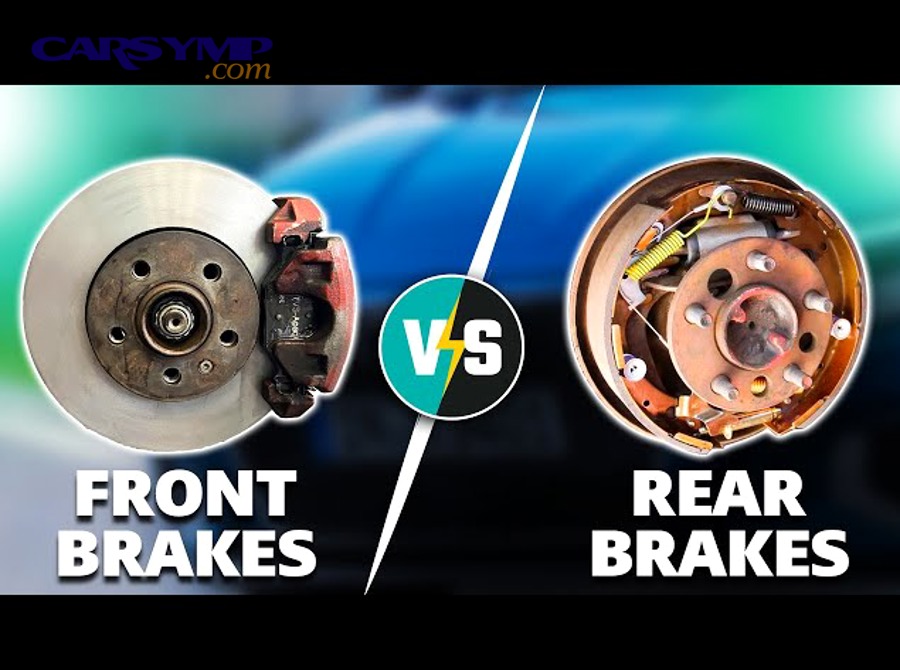
Compare Front vs Rear Brake Pads for Drivers: Key Differences
Front vs rear brake pad differences come down to workload, heat, and control: the front axle usually does more braking, so front pads are often built to handle higher temperatures and faster wear, while rear pads commonly focus on stability, balance, and parking-brake integration. Because the front tires carry more load during braking, the front brake system typically needs more bite and thermal capacity; in contrast, the rear system often “finishes” the stop and helps keep the vehicle settled, especially when weight shifts forward.
Daniel James Carter January 20, 2026 at 7:24 AM
Recognize Brake Pad Wear Symptoms: Warning Signs vs Normal Noise
Brake pad wear symptoms are the real-world signals that your friction material is getting thin, uneven, overheated, or contaminated—often long before the brakes “fail.” If you’re noticing squeal, longer stopping distances, vibration, or a warning light, your car may be telling you the pads are getting close to the end of their usable life.
Daniel James Carter January 20, 2026 at 7:18 AM
Estimate vs Waive: Shop Diagnosis Cost for Brake Noise Drivers
The shop diagnosis cost for brake noise is usually a separate inspection fee, and it exists to pay for the time, test drive, and measurements needed to find the real cause—not just the sound you hear. Most drivers want two things at the same time: a fair price for the diagnostic work and a clear path to reduce that cost if a repair is approved the same day.
Daniel James Carter January 20, 2026 at 7:04 AM
Build a DIY Brake Inspection Checklist for Drivers: Safety Steps (Meronymy)
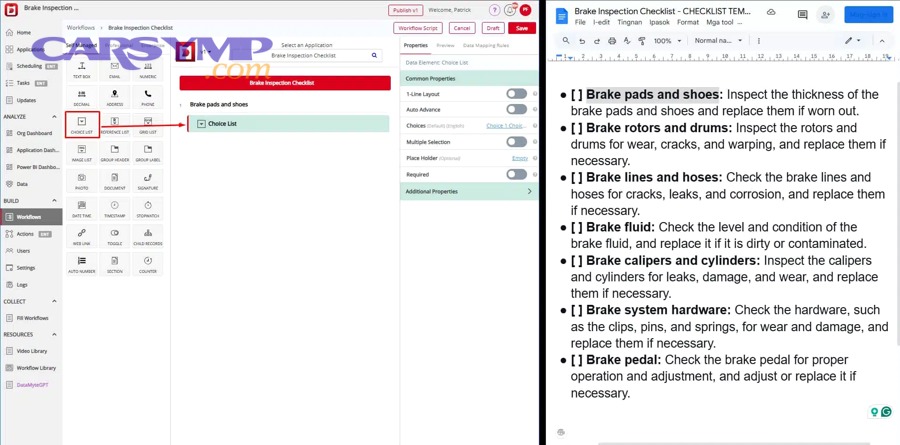
A DIY brake inspection checklist is a step-by-step way to verify your braking system’s most failure-prone parts before they turn into unsafe stopping distances or sudden brake loss. It helps you spot early warning signs—like uneven pad wear, fluid issues, or hardware problems—so you can decide what is safe to monitor and what needs immediate service.
Daniel James Carter January 20, 2026 at 6:58 AM
Decide If Brake Noise Is Unsafe: Red-Flag vs Normal Sounds
When noise means unsafe to drive, the key is not the loudness—it’s the pattern , the feel , and what changes at the same time (pedal travel, steering pull, warning lights, smoke, burning smell). If the noise signals reduced braking control, you should stop driving and arrange a safe recovery.
Daniel James Carter January 20, 2026 at 6:52 AM
How to Inspect Caliper Hardware & Shims for DIYers: Clip vs Shim
Caliper hardware and shims inspection is a practical way to stop recurring brake squeaks, clicks, and uneven pad wear by verifying that every sliding, clamping, and anti-rattle part is clean, seated, and moving as designed. Beyond noise control, this inspection helps you catch early signs of binding (sticking slides, rust-jacked abutments, bent clips) that can overheat a rotor and shorten pad life long before the friction material is “worn out.
Daniel James Carter January 20, 2026 at 6:46 AM
Identify Rotor Noise Causes for Drivers: Warped Rotors vs Grooves
Rotor issues that cause noise usually come from a change in the rotor’s shape, surface, or friction behavior—so the pad no longer glides smoothly and instead vibrates, scrapes, or “talks” through the suspension and cabin. Warped rotors are one of the most searched explanations, but the real culprit is often rotor runout, thickness variation, hot spots, or uneven pad material transfer that makes the braking system oscillate like a speaker.
Daniel James Carter January 20, 2026 at 6:40 AM
Identify Pad Wear Indicator Sounds for Drivers: Squeal vs Grind
Pad wear indicator sound identification is about recognizing a very specific “end-of-pad-life” noise and separating it from all the other brake sounds that can distract you. The goal is simple: you hear a noise, you identify whether it is the wear indicator, and you decide the safest next step without guessing.
Daniel James Carter January 20, 2026 at 6:33 AM
Fix Brake Dust Shield Rubbing (Scraping) for DIY Drivers
If you need a Brake dust shield rubbing fix , the goal is simple: restore a safe, consistent clearance between the thin backing plate and the spinning rotor so the metal-on-metal contact stops immediately and stays gone. Beyond the noise, you also want to confirm you’re not masking a bigger brake issue—because the same “scrape” sound can be mistaken for rotor or pad problems if you skip a quick inspection and clearance check.
Daniel James Carter January 20, 2026 at 6:23 AM
Identify Noise-Only-When-Reversing Causes for Drivers: Normal vs Fault
Noise only when reversing usually points to a “direction-sensitive” contact: a brake pad shifting against hardware, a thin shield brushing the rotor, a parking-brake shoe touching inside the hat, or a suspension joint loading differently when backing up. Many drivers notice it first in tight parking maneuvers—slow speed, light pedal pressure, and steering angle all amplify tiny clearances that stay quiet when driving forward.
Daniel James Carter January 20, 2026 at 6:15 AM
Diagnose Brake Noises for Drivers: Grinding vs Squealing vs Clicking Synonyms
Grinding vs squealing vs clicking diagnosis is mainly about matching the sound to the friction event —and then deciding whether you can keep driving or must stop immediately. Many drivers also want to know what the noise says about wear progression: whether it’s early warning (often squealing), mid-stage interference (often clicking), or late-stage metal-to-metal risk (often grinding).
Daniel James Carter January 20, 2026 at 6:10 AM
Drivers’ Guide: Types of Brake Noises and What They Mean—Squeal vs Grind
Types of brake noises and what they mean usually comes down to where friction is happening , what is moving that shouldn’t , or what is worn past its safe point —and you can often tell which one by the sound, speed, and pedal feel. Beyond comfort, the real goal is to sort “annoying but normal” from “unsafe right now,” so you can decide whether to clean, lubricate, bed-in, adjust, or schedule service before damage spreads.
Daniel James Carter January 20, 2026 at 6:02 AM
Handle Emergency Brake Fluid Loss: Temporary Measures for Drivers, Do’s vs Don’ts
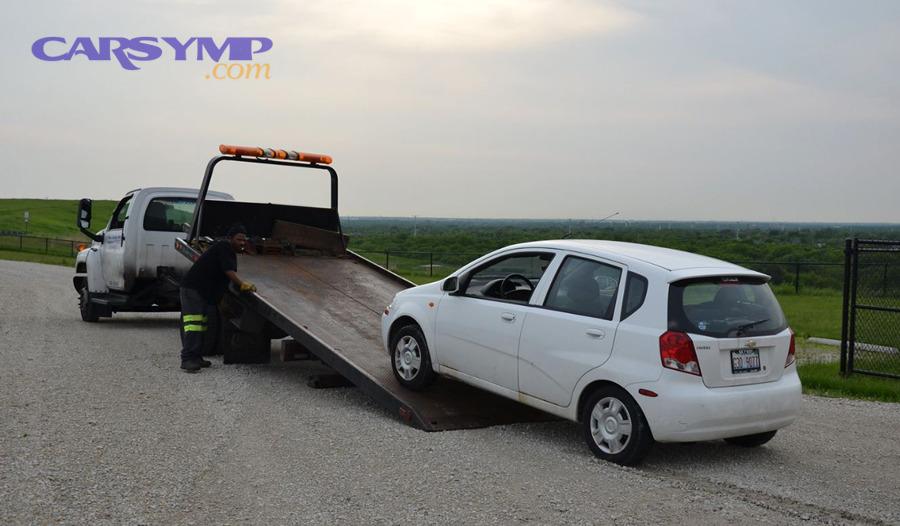
If you suspect brake fluid loss, treat it as an emergency: do not continue normal driving , because hydraulic pressure can drop suddenly and your stopping distance can become unpredictable. Next, your goal is to get the vehicle under control and get to safety —without gambling on “one more mile.
Daniel James Carter January 20, 2026 at 5:45 AM
Handle Brake Warning Light: Steps for Drivers When It’s On, Not Off
If your brake warning light is on, treat it as a safety signal first and a repair problem second: slow down, test braking gently, and get to a safe stop to figure out whether it’s an urgent “stop now” issue or a “drive carefully to service” issue. In many cars, that light can mean anything from the parking brake being slightly applied to a system problem that reduces stopping power, so your next moves should prioritize control, distance, and a safe place to assess what changed.
Daniel James Carter January 20, 2026 at 5:33 AM
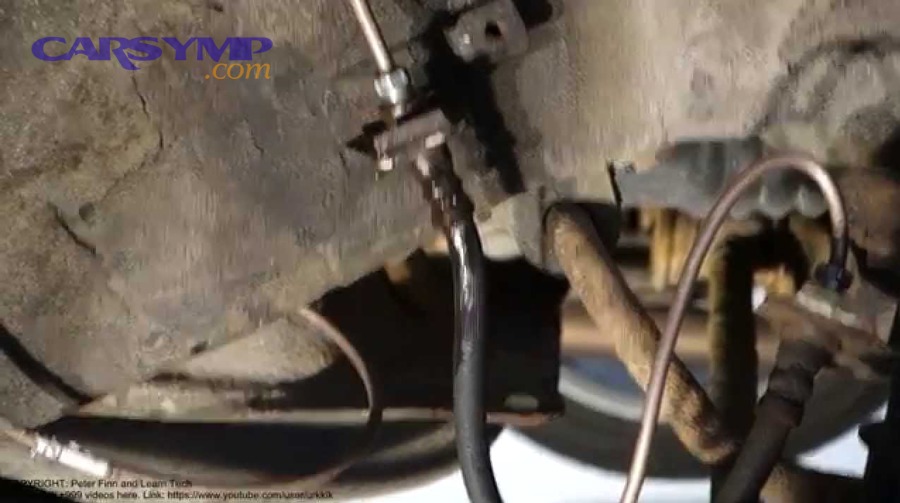
Recognize brake hose leak symptoms for drivers vs brake line issues
Brake hose leak symptoms usually show up as sudden changes in pedal feel, uneven braking, or visible wetness near a wheel—signs that hydraulic pressure is escaping where it shouldn’t. If you suspect a problem, treat it as urgent because braking relies on sealed fluid pressure, not “extra” capacity.
Daniel James Carter January 20, 2026 at 5:22 AM
Identify Master Cylinder Leak Symptoms for Drivers: Early vs Severe Signs
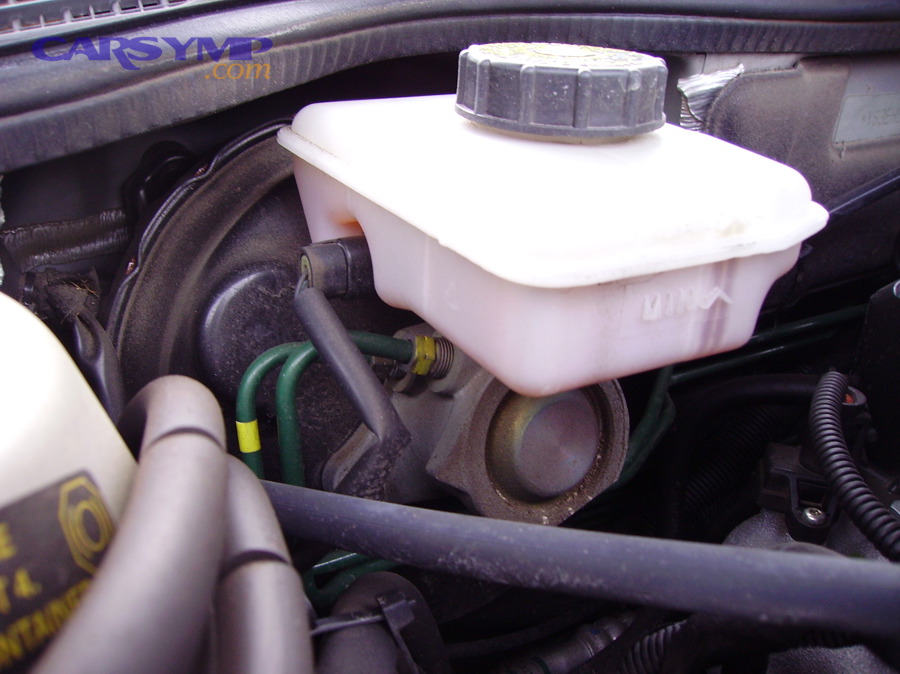
Master cylinder leak symptoms usually show up as a brake pedal that feels wrong, braking response that changes from day to day, or warning signals that appear before you can see any wet spots. The key is understanding which symptoms are “early” (subtle but consistent) and which are “severe” (predicting sudden loss of braking power).
Daniel James Carter January 20, 2026 at 5:17 AM
Prevent & Fix Brake Line Corrosion: Replacement Options for Drivers (Steel vs CuNi)
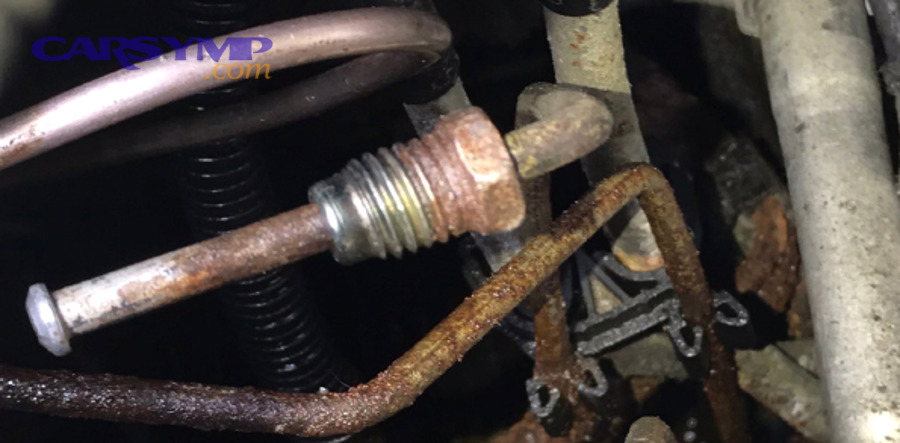
Brake line corrosion can turn a normal stop into a long, scary pedal and a sudden loss of braking power, so the safest approach is to treat rusted hydraulic lines as a high-priority repair—not a “later” maintenance item. Beyond safety, the right replacement strategy can reduce repeat repairs, keep the system sealed under pressure, and minimize future downtime—especially if you drive in salt, humidity, or coastal climates.
Daniel James Carter January 20, 2026 at 5:09 AM
Predict Brake Fluid Leak Repair Cost for Drivers: Pricing Factors, Estimates
A brake fluid leak repair cost estimate is possible, but it’s never one flat number: the final price depends on where the leak is, how accessible the part is, and whether the system needs additional work like bleeding, line replacement, or ABS-safe procedures. Besides the total cost, most drivers also want to know what they’re paying for—parts vs labor, shop fees, and whether the repair is urgent or can wait until a scheduled visit.
Daniel James Carter January 20, 2026 at 5:03 AM
Locate Leaks Fast: How-To Brake Hydraulics for DIYers, Leak vs Seepage
You can find the leak location quickly by combining a fast “zone narrowing” inspection with a clean-trace method: confirm the system type, identify the wettest/most recently active area, then follow the fluid path backward to its highest point. Next, you’ll use simple tools—light, paper/cardboard, and a quick wipe-down—to separate a front vs rear circuit, left vs right wheel, and under-hood vs under-car source without guessing.
Daniel James Carter January 20, 2026 at 4:56 AM
Is It Safe to Drive With a Brake Fluid Leak?
No —you should not drive with a brake fluid leak because it can cause sudden brake failure, increase stopping distance dramatically, and trigger uneven braking that makes the vehicle unstable. Even a “small” leak can become a fast loss of pressure once you press the pedal repeatedly, especially in traffic or downhill braking.
Daniel James Carter January 20, 2026 at 4:50 AM
Pinpoint Leak Diagnosis: Caliper vs Line vs Master Cylinder for Drivers
If you’re dealing with Leak at caliper vs line vs master cylinder diagnosis , the fastest win is to treat it like a location problem first, and a parts problem second: find where pressure is escaping, then match that spot to the component that can fail there. Beyond pinpointing the source, you also need to decide how urgent it is, because a hydraulic leak can turn a normal stop into a long, soft pedal with reduced deceleration—sometimes with little warning if the leak worsens suddenly.
Daniel James Carter January 20, 2026 at 4:45 AM
Spot Brake Fluid Leak Signs and Safety Steps for Drivers: Leak vs No-Leak
A brake fluid leak is a safety-critical issue because the hydraulic system needs sealed pressure to stop the vehicle; when fluid escapes, pedal travel increases, braking force drops, and the failure can accelerate without warning. Beyond spotting the leak itself, most drivers want a clear “stop driving vs drive carefully” decision, plus a fast way to confirm where the leak is coming from.
Daniel James Carter January 20, 2026 at 4:35 AM