Daniel James Carter
Lead Diagnostic Technician & Technical Content Author
Company / Organization
CarSymp
Experience / Skills
Check Engine Light diagnosis (OBD-II); engine performance & ignition/fuel systems; brake service; steering & suspension; AC/heater diagnostics; cooling system service; basic transmission diagnostics; electrical & battery/charging systems; maintenance schedules
About Daniel James Carter
Daniel James Carter (born July 14, 1988) is an Automotive Diagnostic & Repair Technician and the Lead Diagnostic Technician & Technical Content Author for this auto repair website. His work focuses on translating real shop-floor diagnostics into clear, step-by-step guidance for vehicle owners—especially around check-engine issues, climate control problems, brake safety, and steering/suspension wear.\n\nDaniel’s interest in mechanical systems started early, but his professional path became formal in 2006 when he began a structured apprenticeship in general automotive service. Between 2006 and 2008, he worked alongside senior technicians learning foundational skills—oil services, brake inspections, tire work, basic electrical checks, and service documentation. During this period, he also built the habits that still define his process today: verifying the customer’s concern, road-testing when safe, and confirming repairs with repeatable measurements.\n\nIn 2009, Daniel moved into a full-time automotive service technician role, where he handled a higher volume of maintenance and repair work (brakes, cooling systems, belts, ignition components, and driveline basics). By 2012, he shifted toward diagnostics, focusing on OBD-II fault tracing, fuel trim interpretation, misfire detection, smoke-testing intake leaks, and electrical circuit testing using wiring diagrams and voltage-drop methods.\n\nA major milestone came in 2015 when he began pursuing advanced professional credentials through the National Institute for Automotive Service Excellence (ASE). After completing multiple ASE exams and documenting the required hands-on experience, Daniel earned the ASE Master Automobile Technician designation in 2017. He continued building depth in drivability and emissions-related diagnostics and achieved the ASE L1 Advanced Engine Performance Specialist credential in 2019. He maintains his credentialing through ongoing study and periodic recertification, aligning his knowledge with modern engine management systems, updated scan-tool workflows, and evolving diagnostic standards.\n\nFrom 2018 to 2021, Daniel served as a senior technician in a busy service environment where his day-to-day work centered on complex complaints: intermittent stalling, hard starts, rough idle, overheating, vibration under braking, and AC systems that blow warm or smell musty. He became known for careful diagnosis before parts replacement, using a consistent checklist:\n\n\n Confirm the symptom and capture freeze-frame data.\n Test likely causes (air leaks, sensors, ignition, fuel delivery, charging system) with measurable evidence.\n Repair only after the failure is verified and the fix can be validated.\n Validate with a road test, live data review, and final inspection.\n\n\nIn 2022, Daniel began formalizing his field notes into consumer-friendly write-ups and troubleshooting guides. By 2023, he expanded that work into structured content for this website, combining real repair patterns with clear explanations of why failures happen (for example: how moisture and organic buildup can cause musty AC smell, why worn suspension joints can mimic wheel balance issues, or how vacuum leaks and weak ignition coils can trigger persistent misfires).\n\nToday, Daniel’s role on the website is to ensure every guide reflects practical repair reality—tools a shop actually uses, common misdiagnoses to avoid, and safety-first recommendations. He writes with the same standard he uses in the bay: the diagnosis must make sense, the repair must be verifiable, and the timeline from symptom to fix must be clear for the reader.

Related topics
Latest posts by Daniel James Carter


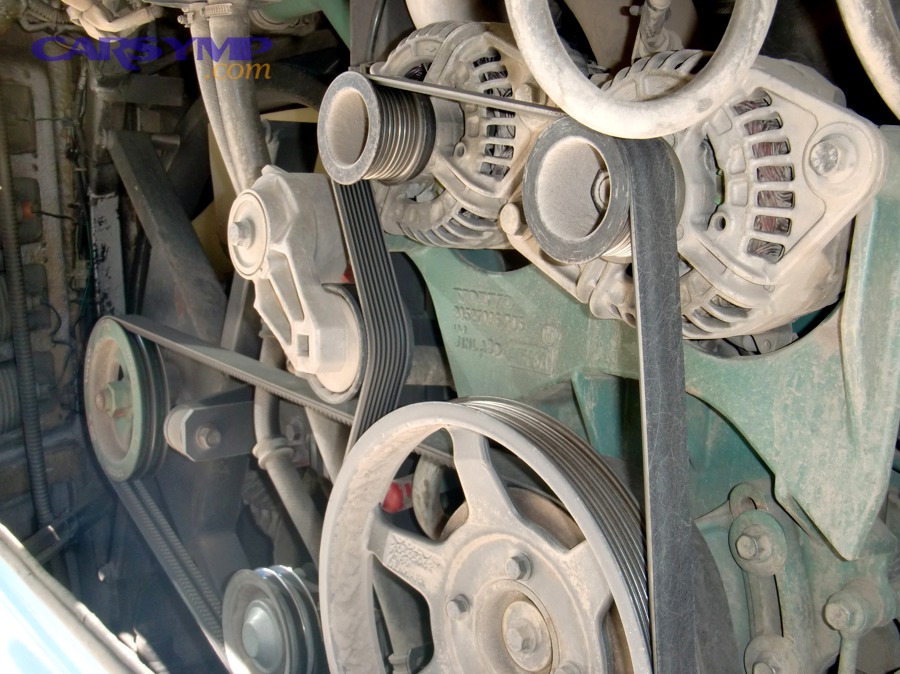
Proven DIY Fixes to Stop Serpentine Belt Squeal for Drivers, Not Myths
DIY fixes that actually work for serpentine belt squeal, chirp, and belt noise If you want DIY fixes that actually work , you need to treat belt noise like a repeatable friction problem: confirm the source, remove the trigger, and verify the result under the same conditions that caused the squeal. To make that practical, this guide shows quick tests you can do in your driveway, plus the few “small” corrections—cleaning, alignment checks, tensioner checks—that stop the noise without guesswork.
Daniel James Carter January 19, 2026 at 5:59 AM
Decide When to Replace Serpentine Belt and Tensioner Together vs Separately
If you want the safest, least “comeback-prone” fix, replace the serpentine belt and belt tensioner together when their wear timelines overlap, when noise/slip symptoms point to low tension, or when you’re already paying labor to access the front-end drive. Beyond simple mileage, the smartest decision comes from what your belt is actually doing—slipping, glazing, rib wear, tracking sideways—and what your tensioner is failing to control: bounce, weak spring force, or pulley bearing roughness.
Daniel James Carter January 19, 2026 at 5:47 AM
Test Pulleys for Bearing Noise: DIY vs Shop Methods for Drivers
You can test pulleys for bearing noise at home by isolating the belt drive, listening for the “signature” of a rough bearing, and confirming it with simple hands-on checks for drag, wobble, and heat. You’ll also learn how to separate harmless belt chirps from true mechanical grinding, so you don’t replace the wrong part or miss a failing accessory.
Daniel James Carter January 19, 2026 at 5:39 AM
Diagnose Wet-Weather Belt Noise for DIY Drivers: Squeal vs Chirp
Wet-weather belt noise diagnosis is usually about one thing: the belt is slipping on a pulley because grip drops when water hits rubber and metal at the wrong time. To narrow it down fast, you’ll focus on where the sound happens (startup, acceleration, steering load, A/C on) and what instantly changes it (load, water mist, temperature, or accessory engagement).
Daniel James Carter January 19, 2026 at 5:29 AM
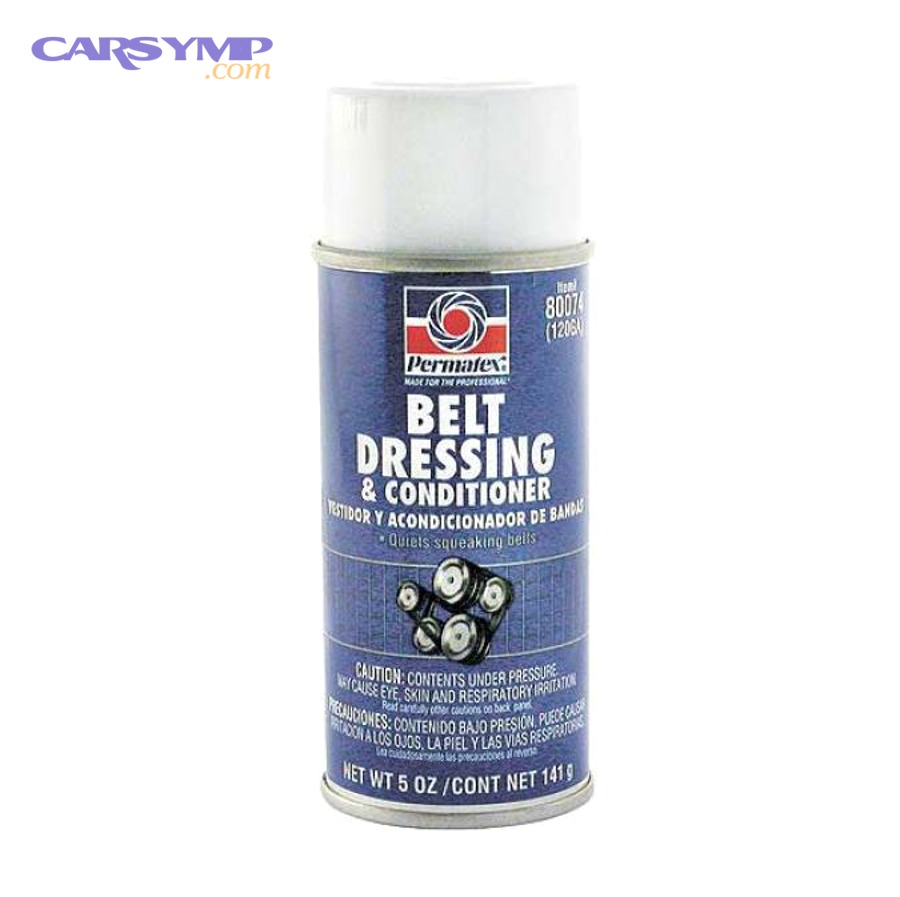
Balance Pros vs Cons of Belt Dressing for DIY Drivers
Belt dressing (often sold as belt spray ) can quiet a squeal quickly, but it’s usually a symptom masker , not a root-cause fix. To decide wisely, you need to separate “temporary traction change” from the real reasons belts make noise: tension, alignment, pulley condition, contamination, and belt material.
Daniel James Carter January 19, 2026 at 5:20 AM
Diagnose Squeal Clues: Startup vs Turning Belt-Pulley Noise
A squeal that shows up only on startup tells a different story than a squeal that appears mainly when turning , even if both sound like the same high-pitched chirp. The key is to treat the noise like a clue: when it happens, how long it lasts, and what changes it.
Daniel James Carter January 19, 2026 at 5:10 AM
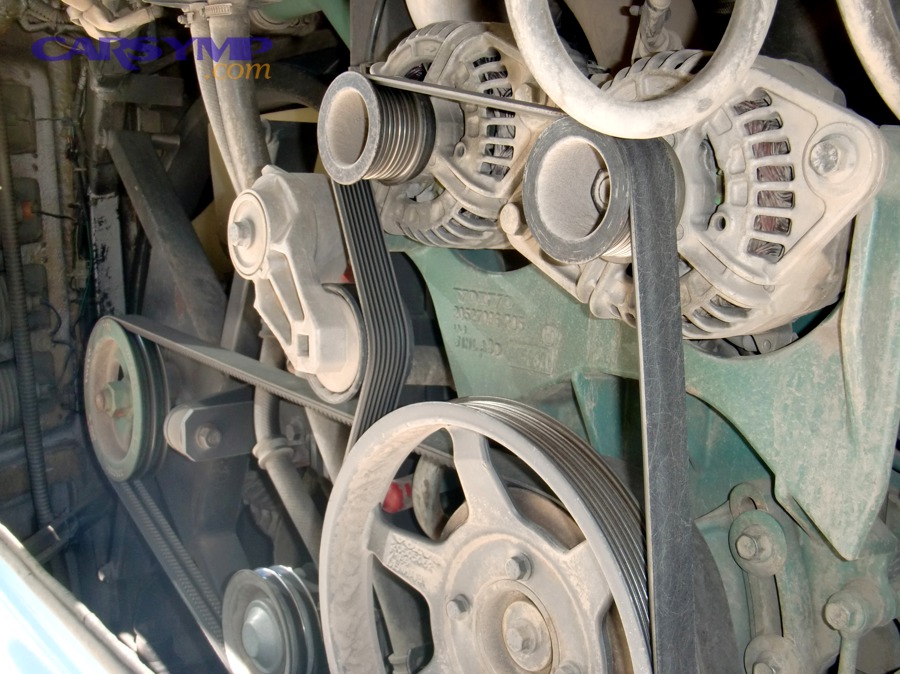
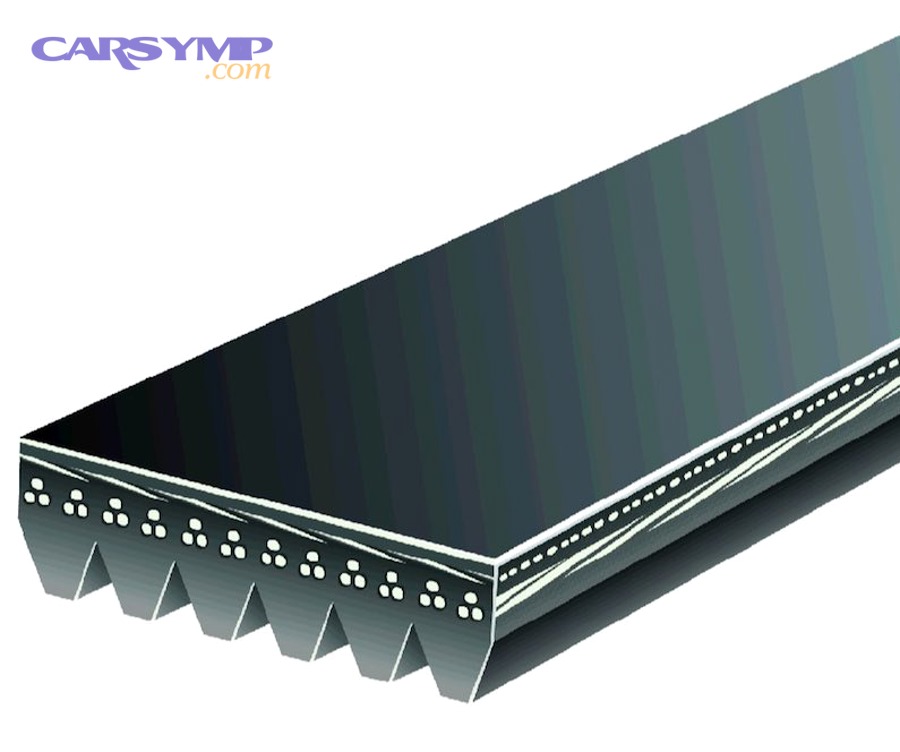
How to Inspect Serpentine Drive-Belt Wear & Glazing for DIY Drivers
To inspect belt wear and glazing correctly, focus on three things: the belt’s rib shape (material loss), the belt’s edges and back side (polish/shine), and the way the belt sits and tracks across pulleys. Beyond the belt itself, you’ll also learn how to spot the hidden “system” causes that make a good belt look bad—misalignment, failing bearings, weak spring tension, and contamination that changes friction.
Daniel James Carter January 19, 2026 at 5:02 AM
Diagnose Belt Tensioner vs Idler Pulley for DIY Drivers
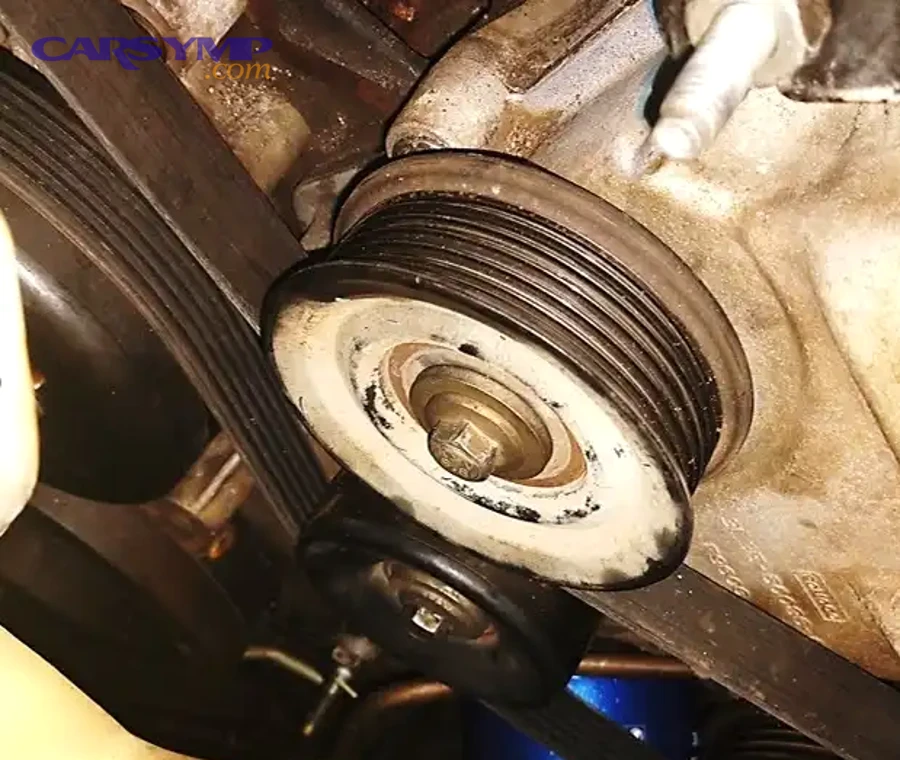
A failing belt tensioner usually creates unstable belt control (flutter, sudden chirps, uneven tracking), while a worn idler pulley most often reveals itself as a steady bearing noise and rough spin—even if the belt still looks fine. To narrow it down quickly, you’ll compare what changes under load, what changes with speed, and what you can feel by hand when the belt is off—because tension control problems and bearing problems leave different fingerprints.
Daniel James Carter January 19, 2026 at 4:53 AM
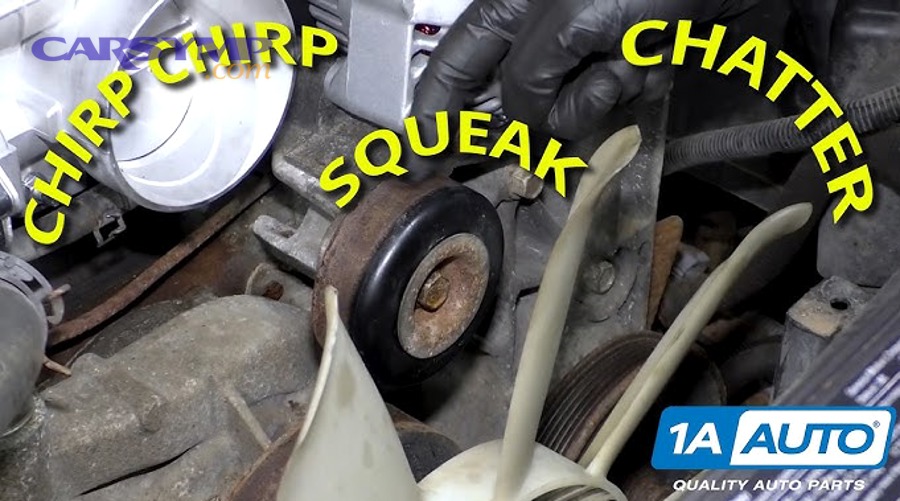
Diagnose Serpentine Belt Squeal Causes for Drivers: Slip vs Grip
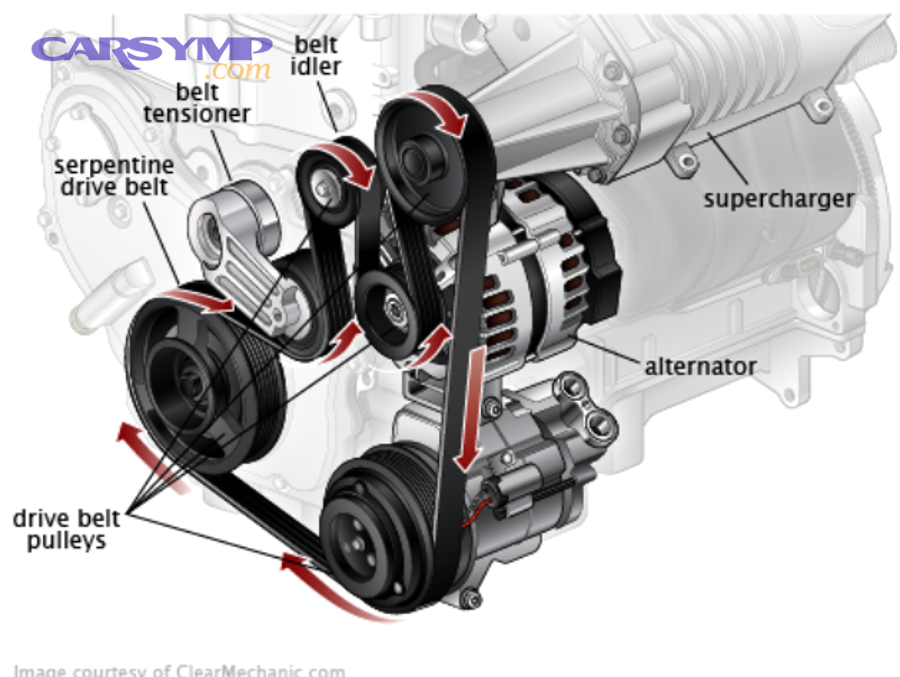
A serpentine belt squeal is almost never “just an annoying sound”—it’s a warning that friction is happening in the wrong way: the belt is slipping, scrubbing, or vibrating against a pulley surface instead of transferring torque cleanly. If you’re dealing with belt squeaking , the goal is to identify whether the noise is coming from the belt-to-pulley interface (slip/chirp) or from a rotating component (bearing grind/whirr), because the fixes are completely different.
Daniel James Carter January 19, 2026 at 4:41 AM
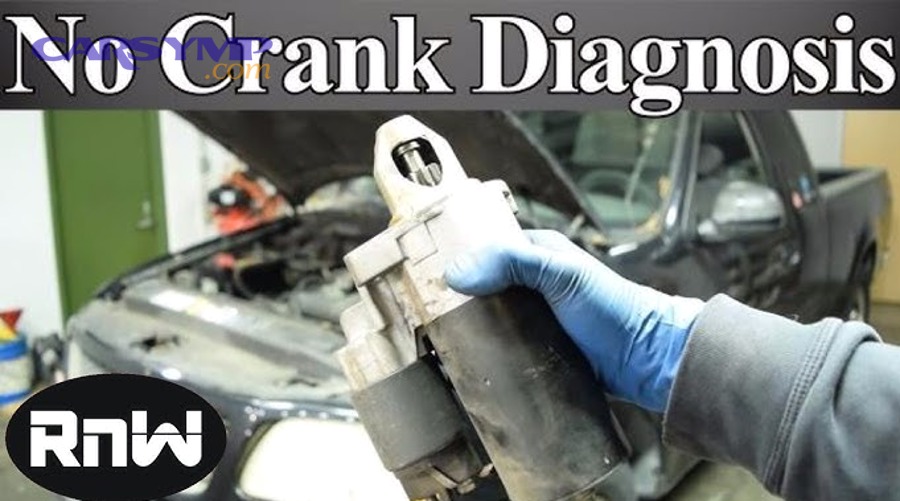
Fix No-Start After Battery Replacement: Quick vs Hidden Causes
If your car won’t start right after a new battery install, the fix is usually simple: a loose connection, reversed terminals, or a security/immobilizer lockout—not the new battery itself. The fastest way to troubleshoot is to match the symptom (no crank, clicks, crank-but-no-start, or dead dash) to a short checklist that verifies power delivery, ground integrity, and control-system enable signals.
Daniel James Carter January 19, 2026 at 4:19 AM
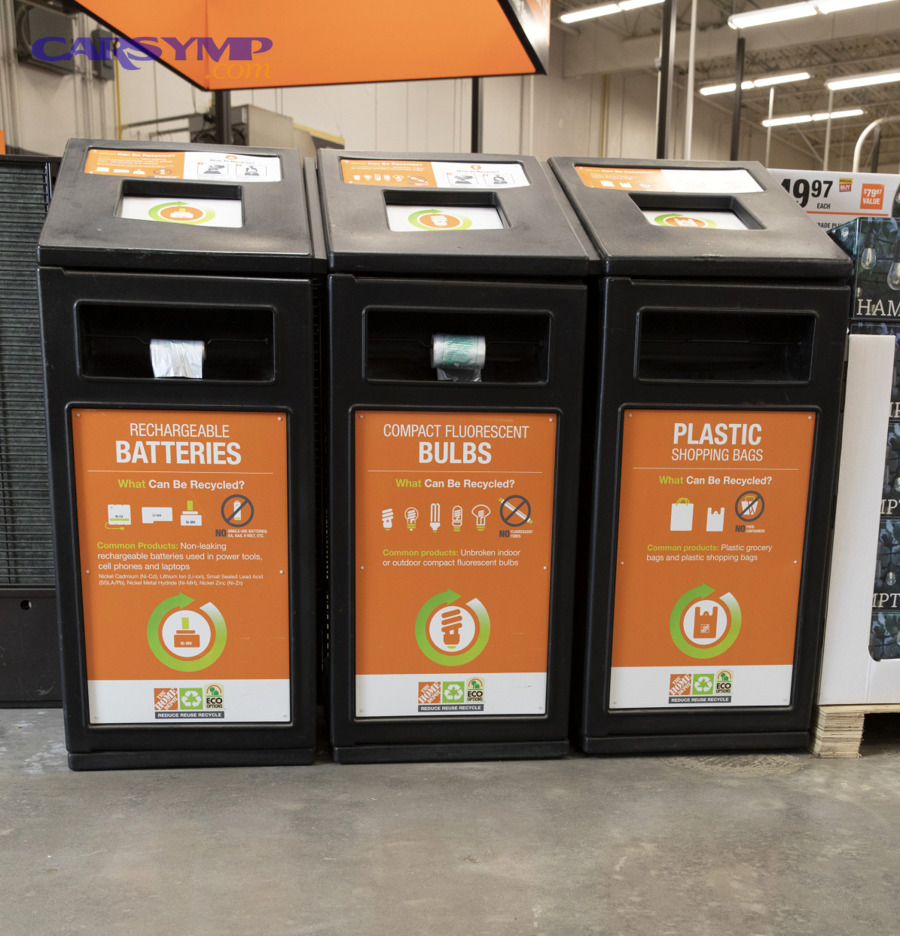
Safely Recycle Old Batteries: Disposal vs Reuse Guide for Drivers & Homeowners
Recycling and disposal of old batteries is safest when you match the battery’s chemistry to the right drop-off path, then prepare it to prevent leaks, sparks, or fires. Beyond “where do I take it?
Daniel James Carter January 19, 2026 at 4:08 AM
Estimate car battery replacement cost for drivers: price vs savings
Battery replacement cost estimate A practical cost estimate for a car battery job is not just “the battery price.” It’s the total out-the-door number: battery type + any fees + labor (if you’re not doing it yourself) + the small extras that quietly inflate the bill.
Daniel James Carter January 19, 2026 at 3:55 AM
Estimate Car Battery Lifespan for Drivers: Typical vs Shortened Years
A typical car battery should last about 3–5 years in everyday driving, but the real answer depends on climate, driving patterns, vehicle electronics, and battery type. Next, we’ll break down what “normal lifespan” looks like by region and usage so you can set realistic expectations instead of guessing.
Daniel James Carter January 19, 2026 at 3:44 AM
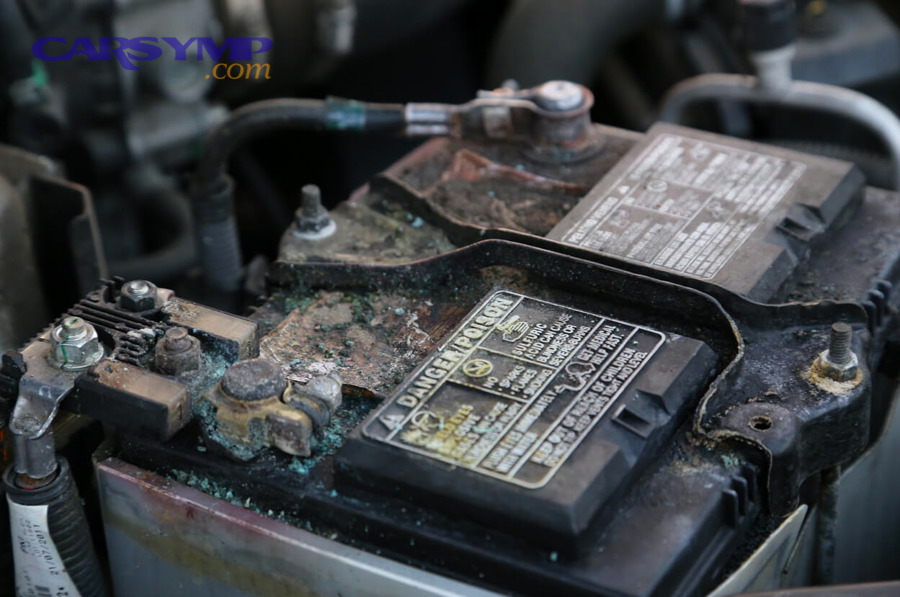
Clean battery terminals safely for DIY car owners: corrosion vs protection
Battery terminal cleaning is a fast, practical way to restore strong starting power because it removes the crusty corrosion that steals voltage right where your car needs it most: the connection between the battery posts and cable clamps. Besides fixing today’s weak connection, you also want anti-corrosion habits that stop the white/blue buildup from coming back, especially if you drive in heat, humidity, or winter road salt.
Daniel James Carter January 19, 2026 at 3:35 AM
Register New Batteries: Battery Coding for Modern Drivers vs Older Cars
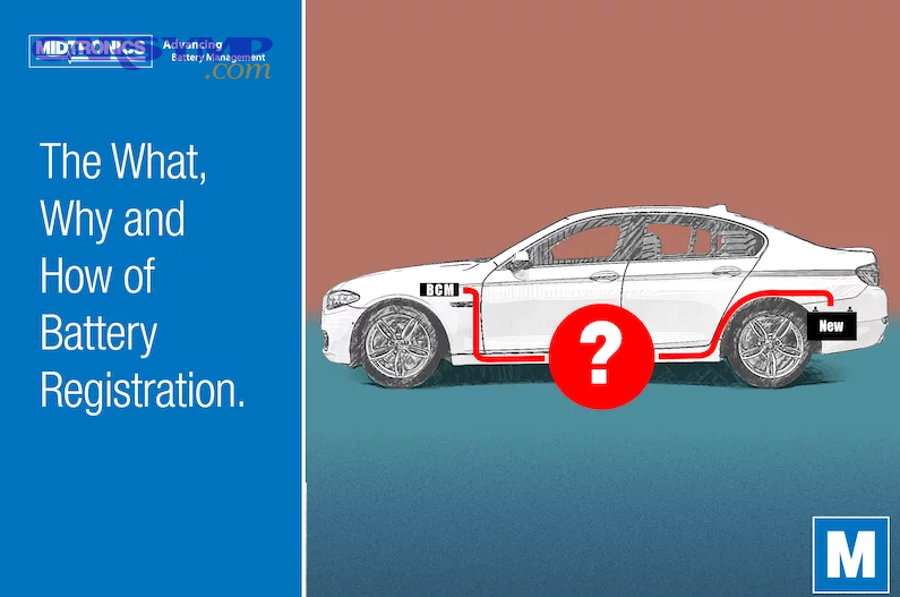
Registering a new battery on modern cars is a how-to procedure that “introduces” the fresh battery to the vehicle’s Battery Management System so charging behavior resets to new-battery assumptions, especially on start-stop and sensor-managed electrical systems. In practice, it’s often called battery coding , even when the job is simply a registration/reset.
Daniel James Carter January 19, 2026 at 3:23 AM
Replace Safely: How-To Car Battery Steps for DIY Drivers, Start vs No-Start
Replacing a car battery is safe and DIY-friendly when you control sparks, protect your eyes and skin, and install the correct battery type and size for your vehicle. Done right, you avoid damage to electronics, prevent acid injuries, and restore reliable starting power.
Daniel James Carter January 19, 2026 at 3:14 AM
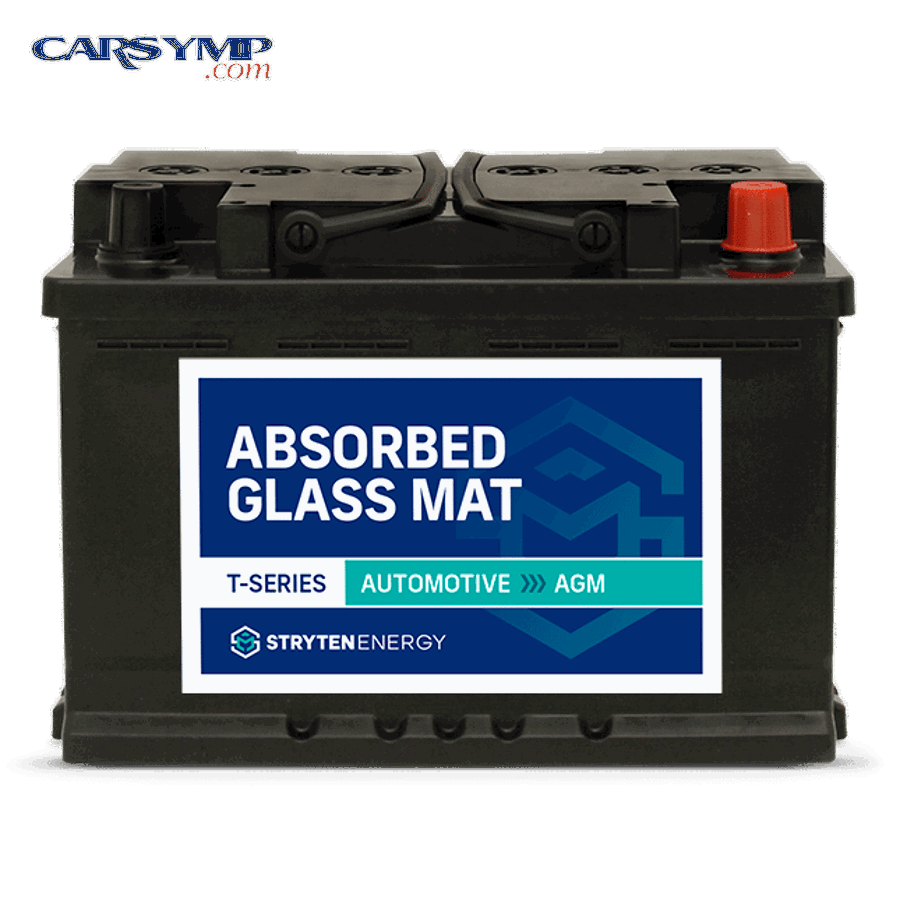
Compare AGM vs Flooded Car Batteries for Drivers: Sealed vs Vented
AGM batteries excel at high-demand cycling, faster recovery, and vibration resistance, while flooded lead-acid batteries win on upfront affordability and broad serviceability—so the “better” choice depends on your vehicle’s electrical load and how you drive. To decide confidently, you need to compare construction (electrolyte handling), real-world starting behavior, charge acceptance, and what happens in heat, cold, short trips, and stop-start traffic.
Daniel James Carter January 19, 2026 at 3:02 AM
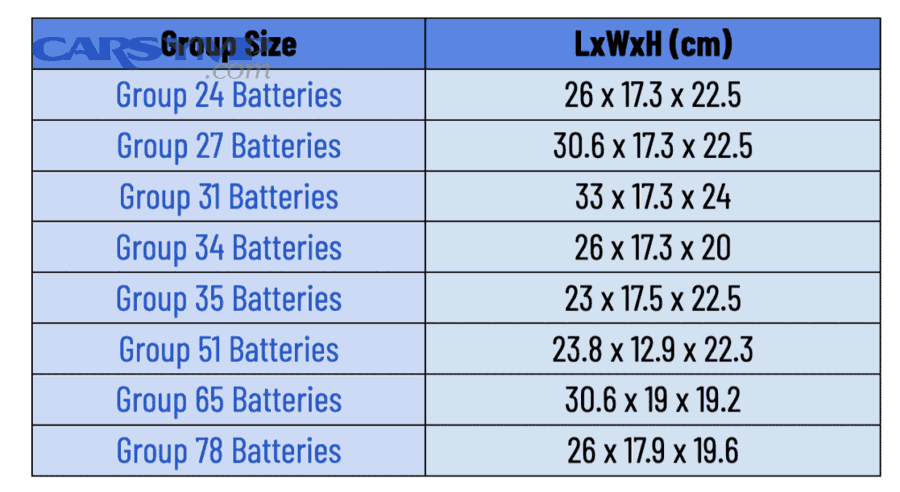
Choose Battery Group Size for Your Car: Fit vs Misfit
The right battery group size is the one that physically fits your battery tray, matches your terminal layout, and meets your vehicle’s starting and accessory demands—without forcing cables, hold-downs, or covers. Beyond fitment, you also want enough cold cranking power and reserve capacity for your climate and driving habits, because “almost fits” can turn into hard-start mornings and repeated no-starts.
Daniel James Carter January 19, 2026 at 2:51 AM
Spot Failing vs Healthy Car Battery Signs for Drivers
If your car feels “off” at startup—slow cranking, clicking, flickering lights—those are classic signs you need a new car battery, not just random glitches. The key is spotting patterns that point to a battery losing its ability to deliver high starting current, even when it still shows some voltage.
Daniel James Carter January 19, 2026 at 2:40 AM
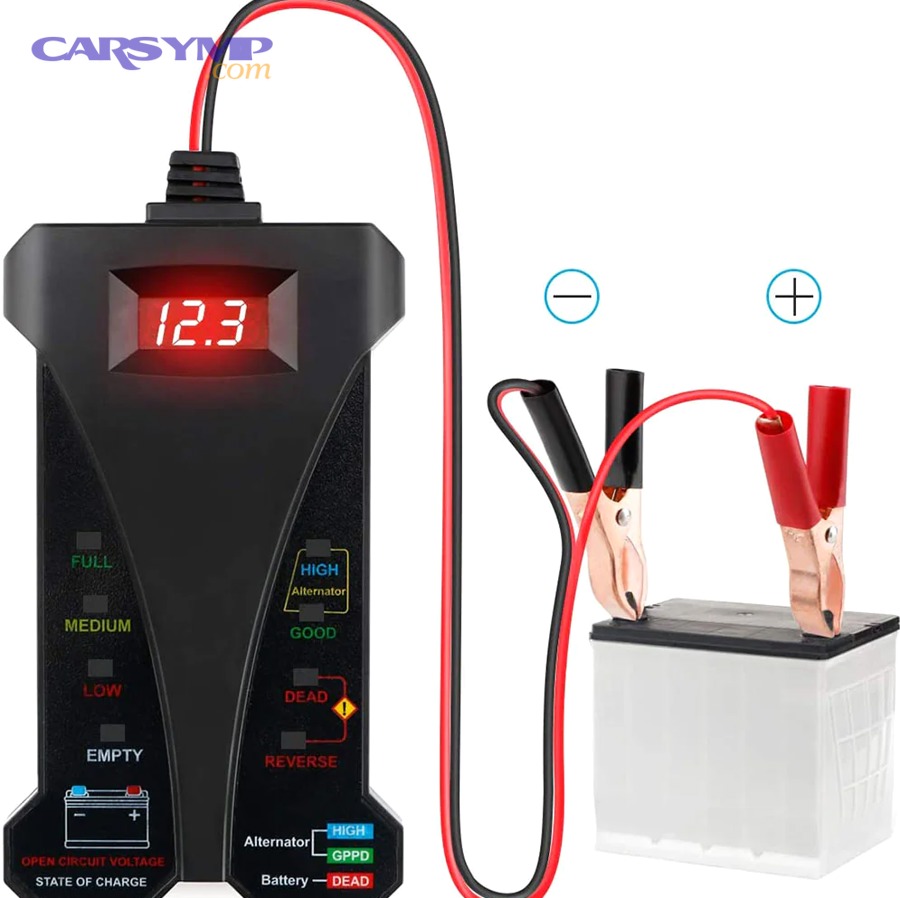
Diagnose How-To Home Battery Charging Tests for DIY Drivers vs Shops
Testing your battery and charging system at home is a practical how-to that uses a few simple checks—resting voltage, cranking voltage, charging voltage, and voltage drop—to pinpoint whether the battery, alternator, cables, or an electrical drain is actually at fault. Beyond the “does it start today?
Daniel James Carter January 19, 2026 at 2:14 AM
Diagnose why a car battery dies after days: dead vs healthy drivers
A car battery that “dies” after sitting a few days is almost never random; it’s usually a predictable loss of usable capacity caused by an abnormal key-off drain, a weakened battery, or a charge deficit that never gets fully recovered. To narrow it down, you need to separate three look-alike problems: energy leaving the battery while parked, energy never fully returning after driving, and a battery that cannot hold energy even when charged.
Daniel James Carter January 19, 2026 at 2:06 AM
Know When to Replace Battery Cables for Drivers: Repair vs Replace
Replace battery cables when corrosion, looseness, frayed strands, swollen insulation, or voltage-drop testing proves the cable can’t deliver starter current reliably. You can confirm the decision with fast checks—visual inspection, wiggle tests, heat checks, and a simple multimeter voltage-drop test during cranking.
Daniel James Carter January 19, 2026 at 1:53 AM
Safely Jump-Start a Car: Step-by-Step Guide for Drivers (Tow-Free Alternative)
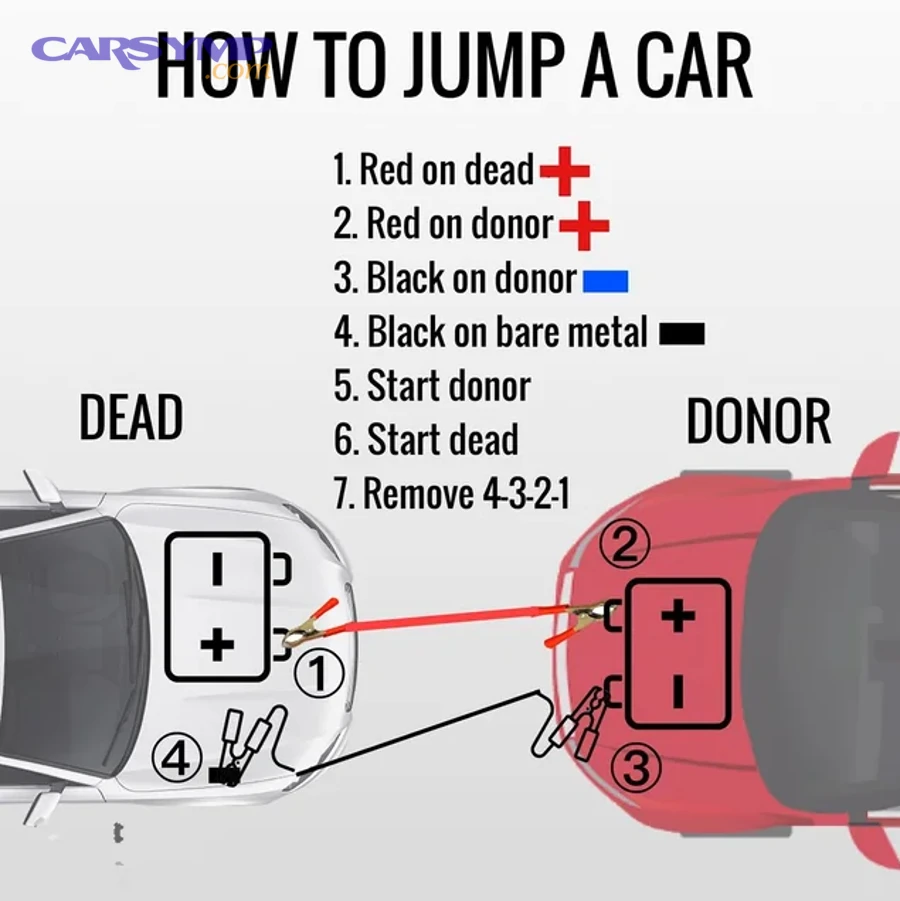
A safe jump-start is a controlled process: you connect in the correct order, minimize sparks near the battery, start the vehicles the right way, and then verify the charging system so the problem doesn’t immediately come back. After you get the engine running, the next priority is to keep it running and confirm whether the battery was simply discharged or whether the alternator, cables, or a hidden electrical draw caused the failure.
Daniel James Carter January 19, 2026 at 1:45 AM
Explain Cold-Weather Battery Drain for Drivers: Causes vs Symptoms
Cold weather makes car batteries feel “weaker” because it slows the battery’s chemistry while simultaneously demanding more power from the engine and electrical system. That mismatch is the simplest explanation for winter drain and no-start mornings.
Daniel James Carter January 19, 2026 at 1:36 AM
Diagnose bad battery cell vs weak charging for drivers: causes vs symptoms
A bad battery cell and a weak charging system can feel identical at the key moment: the engine cranks slowly, clicks, or won’t start. The difference is that a bad cell is an internal battery failure that can’t be “charged back,” while weak charging is an external supply problem that often shows up after driving, at idle, or under electrical load.
Daniel James Carter January 19, 2026 at 1:25 AM
Diagnose Corroded Terminals & Bad Grounds: Symptoms vs Normal Starts
Corroded battery terminals and weak grounds can absolutely cause hard starting, random warning lights, slow cranking, and “no-start” moments—often without a truly bad battery. To make the problem actionable, this guide breaks symptoms into what you can feel (start behavior, lights, electronics), what you can see (powdery buildup, loose clamps, frayed straps), and what you can confirm (quick voltage-drop checks).
Daniel James Carter January 19, 2026 at 1:15 AM
Fix short-trip battery charging issues for commuters: charge vs drain
Short, stop-and-go commutes can leave a healthy-looking car feeling unreliable because the battery never gets a true “catch-up” recharge after each start. The result is familiar: weak cranking, dim lights, and a no-start on the one morning you’re already late.
Daniel James Carter January 19, 2026 at 12:55 AM
Diagnose Alternator vs Battery vs Parasitic Draw Checklist for Drivers
If your car won’t start, the fastest fix isn’t guessing—it’s separating three look-alike problems: a weak battery , a weak alternator , or a key-off parasitic draw . This guide gives a practical checklist to identify which one is actually at fault, using clear symptoms, quick measurements, and a simple decision tree.
Daniel James Carter January 19, 2026 at 12:45 AM
Find Causes of Repeat Battery Failure After Replacement: Drain vs Charge
If your car’s battery dies again soon after you replace it, the new battery is usually not the root cause—it’s the “environment” it lives in: charging, connections, or something drawing power when the car is off. Most drivers want two answers: what’s most likely causing it, and what quick checks can separate a simple fix (dirty terminals) from a deeper electrical problem (parasitic draw or charging faults).
Daniel James Carter January 19, 2026 at 12:34 AM
Prevent Future Battery Drain: How-To Protection for Everyday Drivers
To prevent future battery drain, you need a repeatable routine: reduce “key-off” power use, make sure the car actually goes to sleep, and keep the charging system healthy so the battery starts each night at the right state of charge. Next, you’ll learn practical habits that stop small, everyday loads—chargers, dash cams, interior lights, short trips—from quietly stacking up until the car won’t crank.
Daniel James Carter January 19, 2026 at 12:15 AM
Estimate Shop Diagnostic Cost for Battery Drain for Drivers: Fees vs Repairs
The typical shop diagnostic cost for battery drain is usually priced as a flat diagnostic fee (often equal to one hour of labor) or as billed diagnostic time, because finding an electrical draw can be quick—or it can take hours depending on how the fault behaves. To understand what you’ll pay, you need to know what the shop is actually doing during diagnosis: verifying the complaint, measuring key-off current draw, waiting for modules to “sleep,” isolating circuits, and confirming the root cause before replacing parts.
Daniel James Carter January 19, 2026 at 12:05 AM
Isolate Parasitic Draw Circuits: Fuse-by-Fuse Method for DIY Drivers
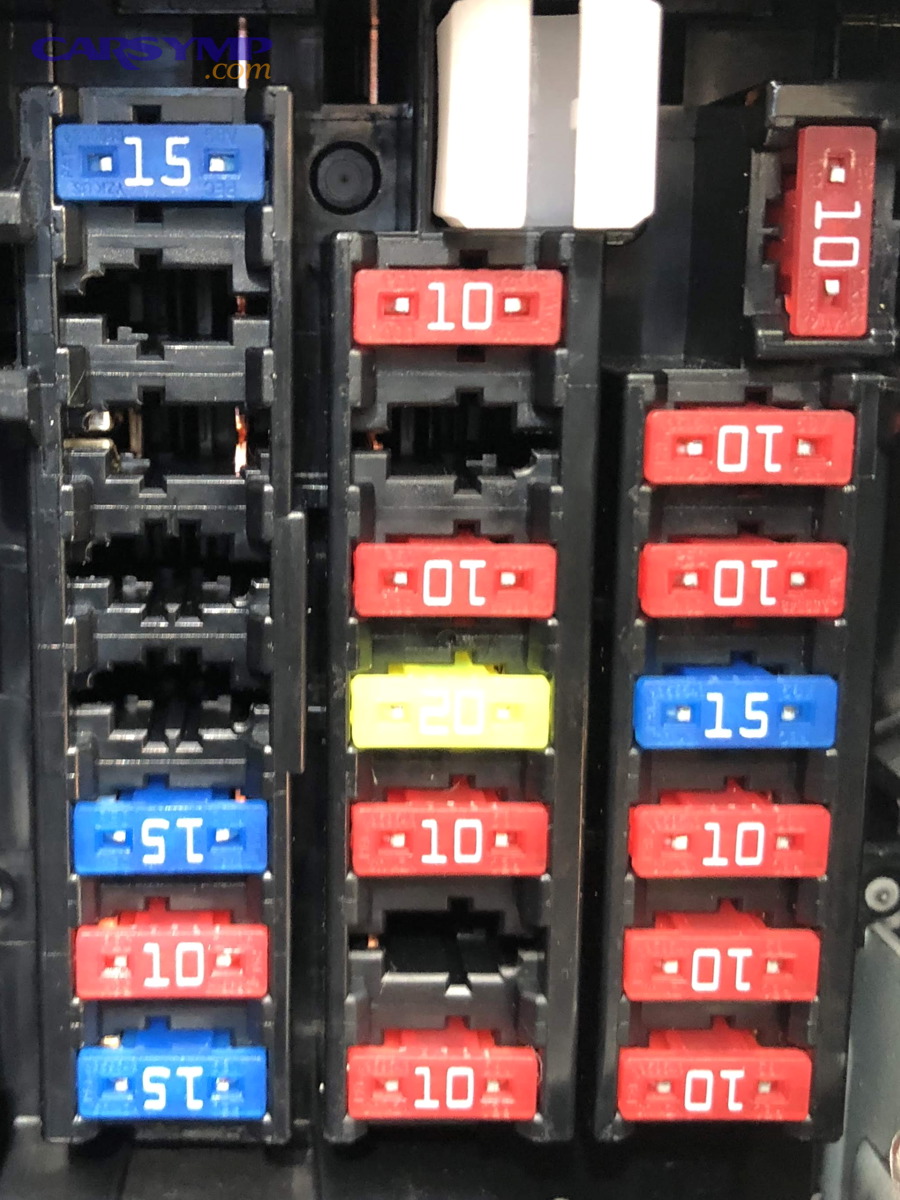
Fuse pull method to isolate the circuit, parasitic draw test, fuse box, multimeter amps, circuit isolation, current draw The fuse-by-fuse method isolates the exact electrical branch that’s draining a vehicle battery by pulling one fuse at a time while watching a live current reading, so you can move from “mystery drain” to a named circuit. Next, you’ll learn how to prepare the vehicle so modules go to sleep, how to connect a meter safely without blowing its fuse, and how to pull fuses in a way that doesn’t keep waking the car up.
Daniel James Carter January 18, 2026 at 11:55 PM
Fix Battery Drain After New Battery Install: Parasitic Draw Guide for Drivers
If your car keeps going dead right after you installed a new battery, the battery is usually not the real “problem”—it’s the messenger. In most cases, something is either drawing power when the car is off, or the battery is not being fully recharged after each drive.
Daniel James Carter January 18, 2026 at 11:44 PM
Diagnose Infotainment Module Sleep Issues for Drivers: Parasitic-Draw vs Normal
Infotainment and module sleep issues happen when the car’s electronics don’t fully “power down” after you shut the vehicle off, so they keep sipping electricity and can leave you with a dead battery. After that, the practical goal is to figure out whether you’re seeing normal post-shutdown activity or a true “stays-awake” problem driven by infotainment, telematics, or a network wake-up.
Daniel James Carter January 18, 2026 at 11:35 PM
Diagnose and fix bad door switch interior-light drain for drivers, door-ajar
A bad door switch can keep your interior lights (or “courtesy” lights) alive when you think the car is fully off, slowly draining the battery until you wake up to a no-start situation. To confirm it, you’ll look for a door-ajar signal that never goes “closed,” then measure key-off current draw and isolate the lighting/BCM circuit that refuses to sleep.
Daniel James Carter January 18, 2026 at 11:18 PM
Spot Alternator Diode Drain Symptoms: Battery vs Charging Clues
Alternator diode drain symptoms usually show up as a “good battery that keeps dying,” especially after the car sits overnight or for a day or two. The root issue is a leaking diode inside the alternator that quietly pulls current when the engine is off, so the battery is drained before you even turn the key.
Daniel James Carter January 18, 2026 at 11:08 PM
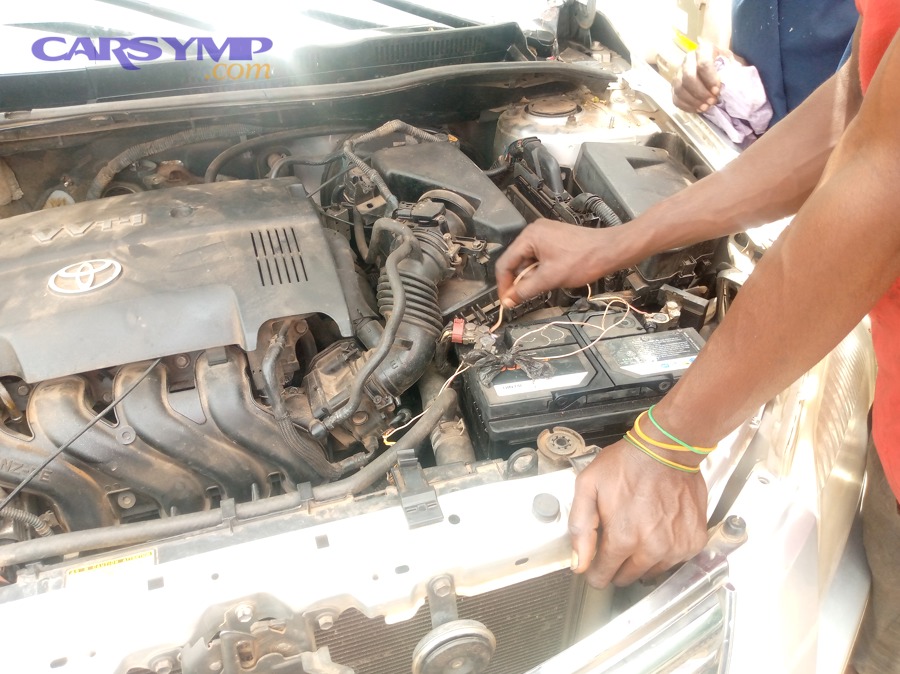
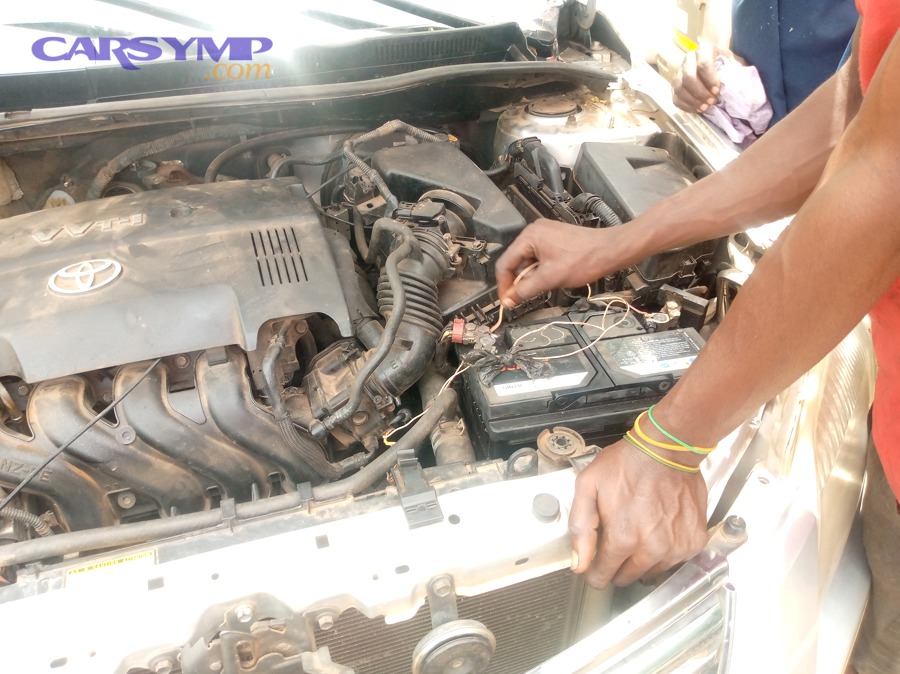
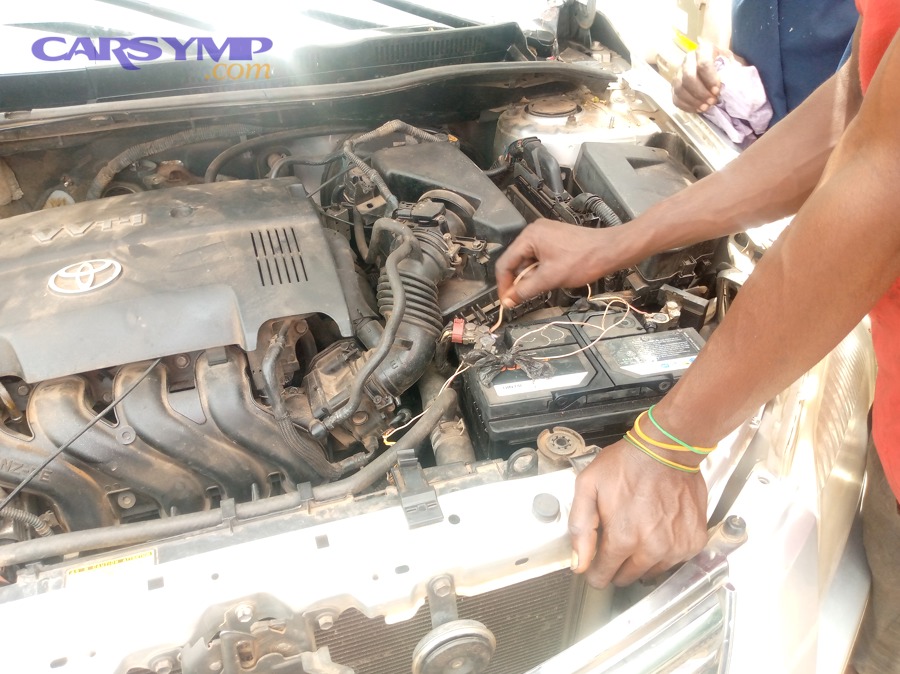
Find Parasitic Battery Draws with a Multimeter: DIY Driver How-To
A parasitic draw test is the most direct way to catch hidden battery drain when a car sits overnight and won’t start in the morning. Beyond confirming the problem, you’ll learn how to measure current safely, wait for electronics to “sleep,” and read the number in a way that actually points to a culprit.
Daniel James Carter January 18, 2026 at 10:59 PM
Identify Overnight Battery Drain Causes for Drivers: Parasitic Draw vs Normal
Overnight battery drain usually means your vehicle loses enough charge while parked (often 8–12 hours) that it cranks slowly, won’t start, or triggers low-voltage glitches. In plain terms, something is consuming power when it shouldn’t—or the battery can’t store what it should.
Daniel James Carter January 18, 2026 at 10:49 PM
Diagnose Parasitic Draw Step-by-Step: Parasitic Drain Test for Drivers
A parasitic draw test step-by-step is the most reliable way to find what’s draining your car battery when the vehicle is “off,” because it measures the real electrical load after the car’s computers go to sleep. Next, this guide shows a practical parasitic drain test workflow that helps you confirm whether the drain is normal or excessive, then narrow it down to a circuit, and finally to a specific component.
Daniel James Carter January 18, 2026 at 10:39 PM
basic car maintenance checklist
Download Printable Maintenance Checklist for Drivers: Essential vs Optional Tasks
A printable maintenance checklist for drivers is a practical, step-by-step tool that helps you keep your car safe, reliable, and less expensive to own by turning “what to check” into a repeatable routine you can follow anytime. To go further than quick reminders, this guide shows how to build a driver-friendly checklist that matches real-life driving patterns—commuting, short trips, highway miles, and long parking periods—so you don’t miss the small items that become big repairs.
Daniel James Carter January 18, 2026 at 10:18 PM
basic car maintenance checklist
Spot Urgent Warning Signs Needing Immediate Service for Drivers, Not Routine
If your car shows certain warning signs, the safest move is immediate service —not “one more mile,” not “I’ll check it later.” These signs usually point to conditions that can escalate from a small fault to engine damage, brake failure, fire risk, or loss of control in minutes.
Daniel James Carter January 18, 2026 at 10:09 PM
basic car maintenance checklist
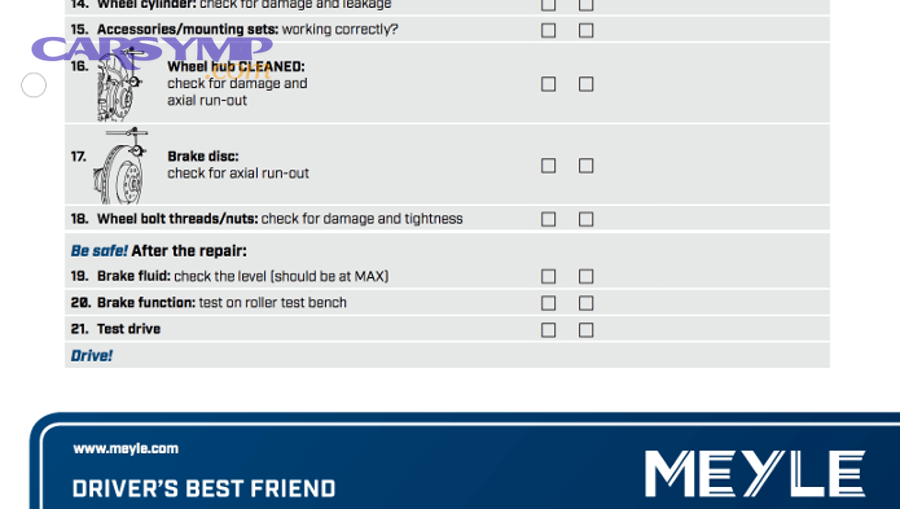
DIY How-To Brake Inspection Checklist at Home for Drivers: Pads vs Rotors
A home brake inspection can be safe, quick, and surprisingly revealing if you follow a structured checklist and know what “normal” looks, sounds, and feels like. Beyond a visual look, this guide helps you confirm brake performance with simple tests you can do in your driveway and on a short, low-speed loop.
Daniel James Carter January 18, 2026 at 9:52 PM
basic car maintenance checklist
Prevent no-starts vs reliable starts: quick battery and electrical checks for drivers
Battery and electrical quick checks are fast, high-impact habits that help you avoid surprise no-starts, dim lights, and “random” warning messages—often in under ten minutes with basic tools and good observation. Beyond starting reliability, these checks also improve day-to-day confidence: you’ll know whether a slow crank is a weak battery, a charging issue, or simply a dirty connection before you spend money or get stranded.
Daniel James Carter January 18, 2026 at 9:41 PM
basic car maintenance checklist
Build a Tire Care Checklist for Drivers with Tire Inspection Essentials
A tire care checklist is a practical, repeatable way to confirm your tires are safe, efficient, and predictable before and during everyday driving. It focuses on the few high-impact items that most often trigger handling problems, blowouts, and unexpected wear.
Daniel James Carter January 18, 2026 at 9:31 PM
basic car maintenance checklist
Master a Fluid Check Checklist for Beginners: DIY Inspection vs Neglect
A fluid check checklist for beginners is a simple, repeatable way to inspect key vehicle fluids (oil, coolant, brake fluid, and more) so you can spot low levels, contamination, or leaks before they turn into breakdowns. To go further, you’ll learn what “normal” looks like for each fluid—color, smell, level range—and how to document changes so you’re not guessing next month.
Daniel James Carter January 18, 2026 at 9:22 PM
basic car maintenance checklist
Plan a Mileage-Based Service Schedule Guide for Everyday Drivers, Not Neglect
A mileage-based service intervals guide is a practical way to maintain your car by using odometer milestones as triggers for inspections, fluid changes, and wear-part checks—so you service what matters when it starts to matter. Beyond avoiding breakdowns, this approach helps you control cost by prioritizing high-impact items (oil, tires, brakes) while preventing “over-maintenance” that wastes time and money.
Daniel James Carter January 18, 2026 at 9:14 PM
basic car maintenance checklist
How to Build a Seasonal Maintenance Checklist for Drivers: Winter and Summer
A Seasonal maintenance checklist is a practical, repeatable plan that helps you keep your vehicle safe, efficient, and predictable as weather changes. It focuses on the systems most affected by temperature swings, humidity, road salt, heat, and longer trips—so you prevent small issues from turning into breakdowns.
Daniel James Carter January 18, 2026 at 9:02 PM
basic car maintenance checklist
Master a How-To Pre-Road-Trip Inspection Checklist: Safety Check List
A pre-road-trip inspection checklist is a practical, step-by-step way to confirm your car is safe, reliable, and comfortable before you commit to hours of highway time. It helps you catch small issues—like low tire pressure, weak wipers, or a seeping hose—before they become a breakdown or a stressful roadside stop.
Daniel James Carter January 18, 2026 at 8:50 PM
basic car maintenance checklist
Build a Monthly Car Maintenance Checklist for Drivers: Routine Car Checks
A monthly car maintenance checklist is a simple, repeatable system that helps drivers catch small problems early, reduce breakdown risk, and keep everyday performance predictable—without turning weekends into repair projects. In this guide, you’ll learn how to run routine car checks in a tight time window, what “good vs.
Daniel James Carter January 18, 2026 at 8:37 PM