Daniel James Carter
Lead Diagnostic Technician & Technical Content Author
Company / Organization
CarSymp
Experience / Skills
Check Engine Light diagnosis (OBD-II); engine performance & ignition/fuel systems; brake service; steering & suspension; AC/heater diagnostics; cooling system service; basic transmission diagnostics; electrical & battery/charging systems; maintenance schedules
About Daniel James Carter
Daniel James Carter (born July 14, 1988) is an Automotive Diagnostic & Repair Technician and the Lead Diagnostic Technician & Technical Content Author for this auto repair website. His work focuses on translating real shop-floor diagnostics into clear, step-by-step guidance for vehicle owners—especially around check-engine issues, climate control problems, brake safety, and steering/suspension wear.\n\nDaniel’s interest in mechanical systems started early, but his professional path became formal in 2006 when he began a structured apprenticeship in general automotive service. Between 2006 and 2008, he worked alongside senior technicians learning foundational skills—oil services, brake inspections, tire work, basic electrical checks, and service documentation. During this period, he also built the habits that still define his process today: verifying the customer’s concern, road-testing when safe, and confirming repairs with repeatable measurements.\n\nIn 2009, Daniel moved into a full-time automotive service technician role, where he handled a higher volume of maintenance and repair work (brakes, cooling systems, belts, ignition components, and driveline basics). By 2012, he shifted toward diagnostics, focusing on OBD-II fault tracing, fuel trim interpretation, misfire detection, smoke-testing intake leaks, and electrical circuit testing using wiring diagrams and voltage-drop methods.\n\nA major milestone came in 2015 when he began pursuing advanced professional credentials through the National Institute for Automotive Service Excellence (ASE). After completing multiple ASE exams and documenting the required hands-on experience, Daniel earned the ASE Master Automobile Technician designation in 2017. He continued building depth in drivability and emissions-related diagnostics and achieved the ASE L1 Advanced Engine Performance Specialist credential in 2019. He maintains his credentialing through ongoing study and periodic recertification, aligning his knowledge with modern engine management systems, updated scan-tool workflows, and evolving diagnostic standards.\n\nFrom 2018 to 2021, Daniel served as a senior technician in a busy service environment where his day-to-day work centered on complex complaints: intermittent stalling, hard starts, rough idle, overheating, vibration under braking, and AC systems that blow warm or smell musty. He became known for careful diagnosis before parts replacement, using a consistent checklist:\n\n\n Confirm the symptom and capture freeze-frame data.\n Test likely causes (air leaks, sensors, ignition, fuel delivery, charging system) with measurable evidence.\n Repair only after the failure is verified and the fix can be validated.\n Validate with a road test, live data review, and final inspection.\n\n\nIn 2022, Daniel began formalizing his field notes into consumer-friendly write-ups and troubleshooting guides. By 2023, he expanded that work into structured content for this website, combining real repair patterns with clear explanations of why failures happen (for example: how moisture and organic buildup can cause musty AC smell, why worn suspension joints can mimic wheel balance issues, or how vacuum leaks and weak ignition coils can trigger persistent misfires).\n\nToday, Daniel’s role on the website is to ensure every guide reflects practical repair reality—tools a shop actually uses, common misdiagnoses to avoid, and safety-first recommendations. He writes with the same standard he uses in the bay: the diagnosis must make sense, the repair must be verifiable, and the timeline from symptom to fix must be clear for the reader.

Related topics
Latest posts by Daniel James Carter


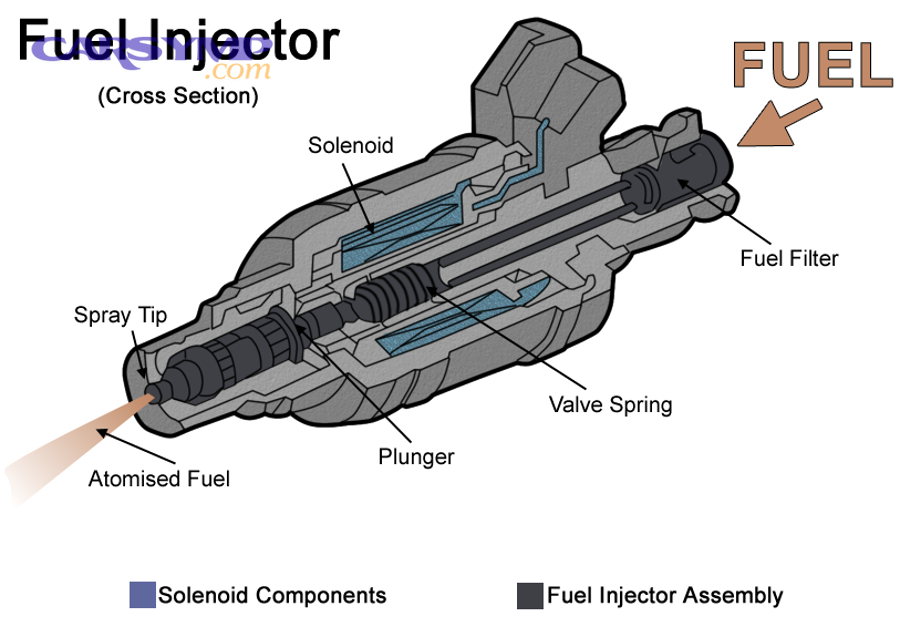
Avoid DIY Fuel Injector Cleaning Risks: Safe At-Home Methods for DIY Car Owners (What to Do vs What to Avoid)
DIY injector cleaning can help—yet it’s also one of the easiest “simple fixes” to turn into a misdiagnosis, a bigger drivability problem, or a fuel-system mess if you choose the wrong method, overdose chemicals, or skip safety basics. The safest approach is to avoid risky shortcuts and match your method to the real problem you’re trying to solve.
Daniel James Carter February 3, 2026 at 11:21 AM
Improve Fuel Injector Health: Fuel-Quality Tips for Drivers (Clean vs Dirty Fuel, Detergents & Filters)
Keeping your fuel injectors healthy mostly comes down to one controllable lever: fuel quality habits that prevent deposits and contamination . If you consistently buy clean, detergent-rich fuel, avoid contamination triggers, and maintain filtration, you reduce injector clogging risk and keep spray patterns stable for smoother performance.
Daniel James Carter February 3, 2026 at 11:09 AM
Know When to Replace (Not Clean) Fuel Injectors: A Decision Guide for Everyday Drivers
If your engine is misfiring, idling rough, or drinking more fuel than usual, injector service is not always the right “first fix.” The most intent-matching answer to when injector replacement is better than cleaning is this: replace injectors when the problem is electrical, mechanically damaged, leaking, or unchanged after verified cleaning and testing —because those failures don’t reliably respond to cleaning.
Daniel James Carter February 3, 2026 at 10:58 AM
Diagnose Misfire & Rough Idle Caused by Clogged Fuel Injectors (Injector Nozzles): Tests & Fixes for DIY Drivers
A misfire with a rough idle can be caused by clogged fuel injectors when three things line up: uneven cylinder fueling, unstable combustion at low RPM, and scan data that points to a cylinder balance problem rather than a single “random” glitch. Then, the fastest way to avoid guessing is to learn the symptom patterns that are typical of injector restriction versus injector leaking—because the “feel” at idle often tells you whether the cylinder is running lean, rich, or intermittently dead.
Daniel James Carter February 3, 2026 at 10:45 AM
What Works vs What Doesn’t: Fuel System Additives for Everyday Drivers (Injector Cleaners, Octane Boosters & More)
Fuel system additives can work—but only when the chemistry matches the problem, the dosage is realistic, and the driver’s symptoms are actually fuel-related. This guide breaks down which products reliably help (and why), and which ones mainly lighten your wallet.
Daniel James Carter February 3, 2026 at 10:32 AM
Estimate Fuel Injector Cleaning Cost vs Replacement for Car Owners: Typical Shop Price Range
Most drivers can expect a professional injector-cleaning-related service to land somewhere between about $70 and $200 in many mainstream cases, but the “right” estimate depends on what kind of cleaning you’re actually buying and how your engine is built. ( meineke.
Daniel James Carter February 3, 2026 at 10:21 AM
Compare On-Car vs Off-Car (Ultrasonic Bench) Fuel Injector Cleaning — Choose the Best Method for Car Owners & DIY Mechanics
If you’re trying to choose between an on-car injector clean and an off-car ultrasonic bench service, the best method depends on one thing: how much “proof” you need that the injectors are actually restored , not just temporarily improved. In most cases, on-car cleaning wins for convenience and mild issues , while off-car ultrasonic bench cleaning wins for deep cleaning plus measurable results .
Daniel James Carter February 3, 2026 at 10:07 AM
Compare Fuel Injector Cleaning Methods: Additives vs Pressurized Service vs Ultrasonic Cleaning for DIY Car Owners
If you’re comparing fuel injector cleaning methods, the most accurate takeaway is this: in-tank detergent additives are best for light deposits and prevention , pressurized on-car cleaning is best for moderate drivability issues , and off-car ultrasonic + flow testing is best when you need measurable restoration and injector matching —but none of them can “save” a mechanically failing injector. Next, the practical question isn’t just “what works,” but what works for your symptoms and engine type : a rough idle on port injection is a different decision than a misfire on gasoline direct injection (GDI), and the best method changes with deposit location, severity, and risk tolerance.
Daniel James Carter February 3, 2026 at 9:54 AM
Injector Clog Symptoms: Signs of Dirty Injectors and What to Do Next (Drivers & DIYers)
If you’re noticing injector clog symptoms—like rough idle, hesitation, or a sudden drop in MPG—your engine is often telling you that fuel delivery has become uneven across cylinders. The fix isn’t always “replace injectors,” but you do need a clear path to confirm the cause before you spend money.
Daniel James Carter February 3, 2026 at 9:44 AM
Prevent Post-Service Fluid Leaks: Leak-Free Checks for Drain Plug, Filter Gasket & Lines (Car Owners & DIYers)
A post-service fluid leak is preventable in most cases if you follow a leak-free routine right after maintenance: confirm the sealing parts were installed correctly, verify the contact surfaces are clean, and recheck after a short heat cycle so small drips don’t become a real loss of fluid. Next, you’ll learn what “post-service fluid leak” actually means, why it shows up right after maintenance, and how to separate a harmless leftover spill from an active leak that needs immediate attention.
Daniel James Carter February 3, 2026 at 9:22 AM
7 Warning Signs Your Car’s Fluid Service Is Long Overdue (Don’t Ignore These)
Your car is telling you it needs attention — and most drivers miss the message. There are 7 distinct warning signs that fluid service is overdue, and recognizing them early is the single most effective way to prevent costly mechanical failures.
Daniel James Carter March 10, 2026 at 3:57 AM
Get Accurate Cost Estimates for Common Car Fluid Services (Oil, Coolant, Brake & Transmission) for Everyday Drivers
Most drivers can get a realistic cost estimate for common fluid services by using a simple rule: price is driven by fluid type + vehicle spec + labor access , so an accurate estimate is always a range until a shop matches your exact fluid and procedure. In practice, you can predict your likely out-the-door cost by identifying the service type (change vs exchange vs flush), your vehicle’s required fluid, and whether the job needs extra parts like filters, gaskets, or scan-tool steps.
Daniel James Carter February 3, 2026 at 8:57 AM
Choose the Right Transmission Service: Fluid Flush (Full Exchange) vs Drain-and-Fill for Car Owners
Choosing between a transmission fluid flush (full exchange) and a drain-and-fill comes down to one thing: matching the service method to your transmission’s condition, history, and risk tolerance so you protect shift quality now and reduce expensive failures later. Next, you’ll learn what each service actually does —how a full-exchange flush moves fluid through the system, why a drain-and-fill is inherently partial, and which method aligns with typical maintenance schedules and real-world driving.
Daniel James Carter February 3, 2026 at 8:44 AM
How to Check Car Fluid Levels Correctly (Oil, Coolant, Brake & More) for DIY Drivers: Avoid Wrong Readings
Checking fluid levels correctly means you get a true reading (not a guess) and you spot problems early—before a small leak, contamination, or overdue maintenance turns into a breakdown. This guide walks you through the right conditions, the right tools, and the right sequence so your results are accurate and actionable.
Daniel James Carter February 3, 2026 at 8:33 AM
Schedule Differential & Transfer Case Fluid Service (Gear Oil): Intervals, Symptoms, and Cost for 4WD/AWD Drivers
STEP 1 — Title & outline analysis (quick): - Main keyword (focus): differential and transfer case fluid service - Predicate (main action): schedule (plan the service correctly) - Relations Lexical used: Synonym — gear oil used as a closely related term for differential fluid (while transfer cases may use ATF or a specific transfer-case fluid) If you’re trying to protect your drivetrain, differential and transfer case fluid service is one of the highest-impact maintenance items you can schedule because it reduces heat and wear inside gears, bearings, and clutch components. Most people search this topic because they want to know whether the service is truly necessary and what happens if they delay it, especially if the fluid looks dark, smells burnt, or the vehicle sees towing or off-road use.
Daniel James Carter February 3, 2026 at 8:21 AM
Compare & Choose: Transmission Fluid Service Options Explained (Flush vs Drain-and-Fill vs Pan Drop) for Car Owners
Most drivers don’t need a “one-size-fits-all” transmission job—they need the right service option for their transmission’s condition, maintenance history, and how they drive. This guide compares the three common options—flush/fluid exchange, drain-and-fill, and pan drop—so you can choose confidently without guessing.
Daniel James Carter February 3, 2026 at 8:09 AM
Understand Brake, Coolant & Power Steering Fluid Service (Flush vs Exchange) — What It Includes & When You Need It (Car Owners)
Most drivers don’t think about brake fluid, coolant, or power steering fluid until something feels wrong—yet these fluids quietly control stopping power, engine temperature, and steering effort. This guide explains what each service is (flush vs exchange), what a proper service includes, and how to decide when you actually need it.
Daniel James Carter February 3, 2026 at 7:58 AM
Plan Mileage-Based Fluid Service Intervals (Fluid Change Schedule) for Car Owners
A mileage-based fluid change schedule is the simplest way to protect your engine, transmission, brakes, and driveline because it tells you what fluid service to do and at what mileage —before wear, overheating, or corrosion turns into a repair bill. Then, to make the schedule truly usable, you need to understand which fluids your vehicle actually has and what each one protects, so you don’t waste time servicing something your car doesn’t even use.
Daniel James Carter February 3, 2026 at 7:47 AM
Explain the Essential Car Fluids and What They Do for Everyday Drivers: Engine Oil, Coolant, Brake & Transmission Fluids
Your car relies on several “essential fluids” to lubricate moving parts, move heat away, transfer force, and protect components from corrosion—so when one fluid is low, dirty, or wrong, the system it supports can fail fast. This guide explains what each core car fluid does, where it lives, and what happens when it’s neglected.
Daniel James Carter February 3, 2026 at 7:36 AM
Prevent (Not Just Fix) Future Flat Tires and Punctures: A Complete Guide for Everyday Drivers
Preventing future flats and punctures comes down to one repeatable system: keep tires properly inflated, keep tread and sidewalls healthy, avoid impact damage, and catch slow leaks early before they become full flats. This guide turns that system into a practical routine you can actually follow.
Daniel James Carter February 3, 2026 at 7:12 AM
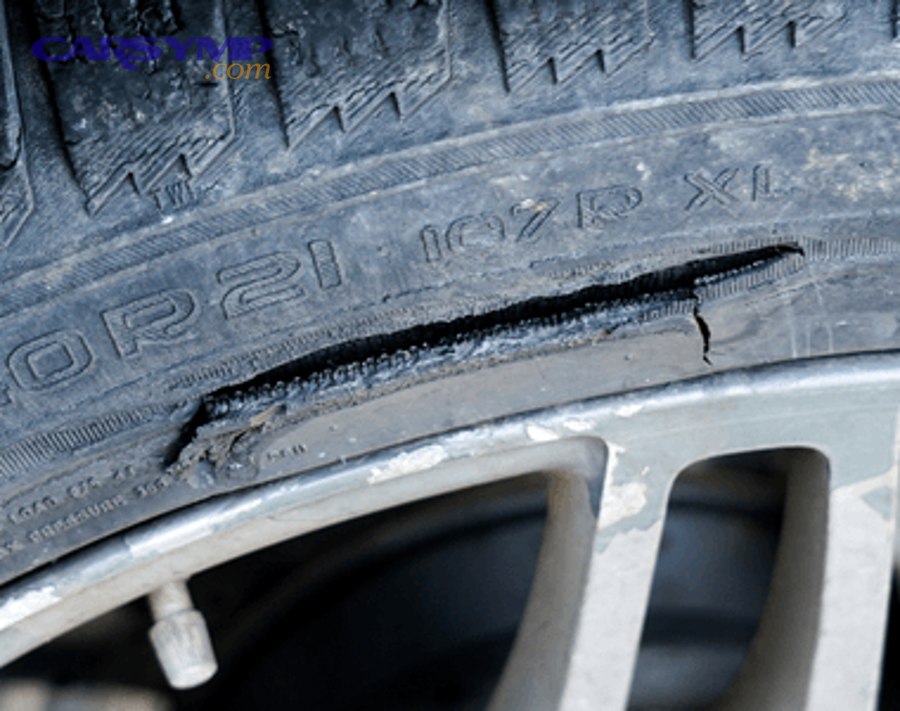
Assess Tire Sidewall Damage for Drivers: Blowout Risk Signs (Bulges, Cuts, Cracks) + When to Replace
Title & outline analysis (Step 1) - Main keyword (focus): sidewall damage and blowout risks - Predicate (main action): assess - Relations lexical used: Meronymy (tire → sidewall as a part of the whole; the title deliberately anchors the “sidewall” as the critical sub-entity inside the broader “tire”) - Search-intent question types present in the outline: Definition , Boolean , Grouping , Comparison , How-to - Primary intent: assess sidewall damage to understand blowout risk and decide when replacement is necessary - Secondary intent 1: safety decision (is it safe to drive / should you stop immediately) - Secondary intent 2: identify signs (bulges, cuts, cracks + driving symptoms) - Secondary intent 3: prevention and next steps (inspection, documentation, reducing future risk) - Answering-formula map: • H2 #1 Definition → “X is…” + standout features + use/risk • H2 #2 Boolean → “Yes/No” + 3 reasons + safety triage • H2 #3 Grouping → “There are N main types…
Daniel James Carter February 3, 2026 at 6:57 AM
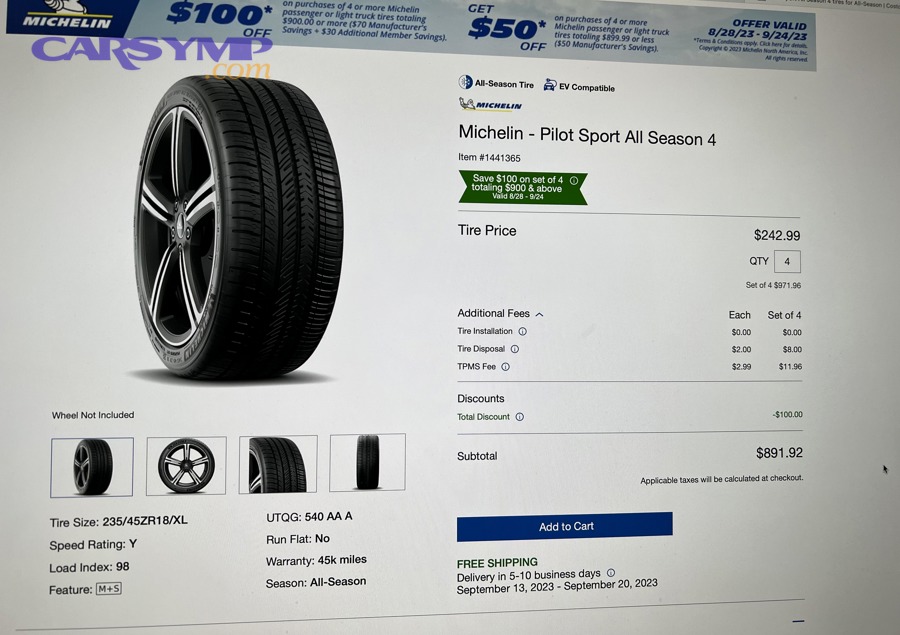
Calculate a Tire Repair Cost Estimate for Drivers: Patch vs Plug Pricing (Repair vs Replace)
A realistic tire repair cost estimate usually lands in a predictable range when the puncture is repairable, because most shops follow a similar workflow: inspect the tire, repair the injury correctly, and confirm it seals—so you’re not paying for “mystery labor,” you’re paying for a defined safety process. Next, you’ll also want to know what’s actually included in the estimate —because two quotes can look different even if the final result is the same, simply due to how a shop bundles inspection, dismounting, and balancing.
Daniel James Carter February 3, 2026 at 6:46 AMHow to Reset (Relearn) TPMS After Fixing a Flat Tire — Step-by-Step for DIY Drivers
If your TPMS light is still on after you’ve repaired the tire and set the pressure correctly, you can usually clear it by following a simple reset/relearn process that matches your vehicle’s TPMS design—most often a short drive cycle, a reset button routine, or an on-screen “Initialize/Calibrate” command. Next, you’ll learn how to choose the right reset path for your car by recognizing whether your system is “reset-only” (calibration) or a true “relearn” system that must re-identify sensors and their positions after certain changes.
Daniel James Carter February 3, 2026 at 6:36 AM
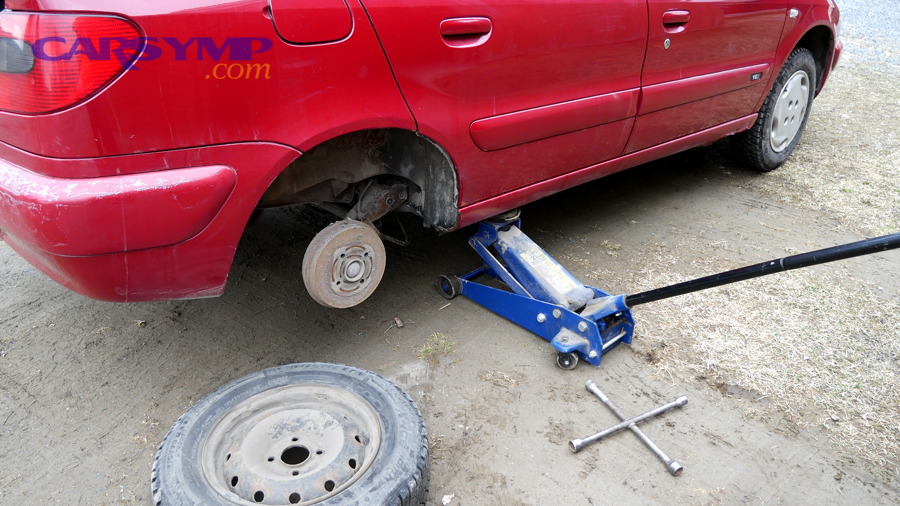
How to Change a Spare Tire Step-by-Step (Flat Tire) for Beginners: Donut Spare, Jack Points & Lug-Nut Safety
Changing a spare tire is a repeatable, beginner-friendly process: secure the scene, gather the right tools, loosen lug nuts, lift at the correct jack points, swap the wheel, then tighten and recheck so you can drive to a repair shop safely. Next, the safest tire change always starts with visibility and stability—where you stop, how you position the car, and how you protect yourself from traffic matter as much as the wrench work, especially during unexpected breakdowns.
Daniel James Carter February 3, 2026 at 6:24 AM
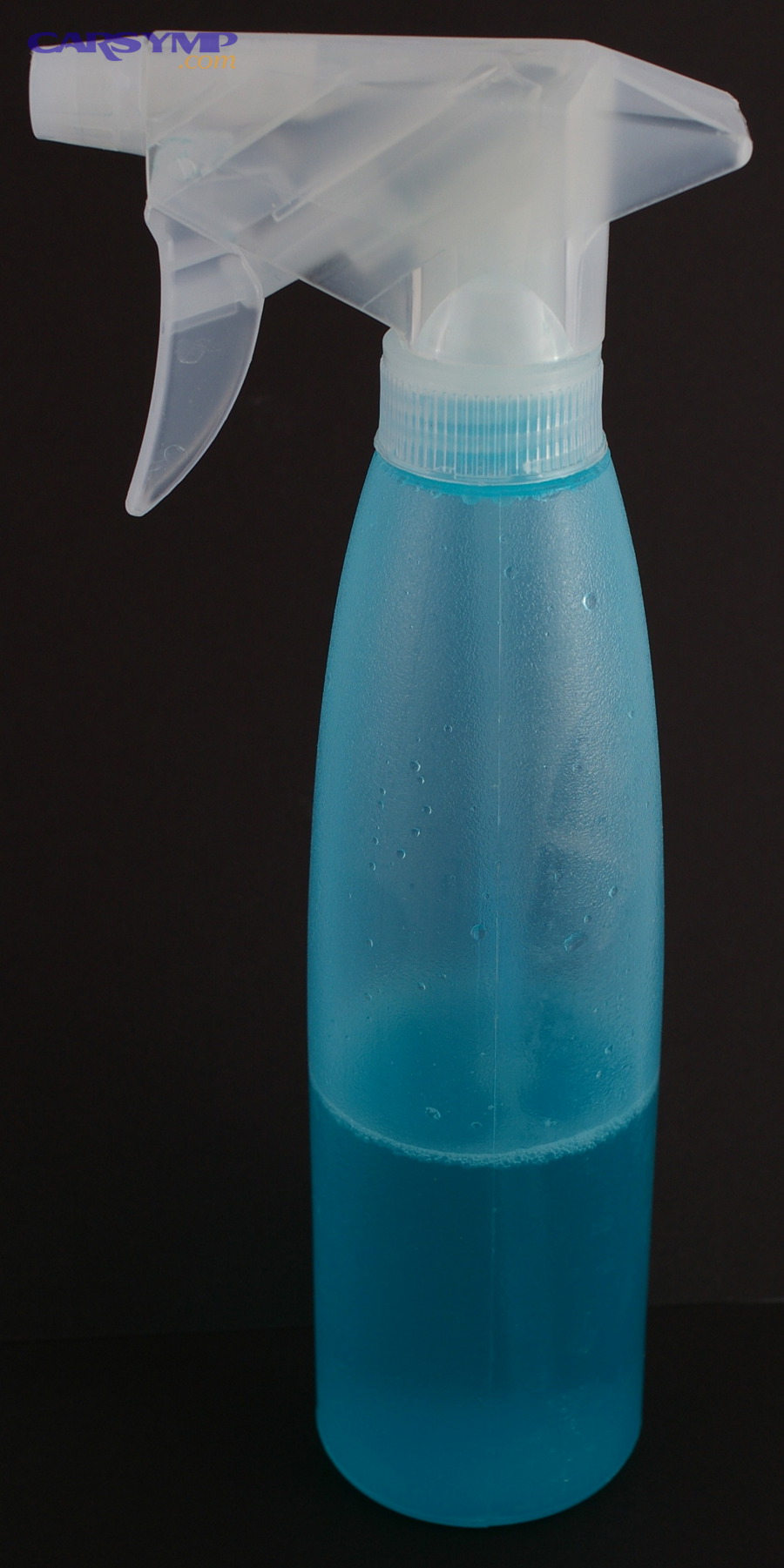
Find Leaks with the Soapy Water Bubble Test: Step-by-Step for DIY Car Owners
A soapy water test finds a leak by turning escaping air or gas into visible bubbles, so you can pinpoint the exact spot instead of guessing and replacing parts blindly. This guide walks you through the safest, most repeatable way to run the bubble test on common leak-prone areas like tire beads, valve stems, hoses, and threaded fittings.
Daniel James Carter February 3, 2026 at 6:11 AM
Replace, Don’t Repair: When a Puncture Can’t Be Repaired (Tire Safety Guide for Everyday Drivers)
A puncture can’t be repaired when the damage compromises the tire’s structure or sits in a zone where a repair won’t reliably hold pressure—meaning the safest choice is replacement, not a patch. The key is recognizing the red flags quickly (location, size, and hidden internal damage) so you don’t gamble with a sudden failure at speed.
Daniel James Carter February 3, 2026 at 6:00 AM
How to Use a Tire Mobility Kit Safely (Inflator + Sealant) for Drivers: Step-by-Step to Fix a Flat Without Damage
A tire mobility kit (inflator + sealant) can temporarily fix a small tread puncture and get you back on the road safely— if you use it correctly, choose the right kind of “flat,” and follow strict speed/distance limits afterward. ( newsroom.
Daniel James Carter February 3, 2026 at 5:47 AM
Decide the Safest Tire Fix: Plug Kit vs Patch vs Replace for Drivers & DIYers (Temporary vs Permanent)
A punctured tire doesn’t automatically mean “buy a new tire”—but it also doesn’t automatically mean “just plug it.” This guide helps you decide plug kit vs patch vs replace using the same safety-first logic tire manufacturers and major auto organizations emphasize: location, size, and tire condition determine the correct fix .
Daniel James Carter February 3, 2026 at 5:35 AM
Follow Safety Steps for a Flat Tire (or Blowout) on the Road: Checklist for Drivers
A flat tire on the road becomes dangerous when panic replaces a plan—so the safest move is to keep control, slow down smoothly, and get your vehicle to the safest possible stopping point before you think about repairs. Your first goal is not to “fix” anything; it’s to protect your lane position, avoid sudden braking, and reduce speed until you can pull off safely.
Daniel James Carter February 3, 2026 at 5:22 AM
Build a Preventive Maintenance Filter Schedule: Inspection & Replacement Intervals for Facility Maintenance Teams
A preventive maintenance filter schedule is a practical system for deciding when to inspect filters, when to service them, and when to replace them—based on risk, operating conditions, and measurable restriction (not guesswork). The core goal is simple: keep airflow and protection stable while avoiding unnecessary labor and parts spend.
Daniel James Carter February 3, 2026 at 5:00 AM
Avoid Wrong Filter Fitment: How to Choose the Right Oil Filter for DIYers (Wrong vs Right Compatibility)
Choosing the right oil filter is the fastest way to avoid wrong filter fitment —because most “fitment” failures aren’t mysterious at all. They happen when the gasket doesn’t seat, the threads don’t match, or the filter can’t flow oil the way your engine expects, and that can turn a routine service into a sudden leak.
Daniel James Carter February 3, 2026 at 4:46 AM
How Clogged (Dirty) Filters Affect Performance & MPG for Drivers: Air, Fuel & Oil Filter Symptoms + Fixes
Clogged (dirty) filters can reduce performance and sometimes MPG because they restrict airflow, limit fuel delivery, and interfere with lubrication pressure—three pathways that force the engine (and driver) to work harder for the same result. ( energy.
Daniel James Carter February 3, 2026 at 4:33 AM
How Much Does Filter Replacement Cost at a Shop? Air, Cabin & Fuel Filter Price Guide for Everyday Drivers
Most drivers pay anywhere from about $75 to $150+ per filter at a shop, but the real number depends on which filter you’re replacing, how accessible it is on your vehicle, and how the shop prices labor and parts. (Source: repairpal.
Daniel James Carter February 3, 2026 at 4:19 AM
Step-by-Step DIY Filter Replacement Checklist for Everyday Drivers (Oil, Engine Air, Cabin Air & Fuel Filters)
Replacing your car’s filters is one of the highest-value maintenance jobs you can do at home because it protects the engine and passengers while preventing avoidable performance issues—this guide gives you a complete, repeatable checklist that keeps mistakes to a minimum. Next, you’ll learn what each filter actually does and the practical signs that tell you it’s time to replace it, so you don’t guess based on mileage alone.
Daniel James Carter February 3, 2026 at 4:06 AM
Understand Transmission Filter Service: What’s Included in an ATF & Filter Change for Car Owners (Pan, Gasket, Fluid)
A transmission filter service is a maintenance procedure that removes the transmission pan (when serviceable), replaces the transmission filter and sealing components, and refills the unit with the correct automatic transmission fluid (ATF) so the transmission can keep moving clean fluid at the right pressure. Beyond the label on an invoice, most drivers want one practical thing: a clear list of what’s included—pan removal, magnet cleaning, gasket sealing, fluid refill, and a final level check—so you know what you’re paying for and what problem the service actually prevents.
Daniel James Carter February 3, 2026 at 3:53 AM
Choose the Right Oil Filter: Selection Basics for DIY Drivers (Avoid the Wrong Fit)
Choosing the right oil filter is mostly about fitment first —matching your engine’s required filter type, sealing surface, and valve design—so you get reliable oil flow, clean filtration, and zero leaks from your next oil change. Next, you’ll learn what “right” really means beyond the part number, including which minimum specs you must verify so you don’t accidentally buy a look-alike that threads on but behaves wrong once the oil is cold, hot, or dirty.
Daniel James Carter February 3, 2026 at 3:41 AM
Identify Fuel Filter Symptoms & Replacement Timing for Everyday Drivers: Clogged vs Clean Filter Signs
Fuel filter symptoms and replacement timing usually come down to one core issue: fuel restriction . When the filter can’t pass enough clean fuel, your engine may stumble under load, hesitate, or even stall—so the “right” time to change it is when symptoms (or conditions) indicate restriction, not just when it feels overdue.
Daniel James Carter February 3, 2026 at 3:28 AM
When to Replace Common Car Filters: Engine Air, Cabin Air, Oil & Fuel Filter Replacement Schedule for Everyday Drivers (Checklist)
Most drivers should replace common car filters on a simple schedule: engine air and cabin air filters about every 15,000–30,000 miles (or yearly if you drive low miles), oil filters with your oil changes, and fuel filters on the interval your owner’s manual specifies. Then, to make that schedule accurate for your car, you’ll want to understand what “interval” really means (miles vs time) and what conditions shorten it—because stop-and-go traffic, dust, and wildfire smoke can move you from “normal” to “severe” service faster than you think.
Daniel James Carter February 3, 2026 at 3:16 AM
Engine Air Filter vs Cabin Air Filter Differences for Drivers: Functions, Symptoms, and Replacement Guide
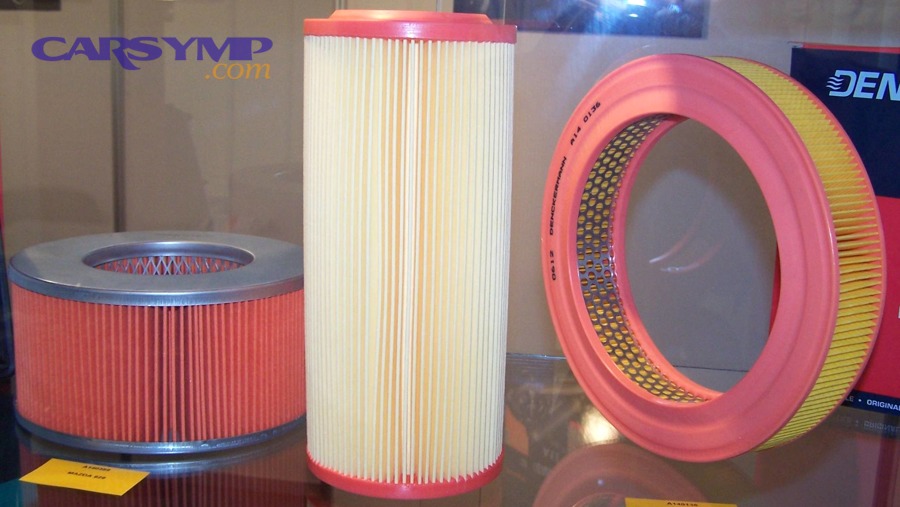
If you’re searching for engine air filter vs cabin filter differences , the simplest answer is this: the engine air filter protects your engine’s air intake and combustion process, while the cabin air filter protects you and your HVAC system by cleaning the air that flows into the interior. They are different parts, in different locations, with different failure symptoms—and replacing the wrong one won’t fix the problem you’re noticing.
Daniel James Carter February 3, 2026 at 3:03 AM
Do These DIY Checks Before Major Repairs: A Pre-Repair Inspection Checklist for Everyday Drivers
Major repairs often feel inevitable when a car starts acting up, but a disciplined set of DIY checks can reveal whether you’re facing a true mechanical failure or a fixable, smaller cause. This checklist helps you collect objective clues before spending on big parts or labor.
Daniel James Carter February 3, 2026 at 2:29 AM
Repair Cost Estimate by Smoke Type: Blue vs White vs Black Exhaust Smoke Fix (Drivers & DIYers)
Exhaust smoke is one of the fastest “symptom-to-budget” clues you can get from a running engine, because smoke color often points to the system that’s failing—and the parts and labor category that usually follows. When you want a repair cost estimate by smoke type , the most reliable approach is to treat smoke as a starting signal , then confirm the cause with a few quick checks so you don’t overpay for the wrong fix.
Daniel James Carter February 3, 2026 at 2:14 AM
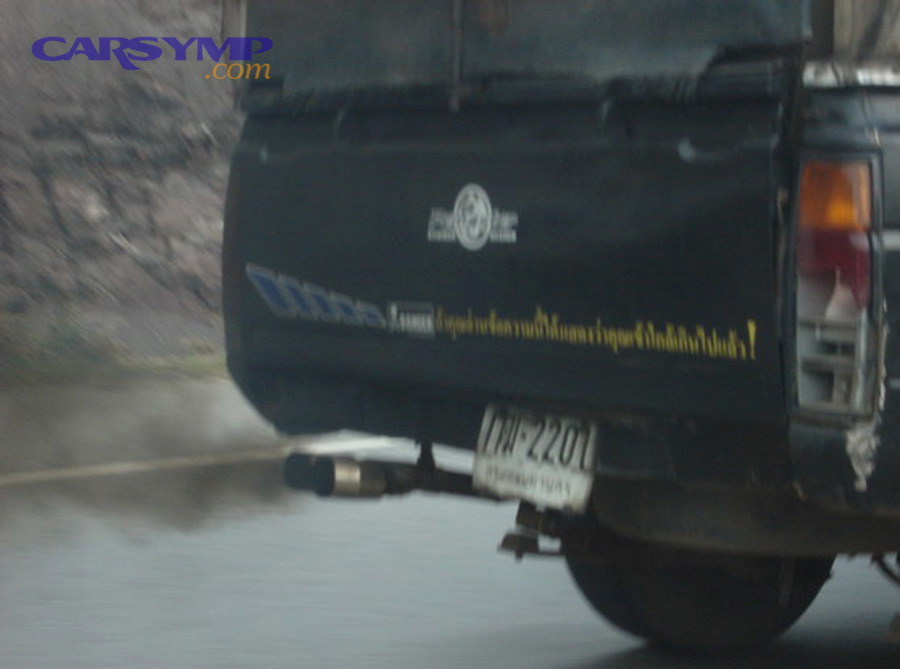
Can You Drive With Exhaust Smoke? Safety Guide for Car Owners
Driving with exhaust smoke is generally unsafe and not recommended, as it indicates underlying mechanical problems that could lead to engine failure, environmental violations, or dangerous driving conditions. The severity depends on the smoke color, volume, and persistence—white smoke may signal coolant leaks or head gasket failure, blue smoke indicates oil burning, and black smoke points to fuel system issues.
Daniel James Carter March 1, 2026 at 5:59 AM
Diagnose Turbocharger Smoke Symptoms (Blue, White, Black) for DIY Drivers: Causes, Tests, and Fixes
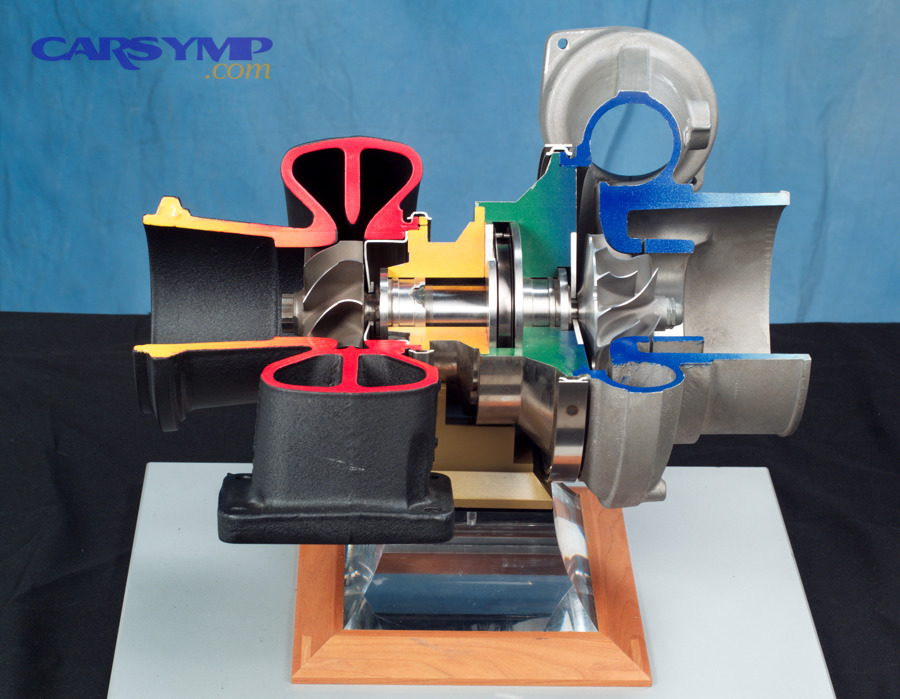
Turbocharger smoke symptoms are most useful when you treat them as a diagnostic clue (what’s burning, where it’s entering the exhaust stream, and when it shows up)—not a guarantee the turbo is dead. In practice, smoke color + timing + boost behavior can narrow the cause to turbo oil control , PCV/crankcase ventilation , fueling/airflow , or coolant/condensation —often before you remove a single part.
Daniel James Carter February 3, 2026 at 1:47 AM
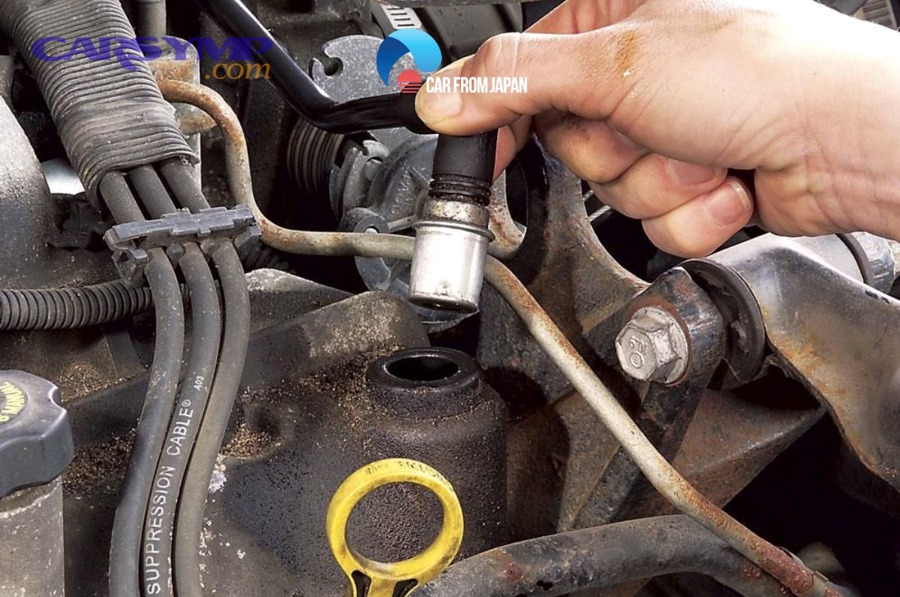
Diagnose Blue Smoke From PCV vs Valve Stem Seals for Drivers: Symptoms, DIY Checks, and the Right Fix Order
Blue smoke from the exhaust almost always means the engine is burning oil, and PCV and valve stem seals are two of the most common “where is the oil getting in?” answers you’ll see in real-world diagnosis.
Daniel James Carter February 3, 2026 at 1:32 AM
Diagnose Exhaust Smoke Timing: Cold-Start vs Under-Load Clues for Drivers (Valve Seals, Rings & Turbo)
Exhaust smoke timing is one of the fastest ways to diagnose what’s going wrong: a brief puff on cold start most often points to oil that seeped in while the car sat, while smoke that grows under load usually tracks oil being pushed past worn seals or rings under pressure and heat. Next, you’ll learn how to read the “startup pattern” like a mechanic—what a one-time morning puff suggests, what a warm restart means, and which symptoms separate valve stem seals from other look-alikes without guessing.
Daniel James Carter February 3, 2026 at 1:13 AM
Diagnose a Rich Fuel Mixture Causing Black Smoke: Causes, Tests, and Fixes for DIY Drivers
A rich fuel mixture (running rich) means the engine is receiving more fuel than the available air can burn efficiently , and that imbalance can show up as black smoke from the tailpipe, strong fuel odor, poor mileage, and fouled plugs. The fastest way to diagnose it is to confirm the engine is truly over-fueling (not another smoke type), then use fuel trims and a few targeted tests to locate why the ECU or fuel system is adding too much fuel.
Daniel James Carter February 3, 2026 at 12:57 AM
Diagnose Coolant-Burning (White Smoke) From the Exhaust: Causes, Tests & Fix Costs for DIY Drivers
Coolant-burning smoke diagnosis is the process of confirming whether engine coolant is entering the combustion chamber and turning into persistent white smoke , then tracing the exact leak path so you can choose the right repair before the engine overheats or hydrolocks. The fastest way to get certainty is to combine symptoms + cooling-system loss patterns + a confirmatory test (pressure test and/or block test).
Daniel James Carter February 3, 2026 at 12:36 AM
Diagnose Oil-Burning Blue Exhaust Smoke for Car Owners: DIY Checks for Valve Seals, Piston Rings & PCV Problems
Oil burning smoke diagnosis is most accurate when you connect smoke color , when it happens , and a few quick inspections that reveal where oil is getting into the combustion stream . If the smoke is truly blue smoke (or blue-gray) and it lingers, it usually means engine oil is being burned—often from valve seals, piston rings, the PCV system, or a turbocharger (if equipped).
Daniel James Carter February 2, 2026 at 6:36 PM
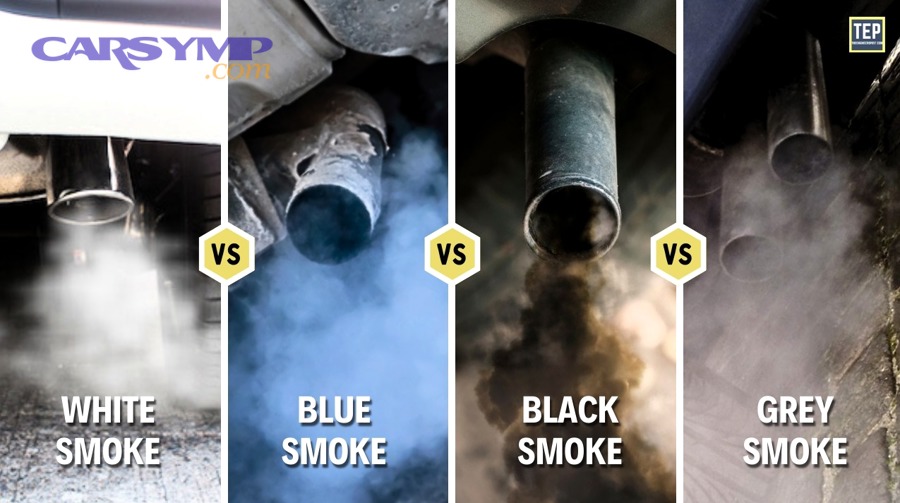
Diagnose Blue vs White vs Black Exhaust Smoke Causes: What Each Color Means for Car Owners (Oil vs Coolant vs Fuel)
If you’re seeing blue, white, or black smoke from your tailpipe, the color is a fast clue to what the engine is burning : blue usually points to oil , white often means water vapor or coolant , and black typically signals excess fuel/soot . The goal is to match the smoke color to the most likely system—lubrication, cooling, or fueling—so you don’t waste time (or money) guessing.
Daniel James Carter February 2, 2026 at 6:19 PM