Daniel James Carter
Lead Diagnostic Technician & Technical Content Author
Company / Organization
CarSymp
Experience / Skills
Check Engine Light diagnosis (OBD-II); engine performance & ignition/fuel systems; brake service; steering & suspension; AC/heater diagnostics; cooling system service; basic transmission diagnostics; electrical & battery/charging systems; maintenance schedules
About Daniel James Carter
Daniel James Carter (born July 14, 1988) is an Automotive Diagnostic & Repair Technician and the Lead Diagnostic Technician & Technical Content Author for this auto repair website. His work focuses on translating real shop-floor diagnostics into clear, step-by-step guidance for vehicle owners—especially around check-engine issues, climate control problems, brake safety, and steering/suspension wear.\n\nDaniel’s interest in mechanical systems started early, but his professional path became formal in 2006 when he began a structured apprenticeship in general automotive service. Between 2006 and 2008, he worked alongside senior technicians learning foundational skills—oil services, brake inspections, tire work, basic electrical checks, and service documentation. During this period, he also built the habits that still define his process today: verifying the customer’s concern, road-testing when safe, and confirming repairs with repeatable measurements.\n\nIn 2009, Daniel moved into a full-time automotive service technician role, where he handled a higher volume of maintenance and repair work (brakes, cooling systems, belts, ignition components, and driveline basics). By 2012, he shifted toward diagnostics, focusing on OBD-II fault tracing, fuel trim interpretation, misfire detection, smoke-testing intake leaks, and electrical circuit testing using wiring diagrams and voltage-drop methods.\n\nA major milestone came in 2015 when he began pursuing advanced professional credentials through the National Institute for Automotive Service Excellence (ASE). After completing multiple ASE exams and documenting the required hands-on experience, Daniel earned the ASE Master Automobile Technician designation in 2017. He continued building depth in drivability and emissions-related diagnostics and achieved the ASE L1 Advanced Engine Performance Specialist credential in 2019. He maintains his credentialing through ongoing study and periodic recertification, aligning his knowledge with modern engine management systems, updated scan-tool workflows, and evolving diagnostic standards.\n\nFrom 2018 to 2021, Daniel served as a senior technician in a busy service environment where his day-to-day work centered on complex complaints: intermittent stalling, hard starts, rough idle, overheating, vibration under braking, and AC systems that blow warm or smell musty. He became known for careful diagnosis before parts replacement, using a consistent checklist:\n\n\n Confirm the symptom and capture freeze-frame data.\n Test likely causes (air leaks, sensors, ignition, fuel delivery, charging system) with measurable evidence.\n Repair only after the failure is verified and the fix can be validated.\n Validate with a road test, live data review, and final inspection.\n\n\nIn 2022, Daniel began formalizing his field notes into consumer-friendly write-ups and troubleshooting guides. By 2023, he expanded that work into structured content for this website, combining real repair patterns with clear explanations of why failures happen (for example: how moisture and organic buildup can cause musty AC smell, why worn suspension joints can mimic wheel balance issues, or how vacuum leaks and weak ignition coils can trigger persistent misfires).\n\nToday, Daniel’s role on the website is to ensure every guide reflects practical repair reality—tools a shop actually uses, common misdiagnoses to avoid, and safety-first recommendations. He writes with the same standard he uses in the bay: the diagnosis must make sense, the repair must be verifiable, and the timeline from symptom to fix must be clear for the reader.

Related topics
Latest posts by Daniel James Carter


Avoid DIY Head Gasket Replacement Pitfalls: Step-by-Step Gasket Replacement Tips for First-Time DIYers
STEP 1 — ANALYZE THE TITLE AND OUTLINE 1.1.
Daniel James Carter January 31, 2026 at 11:32 PM
Diagnose Exhaust Smoke Causes Linked to the EGR (Exhaust Gas Recirculation) System for Car Owners — Black vs White Smoke, Symptoms & Fixes
Exhaust smoke can be connected to the EGR system, and you can usually confirm it by matching smoke color + when it appears + drivability symptoms + scan data to a specific failure mode (stuck-open valve, clogged passages, or a leaking cooler). Then, you fix the root cause instead of guessing.
Daniel James Carter January 31, 2026 at 11:19 PM
Troubleshoot DPFE Sensor & EGR Solenoid Issues: Symptoms, P0401/P0402 Diagnosis + Fixes for DIY Car Owners (EGR System Components)
When your check engine light points to EGR flow problems, the fastest way to stop wasting money on random parts is to troubleshoot the DPFE sensor and the EGR solenoid (EVR/EGR vacuum regulator) as a system and confirm what the PCM is actually “seeing.” This guide shows a practical path to isolate the fault behind P0401 and P0402 , then fix it with the least invasive repair first.
Daniel James Carter January 31, 2026 at 11:05 PM
Estimate EGR Valve Repair Cost: Parts vs Labor Breakdown (Repair vs Replacement) for Car Owners
If you’re searching for an EGR valve repair cost estimate , you likely want a number you can trust—and a clear explanation of what makes that number rise or fall. This guide breaks the estimate into parts vs labor , shows the most common line items on real quotes, and explains why the same repair can be “reasonable” on one car and expensive on another.
Daniel James Carter January 31, 2026 at 10:51 PM
Compare Vacuum-Operated (Pneumatic) vs Electronic (Electric/Digital) EGR Valves: Key Differences & Testing for DIY Car Owners
If you searched for vacuum vs electronic EGR valve differences , the fastest way to get a correct answer is to compare what actually moves the valve, what the ECU can “see” (feedback), and what typically fails. In practice, vacuum-operated (pneumatic) EGR valves and electronic (electric/digital) EGR valves do the same emissions job, but they behave very differently when problems show up.
Daniel James Carter January 31, 2026 at 10:38 PM
Estimate EGR Valve Replacement Labor Time (Book Hours) by Vehicle for DIYers & Car Owners
If you’re searching for EGR valve replacement labor time , you’re usually trying to answer one practical question: how many hours a shop will charge to remove and replace the EGR valve on your specific vehicle . In most cases, this “labor time” is flat-rate book time (a pricing standard), not a promise of how long the job will take on a clock.
Daniel James Carter January 31, 2026 at 10:24 PM
Decide Whether to Clean vs Replace an EGR Valve: Symptoms, Cost & Quick Tests for Car Owners
If you’re stuck between cleaning and replacing, the fastest correct answer is this: cleaning wins when the valve and passages are merely carbon-restricted, but replacement wins when the valve can’t move, can’t seal, or can’t report position correctly. The rest of this guide shows you how to decide with symptoms, quick tests, and practical thresholds—without guessing.
Daniel James Carter January 31, 2026 at 10:10 PM
How to Test EGR Valve Operation: Vacuum vs Electronic Exhaust Gas Recirculation Checks for DIY Car Owners
If you want to test EGR valve operation correctly, you need to prove one thing: the valve opens and closes when it should, and that airflow change produces a predictable engine response without causing new problems. That means you’re testing function, not guessing from symptoms.
Daniel James Carter January 31, 2026 at 9:57 PM
Diagnose Stuck-Open vs Stuck-Closed EGR Valve Symptoms for Car Owners: Opposite Signs, Quick Tests, and Next Steps
A stuck-open EGR valve and a stuck-closed EGR valve can both trigger rough running—but they do it in opposite ways, so you can diagnose the direction of the failure by when the symptoms appear (idle vs load), how the engine responds to throttle, and what happens to combustion stability. Next, you’ll learn the most reliable “stuck open” symptom pattern (idle instability, stalling, and low-speed hesitation) and why it often feels like a vacuum leak or a misfire when exhaust is leaking into the intake at the wrong time.
Daniel James Carter January 31, 2026 at 9:43 PM
How to Complete Post-Repair Relearn & Clear (Erase) DTC Codes — Drive Cycle Verification Steps for DIY Car Owners
If you want the repair to “stick,” you need a repeatable after-repair finish: confirm the fix, perform any required relearn, clear (erase) the DTC codes, then verify with a drive cycle and a rescan so you’re not guessing whether the problem is truly gone. Then, you also need to understand what “relearn” actually changes inside the ECU/PCM —because the same repair can behave differently if the computer is still using old adaptive values, especially after power loss, throttle work, or emissions repairs.
Daniel James Carter January 31, 2026 at 9:16 PM
Prevent EGR Clogging with Maintenance: Exhaust Gas Recirculation Checklist (Valve, Cooler & Passages) for Car Owners
Preventing EGR clogging with maintenance is achievable when you treat the EGR system as a flow path that needs clean passages, stable temperatures, and periodic verification—so the valve, cooler, and ports keep moving and breathing the way the engine computer expects. Next, you’ll learn what “EGR clogging” actually means (restriction vs.
Daniel James Carter January 31, 2026 at 9:03 PM
Avoid Costly EGR Delete Mistakes: Legality & Risk Guide for Diesel Truck Owners (Street-Legal vs Off-Road)
An EGR delete is generally not legal for street use in the U.S.
Daniel James Carter January 31, 2026 at 8:50 PM
Is It Safe to Drive With an EGR Fault (Bad EGR Valve)? Risks, Symptoms & What to Do for Car Owners
If you’re asking “Can you drive with an EGR fault?” , the honest answer is: sometimes yes for a short, careful trip—sometimes no, not at all .
Daniel James Carter January 31, 2026 at 8:38 PM
Estimate Your EGR Repair Cost: EGR Valve vs EGR Cooler Replacement Prices for Car Owners
If you’re searching for an EGR repair cost estimate , you’re usually trying to answer one thing: what you’ll likely pay to fix the problem correctly —including parts, labor, and the “hidden” costs like diagnostic time and gaskets. In most cases, EGR-related repairs land in the mid-hundreds to low-thousands depending on whether you’re replacing a valve, a cooler, or cleaning carbon buildup.
Daniel James Carter January 31, 2026 at 8:25 PM
Decode Common EGR Codes (P0400–P0409): Meanings, Symptoms & Fixes for Drivers
Common EGR codes usually mean your engine computer sees EGR flow that’s too low, too high, or not controllable —and the fastest path to a correct fix is to identify which type of EGR fault you have (flow vs circuit vs sensor feedback), then test only what that code family points to. Next, this guide breaks down what the EGR system does, why the P0400–P0409 code range exists, and what each code typically indicates so you can translate “Check Engine” into an actionable diagnosis.
Daniel James Carter January 31, 2026 at 8:12 PM
Diagnose EGR Valve vs Intake Manifold Carbon Buildup for Drivers: Symptoms, Codes, and Tests
EGR vs intake carbon buildup diagnosis comes down to what is failing (exhaust recirculation flow control vs airflow delivery) and how the engine reacts (combustion dilution problems vs breathing restriction). If you treat them as the same “carbon issue,” you can waste time cleaning the wrong part and the complaint returns.
Daniel James Carter January 31, 2026 at 7:56 PM
Clean Clogged EGR Passages: A Step-by-Step Cleaning Procedure for DIY Drivers (Valve, Ports & Intake Manifold)
Cleaning clogged EGR passages is a practical way to restore proper exhaust-gas recirculation, reduce drivability issues, and prevent repeat fault codes—if you follow a controlled, debris-safe procedure and verify flow after reassembly. To do the job correctly, you need to understand what EGR passages do, where they live (valve, ports, manifold, sometimes cooler), and why carbon/soot buildup blocks flow in the first place.
Daniel James Carter January 31, 2026 at 7:43 PM
Diagnose Rough Idle and Stalling in the EGR System: Stuck-Open EGR Valve Fixes for Car Owners
A rough idle that turns into stalling is often caused by too much exhaust gas recirculation at the wrong time , especially at idle—when the engine needs a clean, stable air/fuel burn. If the EGR valve is stuck open (or the passages effectively “leak” flow), it can dilute the mixture enough to make the engine shake, stumble, and die.
Daniel James Carter January 31, 2026 at 7:30 PM
Spot Bad EGR Valve Failure Symptoms: Signs vs Similar Problems for Car Owners
If you’re seeing drivability issues and wondering whether the EGR system is to blame, the fastest way forward is to match symptoms + operating conditions + codes —not guess parts. EGR failure symptoms often show up as rough running, hesitation, pinging, poor fuel economy, higher emissions, or a check engine light, but the exact “feel” depends on whether the valve is stuck open , stuck closed , carbon-clogged, or the control circuit is failing.
Daniel James Carter January 31, 2026 at 7:16 PM
When to Buy a Used ECU (ECM) vs New: Risk Checklist for Car Owners
Buying a used ECU (also called an ECM) makes sense when the savings are real and the risk is managed —meaning you can confirm compatibility, plan for programming, and protect yourself with a return policy so you don’t pay twice for the same problem. Then, you need to know what the purchase decision actually depends on : whether your vehicle’s system allows a used ECU to be installed successfully, and whether you can complete the required setup steps (coding, immobilizer pairing, and relearns) without delays.
Daniel James Carter January 31, 2026 at 6:53 PM
Estimate ECU Diagnosis Cost: Scan Fee (Part) vs Full ECU Diagnosis (Whole) for Car Owners
If you’re searching for an ECU diagnosis cost estimate, the practical answer is that most drivers will pay for time + tools + technician expertise, not just a “code scan,” and the final number depends on whether the shop is doing a quick confirmation or a full troubleshooting workflow. ( repairpal.
Daniel James Carter January 31, 2026 at 6:42 PM
How to Program and Pair an ECU/ECM With the Immobilizer: A Practical Guide for Automotive Technicians and Locksmiths
ECU programming and immobilizer pairing are inseparable in many modern vehicles because the engine computer (ECU/ECM) often must “trust” the anti-theft system before it will allow the engine to start. If the ECU software or the immobilizer relationship is wrong, the car can crank but not start, start then stall, or refuse to communicate during service operations.
Daniel James Carter January 31, 2026 at 6:33 PM
Compare & Choose ECU Repair vs Replacement Options (Engine Control Unit/ECM) for Car Owners: Costs, Pros/Cons, and When to Replace
If you’re stuck deciding between repairing your ECU and replacing it, the best answer is not “always repair” or “always replace”—it’s “choose the option that matches the failure mode, the security/programming requirements, and your risk tolerance.” This guide compares ECU repair vs replacement options so you can pick the most reliable, cost-effective path.
Daniel James Carter January 31, 2026 at 6:22 PM
How Mechanics Test an ECU (ECM/PCM): Step-by-Step Repair Shop Diagnostic Process for Car Owners
If you’re worried your car’s ECU is failing, the real answer is not “plug in a scanner and replace the module”—it’s a repeatable shop workflow that verifies symptoms, checks data, proves power/ground integrity, and tests inputs/outputs before anyone calls the ECU bad. Most of the time, what feels like an ECU problem is actually an electrical supply issue, a wiring/connector fault, or a network interruption, so the process also focuses on ruling out look-alike failures with evidence you can understand.
Daniel James Carter January 31, 2026 at 6:10 PM
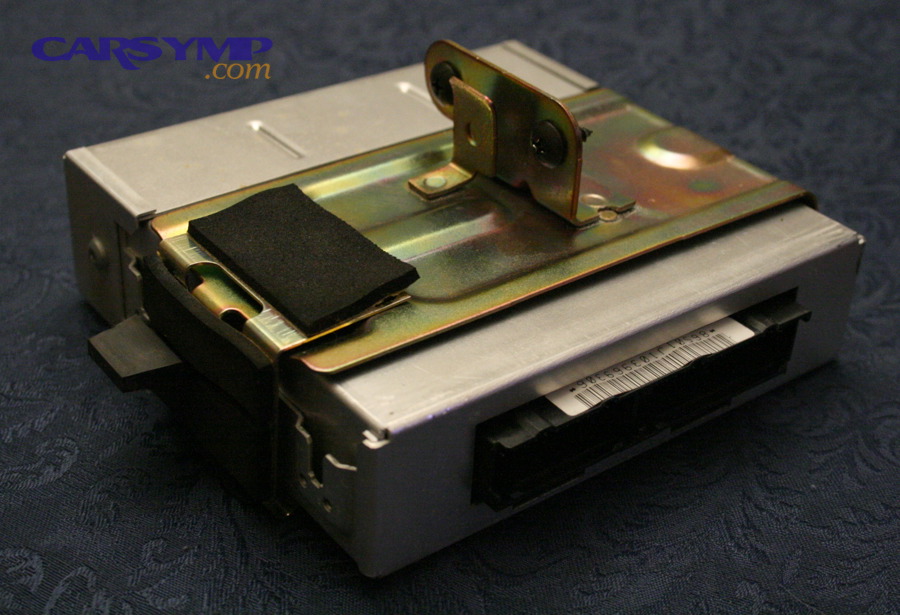
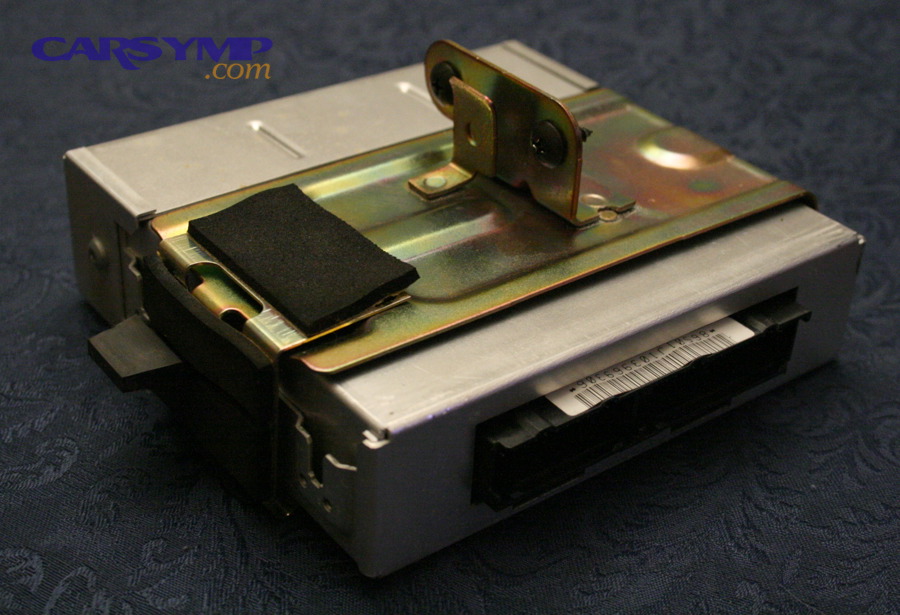
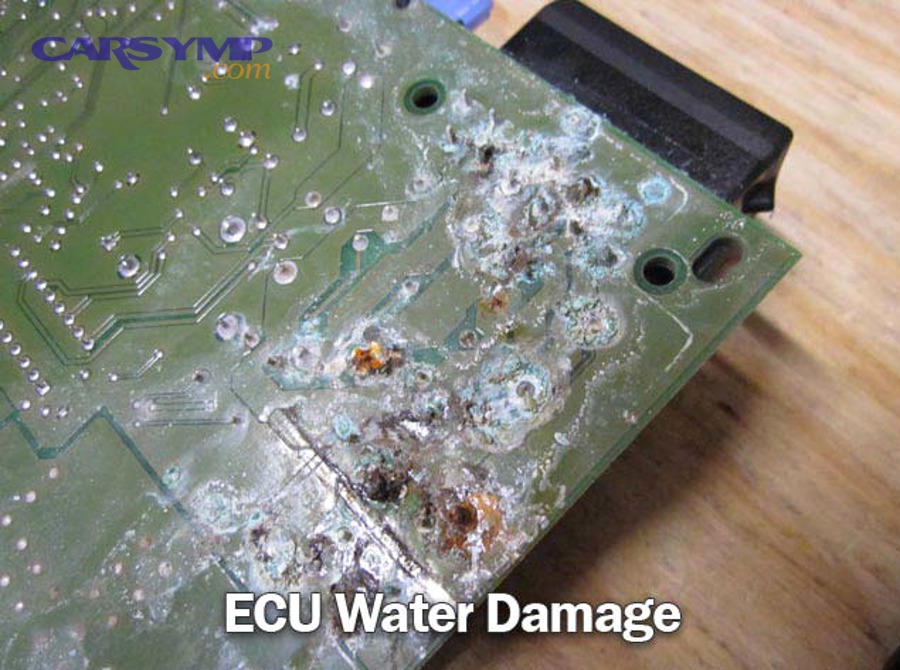
Inspect an ECU (Engine Control Unit) for Water Damage & Corrosion: A Connector-to-Circuit-Board Checklist for Car Owners
If you suspect water intrusion, the fastest way to protect your vehicle is to inspect the ECU in a strict order—connectors first, then the housing, then the circuit board (only when safe) —so you can confirm corrosion risk before it turns into a no-start or repeated electrical faults. Next, you’ll learn what water damage and corrosion actually look like , why they often cause intermittent problems, and how to separate cosmetic residue from the kind of corrosion that changes electrical signals.
Daniel James Carter January 31, 2026 at 5:58 PM
Decode Communication Codes: Verbal & Nonverbal Cues and 10-Codes for Students and Professionals
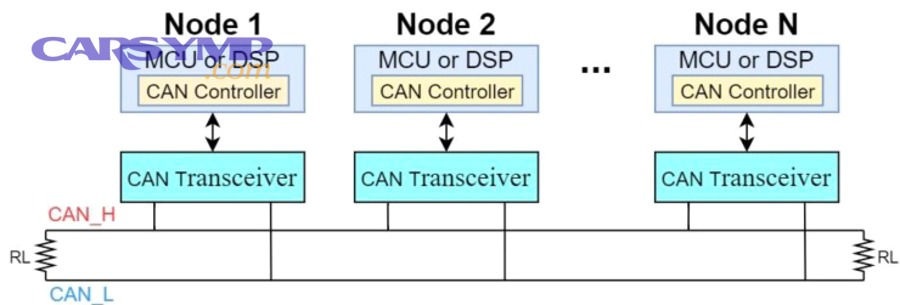
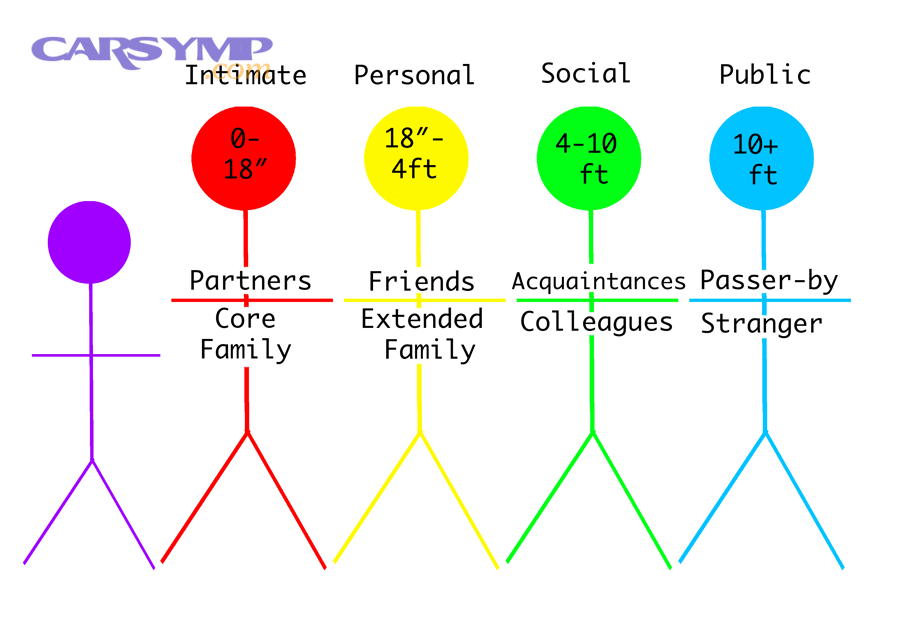
Communication codes are structured signals—words, gestures, symbols, and standardized “code sets”—that people use to package meaning so others can recognize, interpret, and respond correctly. When you can decode communication codes , you reduce misunderstandings, make your intent clearer, and communicate effectively across contexts (classrooms, workplaces, and even technical systems like vehicle networks).
Daniel James Carter January 31, 2026 at 5:46 PM
No-Start ECU-Related Causes: How to Diagnose ECU Failure Symptoms vs Non-ECU Issues (for Car Owners)
A no-start can be ECU-related, but it’s rarely the first thing you should blame—because a weak battery, bad grounds, fuel delivery, spark, or security lockouts can create the same “dead engine” outcome. The goal is to prove (or disprove) ECU involvement with objective tests, not assumptions.
Daniel James Carter January 31, 2026 at 5:35 PM
How to Diagnose ECU (ECM/PCM) vs Sensor/Wiring Faults — A Step-by-Step Troubleshooting Guide for DIY Car Owners
If you want to tell whether your problem is the ECU (also called the ECM/PCM) or a sensor/wiring issue, the fastest path is a structured diagnostic workflow: verify the complaint, read codes and freeze-frame, confirm power/grounds and the 5V reference, isolate the circuit, and only then consider an ECU fault. Next, you’ll also need to recognize symptom patterns—because ECU-like issues are often caused by basic electrical faults .
Daniel James Carter January 31, 2026 at 5:24 PM
Identify ECU Failure Symptoms: 12 Warning Signs of a Bad ECM (Engine Control Module) for Car Owners
If your car suddenly starts stalling, hesitating, losing power, or acting “possessed,” the most practical first step is to match what you’re feeling to ECU failure symptoms —because the ECU/ECM sits at the center of fuel, spark, and emissions control, so its problems can ripple across many systems. Next, you need to know why ECU trouble is so often confused with “normal” faults like bad sensors, weak battery voltage, or wiring corrosion—because the symptoms overlap, and replacing parts blindly is how drivers get stuck in an expensive loop.
Daniel James Carter January 31, 2026 at 5:11 PM
Interpret Inspection Results and Next Steps for Homebuyers: From “Findings” to Fixes (and What to Skip)
Interpreting inspection results and next steps is easiest when you treat the report as a decision tool—not a pass/fail test. You’ll read the summary first, confirm the inspector’s limits, then translate findings into three buckets: safety, big-cost defects, and routine maintenance.
Daniel James Carter January 31, 2026 at 4:47 PM
How to Perform a Pre-Purchase Drivetrain Inspection: Transmission, Differential & AWD Tips for Used-Car Buyers
A pre-purchase drivetrain inspection is the fastest way to reduce “unknowns” before you buy a used car because it focuses on the parts that actually deliver power to the wheels—where hidden wear can turn into high repair bills. ( jdpower.
Daniel James Carter January 31, 2026 at 4:37 PM
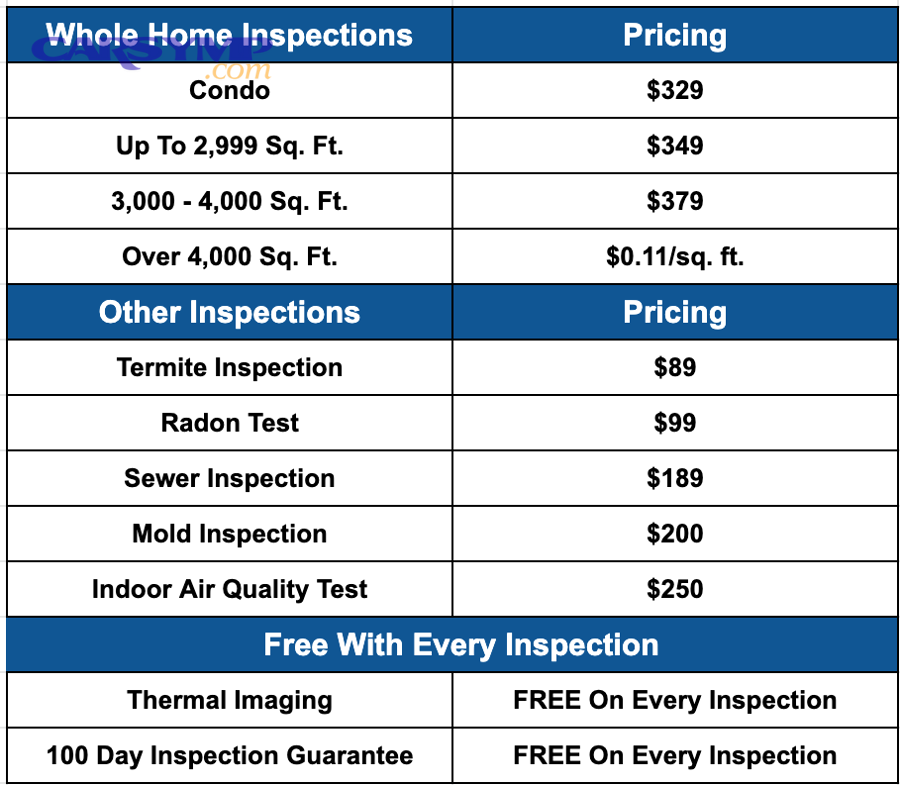
Estimate Home Inspection Price & Duration Expectations for Homebuyers: Typical Cost, On-Site Time, and Report Turnaround
A typical home inspection lands in a predictable band for both price and time : most buyers can expect a mid-hundreds fee, a multi-hour on-site visit, and a written report that follows soon after—fast enough to support negotiation and contingency deadlines. Next, those “typical” numbers move up or down for concrete reasons—home size, age, access, regional demand, and add-on tests can stretch the schedule and increase the quote, even when the inspector is doing the same careful work.
Daniel James Carter January 31, 2026 at 4:22 PM
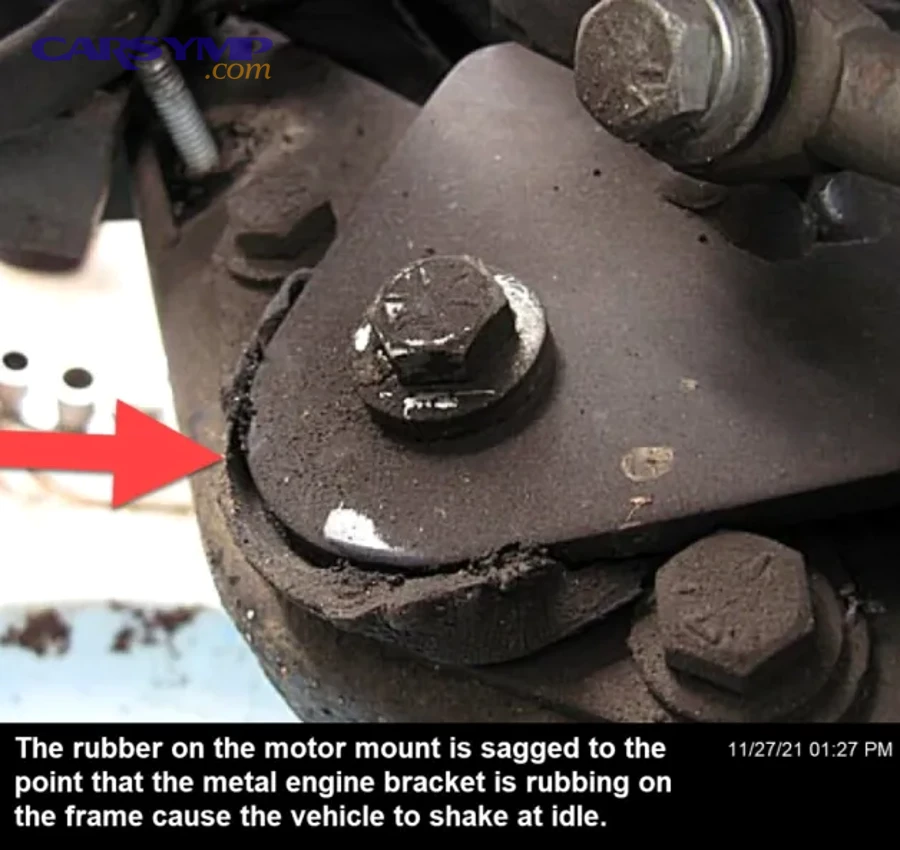
Inspect Engine (Motor) Mounts and Transmission Mounts: A Practical Guide for Car Owners to Diagnose Drivetrain Vibration
Engine mounts and transmission mounts are often the hidden cause of vibration, clunks, and harshness—especially when symptoms show up at idle, on takeoff, or during shifting. If you’re trying to confirm whether mount wear is behind what you feel, the most reliable path is a simple sequence: identify the symptom pattern, do a safe visual check, then run a couple of quick movement tests.
Daniel James Carter January 31, 2026 at 4:12 PM
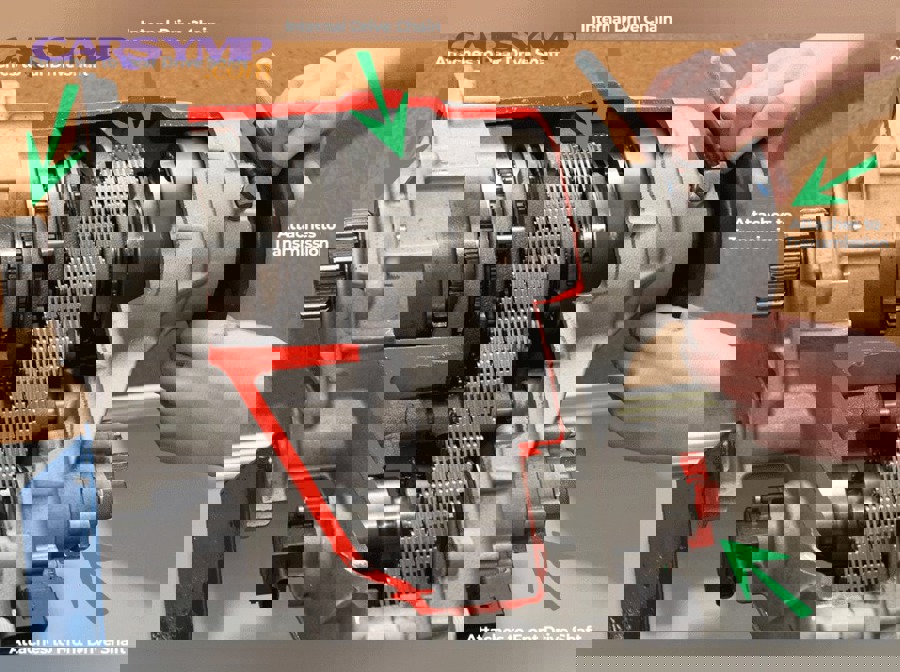
Inspect Your AWD/4WD Transfer Case: Leak, Fluid & Engagement Checklist for Drivers
Your AWD/4WD transfer case inspection is fastest and most reliable when you focus on three truth sources: leaks, fluid condition, and engagement behavior . If you inspect those in a consistent order, you can quickly spot whether the problem is minor (like seepage) or urgent (like fluid loss, metal debris, or binding).
Daniel James Carter January 31, 2026 at 4:01 PM
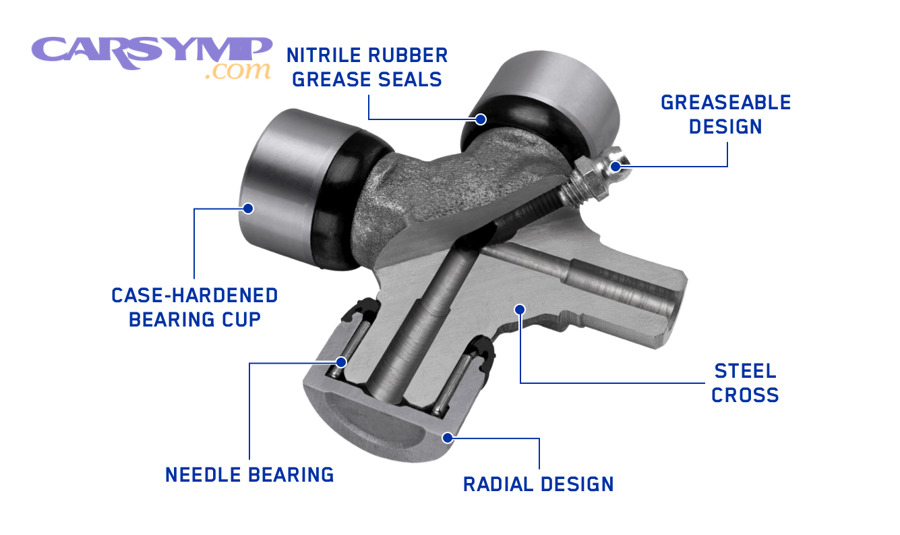
Spot Driveshaft U-Joint Wear Symptoms: Bad Universal Joint Signs for Drivers & DIYers
A worn driveshaft U-joint usually announces itself the same way every time: vibration that follows vehicle speed, clunks during throttle changes, squeaks/chirps, and shuddering under load —and you can use these patterns to spot the problem early before it escalates. Next, you’ll learn how to confirm U-joint wear with a simple DIY inspection , so you’re not guessing based on noise alone and you can describe the issue clearly if you decide to visit a shop.
Daniel James Carter January 31, 2026 at 3:49 PM
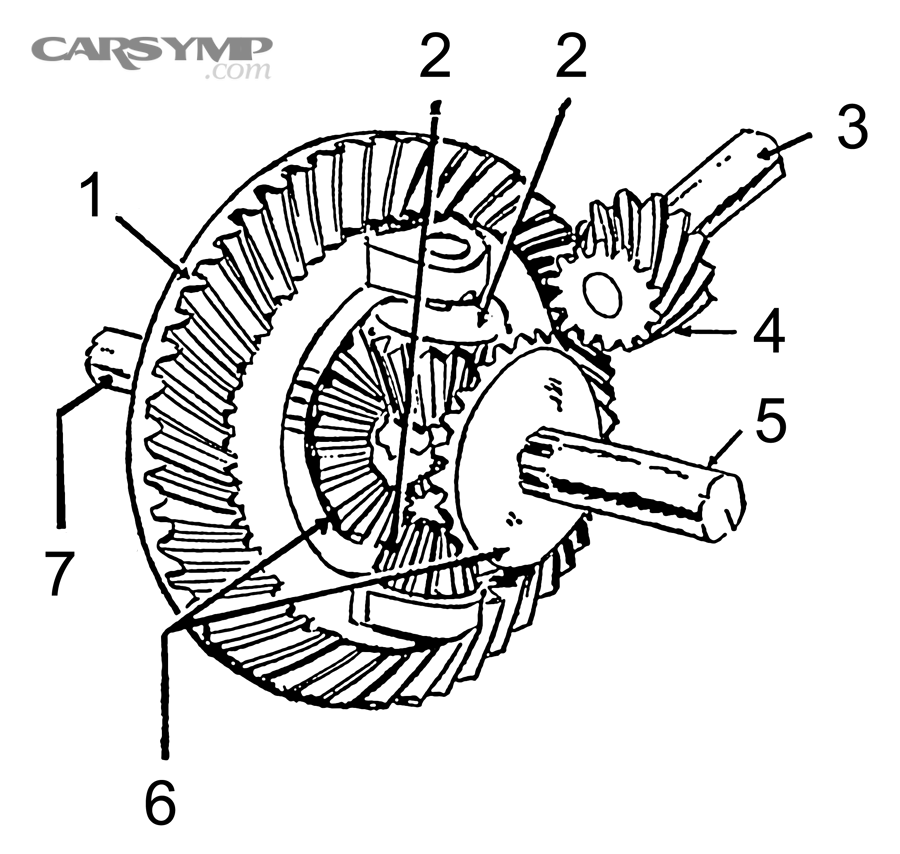
Inspect Differential (Final-Drive) Fluid Leaks and Condition: A Step-by-Step Gear Oil Check for DIY Drivers
A differential fluid leak and condition check is a simple, high-impact inspection that helps you catch low gear oil, seal leaks, and early wear before the differential overheats or damages gears and bearings. You can do most of the check with basic tools by locating the fill plug, verifying level, and evaluating the fluid’s appearance and odor.
Daniel James Carter January 31, 2026 at 3:37 PM
How to Inspect a CV Axle Shaft & CV Joint: Step-by-Step Boot, Grease, and Play Check for DIY Car Owners
A CV axle shaft and CV joint inspection is a practical, step-by-step way to confirm whether a torn boot, lost grease, or abnormal joint play is behind clicking turns, vibration under load, or new clunks—without guessing or replacing parts blindly. Next, you’ll learn how to set up the car safely, where to look first, and what specific boot and grease patterns matter most, so your inspection results are clear enough to act on rather than “maybe.
Daniel James Carter January 31, 2026 at 3:24 PM
Diagnose Drivetrain Noises & Vibration: A Driveline Checklist for Drivers (CV Joints, U-Joints, Mounts)
If your car suddenly starts humming, clunking, or shaking, the fastest way to stop guessing is to diagnose drivetrain noises and vibration with a checklist —observe the pattern, run a few safe road tests, and inspect the most likely driveline parts in a logical order. Next, this guide helps you translate what you feel (steering-wheel shake vs seat/floor vibration) and what you hear (whine vs clunk vs grind) into probable causes , so you don’t replace parts blindly or miss an urgent safety issue.
Daniel James Carter January 31, 2026 at 3:13 PM
Understand What a Drivetrain Inspection Includes for Used-Car Buyers: A Transmission-to-Axle Checklist
A drivetrain inspection includes a systematic check of the parts that deliver power from the transmission to the drive wheels—so you can confirm smooth power transfer, spot wear patterns early, and separate “normal aging” from “buy-it-now” problems. If you’re trying to make sense of what gets checked (and what doesn’t ), the fastest way is to map the inspection to real components—transmission, shafts, joints, differentials, and (on AWD/4WD) the transfer case—then tie each to the symptoms it creates when it’s failing.
Daniel James Carter January 31, 2026 at 3:01 PM
How to Prevent Future DPF Blockages: A Practical Guide for Diesel Car Owners to Avoid Recurring Clogs
Most “repeat” DPF blockages happen because soot builds faster than your car can burn it off through regeneration. To prevent future DPF blockages, you need a repeatable routine: drive in a way that finishes regenerations, maintain the systems that feed soot into the filter, and stop small warning signs before they become limp mode.
Daniel James Carter January 31, 2026 at 2:39 PM
Diagnose the EGR & Turbo Causes Behind DPF Problems: Symptoms, Test Order, and Fixes for Diesel Owners
A clogged DPF is rarely “just a DPF problem”—in many diesel setups, EGR soot loading and turbo control faults can create a vicious cycle that drives DPF restriction, repeated regenerations, and eventually drivability issues or limp mode. Next, you’ll learn which EGR-related failures most commonly accelerate DPF soot accumulation , because a “cleaned” DPF will clog again if the upstream soot source is still active.
Daniel James Carter January 31, 2026 at 2:28 PM
Know When DPF Replacement Is Necessary: Cleaning vs Replacement Signs for Diesel Owners
If you’re wondering when DPF replacement is necessary, the most accurate answer is this: replacement becomes necessary when the filter can no longer return to normal exhaust flow and regeneration behavior because it’s physically damaged, permanently contaminated, or effectively “end-of-life” from ash loading—so performance and reliability don’t recover even after proper diagnostics and service. Next, the word “necessary” matters because it’s not the same as “the light is on.
Daniel James Carter January 31, 2026 at 2:18 PM
Avoid vs Adopt: Driving Habits That Clog a DPF Quickly (and the Ones That Keep It Clean) for Diesel Drivers
Certain driving habits really can clog a diesel particulate filter (DPF) fast—especially short, low-load trips that never let exhaust heat rise high enough to burn soot. The fix starts with identifying the habits that create soot faster than the filter can regenerate , then switching to habits that support normal burn-off before the restriction becomes a “no power” problem.
Daniel James Carter January 31, 2026 at 2:07 PM
Calculate a DPF Cleaning Cost Estimate (Diesel Particulate Filter) vs Replacement — for Diesel Truck Owners & Fleet Managers
If you want a reliable DPF cleaning cost estimate, you need to price the whole job —not just the cleaning machine time—by combining service type, labor time, testing, and the condition of the filter. This guide walks you through a practical estimating method you can use before you call a shop.
Daniel James Carter January 31, 2026 at 1:57 PM
Fix DPF Warning Light & Limp Mode: Step-by-Step Regeneration vs DPF Cleaning Guidance for Diesel Drivers
A DPF warning light plus limp-home mode usually means the engine computer is limiting power because exhaust backpressure is rising (often from soot load), so the fastest “fix” is to confirm severity, protect the turbo, and either complete a safe regeneration drive or stop and diagnose before damage escalates. Next, drivers typically want to know whether they can keep driving at all—and the answer depends on warning color/messages, how severe the power loss is, and whether the engine is overheating, smoking heavily, or showing a flashing check-engine light.
Daniel James Carter January 31, 2026 at 1:47 PM
Diagnose & Fix DPF Differential Pressure Sensor Issues (DPF Pressure Sensor): Symptoms, Codes & Hose Problems — for Diesel Drivers & Techs
A DPF differential pressure sensor issue is best solved by diagnosing the pressure signal path first (hoses → ports → wiring → sensor), confirming the fault with live data, then fixing the verified cause —because many “bad sensor” codes are actually hose leaks, soot-blocked lines, or a DPF restriction. Next, you’ll also learn what the sensor measures and why the ECU depends on it to schedule regeneration and protect the diesel particulate filter—so you can spot when readings are plausible versus misleading.
Daniel James Carter January 31, 2026 at 1:36 PM
Compare DPF Cleaning Methods: On-Car vs Off-Car Thermal, Aqueous, and Ultrasonic Options for Diesel Owners
If you’re searching “DPF cleaning methods compared,” you want a clear, real-world comparison of the main options—what each method removes, what it can’t remove, and which one fits your vehicle, budget, and downtime tolerance. This guide compares thermal, aqueous, and ultrasonic approaches so you can pick the method that restores flow without damaging the filter.
Daniel James Carter January 31, 2026 at 1:25 PM
Compare Passive vs Active DPF Regeneration for Diesel Drivers: Differences, Triggers, and When Each Happens
Passive vs active DPF regeneration is the difference between soot burning off naturally during the right driving conditions (passive) and the engine computer deliberately raising exhaust temperature to clean the filter (active)—and knowing which one is happening explains most “why is my diesel acting weird?” moments.
Daniel James Carter January 31, 2026 at 1:14 PM
Recognize Blocked DPF Clogging Symptoms: Diesel Particulate Filter Warning Signs for Diesel Drivers
If your diesel feels sluggish, throws a warning light, or keeps “trying to clean itself,” you may be dealing with DPF clogging symptoms —and you can often recognize them before the problem becomes a tow. This guide explains the most common DPF blocked signs diesel drivers notice first, what they mean, and why they show up.
Daniel James Carter January 31, 2026 at 1:05 PM